September 2026: Native Hawaiian and Pacific Islander Heritage Month
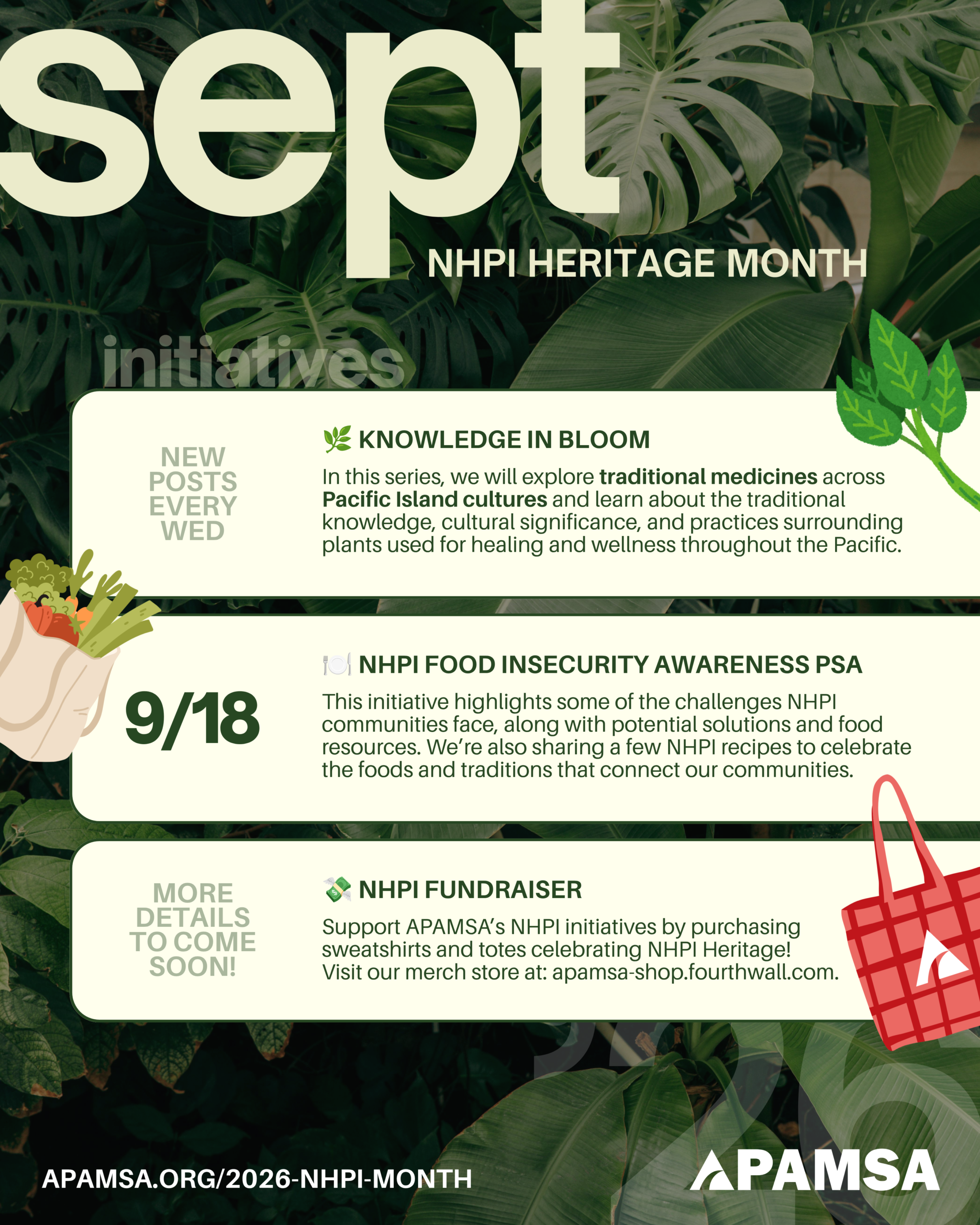
From our APAMSA family to you: welcome to 🌺 NHPI Heritage Month! 🌺 Join us throughout September as we celebrate the rich cultures, histories, traditions, and communities of Native Hawaiian and Pacific Islander peoples through connection, education, and heritage.
Throughout the month, we’ll be featuring a series of events and activities designed to highlight the diversity of NHPI cultures and create opportunities for our community to learn, reflect, and celebrate together.
First, join us as we explore traditional medicines across Pacific Island cultures in our 🌿 Knowledge in Bloom 🌿 series and learn about the traditional knowledge, cultural significance, and practices surrounding plants used for healing and wellness throughout the Pacific.
We’ll also be hosting an 📚 NHPI book club 📚, where we’ll come together to read and discuss a featured book centered on NHPI experiences, culture, and identity, but in a fictional and fantastical setting. Whether you’re familiar with the community or learning something new, we hope this creates space for thoughtful conversation and connection.
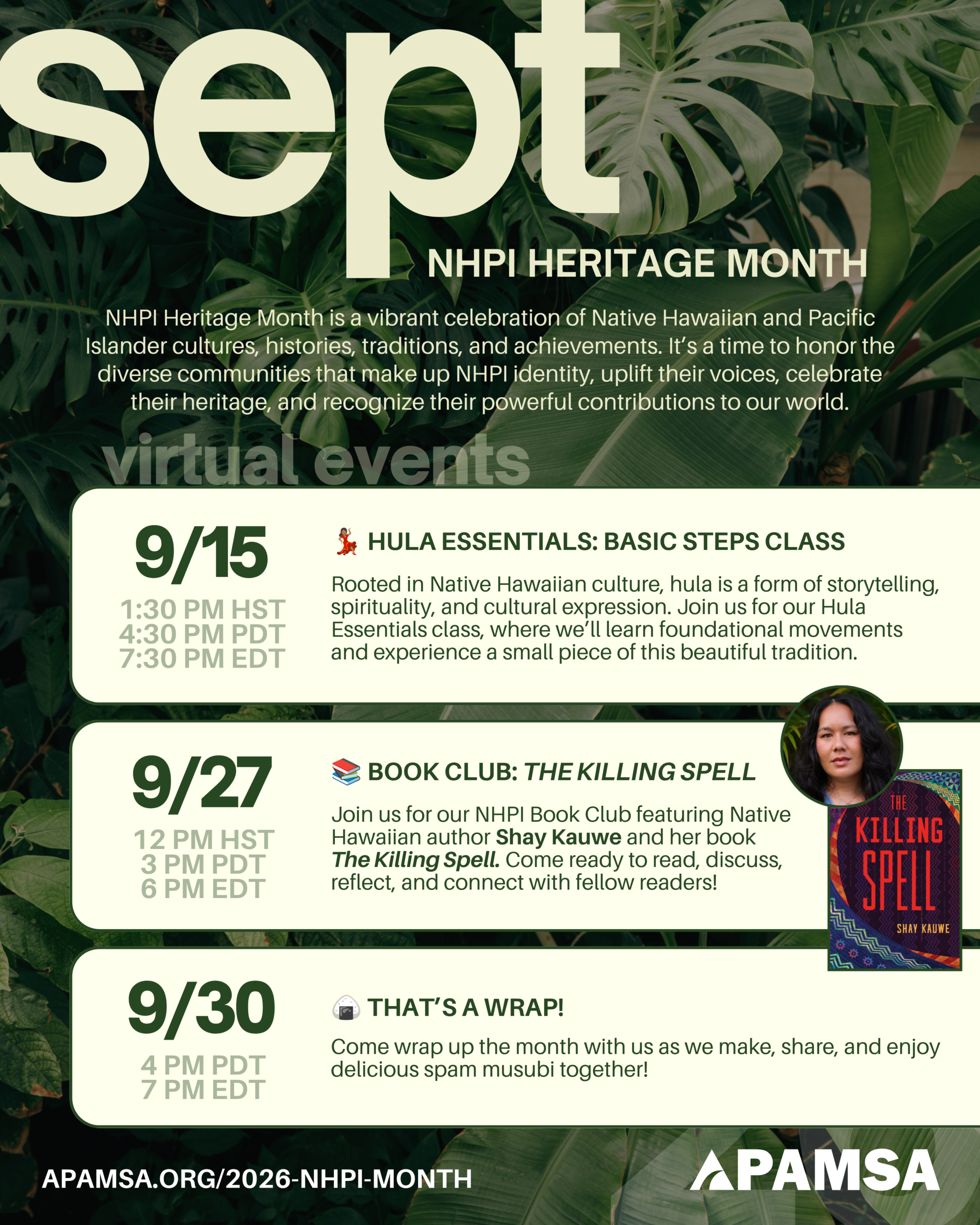
Mid-month, join us in moving our bodies as we host a Hula Basics class via Zoom! Taught by our talented MS2s who lead our Hula Club, we will be covering basic steps and hand motions followed by learning a simple hula to a mele (song). Whether you are a hula expert or have never danced before, we hope this class helps you to get active and feel more connected with Native Hawaiian culture!
Finally, we’ll be closing out the month with a 🤝 fundraiser 🤝 supporting NHPI communities and giving us an opportunity to turn heritage into action.
Whether you’re of NHPI heritage, living in the Pacific, or simply interested in learning more, we hope this month gives you a chance to celebrate the incredible diversity of the Pacific, learn from its traditions and stories, and build community along the way.
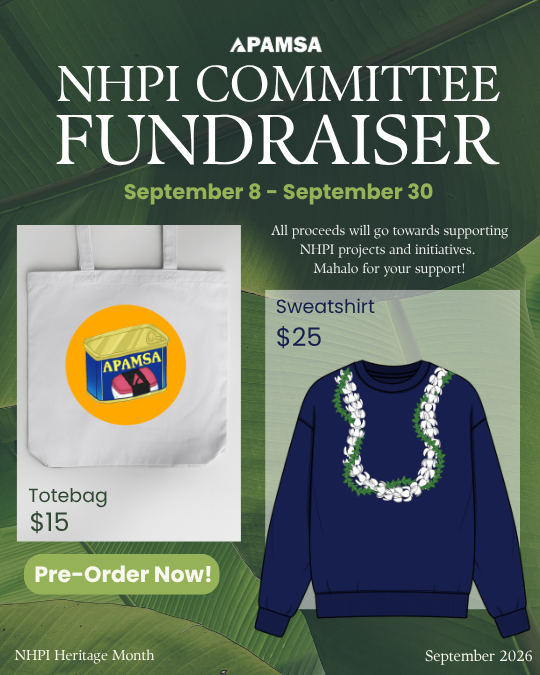
September 8-30, 2026
The APAMSA NHPI Committee is excited to launch our NHPI Heritage Month Fundraiser! 💚
Show your support with our limited-edition NHPI tote bag 👜 and lei sweatshirt 🌺
👜 Totebag — $15
🌺 Sweatshirt — $25
All proceeds will go toward supporting NHPI projects and initiatives. Your purchase helps us continue creating spaces that celebrate, uplift, and advocate for our NHPI communities. 🤍
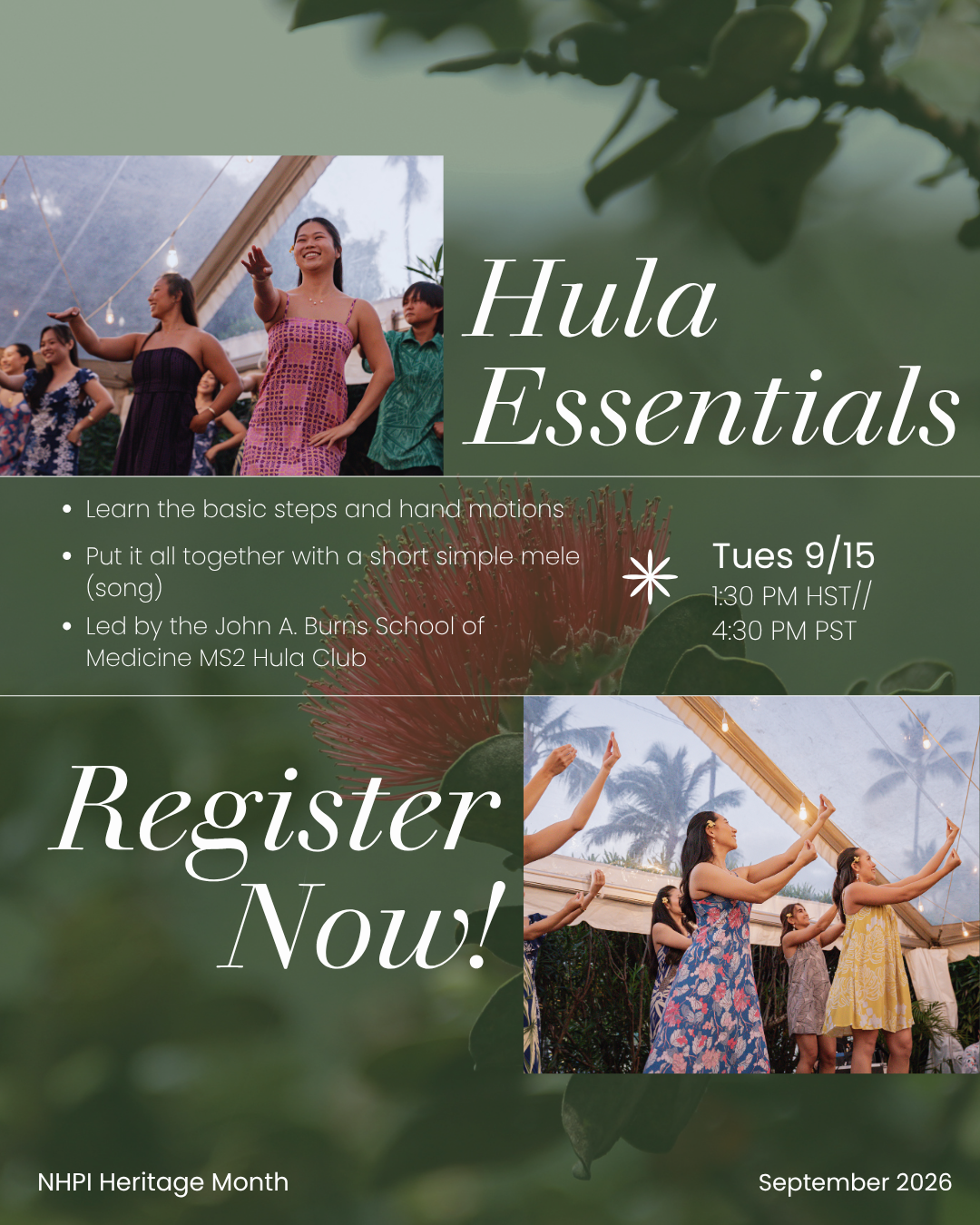
September 15, 2026
Hula is so much more than dance. 💃🏽🌺
Rooted in Native Hawaiian culture, hula is a form of storytelling, history, genealogy, spirituality, and cultural expression. Through movement, chant, music, and oli, hula can preserve and communicate stories and knowledge across generations.
Before we learn the steps, we’re taking a moment to learn about the history and cultural significance of hula—because understanding the tradition is just as important as learning the movements.
Then, it’s time to move! 🌺 Join us for our Hula Essentials: Basic Steps class, where we’ll learn foundational movements and experience a small piece of this beautiful tradition.
Whether you’ve danced before or are completely new to hula, come ready to learn, listen, move, and appreciate. 🌊
🌺 Come for the steps. Stay for the story.
Open to Everyone!
Date: September 15, 2026
Time: 1:30 PM HST | 4:30 PM PDT | 7:30 PM EDT
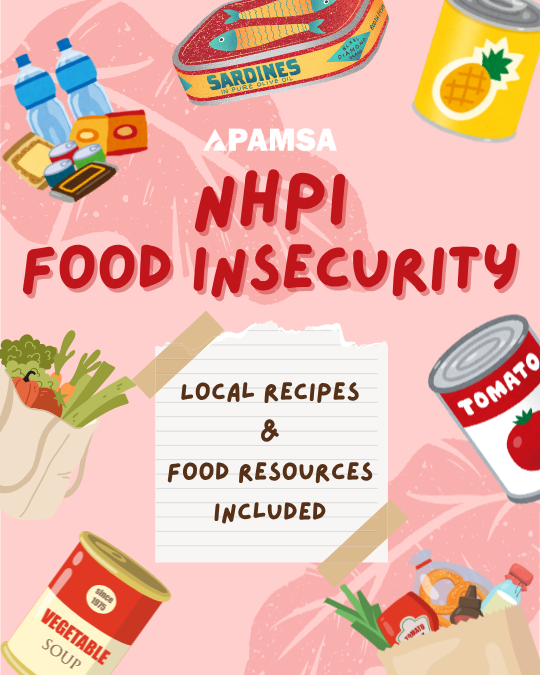
September 18, 2026
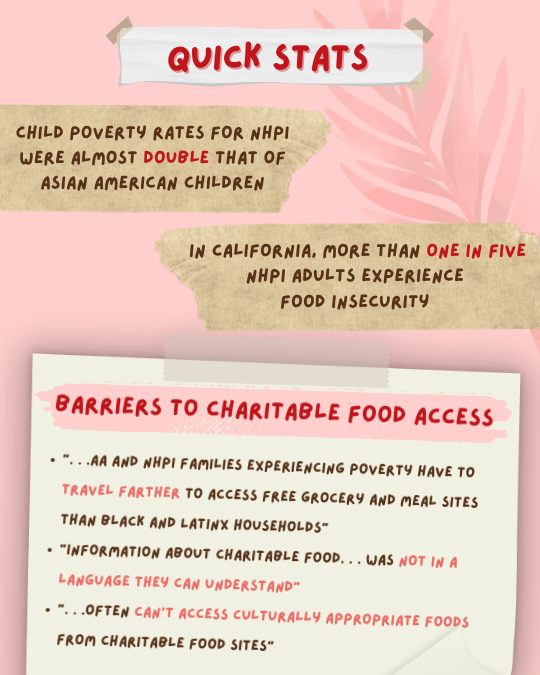
For many Native Hawaiian and Pacific Islander (NHPI) communities, food insecurity remains an important issue shaped by factors such as poverty, food access, geography, and the availability of culturally appropriate foods. Yet, barriers to accessing charitable food resources can make it even more difficult for NHPI families to find foods that meet their cultural and nutritional needs. 🥫🌱
So, what can we do? 🤔
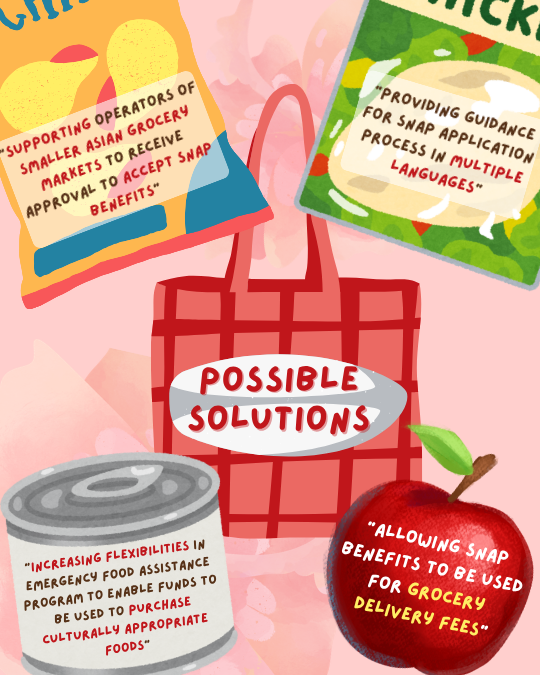
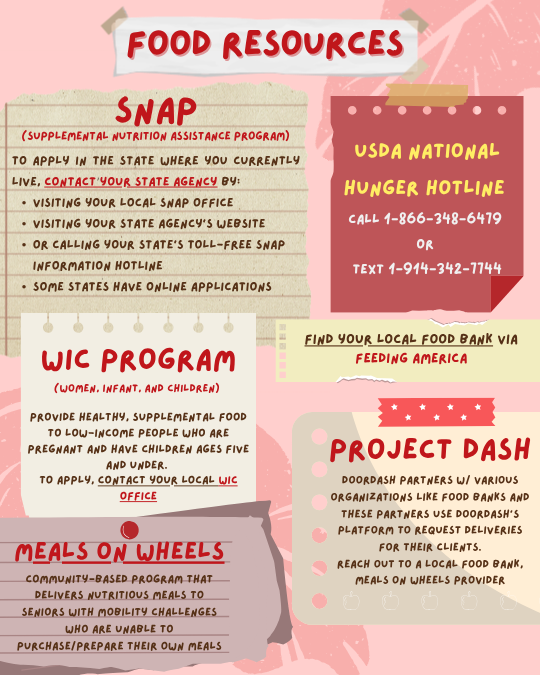
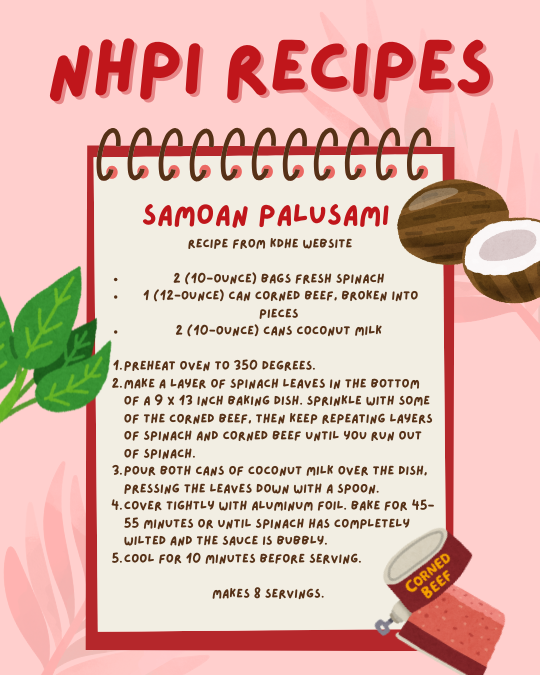
In this post, we’re highlighting some of the challenges NHPI communities face, along with potential solutions and food resources. We’re also sharing a few NHPI recipes to celebrate the foods and traditions that connect our communities.
🌺 From increasing food access to preserving cultural food traditions, addressing food insecurity means making sure everyone has access to food that nourishes both body and community.
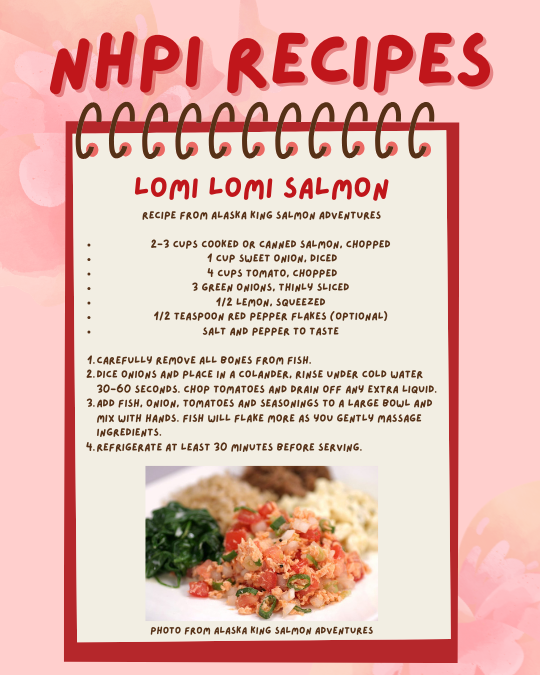
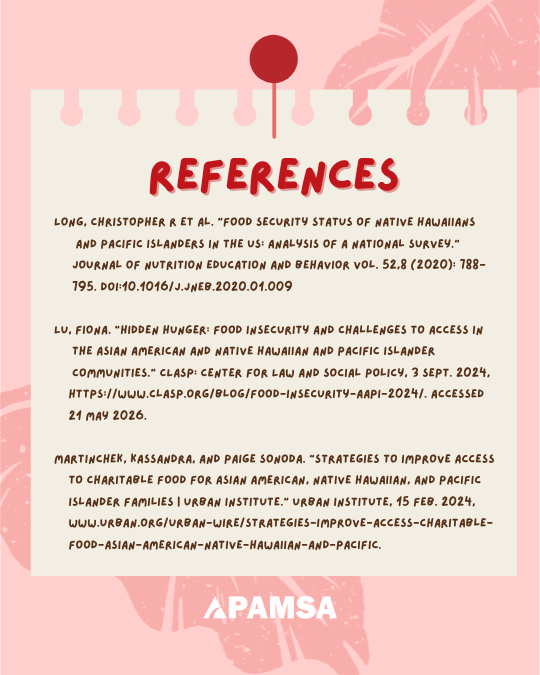
September 27, 2026
What better way to celebrate NHPI Heritage Month than by making space for NHPI stories and voices? 🌊
Join us for our NHPI Book Club featuring Native Hawaiian author Shay Kauwe and her book The Killing Spell. 📚🌺
Through literature, we have the opportunity to engage with Native Hawaiian perspectives, explore stories rooted in place and culture, and support NHPI authors whose voices contribute to the richness of our literary landscape.
Come ready to read, discuss, reflect, and connect with fellow readers!
To kick off our NHPI book club, we will be giving away 5 copies of The Killing Spell. To enter, fill out the Google form linked below.
📚 One story can open the door to a whole new perspective.
We hope to see you there! 🌺
Date: September 27, 2026
Time: 12PM HST | 3PM PST | 6PM EST

September 30, 2026
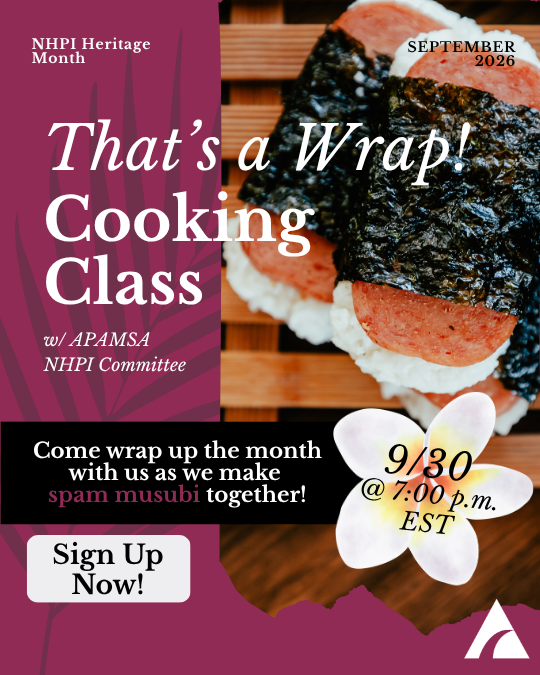
We’re wrapping up NHPI Heritage Month with a little taste of Hawaiʻi! 🌺 Join the APAMSA NHPI Committee for a Spam Musubi Cooking Class as we come together to make one of Hawaiʻi’s favorite local snacks. 🤙🏽
Date: September 30, 2026
Time: 1PM HST | 4PM PST | 7PM EST
Knowledge in Bloom
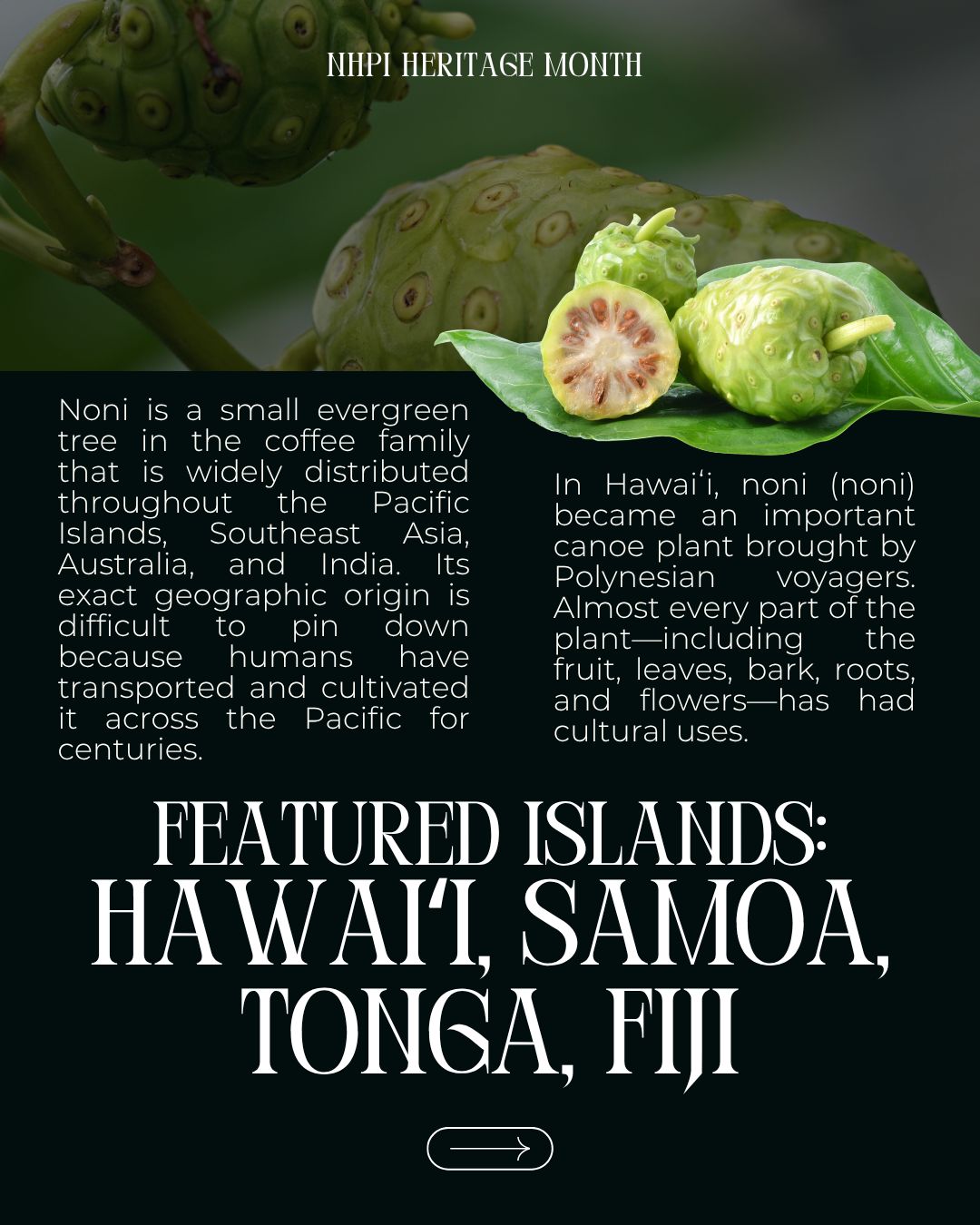
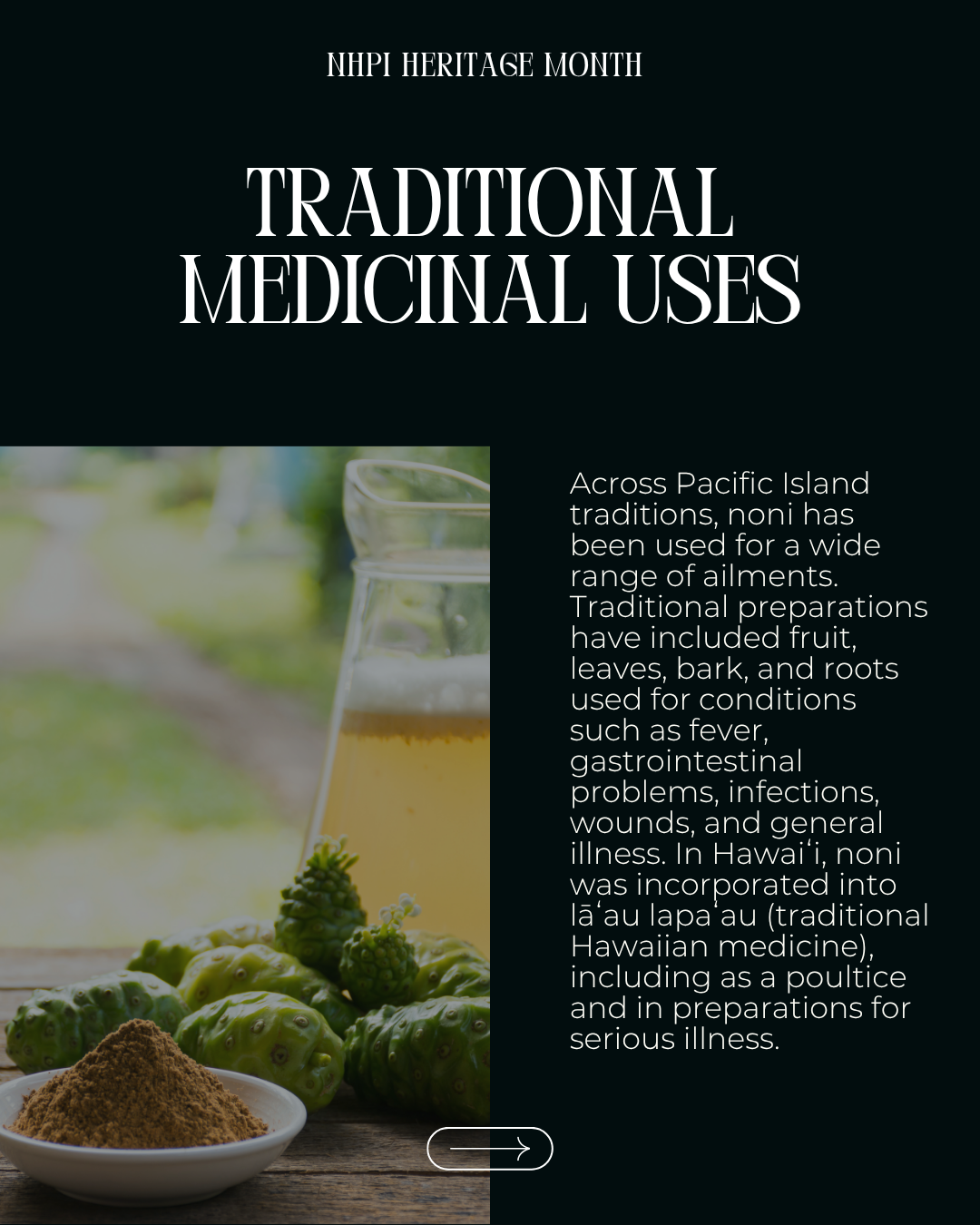
We’re kicking off our Knowledge in Bloom series with noni (Morinda citrifolia)! 🌺
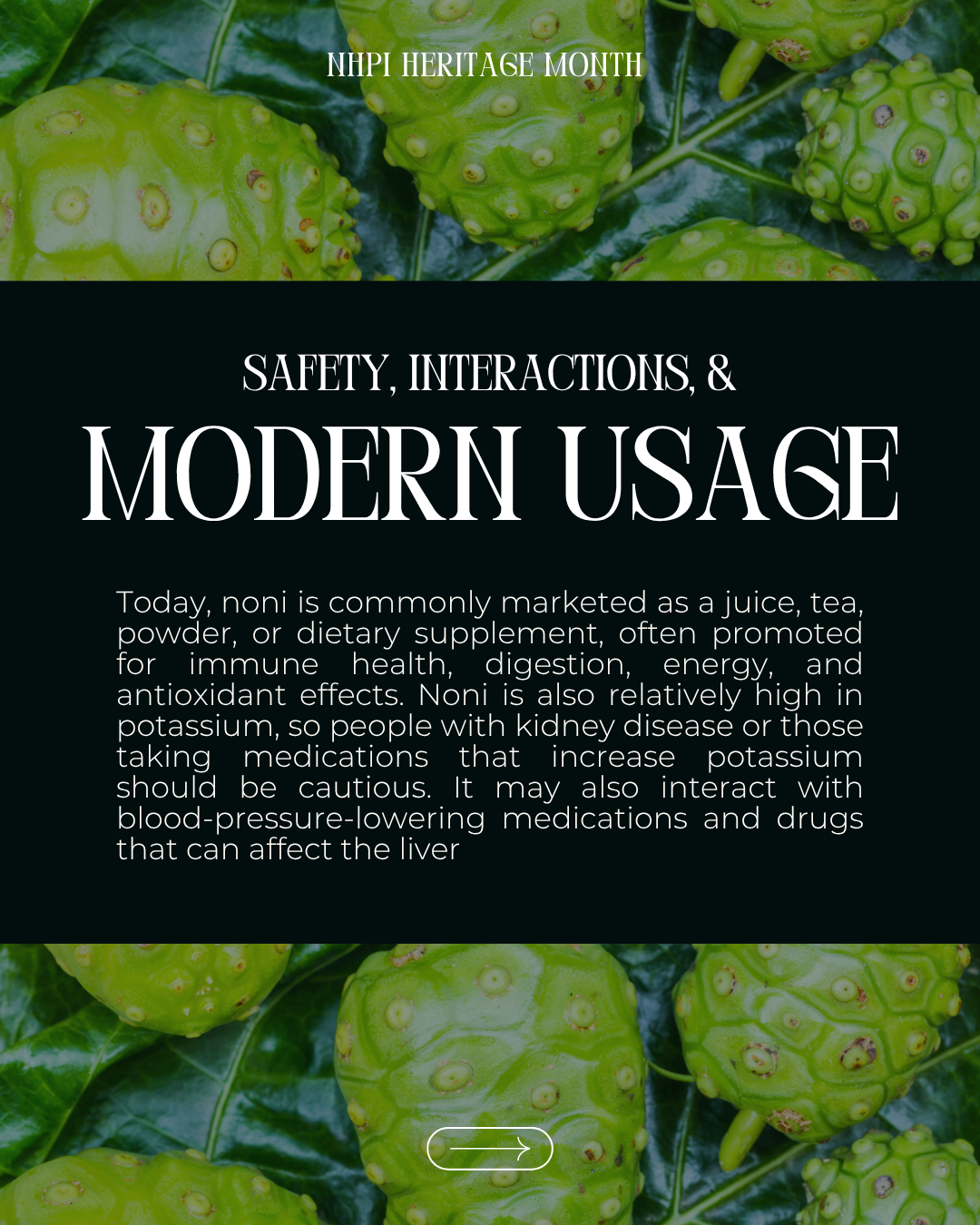
Found throughout the Pacific, noni has a long history of use in traditional medicine and cultural practices. Across different Pacific communities, various parts of the plant have been used in preparations for wounds, inflammation, digestive complaints, and other ailments.
Today, noni can be found in juices, teas, powders, and other products—but how does modern research compare with generations of traditional knowledge? 🔬🌿
Join us as we explore the history, traditional uses, and modern science behind this beloved Pacific plant.
🌱 From generations of knowledge to modern research, there is always more to learn.
Traditional medicinal practices are shared for educational and cultural purposes and do not necessarily represent clinically proven treatments.
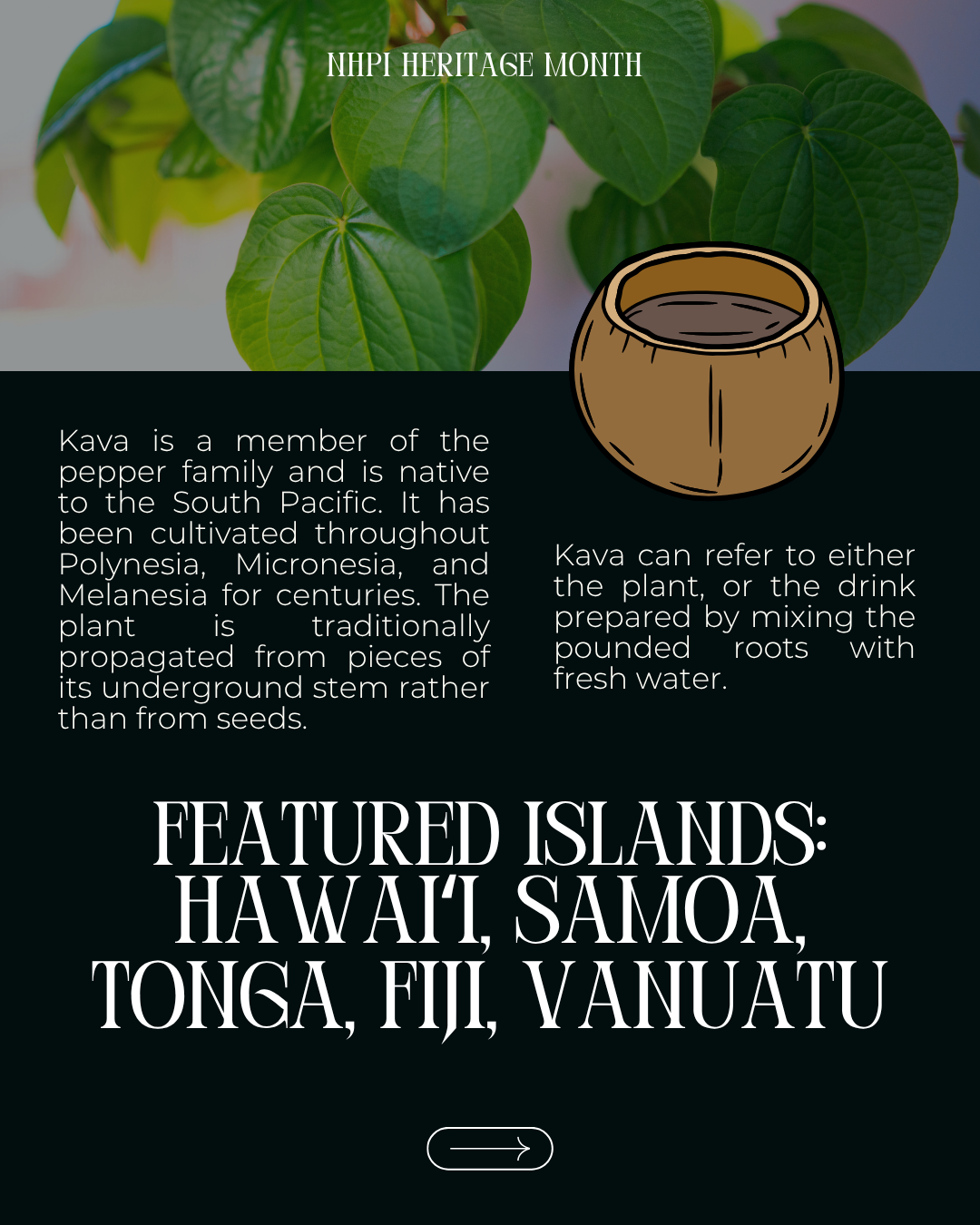
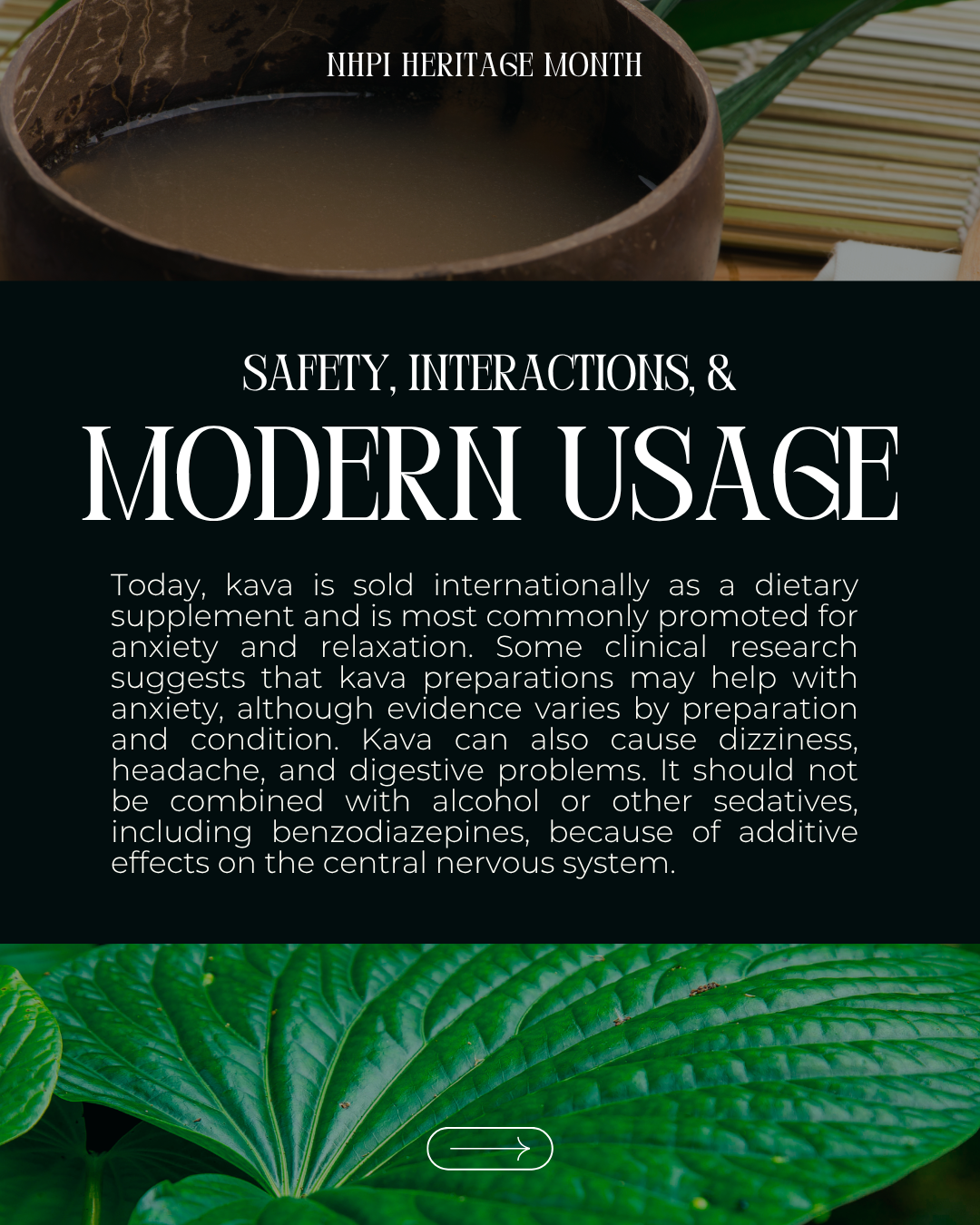
Next up in our Knowledge in Bloom series: ʻawa, also known as kava (Piper methysticum). 🌿
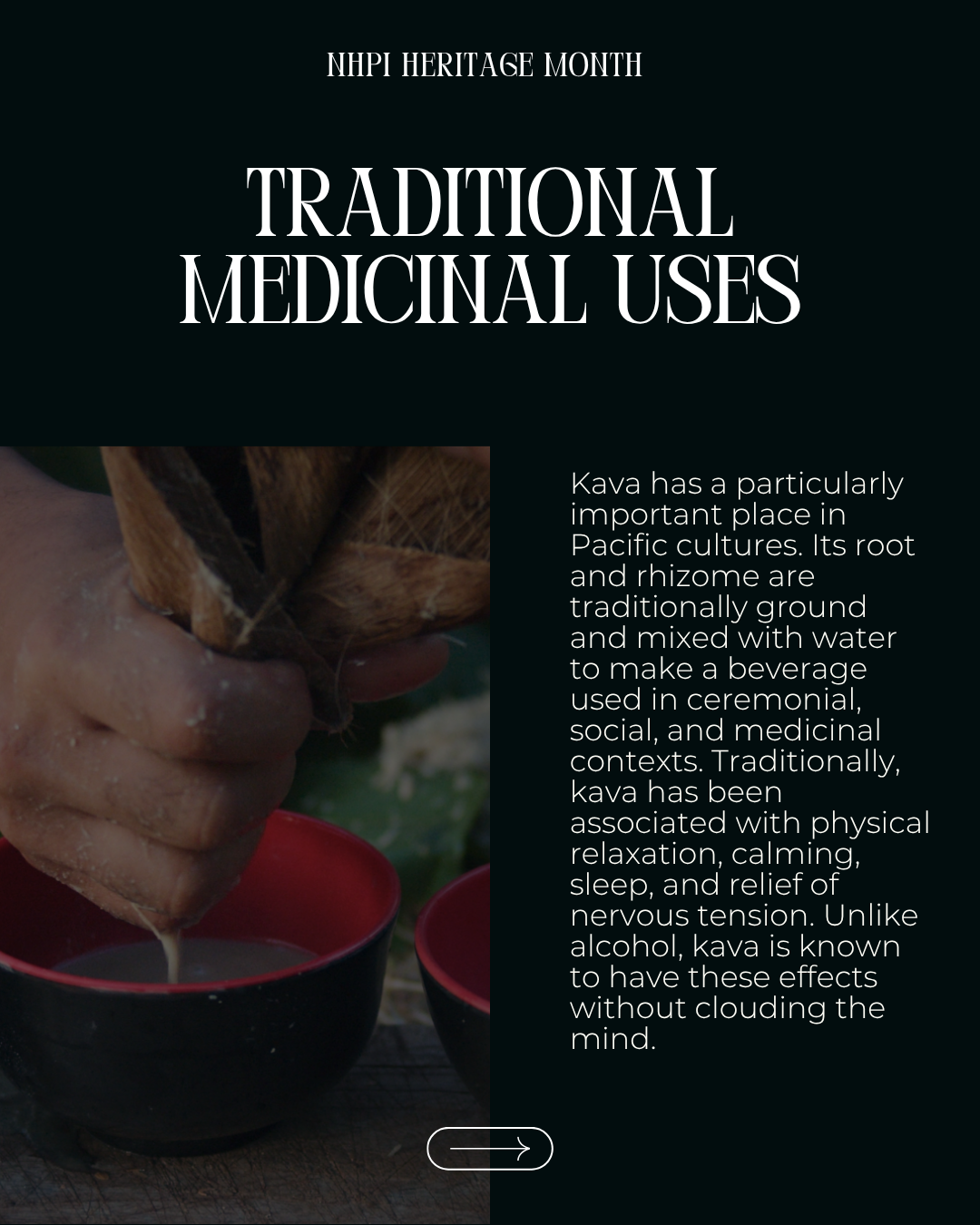
Cultivated across the Pacific for generations, ʻawa holds a special place in many Pacific Island cultures. More than a plant, ʻawa is connected to ceremony, community, hospitality, and tradition, with practices varying across different Pacific cultures.
Traditionally, ʻawa has also been associated with relaxation and calming effects. Today, it continues to be studied for its potential effects on anxiety and the nervous system. 🔬
But with traditional knowledge comes the responsibility to understand the plant in its full context—including its cultural significance, modern research, and safety considerations.
🌊 ʻAwa reminds us that Pacific plant knowledge is about more than medicine—it is about people, place, and connection.
Traditional medicinal practices are shared for educational and cultural purposes and do not necessarily represent clinically proven treatments.
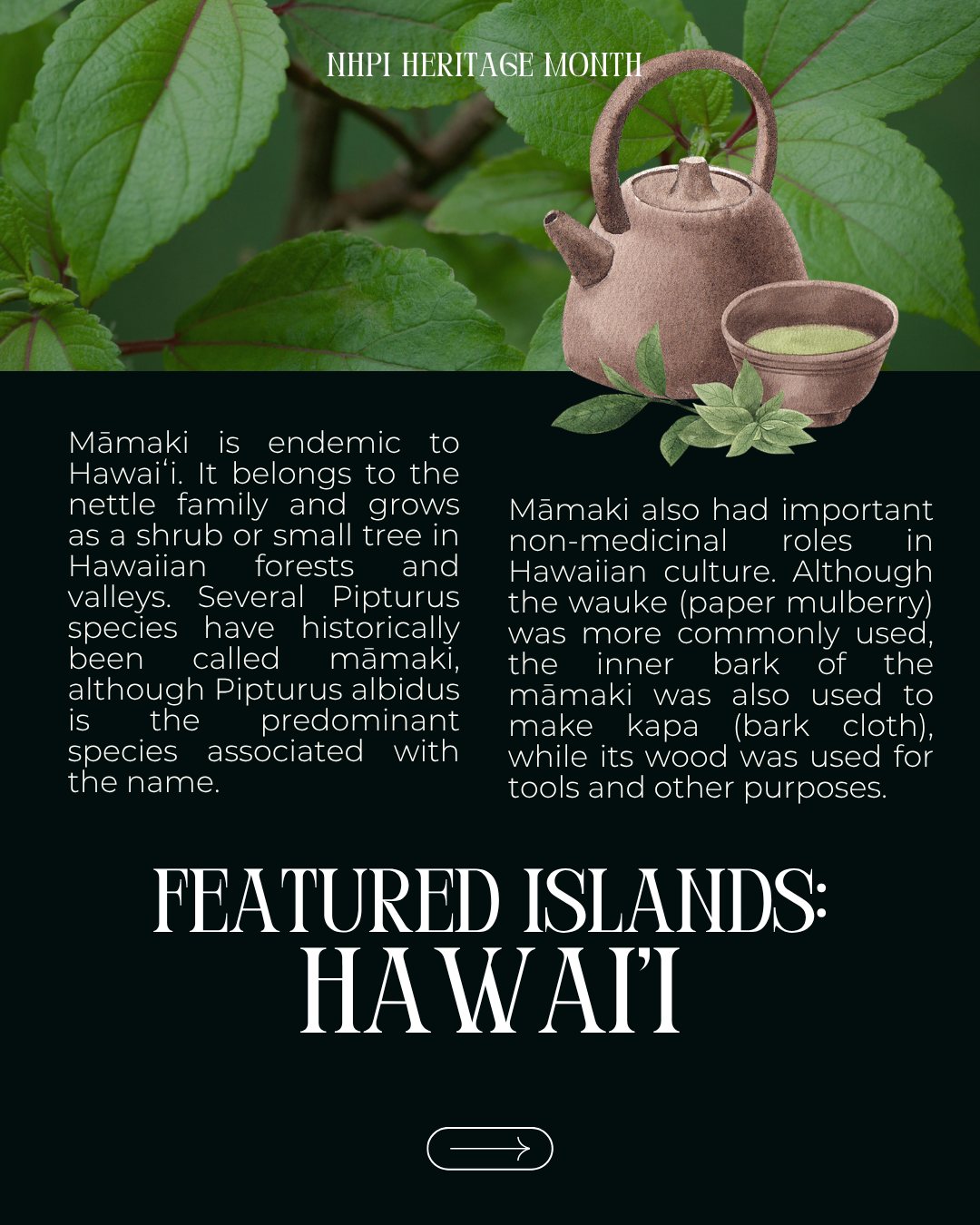
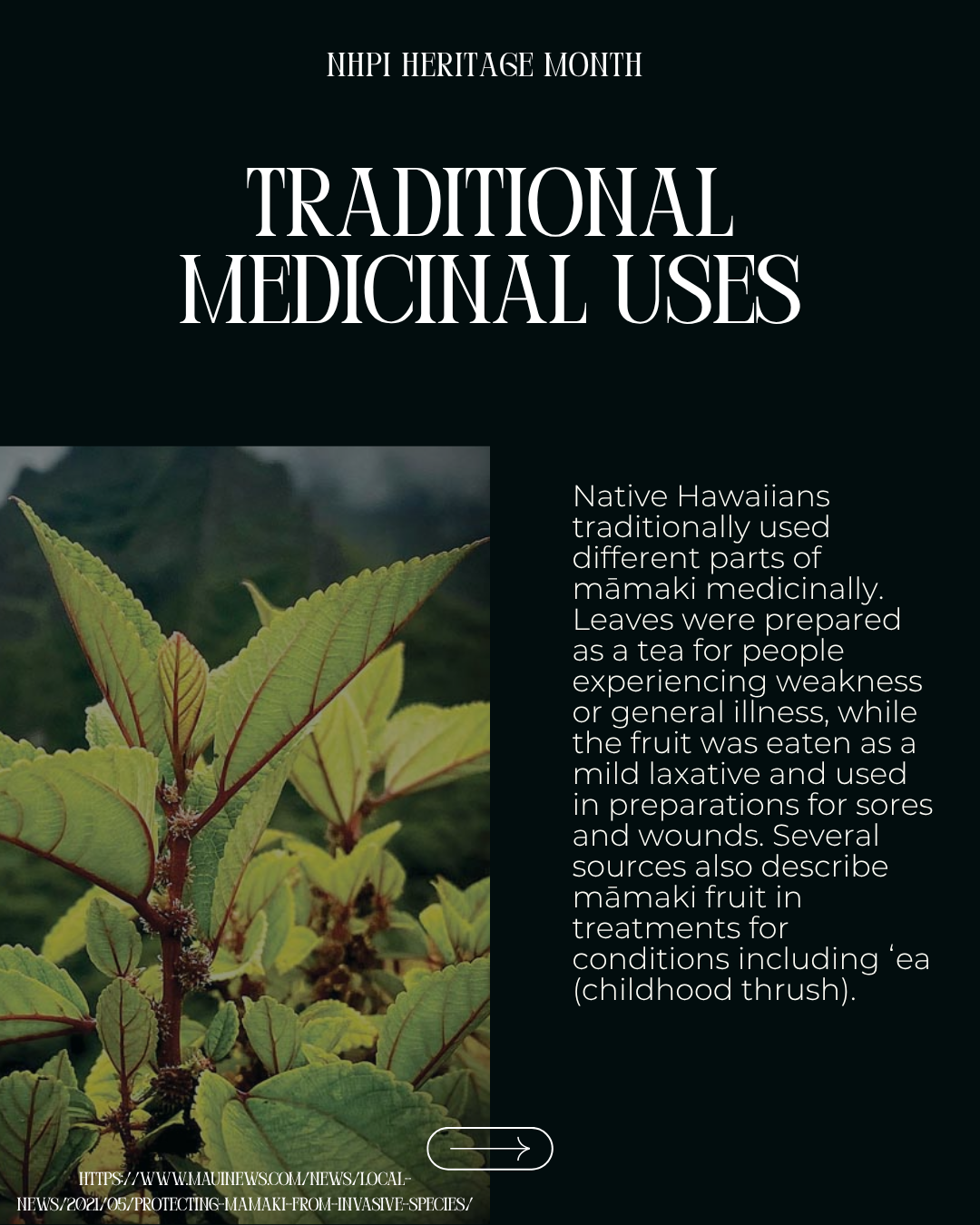
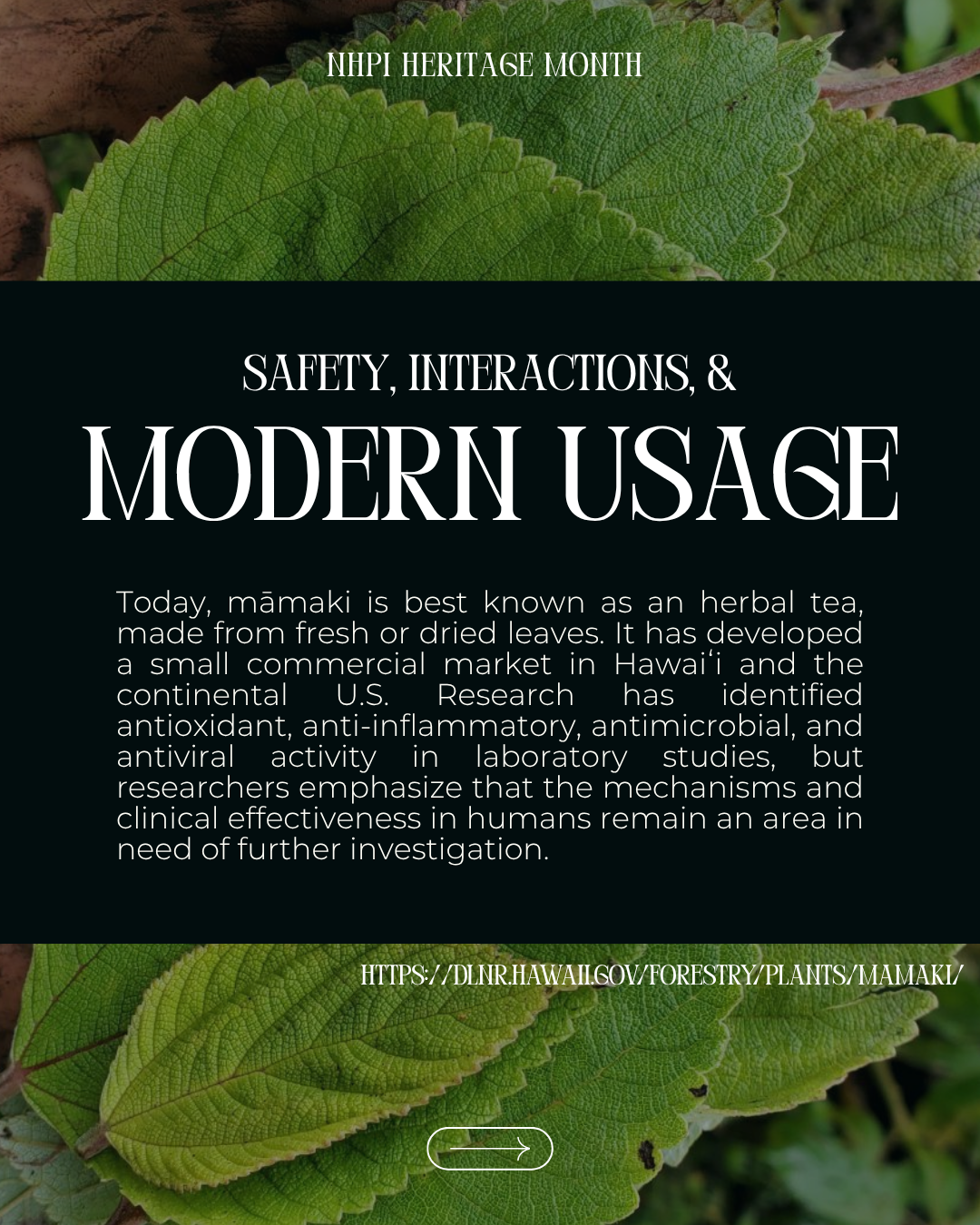
For Part 3 of Knowledge in Bloom, we’re learning about māmaki (Pipturus albidus)—a plant native to Hawaiʻi. 🌺
Traditionally, Native Hawaiians have used different parts of māmaki for a variety of purposes, including medicinal preparations. Its leaves have long been prepared as a tea, while other parts of the plant have been incorporated into traditional remedies.
But māmaki is more than medicine. 🌱 Its history is intertwined with Hawaiian relationships to the ʻāina, including traditional uses of the plant for kapa and other everyday materials.
Today, māmaki is commonly enjoyed as an herbal tea, while researchers continue to investigate its antioxidant, antimicrobial, and other biological properties.
🌺 Learning about māmaki means learning not only about a plant, but about the relationship between people, knowledge, and ʻāina.
Traditional medicinal practices are shared for educational and cultural purposes and do not necessarily represent clinically proven treatments.
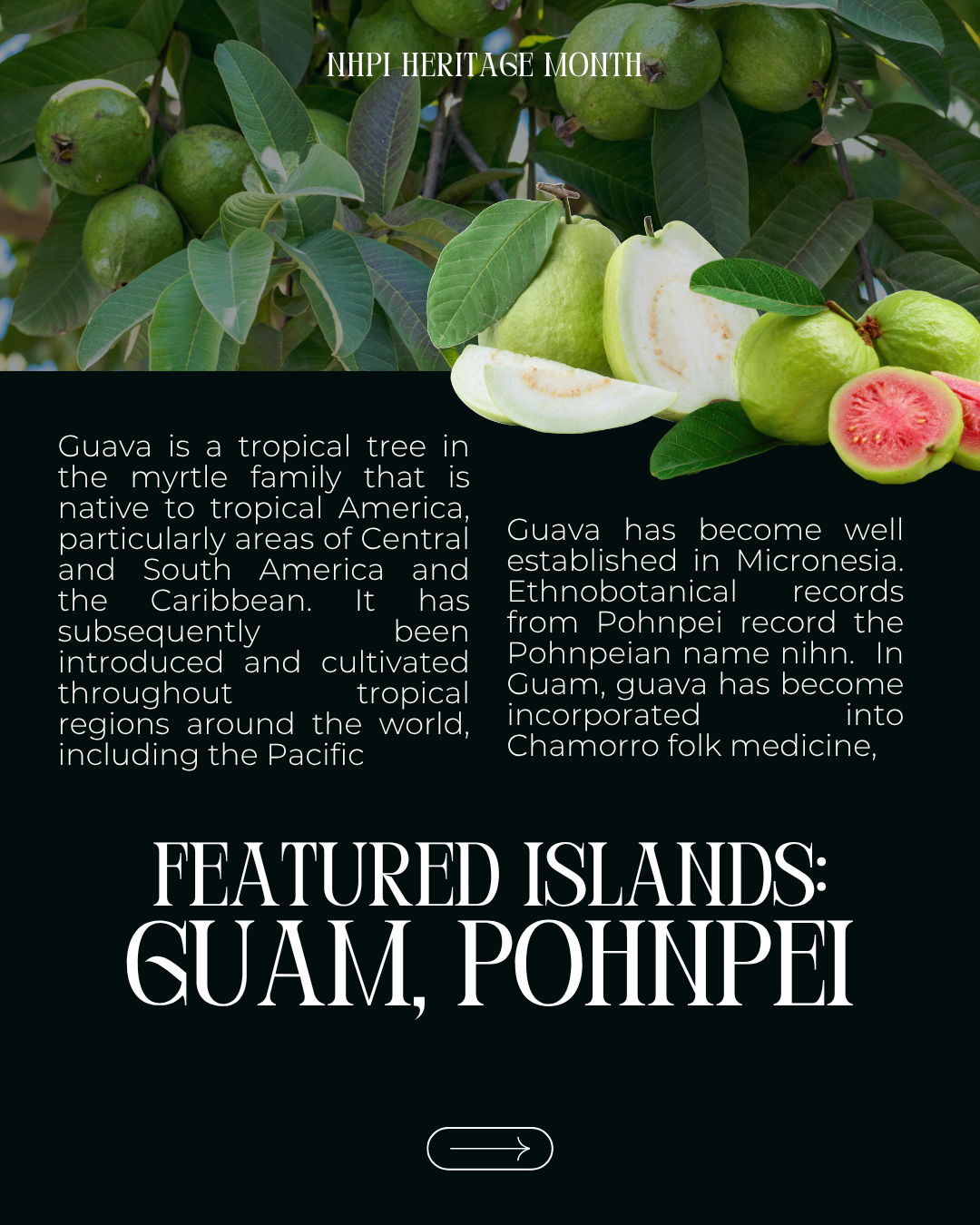
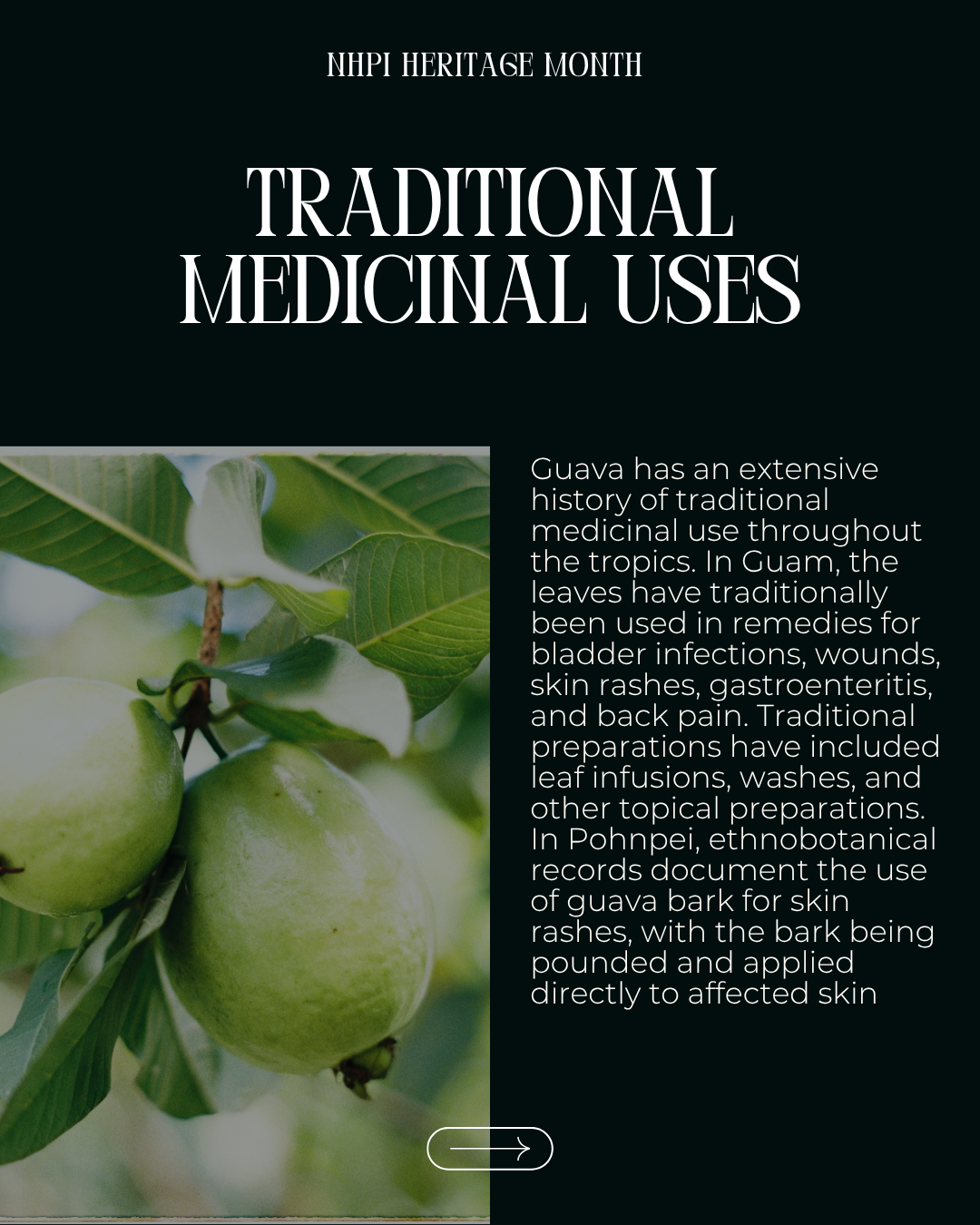
You may know guava for its sweet fruit—but did you know that guava leaves have also been part of traditional medicine across the Pacific and beyond? 🌿
Guava (Psidium guajava) is native to tropical regions of the Americas but has become established throughout the Pacific, including parts of Micronesia. In communities such as Guam and Pohnpei, traditional knowledge has included the use of different parts of the plant for skin conditions, wounds, digestive complaints, and other ailments.
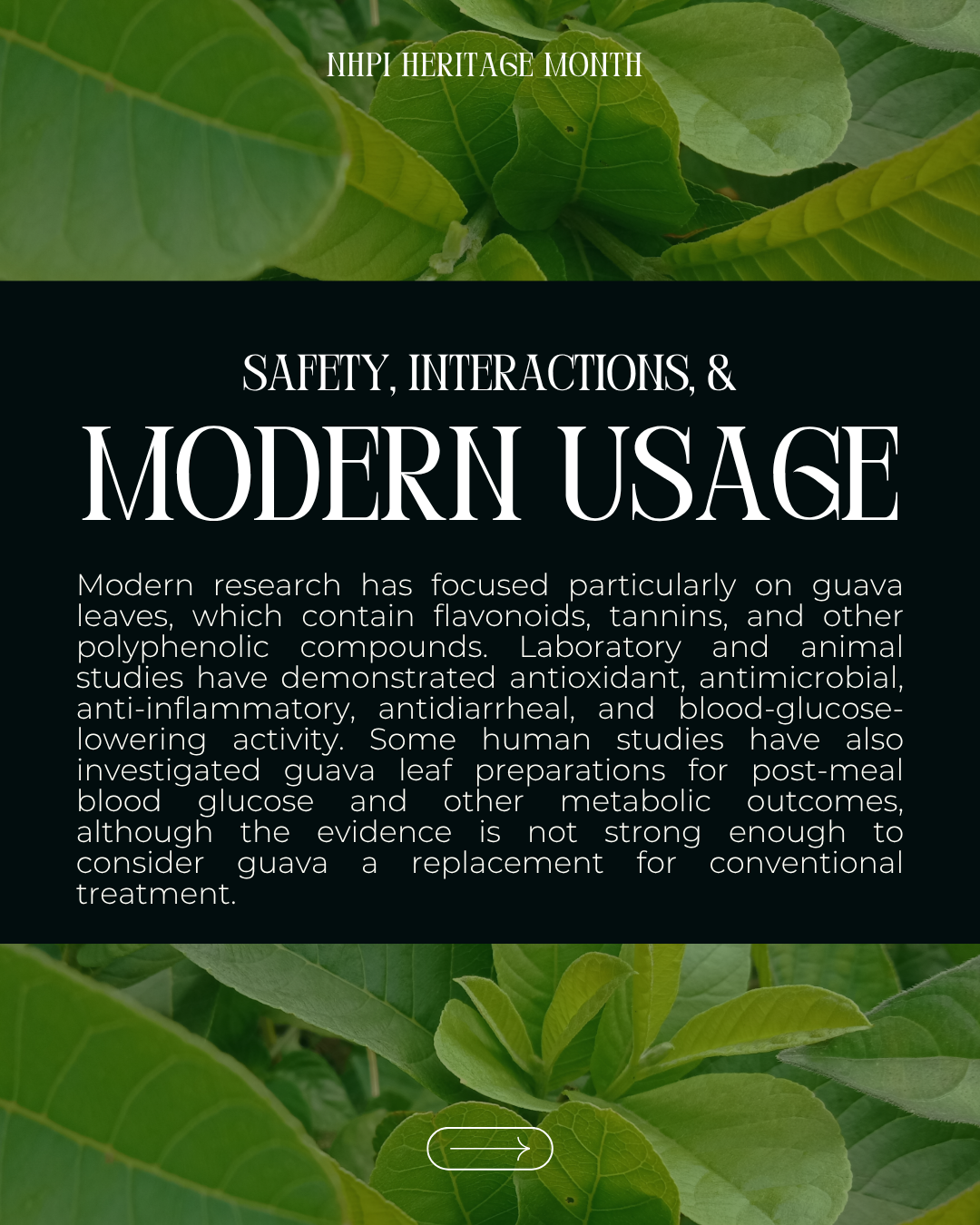
Modern researchers are now studying compounds found in guava leaves for their potential antioxidant, antimicrobial, anti-inflammatory, and metabolic effects. 🔬
From the garden to the kitchen to traditional medicine, guava is a reminder that the plants around us can carry layers of cultural knowledge and history.
🌱 What everyday plants might hold stories we haven’t heard yet?
Traditional medicinal practices are shared for educational and cultural purposes and do not necessarily represent clinically proven treatments.