


We are happy to announce the 1st Annual Hepatitis, Equity, Advocacy, and Leadership “HEAL” Summit (previously known as the Annual Hepatitis Conference)!
The conference will take place on Friday, November 7, 2025 from 8 AM to 5 PM and Saturday, November 8, 2025 from 8 AM to 5 PM EST in Washington D.C.!
The George Washington School of Medicine and Health Sciences has graciously partnered with us to put together the best conference yet! APAMSA members and non-members are all welcome to register and attend.
Welcome to the 1st Annual APAMSA Heal Summit!
This year, we will be hosting an Advocacy Day on November 7th where APAMSA members can engage in conversations with legislators in advocating for AANHPI health topics, medical educations, and more. We will also be taking a tour around the Capitol building!
Each year, we strive to collectively engage in the global fight against liver diseases, including hepatitis B and C, and to raise awareness about health disparities and their impact within the Asian American, Native Hawaiian, and Pacific Islander (AANHPI) population.
The objectives of the conference are to raise awareness about the impact of liver diseases on the AANHPI community, to encourage future health care providers to advocate for policy changes to address the current health disparities that the AANHPI community face, to provide opportunities for current health profession students to network with prominent leaders in AANHPI healthcare and to provide a venue for students to present their research on topics related to GI/hepatology, oncology, mental health, and more!
Saturday, November 8th, 2025
MORNING
8:20-8:30: Welcome and Introduction by Alicia Bui, Hoang-Viet Tran, and Sophia Choi
8:30-9:00: Opening Remarks by Dr. Emmeline Ha
9:10-10:00: Hepatitis Panel with Dr. Samuel So (Keynote 1)
10:10-11:00: Health Equity with Dr. Arnab Mukherjea (Keynote 2)
11:10-12:00: Outreach with Meredith Wilson
AFTERNOON
12:00-1:00: Lunch
1:00-2:00: Research Presentations
2:10-3:00: Breakout Sessions
- Shave Biopsy Workshop with Cancer Initiatives Committee
- Alcohol Flush with Dr. Eric Gross
- Mental Health Fireside Chat with Dr. Pooja Khaira, Dr. Somin Lim, and Mia Park (Moderator)
3:10-4:00: Residency Panel
4:00-4:30: Closing Remarks and Award Presentation
Organization Booths (12:00-2:00 pm)
- Dr. Eric Gross
- NMDP
- AMA
- APIAHF

Dr. Eric R. Gross
The Health Risks of Alcohol Flush
Dr. Eric Gross (he/him) is an anesthesiologist at the Stanford School of Medicine, where his research laboratory focuses on the impact of genetic variants on perioperative organ injury. Taking a translational approach, the lab primarily investigates cardiovascular injury, with a current emphasis on aldehydes and the genetic variant responsible for inefficient aldehyde metabolism. One common phenomenon related to this research is alcohol-induced facial flushing, where individuals experience redness and an increased heart rate after drinking. This flushing is linked to a genetic variant that leads to the accumulation of acetaldehyde, a harmful intermediate from alcohol metabolism. Traced back to the Han Chinese in Central China, this variant heightens health risks, including certain cancers, especially among those who smoke or drink. Additionally, it diminishes the effectiveness of nitroglycerin, a medication used during heart attacks. Dr. Gross will discuss the genetic basis of alcohol flushing, its associated health risks, and the urgent need for greater education among medical professionals and the public. His research centers on aldehydes and their metabolism by the enzyme aldehyde dehydrogenase 2 (ALDH2), affecting nearly 540 million people worldwide. The significance of this work is evident in publications in prestigious journals such as Science Translational Medicine, Pain, BJA, Journal of Clinical Investigation, Redox Biology, and Physiological Reviews.
Eric R. Gross MD, PhD, FASA (@ericrgross.bsky.social, @ericrgross) is a physician-scientist and practicing anesthesiologist within the Department of Anesthesiology, Perioperative, and Pain Medicine at Stanford University. He runs a NIH-funded research laboratory studying how alcohol metabolism impacts anesthesiology and in general human health.
He is a member of the Stanford Cardiovascular Institute, Neuroscience Institute, and Center for Asian Research and Education (CARE). Dr. Gross is also the section editor for basic science for the journal Anesthesia & Analgesia and the editorial fellowship director for the Journal of Pharmacology and Experimental Therapeutics. Today, Dr. Gross will discuss the health implications of alcohol flushing.
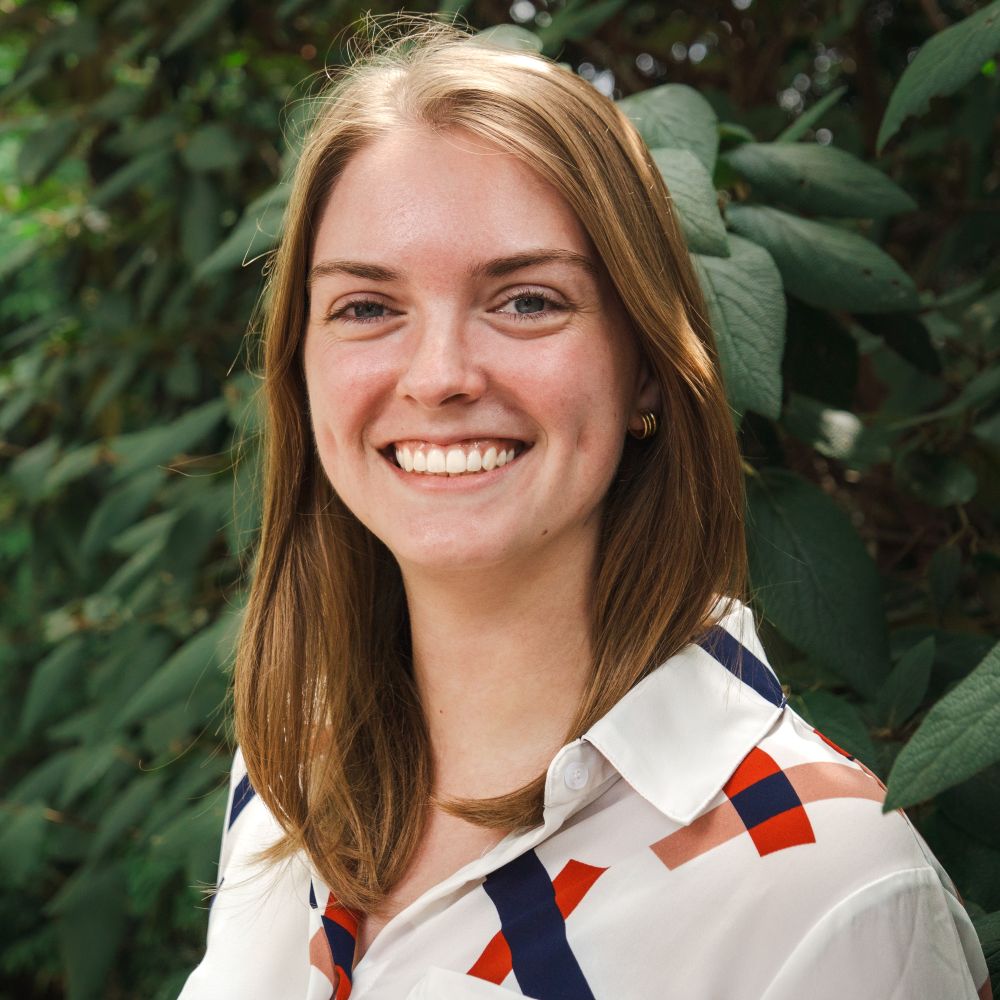
Ms. Meredith Wilson
NIH All of Us Research Program
This talk will provide an overview of the NIH All of Us Research Program, including the Researcher Workbench. The All of Us Research Program is a historic effort to collect and study data from one million or more people living in the United States. The goal of the program is better health for all of us. All of Us’ one-of-a-kind dataset is stored on the Researcher Workbench, a secure, cloud-based platform. Registered researchers can access data from surveys, genomic analyses, electronic health records, physical measurements, and wearables to study the full range of factors that influence health and disease.
Meredith Wilson is an experienced health policy analyst and project manager. Ms. Wilson has significant experience working with stakeholders at Clinovations Government + Health managing multiple projects like the Health IT Maternal Health Initiative with the Assistant Secretary for Technology Policy (ASTP) and the technical assistance program for eHealthDC. Prior to joining the Clinovations team, Ms. Wilson served in a project management role at Pyxis Partners to support work with the National Institutes of Health’s (NIH) All of Us Research Program, with a particular focus on researcher engagement. Ms. Wilson also has experience working with private sector clients, like The Kennedy Forum, to conduct policy research and write white papers on behavioral health, substance use, and mental health. Ms. Wilson has developed numerous health policy briefs and serves as a technical writer for multiple federal contracts.
Ms. Wilson received her Master’s in Public Policy and a Graduate Certificate in Biodefense from George Mason University and a Bachelor of Science in Neuroscience from Virginia Tech.
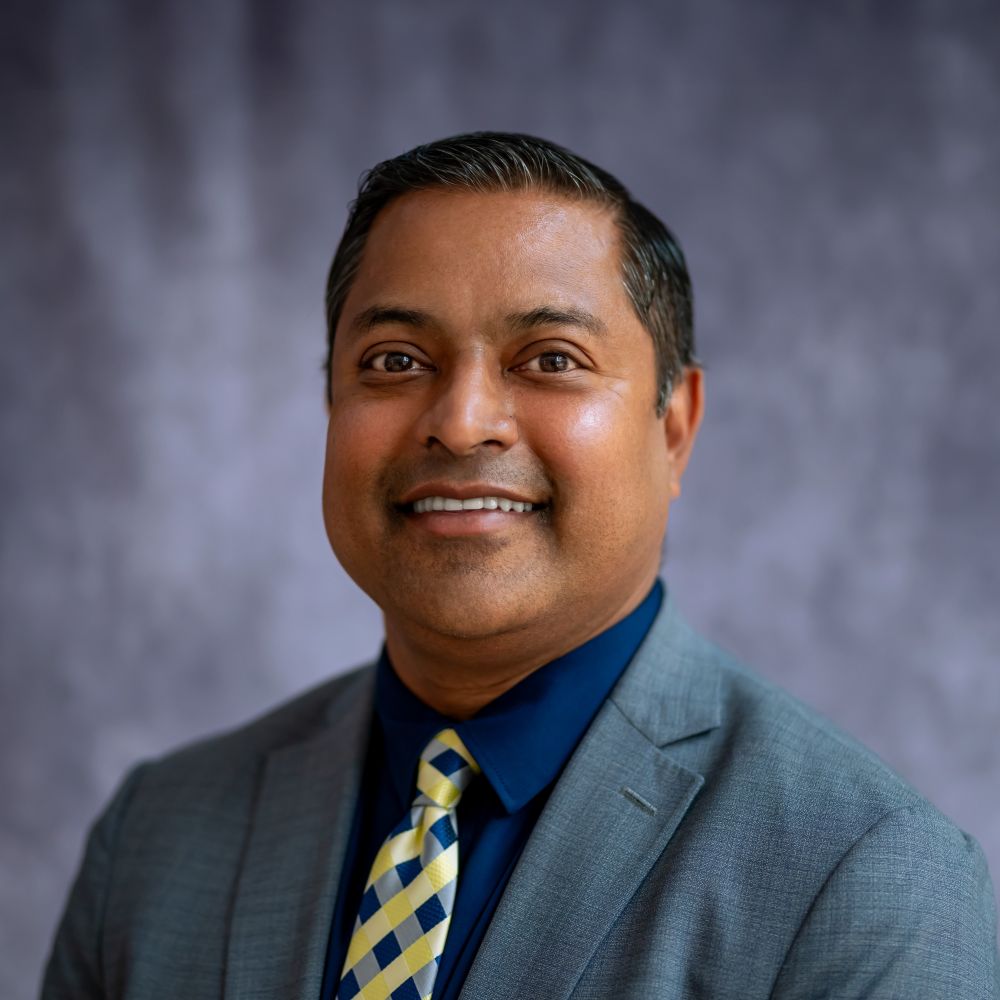
Dr. Arnab Mukherjea
The Importance of Community Representation and Advocacy in the health Professions
There has arguably never been a more challenging time in public health and medicine. Navigating these dynamic and unpredictable social and political environments requires resolve and conviction to advance a health agenda that affords equal opportunities for all communities to achieve optimal health and well-being. Especially for Asian Americans, Native Hawaiians, and Pacific Islanders (AANHPIs), social determinants of preventable health disparities have often been ignored or minimized. This talk will highlight historical influences on the presence and growth of AANHPIs and how the perception of this invisible yet mythically model minority continues to suffer from existing and emerging health disparities, with key differences by subgroup. It will end with a call to action for physicians and other health professions to reach beyond their comfort zones to ensure equity in opportunities for prevention of disease and promotion of health.
Dr. Arnab Mukherjea is a Professor of Public Health at California State University (CSU), East Bay, and serves as the Faculty Director for the Health Professions in the CSU Office of the Chancellor; he is also the Inaugural Director of the Asian American, Native Hawaiian, and Pacific Islander (AANHPI) Middle Leadership Academy, a joint effort of the CSU AANHPI Student Achievement Program (CSU ASAP) and the CSU Student Success Network.
Arnab completed his undergraduate (BA in Molecular & Cell Biology with a minor in Education) and graduate (MPH in Health & Social Behavior with specialization in Multicultural Health; DrPH in Applied Health Disparities Research) degrees at the University of California (UC), Berkeley and postdoctoral training (Tobacco Control and Chronic Disease Prevention) at UC San Francisco and UC Davis.
Arnab’s applied research interests broadly revolve around using community-engaged methods to understand and address health disparities among understudied Asian American, Native Hawaiian & Pacific Islander (AANHPI) subgroups, with a particular focus on contextual and culturally-framed risk factors. His research has been funded by the National Institutes for Health, Centers for Disease Control & Prevention, Office of Minority Health, and the state of California’s Tobacco-Related Disease Research Program and has been published in numerous peer-reviewed journals. He maintains membership in the Asian American Research Center for Health (ARCH) and is a Steering Committee Member of the California AANHPI Health Equity Coalition. Arnab firmly believes that community participation is essential for affected groups to understand, address, and ultimately take ownership of their own individual and collective health prospects.
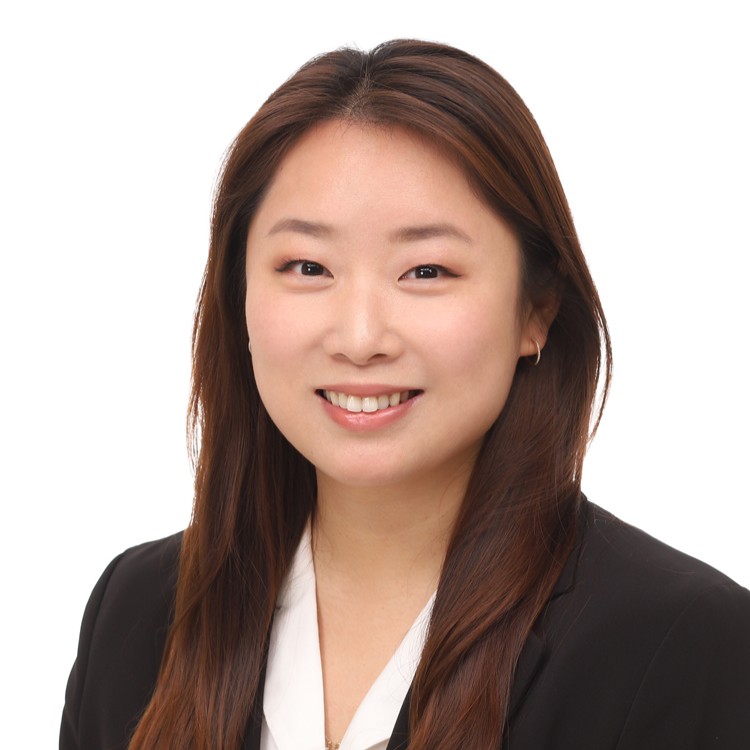
Dr. Somin Lim
AAPI Youth Suicide Prevention & Residency Panel
Dr. Somin Lim (she/her) grew up in Seoul, South Korea before immigrating to Southern California as a 1.5-generation immigrant. She is currently a Child and Adolescent Psychiatry Fellow at UC Irvine and serves as the APA Assembly’s Area 6 Resident Fellow Member Representative.
With a lifelong background in both music and medicine, Dr. Lim seeks to integrate creative modalities into psychiatric care to inspire and deepen therapeutic impact. Interests include advocacy, cross-cultural psychiatry, LGBTQI health, eating disorders, and psychotherapy.
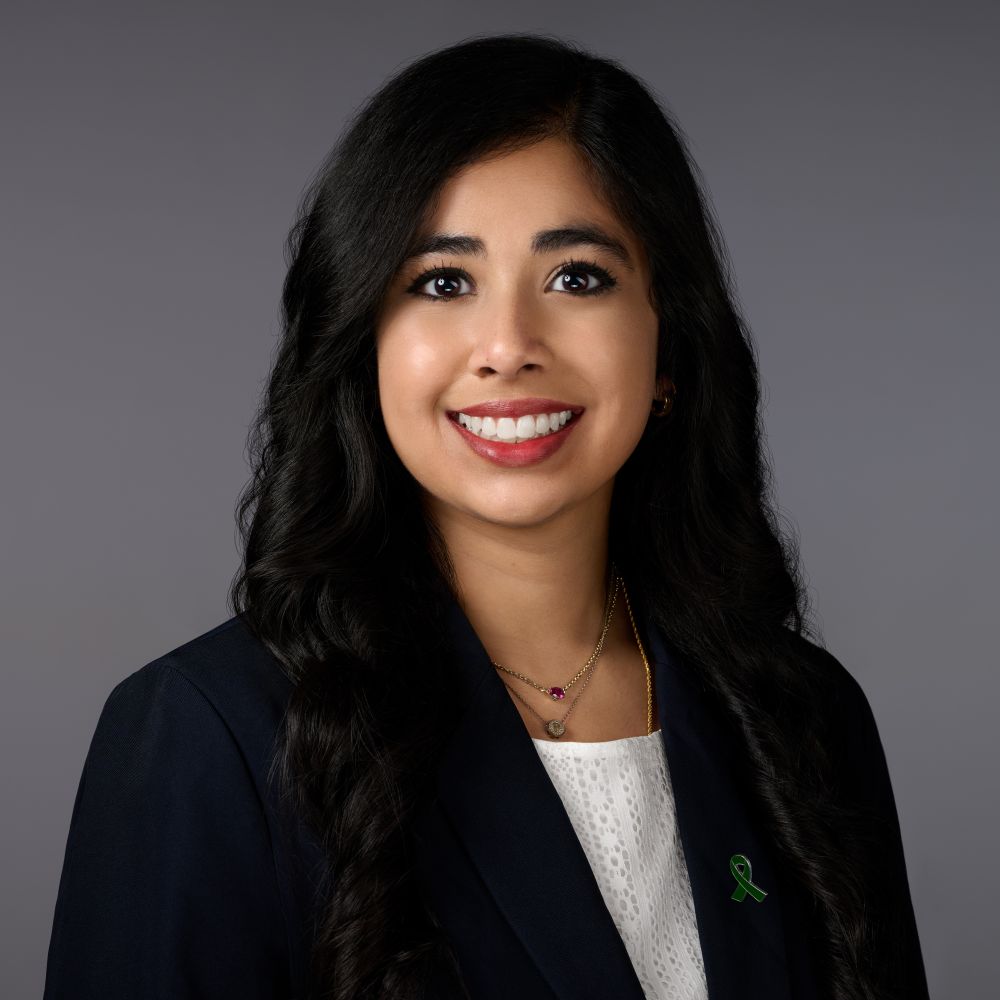
Dr. Poojajeet Khaira
AAPI Youth Suicide Prevention & Residency Panel
Poojajeet Khaira, MD is the Academic Chief Resident at MetroHealth Hospital – Case Western Reserve University and a University Hospitals Public and Community Psychiatry Fellow. She serves as Chair of the American Psychiatric Association (APA) Assembly Committee of Resident-Fellow Members, Vice Chair of the APA/APAF Leadership Fellowship, and Co-Chair of the APA Resident-Fellow Member Caucus. She also chairs the Ohio Psychiatric Physicians Association’s (OPPA) Resident-Fellow Member and Social Media Committees. Additionally, she is co-founder of the Sikh Mental Health Summit.
Dr. Khaira has received multiple honors, including the 2025 Association of Academic Psychiatry Resident Psychiatric Educator Award, 2025 APA William Sorum Assembly Resident-Fellow Member Award, the 2025 OPPA President’s Award, and the 2022 U.S. Public Health Service Excellence in Public Health Award.
Her work focuses on workplace violence prevention, medical education, advocacy, and cultural psychiatry, and she has authored multiple action papers passed by the APA Assembly.

Abstract submissions for the 1st Annual APAMSA HEAL Summit are now open!
Thank you for your interest in submitting your research for consideration for presentation at the 1st Annual APAMSA HEAL Summit. We look forward to evaluating your hard work. We prefer research to cover GI/Hepatology/Health Equity topics but also accept research related to AANHPI communities.
The poster session is tentatively scheduled for 1 PM to 2 PM. At least one author is required to give a presentation during this time. Poster awards will be given by our judges.
Deadline for Abstract Submission – October 6th, 2025 @ 11:59 pm CST
Final Abstract Decision Notification – October 20th, 2025 @ 11:59 pm CST
Poster Submission Deadline – October 30th, 2025 @ 11:59 pm CST
Please contact us at hepatitis@apamsa.org if you have any questions.
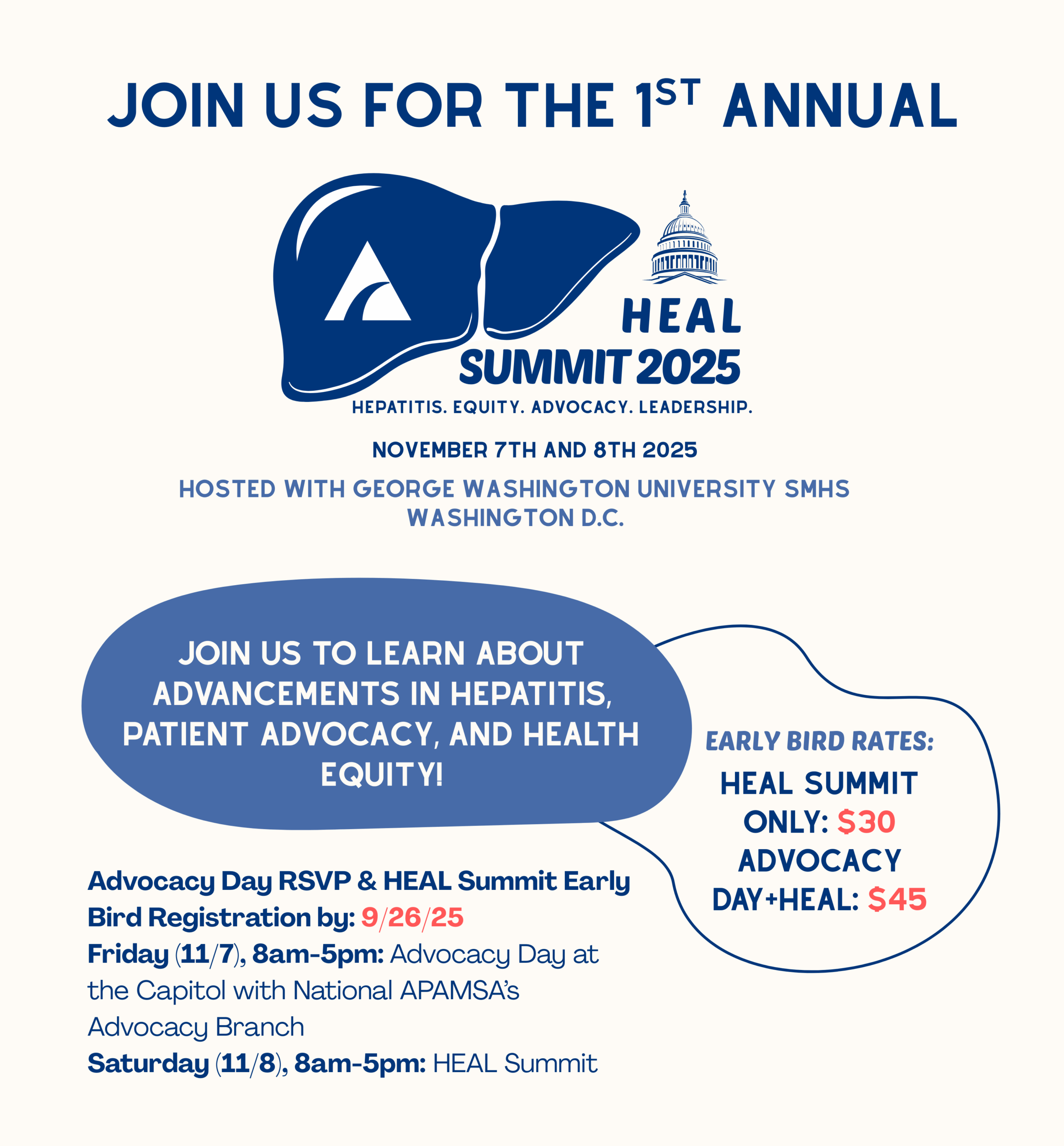
Both steps must be completed in order for you to be fully registered.
Below are our registration deadlines:
- Registration for Advocacy Day* will close on 9/26 as time is needed to schedule meetings and finalize event logistics. No late registrations will be accepted.
*Participants who attend Advocacy Day will be entered into a raffle to receive a $100 travel stipend - Early Bird Registration:
- HEAL Summit ONLY: $30, Ends September 26th, 2025
- Advocacy Day + HEAL Summit: $45, Ends September 26th, 2025
- Regular Registration: $35, Ends October 24, 2025
- Late Registration: $40, Ends November 7, 2025
TRAVEL SUBSIDY:
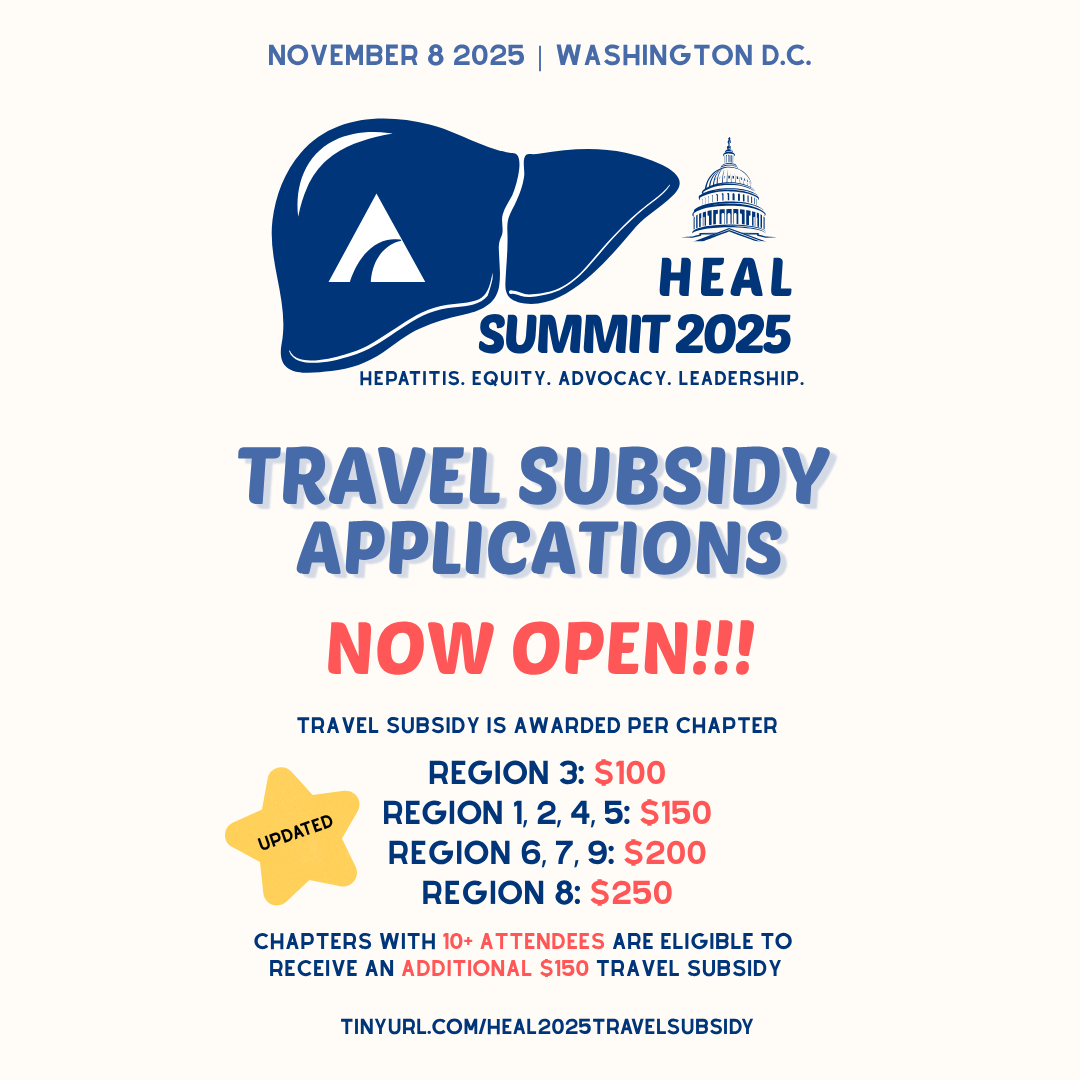
To receive financial aid to attend the Hepatitis Conference, please fill out the travel subsidy application.
Travel subsidies are awarded per chapter by region:
- Region 3: $100
- Region 1, 2, 4, 5: $150
- Region 6, 7, 9: $200
- Region 8: $250
Chapters with 10+ attendees are eligible to receive an additional $150 travel subsidy.
HOUSING INFORMATION:
Click here for the housing form
National APAMSA has secured discounted housing at The River Inn (924 25th St NW, Washington, DC 20037) from Thursday, November 6 to Sunday, November 9, 2025. The River Inn is conveniently located just a 7-minute walk to the conference venue and 18-minute walk to the Georgetown neighborhood! Discounted rooms are available on a first come, first serve basis for the first 60 people who sign up. The deadline to sign up is November 2, 2025 at 11:59 pm EST. Each room accommodates up to 4 guests (2 queen beds or 1 queen and 1 pull-out bed).
Subsidized Night (Friday, November 7)
- APAMSA will subsidize the cost of the hotel stay for Friday night only, bringing the rate down to $30 per person
- Payments must be made through this payable form before the conference
Additional Nights (Thursday, November 6 and Saturday, November 8)
- Participants who wish to stay additional nights may do so at our discounted rate of $171 + tax per night ($198 total per night)
- These nights must be paid directly to the hotel by your group
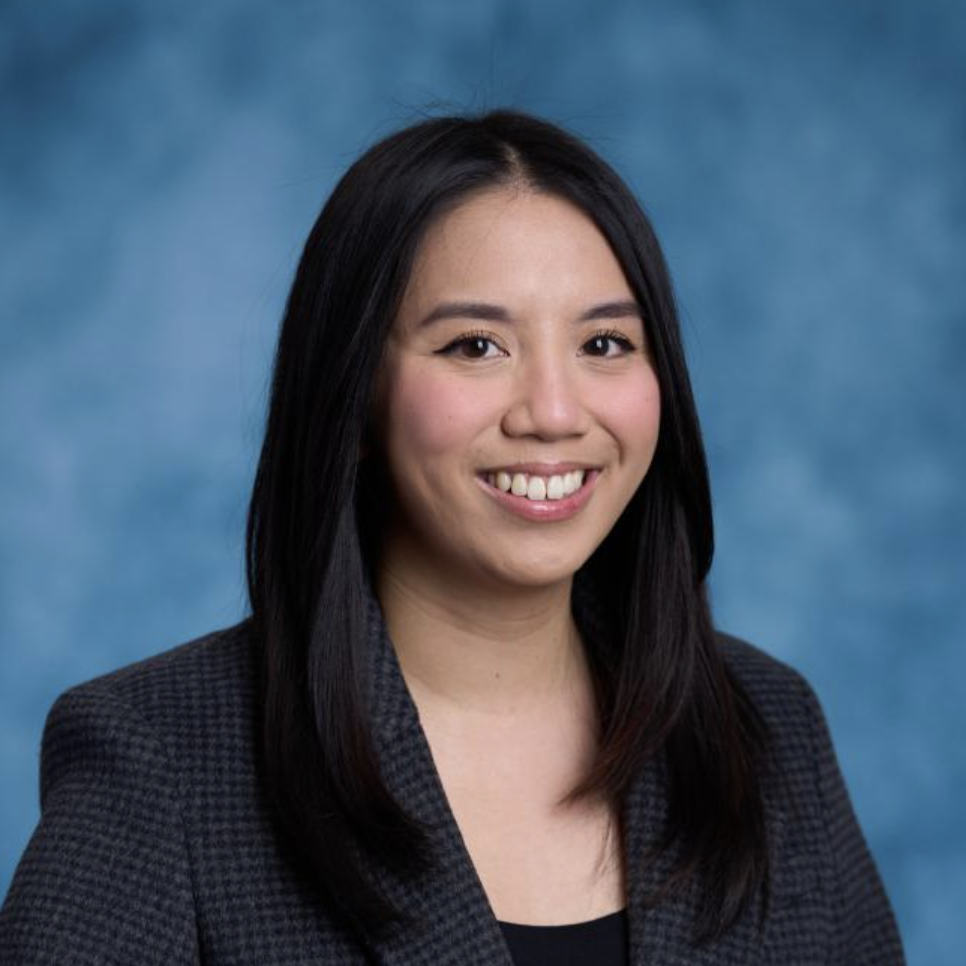
Alicia Bui
Health Affairs Vice President
Oakland University William Beaumont School of Medicine
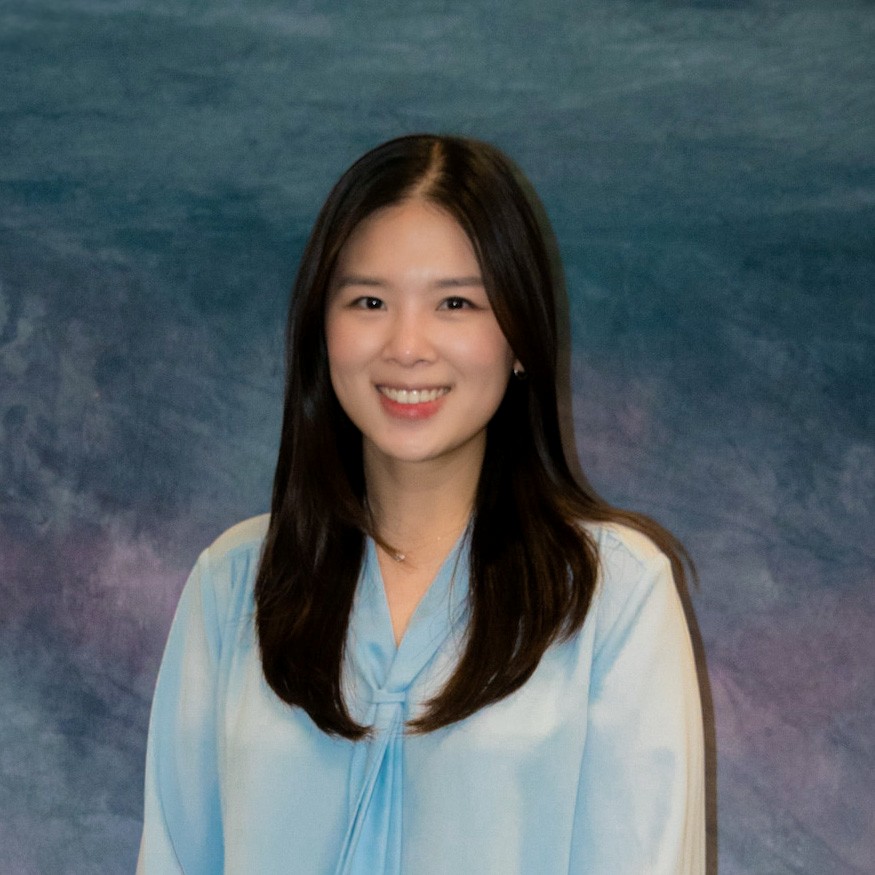
Sophia Choi
Hepatitis Director
John Sealy School of Medicine at UTMB Galveston
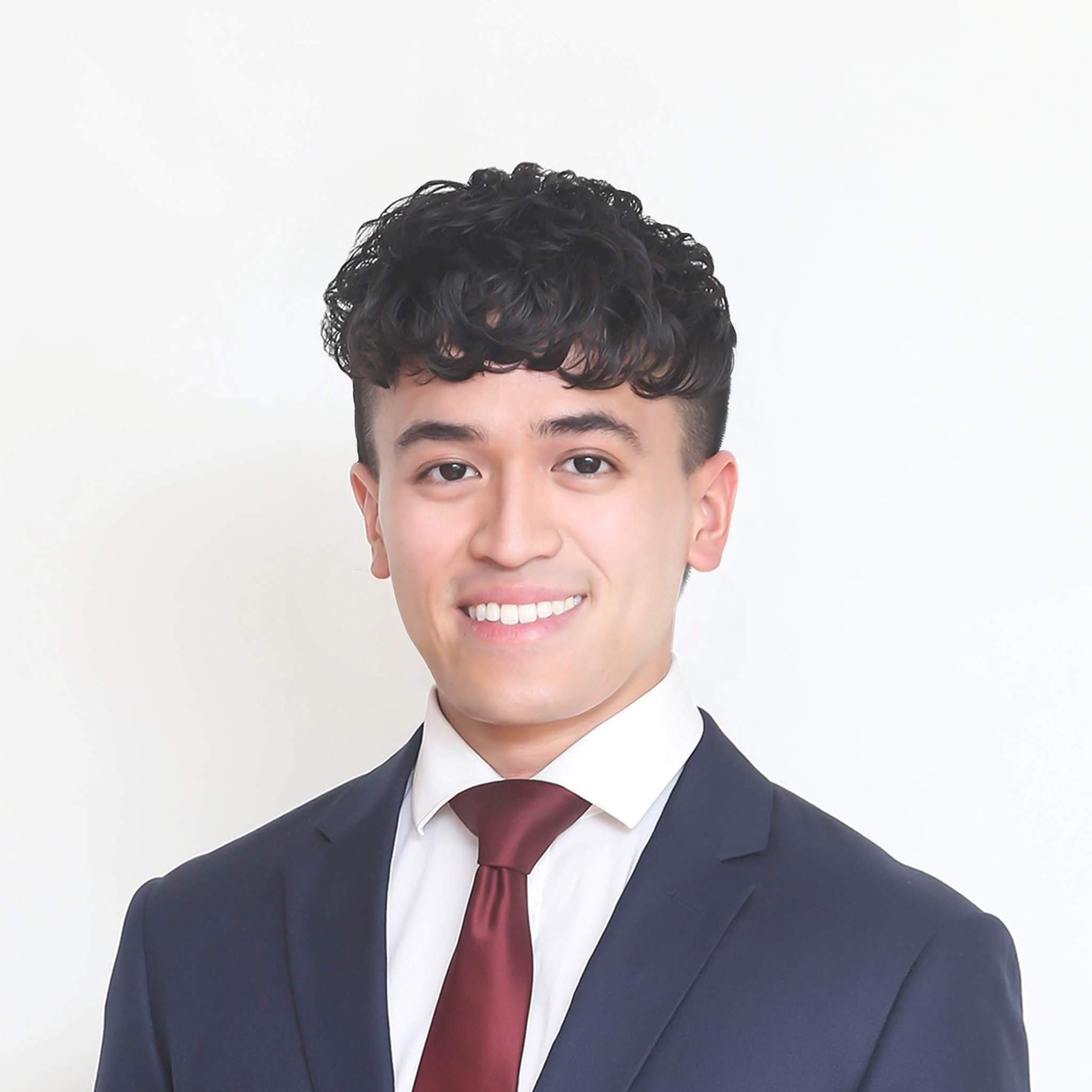
Hoang-Viet Tran
Hepatitis Director
George Washington School of Medicine

Alexandra Rizaldi
Graphics Committee
Johns Hopkins School of Medicine
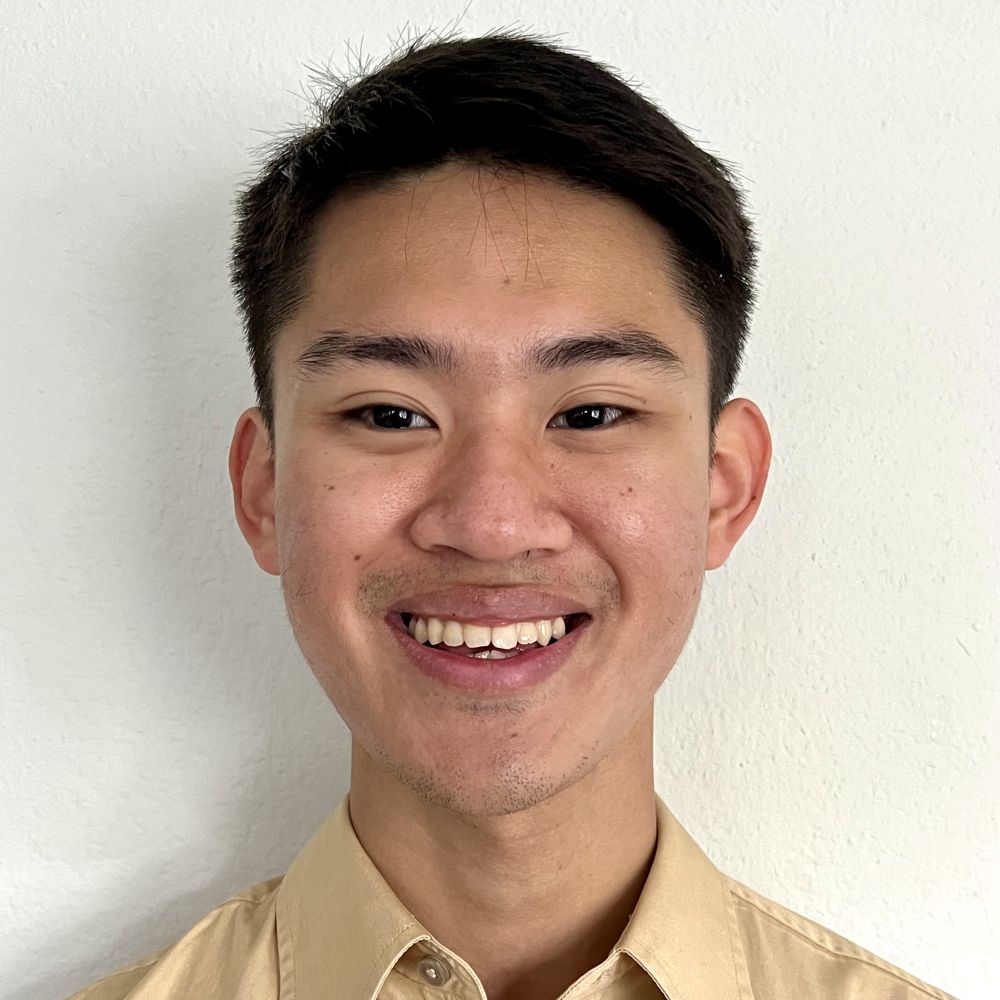
Kevin Shi
Graphics Committee
McGovern Medical School
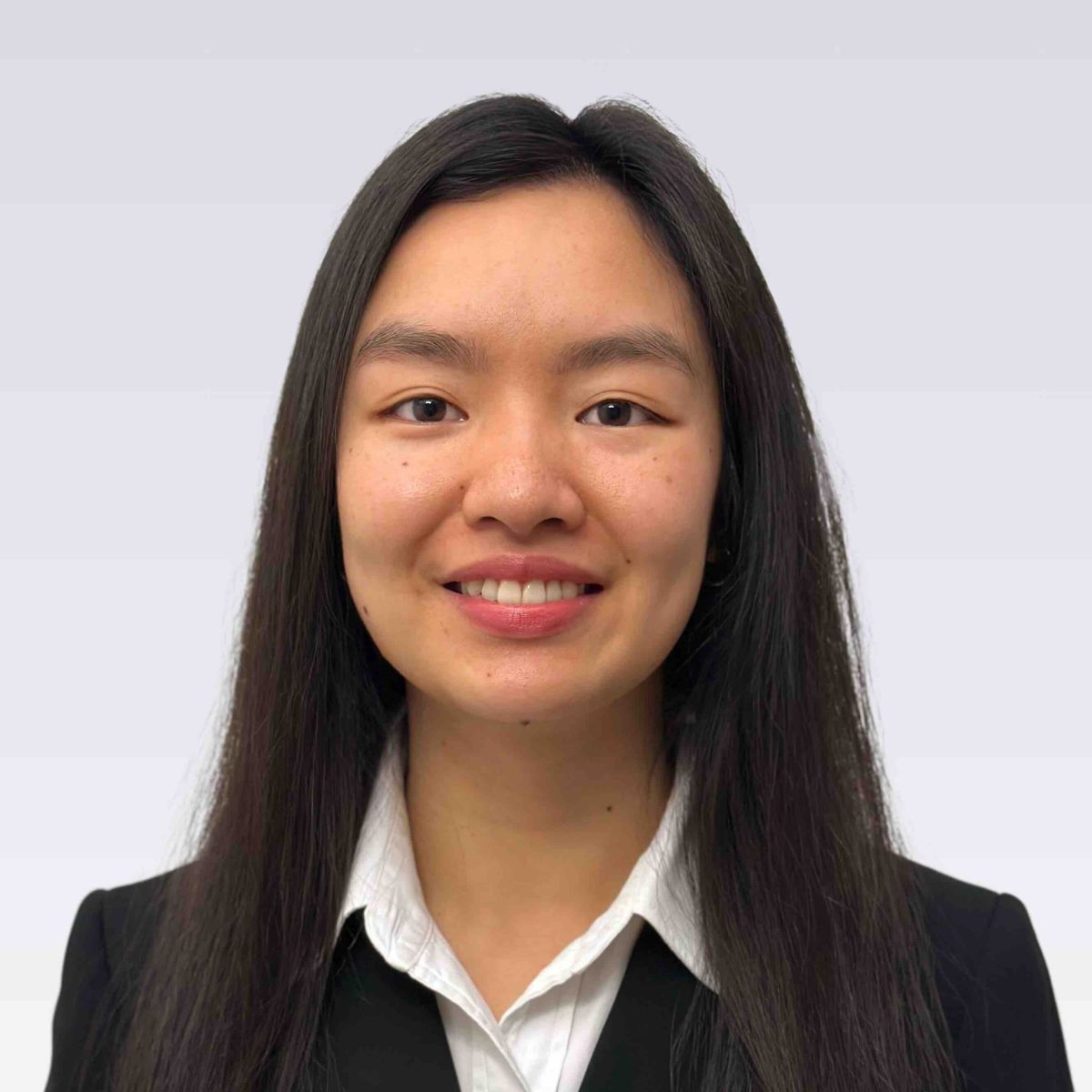
Jennifer Huynh
Speakers Committee
McGovern Medical School

Kevin Lim
Speakers Committee
Drexel University COM
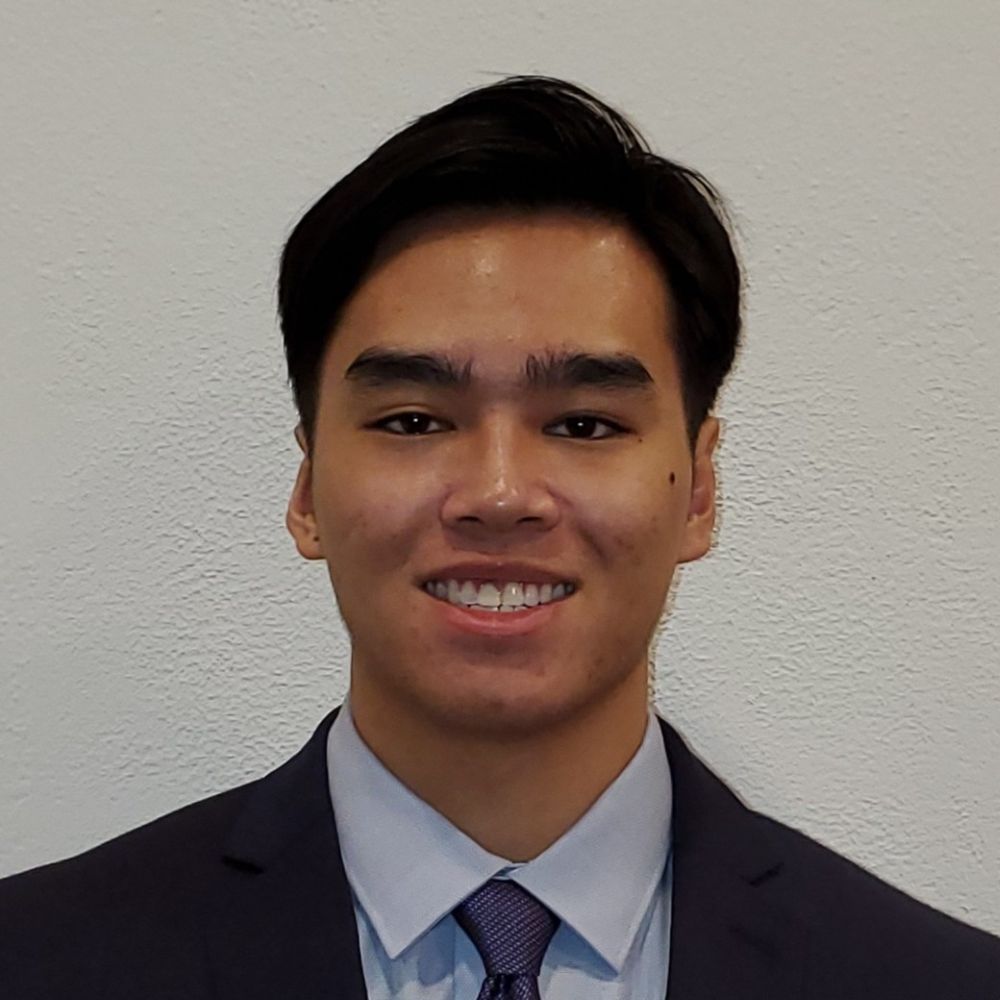
Anh Le
Logistics Committee
George Washington School of Medicine
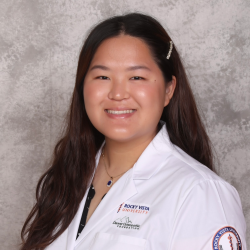
Karen Jiang
Logistics Committee
Rocky Vista University College of Osteopathic Medicine Colorado
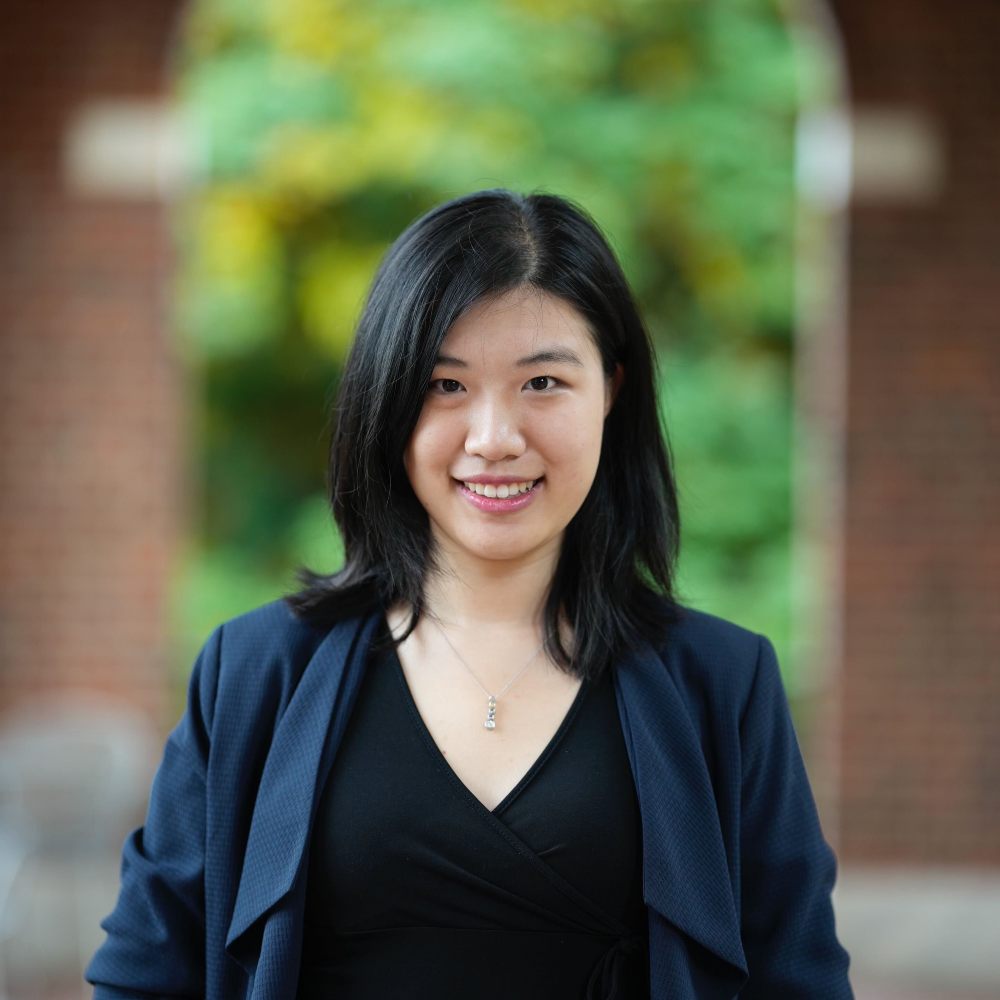
Jingyi (Jeni) Zhang
Hosting Committee
George Washington School of Medicine
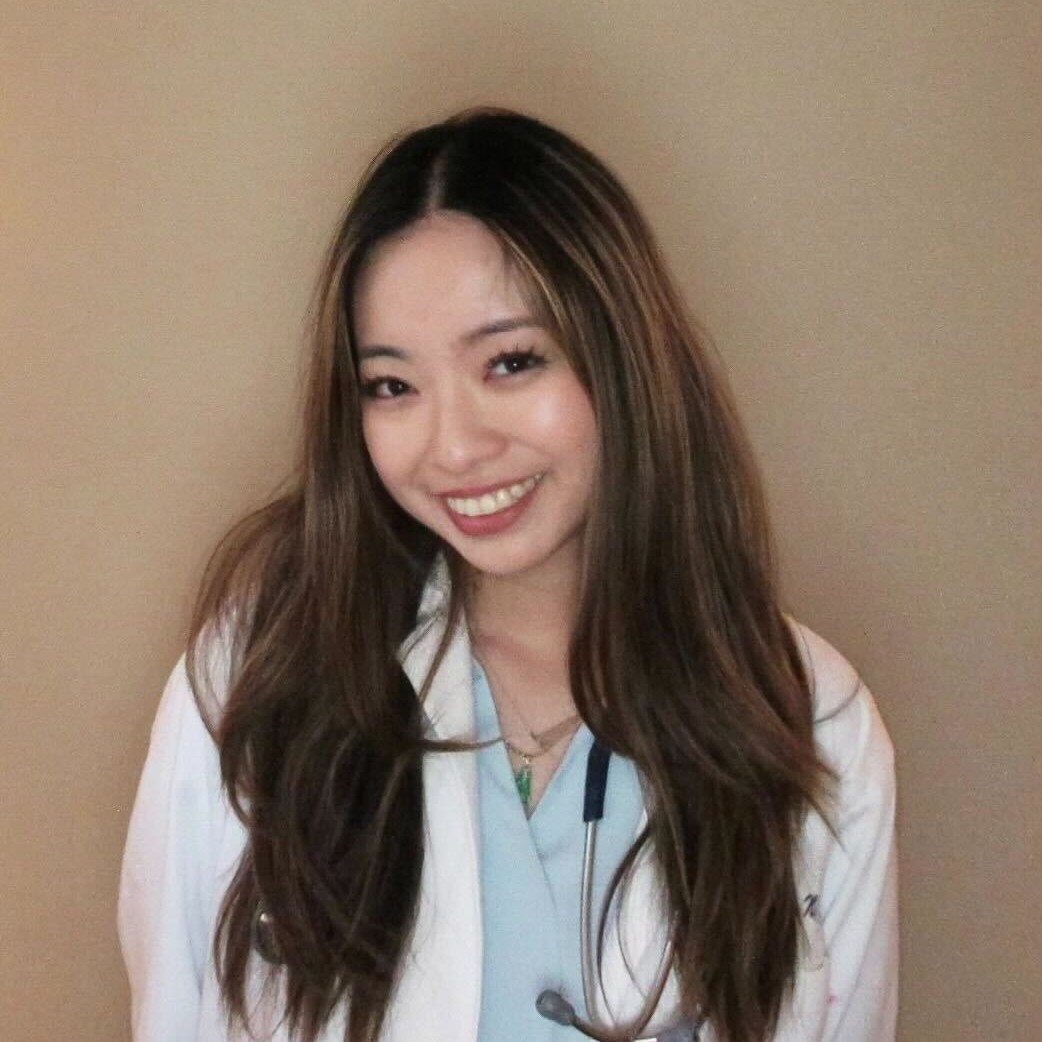
Quynh-May Nguyen
Hosting Committee
Georgetown University School of Medicine
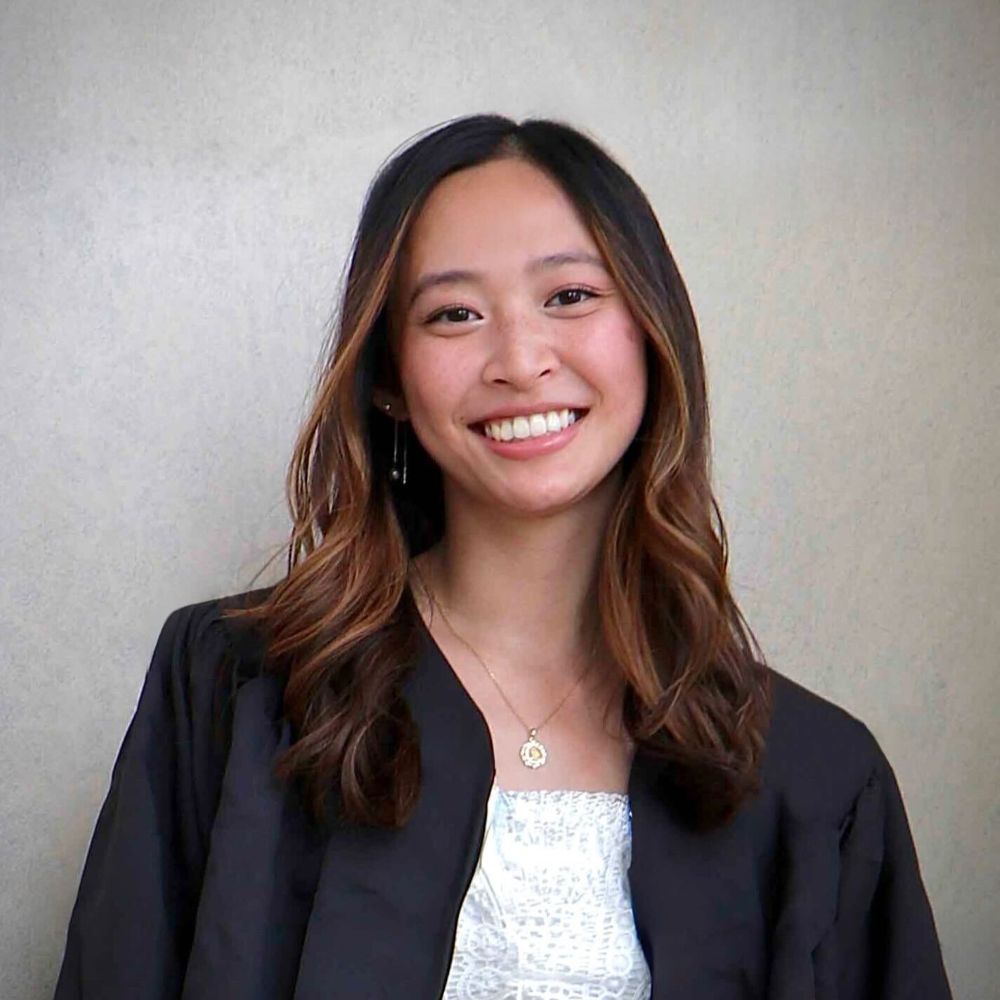
Lauren Ho
Hosting Committee
Georgetown University School of Medicine
Join our Discord server and check out the #heal-summit channel for announcements, live event updates, connecting with attendees, and addressing questions related to the conference!
Contact Us
Questions? Email us at hepatitis@apamsa.org.
.