


Registration Details:
Early Bird and House of Delegates Registration ($60.00) – now closed
APAMSA Member Registration ($60) – now closed
Regular Registration ($80.00) – now closed
Banquet Tickets ($40) – now closed
Research Abstract Submission – now closed
Discounted Housing Form and Reservation – now closed
Our conference theme this year is “Bridging Voices, Building Power: AANHPI Solidarity in Medicine.”
From the clinic to the community, uniting Asian American, Native Hawaiian and Pacific Islander (AANHPI) voices to reimagine justice in healthcare.
Today’s urgent structural challenges facing Asian American, Native Hawaiian, and Pacific Islander (AANHPI) communities and other communities of color motivate us to ground this year’s conference in community knowledge through the theme of the 2026 APAMSA National Conference, “Bridging Voices, Building Power: AANHPI Solidarity in Medicine.” In response to contemporary policy changes that have impacted AANHPI and other marginalized communities, our theme is a tribute to the San Francisco Bay Area’s rich legacy of activism and cross-racial coalition building. Through the conference, we aim to honor this legacy by uplifting the diverse voices within our community and building collective power that transcends institutions, geographies, and generations.
As the late civil rights activist John Robert Lewis would say, we all have roles to play. This year’s conference will offer three distinct tracks to offer students tailored experiences aligning with personal interests, all with a common thread of health equity. These include:
- 1) Health Inequities, focusing on current work in research and clinical practice to address nuanced health challenges faced by diverse communities falling under the large umbrella term of AANHPI;
- 2) Community Engagement and Advocacy, training medical students to engage ethically with and advocate for AANHPI communities through careers in medicine, with an emphasis on contemporary social determinants of health and community knowledge; and
- 3) Physician Identity, exploring core topics relevant to AANHPI identity and physicianship shaping journeys in medicine.
The urgency of the current moment and challenges facing our communities are not lost upon us. We welcome you to San Francisco, a city not just linked by the Golden Gate and Bay Bridges to broader communities of color across the Bay Area, but also by shared traditions of solidarity, coalition-building, and activism for marginalized communities at its very core. This year’s conference will bridge academic and community boundaries to identify work being done on the front lines to serve marginalized communities, preparing future AANHPI physicians to serve their home communities through careers in medicine that address health both in the clinic and beyond.
Scan the QR below or follow this link to access our Digital Program!

Scan the QR below or follow this link to access our Digital Program!
Friday, February 20
UCSF School of Medicine – Mission Bay Campus
Mission Hall | 550 16th St, San Francisco, CA 94158
San Francisco Marriott Union Square | 480 Sutter St, San Francisco, CA 94108
4:30-5:00pm: Check in | Mission Hall Lobby
5:00-6:45 PM: House of Delegates Meeting | Mission Hall Room 1400
6:45-8:15pm: Annual Anti-Racism Caucus | Mission Hall Room 1400
8:15-10:00pm: Member Mixer | Marriott Union Square Hotel Lobby/Bar Area
Saturday, February 21
UCSF School of Medicine – Mission Bay Campus
Mission Bay Conference Center | 1675 Owens St UNIT 251, San Francisco, CA 94158
Mission Hall | 550 16th St, San Francisco, CA 94158
Exhibitor Hall
7:30 AM-5:00 PM | Mission Bay Conference Center Floor 2
Opening Remarks and Keynote
7:30-8:30 AM: Check-in | Mission Bay Conference Center Atrium
9:00-9:30 AM: Opening Ceremony | Robertson Auditorium @ Mission Bay Conference Center
Welcome Address by National Conference Directors
Land Acknowledgement and Labor Acknowledgement
Oli Chant by John A. Burns School of Medicine students
Surprise Guests
Dean’s Remarks by Dean Erick Hung
Founder’s Remarks by Jhemon Lee, MD
NMDP Presentation
9:30-10:20 AM: Keynote Address with Monica Hahn, MD, MPH, MS and Kimberly Ngo, MD | Robertson Auditorium @ Mission Bay Conference Center
Breakout Sessions and Posters (note: please refer to the program or the section below for updated timing on breakout sessions)
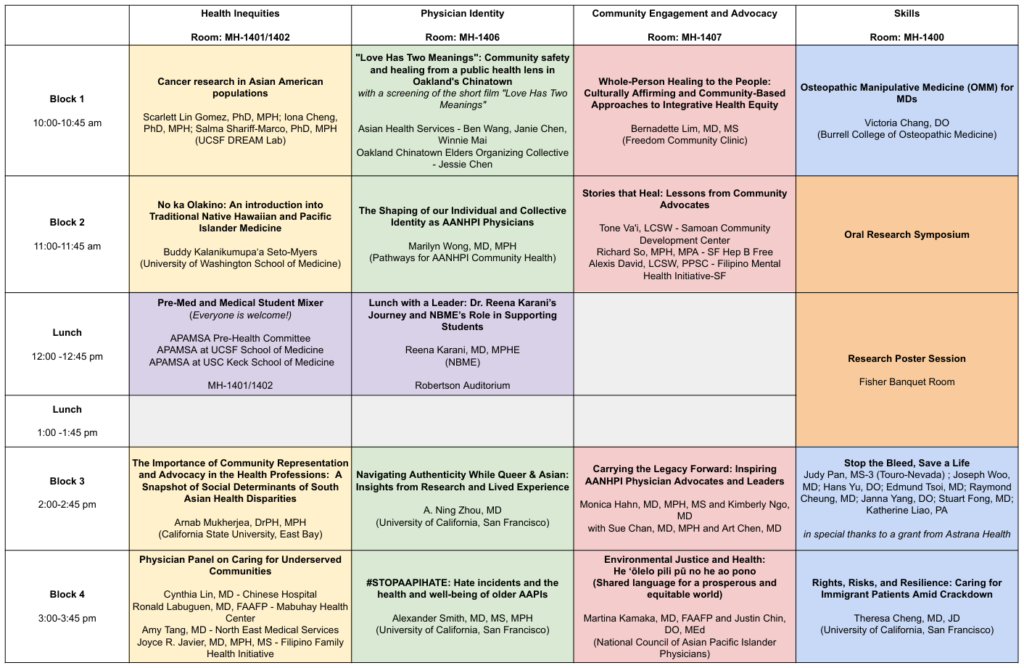
10:30-11:15 AM: Breakout Session #1 | Mission Hall
11:30-12:15 AM: Breakout Session #2 | Mission Hall
12:15-12:45 PM: Lunch | Mission Bay Conference Center Atrium
12:20-1:10 PM: Poster Session 1| Fisher Banquet Room @ Mission Bay Conference Center
1:20-2:15 PM: Poster Session 2| Fisher Banquet Room @ Mission Bay Conference Center
2:30-3:15PM: Breakout Session #3 | Mission Hall
3:30-4:15PM: Breakout Session #4 | Mission Hall
Closing Activities
4:30-5:15PM: Closing Ceremony, Election Results | Robertson Auditorium @ Mission Bay Conference Center
6:00-6:45 PM: Alumni Mixer | Southern Pacific Brewing
6:45-9:00 PM: Banquet | Southern Pacific Brewing
Sunday, February 22
UCSF School of Medicine – Mission Bay Campus
Mission Hall | 550 16th St, San Francisco, CA 94158
10AM-1 PM: Transition Meeting for Elected Leadership | Mission Hall Room 1400
Abstract submission for the Research Poster Session is now closed.
- Poster presentations are in-person and after lunch time during the conference (Saturday, February 21st, 2026).
Abstracts categories
- Basic Science
- Clinical and Translational Research
- Community Health, Epidemiology
- Education, and Policy
- Healthcare Professional and Trainee Wellbeing
- AANHPI-Focused Projects
At least one author will need to be available at all times to give a quick oral presentation and answer questions during this session.
There will be judges who will be selecting for the most outstanding abstracts in each category during the abstract presentation session.
Please note:
- Abstract approval decisions will be emailed to the corresponding author.
- Upon approval of submission, presenters will need to provide a demonstration of conference ticket purchase to confirm their attendance at this poster session.
Poster Printing:
- We are happy to announce that we will have discounted poster printing in partnership with Bay Area Poster Board! Printed posters will be available for pick-up at the conference venue. Please place orders here.
- Please print your poster prior to arrival at the conference.
Feel free to contact research@apamsa.org with any questions!
Keynotes
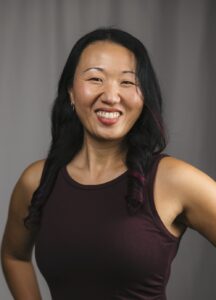 Dr. Monica U. Hahn, MD, MPH, MS, AAHIVS, is a Clinical Professor at UCSF in the Department of Family & Community Medicine and the Department of Obstetrics, Gynecology & Reproductive Sciences. She completed her undergraduate degree at UC Berkeley with a major in Molecular & Cell Biology and a minor in Ethnic Studies, her MPH at UC Berkeley’s School of Public Health, and her MD/MS at UCSF School of Medicine. She completed residency training in Family & Community Medicine at UCSF/San Francisco General Hospital. As a family physician and perinatal HIV specialist, she teaches in medical student and residency training programs, including in the UCSF PRIME-US Program, and the UCSF/SFGH Family Medicine Residency Program. She serves as Clinical Director and Co-PI for the Pacific AIDS Education and Training Center (PAETC) and the Training and Health Equity Collaborative and serves as Medical Director of HIVE Clinic. She serves is the Vice Chair of Opportunity, Leadership Development and Engagement for the UCSF Department of Family Medicine, a Dean’s Diversity Leader for the UCSF Differences Matter Initiative, and a Curricular Liason for the UCSF Anti-Oppression Curriculum Initiative. Her advocacy work includes being a co-founder of the Institute for Healing and Justice in Medicine and Coalition of Asian Americans Reimagining Justice in Healthcare (Caare Justice). Integrating her background in Ethnic Studies and with her experience in community activism, community-based participatory research, and HIV clinical care and capacity building, she strives to advance community-engaged social justice efforts in healthcare, with a focus on medical education, HIV capacity building and clinical care for interdisciplinary care teams. Monica’s inspiration for becoming a physician-advocate is rooted in her personal experiences and work experiences in public health, social justice activism and community organizing. Her work has focused on addressing health inequities in HIV care and developing strategies for dismantling systemic oppression and structural violence in healthcare systems to advance health justice. She has been locally and nationally recognized for her work, including being named a 40 Under 40 Leader in Minority Health by the National Minority Quality Forum in 2021.
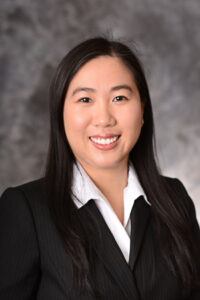 Dr. Kimberly Ngo, MD is a family practice physician at Asian Health Services (AHS), a federally qualified health center (FQHC) in Oakland, California. She works with patients from all backgrounds, with a focus on the non-English/limited English speaking immigrant/refugee community. She completed her major in Public Health and minor in anthropology at UC Berkeley and her MD at UC Davis, where she was involved with her local APAMSA chapter. Afterwards, she completed her residency at the UCSF/SFGH Family & Community Medicine residency program, as well as an additional chief resident year. She continues to mentor the next generation of students and resident trainees interested in primary care, especially for marginalized and underrepresented communities.
Lunch with a Leader
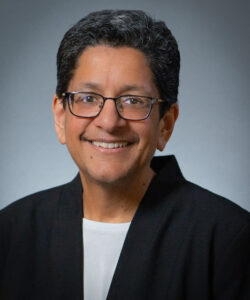 Dr. Reena Karani, MD, MHPE is the Director of the Institute for Medical Education and Professor of Medicine, Medical Education, and Geriatrics and Palliative Medicine at the Icahn School of Medicine at Mount Sinai. She holds degrees from Brown University, Albert Einstein College of Medicine, and the University of Illinois at Chicago. Her residency and fellowship training were completed at Montefiore Medical Center and Mount Sinai.
As an education scientist, Dr. Karani focuses on clinical workplace-based learning, feedback, assessment, and equity in teaching. Her research has advanced understanding of effective feedback techniques and innovative assessment tools. She also explores the socialization and learning experiences of students historically excluded from medicine.
As a geriatrician and palliative medicine physician, Dr. Karani provides comprehensive care to older adults at Mount Sinai Medical Center. She co-directs the Harvard Macy Program for Postgraduate Trainees and chairs the NBME Board of Directors, being the first woman of color in this role. She serves on several NBME committees and the Board of Directors of the American Geriatrics Society. Dr. Karani is a Deputy Editor for the Journal of General Internal Medicine and has received numerous honors for her contributions to medical education.
Health Inequities
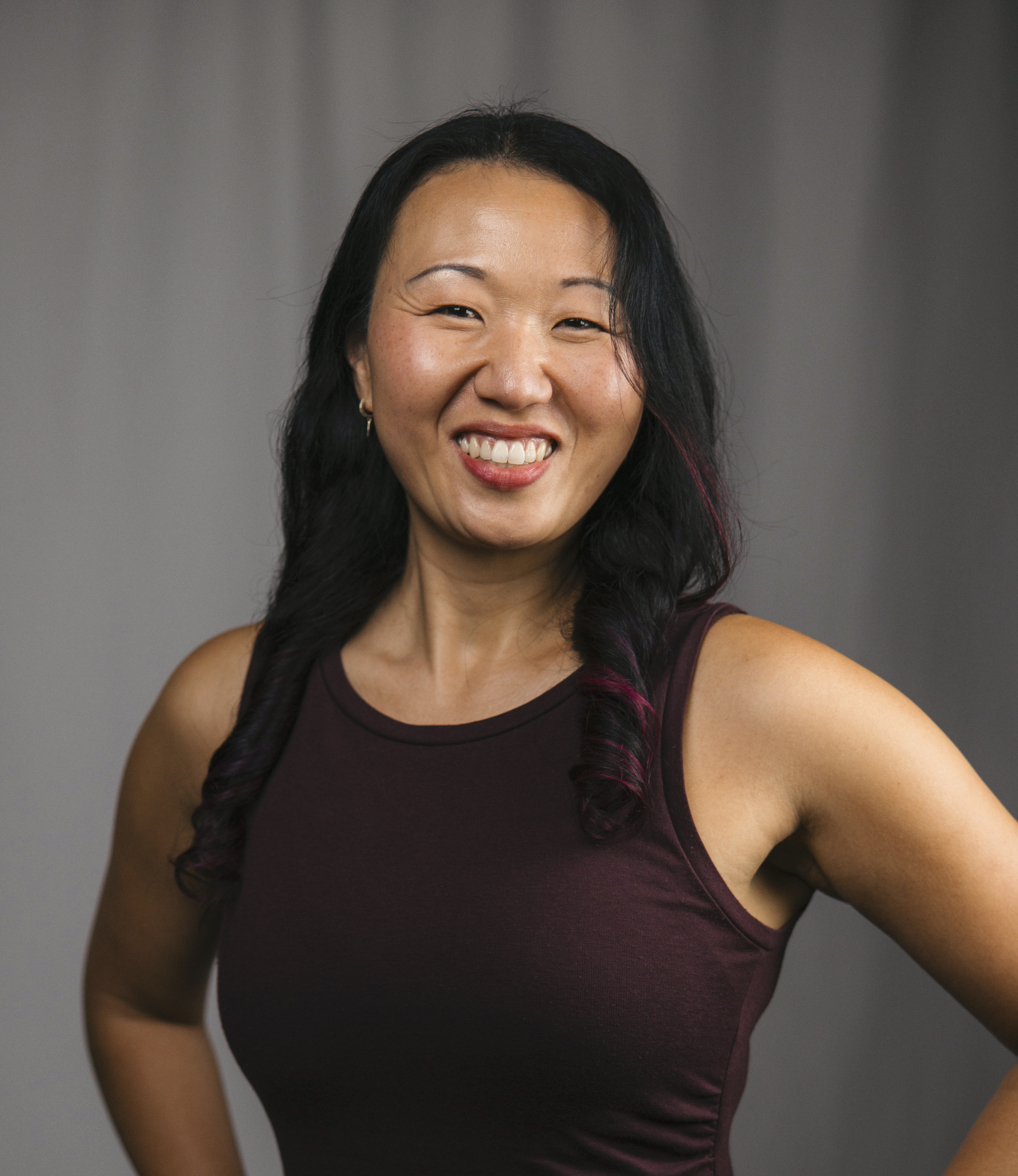
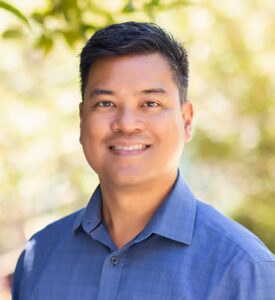 Ronald H. Labuguen, M.D., is a Professor of Family and Community Medicine at the University of California, San Francisco. He is the Medical Director of UCSF Health Primary Care at Bayfront. Before taking his current position, his practice was based at Zuckerberg San Francisco General Hospital and Trauma Center (ZSFG), where he was the Medical Director of the hospital’s Adult Urgent Care Center and saw primary care patients at the Family Health Center, the largest primary care clinic in San Francisco. He is a volunteer faculty preceptor with Mabuhay Health Center, a volunteer and UCSF student-run service learning experience serving mostly Filipino patients in the South of Market area of San Francisco. He grew up in Virginia Beach, Virginia, and received both his undergraduate and medical degrees at the University of Virginia. He completed his residency in Family Medicine at the Virginia Commonwealth University-Hanover Family Practice Residency Program.
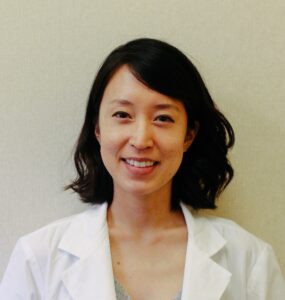 Amy S. Tang, MD is a primary care internal medicine physician and Director of Viral Hepatitis and TB Programs at North East Medical Services (NEMS), a federally funded community health center in the San Francisco Bay Area. She oversees NEMS’ Viral Hepatitis B/C and TB Elimination programs, addressing health disparities within NEMS’ large Asian immigrant population through provider and community education and implementation of systems level strategies. She has contributed to hepatitis B clinical guidelines for the American Association for Study of Liver Diseases and led the development of simplified hepatitis B guidance for primary care providers on the CDC-funded Hep B Online website. She also serves as a principal investigator for the CDC TB Epidemiologic Studies Consortium III and NIH-funded hepatitis B clinical trials. She is a graduate of the UCSF School of Medicine and completed her primary care internal medicine residency training at NYU Langone/Bellevue Hospital.
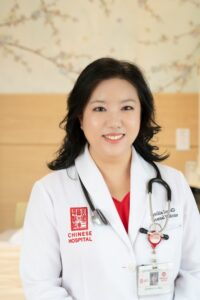 Dr. Cynthia Lin is a physician leader and alumna of the University of San Francisco–California Health Care Foundation (CHCF) Leadership Fellowship Program (Cohort 21). She is the Founder and CEO of the Internal Medicine Hospitalist Group at Chinese Hospital San Francisco and currently serves as Medical Director of the Internal Medicine Hospitalist and Skilled Nursing Facility (SNF) Program. As Chief of Medicine, Dr. Lin led the launch of the SNF program and the hospital’s achievement of Primary Stroke Center certification.
Dr. Lin is actively involved in professional organizations, having served as co-chair of the FCMS Health Conference in 2022 and currently co-chairs the Chinese Hospital/UCSF/FCMS Health Conference 2026. She serves on the Board of Directors of the San Francisco Marin Medical Society and founded the Chinese Hospital/UCSF APAMSA Mentorship Program, reflecting her commitment to community health, education, and physician leadership.
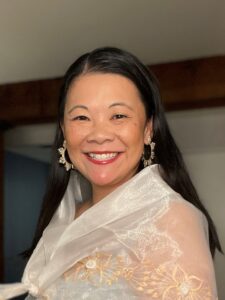 Dr. Joyce Javier is a pediatrician-scientist who is deeply passionate about increasing participation of AANHPIs in clinical research and promoting positive childhood experiences among our youth. She leads the Filipino Family Health Initiative, a California statewide study funded by the NIH focused on promoting the emotional well-being of Filipino school-age children and oversees recruitment of Filipinos for the CARE registry. She is an Associate Professor in the Department of Health Systems Science at the Kaiser Permanente School of Medicine and President-elect for the Society for Pediatric Research. She earned her B.S. from UCLA, M.D. from UC Irvine, M.P.H. from UC Berkeley, M.S. from USC, and completed her pediatrics residency and postdoctoral general academic pediatrics fellowship at Stanford University. Her contributions have been recognized with several honors, including Alta: A Human Atlas of Los Angeles, a social-impact art project celebrating 100 individuals driving positive change in Los Angeles and the American Academy of Pediatrics Local Hero Award.
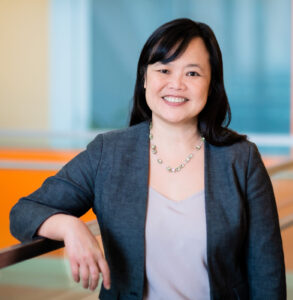
Dr. Scarlett Gomez is trained as an epidemiologist and conducts research to understand patterns of cancer across population groups and the factors contributing to cancer disparities. She is particularly interested in cancer in Asian American populations and has dedicated her career to focus on understanding the causes of cancer in diverse communities. “Co-leading the ASPIRE cohort with this team is very meaningful to me, given my experiences as a first-generation immigrant from Taiwan, and seeing how cancer has impacted my families and our community members. For far too long, Asian Americans have been understudied in cancer research. It is my hope that ASPIRE will serve as a much needed resource that will provide insights into the causes of cancer for our diverse Asian American communities and will continue to contribute knowledge for many years to come!”
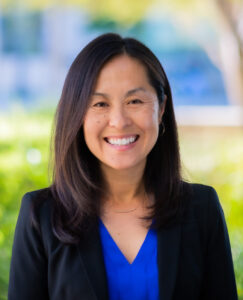 Dr. Iona Cheng investigates racial and ethnic disparities in cancer risk and prognosis, with a focus on neighborhood, environmental, lifestyle, and molecular factors. Her research program includes studies examining lung cancer risk among Asian American females who have never smoked. She brings extensive scientific and operational expertise in conducting epidemiologic cohort studies involving multiethnic populations as well as specific racial and ethnic groups.
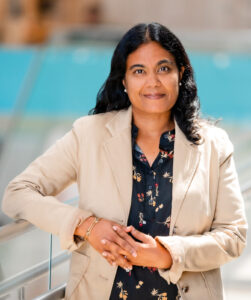 Dr. Salma Shariff-Marco is a social and behavioral scientist with a research portfolio focused on understanding the role of social determinants of health in shaping and perpetuating health disparities. One main area of focus is on place and health, evaluating how neighborhood characteristics (e.g., social, built, and physical environment attributes) and geographic variation may shape cancer-related health behaviors and outcomes across the cancer continuum. In addition, her research includes efforts to better characterize neighborhoods for population health studies (neighborhood archetypes, virtual audits with Google Street View). Another area of research includes understanding how factors related to social status (race/ethnicity, socioeconomic status, and immigration) impact health disparities, particularly applying an intersectional lens. Dr. Shariff-Marco is also a co-Investigator of the Greater Bay Area Cancer Registry, a part of the California Cancer Registry and the NCI Surveillance Epidemiology End Results (SEER) Program.
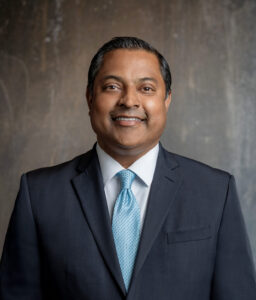
Dr. Arnab Mukherjea is a Professor of Public Health and Director of the University Honors Program at California State University (CSU), East Bay. He is also the Faculty Director for the Health Professions in the CSU Office of the Chancellor and is the Inaugural Director of the Asian American, Native Hawaiian, and Pacific Islander (AANHPI) Middle Leadership Academy, a joint effort between the CSU Student Success Network and the CSU AANHPI Student Achievement Program.
Dr. Mukherjea completed his undergraduate (BA in Molecular & Cell Biology with a minor in Education) and graduate (MPH in Health & Social Behavior with specialization in Multicultural Health; DrPH in Applied Health Disparities Research) degrees at UC Berkeley and postdoctoral training (Tobacco Control and Chronic Disease Prevention) at UCSF and UC Davis. Arnab’s applied research interests broadly revolve around using community-engaged methods to understand and address health disparities among understudied Asian & Pacific Islander (API) subgroups, with a particular focus on contextual and culturally-framed risk factors among South Asian communities in the United States. His research has been funded by the National Institutes for Health, Centers for Disease Control & Prevention, Office of Minority Health, and the state of California’s Tobacco-Related Disease Research Program and has been published in numerous peer-reviewed journals. He maintains membership in the Asian American Research Center for Health (ARCH) and is a Steering Committee Member of the California AANHPI Health Equity Coalition. Arnab firmly believes that community participation and engagement in advocacy from all health professionals are essential for affected groups to understand, address, and ultimately take ownership of their own individual and collective health prospects.
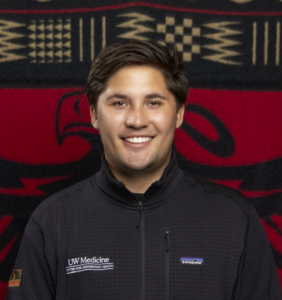 Buddy Kalanikumupaʻa Seto-Myers is a Kanaka Maoli (Native Hawaiian) medical student at the University of Washington School of Medicine. He is a co-lead for the UWSOM Association of Native American Medical Students, a member of the Center for Indigenous Health, and research assistant for the Ola Pasifika Lab. His scholarship is centered on expanding culturally responsive health care for Indigenous communities in diasporic or displaced environments.
Community Engagement and Advocacy
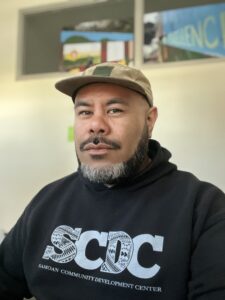
Tone Va’i, LCSW, is a Clinical Supervisor at the Samoan Community Development Center in San Francisco, where he leads mental health services that center relationship, trust, and community connection. He manages a full caseload and supervises clinicians, wellness coordinators, and interns, supporting staff in approaches that value culture, community, and collective care.
As a community researcher on the Kāpasa Fetu’u needs assessment, Tone helped lift up the priorities and experiences of Samoan and Pasifika families, informing how mental health support is shaped and delivered at SCDC.
Over the past decade, Tone has worked across schools, nonprofits, and community organizations in roles that blend clinical work, community engagement, and reflective practice. He supports youth, families, and community workers as they navigate stress, grief, and the complexities of showing up for themselves and community, with an emphasis on bringing a relational and steady presence to the work.
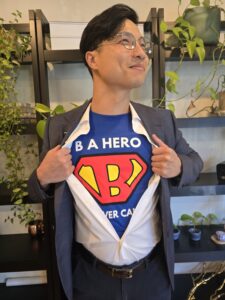 Richard So is Executive Director of Hep B Free, cofounder of HepBNow, and is dedicated to eliminating hepatitis B and liver cancer, with a vision of making the San Francisco Bay Area the first hepatitis B free region in the U.S and improving advocacy everywhere. He has over a decade of experience in healthcare, including five years as Executive Director of Hep B Free. His background spans healthcare consulting, Peace Corps service in rural Paraguay, and leadership across major coalitions like Hep B United, End the Epidemics, and the California Hepatitis Alliance.
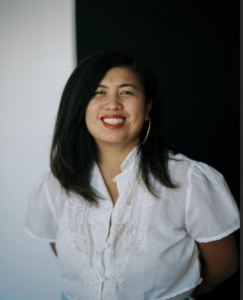 Alexis Aguilan David (she/her/siya) is a Licensed Clinical Social Worker (LCSW) working as a Clinical Supervisor in San Francisco Unified School District. She is one of the founding members of the Filipino Mental Health Initiative-San Francisco (FMHI-SF) launched in 2012. She is a daughter of immigrants from Concepcion Tarlac and Lucban Quezon Province, Philippines. Alexis was born and raised in Yelamu, Ramaytush Ohlone Territory (SF, CA) and Coastal Miwok, Suisun, and Patwin land (Vallejo, CA). She has worked in various capacities in Education for the last 20 years through school social work; individual and family therapy; school wide crisis planning and response; supporting systems impacted youth; substance abuse treatment and prevention; youth leadership development and organizing; teaching Ethnic Studies and Filipino/a/x Studies. She believes that promoting mental health and wellness in community creates access points to sustainability, collective healing, and liberation, laying pathways of compassion for ourselves and one another.
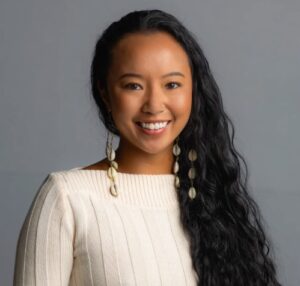
Dr. Bernadette (Bernie) Lim is the Founder and Executive Director of the Freedom Community Clinic based in Oakland, CA, co-founder of the Institute for Healing & Justice in Medicine, and Faculty at the San Francisco State Institute for Holistic Health Studies. She graduated from UCSF School of Medicine and UC Berkeley School of Public Health through the Joint Medical Program as a PRIME-US Scholar.
Her work is inspired by her identities as a healer, musician, and daughter of island people from the Visayan, Philippines & Toisan lands. She is proud to live, work, and play in the Town (Oakland, CA) where she is inspired by its rich activism, culture, and community cultivated by and for Black, Brown, Native, and immigrant communities.
Dr. Bernie’s life’s calling is centered on bringing Whole-Person Healing to the People integrating the wisdom of Ancestral Healing with the strengths of Western medicine. Her intention is to re-define medicine for Black, Brown, and immigrant people as not the absence of disease, but the presence of freedom to live as one’s authentic self.
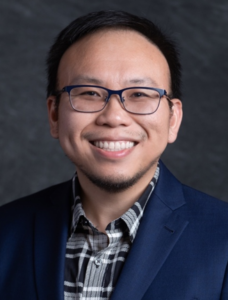 Justin Chin is a full spectrum family medicine physician based at LifeLong Medical Care in Richmond, California. He attended Touro College of Osteopathic Medicine in New York and founded his local chapter of APAMSA where he served as chapter president, RD, membership VP, and CFO throughout his tenure. This ignited his passion for health and healthcare issues in the AANHPI community as he researched and published on topics relating to cultural competency and osteopathic recognition. He returned to the San Francisco Bay Area as part of the LifeLong Medical Care’s inaugural family medicine residency. During the same time, he completed a Masters in Medical Education at Lake Erie College of Osteopathic Medicine. He is a core faculty member at LifeLong and continues to do research in quality improvement/assessment. Most recently, he is a 2025 Climate and Health Equity Fellow representing NCAPIP and served on APAMSA’s alumni advisory board.
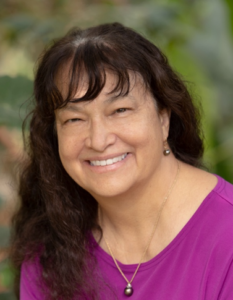 Martina Leialoha Kamaka hails from Kāne‘ohe, Hawai‘i. She is a Native Hawaiian Family Physician and Professor in the Department of Native Hawaiian Health at the University of Hawai`i at Mānoa, John A. Burns School of Medicine. She is a graduate of the Kamehameha Schools, the University of Notre Dame and the John A. Burns School of Medicine. She completed her Family Medicine residency in Lancaster, Pennsylvania. Her medical interests include Native Hawaiian and Indigenous health and health disparities, cultural competency /humility training, and climate change and health. She is a 2024 Climate and Health Equity Fellow, a DEI commissioner for the American Academy of Family Physicians and Vice Chair of NCAPIP (the National Council of Asian Pacific Islander Physicians). In addition, she is a founder active member of the ʻAhahui o nā Kauka (Association of Native Hawaiian Physicians) and the Pacific Region Indigenous Doctors Congress (PRIDoC).
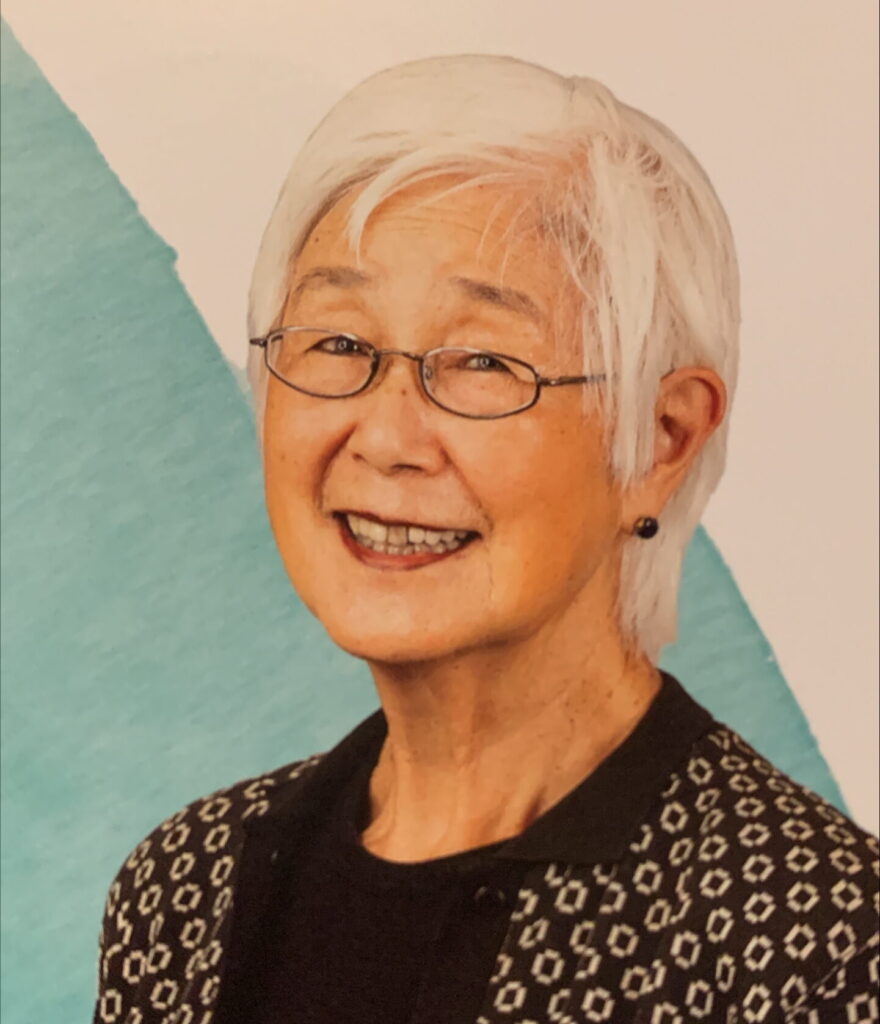
Dr. Sue Chan, MD, MPH was born in Shanghai, China and immigrated to the U.S. at 7 years of age, then lived in Eugene and Corvallis, Oregon and Dayton, Ohio, all communities where few if any Asians lived in the 1950’s. After college, she lived and worked in Hong Kong for over 1 year and then for a few months in Taiwan. Dr. Chan received her B.A. at Antioch College in Yellow Springs, Ohio (1963), M.D. at Ohio State University (1970), Pediatric Internship at University of Chicago (1970-1971), Pediatric Residency at Ohio State University (1971-1973), and M.P.H. at University of California, Berkeley (1974).
Since 1974 until the present, Dr. Chan has served as a clinician at Asian Health Services. In November 1974, she was hired as the first clinician/Medical Director, as part of a team of 9 staff, half of whom were part-time. Over the course of almost 52 years, Asian Health Services staff has grown to number over 600, serving more than 50,000 patients by providing medical, dental and behavioral health services. Dr. Chan has served at various points as Medical Director or Associate Medical Director, but for the past few decades as a clinician who cares for both adults and children. In the past, she along with other Asian Health Services Pediatricians covered the newborn nurseries at Merritt, Summit and Alta Bates Hospitals and pediatric patients at Oakland Children’s Hospital. Currently, in patient duties are limited to covering the newborn nursery at Alta Bates Hospital in Berkeley.
Dr. Chan’s other volunteer and short-term work history include the Farmworkers Clinic in Salinas, California, the Ching Nin Family Planning Clinic San Francisco Chinatown North Beach, the Adolescent Clinic S.F. General Hospital, an immigrant rights volunteer, and canvassing in Reno and Bakersfield with Seed the Vote.
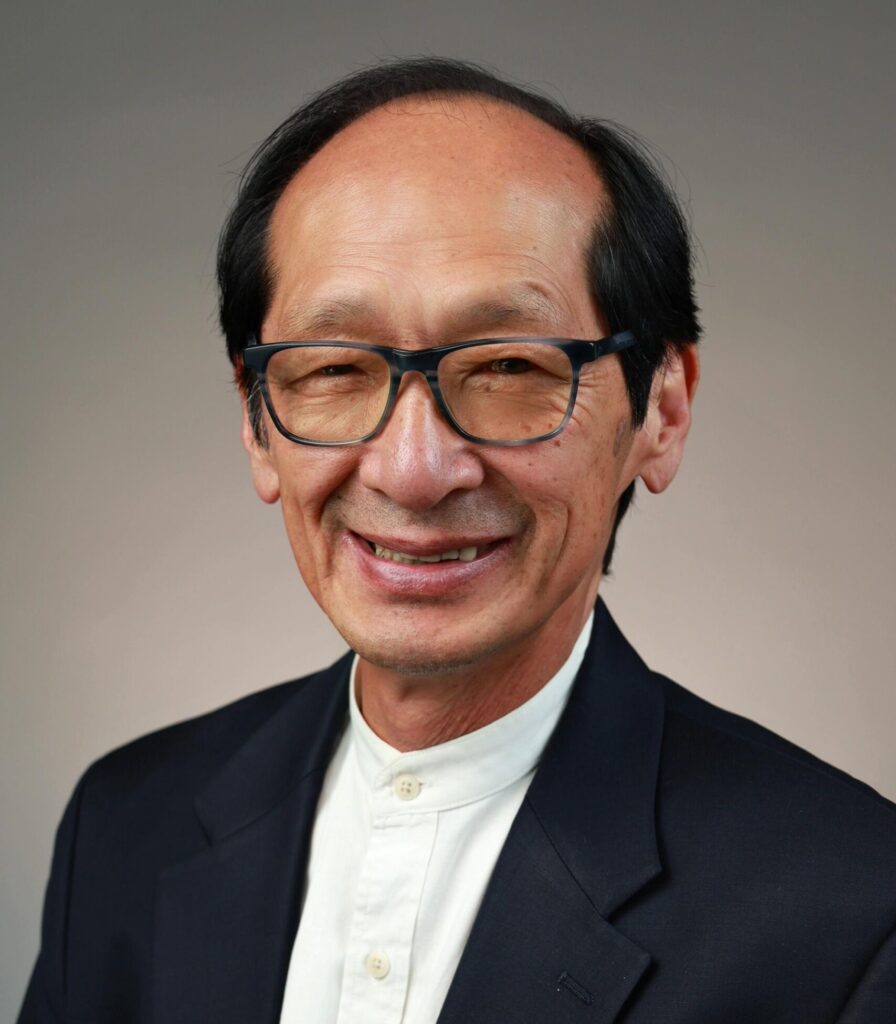
Dr. Arthur Chen, MD is currently a Senior Fellow at Asian Health Services (an FQHC/community health center) in Oakland, California, where since 1983 he continues practicing both inpatient and outpatient medicine as a family physician and where he previously served as Medical Director and Special Programs Director (1984-1995). From 2011- 2021 he has served as an advisor and professional coach for the National Leadership Academy for the Public’s Health, a CDC supported leadership development program for our emerging public health leaders, run
from the Center for Health Leadership and Impact of the Public Health Institute. In 2018-2019 he served a similar role for the California Opioid Safety Network that is addressing the statewide opioid crisis. From 2001-2009 he served as the Chief Medical Officer of the Alameda Alliance for Health, a Medicaid Managed Care non-profit public entity serving low-income residents of Alameda County. From 1996-2001 he was the Public Health Officer for Alameda County. Prior to that, he served as an emergency room physician and the Associate Medical Director of the Institute of Emergency Medicine at the Albert Einstein College of Medicine, Bronx, NY. He was also the Executive Director of the Chinatown Health Clinic (Charles B. Wang Health Center) in New York City.
From July 2011 to July 2016, he was an Obama Administration appointee to the Advisory Committee on Minority Health, a national committee established to advise on health equity initiatives undertaken by the DHHS and the Office of Minority Health. He chaired (1998-2006) the Board of Directors of the Asian and Pacific Islander American Health Forum, a national policy and advocacy organization whose mission is to improve the health status of Asian Americans and Pacific Islanders. He is also a co-founder of the Association of Asian Pacific Community Health Organizations, a consortium of 29 FQHC clinics serving predominantly AANHPI communities.
From 2001-2003 he was appointed to the Task Force on Culturally and Linguistically Competent Physicians and Dentists for the CA Dept of Consumer Affairs. Between 1997-2001 he served on the National Association of County and City Health Officials MAPP (Mobilization for Action through Planning and Partnerships) planning committee (formerly APEXCPH: Assessment and Planning Excellence through Community Partners for Health. From 1997-2001 he served as a Board Member and later an Executive Committee member of the California Conference of Local Health Officers.
He also currently serves as Clinical Advisor and in 2017 served as the Chief Medical and Population Health Officer for Applied Research Works, a Health IT software company developing tools for case management, risk adjustment and improving quality of care performance among physician offices, medical groups and health plans. He sits on the Board of Directors for Blue Shield of CA, the National Council of API Physicians (NCAPIP) and the California Physicians Alliance (CaPA) an organization dedicated to universal health coverage and access for all Californians. CaPA recently published their Road Map to Golden State Care. From 2011-2021 he sat on the Alameda County Oversight Committee for Measure A, which disperses $130+M annually for health services for low-income residents. In 2015-16 he served on the Health Advisory Board for Intelligent Insites, an operational intelligence company for health delivery systems.
From 2012-2017 he served on the Board of Applied Research Works, a health IT software company. He also served on the Board (2003-2012 and as Chairperson, 2006-2008) of The California Endowment, a health foundation focused on improving health status and access to care for California’s medically underserved population.. From 1999-2001 and 2004 to 2017, he served as an Executive Council member of the Alameda Contra Costa County Medical Association and as president in 2016. In 1999 he served on the CDC/ATSDR Task Force on Public Health Workforce Development.
Dr. Chen was the recipient of the 2008 California Medical Association Foundation’s Robert D. Sparks, MD Leadership Award. He was selected as a fellow to the 1996-7 Public Health Leadership Institute sponsored by the Centers for Disease Control and the University of California. During l989-l992 he was a member of the Kellogg National Fellowship Program. He has also served on advisory and planning committees to the Bureau of Primary Health Care of the U.S. Public Health Service, the Office of Minority Health, the National Institutes of Health and the American Lung Association. He has also testified before Congress and President Clinton’s Health Task Force.
Physician Identity
 Alex Smith was born in Hawaii (mom is Hawaiian/Chinese) but, sadly, was raised in Michigan. He is a palliative medicine doctor and Professor of Medicine in the UCSF Division of Geriatrics. He co-founded ePrognosis and co-hosts the GeriPal podcast. Alex is Executive Editor at the Journal of the American Geriatrics Society. Alex Smith studied the broader impact of anti-Asian hate on the health and wellbeing of older adults during Covid.
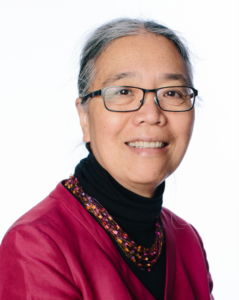
Marilyn P. Wong, MD (UCSF), MPH (Hopkins), retired 10 years ago from clinical practice as a family and preventive medicine physician but she maintained her activism in:
1. Promoting history as the ultimate social determinant of health;
2 Building a health care workforce to serve the underserved AANHPI communities;
3. Preserving the history and lived experience of the AANHPI communities.
Her recent organizing work has come full circle to her earlier life experience. Dr. Wong dropped out of UC Berkeley and began her community advocacy journey in 1968 as part of the “return to the community” current within the Third World Liberation Movement.
She currently works with students at Oakland High School, UC Berkeley, UCSF-Berkeley Joint Medical Program and UCSF School of Medicine in collaboration with Pathways for AANHPI Community Health (PACH) – a tri-partnership of students, academicians and community members in the San Francisco Bay Area.
(marilyn.p.wong.md@berkeley.edu or marilyn.p.wong@gmail.com)
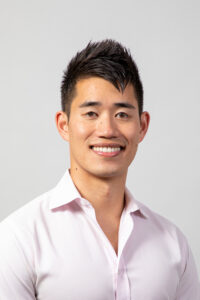 A. Ning Zhou, MD (he/him/他) is a child, adolescent, and adult psychiatrist at the San Francisco Department of Public Health (SFDPH), volunteer clinical faculty at UCSF, and in private practice. He completed medical school at University of Chicago, psychiatry residency at UCSF, and child & adolescent psychiatry fellowship at NewYork-Presbyterian/Columbia-Cornell. At SFDPH, he works at a clinic serving queer and trans youth, a primary care clinic, and a specialty mental health clinic in SF’s Chinatown. At UCSF, he supervises psychiatry trainees/students and directs the LGBTQ+ Mental Health Area of Distinction. In addition, he has a private practice with a focus on serving gender diverse and neurodivergent youth and adults. His past research includes studying sexual orientation disclosure and experiences of intersectionality among gay Chinese/Chinese American young men, how to ask about sexual orientation and gender identity in Mandarin Chinese, and healthcare experiences of Chinese transgender and nonbinary adults.
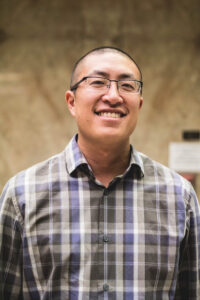 Ben Wang is the Director of Special Initiatives at Asian Health Services, where he and his team work to provide comprehensive support to survivors of violence. Ben is also a founding member of the Asian Prisoner Support Committee, which provides direct support to incarcerated Asian Americans and raises awareness about the impact of incarceration and deportation on our communities.
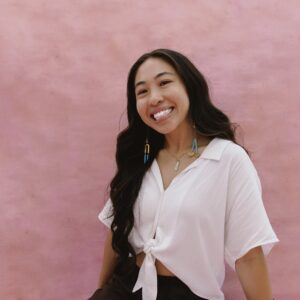
Janie Chen is the Advocacy Manager at Asian Health Services where she leads advocacy and narrative change efforts on community safety and healing from a public health approach. As a second-generation Chinese American, she was born and raised in Oakland where her passion for community organizing began. She received her degrees in Sociology and Ethnic Studies from UC Berkeley and serves as a board member at Eastwind Books.
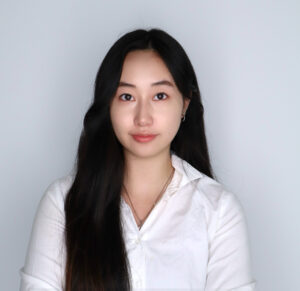 Winnie Mai is the Advocacy Coordinator at Asian Health Services, working to address community safety and violence through a public health lens. Born and raised in the Bay Area, she is passionate about grassroots advocacy and civic engagement as tools to empower communities and drive sustainable change.
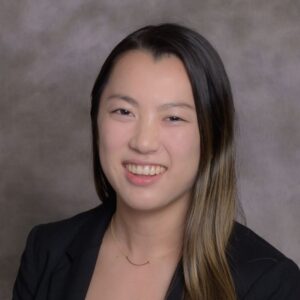 Jessie Chen is a longtime resident of Oakland and patient at Asian Health Services. Although she is retired, Jessie remains an active member in various meaningful community programs and activities, such as the Oakland Chinatown Elders Organizing Collective.
Skills
 About ACS Stop the Bleed
The Stop the Bleed campaign was initiated by a federal interagency workgroup convened by the National Security Council Staff, The White House. This collaborative effort was led by the American College of Surgeons Committee on Trauma (ACS COT) to bring knowledge of bleeding control to the public and build national resilience.
Stop the Bleed courses train the public to save lives through three basic actions to stop life-threatening bleeding following everyday emergencies and man-made and natural disasters. Advances made by military medicine and research in hemorrhage control during the wars in Afghanistan and Iraq have informed the work of this initiative which exemplifies translation of knowledge back to the homeland to the benefit of the general public.
About Astrana Health, Inc.
Astrana Health is a physician-centric, technology-enabled healthcare company committed to delivering access to high-quality, patient-centered care. Through its proprietary end-to-end technology platform, Astrana empowers providers to deliver more proactive, preventive care – improving patient outcomes, elevating patient experiences, improving the well-being of providers, and driving greater value.
Today, Astrana supports more than 20,000 providers and over 1.6 million Americans in value-based arrangements through its affiliated provider networks, management services organization, and primary, specialty, and ancillary care delivery clinics. Together, Astrana is building what our healthcare system should be – one that delivers better care, better experiences, and better outcomes for all. For more information, visit www.astranahealth.com.
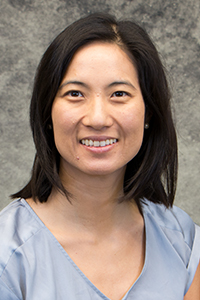 Dr. Victoria Chang graduated Cum Laude with a concentration in Biology from Harvard University and received her medical degree from Nova-Southeastern College of Osteopathic Medicine. She completed an Internal Medicine residency at Loma Linda University in 2012 and a Neuromusculoskeletal Medicine and Osteopathic Manipulation residency in Michigan in 2013. In 2017, she also became board-certified in Integrative Medicine. She has taught at University of the Incarnate Word School of Osteopathic Medicine and Burrell College of Osteopathic Medicine.
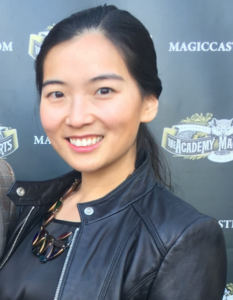
A native of rural South Carolina, Theresa Cheng, M.D., J.D. is an Assistant Clinical Professor of Emergency Medicine and Co-Director of Social Emergency Medicine at UCSF. She holds a M.D. from the Mayo Clinic and a J.D. with specialization in International Law from the University of California, Berkeley School of Law. Her areas of focus include incorporating social equity in emergency care through a civil liberties and international law lens.
Dr. Cheng co-authored a book chapter on homelessness in the textbook Social Injustice and Public Health, ed. 4th. She previously worked for UNDP on medical neglect and coercion of HIV-positive people in Southeast Asia and partnered with the ACLU to investigate the reproductive health violations of migrants in detention centers. Her current research and advocacy projects span immigration health policy, reproductive health and autonomy, homelessness, carceral health, and increasing health equity for intersectional vulnerable populations.

The 2026 APAMSA National Conference has secured discounted flights with United Airlines.
Please check out the infographic to the right for instructions on how to make your flight reservations.
For those flying into San Francisco, we encourage you to fly into either San Francisco International Airport (SFO) or Oakland International Airport (OAK). San José Mineta International Airport is also a possibility but less recommended as it’s a longer commute.
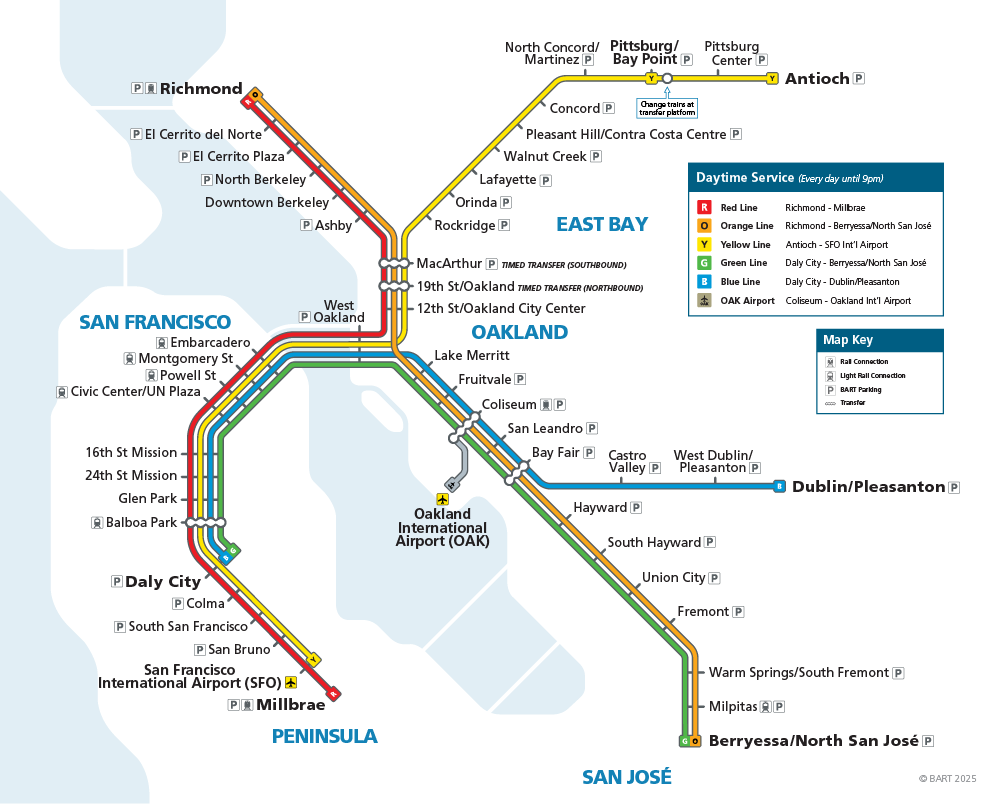
If arriving at SFO, you can either take Bay Area Rapid Transit (BART), via either the Red or Yellow lines (Richmond, Pittsburgh, or Antioch-bound trains) to San Francisco, or take rideshare options into the city. Instructions on how to take BART can be found here. Clipper cards can be added to mobile wallets on your phone and filled (from the airport to the farthest stop in San Francisco, Embarcadero, is $11.15). Alternatively, credit cards can be used directly on the gates. You will need to swipe in before entering the BART and swipe off upon exiting. The BART station at SFO is located adjacent to the International Terminal.
If arriving to OAK, BART is also an option to travel to the city. If arriving to SJC, you may need to transfer between buses to either the BART or to Caltrain. Caltrain also accepts Clipper cards that you must fill in your phone wallet.

Discounted accommodations are no longer available at this time.
—
We are excited to offer discounted accommodations for the 2026 APAMSA National Conference at the San Francisco Marriott Union Square, located in the heart of downtown San Francisco.
Address:
San Francisco Marriott Union Square
480 Sutter Street
San Francisco, CA 94108
Distance to Venue:
Mission Hall, UCSF Mission Bay: ~23–25 minutes by public transit
(Direct via T MUNI line during morning service; also walk + MUNI options available)
Room Block Details (Feb 20–22, 2026)
We have secured a block of 60 rooms per night, available at the following discounted rates: (pre-tax and other fees)
| Room Type | Rate (per night) |
| Standard Double (2 beds) | $185 |
| Deluxe Double (2 beds) | $189 |
- Rates are per room, per night
- Maximum occupancy: 4 people
- Reservations are first-come, first-served
- Billing: Each attendee pays individually
- Reservation Method: Booking link – [NOW CLOSED]
Cutoff Date: January 30, 2026
Reservations must be made before this date to guarantee the discounted rate.
Please check back for updates or join our Discord upon registration.
If you’re looking for roommates, please use the housing channel in our Discord once it opens.
APAMSA 2026 National Conference Transportation Guide
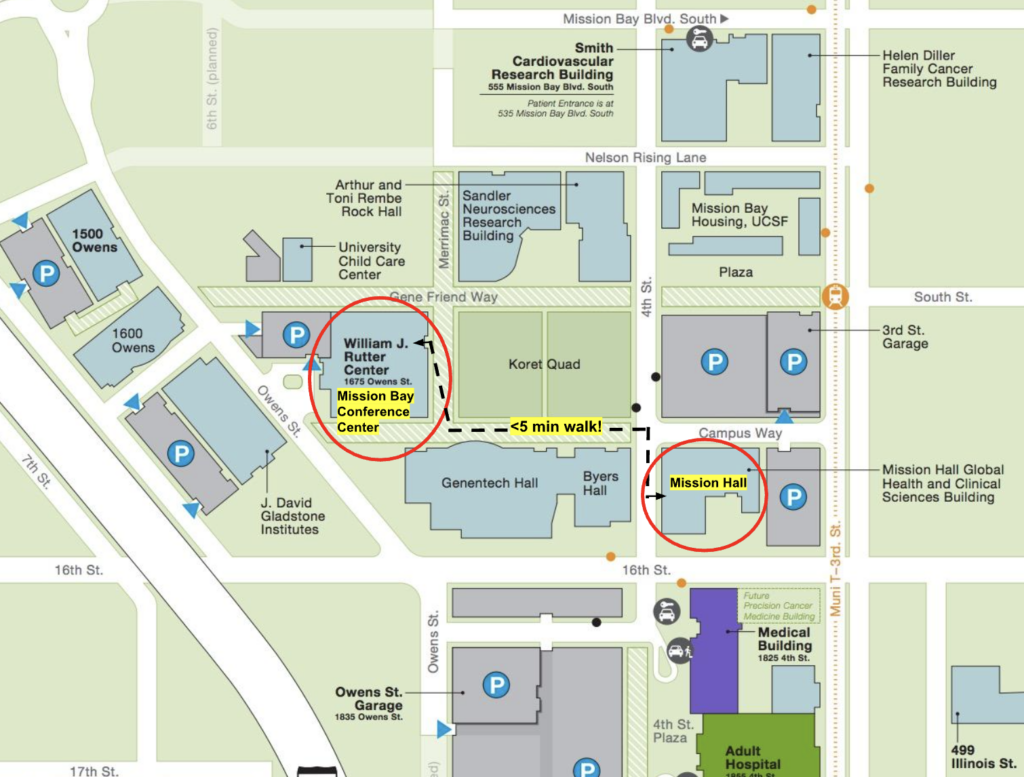
The conference will be held at Mission Bay Conference Center (1675 Owens Street, San Francisco, CA 94158) and Mission Hall (550 16th St, San Francisco, CA 94158). In the morning, please plan to arrive at Mission Bay Conference Center.
From SF Marriott Union Square:
Before 8AM, use the T-Bus line from SF Marriott Union Square which will take you directly to the UCSF Mission Bay Campus. This runs every 15 minutes.
After 8AM, use the T MUNI (light rain) line which will take you directly to the UCSF Mission Bay Campus. This arrives about every 12 minutes.
From San Francisco International Airport (SFO):
For those flying into San Francisco, we encourage you to fly into either San Francisco International Airport (SFO).
Once arriving at SFO, you can either take Bay Area Rapid Transit (BART), taking either the Red or Yellow lines (Richmond or Antioch-bound trains) to San Francisco, or take rideshare options into the city. Instructions on how to take BART can be found here. BART cards can be added to mobile wallets and filled (from the airport to the farthest stop in San Francisco, Embarcadero, is $11.15).
From Oakland Airport:
Instructions for BART from OAK can be found here. Rideshare is also available.
Getting Around San Francisco
- Public Transit (Muni)
- Muni Metro (J/K/L/M/N/T): Fastest for traveling along Market St., downtown, and between neighborhoods.
- Historic F-Line: Colorful vintage streetcars running along Market and the Embarcadero.
- Use the Clipper Card (mobile wallet compatible) or MuniMobile app for easy payment.
- Public Transit (buses)
- Use the Clipper Card (mobile wallet compatible) or MuniMobile app for easy payment.
- Mission Bay TMA
- Cable Cars: A classic experience in San Francisco. They are available in Union Square, Nob Hill, and Fisherman’s Wharf.
- Bikes and E-Bikes: Many e-bikes are available for rent at different parts of the city.
- Walking: San Francisco is very walkable as a whole and many neighborhoods are close together. However, check elevation before walking – there are some very steep hills.
- Caltrain/BART
Parking
Parking at UCSF Mission Bay campus is limited and costly – please try to take public transportation if you can!
Daily/Hourly Parking Rates
- Hourly: $5
- Daily Max: $35
- Motorcycle: $5
- Disabled/ADA Placard: $7
Valet parking is available for all UCSF patients and visitors. Standard parking rates apply. There is no additional charge for valet service, other than the standard parking rate, which is charged to self-parkers as well. Parking rates are valid at all UCSF locations, are applicable 7 days a week, and include a mandatory 25% city tax.
The venue locations are circled below.
Please check back soon for more information! Questions can be directed to elections@apamsa.org.
Thank you to our Sponsors!







For those who are interested in having an exhibitor booth at the National Conference, please contact conference@apamsa.org and CC externalvp@apamsa.org and sponsorship@apamsa.org in your email so that we can draft a sponsorship contract and create an invoice for you. Thank you for your interest!
Additional alumni events forthcoming
Saturday, February 21
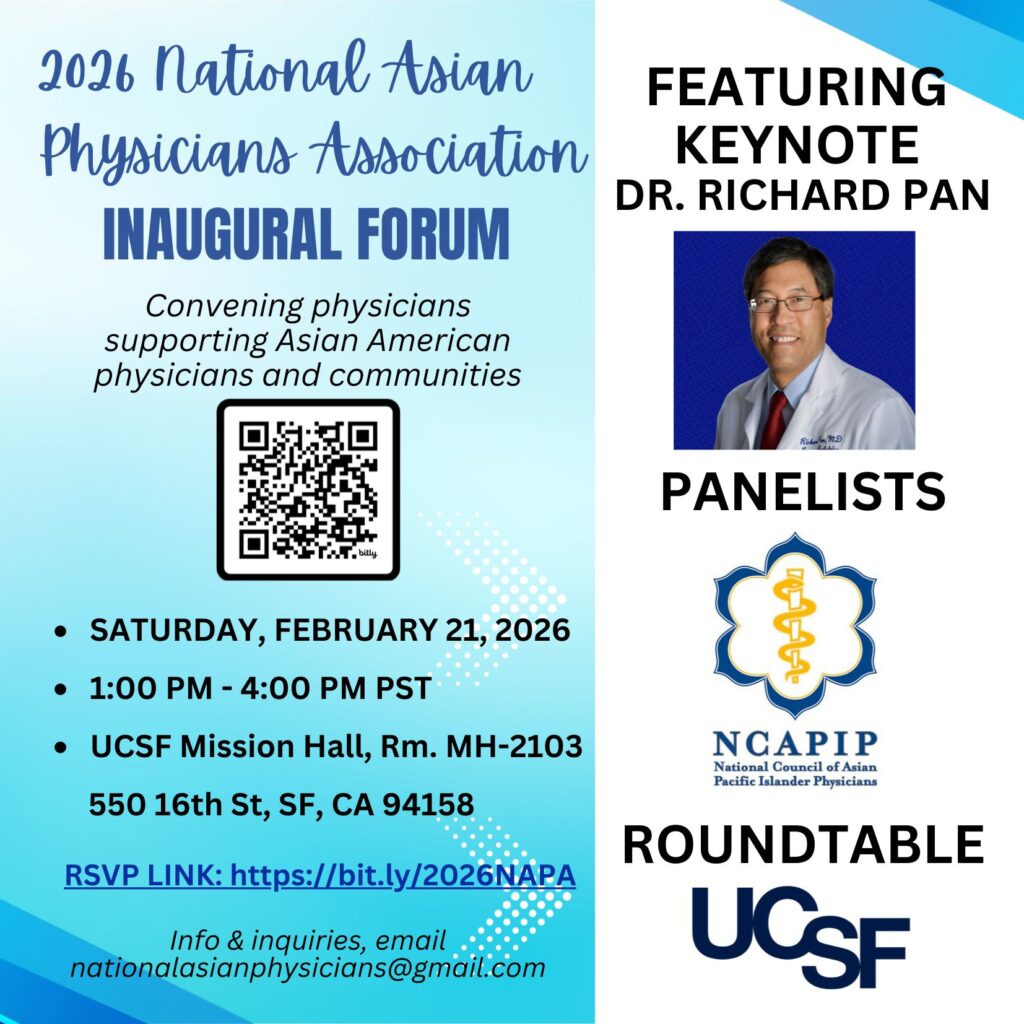
1:00 – 4:00 PM: 2026 National Asian Physicians Association (NAPA) Inaugural Forum
Location: in-person at UCSF Mission Hall Room MH-2103 2nd floor (address 550 16th St, SF, CA 94158) and virtual via Zoom: https://bit.ly/2026NAPA
5:30 – 7:00 PM: Alumni/Physician Mixer
Location: Southern Pacific Brewing, 620 Treat Ave, San Francisco, CA 94110
It is our pleasure to invite all residents, physicians, and alumni to the Alumni/Physician social & mixer event, free of charge, to connect with APAMSA alumni/residents/attendings from all over the country.
7:00-9:30 PM: Banquet
Location: Southern Pacific Brewing, 620 Treat Ave, San Francisco, CA 94110
(open to attendees who purchased banquet ticket)
This year’s banquet will take place at and be catered by Southern Pacific Brewing. Southern Pacific Brewing is a former machine shop turned brewery that is a tribute to the historical Southern Pacific railroad that connected much of the West, including San Francisco’s Mission district.
Nelson Lin
National Conference Logistics Director
UCSF School of Medicine
Brian Tangsombatvisit
National Conference Logistics Director
UCSF School of Medicine
Katherine Chua
National Conference Speaker Relations Director
UCSF School of Medicine
Tiffany Chen
National Conference Speaker Relations Director
UCSF School of Medicine
Matthew Kim
National Conference Finance Director
UCSF School of Medicine
Jeanna Shaw
National Conference Communications Director
UCSF School of Medicine
Logistics
National Conference Committee Members
UCSF School of Medicine
Andy Fabian, Kaitlyn Han, Andrea Huang, Britney Sison
Speaker Relations
National Conference Committee Members
UCSF School of Medicine
Nicole Chiang, Vivian Lee, Stephanie Zhang
Finance
National Conference Committee Members
UCSF School of Medicine
Xinyu Chen, Kara Ushijima
Communications
National Conference Committee Members
UCSF School of Medicine
Christina Im
Contact Us
Questions? Email us at conference@apamsa.org.