


On January 5, 2026, the Centers for Disease Control and Prevention (CDC) unveiled a new childhood immunization schedule that has now curtailed the number of recommended vaccinations for children from 17 diseases to 11 diseases. Exactly one month after a presidential memorandum was issued to reexamine childhood immunization schedules, the CDC no longer recommends routine immunization with Hepatitis A, Hepatitis B, Influenza, Respiratory Syncytial Virus (RSV), Rotavirus, Meningococcal, and COVID-19. Instead, these vaccinations will be based on “Shared Clinical Decision-making” between parents and physicians, despite long-standing evidence of their benefits in protecting children’s lives. Hepatitis B, which affects a disproportionate portion of the AANHPI population, will no longer be universally recommended at birth according to new CDC guidelines.
APAMSA and NCAPIP are deeply concerned about the abrupt changes in the CDC’s childhood immunization schedule, made without public input or a rigorous scientific examination of the risks and benefits. These decisions may further erode trust in public health agencies and increase vaccination hesitancy. Recent research has already shown a decline in childhood vaccinations such as Mumps-Measles-Rubella, leading to outbreaks of measles across the nation.
As mentioned in a previous statement and in our policy compendium, we remain committed to advocating for universal Hepatitis B vaccinations and other necessary childhood immunizations. We urge policymakers at public health institutions to reconsider these changes and focus on evidence-based guidelines that match the United States population and its risks, rather than mirroring other countries’ individualized vaccination schedules.
Resources:
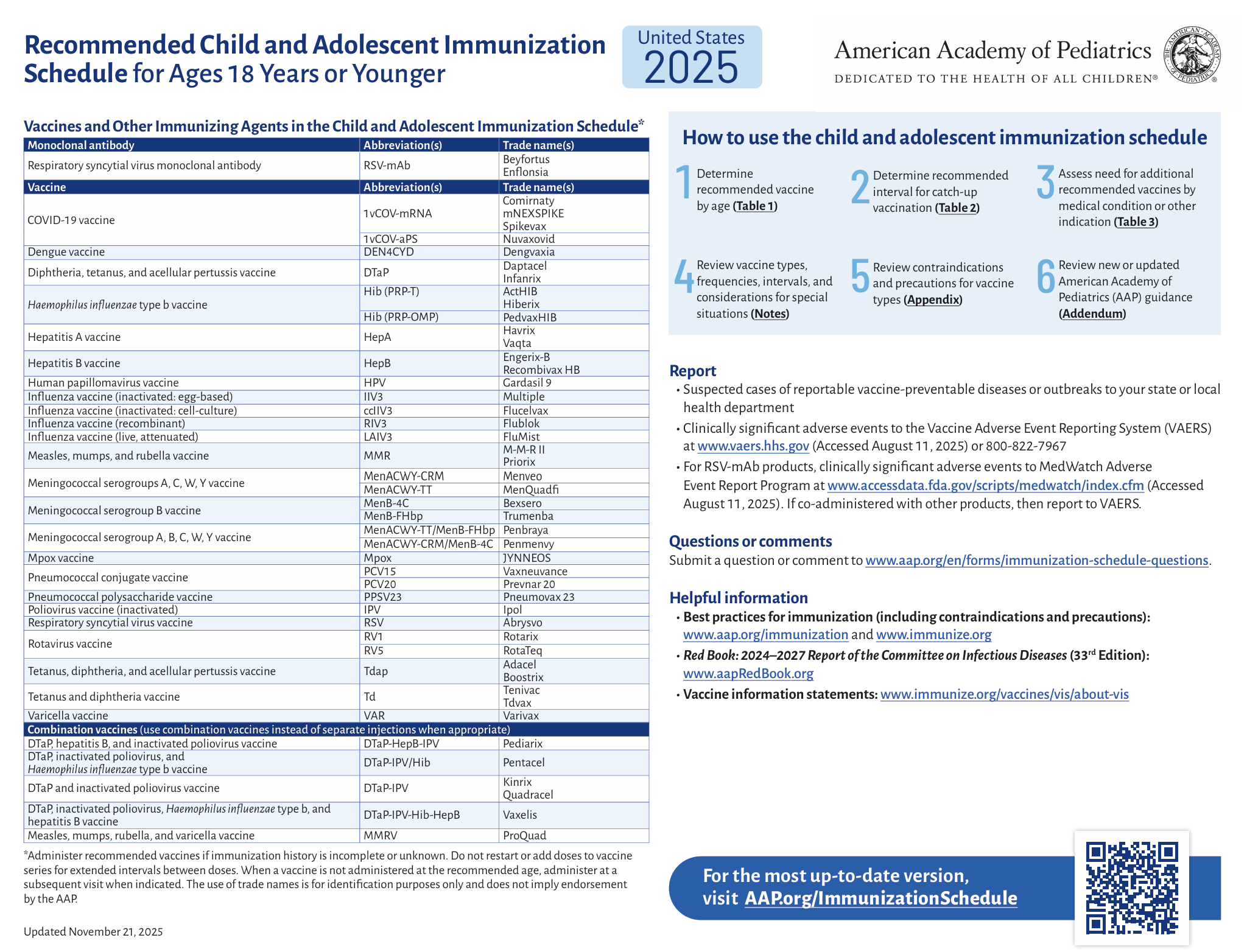
The American Academy of Pediatrics now maintains its own immunization schedule following the replacement of all members on the Advisory Committee on Immunization Practice (ACIP) by the US Secretary of Health and Human Services, Robert F. Kennedy Jr., last year.
For questions regarding this statement, please contact the Rapid Response Director, Brian Leung at rapidresponse@apamsa.org