

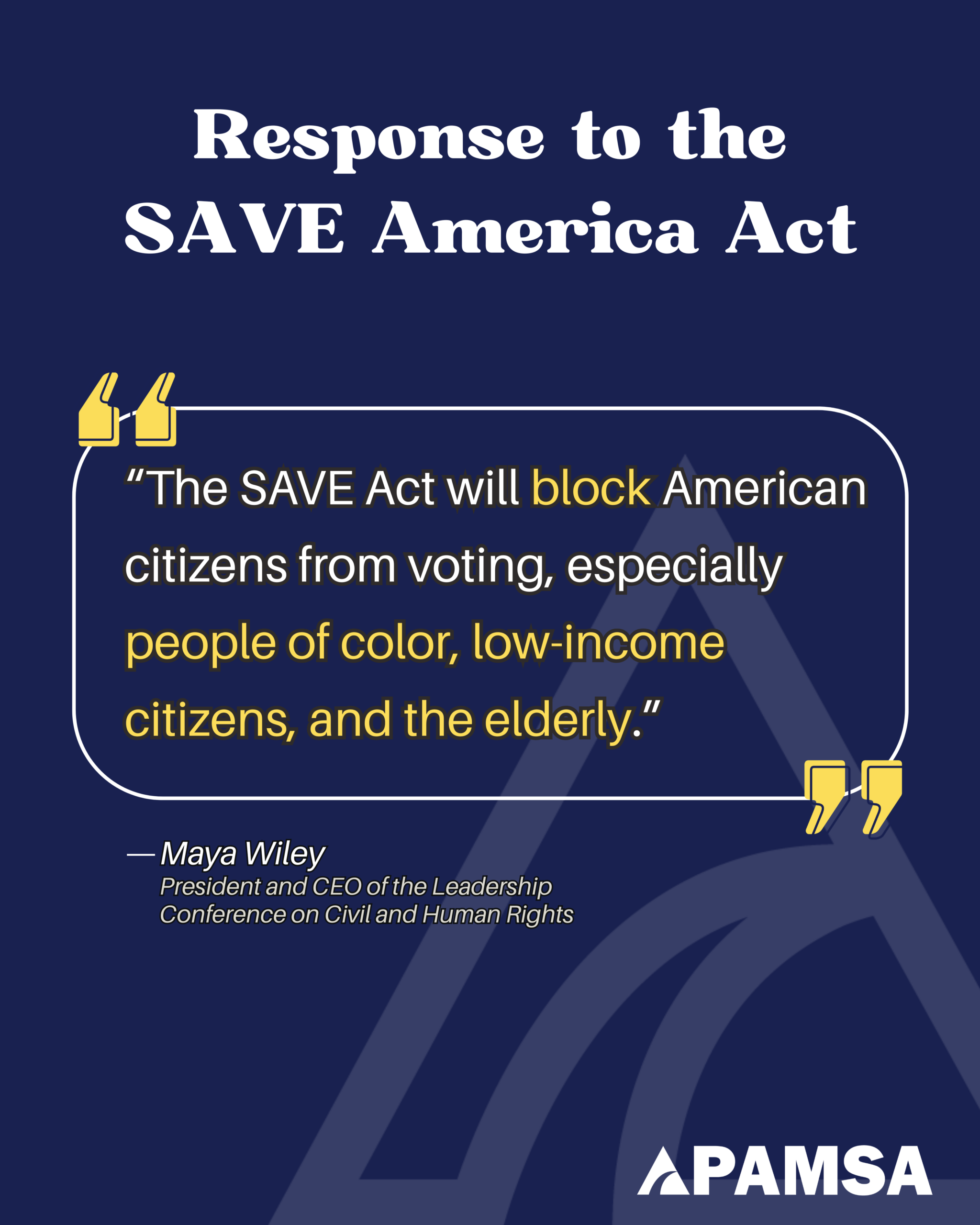
On March 17, 2026, the U.S. Senate began discussions on the Safeguard American Voter Eligibility (SAVE) Act, which aims to address allegations of widespread voter fraud and election integrity by introducing more stringent requirements for personal identification and proof of citizenship. However, this may impose additional barriers by shifting the burden of proving eligibility to the individual voter, potentially reducing civic participation.
What changes are proposed?
The SAVE Act requires:
- Proof of U.S. citizenship using a birth certificate, passport, or naturalization certificate for voter registration
- A government-issued photo identification for requesting and submitting mail-in ballots
- States to verify voter eligibility through federal databases in coordination with the Department of Homeland Security
How could this affect you?
- Roughly half of U.S. citizens do not have a passport, meaning they may need to rely on a birth certificate for voter registration
- REAL IDs in many states do not indicate citizenship, making them insufficient for verification without additional proof of citizenship
- About 80% of women in heterosexual marriages take their partner’s last name, complicating their ability to register without proof of legal name change
- Stricter registration requirements could reduce the accessibility of voter registration through online and in-person voter registration drives
- Potential changes in status (e.g., name changes, naturalization, moving to other states) could lead to ballots being flagged during federal verification, and in some cases, not counted
- The financial burden to acquire the documents necessary to register to vote may create barriers for those facing financial strain
- To vote by mail, voters may need to send a copy of their ID to request a ballot, and another copy when they submit their ballot
Why does this matter?
National APAMSA strongly condemns this bill due to its potential to create barriers to civic participation and equitable access to voting. These changes may disproportionately impact communities with limited access to documentation, including naturalized citizens and historically marginalized populations. In alignment with our policy compendium and as mentioned in previous statements, National APAMSA recognizes that access to voting is a critical social determinant of health, with direct implications for both individual and community well-being.
What can you do?
We urge you to contact your local senator to express your opposition to the SAVE Act. Resources such as 5 Calls and When We All Vote can help you find and reach your elected officials.
For questions regarding this statement, please contact the Rapid Response Director, Pehr Williamson at rapidresponse@apamsa.org