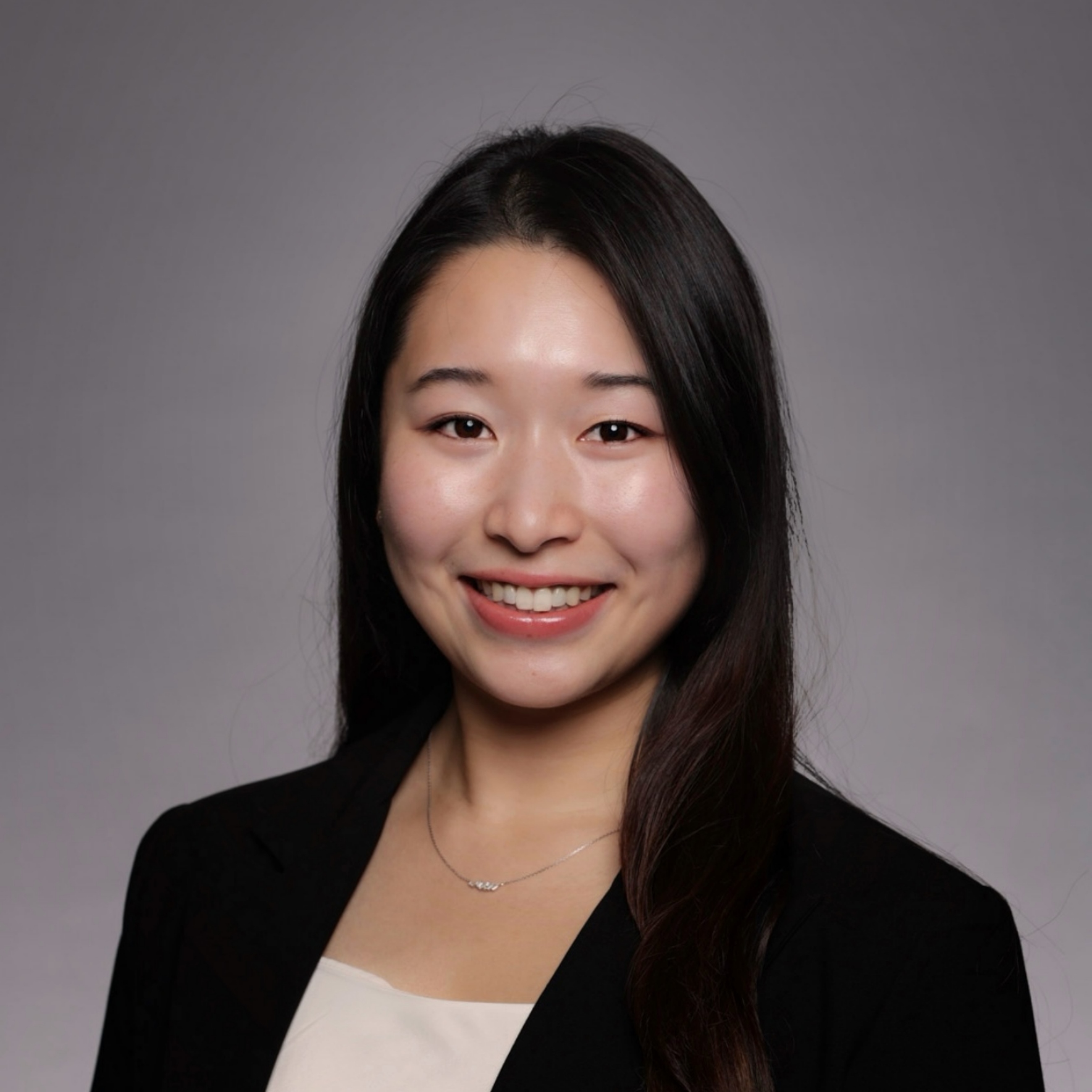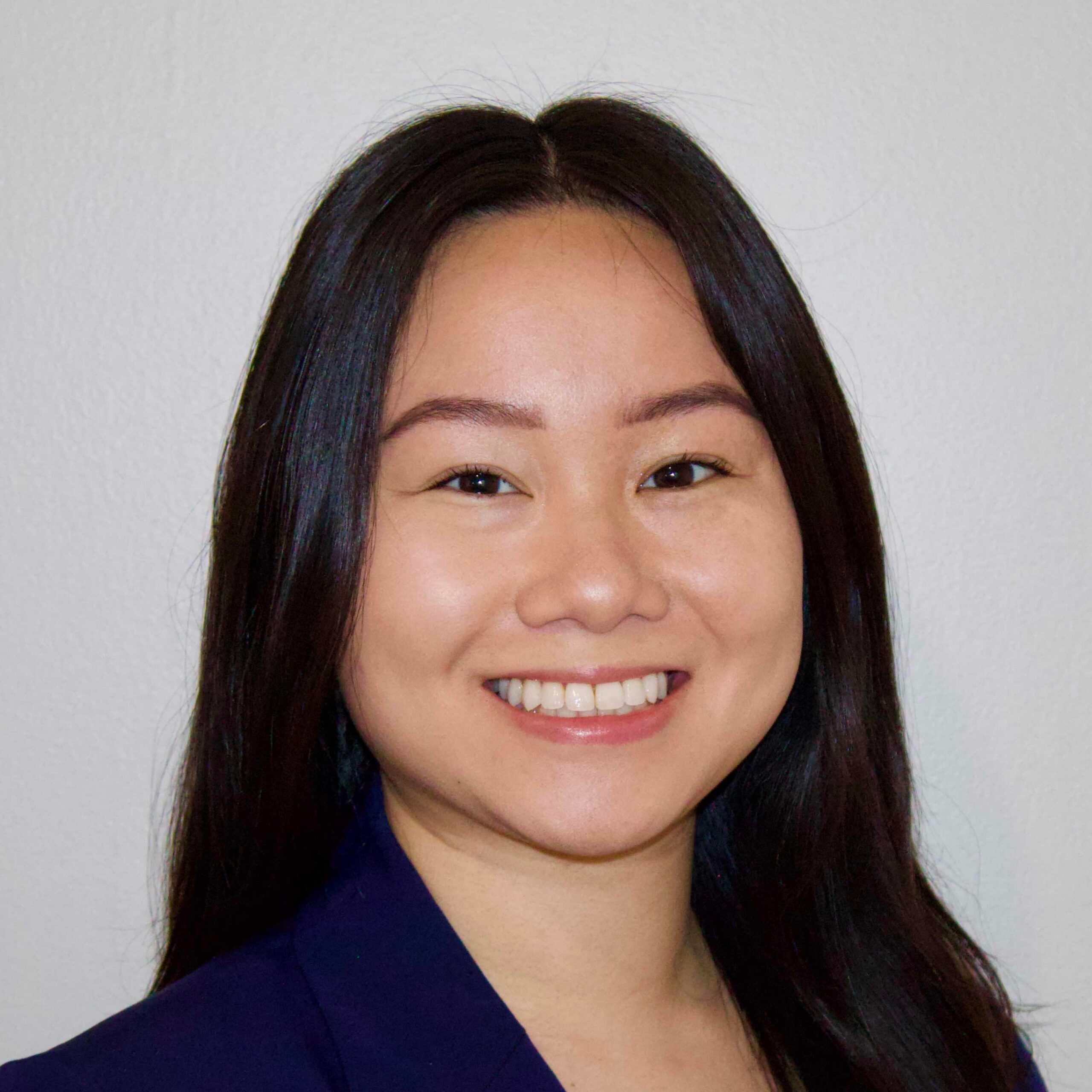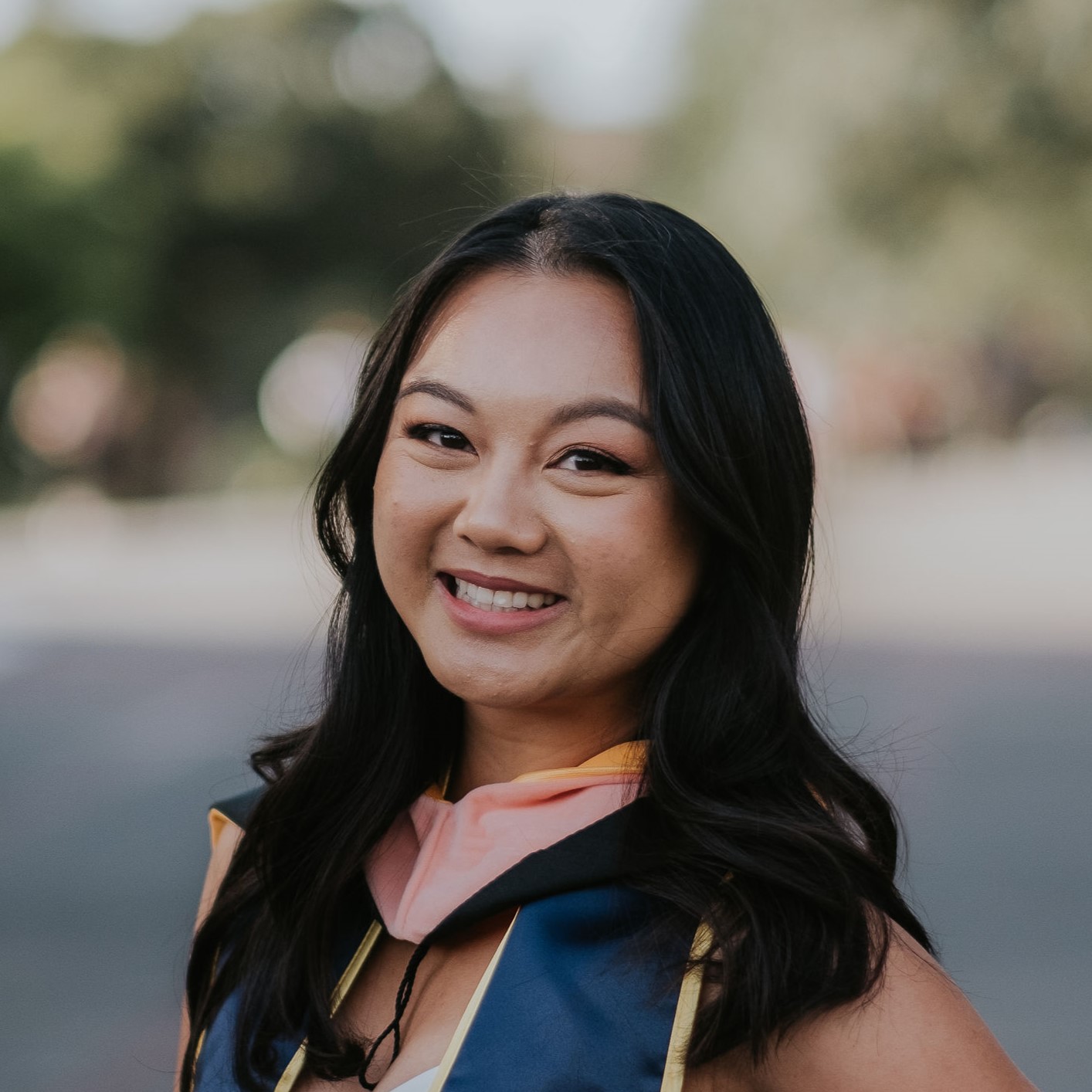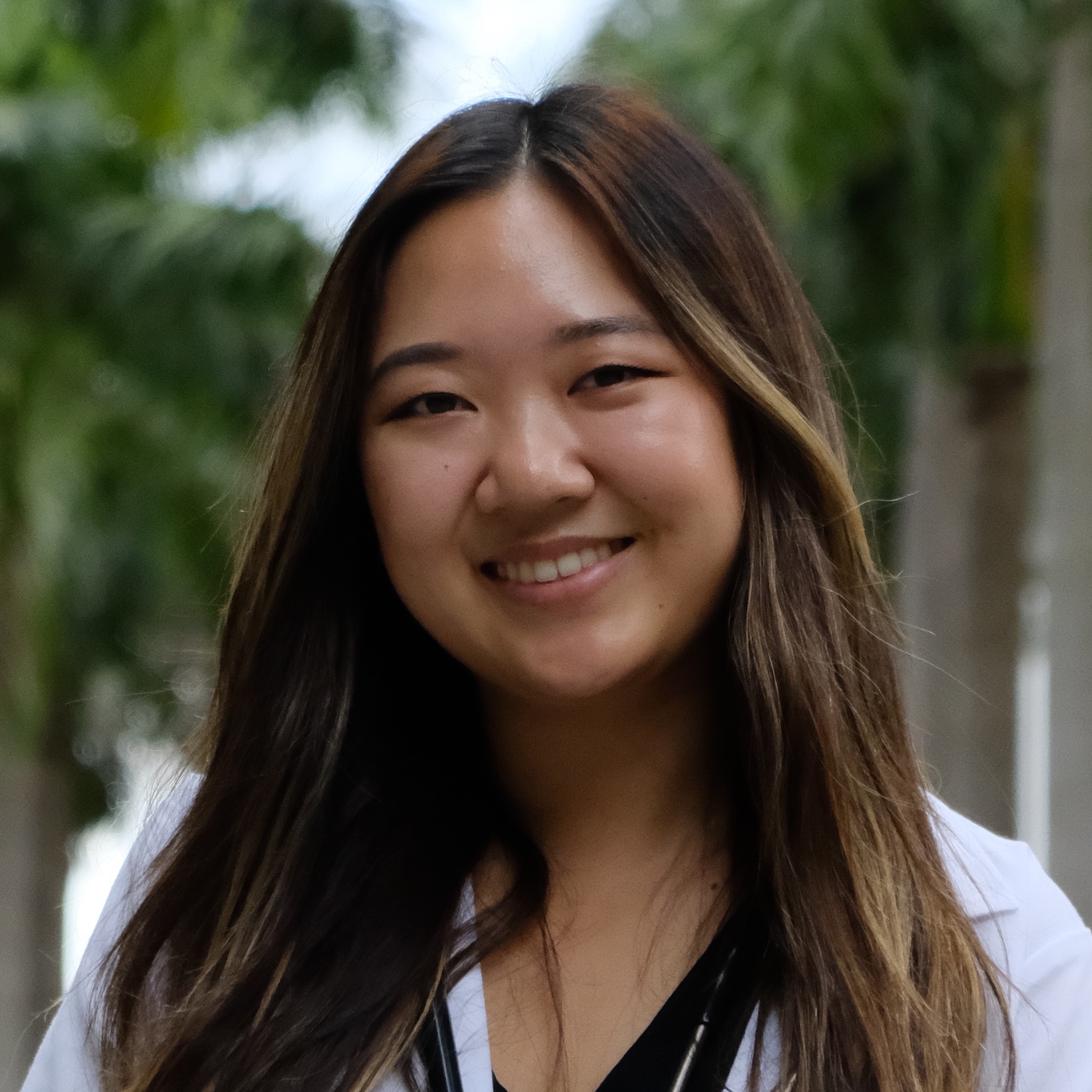
Kimsa Nguyen, Diversity VP

communications_committee

Kimsa Nguyen is a medical student at California Health Sciences University, College of Osteopathic Medicine. She is the daughter of Vietnamese refugees and will be the first in her family to become a physician.Prior to medical school, she earned an MPH in Maternal, Child, and Adolescent Health from University of California, Berkeley School of Public Health and an undergraduate degree from University of California, Davis in Cell Biology. She is passionate about health equity, social impact, and reproductive justice. She is enthusiastic about working in the intersection of public health and medicine to address health disparities and to engage in meaningful systems-level change to ensure that people can live their best, healthiest lives. Outside of medicine, she loves to spend time in nature, travel, and cook for her loved ones!


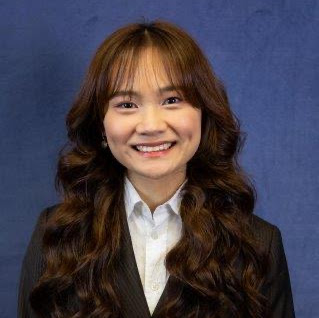
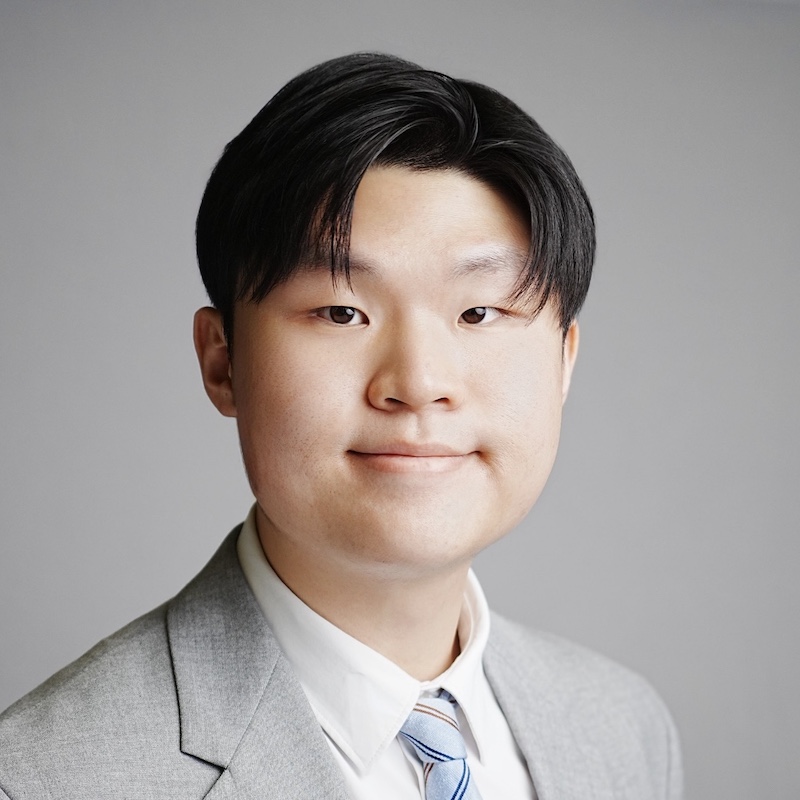
Brian Leung, Advocacy VP

communications_committee

Brian Leung is a rising fourth-year osteopathic medical student at Touro University Nevada, College of Osteopathic Medicine in Henderson, Nevada. He was born and raised in San Jose, California. He received his Bachelors of Science in Biology and Community Health at Tufts University in Somerville/Medford, Massachusetts. During medical school, Brian completed the San Francisco Chinatown Externship hosted by the Chinese Hospital and the Chinese Community Healthcare Association, where he was able to explore the different medical specialties that served the AANHPI community in San Francisco. He hopes to practice family medicine as a primary care physician after medical school.

In his previous role as Rapid Response Director, Brian led APAMSA’s collaborative advocacy efforts, partnering with NCAPIP and organizations like LMSA, SNMA, and SOMA to address pressing current events. Now, as Advocacy Vice President, he is focused on building an expansive network of physician advocates to champion the AANHPI community and drive awareness of systemic health inequities. During his free time, Brian enjoys cooking, learning new languages, and spending time with his family.


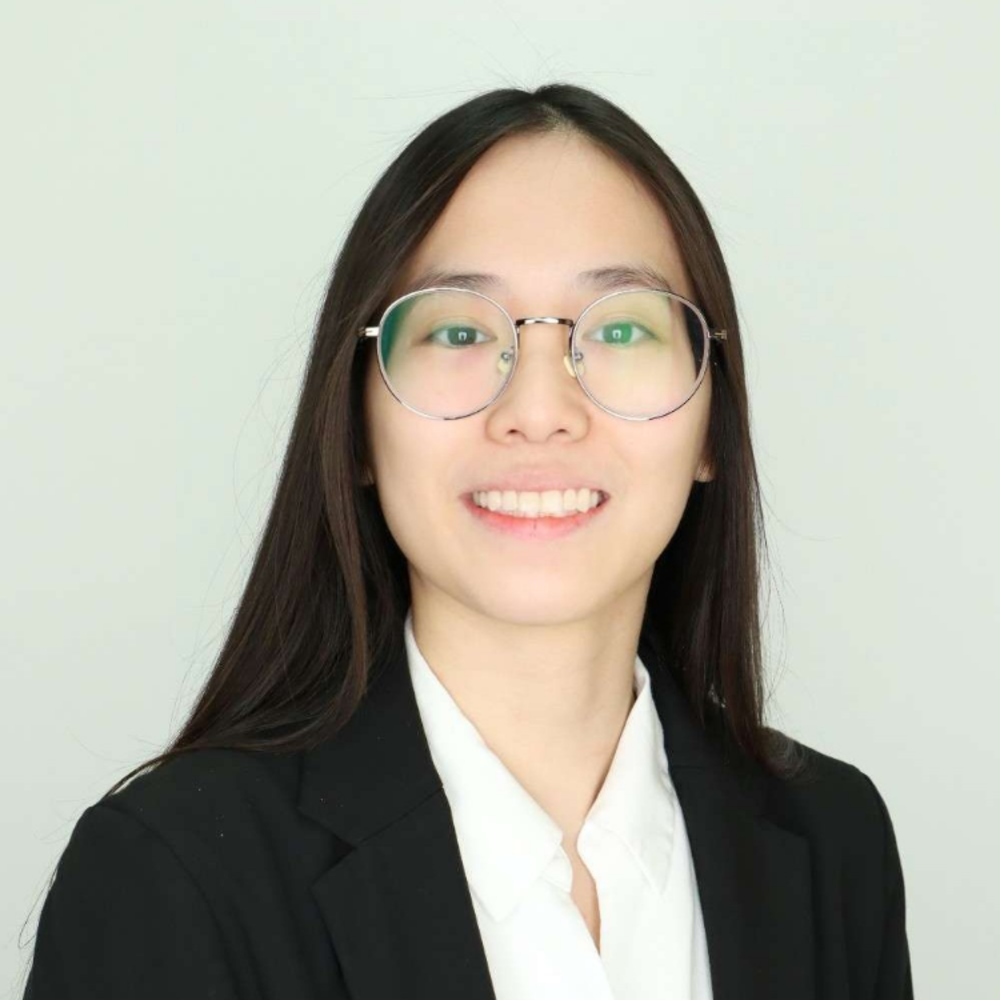
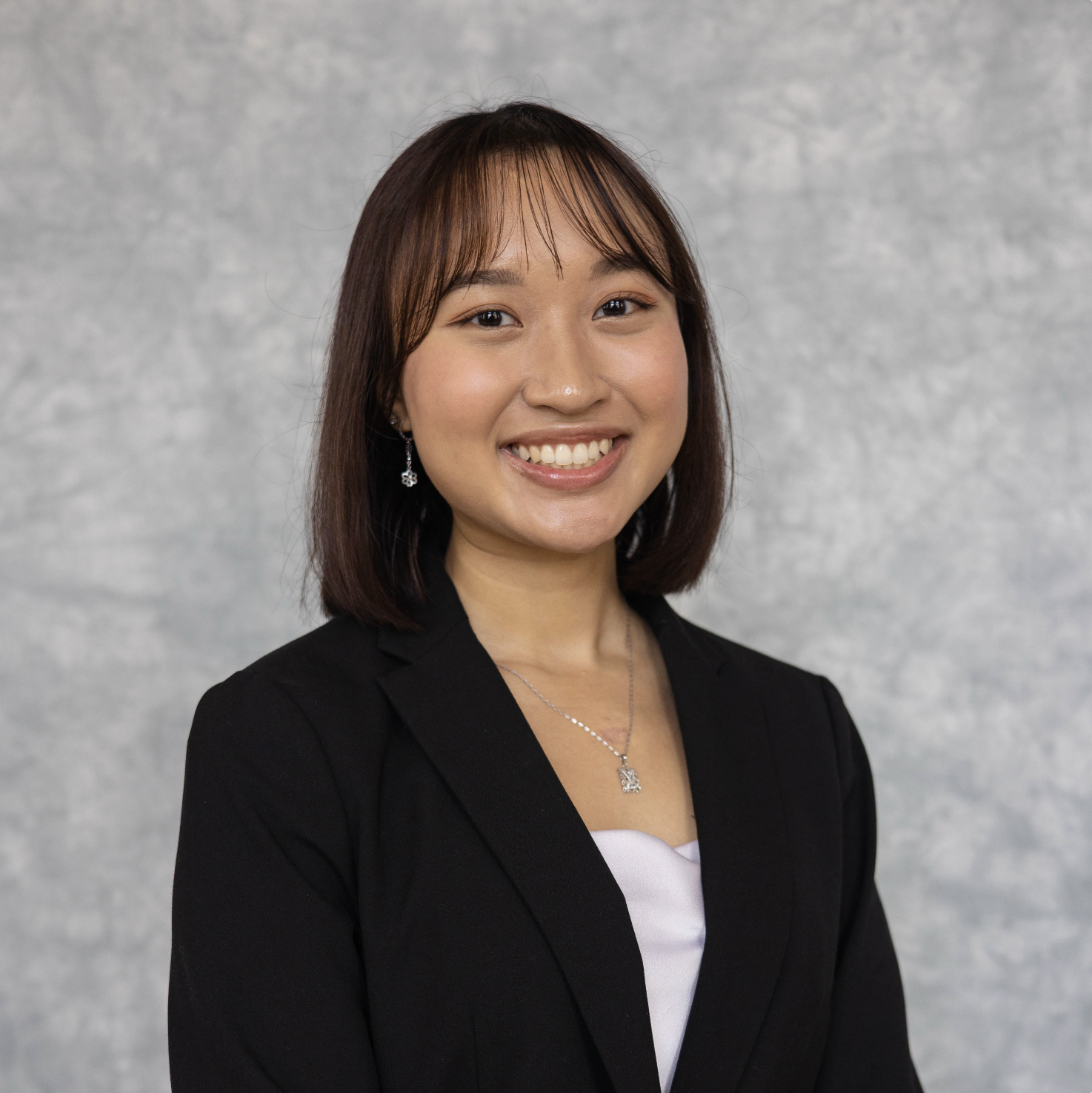
Elizabeth Nguyen, Health Affairs VP

communications_committee

Elizabeth Nguyen is an MS4 at the University of Texas San Antonio Long School of Medicine. She was born and raised in Houston, Texas, and completed a BS in Biology at Emory University. She began serving APAMSA as the Community Engagement Lead for her local chapter and was the 2025-2026 Community Outreach Director for the National Board. She is now the Health Affairs Vice President on the Executive Board. She is interested in a career in ophthalmology or internal medicine. Outside of school, she enjoys playing piano, reading, knitting, and playing tennis.


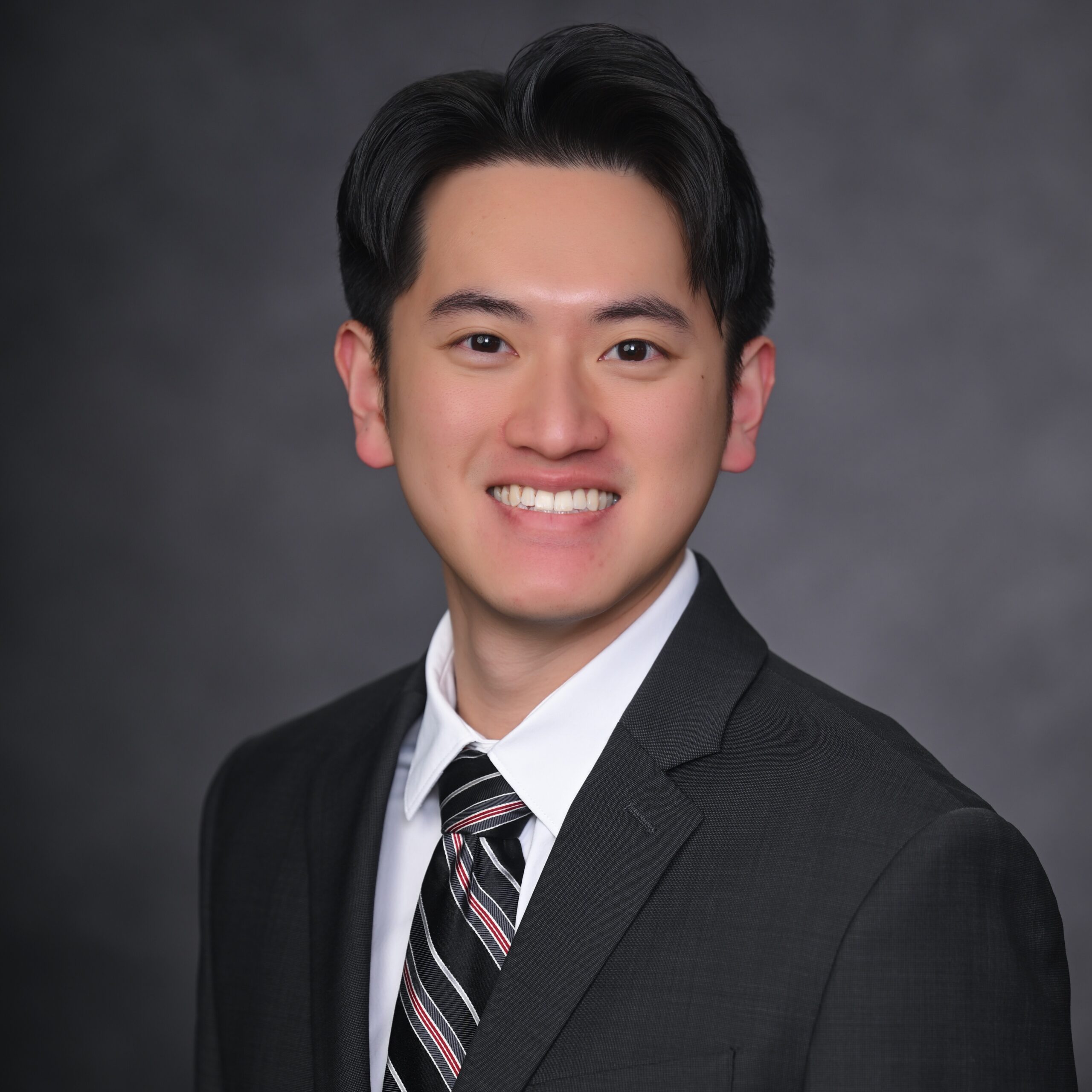
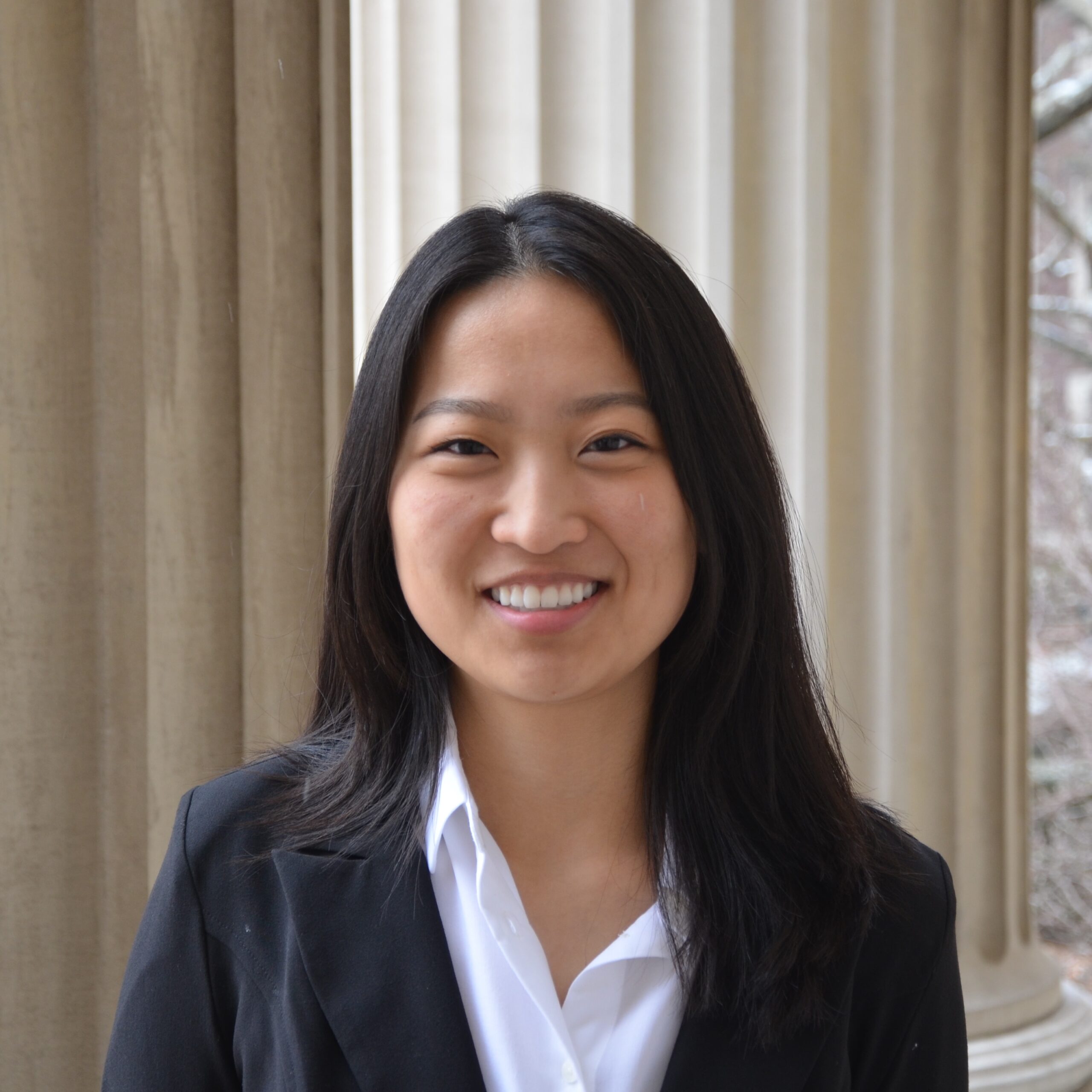
Emily Chen, External Affairs VP

communications_committee

Emily Chen is currently a third-year medical student (M3) at Wright State University Boonshoft School of Medicine. She was born in Guangzhou, China, and immigrated to the United States with her parents at a young age. Prior to medical school, she earned her Bachelor of Science in Neuroscience from The Ohio State University. Emily currently serves as Co-President of her local APAMSA chapter, where she has been heavily involved in the organization’s hepatitis outreach and Mandarin education initiatives. She previously served as one of the Region V Directors and now returns as External Affairs Vice President, where she is excited to continue strengthening APAMSA’s partnerships, financial sustainability, and national programming for AANHPI communities. In her free time, Emily enjoys dancing to K-pop, trying new restaurants, and cooking.


Callista Wu, Communications VP

communications_committee

Callista is a rising fourth-year medical student at California Health Sciences College of Osteopathic Medicine. She is from Arcadia, California, and graduated from UCLA with a B.S. in Psychobiology and a minor in Gerontology. Growing up in the San Gabriel Valley and attending a university with such prominent AANHPI communities has kept her connected to her roots and inspired her to learn how a career in medicine can give back to the communities that she grew up in. She has served on APAMSA’s National Board as a Social Media Committee Member (2024-2025) and Social Media Director (2025-2026).

Outside of school, she is either reading on her emotional support Kindle, watching Lakers games, or finding new boba spots. Fun fact: she and her friends developed a boba-themed finance-tracking app during a Hackathon, which went viral in the subtle Asian traits Facebook group and was featured on NextShark!


James Chua, President

communications_committee

James “Jameson” M. Chua, MS, is an osteopathic medical student at Touro University Nevada College of Osteopathic Medicine, Class of 2027. Born to Chinese-Filipino immigrants, James grew up in San Diego, California, where he eventually earned his Bachelor of Arts in Biology, from the University of San Diego. As an undergraduate, he was deeply involved in campus life as a lifelong brother of Sigma Pi fraternity, an active member of the Filipino American Student Organization, and a researcher in comparative immunology as a member of the Hohman Lab group.

Following graduation in 2019, James worked at The Scripps Research Institute and the UC San Diego School of Medicine, where he conducted antibody development research on SARS-CoV-2 during the peak of the COVID-19 pandemic. His work contributed to the global response to COVID-19 and was published in journals including Science and Nature Communications. After two years of intensive research, James experienced burnout, which prompted him to realign with his long-standing goal of pursuing medicine. To strengthen his medical school application, he completed a post-baccalaureate program in Philadelphia, Pennsylvania, and subsequently earned a Master of Science in Biomedical Sciences from Drexel University College of Medicine in 2022.

Following his time in Philly, James began his journey to becoming an osteopathic physician, or, as he fondly calls it, a “bone wizard,” at Touro University Nevada in 2023. Since then, he has immersed himself in the medical school community, becoming an active member of his local APAMSA chapter, as well as the volleyball club and culinary medicine club.

In APAMSA, James has held positions both on a local and national level. Locally, he has served as a chapter president, where one of his favorite memories is bringing together his chapter to participate in Community Impact Week 2025 to volunteer at Three Square, the largest food bank that serves Clark County, Nevada. Nationally, James has served as the Fundraising Director from 2024-25, and now, as a two-term National President from 2025-26 and 2026-27.

James aspires to become a psychiatrist, with plans to subspecialize in Child and Adolescent Psychiatry, and a particular emphasis on culturally responsive and LGBTQIA+ affirming care.


2026 Founders' Scholarship Award Winner

Momilani Tupu

Touro University Nevada

Momilani Tupu is a third-year medical student at Touro University Nevada with a focus on health equity and policy advocacy. She serves as a Student Representative on the American College of Osteopathic Internists (ACOI) Committee on Ethnically and Racially Underrepresented Populations in Medicine, where she works to address academic and career pipeline barriers for AANHPI students and physicians. At the local level, Momilani is an active member of the Ninth Island Aunties, coordinating food and hygiene assistance for underserved communities in the Las Vegas Valley. Her current research examines healthcare access among Native Hawaiians and Pacific Islanders in Nevada, aiming to fill a critical data gap for the growing diaspora. Additionally, through the Clark County Medical Society, Momilani advocates for legislative efforts to disaggregate AANHPI data within medical systems. This work is centered on ensuring that health resources and government programs accurately reflect and serve the specific needs of diverse AANHPI populations.


A Conversation with Dr. Vivienne Hau

In this episode of White Coats and Rice, APAMSA Podcast Committee member and host Kevin Gaw sits down with Dr. Vivienne Hau, a Clinical Assistant Professor at the Kaiser Permanente Bernard J. Tyson School of Medicine and a surgical vitreoretinal specialist, for a reflective conversation on leadership, identity, and legacy in medicine.


Dr. Hau shares her journey through APAMSA—founding her medical school’s chapter at the University of Arizona, serving as Region VII Director, and later leading the organization as National President in 2001—while reflecting on how student advocacy continues to shape her work as a physician and mentor. The conversation also explores Dr. Hau’s experiences as a transgender woman in medicine, her path into ophthalmology and vitreoretinal surgery, and her perspective on building a more inclusive and sustainable future for both patients and providers.


For listeners who would like to continue the conversation or reach out, Dr. Hau can be contacted at vivienne.s.hau@kp.org

Listen here:

YouTube
Spotify
Apple Podcasts


This episode was produced by Kevin Gaw, hosted by Kevin Gaw, and graphic by Callista Wu.


00:06 Introduction

03:08 Medicine, Career, & Growth

20:30 History in APAMSA

24:36 Leadership in APAMSA

34:33 Intersectionality: Transgender, Asian American, Physician

48:12 Advocacy, Leadership, & Reflection

59:59 Closing Remarks


00:06 Introduction

Kevin Gaw: Welcome back to White Coats and Rice, an APAMSA Podcast. From roundtable discussions on current health topics, to recaps of panels with distinguished leaders in health care, to conversations with student leaders across the organization, this is White Coats and Rice.

My name is Kevin Gaw. I’m a member of the APAMSA Podcast Committee and a first-year medical student at the California University of Science and Medicine in Colton, California, and I’ll be your host today.

I’m really excited to introduce a very special guest for this episode, Dr. Vivienne Hau. Dr. Hau is a Clinical Assistant Professor at the Kaiser Permanente Bernard J. Tyson School of Medicine and a surgical vitreoretinal specialist, where her work focuses on complex retinal disease and restoring vision through advanced microsurgical care. She has played a formative role in APAMSA’s history—founding her medical school’s chapter at the University of Arizona, serving as Region VII Director, and later becoming APAMSA’s National President in 2001!

We’re grateful to have you with us today, Dr. Hau. How are you doing?

Dr. Vivienne Hau: I’m doing very well. I just want to say I’m truly really honored to have been asked to be part of your podcast. And I love that fact that, what, almost a quarter century later, I’m still involved with APAMSA. I’m being asked to be a part of it. It’s something that is part of my own identity and is something that holds a very special place in my heart. So I’m excited to be here.

Kevin Gaw: I’m excited as well, and the honor is all ours.Thank you so much. And I know I gave a brief introduction for you. Is there anything else you might want to add to let our audience know just a little more about your background before we get started?

Dr. Vivienne Hau: Well, you pretty much encompassed most of it right there. You know, I can also add I’m on faculty at your medical school too—that’s how we had met. So thank you for you and your APAMSA local chapter inviting me to come speak. One of the newest medical schools in the country, and not too far from where I practice at Kaiser Permanente in Riverside.

One of the other things that I have a passion for is clinical research. I have an MD and a PhD, and my work is looking at the latest treatments and clinical trials for the treatment of macular generation and diabetic retinopathy, two of the leading causes of visual impairment in patients. And so I lead our largest clinical trials program at Kaiser doing things like gene therapy and stem cell implants for some of our patients as well. And then on top of that, as you know, I just love mentoring and helping out students. It’s increasing representation within our field through various, you know, diversity, equity, inclusion programs, or working with our LGBTQ communities and ensuring they have a voice and a platform that sometimes can get overshadowed, and just just trying to really make a difference in a lot of people’s lives. So, those are just some of the additional things that I really have a passion for. 


03:08 Career, Medicine, & Growth

Kevin Gaw: Absolutely amazing and truly inspirational work. So I’m really excited for our audience to hear about you and learn more about what made you who you are today and what led you to where you are today as well. So, before we dive more into APAMSA leadership, I kind of want to get started on what initially drew you to ophthalmology, and specifically vitreoretinal surgery.

Dr. Vivienne Hau: Yeah, that’s a good question. You know, people often ask me, like, when did I know I wanted to become a doctor? You know, as far as I can remember, I’ve always wanted to be a doctor. And I think part of that is because my parents, they implanted that in my head and basically repeated it multiple times when I thought it was part of my own thoughts, but maybe it was just really their voice telling me what I wanted to do. I’m sure many of you guys can probably relate out there in APAMSA land. So anyways, but I was always drawn to science and non-fiction and all that kind of stuff. I was that nerdy kid in elementary school, always asking the teacher, “How do you do a bibliography for a nonfiction book?” because everybody else was reading fiction, nonfiction. Although I feel like in your generation, more kids are kind of nerdy like me back then. Back then in the 80s, there wasn’t too many like me. So I was always drawn to that and always thought it’d be so cool to do science and research and had an opportunity as a junior in high school to work in a NIH-funded lab at the University of Arizona, because that’s where I grew up, in Tucson, Arizona—University of Arizona, go Wildcats! Currently number one in the country in basketball, so going to go all the way.

Anyways, so I went there for, I was there in high school, got placed in a research lab, specifically in neuropharmacology, investigating drug delivery across the blood-brain barrier. Well, little did I know, that experience that summer as a junior would lead me to eventually become a vitroretinal surgeon. Those experiences in that lab, doing that type of research, I thought was just the coolest thing and always thought that doing more stuff in regards to the brain and neurobiology and all that stuff would be where I would want to do. And so when I eventually got into the MD-PhD program, I thought I was going to do neurology and I had it all planned out all the way until my third year of medical school. I was about to apply, it was like spring and then I had like two weeks of elective time and I thought, “What should I do?” Well, there’s this thing called ophthalmology. I didn’t know what the difference was between ophtho or optometry, but I thought there’s a lot of things in there about the brain, a lot of neurology. So I’m just going to go and do that and learn more about neurology so I can become a better neurologist someday. Well, I did that after the first day. I said, “Oh my gosh, this is my future; I found my tribe.” You know, your vibe attracts your tribe. And that’s basically what happened.

I just connect with everyone and I could do all the neurology I wanted to, but I could actually fix it too. And by working with my hands and doing the really high precision surgeries that I loved as part of my research doing small animal surgeries, extracting the brains of rats and mice and extracting the blood-brain barrier from the meninges and all that kind of work. You know, it’s very similar to doing surgeries within the eye because it’s very microscopic and high precision as well. And all my research that I did in blood-brain barrier drug delivery applied to the blood-retina barrier; there are a lot of similarities there. And in ophthalmology and specifically retina, I got to be the primary care doctor where I got to see my patients on a long-term basis. In fact, I get to see them more often than your primary care doctor because some of these patients have diseases where I’m literally seeing them every month and I get to know their families because a lot of them are hereditary as well. So I love that kind of primary care aspect for the eye that I get to do, these long-term relationships that I get to build with them. But I can also work with my hands and actually do surgeries and get to cure blindness in some cases. And how cool is that? Most patients, they fear getting cancer. Their second biggest fear is going blind, and I can actually fix them, for some of them, from going blind as a retina surgeon.

And then finally, in retina and ophthalmology as a whole, we get to work with a lot of cool technologies. You probably remember during my presentation to you guys, one of the coolest things is I get to shoot lasers out of my eyes, which is just one piece of technology that I get to do and how I can treat patients. And on top of that, I can apply all my research background to doing clinical trials within retina, because retina is one of the hottest areas of research. There’s a ton of companies that are supporting research and I get to be involved in all of those different aspects. And so that is how my story led to retina surgery.

Kevin Gaw: I love the passion and just the story of how you got to where you are, because especially as just an MS1 right now, trying to figure out where I want to be and where I want to go. It almost…it makes me feel like, you know, I don’t have to worry about it now. And like you said, your vibe is your tribe. Like what I find will find me and I shouldn’t worry too much because you’ll just ultimately come across what you need to and I absolutely love that. 

I kind of want to ask as well, because you did mention you are MD-PhD—did you always know that you were going to pursue a PhD as well? And also, you are so passionate about all the research you do. And I kind of want to hear about what is the current research that you’re doing? Anything new?

Dr. Vivienne Hau: Okay. Well, in terms of the PhD, I got that first experience working in a research lab as a high school student. I thought it was so cool. And maybe I should consider it just a career as a research scientist. Well, I continued on in that same research lab. My mentor at that time, who still is today, Dr. Thomas P. Davis in pharmacology at the University of Arizona, gave me that experience to work in a lab and really show me how much of a difference I could make by doing this work in this lab, and how it could connect eventually to translational research and also in patients. But the problem is just working as a research scientist, it just stopped in the lab. Like I pass it on to others and others would take it on from there. I want to be part of the whole process. And plus, to be quite honest, no offense to my PhD friends, I could not see myself in a research lab surrounded by rats and mice all day. You know, I’d go crazy trying to talk to them when I was bored. And I’m just a very people person. I love connecting with just different people from all walks of life and learning from them, hearing their stories, and just the richness of the diversity of all the people that you see as a physician in the people. I just loved that. And so then I knew I didn’t want to give up the research because I loved that; it was fascinating. And I wanted to work with the patients themselves that I would eventually be treating. And so ultimately that’s why I combined the two and continued on as part of the MD-PhD program.

And I was very fortunate. My mentor helped me get into the program at the University of Arizona, where I stayed at for medical school. So I’ve been a Wildcat for 12 years—undergrad, med school, and PhD in that neuropharmacology lab. Now, I did give up working in a basic science research lab to transition to clinical research. And that was because I just, I really liked working in the clinics. I mean, I just wanted to spend the majority of time working directly with the patients and doing the surgeries. It’s kind of hard when you’re also trying to manage a research lab, and trying to chase down grants, and trying to support a whole team. It just wasn’t for me, although it is for a lot of other people and I certainly admire those who do do that. But I could still do research as a clinician through clinical research. And so when I had joined Kaiser Permanente, they had promised me that they would give me the support to build a program from scratch because nothing like that existed at Kaiser in the field of ophthalmology. And so through a lot of perseverance, blood, sweat, and tears, making a lot of connections and convincing people to believe in my vision for doing clinical trials at Kaiser, we finally were able to nab ourself our first study, which looked at a drug to extend drug delivery within the eye for macular degeneration. And so that taught us how to do trials and showed us, or showed the world and the field that we could do studies at Kaiser. And eventually from then on, it just kind of built and built and built. So now we’re doing some of the latest, most innovative studies that are only be done at mostly academic institutions.

So most recently, we implanted the 17th person in history with stem cells for geographic atrophy. It’s basically where advanced age-related macular degeneration lose their retina photoreceptors. And so we’re attempting to regrow those with stem cells. And we just implanted the very first patient at Kaiser, 17th in history, last summer. And I’m pleased to report the patient is doing well. When the patient came to us a couple months afterwards and had told us that for the very first time she was able to see her husband when she walked back into the waiting room from her visit, whereas before she’d always have to remind her husband, “Make sure you yell my name because I can’t see you when you’re waving at me.” For the first time, she actually saw him wave at him; that was incredible. And it’s just like advances like that that you’re seeing and that you’re involved in, that you’re able to maybe bring back vision that was lost, that’s never been done before in medicine. And here we are, we’re on the cusp of doing that. And what’s cool about doing stuff in the eyes is that it’s an enclosed space. There’s less chance for systemic side effects. So a lot of times these innovative kind of research has done first in eye diseases and then can expand out or teach us how we can apply it to other diseases in the rest of the body, as Dr. Glockenflecken would mention, body medicine. But I get to focus just on the eye itself.

And then finally, the other thing is we’re also heavily involved in gene therapy studies. We were part of three different gene therapy trials where we’re, again, for the first time in human history, we’re able to program the human body, the eye itself, to make its own medicine, to make a therapeutic that didn’t exist in nature before, but now we’re able to do it. That is just some really cool, fascinating stuff. And that’s why I love doing what I’m trying to do, what I do today as a clinician researcher, as a retina specialist.

Kevin Gaw: Thank you for sharing everything. I think one of the things that I love hearing you speak about is just, well, I mean, anything. And I think I remember the first time you spoke with us, I was in our master’s program and you were speaking about your career. And it was the first time I truly considered ophthalmology, just based on the way you spoke about it and the way you really… talked about the patients and the care that you provide. And I always enjoy it, especially the story like that you talked about with the research and, you know, bringing the sight back. It’s, it always like it gives me chills, honestly, like just hearing what you can do as a physician and a clinician and a researcher. And you get to see the…there’s like that average time of bench to bedside. I don’t know how many years, but you kind of get to see that as both the researcher and the clinician implementing that. So I think that is what is something so special about your career right now. And I really love that. So thank you for sharing that.

Dr. Vivienne Hau: Those are really kind words, but thanks for saying that.

Kevin Gaw: Of course.

Dr. Vivienne Hau: I have folks ahead of me, mentors, people that I’ve met that did that for me and so I’m happy that I can kind of contribute some of that to some of the folks in APAMSA.

Kevin Gaw: Thank you. And I know you kind of mentioned already some of your mentors that shaped your trajectory in your career in meaningful ways. Was there anyone else that you kind of wanted to give a shout out right now or played a big role in, in where you are now?

Dr. Vivienne Hau: Oh my gosh. There’s so many mentors. It’s, I mean, you think about it in life, you have mentors for different aspects about your life. So if you’re just talking about my career in getting involved in research, then I already mentioned Dr. Thomas P. Davis, who was a big, big person. Later on, when I got into residency, Dr. Kang Zhang, a retina specialist, helped guide me there. And eventually in fellowship, I had folks like Dr. Robert (Bob) Wang and Dr. Rand Spencer, Dr. Dwayne Fuller, Dr. Rajiv Anand, Dr. David Callanan, Wayne Solley—those are all folks that kind of helped shaped my career as a retina surgeon and doing more specific clinical trials within the retina field. Dr. Karl Csaky was instrumental in helping me do that and now I get to be on trials with him as well, which is pretty neat as a colleague, not just as a student or trainee.

But other parts in your life, APAMSA, for instance, I learned about the importance of advocacy through Dr. Art Chen, who was one of the keynote speakers for APAMSA way back when, when I was a medical student. I remember hearing from him and what he did with Asian Health Services and the contributions that he’s done for ensuring our Asian American, Asian Pacific American communities are not forgotten about on both sides of the coast and all the awards that he received. That was very inspiring for him to tell me stories about him growing up and along with Dr. B Lee, who was a co-founder of APAMSA, about how they wanted to inspire a new generation of medical students, Asian Pacific Islander American medical students that made sure that they were socially conscious, that they made sure that folks didn’t forget about them simply because they were a quote, “model minority,” that they were bringing up stuff that nobody had really talked about at that time when I was going through training about how a lot of Asian Pacific American students were, you know, very kind of quiet and, and just didn’t stir the pot a little bit or didn’t speak their mind because that was how they were taught. And Dr. B. Lee and the other co-founder for APAMSA, Dr. Jhemon Lee both taught me to make sure to not quiet my voice, to speak my mind and make sure you contribute just like my other, just like the other med student colleagues that were not Asian. Because in that way, people will see you, they’ll respect you more, and you’ll have opportunities for advancement.

So, I mean, all of them played such a large role. Dr. Anthony So also was on faculty at Duke, now at Johns Hopkins, also a strong person in advocacy. I learned how important it was to ensure that, to not forget about where I came from and to ensure to elevate those after me. And so that’s why I continued to stay on as a mentor through APAMSA with those folks.

And then other mentors, you know, I have to say my parents, they taught me the way. They were Vietnamese boat immigrants in 1975. They risked their life to come here to America. And I was born a few months later here. But I mean, to see what they went through, their hardships, but for the hope and support of their future child and their future family, I mean, doing everything for that and ensuring we don’t forget the loved ones and make sure we always support our family where we can and inspire them like my parents did for me. I mean, they were great mentors too. Same with my brother who I, even though he’s younger than me, I look up to him and everything he’s done and his contribution. So, so many different people. I could go on and on and do an entire podcast about it, but just a few.

Kevin Gaw: Yes, and thank you for sharing that. I love hearing about all the mentorship throughout someone’s life, you know, from childhood to career to everything. And I think, like you said, it’s very important that we acknowledge all of that and continue also everything that they taught us, like you are continuing to mentor and continue to just be a speaker and everything like that. So like now, and I appreciate you being here.


20:30 History in APAMSA

Kevin Gaw: You briefly mentioned APAMSA, and I kind of want to know, because you’ve held nearly…a lot of every leadership position, right? You were Chapter President, you went on to become a Regional Director, and then National President. So when you think back to that time of leadership, at any stage of that, what stands out the most to you?

Dr. Vivienne Hau: That’s a good question. I think what stands the most out of all…those connections, relationships that I was building back then would become such a valuable part of my life today, quarter century later. And how all those connections helped shape my career direction as well. You know, I just wanted to, when I got into medical school at University of Arizona, and I had been a pre-med at the same place, I really wished that I had some med students that I could reach out to that would be really open about showing me how I could get into medical school. So while there were some that were very helpful, but I wish there was something more, something that I could get involved in. And so I knew that when I got into medical school, that I would start the chapter or reinvigorate the chapter that existed. And so when I did that, I made sure to elevate those after me. And so that’s why we started the first pre-med chapter, well, we invited pre-meds to be involved. So today, what I was excited to see when I was asked to be the keynote speaker a couple of years ago, that there are some very strong and vibrant, even stronger than some of the med school chapters of pre-meds. And that really warmed my heart to see because that was something I just had a vision for when I was just a med student, wish that I had, and now it continues on today on a so much greater level. So that’s something I’m really proud of. But I didn’t realize how little things like that could make such a large impact on so many different people at that time. I didn’t realize how the people I was meeting at that time the Dr. Jhemon Lee’s and Dr. B Li’s and Art Chen’s and Anthony So’s would still play a large role in my life today. I get to hang out with Dr. Jhemon Lee here on a regular basis, just trying out some cool restaurants here in Southern California, because we live next to each other. And Dr. Jhemon Lee is like, he does this comedy improv and I get to watch him be this like really funny version of himself aside from his other life as a serious radiologist. 

Um, but that all stemmed from those first experiences back then. And, and who knows, Kevin, maybe in 25 years, we’ll be hanging out, you know, sharing a boba or something like that. Um, uh, just talking about, you remember that time when you invited me for that podcast? So it’s just, the thing is, take in these moments and, you know, maintain those connections you have with everyone, because you never know where that’s going to take you. And it just only makes your life so much greater and grand when you build this network, some amazing people, because we all have a similar type of interest. We’re all here in APAMSA together because we all have a drive to do more than just, than beyond just becoming a doctor. We want to contribute so much greater to our community and specifically to our Asian Pacific Islander American communities. 

Kevin Gaw: Yeah, I love that. And if anything, I hope earlier than 25 years, you know, maybe we will stay connected and grab boba and look back, you know, to the first time we interacted. And I think that would just be amazing. I also agree that everyone that you meet, whether small, like someone who plays a small impact or a large impact in your life, is in your life for a reason. And I feel like that is testament to what you’re saying. You’re still connected with all these people that you met because they came into your life for a reason. And that’s something I hold in my life as well. So I’m glad you said that. 


24:36 Leadership In APAMSA

Kevin Gaw: In terms of your time as chapter president, I kind of want to see like how…when you were chapter president at University of Arizona, what were the challenges that Asian American or the Asian American Pacific Islander community was facing at that time, and how does that compare to, you know, the advancements that we may have made now today? 

Dr. Vivienne Hau: You know, a lot of things that I, that we struggled with back then are still the same today. So probably one of the hardest things that we had to deal with—II was president in 2001, and 2001 is most notable for one major event that we think about and that affects a lot of the stuff that we do today. And that was 9/11. So I was president during 9/11 in 2001. And our national meeting happened to be in New York City. New York University, NYU, had won the national conference bid and they were planning…and I was working with them planning this amazing national meeting at NYU at the end of October. And then 9/11 hit, roughly about a month prior to the national meeting.

So well one, we had to make a decision. Are we going to still continue with this conference? If you guys weren’t aware at that time, we’re still trying to figure out what happened, you know, terrorism, we were still uncertain as to where the next terrorist act could be. Is the country safe now? Could we travel safely? Because remember, it was planes that flew. Would our membership be okay with getting on a plane, a plane a month later after the worst terrorist act to happen on the soil of US, and fly to a national meeting for APAMSA?

And so we decided, you know what, we would continue with it. We were still going to plan and go forth with it. Even if only two people showed up or a hundred people showed up or 400 people show up, it’d still be worth it for all those involved. And I’m so glad that we did. It was a powerful moment to go to the, to go there and to also visit, um, Ground One where everything went and to also understand how, as Americans and, and how we need to support each other in the face of adversity, like at that time. And what came from that though, was also how a lot of our darker skinned colleagues, especially our brown brothers and sisters, were then all of a sudden being accused of being terrorists, even though they had nothing to do…they had no connection with the ethnicity of some of those that were found to be involved with the terrorism act, but simply because they had a similar color skin and they were deemed as foreigners, even though they could have been born and raised here in America.

You know, a lot of our membership, our colleagues as part of APAMSA, we deal with that all the time. And that discrimination became very rampant right after 9/11. And so one of the things as the organization, we collected people’s incidences of racist acts and created a database that we could share with each other. And we found guidance and support within one another to let people know that even if there was nothing we could do about that individual act, at least they knew that there was a greater group somewhere that was willing to listen and that was willing to try to help and fight for them. And so that’s something that we also did at APAMSA. And unfortunately with today’s current political environment, a lot of that stuff has come forth. During COVID, a lot of Asians, in here, in the U.S. were targeted. And unfortunately, sometimes with violent acts as well. And today, too, you know, there’s a lot of, sort of this, even though all of us are Americans born, raised here, naturalized, whatever, but it’s just being put into question because we just look different from a certain minority of group that happened to be in our today. 

So more than ever, those lessons that we had to learn back then are still needed today. But what’s important is that we are larger, we’re more connected, and we didn’t have the sort of national presence that we didn’t like back then. And our membership was not aware of things like we do today, especially the advent of social media. So I think from that standpoint, we were so much stronger than we were before. But those same issues are still happening today. They haven’t gone away.

Kevin Gaw: I agree. And I think that community, like you mentioned as well, is one of the most important things in all of this, you know, just banding together, putting our voices together and standing up for what we need to make a change. And, you know, now more than ever, especially like if we’re dealing with the same issues, it’s really important. 

So how do you feel that your leadership in APAMSA maybe changed or helped you understand what advocacy in medicine meant?

Dr. Vivienne Hau: You know, seeing folk who were strong Asian Pacific American role models showed me that I could be like them. At first, I always looked at folks like that, advocates like the Dr. Chen’s and Dr. Lee’s of the world, that I could never do what they would do. But after I got to meet them and realize that we’re more alike and we’re different, that I could be a strong leader like them if I put my mind to it and and develop the courage like they did, which they fostered and supported in me, that I could make a difference like they did. And so because of that role modeling and the mentorship, that’s what I’m doing today. 

So today I co-chair several diversity, equity, and inclusion programs. Of course, some of them we’ve had to change the name because of the divisive political connotations of some of those terminologies, but that’s what I’m doing today. I’m making sure that we increase representation within our various fields of medicine and also in other aspects of society to ensure that they’re not forgotten. And I also learned the importance of support with one another, not just a focus only upon Asians, but also those other underrepresented minority groups and banding together and supporting one another because there’s more power in numbers. That’s something I also learned from my mentors back then.

And then today, unlike back then, I was not openly trans. I was not openly a member of the LGBT community like I am today. I was still trying to figure myself out, even though I’ve always known this about me since I could just remember. But it was a hard time back then, you know, with the way society was and how people understood folks that were transgender and non-binary. And finally, I came to terms with who I was or who I am and became more open about it. And so today, I get to be an advocate for this community as well. And so I regularly do talks on supporting the transgender and non-binary community, also doing talks on supporting the LGBTQ community. And at that time, LGBTQ members for APAMSA were not as readily visible because I definitely knew that there were some and there was not it was also at a time when you know you could…you felt like you couldn’t do that because you might dishonor your family or something like that, whereas today, I’m so glad with the with all you guys in your generations, that you guys feel more safe to be able to live your authentic life that I wish I could have done back then. But today, at least I get to be a role model to some of you guys, because I didn’t have any back then. So I just had to become the role model that I wish I had. Just as I did as an APAMSA chapter president for the pre-meds, and now today, as an APAMSA alumni for the LGBTQ community. So I learned those first skills back then, and I continue to build upon them today. 

Kevin Gaw: Thank you for sharing that, and thank you for just being a champion for the community, the APAMSA community, the LGBTQ+ community, just everything, all of your, like the intersectionality of all of your identities. I think that that was something that I always wanted to be growing up, having dealt with my own, the issues surrounding my own identity as well. And growing up in a family that wasn’t necessarily accepting. I’m technically not openly out with family, but I get to be as my authentic self because of everything that has come generations before, whether it be at school, whether it be just with my friends and just in the community. So I think…it’s just a great message and I’m just grateful for everything that has come before me. So thank you for that. Thank you for all the advocacy work that you do and continue to do—have done and continue to do, I should say.


34:33 Intersectionality: Transgender, Asian American, Physician

Kevin Gaw: And I kind of want to talk about those identities as well, the intersectionality, right? But first, I want to be mindful and kind of let you guide this part of the conversation in whatever way feels right for you. How do your identities as a transgender woman and Asian American intersect in medical spaces? 

Dr. Vivienne Hau: Thank you for that question. But before I get started, I want to just commend you on being open and vulnerable on this podcast for all of our membership as well. That takes a lot of courage. I have to tell you, when I was a student and at your age, I was not as courageous as you. I know some of you may see me now, I’m on the podium, your former keynote speaker doing talks all the time, but when I was a medical student like that, there was still a part of me that was definitely afraid about others finding out about this part, this identity of me. And so I also, even though I’m older, I also learn and I’m inspired by the younger generations like you as well. So we’re helping out each other and it goes both ways. So thank you, Kevin, for sharing that.  

Kevin Gaw: Thank you, I appreciate that.

Dr. Vivienne Hau: Now, your question again, you wanted me to kind of talk about how my various identities have come together and shaped me to be to do what I do today. 

Kevin Gaw: Yeah, just how those identities intersect in the medical space and how you have encountered that, whether it be challenges or some new insights, new perspectives and everything.. 

Dr. Vivienne Hau: That reminds me of a story. When I was struggling whether or not to come out to try to live my life authentically as who I was, as Vivienne Hau. This was right around 2016. I just learned that the Trump administration had just been elected. And of course, as we all know, it’s very transphobic. And so the concern was that a lot of rules and things would change where I could not change my name or transition and things like that. And I felt like I needed to do this before it became too late because I knew I wanted to live my life more authentically.

And on a side note, the reason why I really wanted to do it at that time, aside from those political, because of the political situation, was also because of my daughter. When my daughter was born, I knew I wanted to be the best version of myself, the best role model I could be to my daughter. I made that promise to her when I held her in my arms for the very first time. And I realized that I could not be what I made that promise to her without being fully open and living authentically, showing her that the world will be okay and that she gets to know the real me, not this facade of what everybody wants me to be or thinks I should be. And so then I also came out because of that; I wanted her to know me as Vivienne, as a little child and watch her grow up as Vivienne as well. 

So all that in combination inspired me to come out as an openly transgender woman. And when I was going through that process, a friend of mine who’s also Asian and had transitioned a few years prior to me had shared with me some advice. At that time, I was already holding some leadership roles with the American Society of Retina Specialists. This is the largest organization of retina specialists today. And my hope would be someday I could move up the ranks of leadership and be part of their board and executive leadership. And I shared with my friend, her name is Alison, I thought all those opportunities would go away, that maybe it’d be better if I just gone “stealth”. And for those of you that understand, stealth means some of us who are transgender, we transition into our authentic self. We try to hide from the world, you know, our former identity and all that and try to just play the role and not bring attention to yourself.

But my friend told me, “You know what, you could do that. And you could maybe try to continue on and build your opportunities and leadership within your field,” but she said “There are other people that can be a leader within the same society. There’s plenty of other retina specialists that could do a good job as well.” I’m not saying that they were better than me or whatever, but there’s others that could pick up that opportunity and do well. But she said to me, “There was only one person in the entire field, in the entire society, in your world, that can be an example of an openly transgender woman and teach them who the community is,” and that we’re not all those people that you see on TV or whatever the conservative politician is claiming that we are, that you could be a great representative of the field with a strong voice and platform that people will instantly respect because nobody can take away the fact that you’re an MD-PhD, vitreoretinal surgeon badass. And I was like, you know what, you’re absolutely right. I could make so much more of a greater impact if I was open about who I was. I could be a better role model to my daughter and incorporate that as part of my identity in my future leadership roles within the field of medicine and also to my patients as well because they’re going to meet somebody like me and some of them they have no idea. I’m very fortunate that it can pass for most part, but a lot of them do know because I’m open about it or maybe they knew me as my former identity, and now they get to know the real me. And so for a lot of them I’m the first transgender person they’ve ever met and I’ve changed their minds about our community just simply by existing. And also all the friends and family members around me too have learned what a transgender person is, and it’s definitely not what a lot of times social media or politicians say who we are. I can humanize what it means to be a trans or non-binary person versus all these people trying to demonize us.

So that intersectionality about being a vitreoretinal surgeon, clinician, researcher, who just happens to be transgender, I think a lot of times blows people’s minds and that I am not like anything they thought I would be. And so I feel like that’s part of the contribution and part of my mission and role in this world and part of my legacy to lead. And if I can share some of that also with APAMSA and the membership, then that’s fantastic because I don’t think there’s too many people like me here that can do that. 

Kevin Gaw: And all of us truly appreciate just everything that you stand for and just being you and your authentic self. I think that’s just the most important thing and something I remind myself every day. And I just love hearing it from you because it’s just another reminder of how I should be living my day-to-day life and being able to just be me, right? Everyone has their own journey and whether or not they are ready to share it with the world, maybe they just need to hear another story. Maybe they need to hear another person and how they kind of combated that as well. And I know I’ve needed that growing up and in my childhood. So I really, really am grateful for you sharing that. It means a lot especially for someone who is part of the community and had a very similar experience having to deal with, you know, everything that’s going on in the world and maybe some family matters and just the the idea of not fitting in and the acceptance that you “need to seek or get from you know society.” So, thank you for that, thank you for sharing.

How do you think that APAMSA has supported, or maybe could better support transgender and gender diverse members? 

Dr. Vivienne Hau: Well, you guys are doing a great job about it already and inviting me to come back. I mean, back in 2001, when I was National President, there is no way that I could have ever dreamt about one, being asked to be a keynote speaker, because the people we were inviting to be keynote speakers back at that time were, I just thought, these amazing people that I could never be on the same level. So, to be invited back to be a keynote speaker was a huge deal, but to be invited back as a keynote speaker because of me being who I am, living my authentic life, was such a special realization for myself. It came back full circle. I come back as a keynote speaker, but not as who I was back then, but as who I truly am today. And that is amazing for you guys to not just invite me to come back as a speaker in one of the breakout sessions where only, let’s be honest, sometimes when you do those breakouts, only the people, it’s like you’re preaching to the choir because only people interested or are going to go to that. No, no. You’ve put me in front of the entire membership and everybody, whether they liked it or not, had to listen to me and had to hear my story. And maybe I changed a few people’s minds at that time or maybe opened their minds, more likely. I know APAMSA is very progressive, so maybe more open their minds is more of an accurate term as well, but definitely move some hearts at the same time. That’s incredible that APAMSA did that on a national level. That says a lot about the progressiveness of APAMSA and has showed me that that sort of openness and inclusivity that Dr. B. Li and Dr. Jhemon Lee started back in 1995 continues on today into things which I’m sure they would have never have guessed and grow into, to become, it’s like their baby has grown into this amazing, amazing organization and so I love that.

So, you guys are already doing incredible things just continue doing what you’re doing. I mean I’m not sure what more that you can do. You’re inviting us, you have openly LGBTQ members. I think you have even a subsection, one of your former members, Dr. Michael Nguyen, who’s now an ophthalmology resident at Vanderbilt. You know, he invited me to do a webinar as part of the LGBTQ subsection. I was so blown away like, you actually have a subsection? That’s so cool! And he led that at that time. And now he gets to be one of my colleagues now as an ophthalmology resident. And I actually just invited him to be a part of the American Academy of Ophthalmology LGBTQ Executive Committee as well. So he’s working with me directly in trying to make the entire field much more open to the LGBTQ community. But he started there at APAMSA, just like how I started at APAMSA years ago. So you guys are really building and inspiring future leaders.

Kevin Gaw: Yeah, and that just goes back to the whole thing we talked about, like connections and kind of, I like to think of like the string theory of, I think it’s like a red string theory of like someone who’s in your life will continue to be there and you’ll always find a way back. And the impact that they made is there for a reason; they’re in your life for a reason.

Dr. Vivienne Hau: Absolutely.

Kevin Gaw: Yes, exactly. Like I said, I’ve heard your story, I think, probably three times now because I heard you speak at our school twice and I’m hearing it now and I’ve, you know, read articles as well. And I can, I will just say I can never, I always learn something new and I’m always so enamored and captivated by the story that you tell. Even if it’s the same. It’s just something that I truly enjoy and I feel like I…it’s just something about it I just always love hearing. And I think it’s really important and that’s why I wanted to share it with all of our audience and I just want everyone to get to know you in that sense.

Dr. Vivienne Hau: I’m giving you a virtual hug right now Kevin, and all of you in APAMSA-land.

Kevin Gaw: Haha, thank you!


48:12 Advocacy, Leadership, & Reflection

Kevin Gaw: And so now I kind of want to talk about, I know you’ve touched before about advocacy and we’ve kind of spoke about it as well previously. What does advocacy look like in your day-to-day work? 

Dr. Vivienne Hau: I have always loved this quote, “Your existence is a form of resistance.”

It’s just living every day fully and unapologetically yourself and just doing the things that make the world go round and round. I mean, that’s a huge contribution in itself. And I want to remind everybody. That is an amazing form of advocacy too, just being yourself. For some people, they’re in a position where they are uncomfortable doing what I do or you do, or maybe they just haven’t gotten there yet in their life where they can do, or maybe they just don’t have the kind of support that they do. I mean I have it now so I can do it safely. I’m at an organization that I know that’s not going to fire me talking about this part of my life, so I feel very safe but I know not everybody has that. So, if all it is is just being you that’s good enough.

But in terms of further advocacy, if there are opportunities and you’re willing to kind of just maybe take a little step out of your safe zone and challenge yourself, you’ll find that there’s plenty of folks that will mentor you and support you and give you guidance along the way. Because you’re never alone, that’s the other part of it. Oftentimes we forget that. There’s always people out there that are willing to give you a lending hand. I found that myself too, as I got involved in my leadership roles, because there was always somebody that was willing to help me become the leader that I wanted to be, even when I didn’t think I could do it or I wasn’t good enough. There was always somebody there that was going to inspire me or help me get to that point. 

Kevin Gaw: And I think I’ve had those encounters of trying to, you know, get out of your comfort zone. And that happens a lot in just anyone’s life. And I think it is just trying to push yourself past that barrier to find other people, you know, go out to wherever you need to go. And, you know, you will find other people there who are passionate about the same thing. And they might have more experience and they’re just there to guide you and then soon you’ll be the mentor for someone else. So, yeah.

In terms of just advocacy, I know you’re very involved for just a bunch of different things. So, how do you find that balance of, you know, being a mentor, being a clinician, being a researcher, and just avoiding this, like, how do you find the time for all of it, I guess?

Dr. Vivienne Hau: Yeah, it can be tough sometimes. And I have to be honest, I’m not always perfect at it. But it’s really important to prioritize those things that need to be taken care of and not lose track of that. And for most, that priority will be your family. And so, I always ensure that no matter what I do, that I always place my daughter first. And if some of the things that I do beyond that can somehow maybe help her life and make things a better place for her when she’s ready to take on some leadership roles or just kind of just grow into being the wonderful woman she will become someday, my 11-year-old daughter will have that. And so I have a passion for doing all this type of work because I feel like I’m ultimately contributing to what is the most important person in my life, and that’s my daughter. 

And so that’s why, to me, a lot of this stuff is not like work. It’s actually just part of my passion, part of my goals, but I also have fun doing it. As you can tell, I’m a very extroverted kind of individual to kind of want to jump up there on the podium and speak. And that’s not for everybody but for me, it’s actually fun, like I volunteer for that stuff. So, I make time for that, I make it happen, and over time, you get to the point where it’s kind of like second nature. You don’t have to prepare for it as much. And so then it’s easier to do things like that because you no longer have to have to prepare so much for it. So that’s why it seems like I’m doing a lot but a lot of what I’m doing is just adding on or building upon things I’ve already done before, so it’s like second nature for me.

But you also have to learn to say no. I know that’s kind of cliché. But is it going to really bring you, at this point in my life, as I’m getting into the second part of my career, as my daughter is getting older, I know I only have a finite amount of time with her. There are certain things that I do just have to prioritize and say, “No, I can’t do it all.” And that is going to take away from those things that are most important to me, then you have to prioritize those things over you. And then finally, you need to prioritize yourself and your mental health. That is the most important thing, because if you’re not there for those others that you find that are really important, then you’re not going to be there completely for all of them. And so we never have time for exercise; we never have time for self-reflection; we never have time for meditation, but you have to make time for that stuff because that allows you to become the best version of yourself for those other things that you deem important. So that’s something I always have to constantly remind myself too.

Kevin Gaw: Yeah, and I also feel the same way of the, you know, I think a lot of pre-meds and even med students still face the issue of learning how to say no and not being able to balance things that you want to pursue, but then also, you have to study, but you also have to take care of yourself. So, I like that good reminder of, you know, learning to say no, prioritizing yourself and even prioritizing family first of a lot of things.

As we’re closing out, I kind of want to ask just like a little reflection regarding, you know, you were National President, you took a lot of like leadership positions in the past. So, for all of the leaders who came after you and everyone that is still to come, what guidance would you want to pass on in terms of leadership, whether it be in APAMSA or in a broader aspect?

Dr. Vivienne Hau: To always lead with both courage and care. While the work is urgent, the people are sacred. You need to protect the heart of the organization by investing in those relationships, listening deeply and making space for others to shine. You’re always trying to connect with others, but trying to build others at the same time and also understanding your limitations—don’t feel pressured to do everything yourself, but find the ability to build those teams. I remember one of the best pieces of advice I was always given was, the mark of a good leader is somebody who’s always fostering the next leader to take over for you. Trust those boards and colleagues and other leaders within the organization, that they will also be able to build something just as good and maybe even something beyond what you’re capable of doing that. And just remember that leadership isn’t about perfection, it’s about consistency, integrity, and showing up when you’re needed. And that’s the hardest part. It’s about knowing when to show up, about having that courage to show up and be able to speak up when others can’t. So those are the things that I want to ensure that are being passed on. 

And remember, it doesn’t end once your term as a leader in APAMSA finishes; it doesn’t end when you graduate medical school; it doesn’t end when you become the doctor or whatever—it is a lifelong journey. And it’s okay to take breaks every once in a while. I did, because you never know, you just need to work on what you need to do for yourself. And when you’re ready, they will call you back and then you’ll be ready to serve. Just like what APAMSA has done for me most recently and you’re calling me back at the right moment when I feel like it can make a bigger difference for all of your leadership. If you had asked me 10 years ago, I don’t think I would have been as ready or be able to share the same kind of message that I’m able to do today. So, when it became time and I was ready, somehow the universe knew it was ready for me. Then all of a sudden I’m back and here I am. 

Kevin Gaw: Thank you for that. And if you could speak directly to your younger self at the start of this journey, what would you want to say? 

Dr. Vivienne Hau: It may sound a little cliché, but I think it’s very true, is that your biggest enemy is yourself. When I think back on my younger self, all the things which I had struggles with was my own self-doubt. And today, when I look back upon then and see what I’ve been able to achieve today, I would have never thought it was capable or even possible, but it happened. And that’s because I continue to challenge myself and try, and learn to not listen to that voice all the time that was trying to hold me back; that was basically the voice of fear. And just as an example, I thought that people would ostracize me, people would kind of forget about me once I transitioned and became an openly transgender woman. But if anything, people have elevated me to leadership roles and positions which I never thought were possible. It’s because once I became the most authentic, confident version of myself and was no longer scared about what other people thought about me, and I was no longer having all those self-doubts about what I was capable of, then I was able to kind of blossom and become who I am today.

And so I wish I had known that earlier. I wish I had recognized that as the younger form of myself, because I’m living the best life I am today. But if I could have started that journey 25 years ago, when I was APAMSA president, who knows what I could have been capable of doing today. If anything, I’d have a larger network of just some pretty awesome people that I’ve met recently. So that’s what I would tell myself.

Kevin Gaw: Thank you. And a great message and an amazing story is.


59:59 Closing Remarks

Kevin Gaw: Is there anything else that you wanted to add, or maybe we wanted to talk about before we end? 

Dr. Vivienne Hau: I think probably the biggest message that I find that really helps with everything that’s going on today is, if you want to change people’s minds, you do it through their hearts. When you connect with people and you show them that you’re more alike than you’re different, then people see that likeness that you have in each other—that’s what they prioritize over your differences. They no longer fear you; they’re no longer scared of potentially who you are because you’re different from them. And once you find that connection, then I think people then learn to respect and love one another in ways which we’re currently not doing. So, rather than trying to chastise people because of their differences, trying to connect with them over your more similarities and likenesses. And so I think if all of us could do that more often in everything that we do, I think the world would be a better place.

Kevin Gaw: I love that, yes. And I think that’s just an amazing way to end this conversation for now. I hope that we continue to talk more in the future. Maybe have you on in the next season and the next season. I think you have so much to share and so much to offer and I know that there’s just always so much more to learn from you. So thank you, Dr. Hau, for being with us today and sharing your journey, all of the reflections with our listeners. I think that…your story is a powerful reminder of, you know, the impact that APAMSA and just community in general can have, not just during medical school, but across your entire career and your entire life. So thank you again for being with us today.

Dr. Vivienne Hau: Well, thank you, Kevin. I look forward to meeting with you again, you know, either through this podcast, but just, I warn you though, under one condition that the boba is on me, okay?

Kevin Gaw: Haha we’ll see about that. I mean, we’ll see in a couple years, right? But no, I will hold us to that boba.

Dr. Vivienne Hau: Sounds good.

Kevin Gaw: Thank you so much again. And to our listeners, thank you for joining us for this episode of White Coats and Rice. Be sure to follow the podcast and stay connected with APAMSA. Is there anywhere that maybe our listeners can reach you if you’re willing to?

Dr. Vivienne Hau: Yes, feel free to post my email address (vivienne.s.hau@kp.org). Anybody’s more than welcome to reach out to me, to connect with me. I’m still trying to figure out my plans for the national meeting in San Francisco. And so, hopefully if I am able to make it, then maybe we can connect over there. Plug for the National Conference in San Francisco, what was it, February 20th to 22nd?

Kevin Gaw: Yes, that’s correct.

Dr. Vivienne Hau: Right. So I’m sure, James Chua, right? He’s the president right now?

Kevin Gaw: Yes!

Dr. Vivienne Hau: Okay. Yeah. Shout out to James Chua and the National APAMSA leadership, in San Francisco! So maybe I’ll get to connect with some of you out there in APAMS- land individually there. If not, email me and we can always talk. I’m always happy to take any of you guys out for boba—there you go, the offers out there.

Kevin Gaw: Always making connections, that’s the most important thing.

Dr. Vivienne Hau: Sounds good.

Kevin Gaw: All righty, thank you again, Dr. Hau. and to our listeners until next time, take care.

Dr. Vivienne Hau: Take care, bye bye.


South Asian Health in Lens: Dr. Nilay Shah

In this episode, we welcome Dr. Nilay Shah, an Assistant Professor of Medicine at the Northwestern University Feinberg School of Medicine and Principal Investigator of the Mediators of Atherosclerosis of South Asians Living in America (MASALA) 2G Study. Dr. Shah’s work centers on strategies to preserve cardiovascular health in high-risk communities, particularly among South Asian Americans. Recognized for his contributions to clinical advancement and cardiovascular disease prevention, he brings deep expertise in cardiovascular health and the social determinants that shape it.

Listen here:

YouTube
Spotify
Apple Podcasts

This episode was produced by Nikitha (Nikki) Sheth, hosted by Nikitha (Nikki) Sheth, edited by Grace Kim, and graphic by Callista Wu.


00:00 Introduction

01:25 Dr. Shah’s journey into cardiology and South Asian health research

05:06 Introduction to the MASALA study

08:40 Moving beyond “why” in research

17:03 Personal connection to MASALA and community engagement

25:26 Understanding stress and its impact on health behaviors

30:39 Dietary recommendations and nuances

36:19 Common health misconceptions in the South Asian community

44:20 Advice for South Asian medical students

50:02 Closing remarks 


00:00 Introduction

Nikitha: Hi everyone, welcome to APAMSA White Coats and Rice’s new series South Asian Health in Lens, or SAHIL, where we delve into critical topics in South Asian health ranging from advocacy to cultural competency with distinguished healthcare leaders. My name is Nikitha Sheth, first-year medical student and third year in the University of Missouri Kansas City’s six-year BA/MD program, and the current vice president of UMKC APAMSA and member of the South Asian Committee here at National APAMSA. And I’ll be your host for our SAHIL series.

For today’s SAHIL episode, we’ll be speaking with Dr. Nilay Shah, who is an Assistant Professor of Cardiology, Preventative Medicine, and Medical Social Sciences at Northwestern University Feinberg School of Medicine and serves as Principal Investigator of the Mediators of Atherosclerosis in South Asians Living in America, known as MASALA, Second Generation Study. Recognized for his contributions to clinical advancement and cardiovascular disease prevention, Dr. Shah applies his expertise to shed light on cardiovascular health and social determinants of health. Let’s welcome Dr. Shah. Thank you so much today for joining us, Dr. Shah. It truly means a lot to me and to APAMSA for you to take the time to talk about your experience with MASALA, which we will delve into, but also just how you’ve been a proponent for South Asian health, both cardio-metabolic, cardiovascular. I do appreciate you coming in today and talking about all of these important topics.

Dr. Shah: It’s my pleasure. I appreciate the opportunity and I’m glad to have this conversation.

01:25 Dr. Shah’s journey into cardiology and South Asian health research

Nikitha: Yeah, so we’ll just dive right in. I wanted to ask if you could just talk a bit about yourself to start off with and more about your journey and how it’s led you to become the leader you are today in medicine and especially being the principal investigator of the MASALA second gen study.

Dr. Shah: Well, that’s very kind of you and I appreciate the recognition. So I am currently a faculty member at the Northwestern University Feinberg School of Medicine in Chicago. I’m a practicing preventive and general cardiologist, and I spend most of my time on public health and prevention related research with a focus on understanding and intervening to address disparities in cardiovascular health and cardiometabolic outcomes experienced by populations that experience excess cardiovascular disease, one of which, of course, is the South Asian community and several other Asian American communities.

So this area of interest, I think, really started for me, like probably many people who are listening, with the experience of what their community went through as they were growing up. In my community, I grew up in the Chicago metropolitan area. And in the Indian American community in Chicago, as I was moving from middle school to high school and into college, the stories of people experiencing cardiovascular disease and its risk factors just became more and more frequent. People had heart attacks, people needed bypass surgeries, people needed stents. A lot of people experienced diabetes and some of the challenges with managing diabetes. It was such a common story. And so that was the context of what I had in mind when I went through my formal education as an undergraduate and into medical school.

And as a medical student, I started to gain experience in some of the research methods that I would come to find as foundational to the research that I do now. And actually, I should say, before that, I took a year, a detour, and I spent a year at the NIH working on research in neuroepidemiological outcomes with the National Institute on Aging. And that’s actually where the foundation of my research method training started. It was a lab that focused a lot on population level data. And it was my first foray into epidemiology and biostatistics, which would come to really set the stage for all of the research I’ve done since then. So after that year, I was a medical student and I concurrently studied public health and then went kind of through a more traditional route of training. I finished medical school and did a residency in internal medicine, followed by a fellowship in cardiovascular disease.

And then that’s where I really differentiated into a research-focused faculty member. And this area of interest really started by still having this experience of my community in mind. And every time I met a patient who was a young adult South Asian experiencing cardiovascular disease, the question always became why. Why is this happening in our community? Why is it always a young adult South Asian person when a young person comes in with ST elevation MI? Of course not always, but it was so frequently people from our community that it was compelling to try to understand the reasons for that disproportionate burden. And by the time I was in clinical training as a resident, I had had the opportunity to formally study epidemiology and biostatistics. And I realized that I could use and apply that research methodological training to answering questions about this excess burden of cardiovascular and cardiometabolic disease that was occurring in the South Asian community. And that’s really where my interest in this area of research started.

05:06 Introduction to the MASALA study

Dr. Shah: So when I finished my medicine residency and became a cardiology fellow, I was fortunate to match at the fellowship program at Northwestern in Chicago. And that, as your listeners may know, is one of the sites of the MASALA Research Program. So MASALA being the Mediators of Atherosclerosis in South Asians Living in America study. It’s a community-based cohort study that started in 2010 and recruited participants from two sites, one in the San Francisco Bay area at UCSF and one in the Chicago metropolitan area at Northwestern. And I was able to begin my collaboration with the MASALA Research Program as a fellow at Northwestern and developed several research projects that through which I was able to apply my prior experience in epidemiological methods and coding of statistics and statistical programming.

That led to kind of a decision that I wanted to steer my career to be a heavily research-focused career. So after I finished my clinical training, I did a two-year postdoctoral fellowship funded by an NIH F32 grant, focused on understanding some of the social network mechanisms and how they influence cardiovascular health in the South Asian community. And that was in the MASALA Research Program. And that really kind of set the ball rolling for a series of grants and research experiences that really deepened my interest in this area. This whole research program that I’m now working on and leading started with my community and it started with my experience in adolescence and into young adulthood. Because so many people in my community, in our community, have experienced heart disease, it was really compelling to try to understand the prevention aspect. And so that’s really kind of where this whole thing started. And it’s a bit about my journey.

Nikitha: That is truly an amazing journey of yours to see how you’re growing up in the Chicago suburbs and being surrounded by South Asians and the type of health struggles they have faced when it comes to early onset, especially when you talked about seeing young South Asian patients today with MI and other problems. So it’s truly amazing to see how you’re able to apply your previous experiences into your values today and why research is so critical in these aspects, especially in preventative care and understanding the why. So I completely resonated with that story because from my perspective, I’ve also grown up in the Chicago suburbs and coming from a more diverse community, we had a more Asian minority. And so I felt more compelled to advocate and think about Asian health and contribute to that in my community, as well as absorbing other cultures as well. And so to hear your experience about seeing those other people’s struggles and that aspect of their health, it means a lot because it shows that empathetic perspective that I think is also critical in medicine where people are telling you or you’re just simply by observing, seeing the different trends and to have that tied into research, I think the question of why and having that innate curiosity, that’s something that I share with you because wondering the reason why we see these health trends, it’s not simply treating the patient or just seeing these situations and saying, okay, there’s not much we can do about it. By digging further and understanding why is this happening, what trends do we see in certain underrepresented communities can give us a much more open-minded perspective that we can directly integrate into patient care. So that’s a truly amazing journey. I appreciate you sharing that.

08:40 Moving beyond “why” in research

Dr. Shah: Yeah, of course. And I appreciate your reflections as well, because I think a lot of people, a lot of people in our community have had a very similar experience. And I meet trainees who are South Asian and Asian American identifying all the time. And when I share my experience in the community in which I grew up and my journey, I think a lot of people hear a lot of echoes to their own experience. And so it actually is helpful and important to know that my experience was not actually unique and it lends a lot of credence to the importance of the work we’re trying to do.

And I would say that as a researcher, and I imagine I’ll be wearing my researcher hat for a lot of this conversation, one of the things I’ve learned is to move beyond why as a researcher. Because the first question was why, just as you alluded to, why were these trends happening? But I’ve learned that as a researcher, there’s so much more that comes after digging into this question. You know, when you have a sense of why, the next question is what do you do about it? And not only what you do about it, but how do you do it? And is what you do actually effectively going to move the needle to improving health and health outcomes for communities that you’re partnering with for your research? So there’s quite a bit of work to be done in this space, but it certainly did start with trying to answer the question why.

Nikitha: Yes, absolutely. I completely agree that why is kind of that starting point and to know how you’re going to go from there once you’re digging, but how are you going to apply that? So that clinical application is what makes this all worthwhile because the whole point is to improve the quality of patient care or make patients feel more seen and represented and find ways to make them directly impacted by these findings. So that’s absolutely, I agree with that. And so leading into that, so you talked about your experience kind of getting into MASALA and now being a prominent leader in that study. So I want to ask a little bit more about your experience, about how you recently led the MASALA second gen study and how patients would typically get involved in the MASALA study and kind of the significance of joining a study so that people who are listening can understand kind of the reason why people may want to participate in these and kind of the benefits that we can gain from it?

Dr. Shah: Yeah, that’s a great question. I think it actually has several different types of answers, one of which is for the trainees who may be listening with respect to how one might get involved or lead similar work for their own communities or get a research career off the ground. And the other, I think, is more from the community and patient perspective and how they might get involved. And maybe the third bit is what we do with the information that we get and what it means to be a research participant.

I’ll be brief about this first part, but for any trainees who are interested in starting a research career, I’ll very briefly share how that occurred. So as you alluded to, I am the principal investigator of the MASALA Second Generation Study. And to give you just a little more detail, the MASALA Second Generation Study is a cohort of young adult South Asians and the main eligibility criteria for participation in this cohort is that their parent participated in the original MASALA study. So it’s an offspring cohort. We enrolled the young adult children of original MASALA study participants with the overall goal of trying to understand what are the characteristics of the early development of poor cardio metabolic health in this community? What are the reasons why people are starting to develop high blood pressure and high cholesterol? And what are the underlying factors that drive the development of diabetes at a young age?

The reason I was interested in this young adult community in the South Asian population was because epidemiologically we know that people on average experience heart disease at a younger age compared with other groups. And so I was interested in understanding what was going on in young adulthood that we might actually see as an intervention point to help promote health and prevent this trajectory to heart disease.

Dr. Shah: And so the MASALA second generation study so far and to date has been funded by a K award from the National Institutes of Health. If you don’t know, a K award is meant as a training grant. And so it’s a mentored research award. You apply as the principal investigator, but you have to apply under the mentorship of a more senior level investigator. I was lucky that the principal investigator of the original MASALA study at Northwestern, Dr. Namrata Kandula agreed to be my mentor for this, and so I applied for the grant, but she helped prepare this NIH grant and she had quite a bit more experience applying for NIH funding. And so we wrote this grant and it was luckily funded. And so we had funding to start the MASALA Second Generation Study.

From about 2023 to just earlier this year, early 2025, we enrolled a pilot cohort of this offspring study. And the idea is that we eventually will hope to expand to enrolling as many of the adult children of original MASALA study participants as we can. The first stage only enrolled about 120 participants, but it provides us really valuable preliminary data to apply for greater funding, a greater pool of funding for research. And it was amazing. The offspring participants were so activated and engaged to participate. And I think it’s because their parents participated in and encouraged them to join the research study. You know, research has this, participating in research has this really amazing ability to make people more aware of health and what contributes to health and what might threaten health. And the MASALA participants are no exception.

A lot of them came to participate in the MASALA study without a lot of knowledge about heart disease or what the risk factors are, how to prevent heart disease. And simply by participating, having their risk factors checked, getting health education information through their participation, a lot of them were compelled to learn more and spread information about not only the research study, but information about health to their social context, including their children. So we were fortunate to develop this as an offspring study because it really made enrollment and recruitment into the study a lot easier.

Dr. Shah: This is a bit of a tangent or I suppose a bit of an aside, but the point to those of you interested in a research career is that so much of developing a research career does depend on the ability to obtain funding for your research. And we are in a bit of a challenging environment right now. To address your question a little more directly, Nikitha, we are not currently enrolling participants into any of the MASALA research programs at the moment because of where the funding environment is. That being said, the PI of the second generation study and the three PIs of the main MASALA parent study are all actively working on securing funding so that the MASALA research program can continue.

Institutions like the NIH recognize the importance of the MASALA study. That certainly has been our impression through all of the conversations we’ve had. You know, we’re all confident that the funding will eventually come through and the MASALA Research Program will continue because there’s a lot more insights to be gained and especially from a cohort study perspective as the cohort of individuals passes through time and grows older there are important questions to be asked beyond cardiovascular disease risk that are important with respect to aging in the South Asian community. So understanding things like risk factors for cancer and cancer health outcomes, risk factors for cognitive impairment and dementia. There isn’t a lot of population-based data to understand what the experience of some of these conditions are like in the South Asian community. And so, MASALA actually stands to be a really important resource to move even beyond cardiovascular disease and understanding health overall and the risk for a wide range of diseases in the South Asian community.

17:03 Personal connection to MASALA and community engagement

Nikitha: Yeah, I do appreciate your honest perspective, especially on that funding aspect and how you can adapt and kind of work around things and see how things can change over time and go from there. And so when you talked about the first and second gen and how second gen was the offspring from first and how it seemed that they were more motivated to partake in the second generation, mainly because their parents were involved and they’re getting their risk factors checked. So there is some benefit in participating. And I personally also had family who are community members that partook in the MASALA study. So from my own personal perspective, I could see my grandma, my dad taking part in going to a nearby facility and getting these things checked. And as a young South Asian child, it was truly moving for me to be able to see that there are programs out there that truly cared for our community and how it’s been ongoing. It’s a longitudinal type of thing where each generation is cared for and checked with the intent of looking into not only cardio metabolic health, like you talked about, but expanding it to other foundational aspects of South Asian health. So it is truly incredible what MASALA does. And I think it’s important that people understand the values behind it because it is a truly moving program.

Dr. Shah: Yeah, you know, that’s a really important point, because there are many, many cohorts of individuals that exist in the U.S. that are focused on understanding risk factors for cardiovascular disease. But this is the only one that includes and focuses on South Asian communities. And so the process by which the MASALA program started wasn’t simply adapting the infrastructure of a research program to enroll participants, but there was a lot of community engagement, conversations and partnerships with community members and adaptation of data collection instruments and the approach for recruiting and having people participate that really made the MASALA program as successful as it is.

And that credit, I think, goes to the original PIs, Dr. Alka Kanaya, Dr. Namrata Kandula, their teams at UCSF and Northwestern and the most recent site of MASALA, which is at NYU led by Dr. Nadia Islam and Dr. Naheed Ahmed. These researchers have put a lot of time into making sure that the research program not only helps us understand health and disease in the South Asian community, but that the program is aligned with the preferences and what is important to members of the South Asian community. So this is kind of more of a collaborative effort than simply being driven by researchers at an academic medical center. And so that’s a lot of where I think the values of the MASALA program come from, which is, I think, what you alluded to.

Nikitha: I agree that the collaboration that you can see with MASALA is, I believe, one of its strongest aspects because of that cross-institutional collaboration. You’re able to find data from multiple prominent cities and compare it. And it just shows a more unified approach towards a central goal of promoting health care and patient care in the Asian and the South Asian community across multiple age groups. So I do agree that that’s a very strong aspect of MASALA that should be commended.

Dr. Shah: Yeah, it’s been great. And I hope it’ll continue.

Nikitha: Yes, absolutely. So delving into the actual findings and your research experiences with MASALA and the types of things that have been discovered, you recently published an article on the effects of chronic stress on cardiovascular health, which highlights how elevated chronic stress could negatively impact cardiovascular health. So considering this key data point, what are some lifestyle choices that South Asian Americans can consider to promote their heart health?

Dr. Shah: Yeah, this was a particularly interesting study and I’m glad that you brought it to this conversation. And I think I find it particularly interesting because it was driven a lot by what we learned about the lived experience of being South Asian in the US, which is we and other researchers in the MASALA program have thought about what are the mechanisms that influence health behaviors in the South Asian community. And that kind of question was posed to community partners and members of South Asian communities. And one of the themes that emerged was that there was a strong belief that the experience of stress affected people’s health.

Now I’m guessing that doesn’t surprise anybody, but I think that it was a motivating factor to investigate how the experience of stress was related to cardiovascular health and cardiovascular health behaviors. So as you stated, this particular analysis of MASALA data showed that experiencing higher levels of chronic stress was associated with worse cardiovascular health in a cross-sectional analysis. And although this particular analysis didn’t delve into the question more specifically, my hypothesis would be that a lot of that association could potentially be explained by how stress influences health behaviors.

Now in the MASALA program, there wasn’t a lot of, for example, smoking behaviors. The prevalence of smoking was low in the MASALA participant sample. But one could imagine how more experience of stress might influence people’s smoking behaviors. Certainly the experience of stress might influence the quality of one’s dietary pattern. Absolutely, the experience of stress might influence the individual’s participation in exercise and physical activity. But there may also be some underlying biological mechanisms through which stress influences overall health, either through inflammatory pathways, being the one that comes to mind more immediately.

Dr. Shah: And so my advice, I think, with respect to this study is that if stress is particularly associated with worse cardiovascular health and cardiovascular risk factors in people who are South Asian, then I think that the approach would be to identify the stress mitigation techniques that work for you, work for you as an individual, which may help support more favorable health behaviors. And in the South Asian community, some of the things we’ve learned about stress and stress behaviors, stress-related behaviors, or I should say stress alleviating behaviors, can include things like mindfulness and yoga, can include things like spending time with social network members. And that avenue of intervention to mitigate the potential consequences of stress could lead to better and more favorable cardiovascular health behaviors and more downstream overall better cardiovascular health.

These are avenues that I think are of interest to potentially develop and test interventions to improve cardiovascular health. And I think a lot of the focus has been on mitigating the effects of stress rather than mitigating the stress itself. You know, when I meet patients in the clinic, I have to acknowledge that it’s not really feasible to eliminate the sources of stress altogether. People have to work, people have to go to school, people, there are stressors in people’s lives that are not really modifiable. So I think a lot of the conversation with respect to stress mitigation is moving from removing the source of stress when it’s not always feasible towards how best to mitigate the experience of stress.

And in the South Asian context, especially among older or immigrant South Asians, leaning heavily on their cultural experience, whether that is through different types of mindfulness and meditation, which can sometimes be part of people’s South Asian cultures and cultural practices and identity. Religiosity is sometimes a mechanism of alleviating the experience of stress. These are potential ways that the experience of stress could be mitigated to improve cardiovascular health.

25:26 Understanding stress and its impact on health behaviors

Nikitha: I appreciate you highlighting the nuance that comes with it because, just like you said, when you hear that stress can cause cardiovascular problems, that is not necessarily as surprising on a surface level. But I do agree that it’s really important to understand, like you were talking about, the nuance behind how stress itself may not go away, but how that can influence a day-to-day routine or someone’s habits and how they allow the stress to affect different aspects of their lives, which then can subsequently impact their cardiovascular health. So I do agree that the importance of finding ways to mitigate your stress and kind of focusing on the mental health aspect as well in the South Asian community, but also in general, finding ways to allow the stress to still exist since it’s not easy to eliminate it altogether, just as you said, but to work with it and allow for, like you said, mindfulness or yoga, which I think are some things I’ve noticed to be more popular in like South Asian community members that I’ve interacted with. Ways that you can kind of cope with the situation without having to feel any pressure to eliminate it because sometimes they will remain. But it’s how you can find ways to work with it and incorporate more mindful routines that can promote your heart health altogether.

Dr. Shah: I think that’s right. I think given this audience of people who are either clinicians or clinicians in training, I think actually one of the lessons I took away that people may find compelling is that when we do research like the MASALA program, we’re looking at a population or we’re looking at a community and we’re looking at trends within that community. But I think it’s really important to make clear the distinction between patterns that are observed within a community and what somebody might actually experience at the individual level. So although this research, studying this analysis from the MASALA data set, which includes nearly, I think about 1200 participants, showed us that the higher experience of stress was associated with worse cardiovascular health, that was among 1200 participants on average.

It’s important, I think, as a clinician to really meet your patients where they are at. And so if you’re sitting in front of a patient who identifies as a South Asian ethnicity, like Indian or Pakistani or whatever they may be, I think starting with open-ended questions and trying to understand an individual person’s experience of stress and what may or may not work for them to mitigate that experience is really the key to start. Being guided by some of these community and population level data is an important and great place to start. You know, again, I think we all really understand that everybody experiences stress differently and different kind of external inputs differently. So we can learn a lot from population level data and community level data, but we should also be mindful about making sure that we’re taking care of the person in front of us.

Nikitha: I completely agree. I think being able to apply the information that is found in research studies, so having informed care is really crucial, but to just look at the patient in front of you and let them explain everything that’s going on and just like you said, meet them where they’re at is so critical in order to become an empathetic physician and to find that intersection between your knowledge in research findings, but also applying that in a way that directly impacts the patient that you’re seeing with their specific concerns. So not to impose any other new ideas on them, but to understand what their values are, what their chief concern may be, and to use your knowledge to help them specifically of what they may desire, where they’re at.

Dr. Shah: Yeah, that’s exactly right. And I would imagine anybody going through clinical training will increasingly find that this approach will make sure that they retain their empathy and their patients find the advice given to be useful.

Nikitha: Yeah. And leading into that, so as you’re experiencing preventative medicine specifically, so based on your in-depth background on preventative medicine, are there particular universal pieces of advice that you would recommend to most South Asian patients based on what you’ve seen and experienced?

Dr. Shah: Yeah, that’s a great question. I get asked that question quite often, actually. And it’s because I think patients are actually increasingly aware of the research work that I do. I will often have self referrals to my clinic of people who are aware that I conduct research on South Asian communities or with South Asian communities to try to understand patterns of health and disease. And they’ll come to my clinic asking, well, what have you learned and what should I do?

And the reality is this, so far, most of what we should be doing is already known. We already know that we should be eating a healthful diet. We already know that we should be exercising regularly. We already know that we shouldn’t smoke or vape. We already know that we should get a good amount of sleep, and we already know that we should be checking things like blood pressure, cholesterol, and blood sugar. These things are universal to being a human being. What we don’t know is what are effective strategies to improve health behaviors in people who are South Asian, and what are the motivating incentives that may help people change and adhere to behavior change that would help set them up for healthful behaviors throughout their life course.

30:39 Dietary recommendations and nuances

Dr. Shah: There are some insights we’ve gained through the MASALA Research Program and other studies that have been conducted, primarily led, again, by my mentor, Dr. Kandula here at Northwestern, that would help address these. To be more specific about your first question or your original question: eating a healthful, a largely plant-based diet that is rich in fruits and vegetables and whole grains and low-fat dairy, moderating the quantity that you eat, having regular physical activity and exercise, not smoking, not vaping. These are universal recommendations. There’s a reason that clinical guidelines exist and it’s because we know that these things work and they work for everyone.

The nuances are how you achieve that. What is it that you can do in different communities that may have different life experiences to achieve these overall goals with respect to health behaviors? If that makes sense. One of the things that I find particularly compelling is the experience I think that is fairly common in South Asian communities that it’s a very social community. It’s very communalistic as opposed to other communities that may have a more individualistic spirit. And some of my mentors worked in the MASALA research program showed that the social networks in South Asian communities are particularly strong. And by social networks, I don’t mean electronic social network or social media. I mean, the network of people with whom you have social contact, very strong, very family centered, very much multi-generational and very much supportive of other people within the social network through a lot of different mechanisms of support, things like emotional support, just being kind of conveying support through one’s actions and words or instrumental support.

Examples of that can be things like driving a family member to the doctor’s office or working with somebody in your social network to kind of improve health behaviors together, like partnering with a friend or a family member and deciding to exercise more, exercise together. The potential role of social contacts and social support, I think, is particularly strong in the South Asian community. And so I’ve actually leveraged some of that in my clinical practice and in some of my research by trying to leverage these kind of strong social network structures and health behavior change. There are some active studies in development that leverage these principles.

But in my clinical practice, if I have a patient who’s South Asian who is making recommendations to make diet modifications or increase physical activity, I often will enlist the help of a support partner, whether it’s a spouse or a child or a friend who may be willing to help a patient do that at the same time. One example I can think of is a patient who came in who had previously experienced a heart attack, had a coronary bypass surgery, completed cardiac rehabilitation, but after completing the cardiac rehab program, their exercise participation was starting to fall off a little bit. And so I asked the patient to come into the clinic with their spouse. And together we came up with a plan that they both would start to exercise more regularly. And you know, it helped that the spouse was interested in doing so too, but the fact that they were willing to do that together, I mean, things as simple as going on walks together helped this patient be more active because they had somebody there providing support.

Now I’ll be clear, this approach is not necessarily limited to the South Asian community or being South Asian, but I do think that it’s a particularly effective approach for people who are South Asian and I’ve started to incorporate that more into behavior change. So the short of all of that is the things that we know work, work. And we have a lot of evidence to provide those universal recommendations to people who are South Asian or are not South Asian. But the nuances and the reason that our research program exists is trying to implement those recommendations in the South Asian community.

Nikitha: That is really interesting actually how you talked about, so there’s already measures out there that we know work, but I really appreciated how you talked about leveraging the values that you’ve noticed and are aware of, such as that social community and network aspect of South Asian communities. I think that’s a really mindful approach when it comes to being a physician and how you utilize that to help your patients be more motivated to promote their health, like with your patient for exercising. And even from my own personal experience, I would often see community members who are South Asian do things together or when you have a family function, there will be a lot of people of multiple generations that are living together or they will ask you how you’re doing with genuine interest. And it just shows that very social aspect in the culture. So I think utilizing that when it comes to patient care and keeping multiple family members in the loop, if the main patient is comfortable with that, of course, and finding ways to incorporate multiple people involved so that the patient is more motivated to keep doing activities that promote heart health or other aspects of their health. I think it’s a really unique but also mindful approach that people should definitely keep in mind and I know I will.

36:19 Common health misconceptions in the South Asian community

Nikitha: So going into our next question, based on your research findings and interactions with South Asian patients, so keep building off of that idea, what have you found to be more common misunderstandings about health?

Dr. Shah: Yeah, that’s a particularly interesting question. And I think that we’re increasingly learning that there do seem to be, so there certainly do seem to be misconceptions. And they seem to be a little bit generational, meaning in the older South Asian community, predominantly those who are immigrants. And I’m really kind of thinking about that community of people who are South Asian who immigrated in that wave of immigration between the 1970s and the 1980s. There certainly are misconceptions about health. And I think that they are very deeply rooted and I think they’re very deeply rooted in things like culture.

I think about even conversations with my own family and they’ll share a belief about something that should be eaten or some way to practice some kind of healthful approach to their lives. And they do that because number one, that’s kind of what they were taught to do or told to do. And nobody can remember where that advice came from, but it was just kind of more of like a, I mean, I don’t want to say lore, but it’s more just kind of like a norm of the community that this is how things are done. And so this is the way we’ll do it. And that often, I mean, I think about that a lot when people think about what they should be eating and what is considered healthy to eat. And of course, that kind of, those kind of norms and that experience experiences so much onslaught of information from things like social media.

And I am of the opinion that social media has actually deteriorated people’s understanding of health because not necessarily because people are putting bad information out there, although there’s concerns that like anybody can get on social media and provide information that isn’t evidence-based. But because there’s so much information people I think have information overload and don’t really know where to turn for actual accurate information.

Dr. Shah: So you posed the question, what are some of the misconceptions? I think one of the ones that I see most often is this idea that being vegetarian automatically translates to eating a healthful diet. And, you know, maybe those of us who are in clinical training or are clinicians readily recognize that that’s not true. But for somebody who’s never really thought about heart health or really thought about their health behaviors as it pertains to how it might influence things like diabetes or cholesterol or blood pressure or their risk for heart disease, I commonly kind of get the response when I ask about people’s eating patterns and eating habits, I commonly get the response, oh, I’m not worried about my dietary pattern. I eat pretty healthy and I ask them about it and they say, well, I’m vegetarian.

And then you start asking about what types of foods they’re eating. And of course, they’re invariably includes foods that one would probably not consider healthy. I mean, things that are fried in high in saturated fat, consuming high fat dairy products, a large amount of carbohydrates. And that’s one of the challenges I think of being vegetarian is that when you replace animal-based products with plant-based products, often what’s replaced is, or what is replaced is replaced with a high amount of simple and refined carbohydrates and sugars. And so it actually takes a lot of deliberate and slow health education to convey that vegetarianism and a healthful dietary pattern are not necessarily equivalent. And in many ways, a lot of people, especially the older immigrant South Asian community, in their mind, there’s an equivalency between being vegetarian and eating healthfully.

Dr. Shah: It’s a big challenge in clinical practice, I think, because most of us do not have nearly the amount of time that we’d like to have to take a really comprehensive dietary history and understand people’s diet patterns. And that is coupled with the fact that there is very little information available about, at least in the US context, how to make a South Asian dietary pattern healthy. I see like one-off examples. Here’s a recipe of a typical South Asian style dish, and this is a modification you could make to make it healthy. But short of following people to the grocery store, standing in their kitchen as they prepare food, or joining them as they go to a restaurant, it’s incredibly difficult to understand what people are eating and how to make modifications for health.

That’s coupled with the fact that there’s very little expertise available for people who are trained in nutrition and dietetics to refer people to. I mean, I know of just a very small number of people who are South Asian themselves and are trained as nutritionists and provide these kind of recommendations in a formal clinical setting to patients. That is a resource that is very scarce and it’s something I would love to be able to refer patients to so they can have a very extended and detailed conversation about understanding their dietary pattern where they’re starting and modifications that could be made to improve dietary pattern. It’s a big gap, I think, in our clinical care system, certainly for people who are South Asian, but probably for the entire diversity of the communities that live in the U.S.

And it’s important, I think, because when we look at the quality of people’s overall cardiovascular health, by far and away, by far and away, their diet pattern is the worst component of their cardiovascular health. You know, people participate in exercise, people take medications for their cholesterol or blood pressure, or they have kind of manage that through their other exercise and physical activity behaviors. But by far and away, people’s diet quality tends to be the worst component of their overall heart health and the most important avenue for change for cardiovascular disease prevention. But we have so little understanding and so little time in front of a patient of where patients are starting and how to counsel them appropriately and in an effective way.

So, you started this question about misconceptions and I think a lot of them that I’ve heard of in my own clinical practice and my research focus around healthy eating and dietary patterns.

Nikitha: I appreciate you discussing that in that level of detail because it’s very helpful to know that on a surface level when you hear that it’s about diet, people can understand that yes, a healthy diet is important, but how you delved into the how of multifaceted complexity this is where now in this day and age we have social media and the pros and cons of that, a con being that so many sources of content and information can kind of dilute what could potentially be the more accurate information for target audiences and coupling that with a physician or a trainee’s limited time with a patient to truly understand what their diet may look like on a day-to-day basis or where they may be lacking in certain nutrition and vitamins. And on top of that, patients who believe that just being vegetarian itself may be a more healthy approach, it’s really helpful to know that that in some patients could lead to more simple carbs being utilized instead of other aspects to substitute for animal products and things like that. So to understand that when you go a few levels more deep, there’s so many different factors that could be contributing to this, but overall to understand each one and keep that in mind when you approach patients is very helpful to know.

Dr. Shah: Yeah, it’s not easy. It’s important, but it’s not easy.

Nikitha: Yes, absolutely.

44:20 Advice for South Asian medical students

Nikitha: And so I guess this leads into kind of the final parts of our episode today. And so looking back on your experiences as a South Asian medical student, what advice would you give to current South Asian medical students as they’re navigating this period of their lives?

Dr. Shah: Well, that’s an interesting question. And looking back on my own experience, I think that my identity as an Indian American largely manifested through my clinical training in the type of work that I did, meaning the type of research that I was interested in pursuing and the directions I was going with developing my career. But I certainly must acknowledge that many, if not most people who identify as South Asian who are going through clinical training, this may not necessarily be their area of clinical interest. They may have an interest in it because it’s their community or it’s also how they identify. But I can imagine that there are many people whose research or clinical interests may be, don’t focus specifically on the South Asian community.

And I think that my advice kind of has to be the same because whether or not your identity as somebody who’s South Asian influences kind of the direction that your career goes in, I think the advice is universal, which is be flexible and be open to new opportunities. I think a lot of the opportunities and directions that I have chosen to pursue came trying to be as open as possible to the possibility that an opportunity that has arisen that may kind of change the trajectory of my career development is worth considering. I didn’t go into medical school planning to be a heavily research-focused academic faculty member. And I didn’t even go into medical school thinking that I was going to be a cardiologist.

You know, as a medical student, I really kind of bounced back and forth between different potential clinical training paths. I was interested in internal medicine for a while. I was interested in pediatrics. I thought about neurology for a while. You know, when I started medical school, I thought I wanted to do emergency medicine. I mean, I was so, it was kind of all over the place. And ultimately I did decide to do internal medicine, but it was because I think, you know, I went through my clinical training and I went through it with no preconceived expectation that I should necessarily pursue a particular path. And I think that’s actually why maybe my mind changed so much is because every time I had a new experience and it was something that I enjoyed, I started thinking about this potential career path.

And I imagine that there are students that are out here who know exactly what they want to do. And if that is you, that is spectacular. By all means, pursue your passion and your interest. But if you’re not sure, if you’re like me and you’re not sure, then be as flexible as you can. It’s advice that was given to me by one of my very first mentors in medical school and I’ve carried it with me to this day. He said, you know, a lot of potential different deviations off your path will present themselves. And just because it’s a deviation doesn’t mean that it’s not the right path for you. And so I’ve really tried to be as flexible as I can in my own career development. And it’s what led to me ultimately deciding to do a residency in medicine and train in cardiology and decide to do a research postdoctoral fellowship and stay in academia.

I think that’s maybe the most important advice that I could give anybody training in clinical medicine because it can be, it certainly is a time consuming path and it can be an unpredictable path. But if you are here as a medical student, you’ve already kind of done the work and thought about the direction you want your career to go in a general sense, but there’s so many more opportunities and you know, training in medicine is an incredibly versatile path. And so just be open to potential opportunities that may arise.

Nikitha: I think that is truly honest and very true advice, at least from my experiences so far. So I do appreciate your honesty and how you may not know right away what you want to do, but keeping an open mindset even now currently as a student, as you go on into your career, it opens up for so many opportunities to allow you to grow as a person, a researcher, if that’s what someone is interested, or just as a physician in general, but as your role in healthcare, it really creates a more cultivated mindset that you can apply to patient care as well as personal growth. So I think that is truly wonderful advice and also to channel your interests. So similar to you, I also have interest in cardiology but also neurology and it’s just a lot of different things that I like to expose myself to and I also have passions for research because I like to delve further into unanswered questions but also apply that to clinical settings. So it’s really nice to see how someone who has kept that open mind and channeled so many different interests and kept that drive going to pursue the research and the fellowships that you have done to see where you are today is very inspiring for medical students like myself.

Dr. Shah: Well, if any component of what I’ve done can be inspiring, I’m grateful to have had the opportunity to be in this position. So I appreciate that.

50:02 Closing remarks

Nikitha: Yeah, of course. And that was my last question for today. So I do appreciate you taking the time today, Dr. Shah, to kind of highlight so many important aspects from MASALA itself to your journey to where you are today, as well as research findings. It’s all very fundamental and critical information for people who are listening so that they can incorporate that into their mindset as they grow as if it’s just community members or if they’re medical students or even healthcare professionals. It provides a lot of honest and crucial perspectives that people should be aware about when it comes to South Asian health. So thank you.

Dr. Shah: It was my pleasure. I appreciate the opportunity to share and this was really a terrific conversation. So I hope anybody who’s listening really thinks about the direction they want to go and moves confidently in that direction.

Nikitha: To our listeners, we hope you enjoyed today’s episode and learn more about the beauty and nuance that is South Asian health in America. Don’t forget to tune into the rest of our series and until next time, take care. Thank you.


Pre-Health: Things I Wish I Knew Before Applying to Medical School

In this Pre-Health Series episode of White Coats and Rice, APAMSA Pre-Health Directors and hosts Angeline Yu and Ryesa Mansoor sit down with Livy Nguyen, a senior at Temple University currently applying to medical school, and Tiffany Trinh, a second-year osteopathic medical student at Rocky Vista University. Together, they share thoughtful and candid reflections and lessons from their pre-med and medical journeys: navigating tough coursework and finding mentorship to handling gap years, choosing the right school, and adapting to medical training.

Listen here:

YouTube
Spotify
Apple Podcasts


This episode was produced by Angeline Yu, Ryesa Mansoor and Kevin Gaw, hosted by Angeline Yu and Ryesa Mansoor, and graphic by Callista Wu.


00:05 Episode Introduction

01:09 Speaker Introductions

03:02 Finding Your Path to Medicine

04:57 Deciding Your College Major

05:48 Handling Difficult Pre-Med Courses

08:10 Extracurriculars

10:28 Reflections About the Med School Application Process

15:02 Finding and Maintaining Mentorship 

21:13 Gap Year Experience as a Medical Assistant

25:45 What Surprised You About Medical School

28:21 Choosing a Medical School 

33:38 Differences between College and Medical School

36:30 Closing Remarks & Advice for Future Healthcare Students

41:00 Outro 


00:05 Introduction 

Angeline: Welcome to another episode of the White Coats and Rice podcast, this time brought to you by APAMSA’s pre-health team. From roundtable discussions of current health topics to recaps of our panels with distinguished leaders in healthcare to even meeting current student leaders within our organization, this is White Coats and Rice. Today, we’re super excited to have a pre-health takeover. This episode will be hosted by me, Angeline Yu and Ryesa Mansoor, APAMSA’s 2025-26 Pre-Health Directors. My name is Angeline, and I recently graduated from Stanford University with my bachelor’s and master’s degrees, and I’m currently in my pre-med gap year. This is my fourth year with APAMSA, and I’m super excited to kick off this series as one of your Pre-Health directors. 

Ryesa: And I am Ryesa. I’m currently a fourth year medical student at George Washington University School of Medicine, and I’m applying into pediatrics currently. And I am your other Co-Pre-Health director this year, along with Angeline. And we are joined today by two amazing guests who are actually from our own pre-health committee, Livy Nguyen and Tiffany Trinh. Thank you both so much for being here and talking with us on our podcast episode today! 


01:09 Speaker Introductions

Ryesa: We’re going to get started with some quick introductions. Livy, we can start with you and then move to Tiffany. But if you both can just tell us and tell us and our listeners a little bit about who you are, where are you currently studying and where are you kind of at in your pre-med or your journey to medicine? 

Livy: Yeah, I can start if that’s okay with Tiffany. My name is Livy. I’m one of the pre-health committee members. I’m also on the Southeast Asian Committee Board, which is really great. I’m a current senior at Temple University as a bio major, and I’m pursuing medicine. This cycle I’m applying right now, so I’m in the midst of it. But if not, I am preparing for a gap year if needed. And I’m the current president. This is my second year being president of the pre-health university chapter at Temple University. So that’s why I took a step further by joining the committee board, and I’ve loved it so far. 

Tiffany: Hi, everyone. My name is Tiffany Trinh. I’m born and raised in Denver, Colorado. I’m currently an OMS2 at Rocky Vista University. I am also president of the regional APAMSA, or yeah, I guess the chapter in Region 7 APAMSA. And then I also heard that there were positions open for the National APAMSA as well. And so I was like, I really loved just being a part of just the Asian community and wanted to take that one step further and take it nationally and kind of bring awareness to everyone. And yeah, so I am currently almost done with my first semester of second year and we’re studying for boards, so that is not fun at all. 

Ryesa: You are really in the thick of it. Well, thank you both so much for introducing yourselves and for taking time out of your very busy schedules to be here and talk to us today for this podcast episode.


03:02 Finding Your Path to Medicine

Ryesa: So we’re going to get started. And our first segment here is going to be more kind of starting from the beginning about finding your path to medicine. So we can start with you, Livy, since you are still kind of in the pre-health part of your journey to medicine. When do you or when did you first realize that you wanted to go into medicine, or was there a specific moment or experience that really sparked that interest? 

Livy: Yeah, so fortunately, I do come from a family of a lot of free health professionals—ranging from physical therapy, pharmacy, nursing. My mom is a nurse and she works in the OR, so she’s been a great factor of that influence. And then my sister ended up going into medicine as well—she’s in her fourth year of medical school. So definitely them influencing and pushing and coming back home with just like the satisfaction of being able to give back every day and in the profession, I thought that was really inspiring. 

In my senior year of high school, I was given the opportunity to do an allied health program. I was actually in the hospital half of my week for a whole year, doing many rotations, getting to experience all the different floors and departments of a hospital, which I thought was going to be the great finalizer—whether or not I really wanted to commit to this in college—and I definitely did; it definitely sparked interest. 

I did an internship my senior year in the hospital that my mom worked out with one of her co-workers, who was a general surgeon, and I just absolutely loved the OR so much so I definitely thought like this is definitely something I wanted to do. I love the teamwork, I love the energy, and just the organization of everything, so I definitely think that sparked an interest as long as the influence from family and friends. So yeah, that was definitely something that I really wanted to do specifically in the OR too.

Angeline: That’s awesome that you were able to have so many early experiences and kind of looking at different pathways in order to really cement that interest. So it’s super cool that you found that really on. 


04:57 Deciding Your College Major

Angeline: I guess like kind of following up on that, like once you enter college, how did you decide what to major in? Like, I know that you’re a bio major, like how did you kind of land on that? 

Livy: Yeah, my sister was also a bio major at Temple University. I did go enter college as a biophysics major, but then I soon realized that if I wanted to do a work-life balance with also like social clubs and organizations, including APAMSA, I thought the bio department major was a really good track to, in order to allow me to have that balance and still commit to other priorities, such as like shadowing and volunteering and also, like I said, commitment to clubs. So I thought that biology would be the best pathway for me to do that. 

Ryesa: Yeah, definitely. And that was really great that you kind of early on realized that and made that decision to really prioritize that work-life balance and kind of change your major to suit that. 


05:48 Handling Difficult Pre-Med Courses

Ryesa: And along with your biology major, and I’m sure even pre-health students out there who aren’t necessarily doing STEM majors or doing other different types of majors, there still are the pre-med courses and the pre-med coursework that are required before you apply to medical school. And as we all know, those pre-med courses can be pretty brutal. I am looking at you, organic chemistry and biochem and physics. 

So, Livy, I’d love to know, along with kind of prioritizing that work-life balance, what were some of your best strategies or study habits for handling those pretty tough, quote unquote, weed out classes like orgo or physics? 

Livy: Yeah, I would definitely say if you would ask me, I would have definitely answered with orgo being that. When I was in high school, I did a lot of independent studying, keeping to my own course and study schedule. But once I started Organic Chemistry 1 and 2, I took it with the honors program and I took it with the same teacher that taught both courses back to back for my entire sophomore year. That was definitely the most brutal class I’ve ever taken in my entire academic career. 

And I was so grateful—I thought the best way that I kind of changed my study habits, I made really close friends in those classes where we would stay up together and like using a whiteboard and studying together, utilizing all of our brains and combining them. I would be good at one topic and grasping it and I would be totally lost in another. And my friend would teach it to me in the way she thought it was best way to learn. And because sometimes professors aren’t the greatest as you know, teaching students that don’t really, have never heard of organic chemistry before. Everything I feel like for foundations of that is completely new to college students. 

So I thought that being able to combine our work and our mindsets with other students and my friends, it really brought us closer together and also like, build a relationship, like very non-toxic, which I really, really appreciated. And I don’t think I would have passed that class without them. So yeah, I think it’s good to have independent studying, but also being able to work with other people is also just really great too. 

Angeline: Yeah, I would definitely agree with that. I think having a community is really important, not just in teaching each other how to study, but also really supporting each other. And so I definitely really resonate with that. And thank you for sharing that perspective as well. 


08:10 Extracurriculars

Angeline: So it sounds like obviously you are a very stellar student in the classroom, kind of life outside of the classroom. How did you kind of choose your extracurriculars? And I know that you’ve done a lot of like very like pre-med related extracurriculars, like shadowing and stuff like that. Maybe do you have any other like non pre-med extracurriculars that you decided to pursue? And what kind of those experiences teach you about both yourself and about medicine and like your future in that? 

Livy: Yeah, of course. In high school, actually, I started in middle school. My mom actually put me, without telling me, into martial arts with my brother in hopes that we could build a better relationship with each other, and it definitely worked. So I did karate for almost eight years. And with that, I did start volunteering and working there as a high schooler, being one of the teachers. So I was teaching from the ranges of early as 3 to 4 years old to even adults or parents that decided to join afterwards with their kids. So I continued that and I loved working with kids. And then from that, I was inspired by my mom who eventually started working at CHOP at the Children’s Hospital of Philadelphia. So I started volunteering with them. Although that is technically pre-med, I mean, I felt like it was more like volunteering, just getting to know kids, not as just patients also. 

And some other stuff, I did volunteer at my local arboretum. Growing up, my mom took us to a bunch of museums, gardens, and arboretums in the Philadelphia area, and I just loved it so much. So I went to my local one and during the summer time, I would just pot plants with them and weed with them. And I was definitely bringing the mean age down because everybody else was like above the age of like 65 and retired. But I just thought it was really good to, you know, give myself an opportunity to connect with my community, not just at my age range, but also those that are younger and those that are older, just to broaden my experience and really understand their perspective. I feel like that’s also really important for the health field, not just shadowing, like you said, or getting clinical experience. So I thought that those have definitely influenced my inspirations as being a physician too. 

Angeline: Yeah, totally. And even being able to interact with people of all ages, I mean, you’re going to have patients of all ages as well. And so like kind of having those experiences, even if they’re not health care related, can help you so much in that future, too. So that’s really, really cool. 


10:28 Reflections About the Med School Application Process

Angeline: And I guess now like that you’re kind of in the thick of application season, kind of like maybe what did what made you decide to apply this cycle versus taking a gap year, and also like how are you preparing for that medical school application and like anything you wish you could start earlier? 

Livy: If I’m going to be completely transparent, I truly did get a lot of feedback from other med students, my sister included, and her friends to really push me to take a gap year. And I genuinely really wanted to. I do think gap years are really logical, give yourself a break from school because undergrad is really stressful and all of that. So I really wanted to take a gap year, but unfortunately, not everything can go my way. So like many others, which I assume my parents really pushed me to not take a gap year, they do think time is money. And they said they really influenced me to like if I have the confidence to do it now and I felt confident enough in my resume to do so or in my GPA and other things like that, they said it doesn’t hurt to try. And I’m very fortunate that my parents are supporting me financially and emotionally through this process. So I think that’s definitely other factors, but for people that are taking gap years or planning ahead of time, I would definitely encourage it. I think every type of pathway is different for everybody.

But yeah, I decided to pursue with that and applied to a few med schools that I thought was best suited for me, putting all my eggs into like, a few baskets instead. So yeah, I’m in the thick of that, like right now, like you said, and right now I’m trying to pursue osteopathic medical schools right now, influenced by my sister as well. So we’ll see how that goes. But yeah, that’s where I’m currently standing. 

Ryesa: Amazing. Thank you so much for your transparency about that as well. And it’s kind of some of the decision process behind you pursuing a gap year or not. Similarly, I took two years off as my gap year. Angeline’s currently in her gap year, so I think over the years, it’s definitely become a lot more kind of of a normalized path to take that. And it’s more normal, I would say, even in my own medical school class. I would say a majority of people have more of this “non-traditional” path. So it definitely is really open for what people can decide to pursue before they make that decision into applying. 

Livy, one last question for you before we move on to our next segment, but I would love to hear maybe some of your reflections or thoughts now that you are kind of in the thick of the application season. If you could go back and maybe change one pre-med decision over the last few years or even from high school going into college, maybe a class you took or maybe something that you were overstressed about that in hindsight, maybe you didn’t have to stress so much about or maybe how you approached a certain experience. What do you think that would be? 

Livy: I would say like a lot of people told me the application process is very overwhelming and overstimulating. And I tried my best to not listen to that, but obviously it still got to me. And a lot of people told me to really block out a lot of time to commit to the application process because it’s so time committing. I didn’t really listen to them and I feel like I should have. I did try to really squeeze in. I just came back from studying abroad. In part with being a bio major I changed that because I wanted to be able to fit study abroad into my academic plan, and I decided to study abroad while studying for the MCAT and I took the MCAT the weekend I arrived home in June, so I definitely tried really had a time crunch in that. And I feel like if I could go back in time, I would hope to plan ahead of time, being a little bit more realistic in that process and that pathway that I took. Maybe taking, like, really finalizing, putting my foot down and a gap year to commit to that time to study for the MCAT. And then while also enjoying my study abroad time, because studying abroad and studying at the same time is not as easy as it sounds and what I thought it would be. So I definitely would have tried to be a little bit more realistic in that. 

Ryesa: Yeah, definitely. It all comes down to the timing sometimes with things, but I appreciate your very thoughtful answer and reflection there. Okay, so I would love now, thank you so much, Livy, for answering all those questions, especially from more of the pre-health perspective. But now we can move on into our second segment. So hearing a little bit more insight from the medical school side. So we can shift over to Tiffany, who is currently an OMS2 student and in medical school. 


15:02 Finding and Maintaining Mentorship 

Ryesa: So Tiffany—one thing we’d love to know, and I’m sure our listeners would also love to know—when you were in the application process of applying to different medical schools, who did you turn to for some mentorship or guidance during that process? Were there particular people like professors or advisors, family members or friends, maybe any people or even programs that helped you navigate that process? 

Tiffany: Yeah, so at the time when I was applying, I was actually still working full-time as a medical assistant. And so a lot of people that I turned to were the doctors, the nurses, and then the other medical assistants that I worked with. And they helped a lot with just kind of technicalities of the application, and what to look for, how to answer certain questions, like what med schools may be looking for.

Aside from that, I also really relied on my outside friends, like my childhood best friends, and then people that I used to work like in retail with. And I wanted them to read my application as well, just because they have a totally different perspective of like what they’re looking for in an essay. And so I think just having many different perspectives looking and editing my application was really valuable during that time. And then it also gave the close people around me a chance to kind of be like, “Hey, like, remember, you also did this!” And I was like, “Oh, you’re right, like, totally phased that out.” Like, there’s just so many, like, just things that they filled in for me without, like, meaning to. And so that really helped. 

Ryesa: Yeah, that’s awesome to hear that you had kind of those support systems or that guidance and help during the process in so many different avenues. And I agree, especially with the personal statement as I kind of on the other end of it just finished my application process for residency. And it’s the same thing. I had to write a personal statement, which is more difficult than it should be, I feel like. And I had so many people, from people who didn’t know me as mentors to people who have known me for 10, 15 years. And so just having all those perspectives to help with something that is supposed to be as significant as a personal statement is really so helpful. 

On that note, Tiffany, I’m curious to hear. So once you had maybe these mentors or other people that you look to for help during this application process, how did you stay in touch with them? I feel like especially as a pre-health student and something that we’re even trying to help bridge the gap for with APAMSA with our own mentorship program, really keeping in touch with those mentors and continuing those connections and keeping those relationships genuine can be a little challenging. So how did you kind of maintain that communication, especially after submitting your applications? 

Tiffany: Yeah, for sure. And I think that’s something that I kind of still struggle with, especially being in med school, the schedule is just so chaotic and it’s hard to keep up with everything. But one thing, especially with like the clinical providers that I kind of…I got really close with because I worked at this clinic for four, four and a half years. And just like when I’m in med school, sometimes they pop in my head and I’m like, oh, like this concept reminds me of what we did in our clinic. And so when I have those moments of like, oh, this is reminding me of my time at the clinic, I just shoot them a quick text and I’m like, “Hey, I’m like in school. It’s been chaotic. We’re in like renal or something, but we were learning about this and it reminded me of our clinic and I really miss you guys.” And I’ll just shoot them that text. And I know they’re just as busy too, but I mean, obviously I don’t expect a reply, but just me sending that out, I think just puts them, puts me on their radar still.

And then with my friends, they’re constantly always messaging me and they understand if I don’t reply in like three days there’s an exam that Friday, and then when suddenly I start mass texting everyone they’re like she’s free the exam is done so just like setting the expectation with the close people around me like, hey this is my schedule take no offense, but I will be in contact and they kind of like after two years, they picked up on the pattern, and then they’re like, okay, we got it, there’s an exam. So, yeah, I think prior communication with the people, especially people who are not in this field, I think that’s super important for them to just, for us to be transparent, and then they know, and they can check in and be like, “Hey, like, hope you’re doing okay, no need to reply, just checking in on you,” and then I’ll kind of do the same thing, and If I know there’s an exam coming up, I’ll like shoot my friend a text and just be like, “Hey, stressful exam coming up. I’ll text you like after I’m done and we can catch up and lunch.” It’s a lot of just like spontaneous like, oh, I thought of those quick texts and then moving on with studying. 

Angeline: Yeah, Tiffany, those are such great pieces of advice. I think not even just like in med school, but just like in life in general. Like I think that communication piece is really important and especially in maintaining those supportive systems. Like it’s really easy to, you know, see someone every day and like chat with them. But once you kind of like move on from that era in your life like maybe you don’t see them every day but like you still really value them as like a mentor or a friend like maybe you moved away from medical school and your friends are like several states away now like kind of navigating that like right now even after graduating like three months later like I’m kind of still learning that balance as well. So it’s really cool to see that, like, you know, you can just shoot a quick text and be like, “Hey, just thinking of you,” like, you know, like no harm, no foul. And so just really being able to keep that like support and that like connection there, even if you don’t see each other every day, I think that’s super important and super valuable too. 


21:13 Gap Year Experience as a Medical Assistant

Angeline: I guess I’m really interested in hearing more about your medical assistant position. Like, did you decide to take a gap year to be a medical assistant before starting med school? How did you decide to do that versus like being like a scribe or like a volunteer or something else like that? What kind of went into that decision?

Tiffany: Yeah, that one, it’s kind of weird. It kind of happened like serendipitously in a way. I knew, so I started in junior year of college to just start applying to kind of more healthcare-related positions. Because I knew, you know, when we apply to med school, we need a little more experience in that realm. And so I just, I think I was looking on like LinkedIn or something like job search. I just searched up like medical assistant. And then I didn’t even know the criteria for Colorado to be a medical assistant. I just thought, oh yeah, you can be a medical assistant equivalent to like CNA and stuff like that. So I applied to this clinic. And they were, I guess I applied when they were very understaffed. And so I got an interview and everything and they’re like, yeah, so this is your like job role. And I wasn’t even certified to be a medical assistant, but I guess that wasn’t a requirement for the clinic or for Colorado technically in a way. And so I kind of just stumbled upon this job. So the clinic was an OB-GYN clinic associated with CU Anschutz, but it was like an outside clinic. But doctors like attendings, fellows, residents, and med students all rotated around in this clinic, which I knew nothing about until I actually started working there. And then I was like, oh my gosh, like I started to learn all of this as I was working there. 

And so I wasn’t anticipating to stay as long as I did. I definitely wanted to apply to med school soon after I graduated college. I thought the perfect path was to graduate college and get straight into med school, but I kind of struggled a little more academically in college. There were just a lot of life things going on and just figuring out how I study. And so I unintentionally took a little longer just because I really enjoyed working at the clinic. I love patient experience. There was a lot of good exposure that I was getting in that position. And then I also decided, I think my third year in being a medical assistant there, I decided to start applying to med school, taking the MCAT. 

And then I would definitely agree with Livy on this aspect—I started studying for the MCAT while I was working full time as a medical assistant. That was not a good idea at all. And then I also kind of procrastinated on applications, even though I knew like submit it early and all the advice. And so that being said, I definitely stayed there longer just because the medical application didn’t turn out how I wanted it to turn out. And my MCAT score was not like where I wanted it to be either. And so that kind of made me stay at this position a little longer just to be like, okay, like at least I still have a job. I’m still having some decent income. But like in retrospect, I probably should have just quit the job and dedicated three months purely just to studying MCAT and then applying to med school. But yeah, so my four years as a medical assistant was definitely very unintentional, but very, very valuable in the end. 

Angeline: Yeah, definitely. Thank you so much for sharing those perspectives. I think sometimes when we’re in the thick of things, sometimes we can be like, oh, we had this very linear path that we wanted to follow, but sometimes life doesn’t work out that way. So I think it’s really helpful to look back and be like, yeah, maybe that wasn’t what I thought was going to happen, but I learned so many important life skills and experiences that I never would have had without it. And so it’s kind of like a blessing in disguise to be able to you know, have these unexpected things come up, but also like gain a lot from it. So thank you so much for sharing those perspectives as well. 


25:45 What Surprised You About Medical School

Angeline: Kind of along those lines of serendipity, like once you, we fast forward to when you started medical school, what’s kind of something that surprised you, or something that you didn’t expect about medical school life? 

Tiffany: That is a tricky question. I feel like med school always surprises us with whatever, like we, I feel like as med students, we like to know what’s happening. And it’s kind of a dichotomy because technically the next like four years of our life is planned out for us, but at the same time, we have no clue what’s going on. And I think what surprised me is I thought that once I got into med school, I would know exactly why like I wanted to be a doctor. Like I do have an idea of why I want to be a doctor, but I keep surprising myself in like finding out more reasons or like interconnecting things together to add to my “why”. Because originally my why started with just like my grandma being really sick and wanting to like be that person to take care of her, but also just be a reliable person for other people. And so that was my main reason.

But as I’ve gone through med school, just being in APAMSA in and of itself and volunteering like in the Asian community in Colorado, I’ve also found that like that community has also integrated into my “why”. Like community is a very, very big reason for my why. And I’m surprised that med school and like being in clubs have provided me that opportunity to learn that about myself. So yeah, that really surprised me. I’m just like, oh, there’s a lot more that I can add to my why. It’s not a stagnant like, yeah, I got into med school because it’s my why. And that’s just what you continue with. Like it’s continuously growing. 

Ryesa: I absolutely love that kind of connecting and bringing it back to that “why” purpose, because especially that’s something during the med school application process you have to think about. You’re sitting there kind of pouring your heart out on this personal statement and your whole application and in these interviews about why medicine, why are you going to medical school and again on the other side I’m currently in the process of doing that with residency and even now I think going on into residency your why is going to continuously change I would say my purpose now and what I’m talking about on these interviews is not exactly the same as it was four years ago when I was applying to medical school, so I think that’s kind of the beauty of going through this process and having all these experiences.


28:21 Choosing a Medical School 

Ryesa: But Tiffany, I would love to know when you were in that process of applying to medical schools, what were some of the criteria, or I guess some of the factors that you were looking into when it came to making your school list, and how did you kind of approach that? And again, similarly, I know how with residency, I’ve almost had to kind of learn a new language about all these different things to look for in residency programs. But with medical schools, what were factors that were most important to you? Whether it was location, was it maybe the curriculum style and the exam scheduling, the culture of the school, diversity, anything like that? 

Tiffany: Yeah, a big, I think the one that was top of my list was definitely diversity. And I also looked a lot at affiliated clinics with certain hospitals and with the med schools. And so I wanted to see a lot of just like underserved kind of goals. And then I looked at also clinics that were associated with different diversity like different ethnics and cultures like whether it was immigrants or Asian or African American like diversity was really important to me, and still is, and so that was at the top of my list um so I kind of I started off just thinking what is number one? What is the most important, and then I started there. And then I kind of made my way down the list. I knew that location was important because it does contribute to diversity as well, but it also just contributes to like, if I see myself living there and just lifestyle wise. And I know, I guess point number two seems a little weird, but I wanted a location that was pretty cold because I do not function well in warm weather. I just like, I get, chronic migraines and warm weather does not help with that. And it really affects my functioning. And so that was kind of number two in a way. It’s weird, but definitely cold weather. 

And then after that, I did look at if they had master’s programs or like pipeline programs into med school. Just because I knew that there’s a chance that I might not get accepted with my med school application, so I wanted to know would they have other programs that I could possibly apply to in a non-traditional route in order to get to that med school if I couldn’t do the direct route. And I think like the majority of us, I did the non-traditional route and I actually found a master’s program at Rocky Vista as like a post-bac program. And then doing that actually led to a pipeline program into the med school itself. And so I did not have to worry about MCAT again. And I did not have to worry about like the whole application process. So that part was also serendipitous. 

And I think everything about med application and med school is so serendipitous. Like you have a plan for everything, and then all of a sudden like you’re in a different path. And so, yeah, I looked at diversity, weather, I guess, in the location, post-bacc programs, and then also just faculty support and how teachers are, how available, like the ratio of teacher to student. I like more one-on-one, like close environment. And surprisingly, Rocky Vista also provided that because for some reason, I thought the campus would be extremely large and huge, but I got there and I was living in one building and I was like, oh, this is so small. But I grew to really, really appreciate that because once again, it built a really close community. And so community was also a part of that list. Like, do I want a huge, huge campus where I don’t know anyone, or do I want a smaller campus where wherever I go, people are like, oh, hey, Tiff, like, how’s it going? And that’s exactly what I got at Rocky Vista. And so I’m a big person on just community, environment, and connections. So that’s what I looked for in these medical schools. 

Angeline: Yeah, definitely. I think those are all really important, especially because you’re going to spend like at least four years there. So I think location and weather definitely is one that is kind of like understated. Like everyone’s always like, you know, like faculty, like kind of like the different specific fields that they specialize in. But no one really talks about like location and like outside of med school and you’re just like hanging out. Like, do you like the town that you’re in? Do you have places that you want to go and enjoy outside of school? So I think those are definitely really important considerations that I also didn’t really know until I got to college and I was like, oh, wait, these are really important to me. So really appreciated that you brought that up. 


33:38 Differences between College and Medical School

Angeline: I guess now just kind of thinking on a reflection piece, what do you think is the biggest difference for you between your medical school experience and your college experience? From anything from like studying to like kind of like lifestyle, work-life balance, all of that different kind of stuff. What’s kind of like the biggest difference in your opinion? 

Tiffany: I think the biggest difference is gonna be study style, because in college, what worked a lot for me was reading from the textbook, taking notes, making sure I go through each chapter and taking notes on that. But with medical school, I don’t use any textbooks at all and I focus on the professor’s lectures. And I’m still kind of experimenting with how exactly I study, but a lot of what I do is like whiteboarding. So I’ll watch the lecture and then I’ll look through the professor’s slides and then I kind of just write on the whiteboard—like straight recall, whereas college was more of just like reading the textbook, making sure that you memorize certain things, but med school is more of like, you have to integrate a lot of things.

But second year, for sure, I am using more textbooks—but they’re more like board textbooks, like First Aid and stuff. But for the most part, I focus a lot on the professor’s content and their lecture and how they approach things. And undergrad was more of, like, I did not pay attention to what the professor’s style was. It was more of just, like, “What’s the chapter I have to read?” and I’m going to take notes on that. So, totally different style. And I think if I knew more about active recall and just, like, using that method in college, I probably would have been like better off—but yeah, it’s just things that you just learn as you go on with med school.

Ryesa: Yeah, that’s such good reflection about just the different study habits that I feel like medical school almost forces you into, just with how much information that you—especially during the pre-clinical years—that you’re expected to learn and know. I think another thing to your point, that I personally experienced, is that your style of studying is also going to change and adapt so much depending on like which block you’re in, versus in college. I think, exactly like you said, you kind of had the way that you studied, you stuck with it for all of your classes, and it was for the most part enough to get through. But I remember from our cardiology block to our infectious disease block, you really had to change up how you were studying depending on the information. And so that also was its own challenge and that adaptation. But really appreciate your thoughtful insight, Tiffany, for all of those questions. 


36:30 Closing Remarks & Advice for Future Healthcare Students

Ryesa: Kind of moving on into our last segment. And so kind of thinking about the future and advice for our next generation of healthcare professionals. So before we’re kind of wrapping up for this section, we kind of want to ask you both the same question, one that we think every pre-med or every pre-health student should hear. So Angeline, take it away. 

Angeline: Yeah, so this is for both of you. So whichever one of you want to answer first—if you could give one piece of advice for someone who is thinking about applying to medical school, or maybe just starting their pre-med journey, what would that piece of advice be? 

Livy: Do you want to go first, Tiffany? Or do you, I don’t mind. 

Tiffany: I’ll let you go first since I’ve been talking.

Livy: Okay, sounds good. Yeah, if I were to just tell anyone—whether it be like other undergrads or even high schoolers that are considering this very vigorous and long pathway—I would just constantly remind them to be open-minded and to try to, I know it’s really hard, but not to compare yourself to anybody else.

I think it’s really important to remember that everybody—like we’ve all been mentioning—has very different non-traditional, traditional pathways, whether it be the amount of gap years you take, your experience, when you decide you want to even pursue medicine. I know even people that are changing their majors in their junior or senior year of college. It’s very important to just stick to your own path and really have confidence in what you can bring and why you want to pursue this future.

And then also along with that on that pathway, even though I say not to compare, I think it’s really great to really work with others and to find a really strong support system, because it can be a very emotionally dragging and affective process. And I think it’s really good to keep up your mental health and to find the people that are going to be there for you rather than stressing you out or making the process a lot more difficult than it should be. So definitely finding other undergraduates that are going through the same process or even mentors like in mentorship programs with other med students, other undergrads. I think it’s really important and definitely think all those factors have really helped me in this whole pathway. So I really appreciate it and would definitely tell others to do the same. 

Tiffany: Yeah, I would definitely agree with Livy. Echoing everything that she has said, it’s definitely valuable to just be open-minded and just know that there’s going to be a lot of things that change throughout your process—from when you decide to be pre-med to when you apply and when you’re actually in med school. And then even when you’re applying to residency and everything, you’re constantly going to be changing as a person. 

And I think…one advice that I would definitely give people is to kind of step out of your comfort zone and be involved with your community. I know with medical school, we get wrapped up in like our MCAT scores, our GPA, how well we need to do in undergrad and everything. And those things are important, but I think what’s just as important is knowing what you love. Like just keep doing the things that you love, whether it’s hobbies or going out into your community, volunteering. And like, those are all things that people look for on applications, but it’s also, it makes everything a little easier if it’s something that you love to do. Like if you just love to volunteer in whatever you do, it’s easier to talk about in an application, whether like, instead of just finding a medical volunteer just to do it. Like it’s better just to do things that you love. And it’s easier once you get accepted into medical school to know, like, this is what I love to do. And this is what I’m going to keep doing to keep myself sane during stressful times. And so I would definitely advise, put yourself in uncomfortable situations because that’s how a lot of us grow and that’s how we find our way through life. Yeah, helping out, finding things that make you happy.

Ryesa: Amazing. Those are both such great pieces of advice. And I love how both of you really still came back to and touched on that topic of community and like those support systems because it really takes a village. And we all have our people and our systems for getting through this very, very rigorous process field and career that we’ve chosen. 


41:00 Outro

Ryesa: That really wraps things up for us. Thank you both so much for taking the time to talk with us today and share your stories and your insight. It’s so encouraging hearing from both of you and people who’ve been through the process, both from this, the current pre-med student perspective and also a current medical student perspective. 

Angeline: And to all of our listeners, thank you so much for tuning into White Coats and Rice: Pre-Health Takeover. Stay tuned for more episodes where we’ll continue to unpack the pre-med journey and spotlight Asian American voices in medicine. Until next time, I’m Angeline.

Ryesa: And I’m Ryesa. 

Angeline & Ryesa: And this was White Coats and Rice: Pre-Health Edition!