

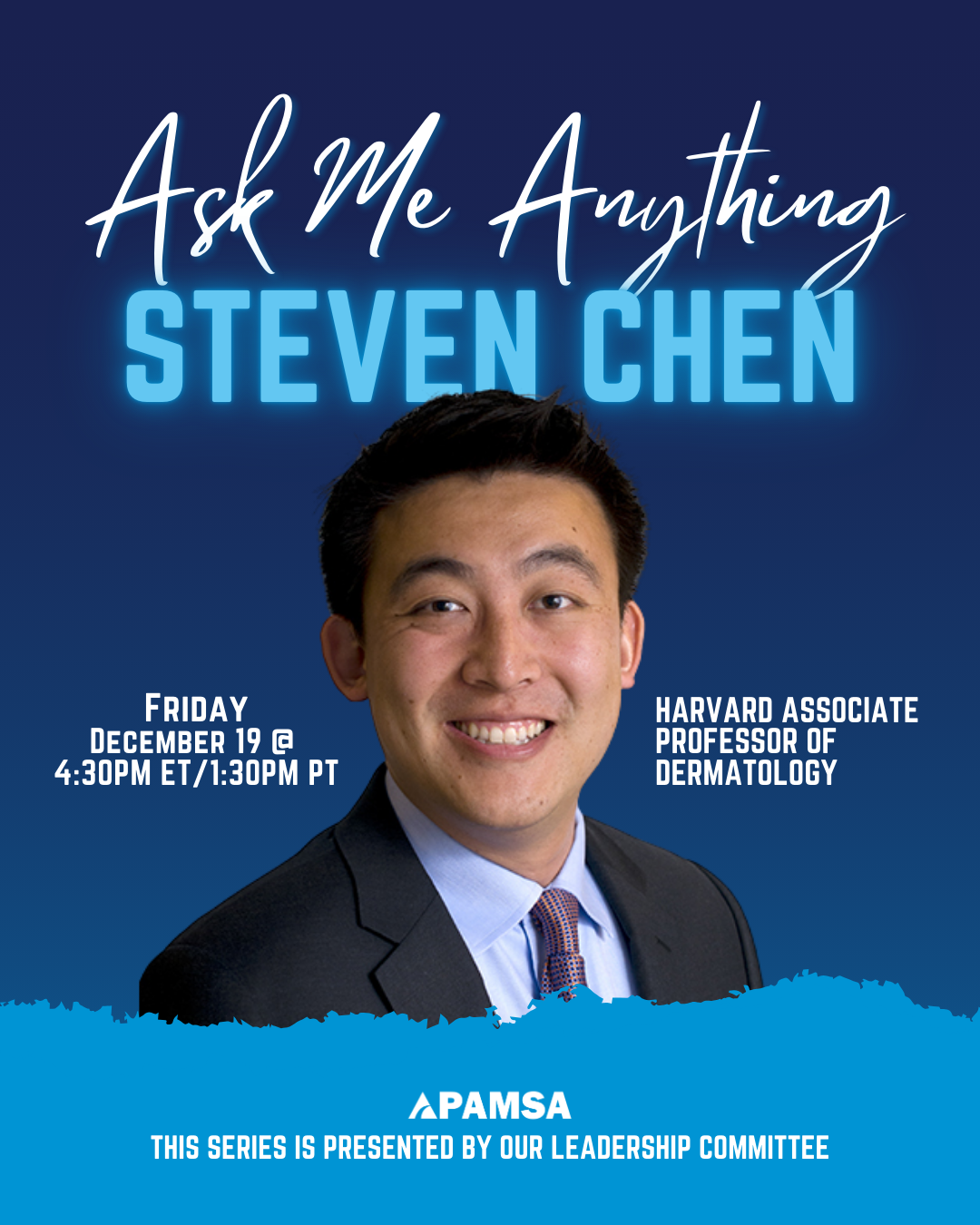
CLOSED Registration for 2023 National Conference
Hello everyone!
Due to a large influx of registrants we have reached capacity for the 2023 APAMSA National Conference and have closed registration earlier than expected. We sincerely apologize for any inconveniences. For those of you who have registered, we look forward to seeing you in Portland, OR in a little over a month!
You can visit our conference website for more information regarding the schedule, accommodations, and ideas for what to do when you’re in town.
If you have any questions, please refer to our website or email us at conference@apamsa.org.

Statement on the Monterey Park and Half Moon Bay Shootings
It is with heavy hearts and great mourning that we at National APAMSA now take a step back from the festivities of the Lunar New Year to respond to the tragedy that occurred the same weekend. On Saturday, January 21st, 2023, a mass shooting took place in Monterey Park, CA that killed 11 victims and injured 9 others. Just two days afterward, Half Moon Bay, CA likewise suffered a mass shooting that took the lives of at least 7 more people. Many of those who passed away were members of the AANHPI community.
We lament the horrors that unfolded at a time meant for celebrations and rejoicing with loved ones; we cannot know how unspeakably painful it must be for those who lost their loved ones that same evening. Our hearts and deepest sympathies go out to all those in our AANHPI communities who must now endure such unbearable sorrows.
We respond to the Monterey Park and Half Moon Bay shootings with the recognition that they are tragically not the only ones that have disproportionately affected racial minorities generally and the AANHPI community specifically. The past year has seen far too many violent crimes, from New York City and Brooklyn to Laguna Woods and Buffalo. And earlier this month, an Indiana University student was stabbed for “being Chinese”. It is with great frustration and heartbreak that we must reiterate our condemnation of the senseless violence that endangers our communities. We continue to offer our support to all of our local chapters and members, especially in California and Indiana, and we encourage you to reach out with any specific ways we can be of service. Please also consult our list of mental health resources if you are interested in learning more.
For questions or concerns about this statement, please reach out to Eric rapidresponse@apamsa.org
If you are interested in exploring additional ways APAMSA can lend our support during these trying times, please reach out to Nathan at mentalhealth@apamsa.org, the Region 5 Directors at region5@apamsa.org, the Region 7 Directors at region7@apamsa.org, and the Region 8 Directors at region8@apamsa.org.

Apply NOW for our Community Outreach Grant (Up to $250)!
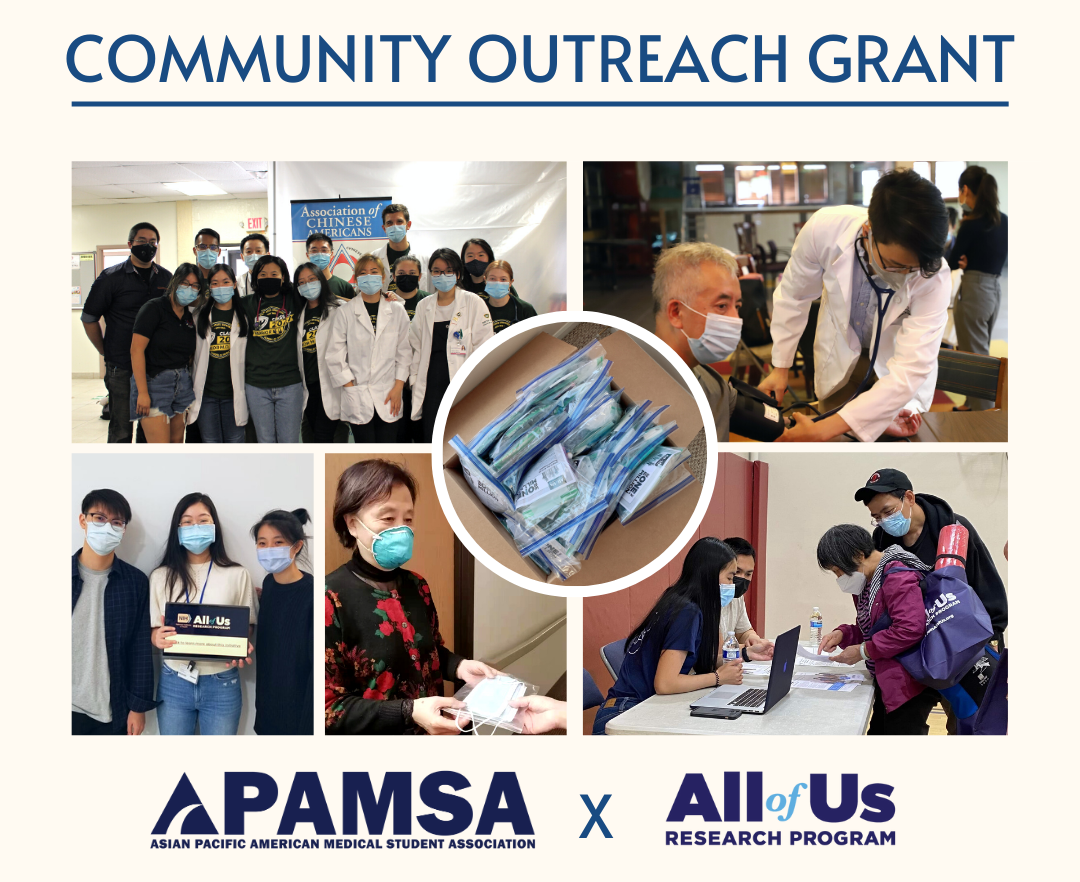
Want to host a project that serves your community members?
Learn more about APAMSA’s Community Outreach Grant HERE! All chapters are encouraged to apply for funding to support their community service projects, including (but not limited to): health fairs, flu clinics, workshop speakers, supply drives, etc. Funding is also provided for projects with research components.
All grant recipients are required to advertise the All of Us Research Program, which funds this grant. Grant applications are accepted on a rolling basis.
Please email outreach@apamsa.org or research@apamsa.org with any questions!
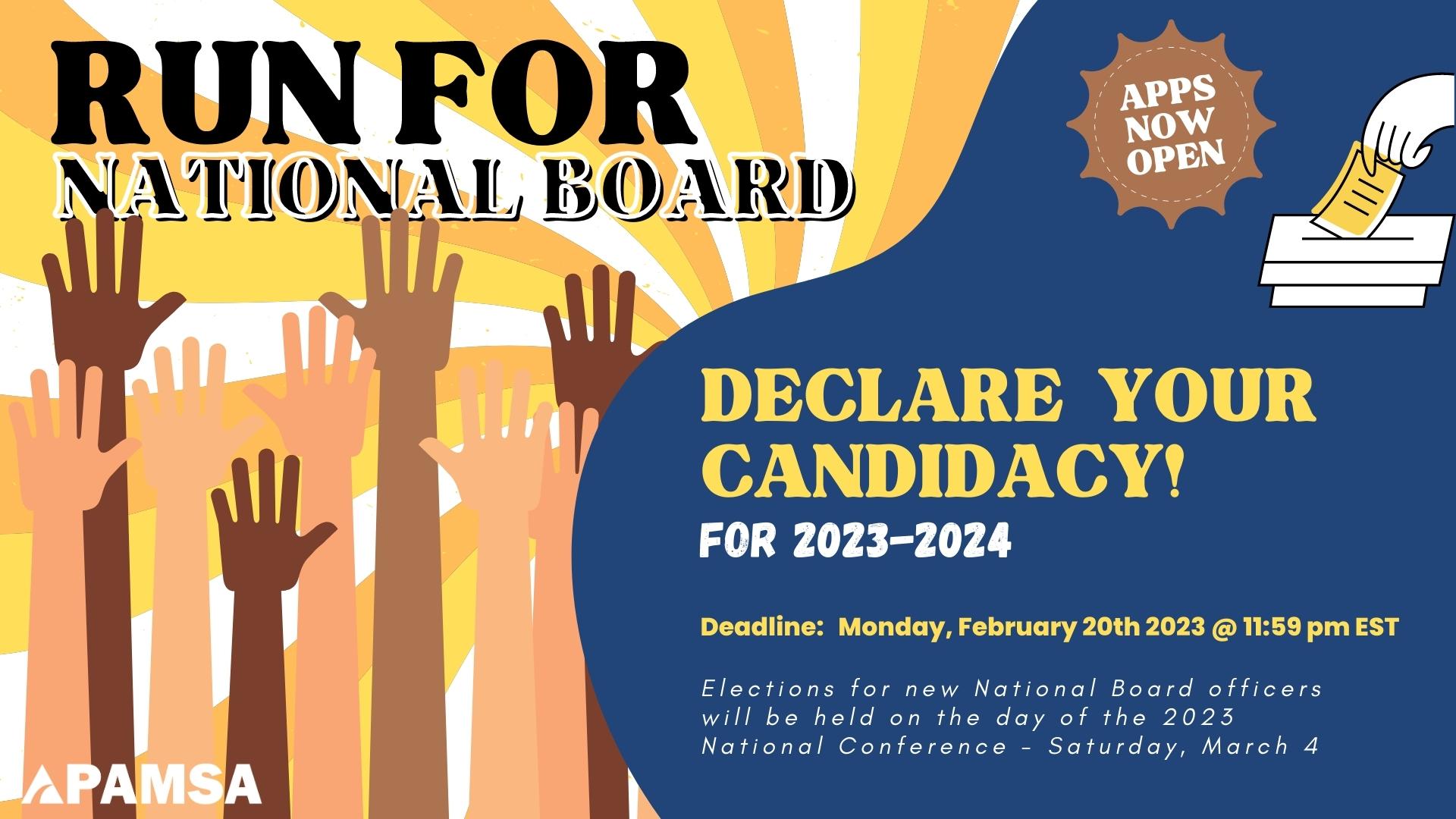
2023 National Board Elections - Applications now open!
CALLING FOR CANDIDATES to run for the 2023-2024 National Board!! We’re excited to announce that applications are now open. If you are interested in gaining leadership experience, this is your chance to run for a position on our National Board! For full details, visit our webpage at apamsa.org/elections
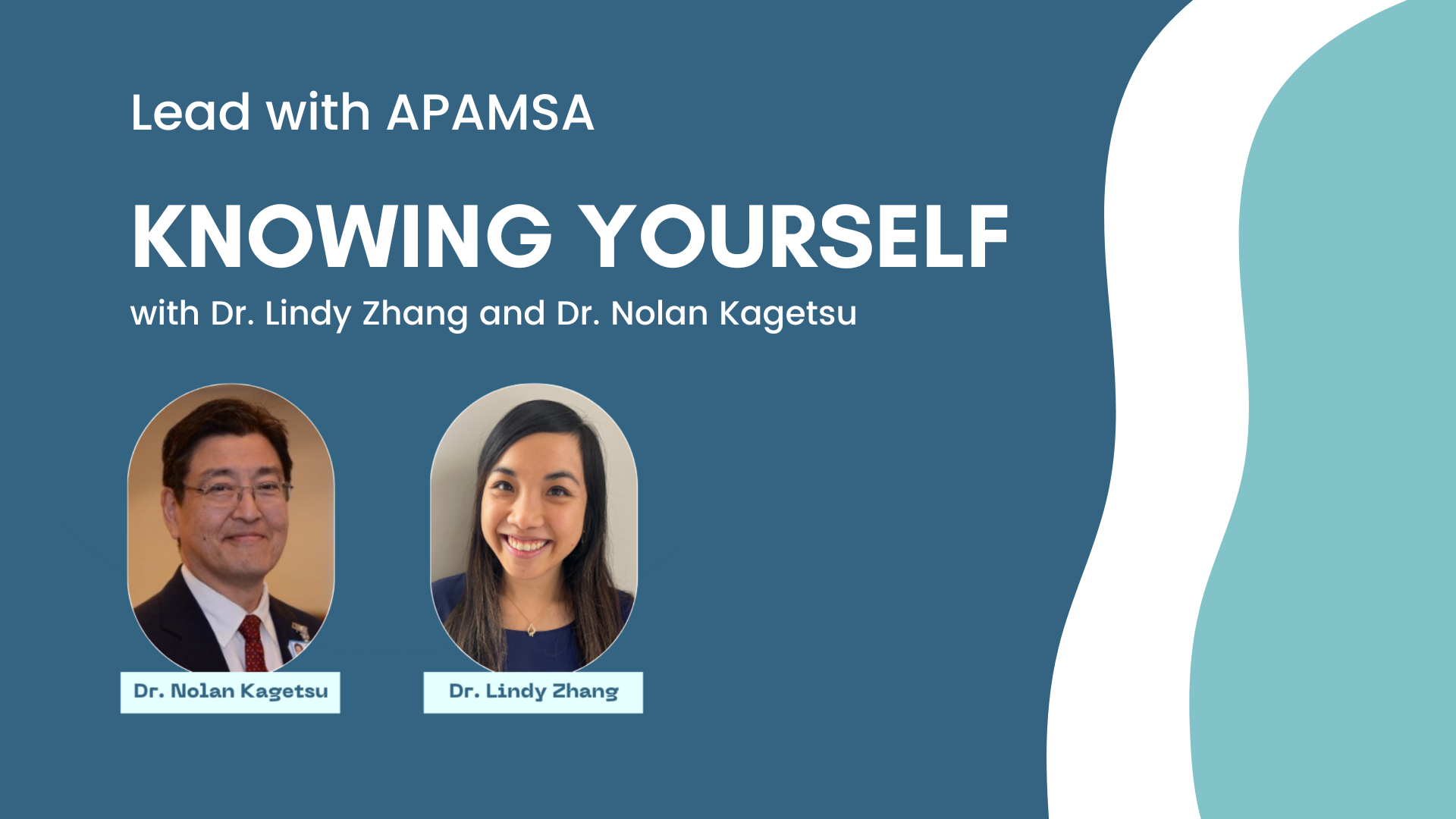
LEAD with APAMSA - Knowing Yourself with Dr. Lindy Zhang and Dr. Nolan Kagetsu
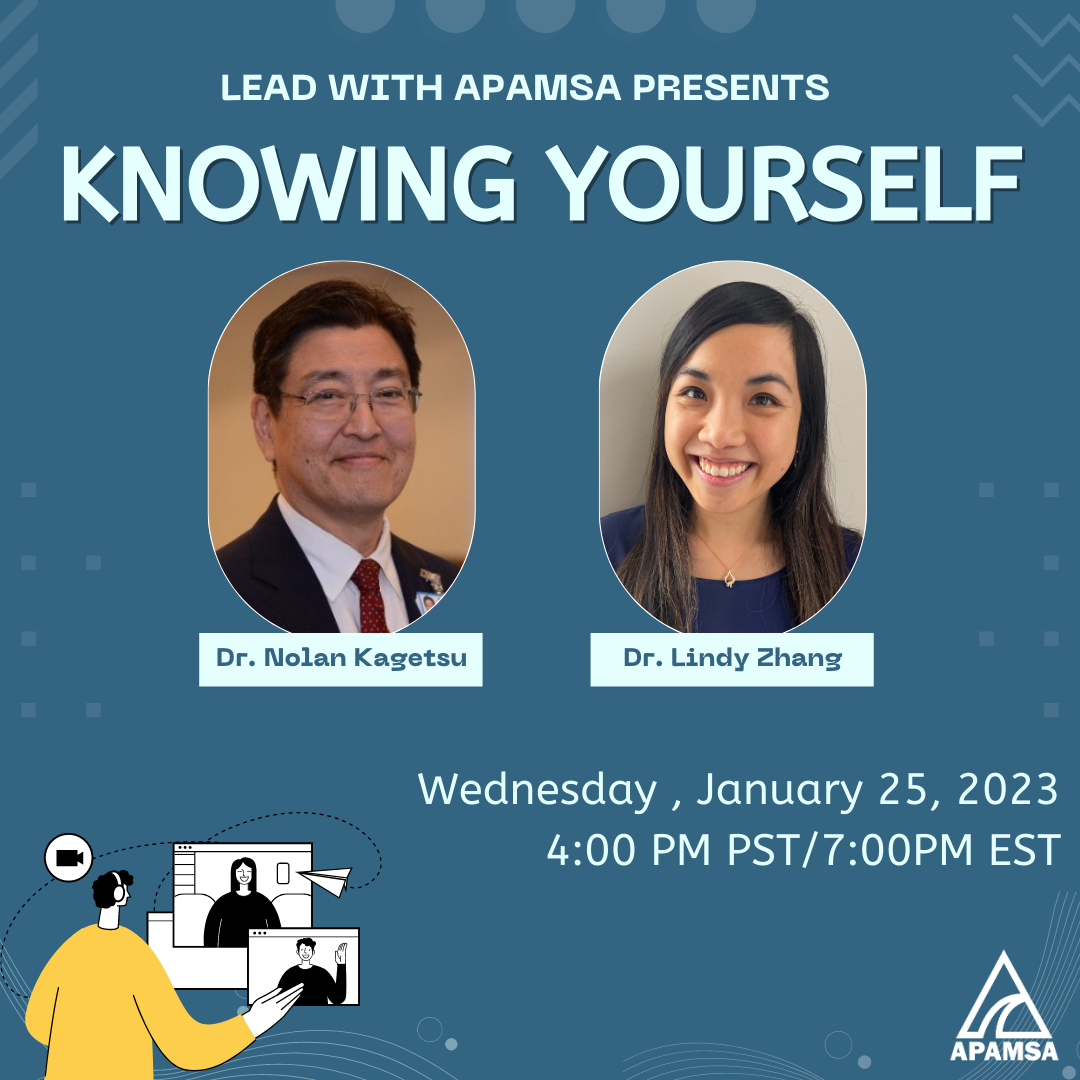
The APAMSA national leadership committee invites you to join us in the third session of our program – LEAD with APAMSA. Join our two amazing guest speakers Dr. Lindy Zhang and Dr. Nolan Kagetsu as they dive deep into the importance of Knowing Yourself.
The event will be on Wednesday January 25th at 7:00 PM EST / 4:00 PM PST. Please sign up here: https://forms.gle/q1UEPzordfxubaGr5
Lindy Zhang, MD is currently a pediatric hematology/oncology clinical and research fellow at the Johns Hopkins Hospital/National Institutes of Health combined program and a Ph.D. candidate in the Cellular and Molecular Medicine program at the Johns Hopkins School of Medicine. She completed her Bachelor of Science in biochemistry at the University of Michigan and her medical degree at the Albert Einstein College of Medicine. She is a child of Chinese immigrants and the first in her family to pursue a post-bachelor’s degree. She is passionate about diversity and inclusion and conducts research focused on increaseing Asian American representation in academic medicine. She is a member of the Asian Pacific American Medical Student Association (APAMSA) Alumni Advisory Board and is invested in mentorship, promoting scholarship among Asian American medical students, and increasing their diversity within academic.
Nolan Kagetsu, MD studied chemical engineering at the Massachusetts Institute of Technology. After graduating from Albany Medical College (before the creation of APAMSA !), he completed a residency in diagnostic radiology at Mount Sinai West and a fellowship in Diagnostic and Interventional Neuroradiology at NYU. He currently is a diagnostic neuroradiologist at Mount Sinai in New York City.Nolan serves on the APAMSA alumni advisory board, the American College of Radiology Commission for Women and Diversity, and the Advisory Committee to the ACGME office of Diversity.He has written about unconscious bias, microaggression, and being an upstander. He is a Professor of Radiology and Medical Education at the Icahn School of Medicine at Mount Sinai. He has 2 adult children and lives with his wife in New York City. You can follow him on Twitter @nkagetsu and Instagram @NYCneurorad!
Best, APAMSA National Leadership Committee
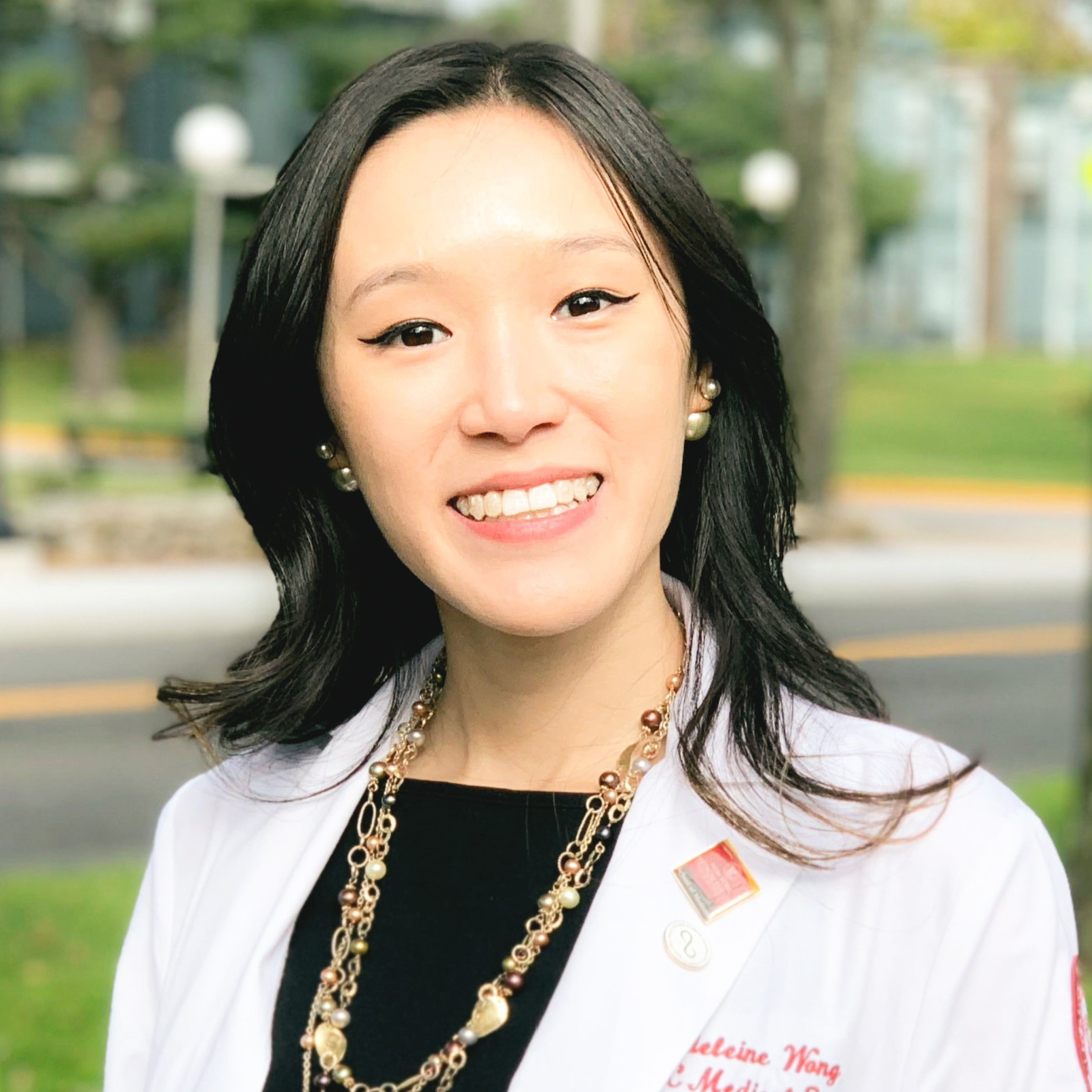
Madeleine Wong, Communications Vice President
Network Director
Hello! My name is Madeleine Wong, I also go by Maddy! I am a fourth year medical student at New York Medical College (NYMC). This is my second term serving as the Communications Vice President, and third term on the National Board. My journey with APAMSA started as a mere local chapter member at NYMC from which I succeeded as chapter president. I participated in the 2019 National Conference as a member of the House of Delegate (HOD), became involved as a Hepatitis B/C Conference committee member, and officially joined National APAMSA as one of the Hepatitis B/C Directors before becoming the Communications Vice President. I am so grateful to have been apart of the APAMSA family throughout my medical school career, and so excited to see what’s more to come! Experiences in healthcare inequity, especially those unique to the AANHPI population, are no stranger to me or my family. Being able to contribute to an organization that addresses these disparities to empower the community of which I grew up in, has been a privilege. In my free time, I am an artist by nature – I love photography, graphic design, painting, drawing, you name it! Additionally, I am a dog-lover and spend a lot of time with my Australian Shepherd, Bourbon.
LEAD WITH APAMSA - Meet Our Speakers!
Meet the lovely speakers of LEAD with APAMSA!
Courage in Leadership – Dr. Herbert Chen – 1/18/23 6:00 PM EST
Knowing Yourself – Dr. Lindy Zhang and Dr. Nolan Kagetsu – 1/25/23 7:00 PM EST
What does an AANHPI physician need to know? – Dr. Augustine M.K. Choi – 1/31/23 7:00 PM EST
How to Lead Effectively – Dr. Hillary Lin – 2/8/2023 7:00 PM EST
Communication – Dr. Judy Tung – 2/15/23 7:00 PM EST
Leveraging Social Media – Dr. Joyce Park – 2/22/23 7:00 PM EST
Developing an Organization from Scratch – Dr. Jhemon Lee – 3/1/23 TIME TBA
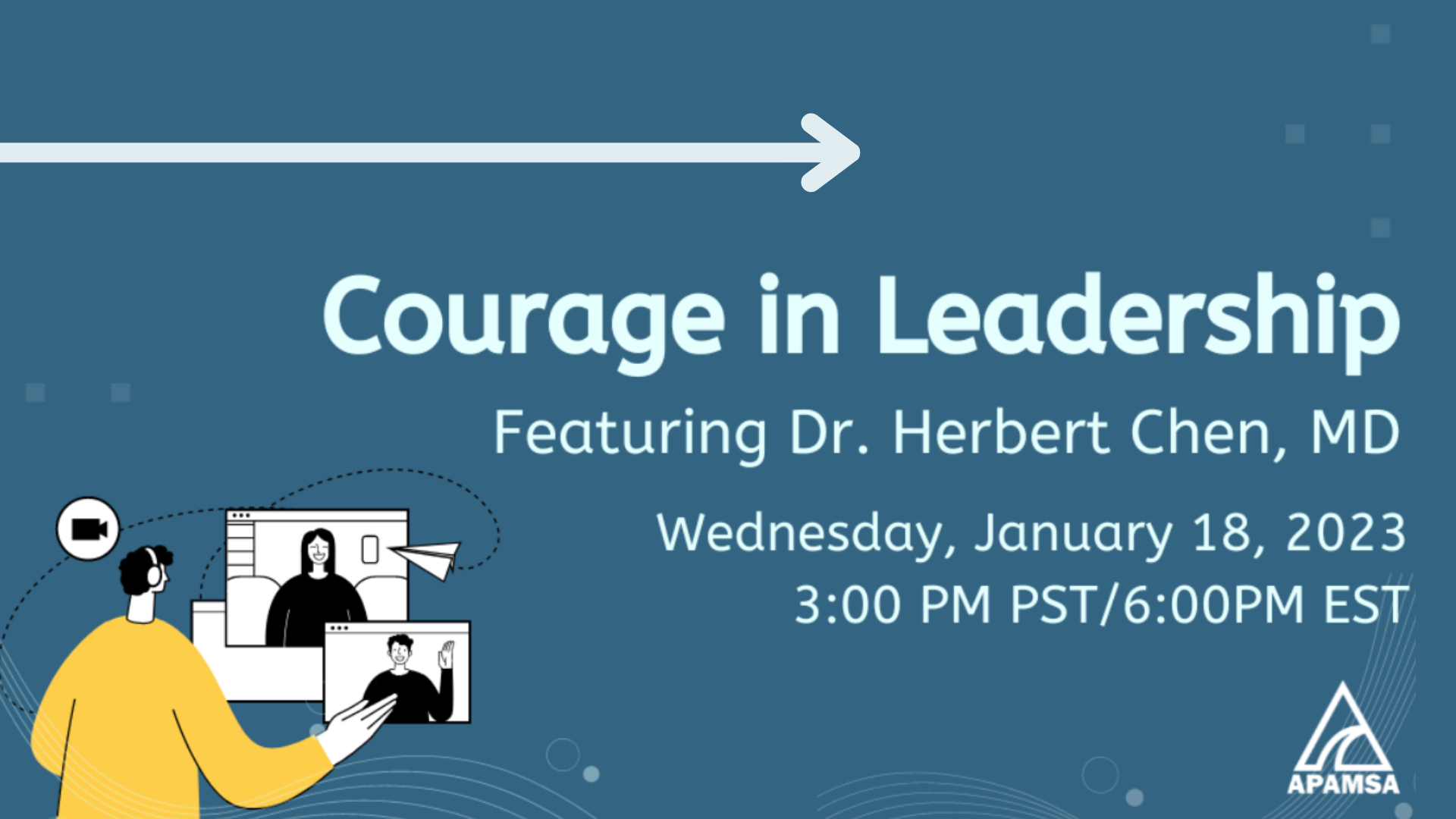
LEAD with APAMSA Courage in Leadership with Dr. Herbert Chen
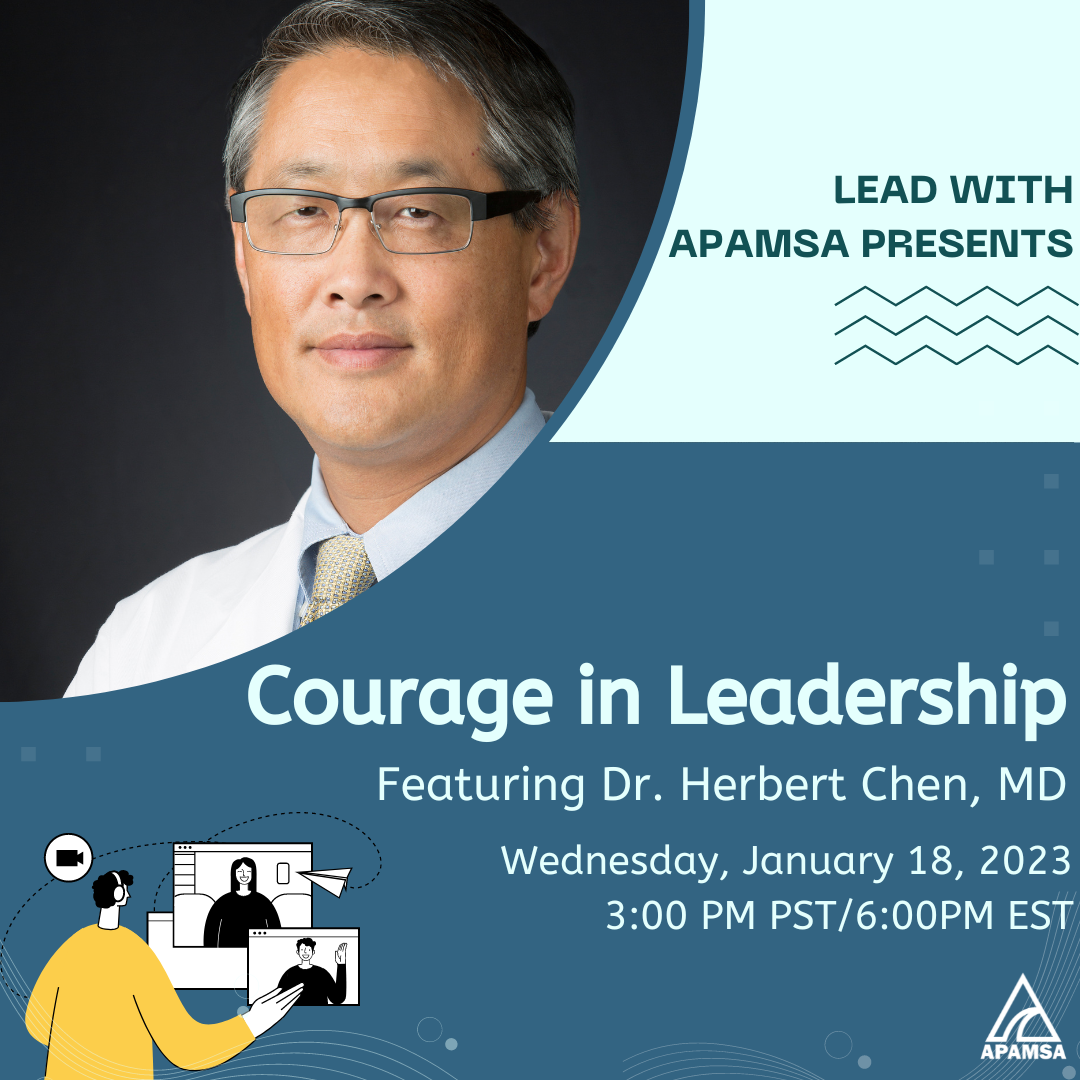
The APAMSA national leadership committee invites you to join us in the second session of our program – LEAD with APAMSA. Join our guest speakers Dr. Herbert Chen and his residents in an interactive dialogue about the opportunities for Courage in Leadership. Come ready to ask your own questions on navigating power dynamics and persevering through uncertain situations!
The event will be on Wednesday January 18th at 6:00 PM EST / 4:00 PM PST.
Please sign up here: https://forms.gle/DaKdxfG1VQ3hKHdw5.
Dr. Herbert Chen obtained his BS from Stanford University with Honors and with Distinction in 1988 and graduated from Duke University School of Medicine Alpha Omega Alpha in 1992. Dr. Chen then completed a general surgery residency followed by a surgical oncology and endocrinology fellowship at The Johns Hopkins Hospital. Dr. Chen is Chair of the Department of Surgery at University of Alabama at Birmingham (UAB), and the Surgeon-in-Chief of UAB Hospital and Health System. He is a Professor of Surgery, Pediatrics, and Biomedical Engineering, and holds the Fay Fletcher Kerner Endowed Chair. His clinical interests include endocrine surgery and he is a pioneer in radioguided parathyroid surgery. Dr. Chen’s lab has been continuously funded for over 21 years and studies the role of Notch signaling in thyroid and neuroendocrine cancers. He is the American Cancer Society MEN2 Thyroid Cancer Professor. Dr. Chen is the Editor-in-Chief of the American Journal of Surgery. He has held several leadership positions in major academic societies including President of the Society of Asian Academic Surgeons Foundation, President of Association for Academic Surgery, President of the Society of Clinical Surgery, President of the American Association of Endocrine Surgeons, and President of Surgical Biology Club II. Dr. Chen has mentored over 130 faculty, post-doctoral fellows, residents, medical students, and undergraduates in his lab. He has published over 620 original research and review articles and has edited 28 textbooks. He is well-known for his passion for teaching and mentoring the next generation of surgical leaders. Dr. Chen has also been recognized as a champion for diversity, equity, and inclusion. Dr. Chen and his wife Harriet, a freelance photographer, reside in Mountain Brook, AL. His son Alex is medical student at Yale University while his daughter Liz is a graduate student in Graphic Design at NC State.
Best, APAMSA National Leadership Committee
National Conference Research Abstract Submission Deadline Extended!
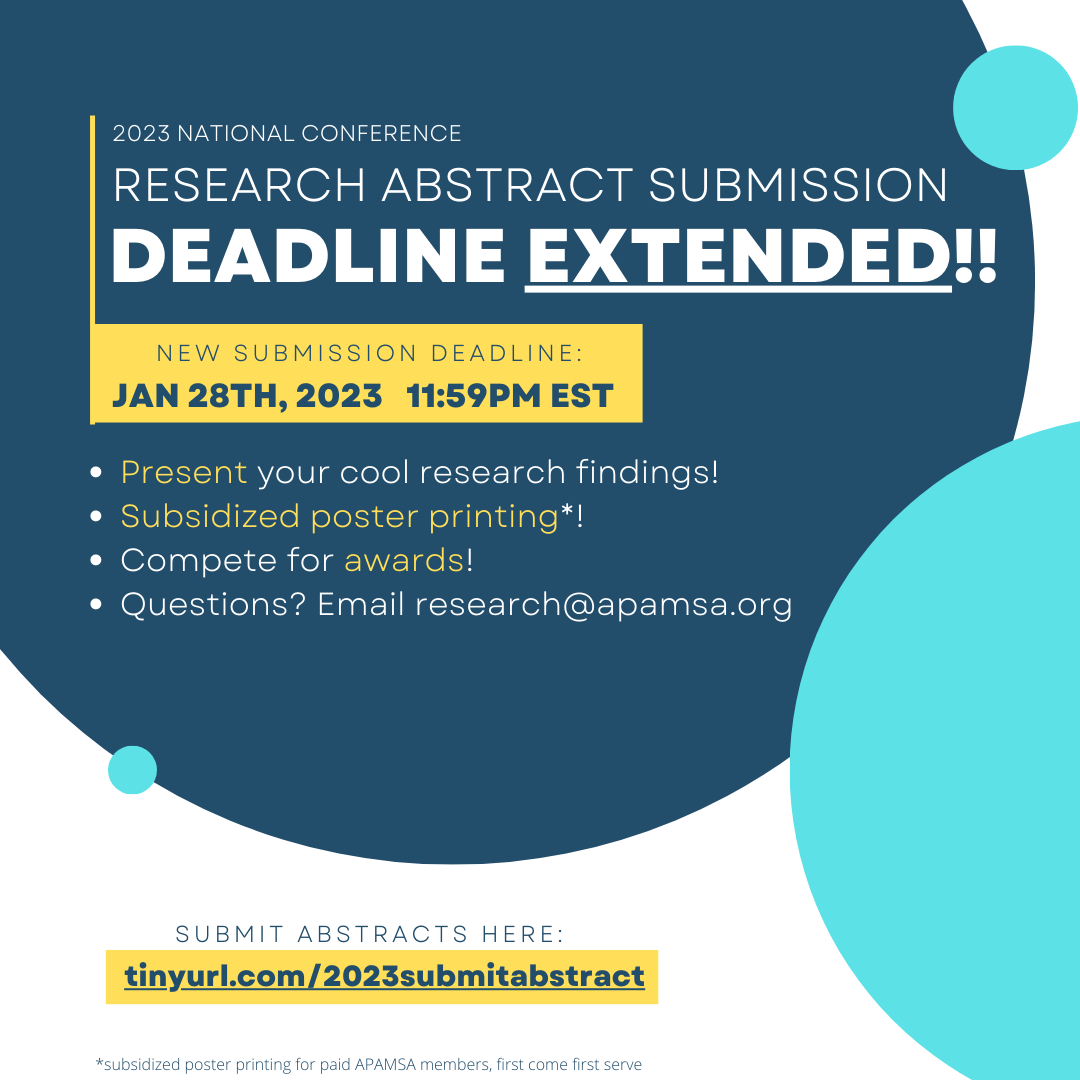
Abstract submission deadline has been extended to Saturday, January 28th before 11:59 PM EST. We welcome any topic related to medicine/healthcare, including case reports. Poster printing subsidies are still available for paid APAMSA members! Share your cool research findings and projects with others at our upcoming 2023 National Conference!
Email research@apamsa.org with any questions.
Submission link: https://forms.gle/RpDV1Y7xvMQ5PYje9.
2022-2023 Be the Match x APAMSA Interchapter Competition and Bone Marrow Grant
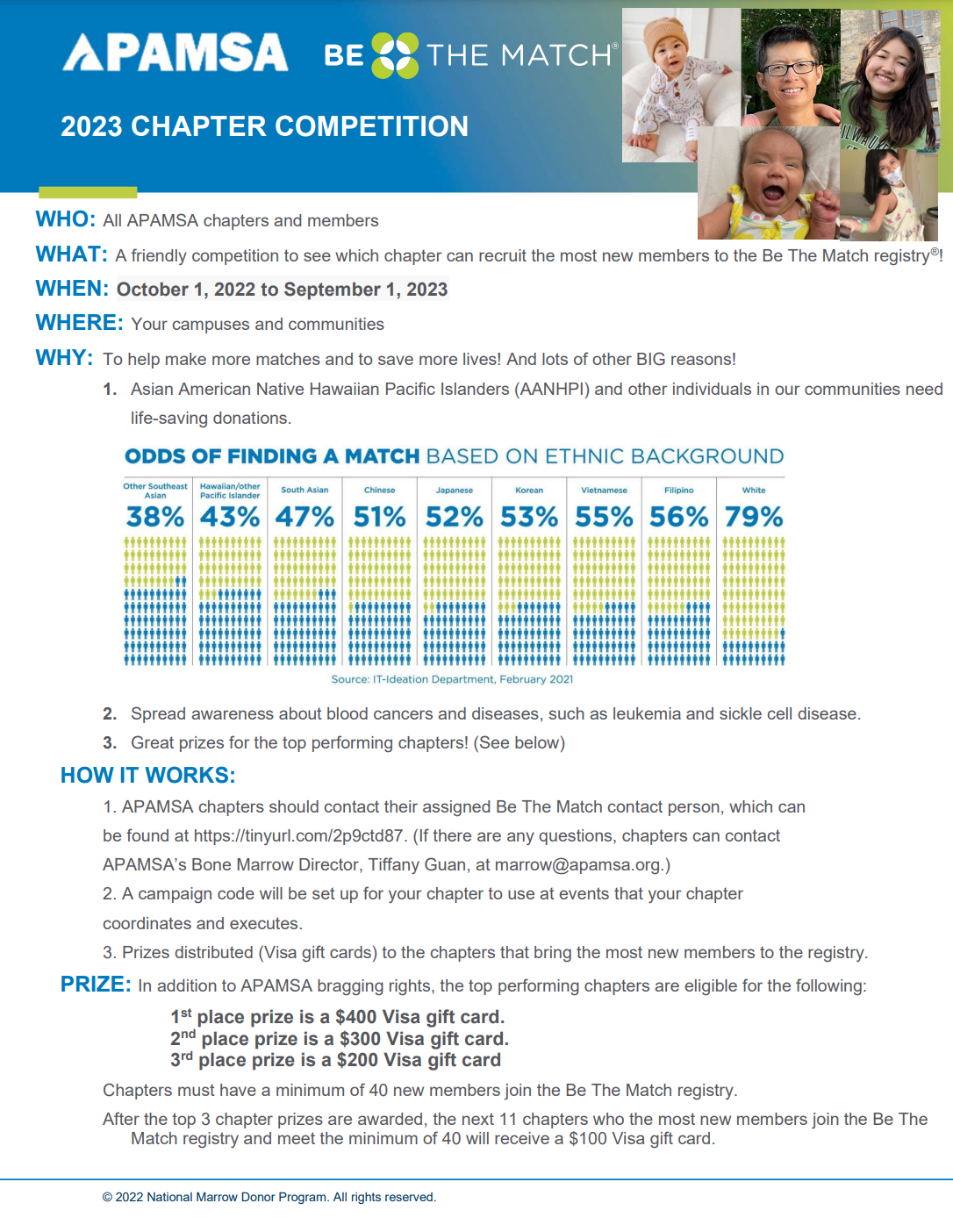
Calling all APAMSA Chapters to participate in our Annual Be The Match x APAMSA Interchapter Competition! We have decided to include Fall 2022 events in this year’s competition so all your fall recruitment efforts can be recognized.
Date: October 1st, 2022 to September 1st, 2023
Winning Prizes and Inclusion Requirements: up to 14 individual chapter prizes, up to $400! Please see the flyer below for more details.
Announcement of Winners: TBD
How to Join: Contact your APAMSA Chapter’s respective Be The Match contact person listed (https://tinyurl.com/2p9ctd87)
Bone Marrow Grant: Through our partnership with Be the Match, we are happy to continue offering the opportunity for chapters to apply for the Bone Marrow Grant. The purpose of this grant is to provide financial assistance (up to $150) to chapters interested in hosting recruitment events for the Bone Marrow Registry via Be the Match. Grants will be awarded on a first come first serve basis, and all applicants must be in communication with their Be the Match representative prior to applying. You can find further information and the application here. If you reach out to your Be the Match representative AND apply for the Bone Marrow Grant by September 1st, funds can be used for planning meetings including food, beverages, and supplies!
Frequently Asked Questions
How long does it take to get registered?
It takes less than 3 minutes to get swabbed and registered!
What does it mean to be on the registry?
By being on the registry, you have the chance to save a life by providing a hematopoietic stem cell transplant to a patient in need. 85% of matched donors will undergo peripheral blood stem cell (PBSC) donation and 15% will undergo bone marrow donation. PBSC donation is a nonsurgical, outpatient procedure similar to platelet donation. Bone marrow donation is typically a same day surgical procedure performed under general anesthesia.
What happens if I get called to donate but don’t have the resources to cover medical expenses or travel?
You do not have any monetary costs. Either the patient’s insurance or Be the Match will cover the cost of the medical procedure. Be the Match will also cover any travel expenses.
Please feel free to reach out to Tiffany Guan, the Bone Marrow Director at marrow@apamsa.org if you have any questions!