

October 2026: Advocacy Month
October 2026: Advocacy Month
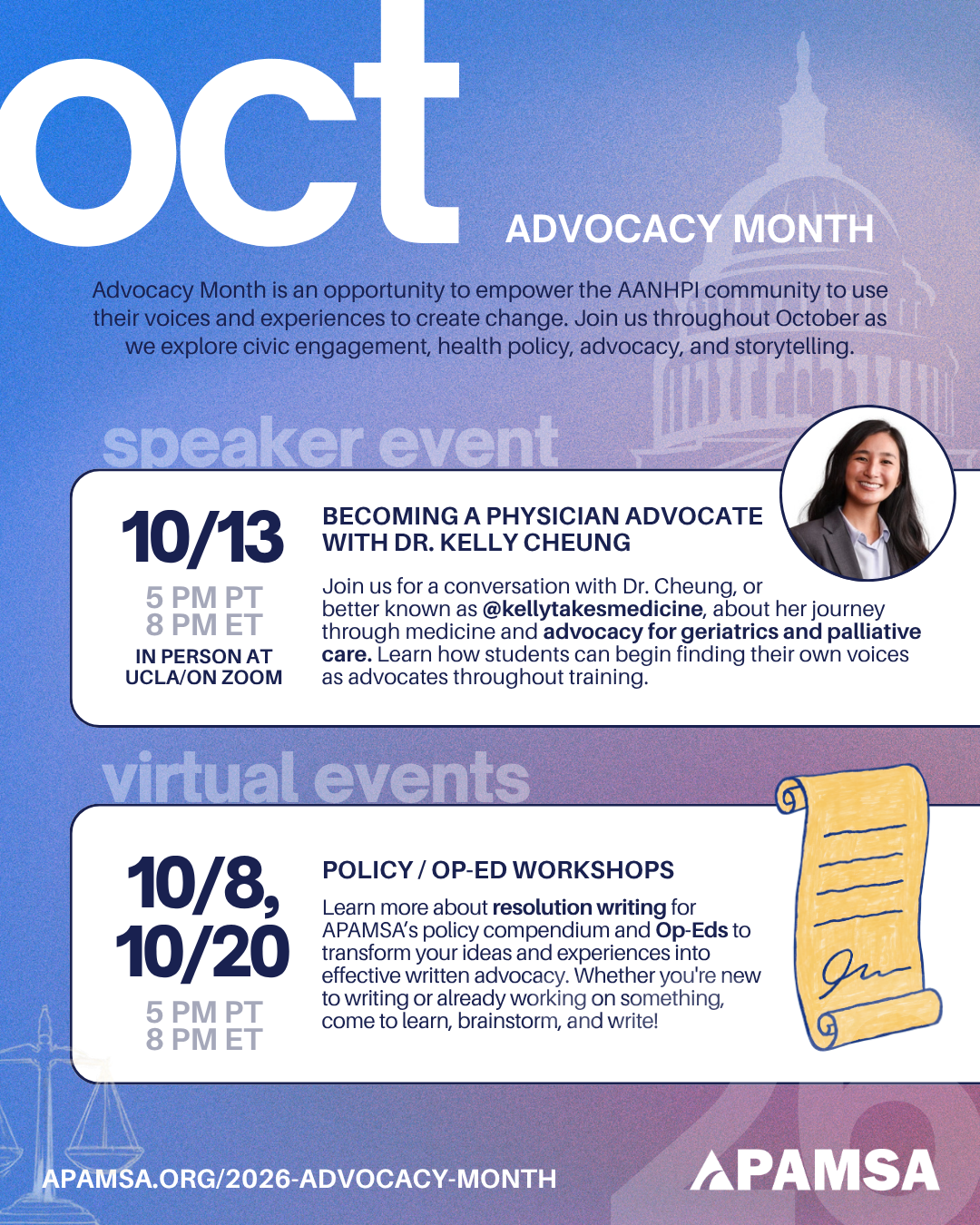
Advocacy Month empowers APAMSA members to turn their experiences and ideas into action. Throughout October, join us for workshops, educational events, civic engagement initiatives, and opportunities to elevate AANHPI voices and advocate for healthier, more equitable communities.
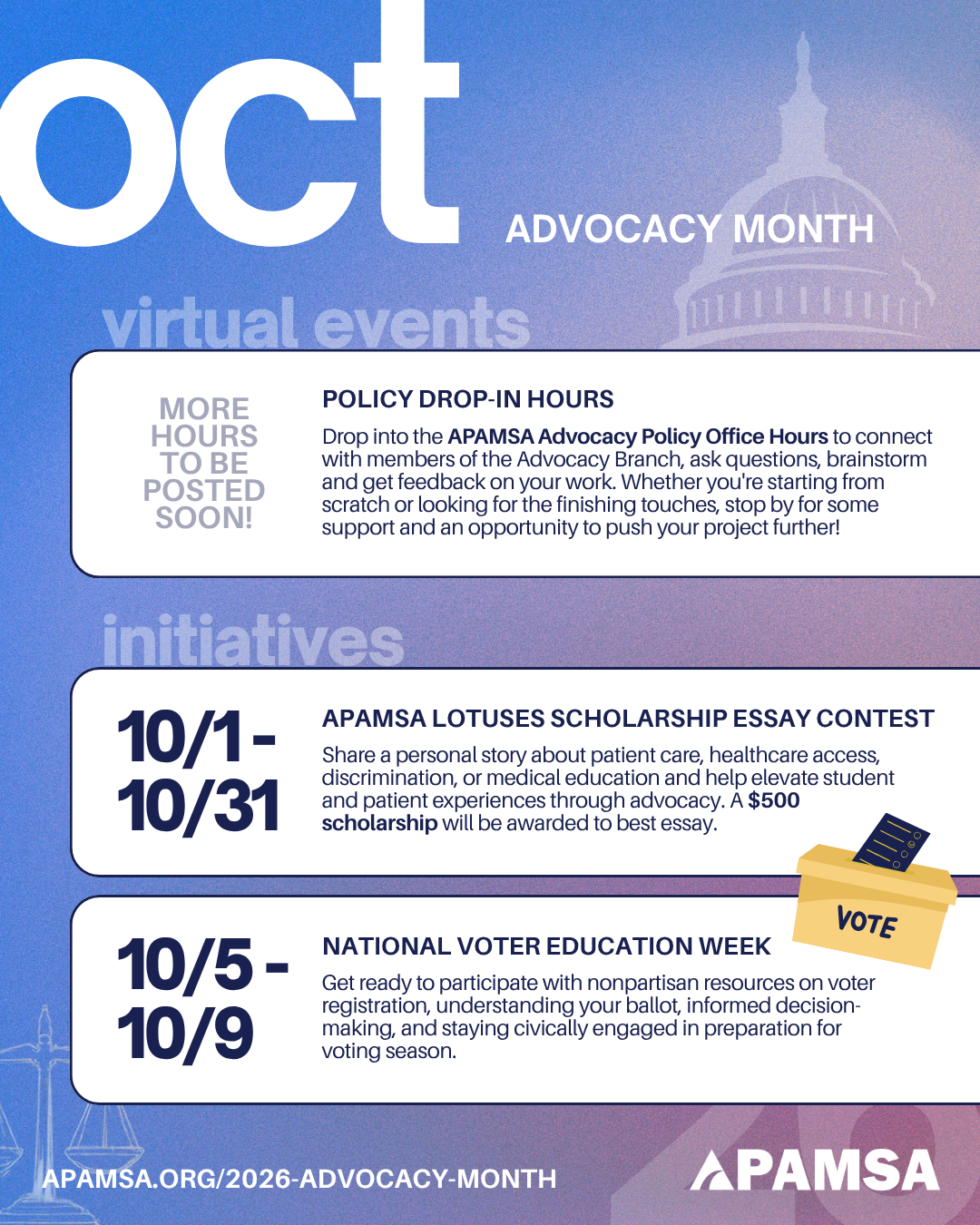
October 1-31, 2026
APAMSA is excited to launch LOTUSES: Linking Our Tales, Uniting Student Experiences and Stories, an Advocacy Month essay contest highlighting the experiences of medical students with patient care, healthcare access, and medical education.
Share a personal story or reflection about patient care, barriers to healthcare access, discrimination in medical education, or another experience that has shaped your perspective as a medical student and future physician. Through LOTUSES, we hope to elevate student and patient experiences and demonstrate how storytelling can help inform advocacy for better healthcare and medical education.
🏆 Top essay: $500 scholarship
🎟️ Receive a free HEAL Summit ticket with your submission!
🗓️ Deadline: October 31
October 5-9, 2026
National Voter Education Week is here! Start the week by making sure that you’re ready to participate. Check your voter registration status, review important deadlines in your state, and make sure your information is up to date.
Civic engagement starts with being prepared. Take a few minutes today to check your registration and encourage your friends, classmates, and community to do the same.
October 8, 2026
Have an issue you care about but aren’t sure how to put it in writing? Join APAMSA’s Advocacy Branch for a Policy & Op-Ed Workshop focused on transforming ideas and experiences into effective written advocacy! Learn to identify an advocacy goal, support your argument, and begin developing policy-focused writing or an Op-Ed.
Whether you’re new to writing or already working on something, come to learn, brainstorm, and write!
Date: October 8, 2026
Time: 5PM PT | 8PM ET
October 13, 2026
What does it mean to become a physician advocate? Join APAMSA for a conversation with Kelly Cheung, MD (@kellytakesmedicine), UCLA Geriatrics and Palliative Medicine Fellow, as she shares her path to medicine and what inspired her advocacy for geriatrics and palliative care. Hear how advocacy has shaped her journey through medical school, residency, and fellowship, and learn how pre-health and medical students can begin finding their own voices as advocates
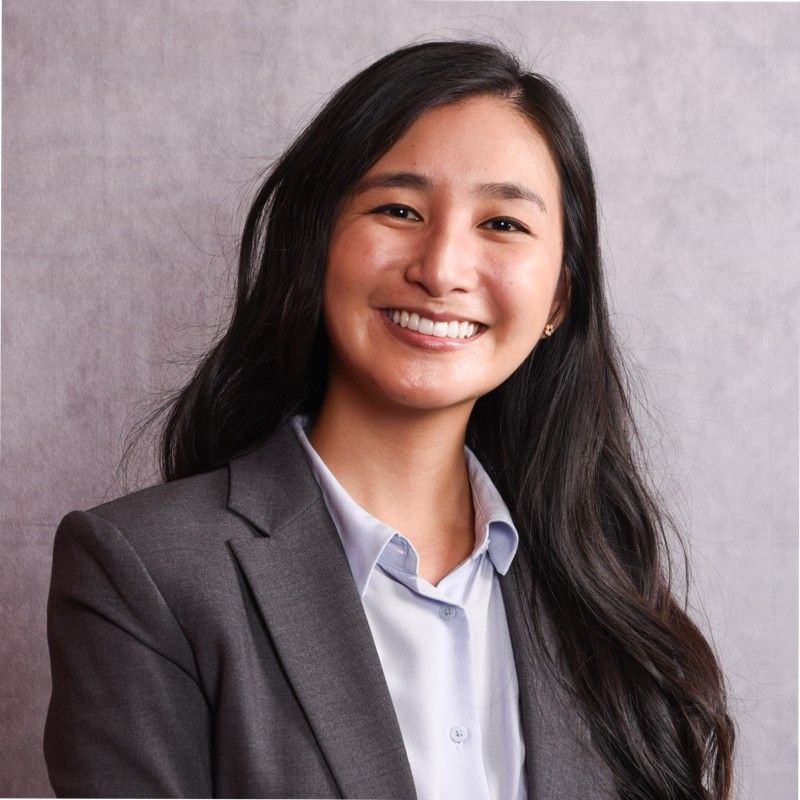
Kelly Cheung, MD
UCLA Geriatrics and Palliative Medicine Fellow
Date: October 13, 2026
Time: 5PM PT | 8PM ET
October 20, 2026
Interested in turning the issues you care about into effective advocacy? Join APAMSA’s Advocacy Branch for our second Policy & Op-Ed Workshop of Advocacy Month. Learn how to develop and strengthen policy-focused writing, build evidence-based arguments, and communicate issues affecting our patients and communities.
Date: October 20, 2026
Time: 5PM PT | 8PM ET
October 29, 2026
Have a resolution you’ve been stuck on? Drop into the APAMSA Advocacy Policy Office Hours to connect with members of the Advocacy Branch, ask questions, brainstorm and get feedback on your work!
Whether you’re starting from scratch or looking for the finishing touches, stop by for some support and an opportunity to push your project further!
Date: October 29, 2026
Time: 5PM PT | 8PM ET

September 2026: NHPI Heritage Month
September 2026: Native Hawaiian and Pacific Islander Heritage Month
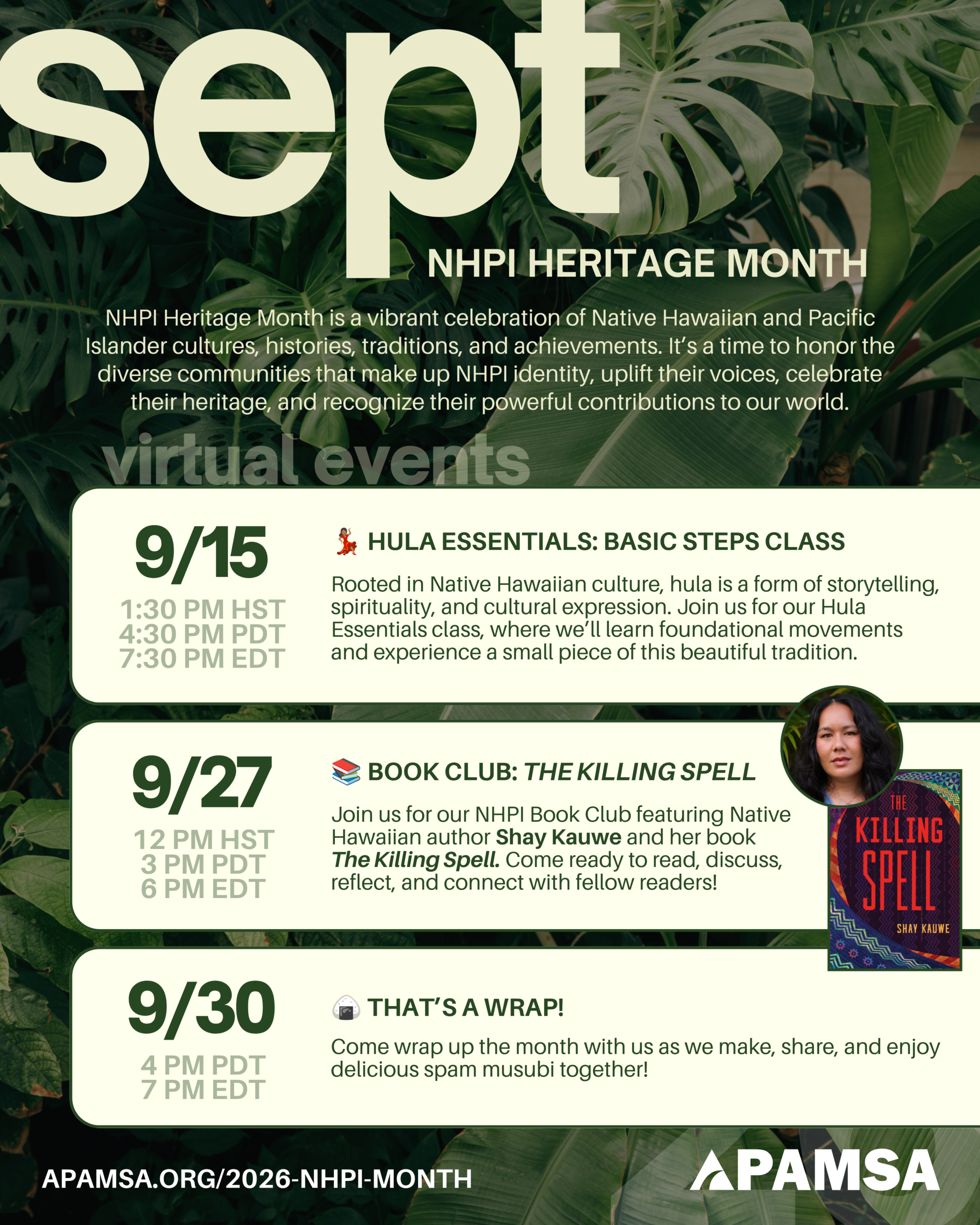
NHPI Heritage Month is a vibrant celebration of Native Hawaiian and Pacific Islander cultures, histories, traditions, and achievements. It’s a time to honor the diverse communities that make up NHPI identity, uplift their voices, celebrate their heritage, and recognize their powerful contributions to our world.
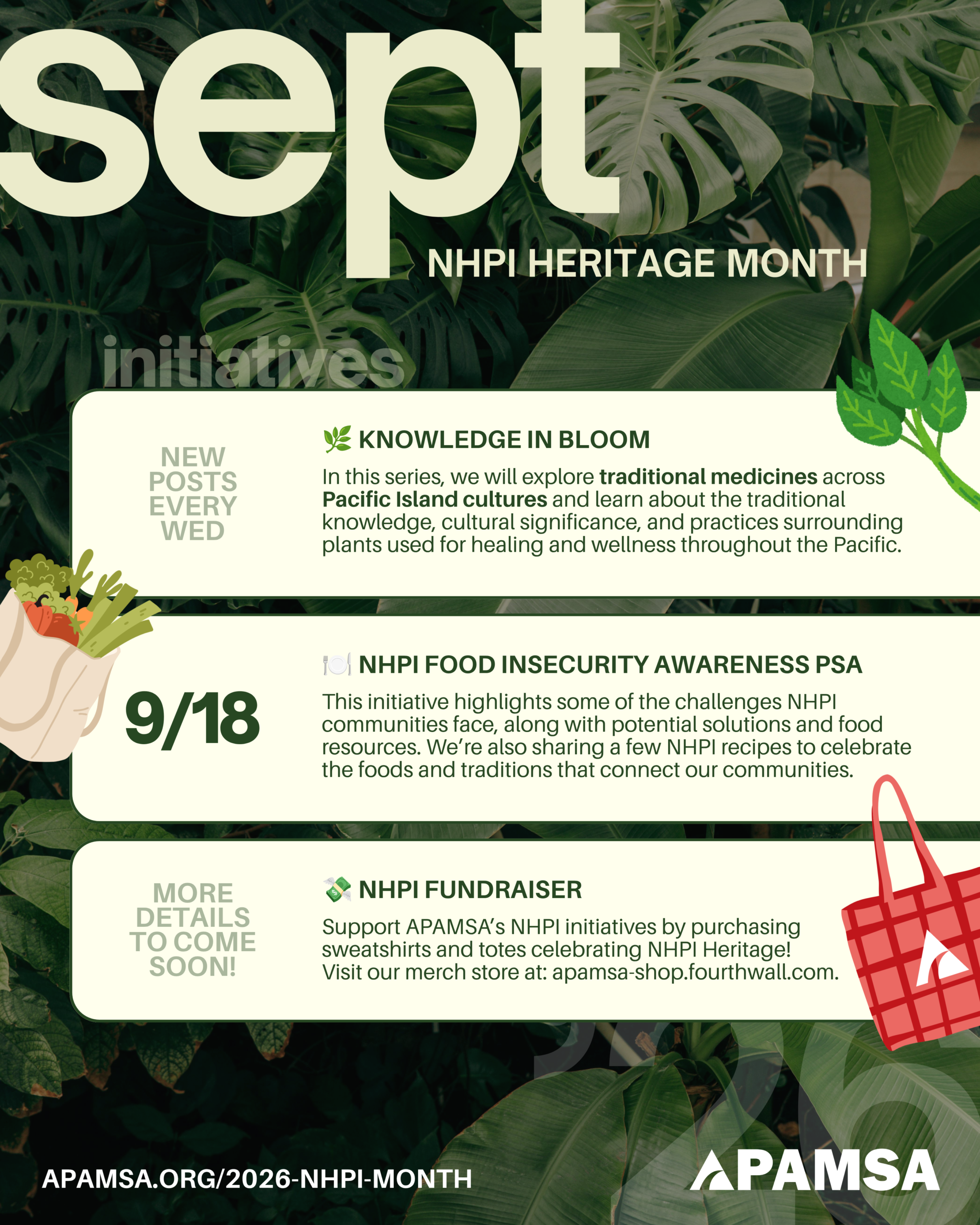
September 8-30, 2026
The APAMSA NHPI Committee is excited to launch our NHPI Heritage Month Fundraiser! Show your support with our limited-edition NHPI tote bag and lei sweatshirt.
👜 Totebag — $15
🌺 Sweatshirt — $25
All proceeds will go toward supporting NHPI projects and initiatives. Your purchase helps us continue creating spaces that celebrate, uplift, and advocate for our NHPI communities.
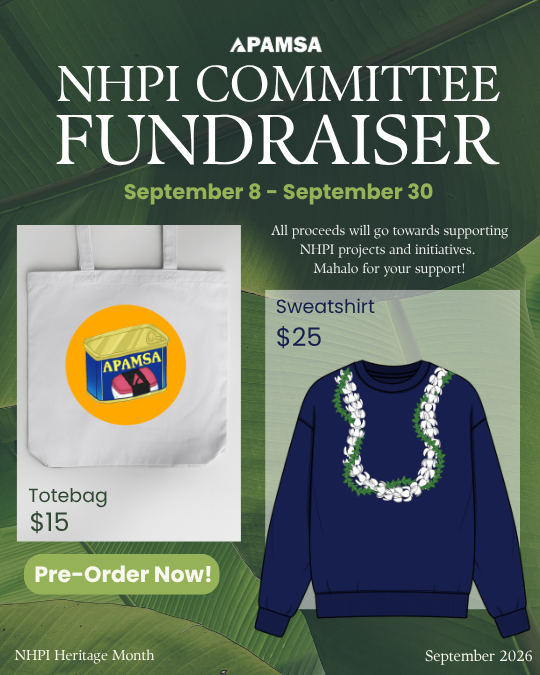
September 15, 2026
Hula is so much more than dance.
Rooted in Native Hawaiian culture, hula is a form of storytelling, history, genealogy, spirituality, and cultural expression. Through movement, chant, music, and oli, hula can preserve and communicate stories and knowledge across generations.
Before we learn the steps, we’re taking a moment to learn about the history and cultural significance of hula—because understanding the tradition is just as important as learning the movements.
Then, it’s time to move! Join us for our Hula Essentials: Basic Steps class, where we’ll learn foundational movements and experience a small piece of this beautiful tradition.
Whether you’ve danced before or are completely new to hula, come ready to learn, listen, move, and appreciate. Come for the steps. Stay for the story. Open to Everyone!
Date: September 15, 2026
Time: 1:30 PM HST | 4:30 PM PDT | 7:30 PM EDT
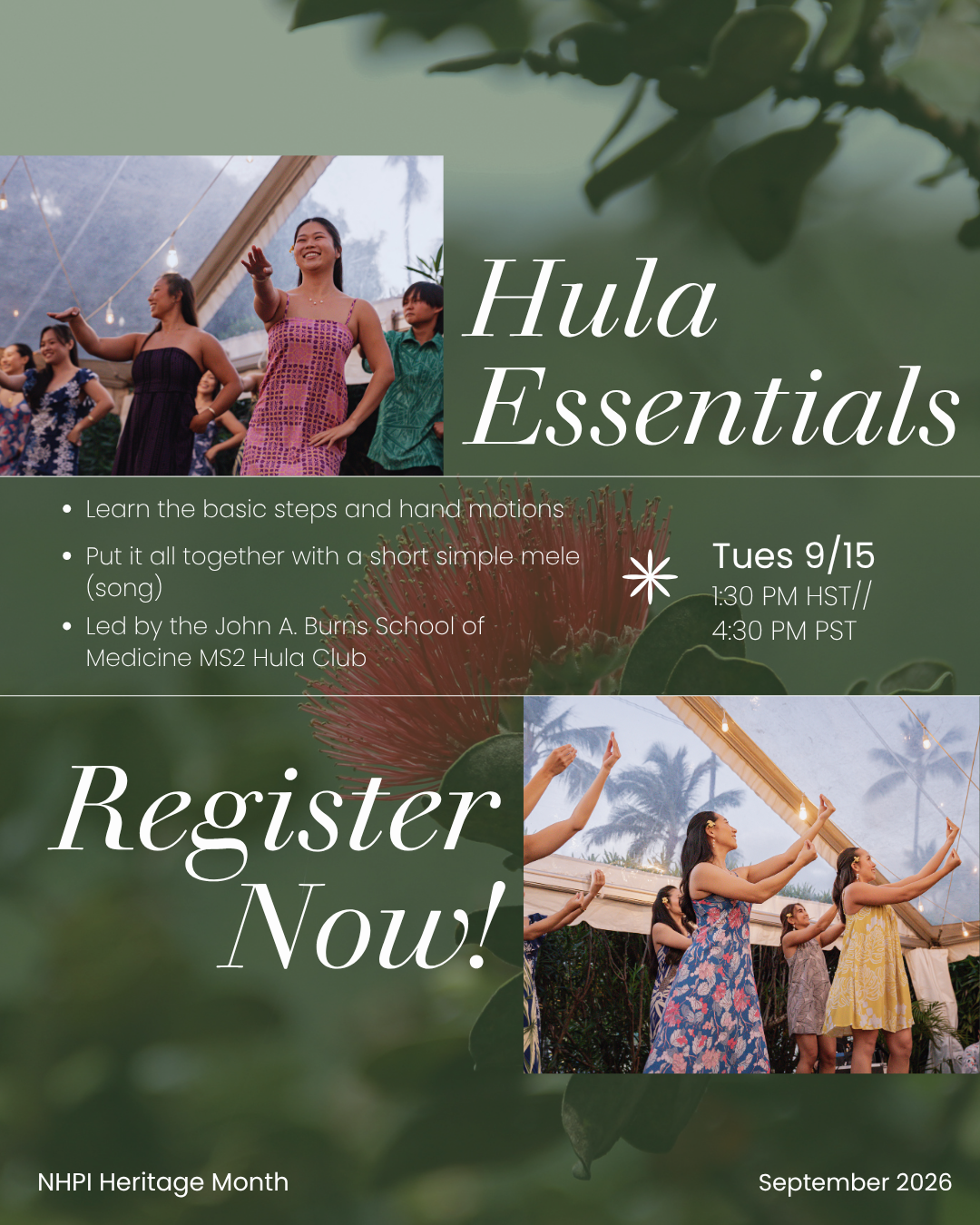
September 18, 2026
For many Native Hawaiian and Pacific Islander (NHPI) communities, food insecurity remains an important issue shaped by factors such as poverty, food access, geography, and the availability of culturally appropriate foods. Yet, barriers to accessing charitable food resources can make it even more difficult for NHPI families to find foods that meet their cultural and nutritional needs.
So, what can we do?
In this post, we’re highlighting some of the challenges NHPI communities face, along with potential solutions and food resources. We’re also sharing a few NHPI recipes to celebrate the foods and traditions that connect our communities.
From increasing food access to preserving cultural food traditions, addressing food insecurity means making sure everyone has access to food that nourishes both body and community.
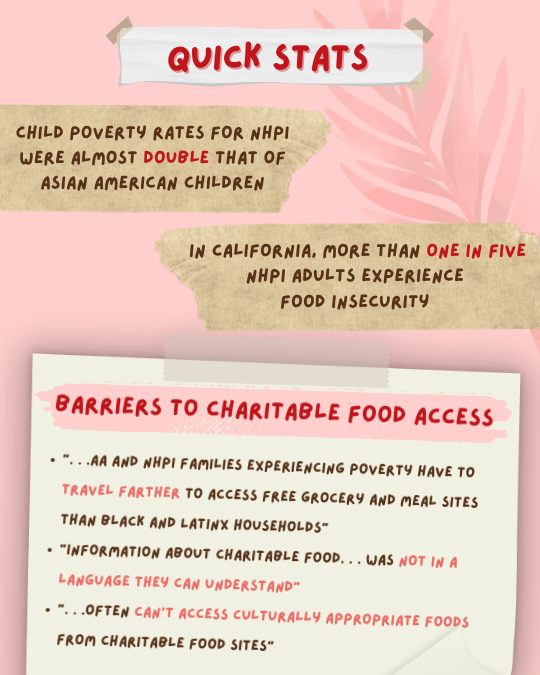
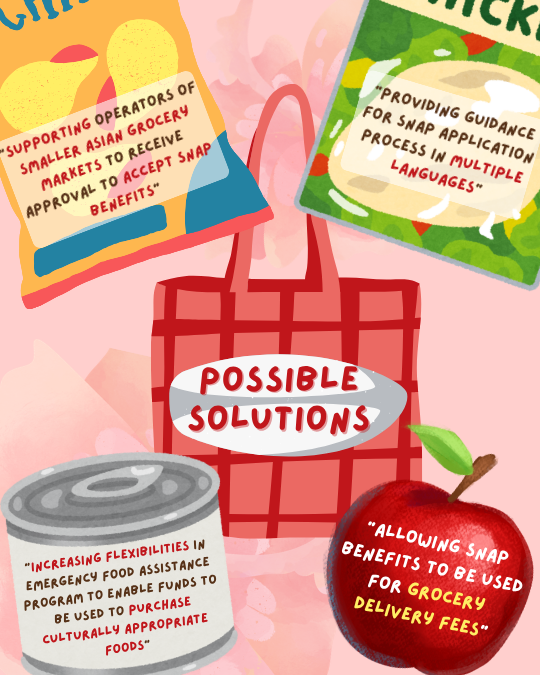
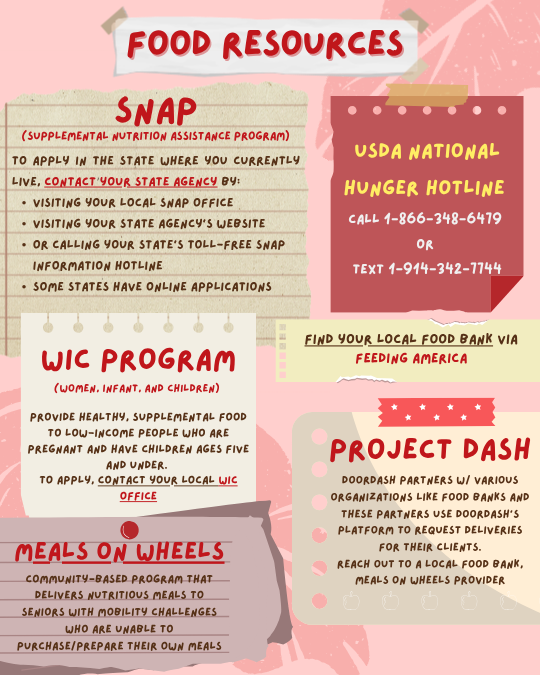
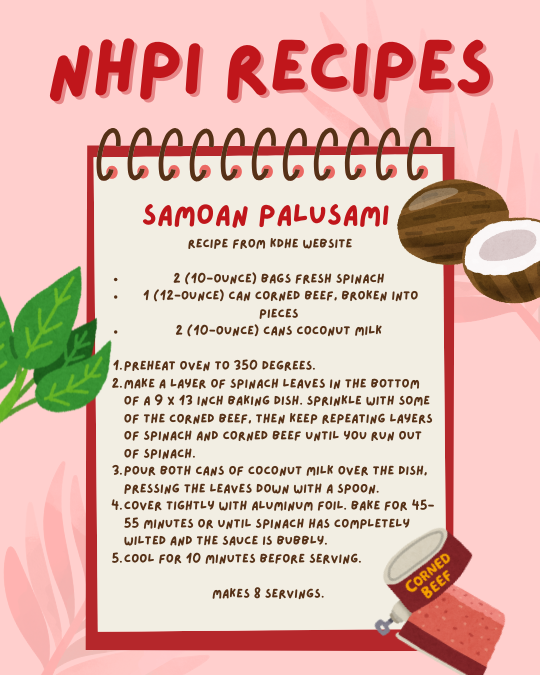
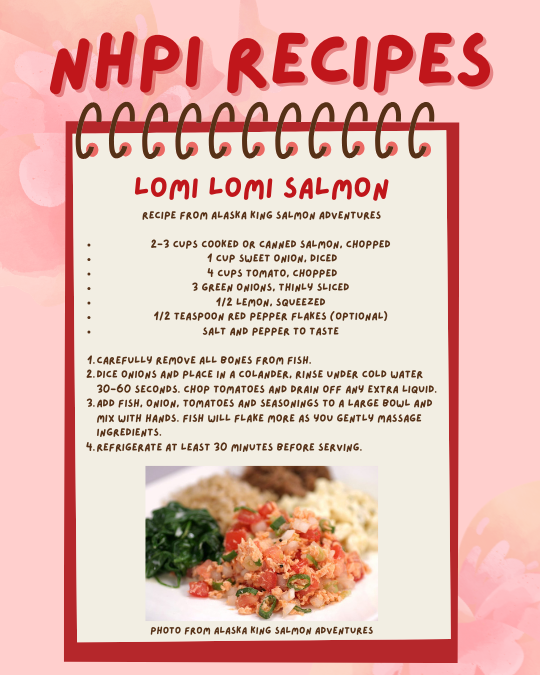
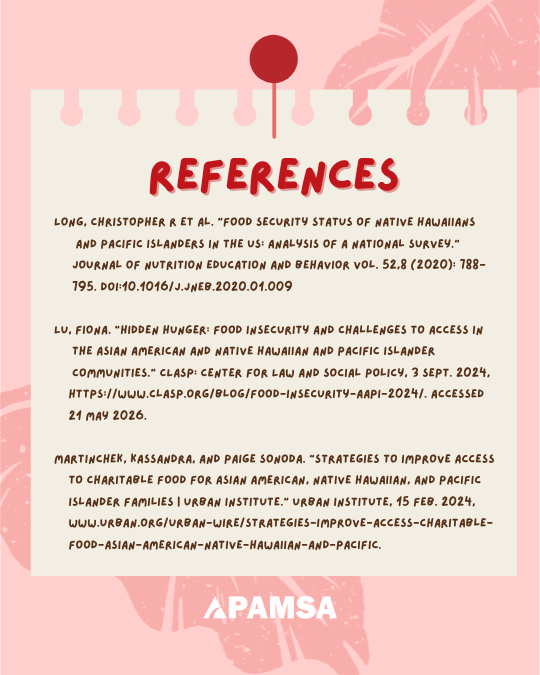
September 27, 2026
What better way to celebrate NHPI Heritage Month than by making space for NHPI stories and voices? Join us for our NHPI Book Club featuring Native Hawaiian author Shay Kauwe and her book The Killing Spell.
Through literature, we have the opportunity to engage with Native Hawaiian perspectives, explore stories rooted in place and culture, and support NHPI authors whose voices contribute to the richness of our literary landscape. Come ready to read, discuss, reflect, and connect with fellow readers!
To kick off our NHPI book club, we will be giving away 5 copies of The Killing Spell. To enter, fill out the Google form linked below. One story can open the door to a whole new perspective. We hope to see you there!
Date: September 27, 2026
Time: 12PM HST | 3PM PST | 6PM EST

September 30, 2026
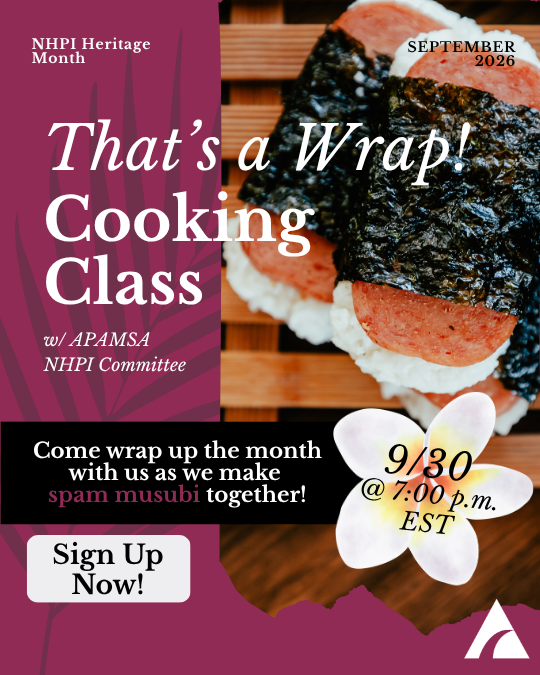
We’re wrapping up NHPI Heritage Month with a little taste of Hawaiʻi! 🌺 Join the APAMSA NHPI Committee for a Spam Musubi Cooking Class as we come together to make one of Hawaiʻi’s favorite local snacks. 🤙🏽
Date: September 30, 2026
Time: 1PM HST | 4PM PST | 7PM EST
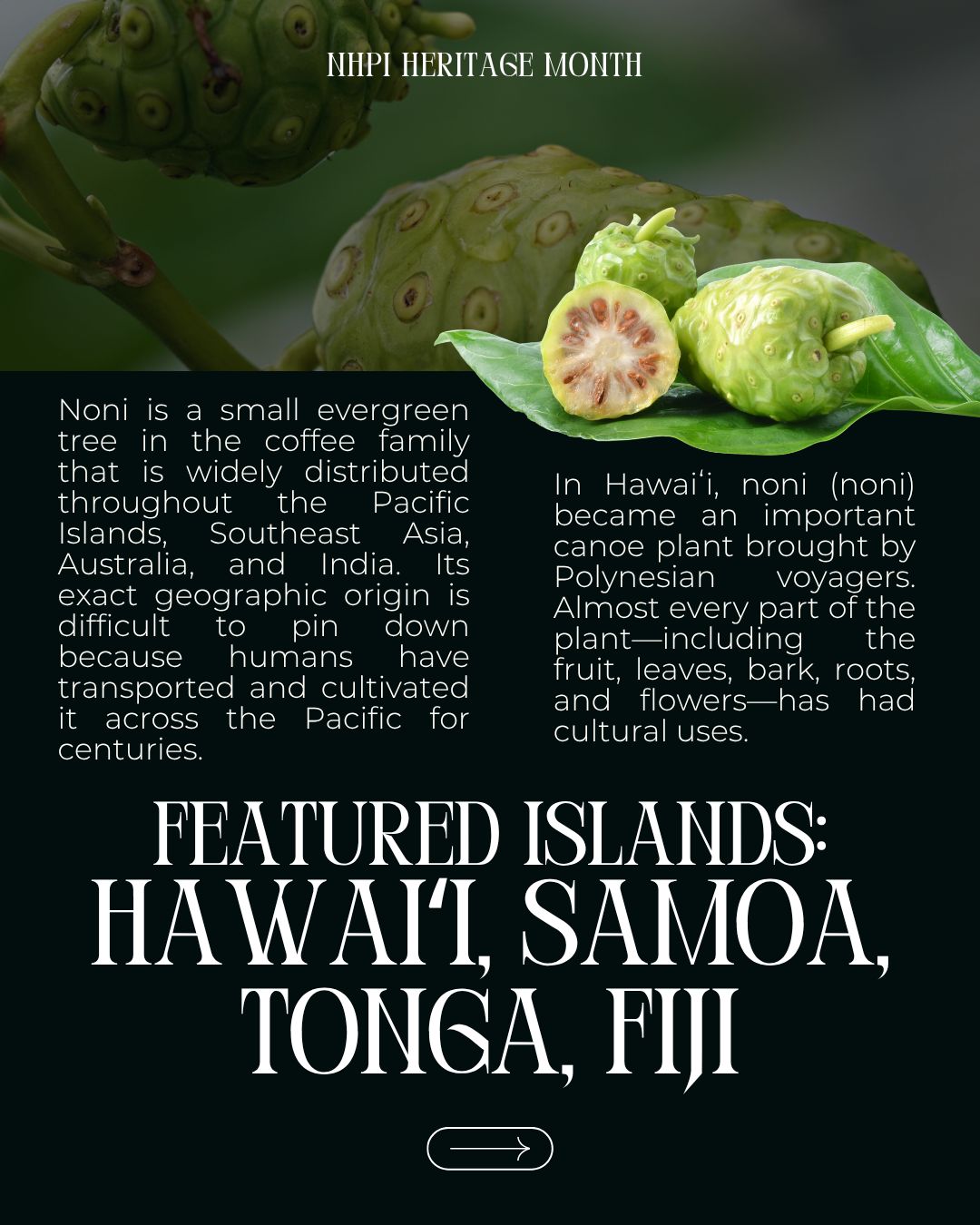
Knowledge in Bloom
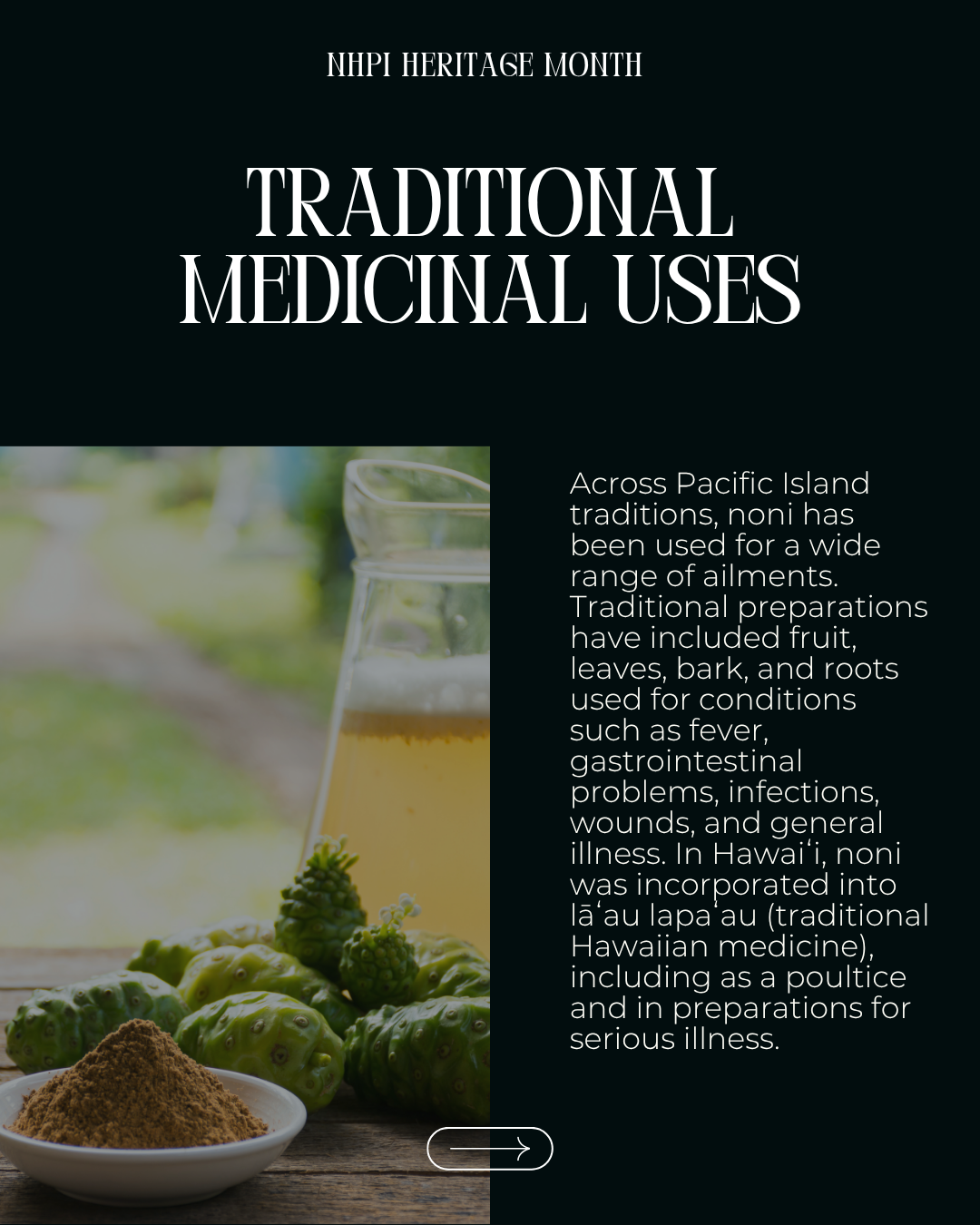
We’re kicking off our Knowledge in Bloom series with noni (Morinda citrifolia)! 🌺
Found throughout the Pacific, noni has a long history of use in traditional medicine and cultural practices. Across different Pacific communities, various parts of the plant have been used in preparations for wounds, inflammation, digestive complaints, and other ailments.
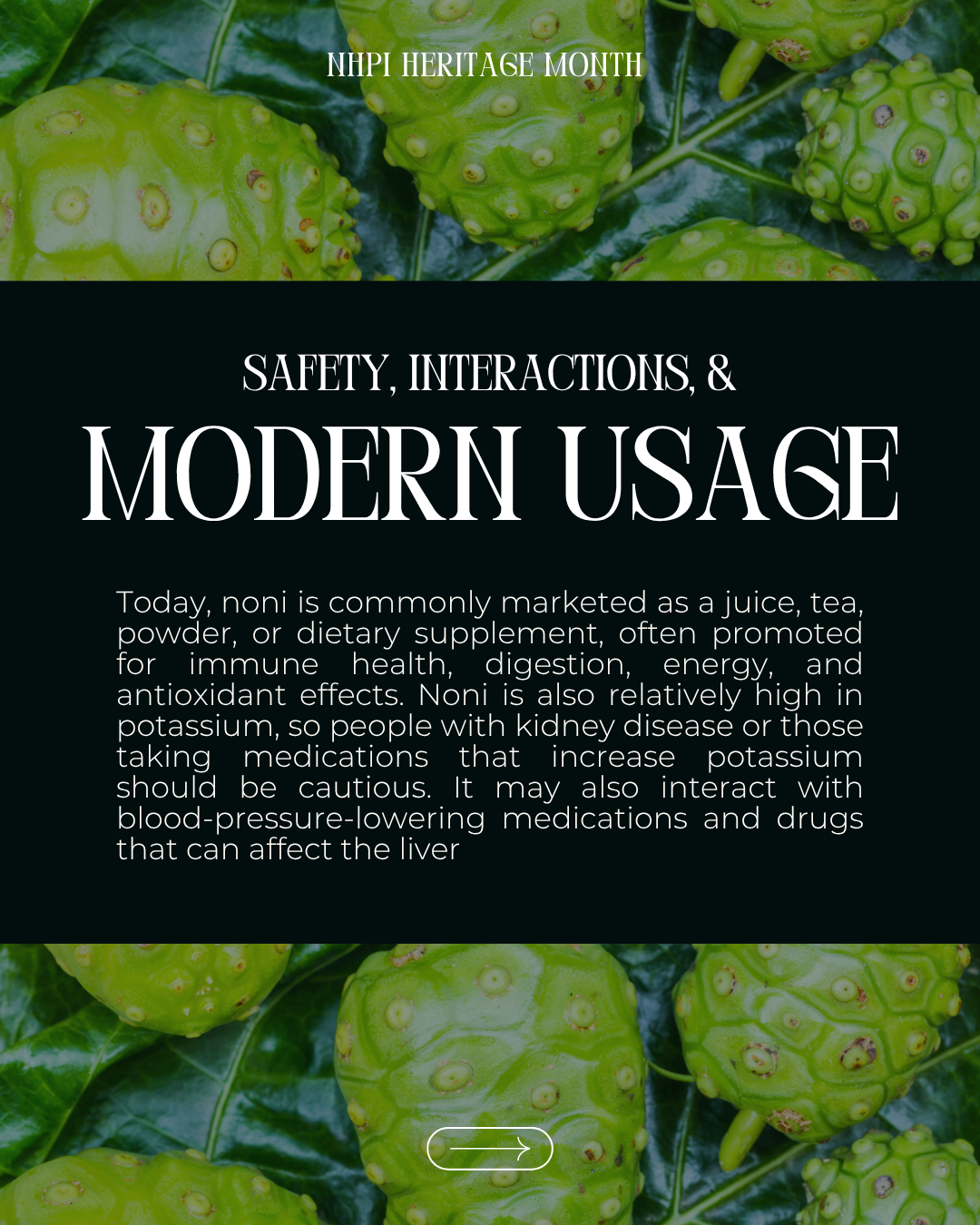
Today, noni can be found in juices, teas, powders, and other products—but how does modern research compare with generations of traditional knowledge? 🔬🌿
Join us as we explore the history, traditional uses, and modern science behind this beloved Pacific plant.
🌱 From generations of knowledge to modern research, there is always more to learn.
Traditional medicinal practices are shared for educational and cultural purposes and do not necessarily represent clinically proven treatments.
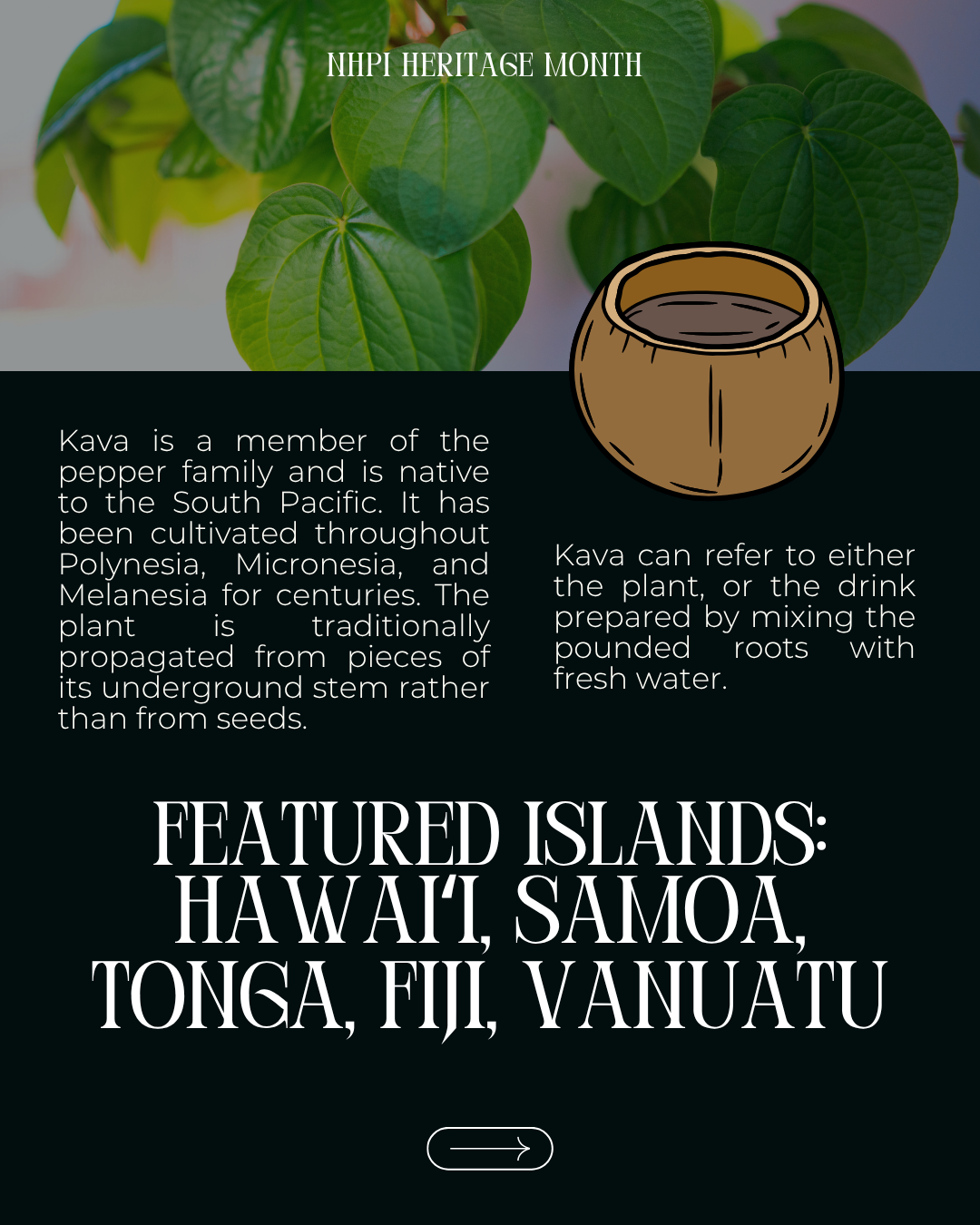
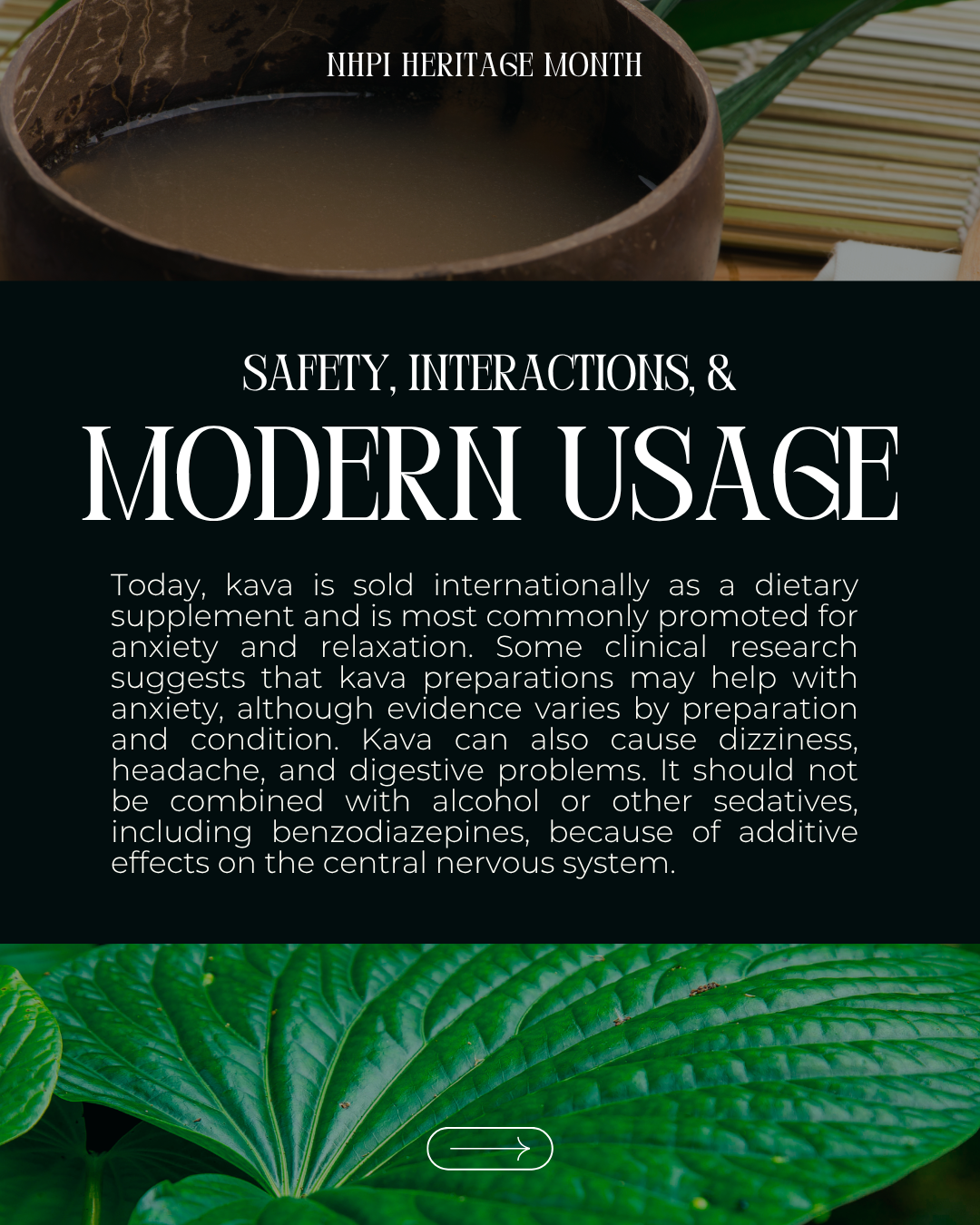
Next up in our Knowledge in Bloom series: ʻawa, also known as kava (Piper methysticum). 🌿
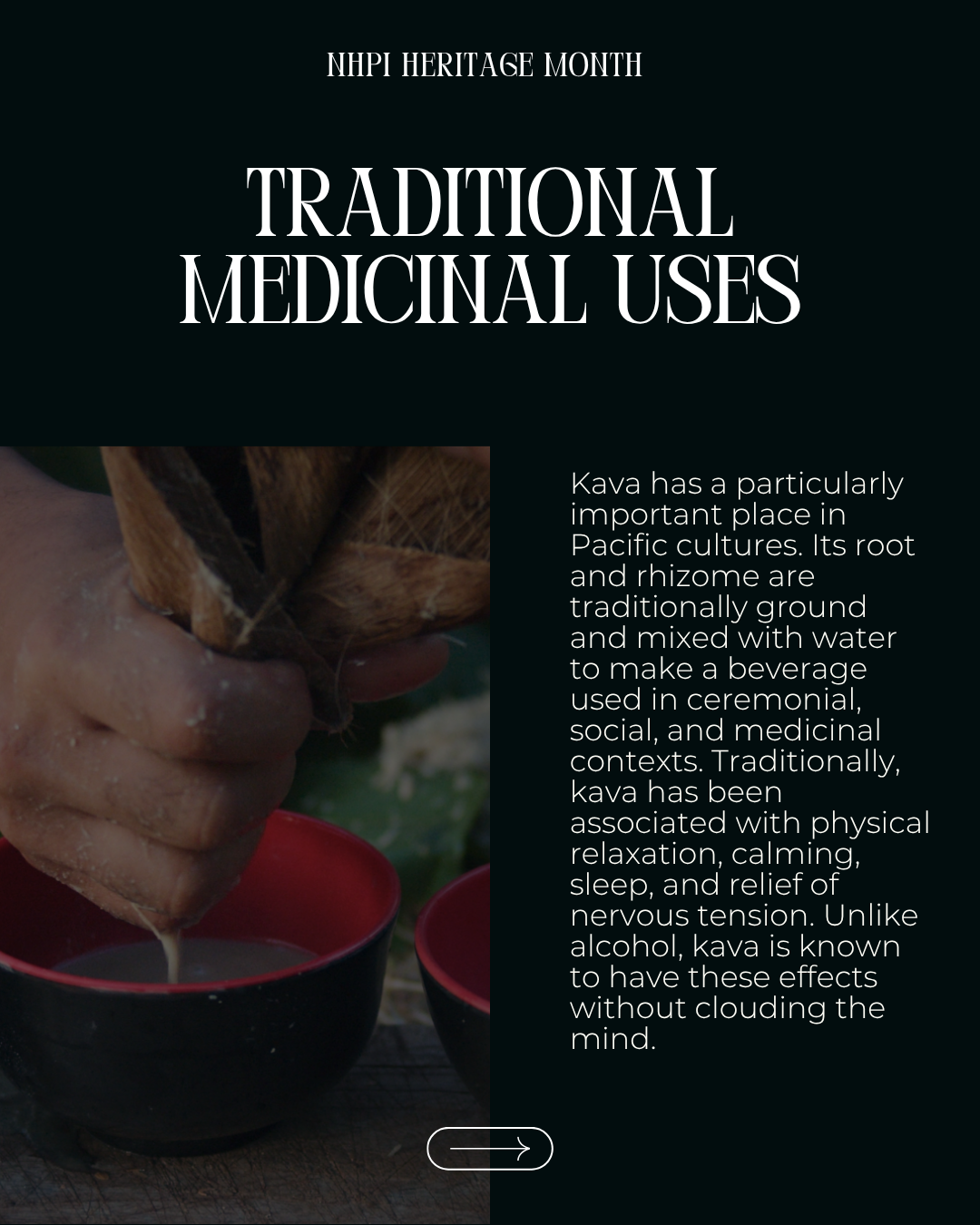
Cultivated across the Pacific for generations, ʻawa holds a special place in many Pacific Island cultures. More than a plant, ʻawa is connected to ceremony, community, hospitality, and tradition, with practices varying across different Pacific cultures.
Traditionally, ʻawa has also been associated with relaxation and calming effects. Today, it continues to be studied for its potential effects on anxiety and the nervous system. 🔬
But with traditional knowledge comes the responsibility to understand the plant in its full context—including its cultural significance, modern research, and safety considerations.
🌊 ʻAwa reminds us that Pacific plant knowledge is about more than medicine—it is about people, place, and connection.
Traditional medicinal practices are shared for educational and cultural purposes and do not necessarily represent clinically proven treatments.
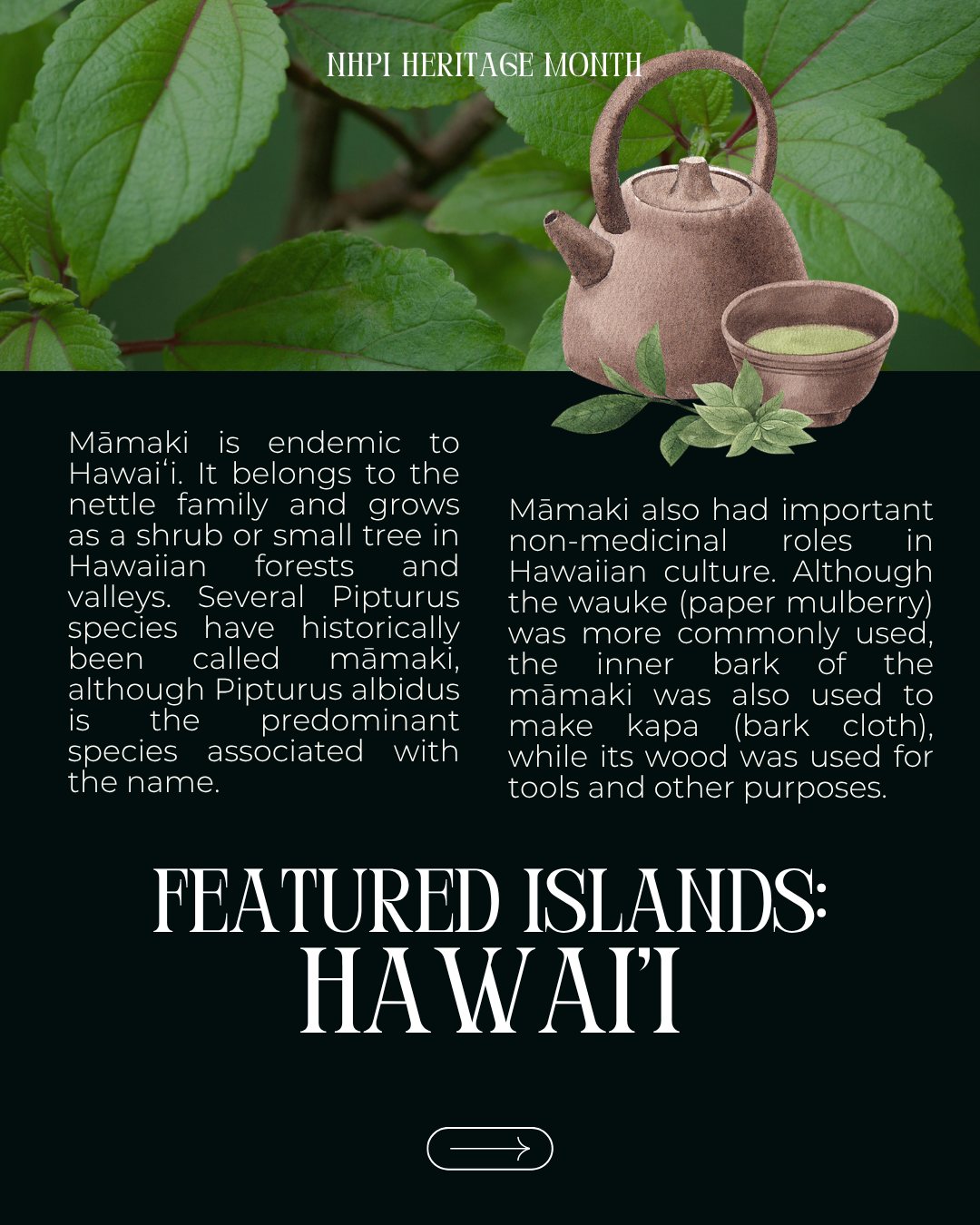
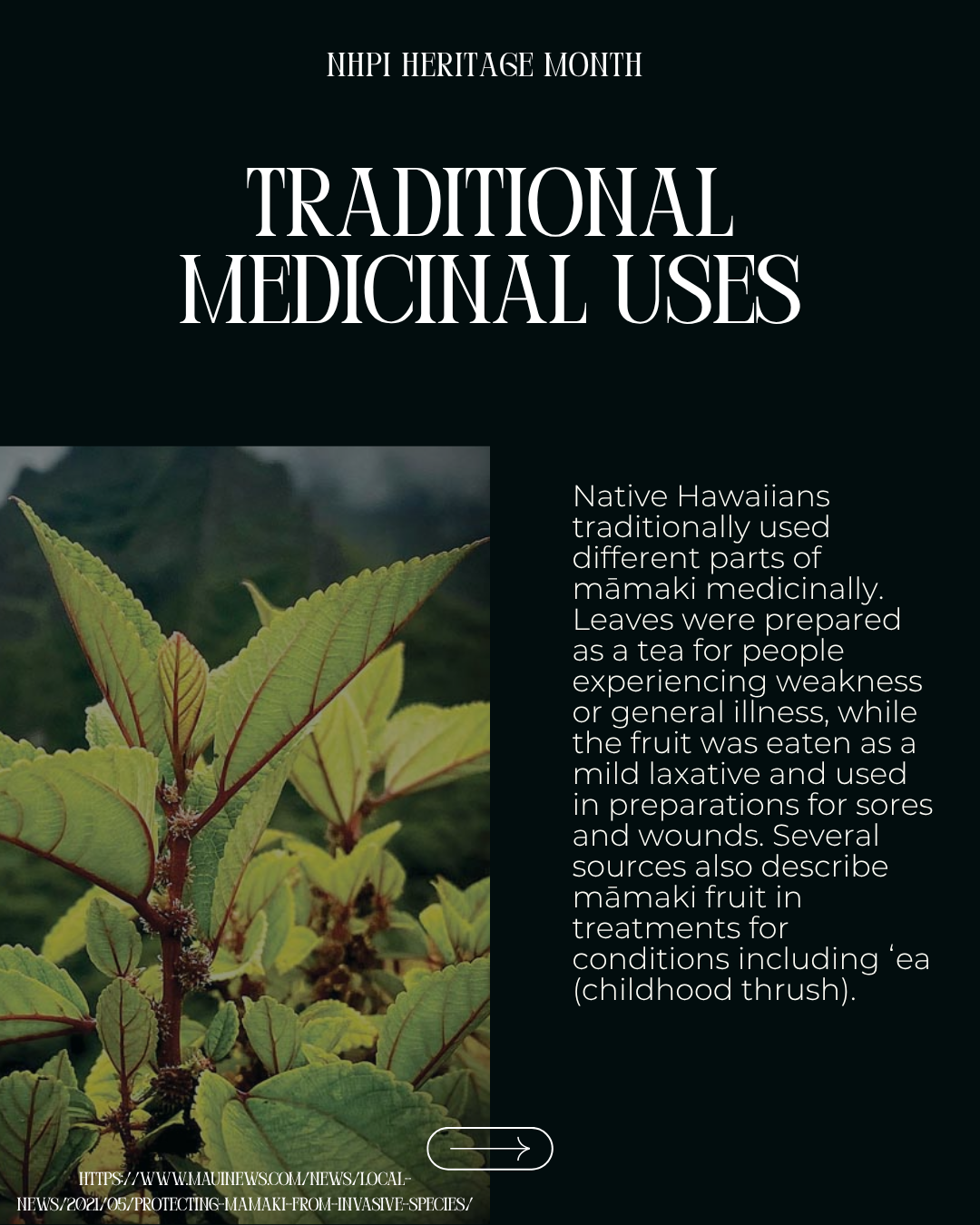
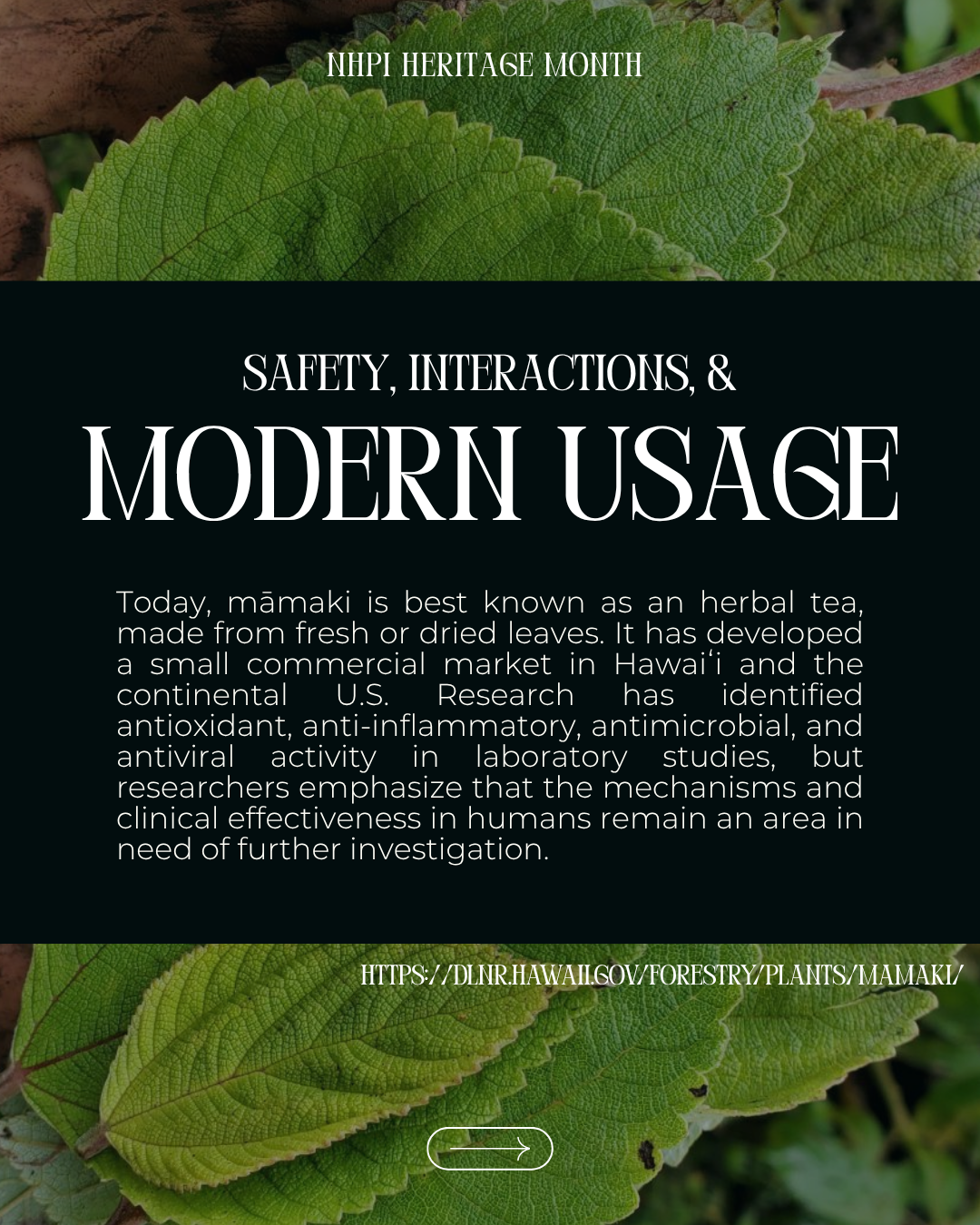
For Part 3 of Knowledge in Bloom, we’re learning about māmaki (Pipturus albidus)—a plant native to Hawaiʻi. 🌺
Traditionally, Native Hawaiians have used different parts of māmaki for a variety of purposes, including medicinal preparations. Its leaves have long been prepared as a tea, while other parts of the plant have been incorporated into traditional remedies.
But māmaki is more than medicine. 🌱 Its history is intertwined with Hawaiian relationships to the ʻāina, including traditional uses of the plant for kapa and other everyday materials.
Today, māmaki is commonly enjoyed as an herbal tea, while researchers continue to investigate its antioxidant, antimicrobial, and other biological properties.
🌺 Learning about māmaki means learning not only about a plant, but about the relationship between people, knowledge, and ʻāina.
Traditional medicinal practices are shared for educational and cultural purposes and do not necessarily represent clinically proven treatments.
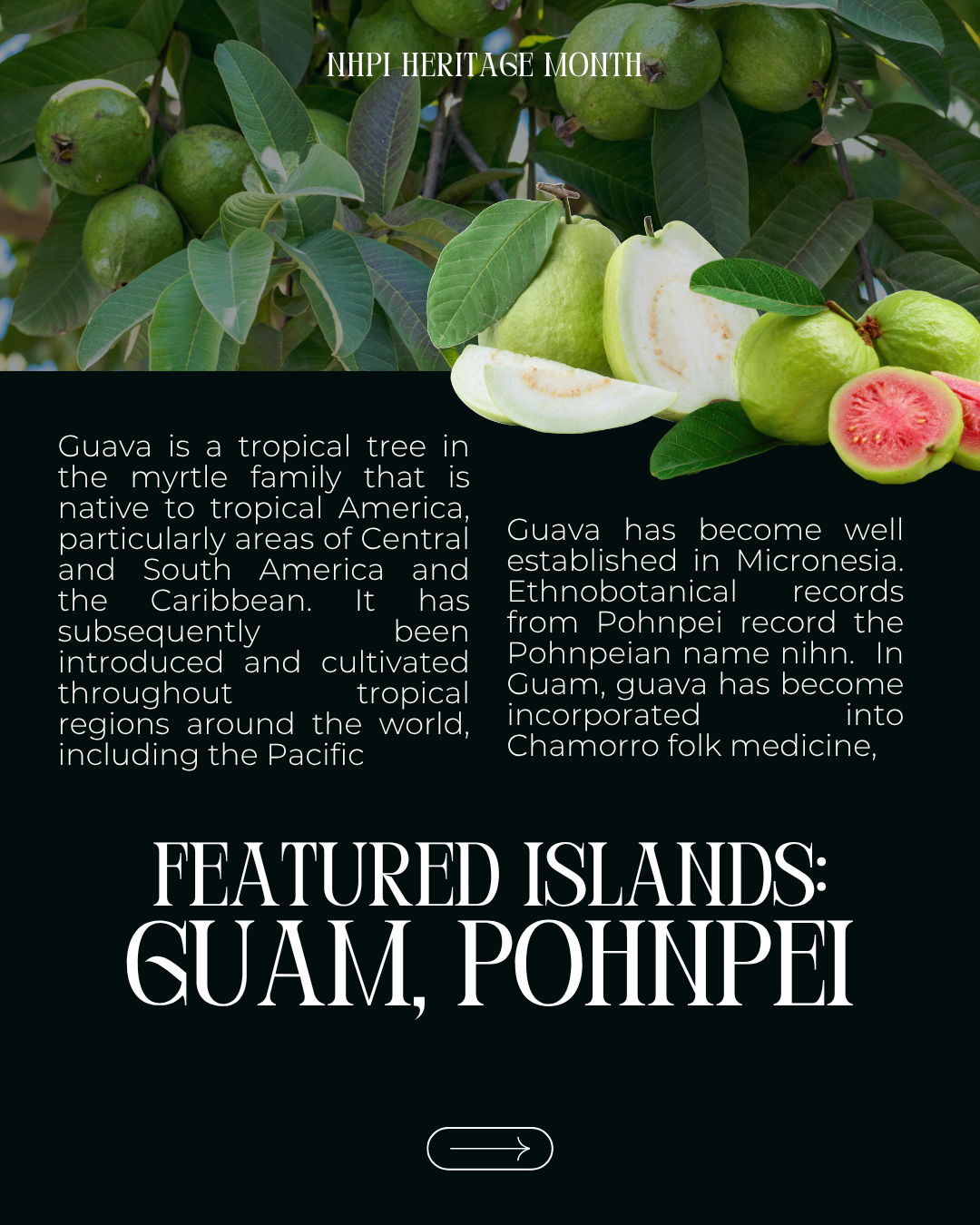
You may know guava for its sweet fruit—but did you know that guava leaves have also been part of traditional medicine across the Pacific and beyond? 🌿
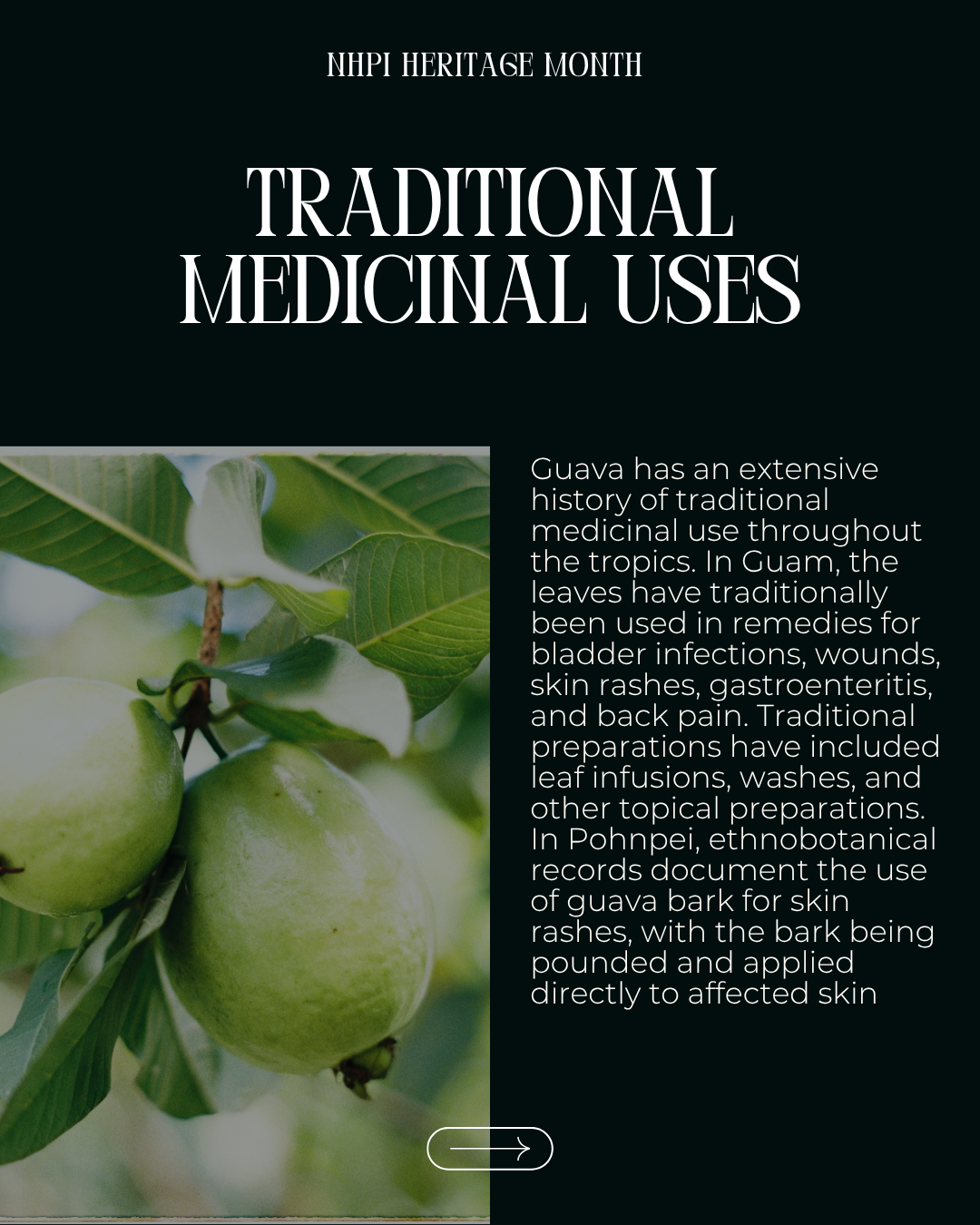
Guava (Psidium guajava) is native to tropical regions of the Americas but has become established throughout the Pacific, including parts of Micronesia. In communities such as Guam and Pohnpei, traditional knowledge has included the use of different parts of the plant for skin conditions, wounds, digestive complaints, and other ailments.
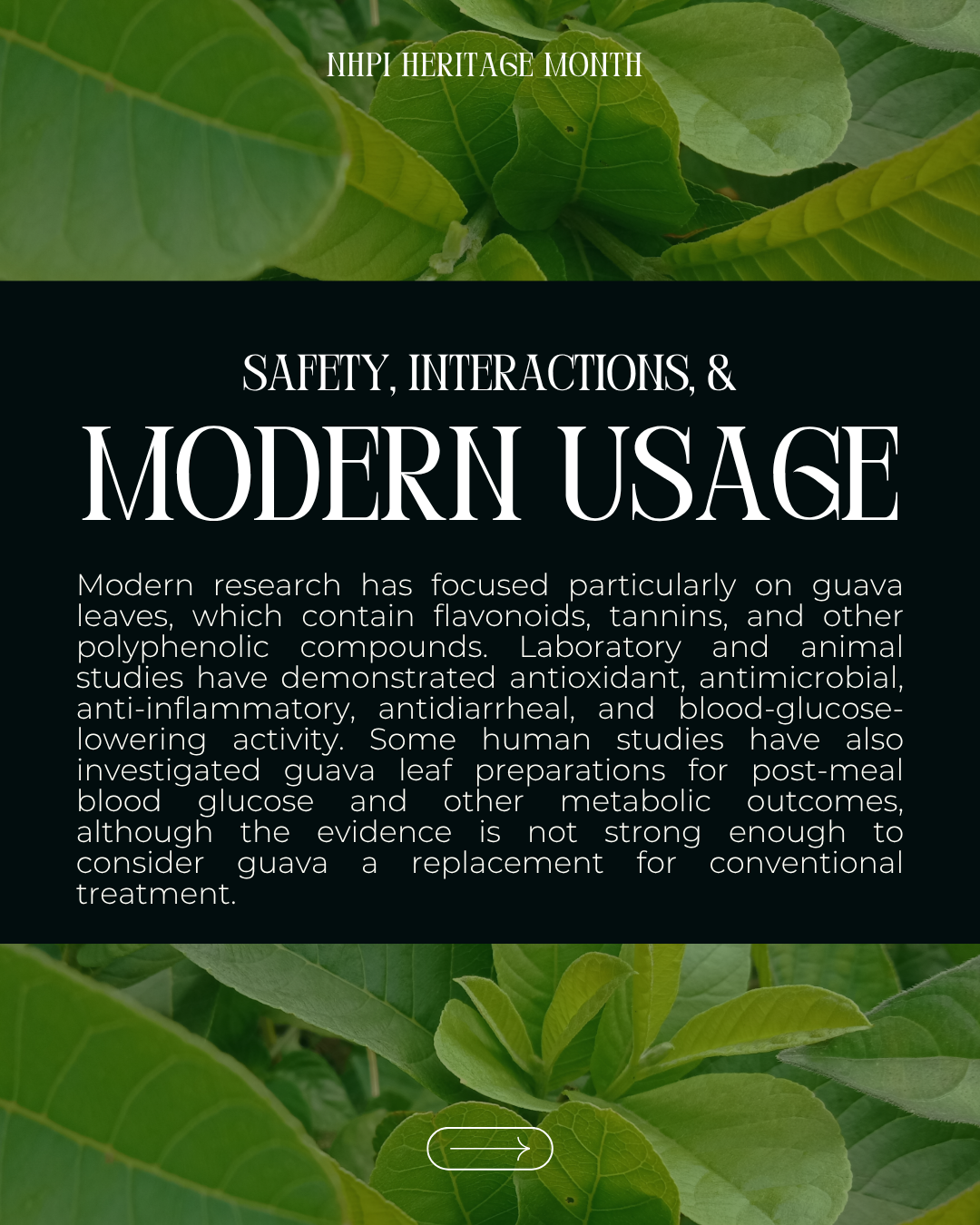
Modern researchers are now studying compounds found in guava leaves for their potential antioxidant, antimicrobial, anti-inflammatory, and metabolic effects. 🔬
From the garden to the kitchen to traditional medicine, guava is a reminder that the plants around us can carry layers of cultural knowledge and history.
🌱 What everyday plants might hold stories we haven’t heard yet?
Traditional medicinal practices are shared for educational and cultural purposes and do not necessarily represent clinically proven treatments.

August 2026: South Asian Heritage Month
August 2026: South Asian Heritage Month
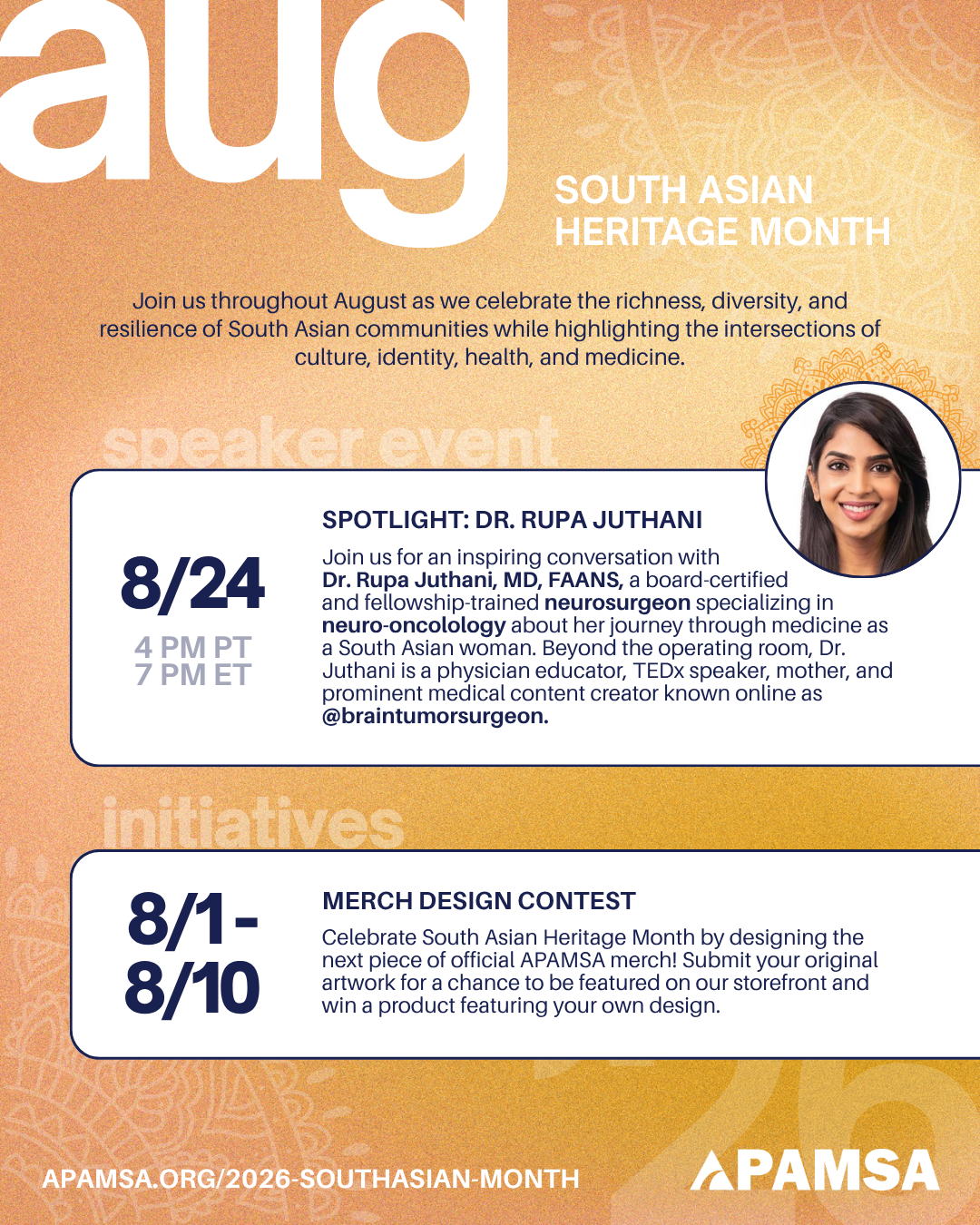
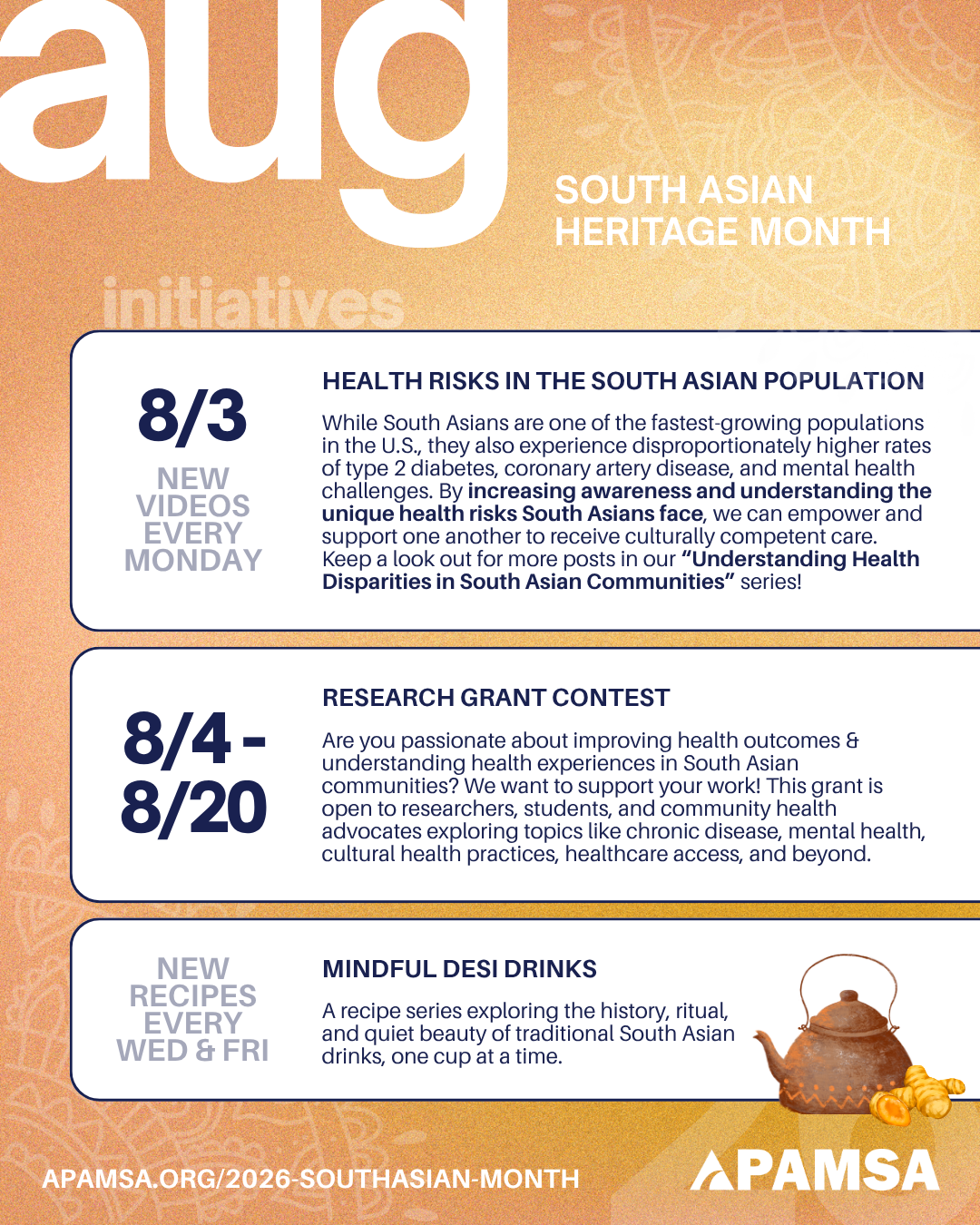
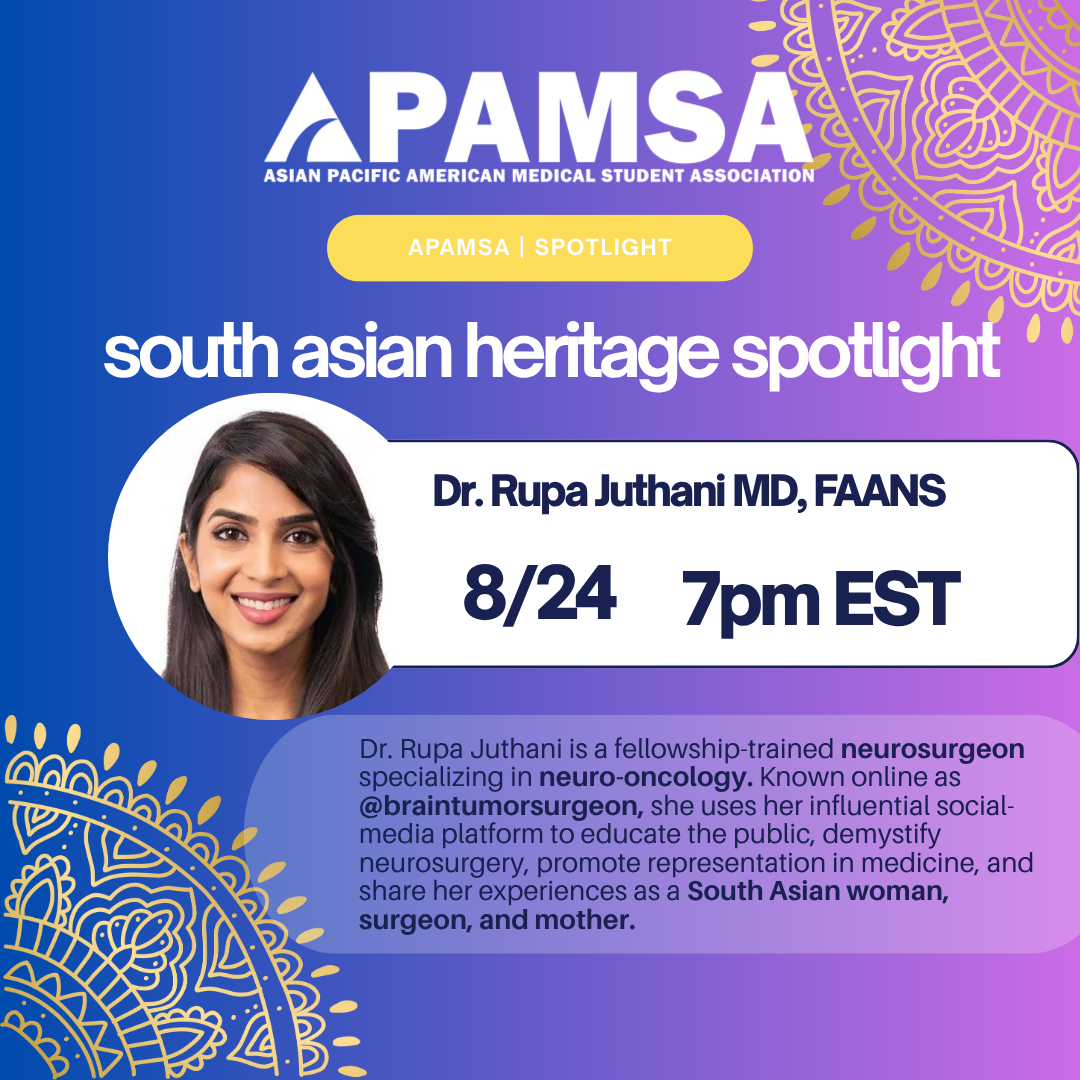
South Asian Heritage Month will celebrate culture, representation, and health through an inspiring speaker event with Dr. Rupa Juthani, educational health videos, Mindful Desi Drinks, a disparities research proposal contest, and a merch design competition.
August 1, 2026
Celebrate South Asian Heritage Month by designing the next piece of official APAMSA merch! Submit your original artwork for a chance to be featured on our storefront and win a product featuring your own design! Browse our current collection for inspiration.
Submissions Closed
August 4, 2026
South Asian Heritage Health Research Grant — Apply Today!
Are you passionate about improving health outcomes & understanding health experiences in South Asian communities? We want to support your work!
This grant is open to researchers, students, and community health advocates exploring topics like chronic disease, mental health, cultural health practices, healthcare access, and beyond. One winner will receive $100 to help bring their project to life!
Fill out our short application and take the next step in advancing health equity and well-being for South Asian communities.
Applications Closed
August 24, 2026
Join us for an inspiring conversation with Dr. Rupa Juthani, MD, FAANS, a board-certified and fellowship-trained neurosurgeon specializing in neurooncolology about her journey through medicine as a south asian woman. Beyond the operating room, Dr. Juthani is a physician educator, TEDx speaker, mother, and prominent medical content creator known online as @braintumorsurgeon.
Disparities in South Asian Health Video Series
South Asian Mindful Drink Recipes
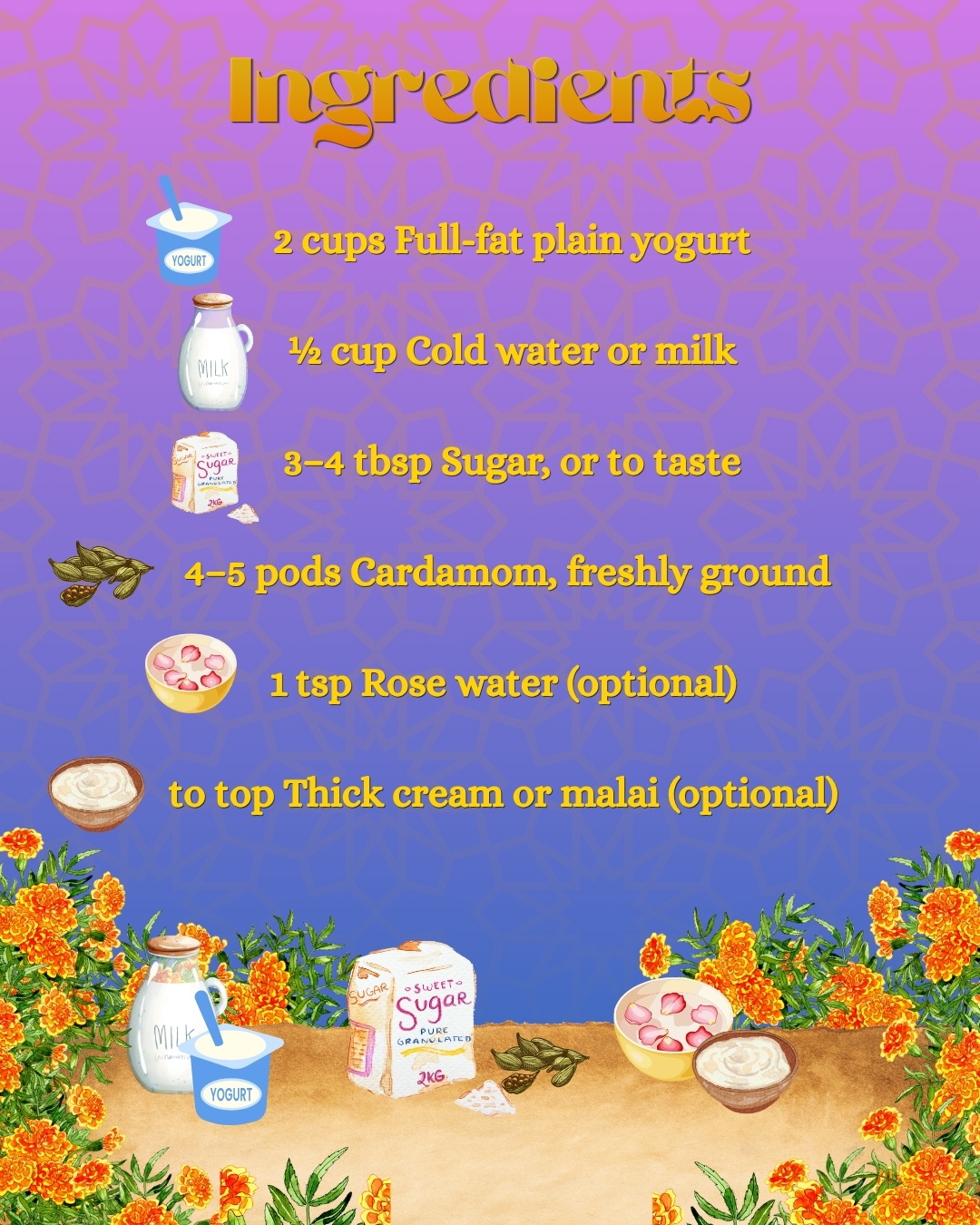
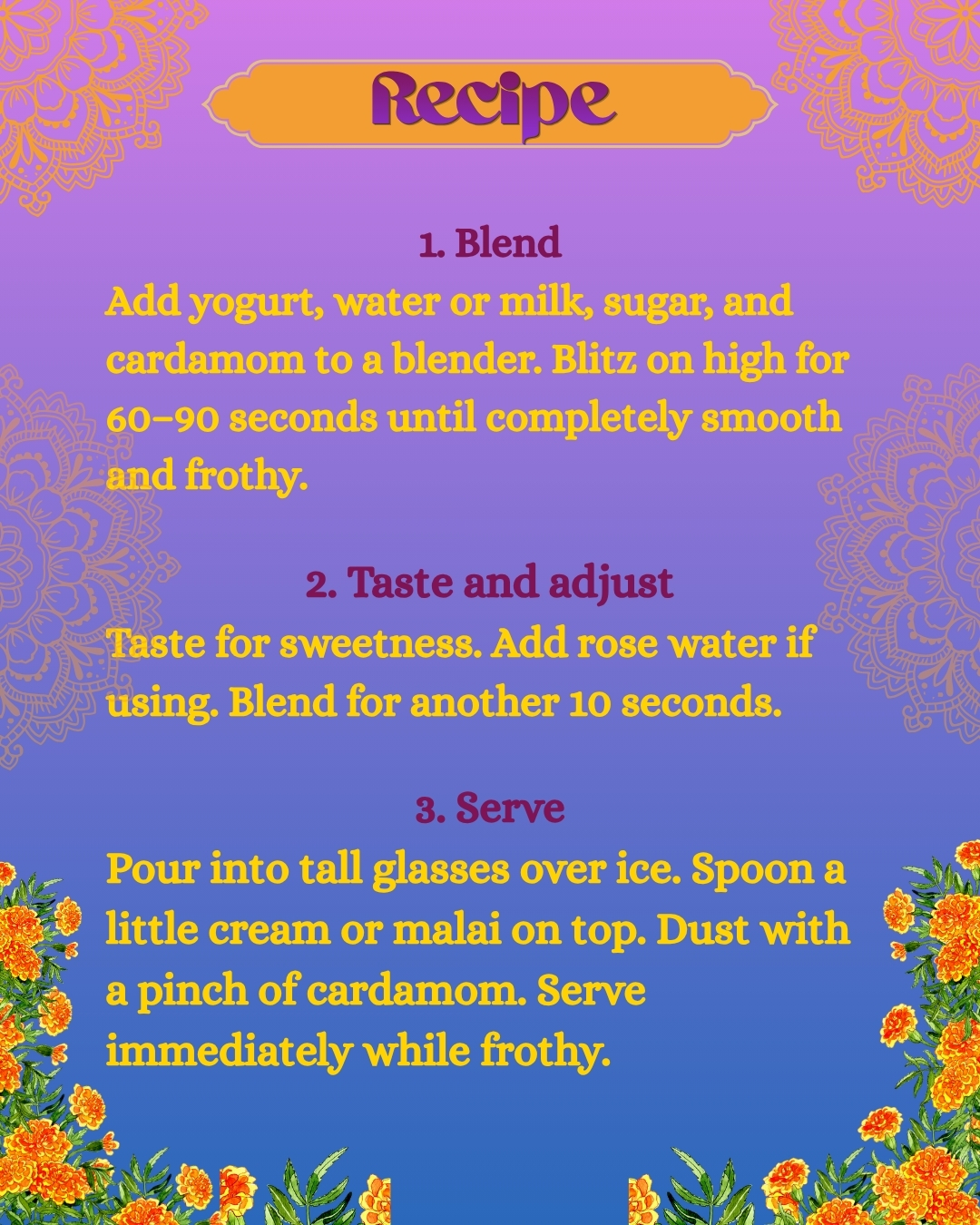
Lassi’s been around for about 5,000 years. It didn’t need a rebrand, a trend cycle, or a big marketing push — it just kept existing, through Mughal rule, Afghan rule, British colonialism, all of it. No one ever tried to commercialize it because there was nothing to profit from. It just stayed what it was: a drink people made at home, for each other.
Sweet with cardamom and rose water, or salty with cumin and black salt. Both are correct. Fight me.
Chai has a rougher history than people realize. The British cleared land and built plantations across Assam and Darjeeling to supply tea back home, using indentured and displaced labor to do it. Indians weren’t even the intended market. Chai only became “chai” once street vendors took the low-grade leaf they were handed and added milk, sugar, and their own spices to it.
So when you drink chai, you’re kind of drinking an act of resistance, disguised as a comfort drink.
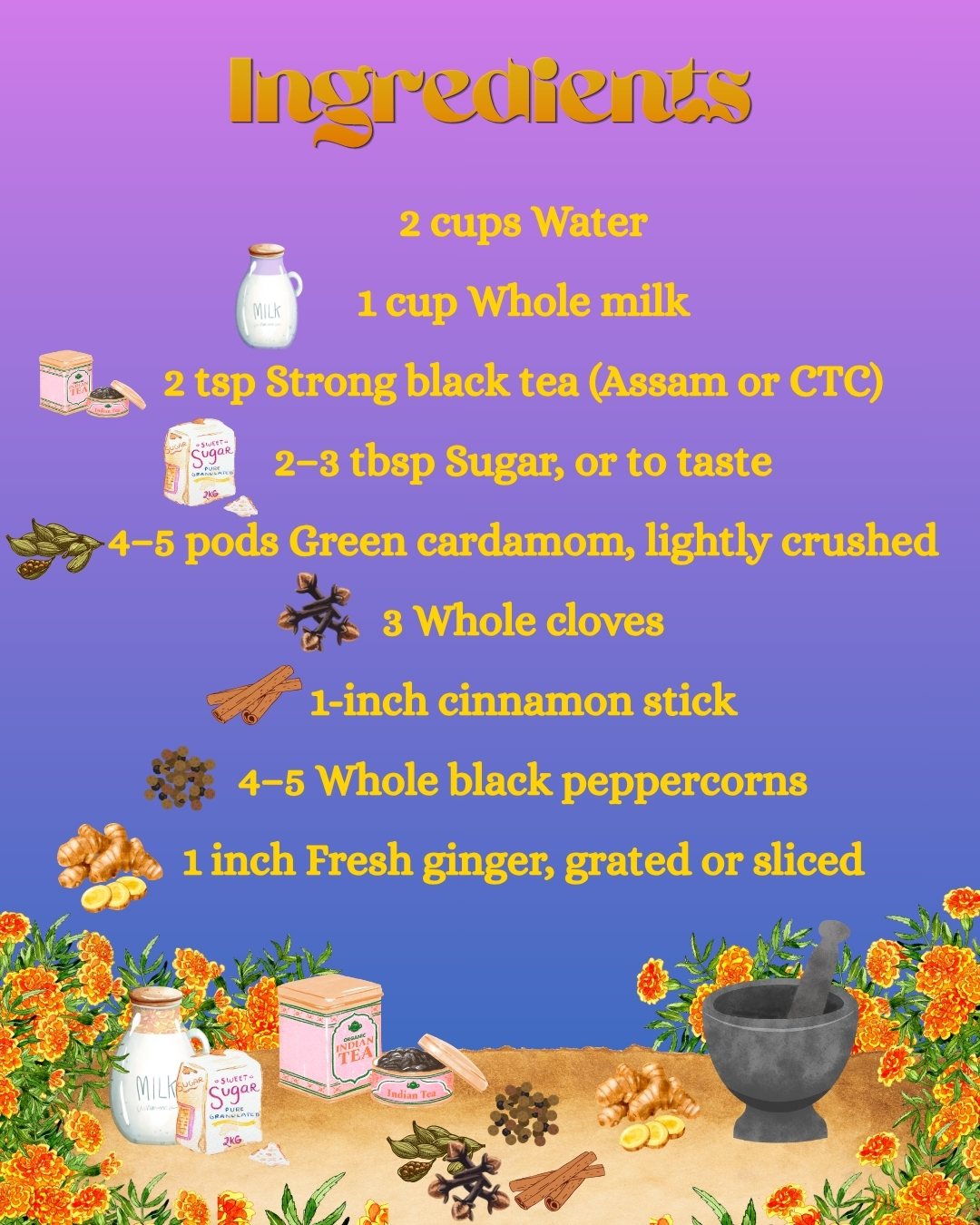
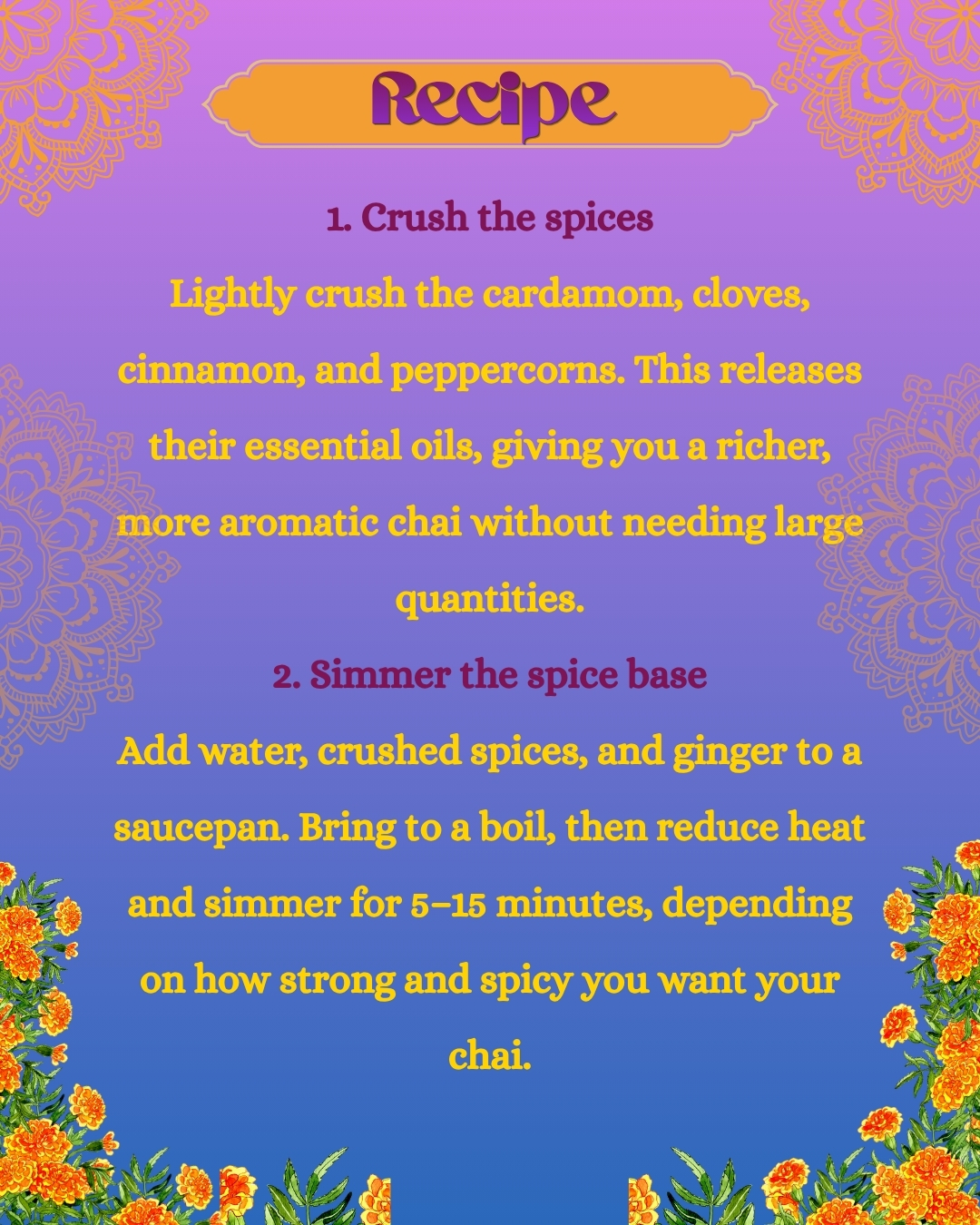
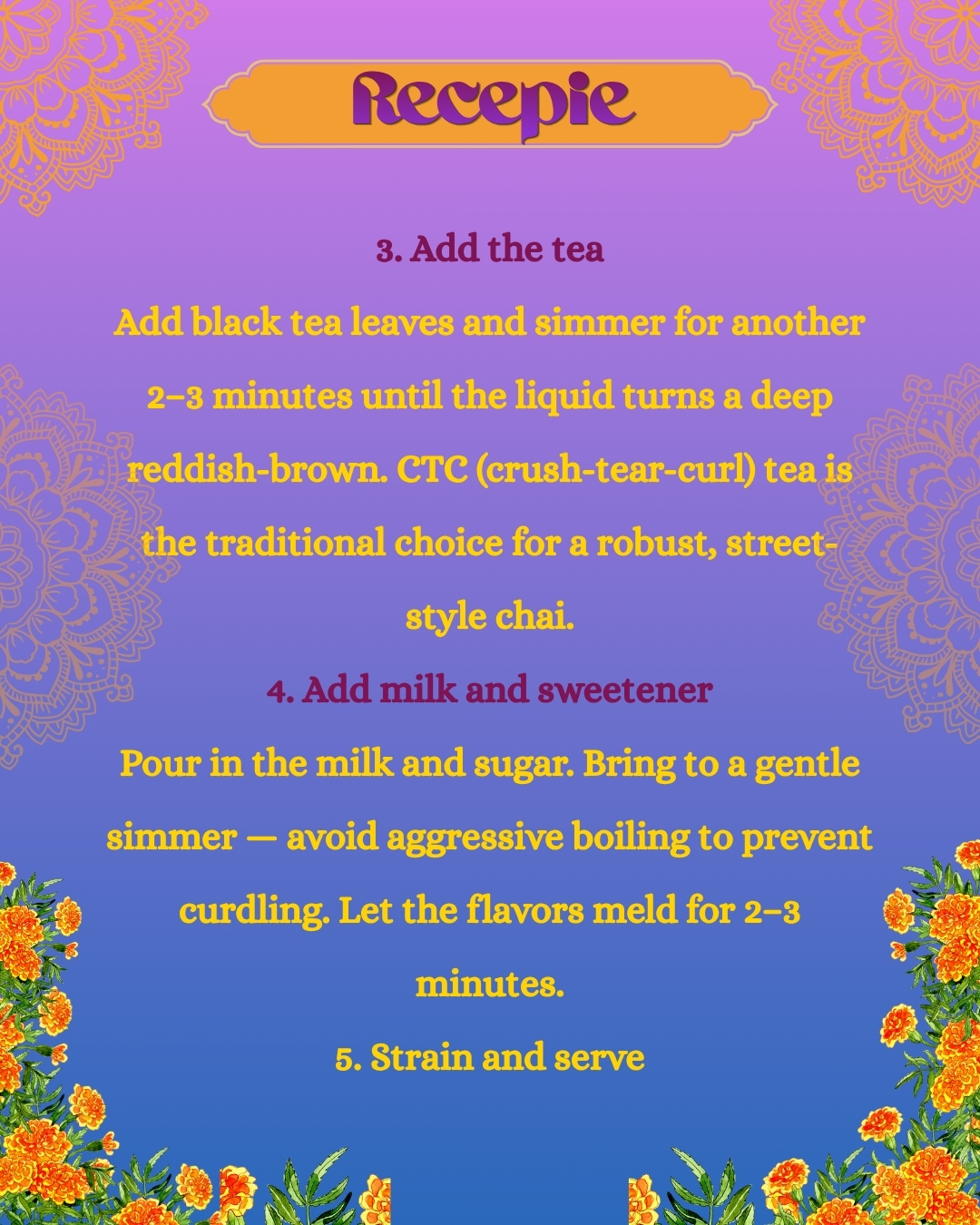
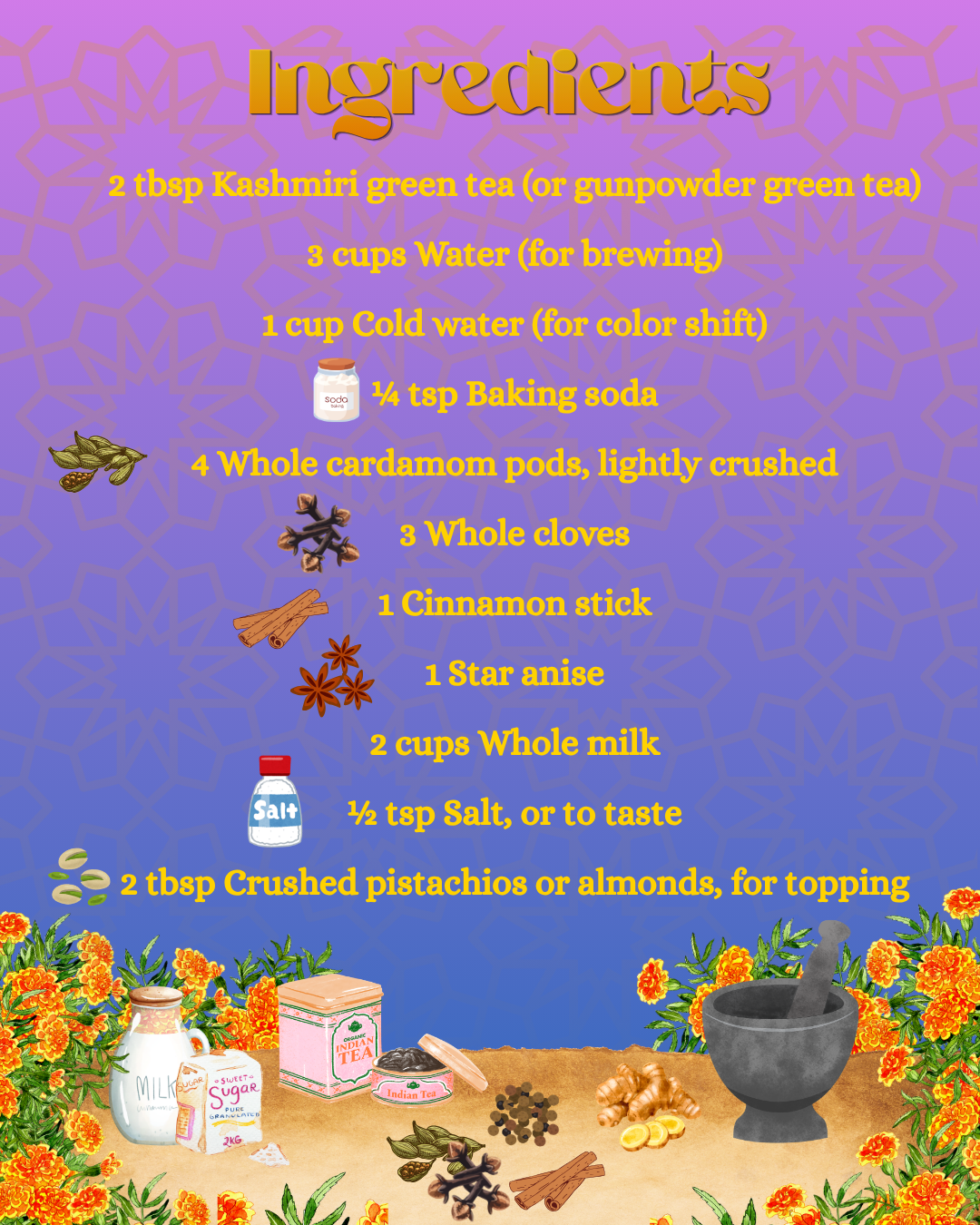
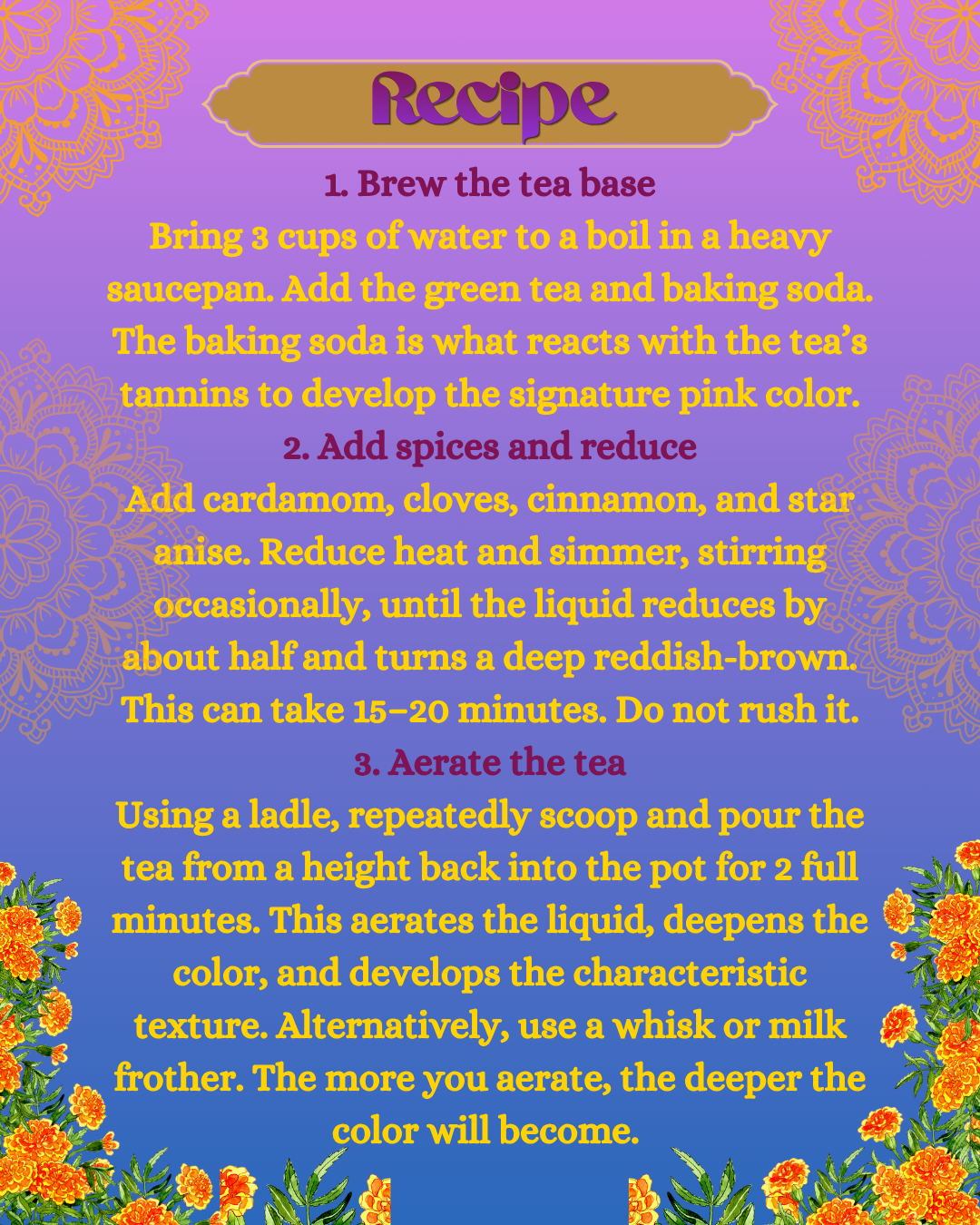
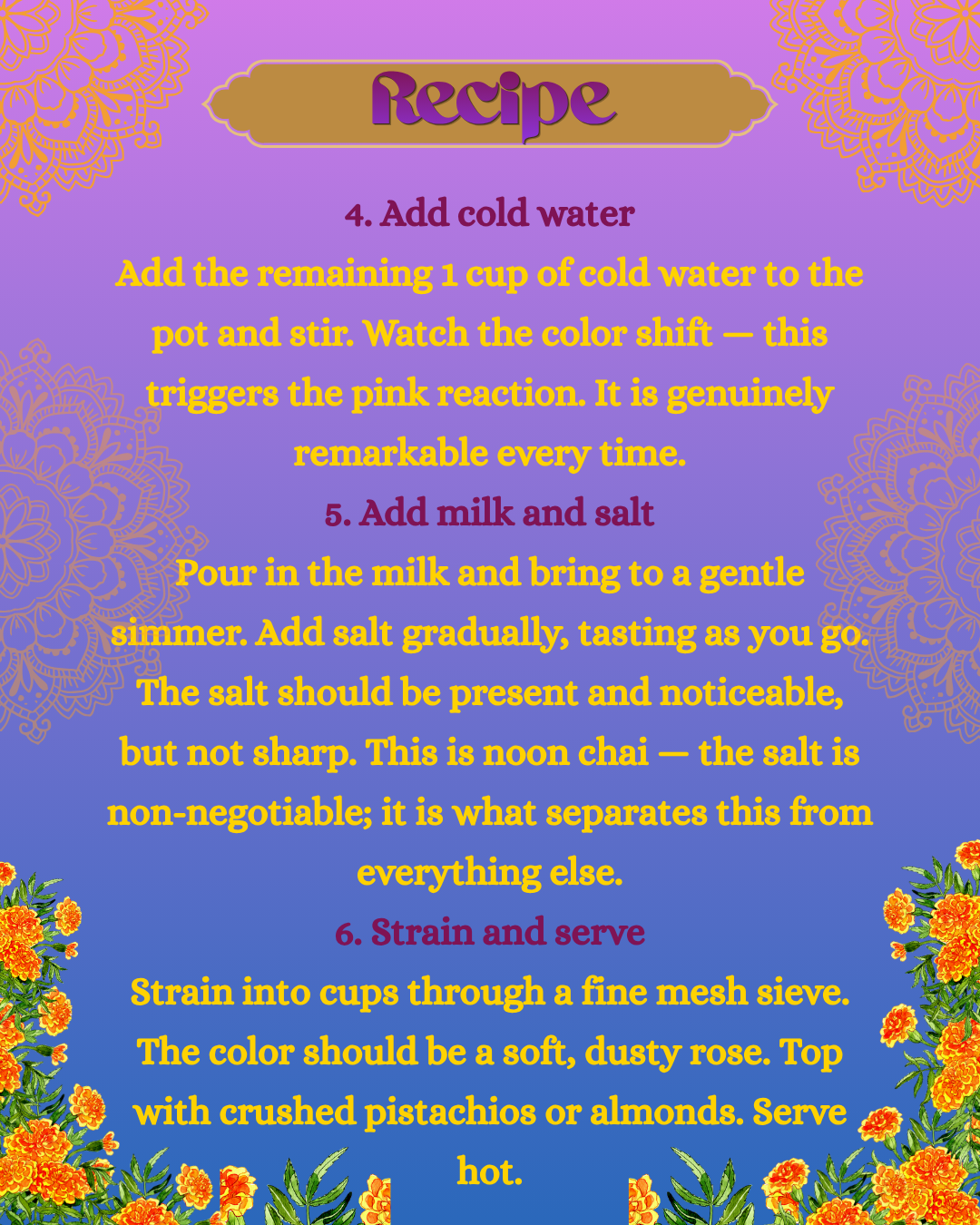
This one’s not like the others. It’s pink, it’s salty, and it comes from Central Asian trade routes rather than the usual chai lineage, it’s genuinely closer to Tibetan butter tea than to masala chai.
In Kashmir, it shows up at weddings, funerals, and as the first thing you offer a guest. It’s outlasted the Mughals, the Sikh empire, the Dogras, and the British, mostly because no outside power ever cared enough to try to change it.
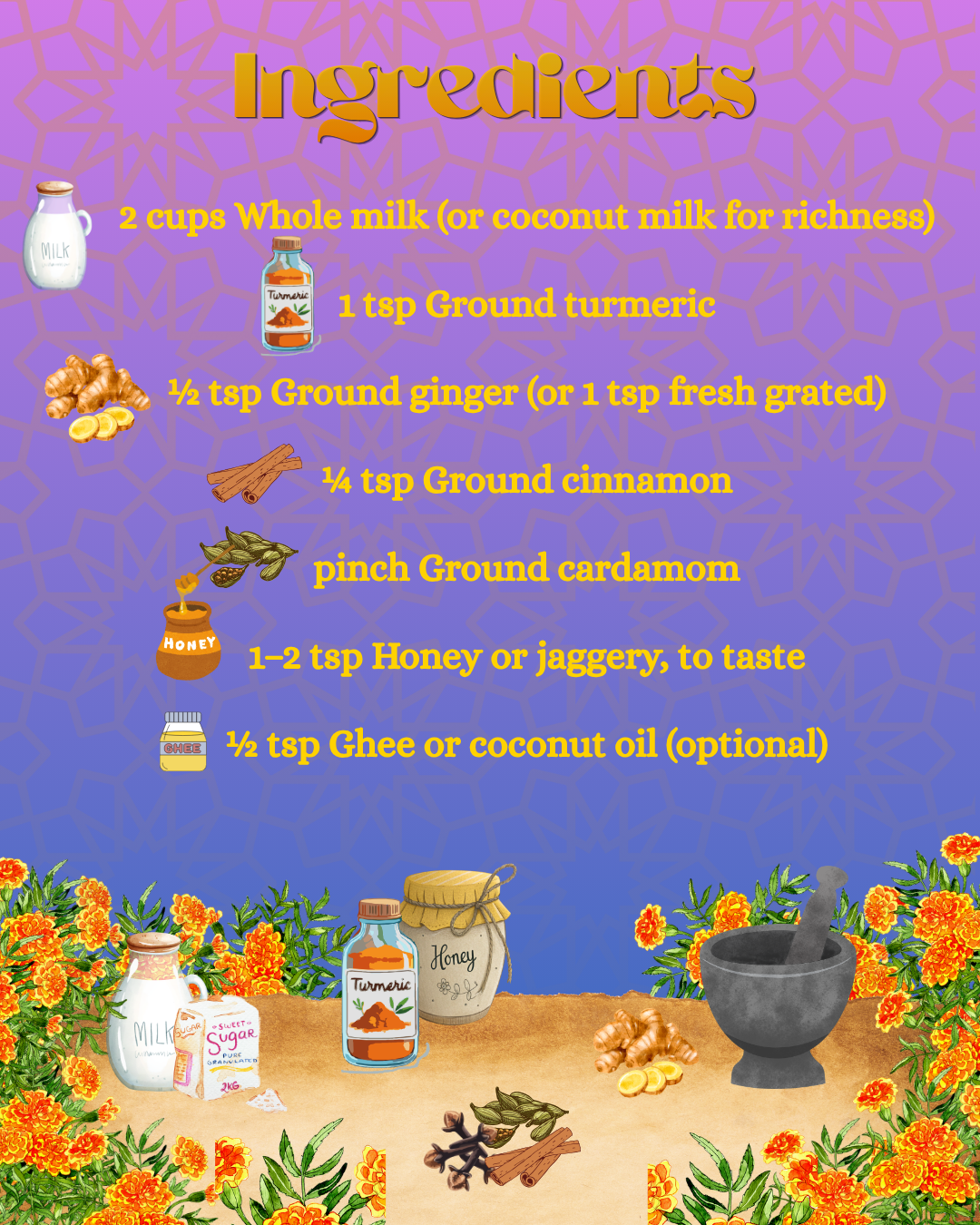
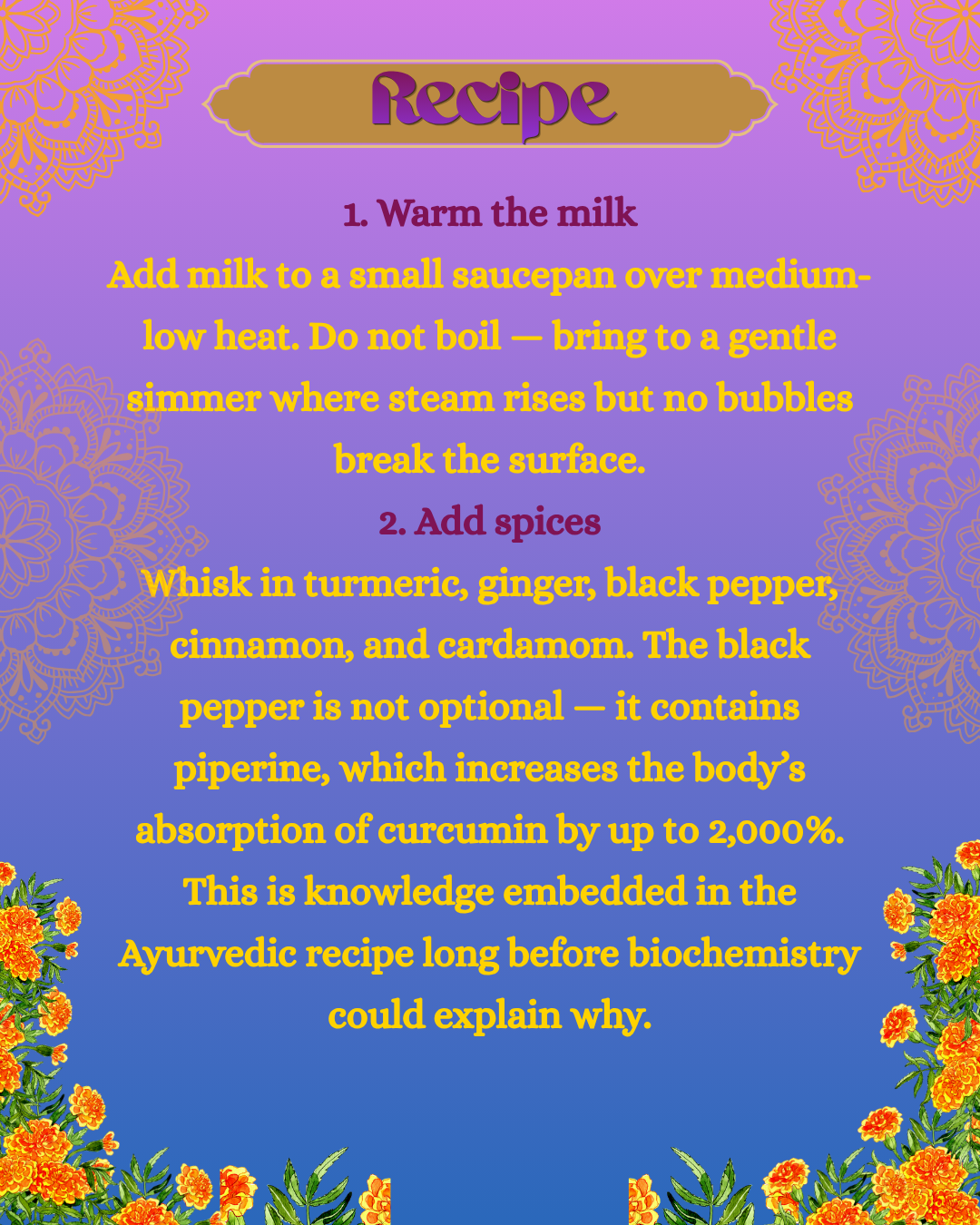
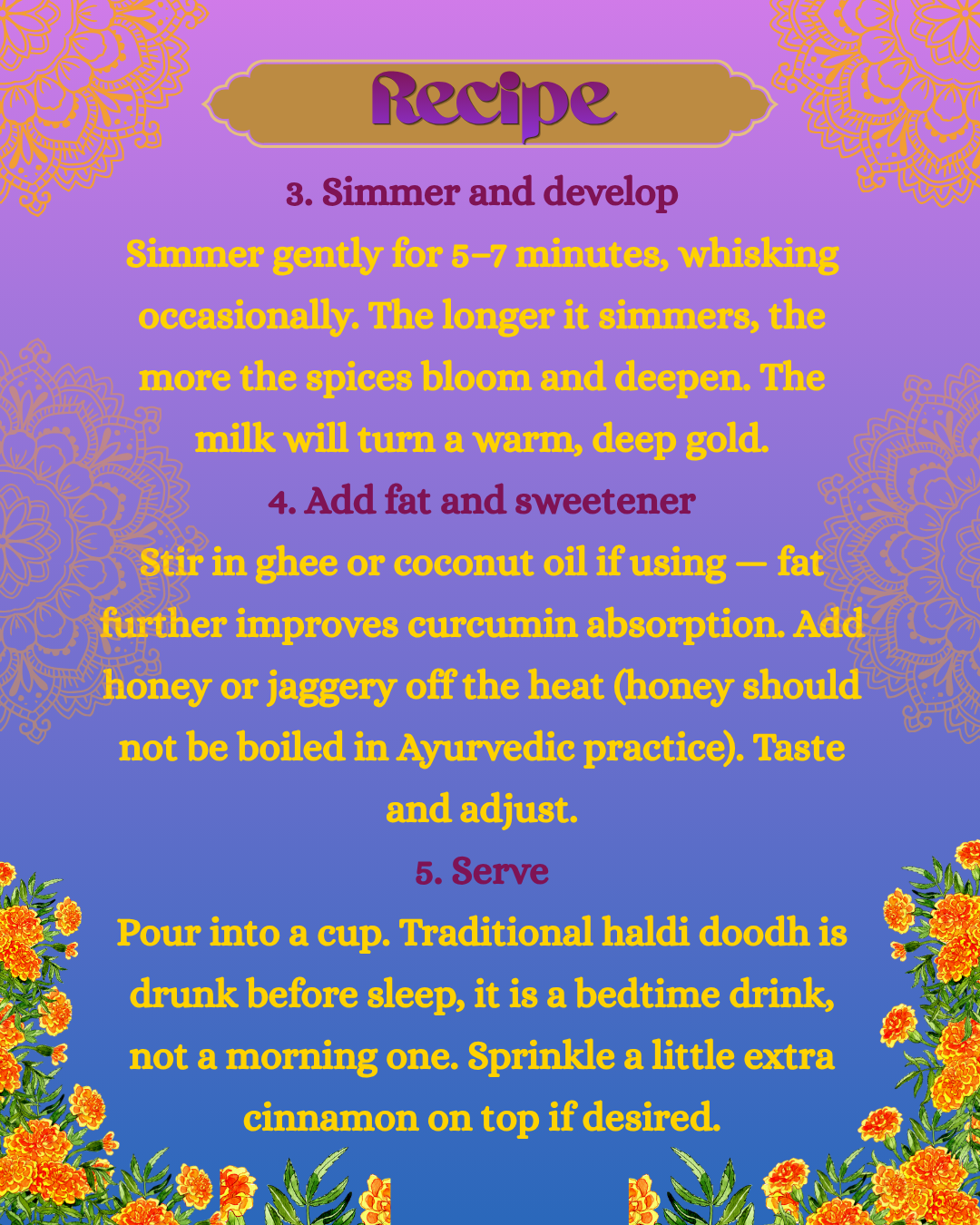
Turmeric milk carries about 3,000 years of Ayurvedic tradition, used for everything from inflammation to wound care long before Western medicine took any interest in it. During the colonial period it was often dismissed outright, only to resurface decades later in the West as a wellness trend.
So next time you see “”golden milk”” on a café menu, know the tradition goes back a lot further than the trend.
July 2026: Pre-Health Month
July 2026: Pre-Health Month
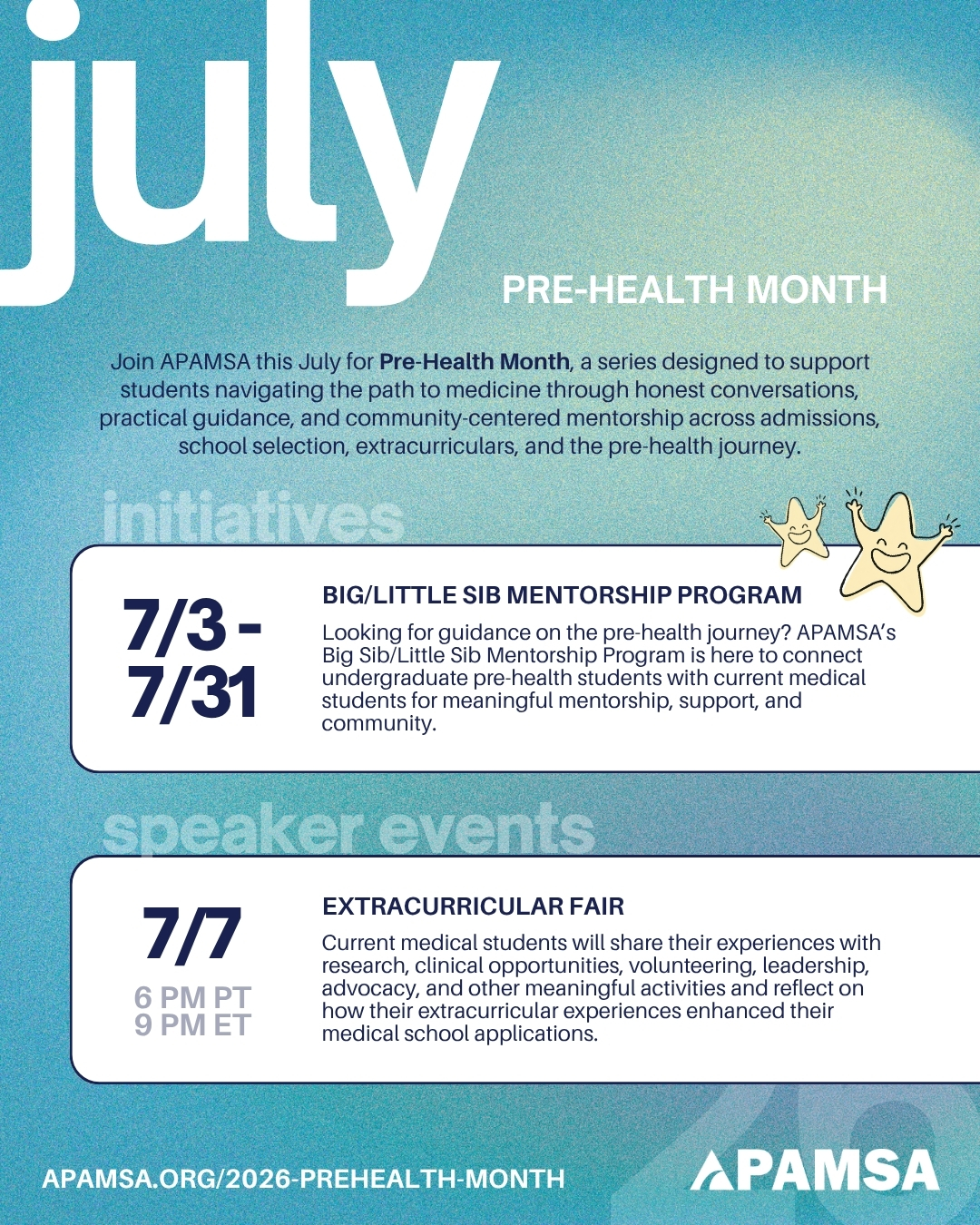
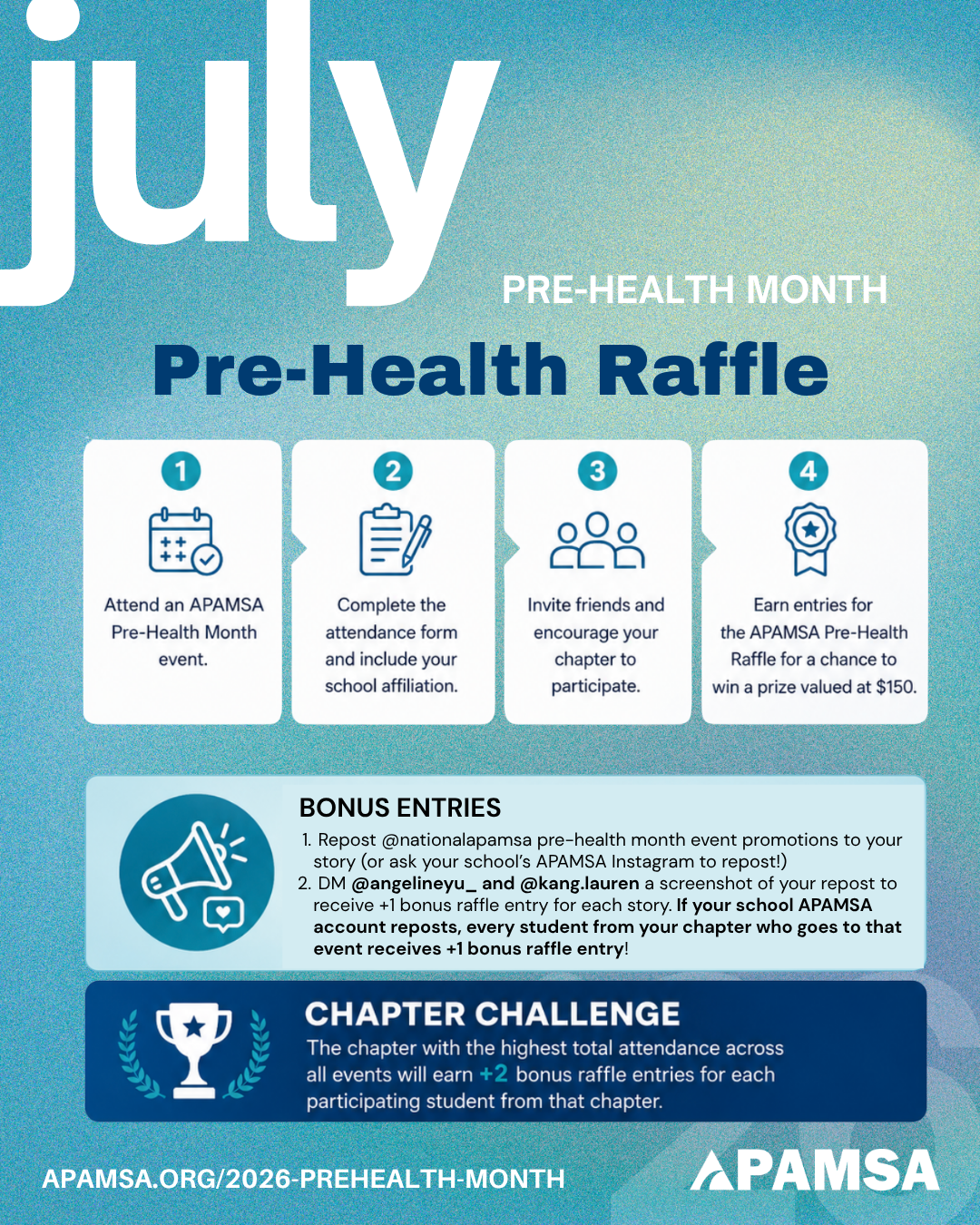
Join APAMSA this July for Pre-Health Month, a series designed to support students navigating the path to medicine through honest conversations, practical guidance, and community-centered mentorship across admissions, school selection, extracurriculars, and the pre-health journey.
July 1, 2026
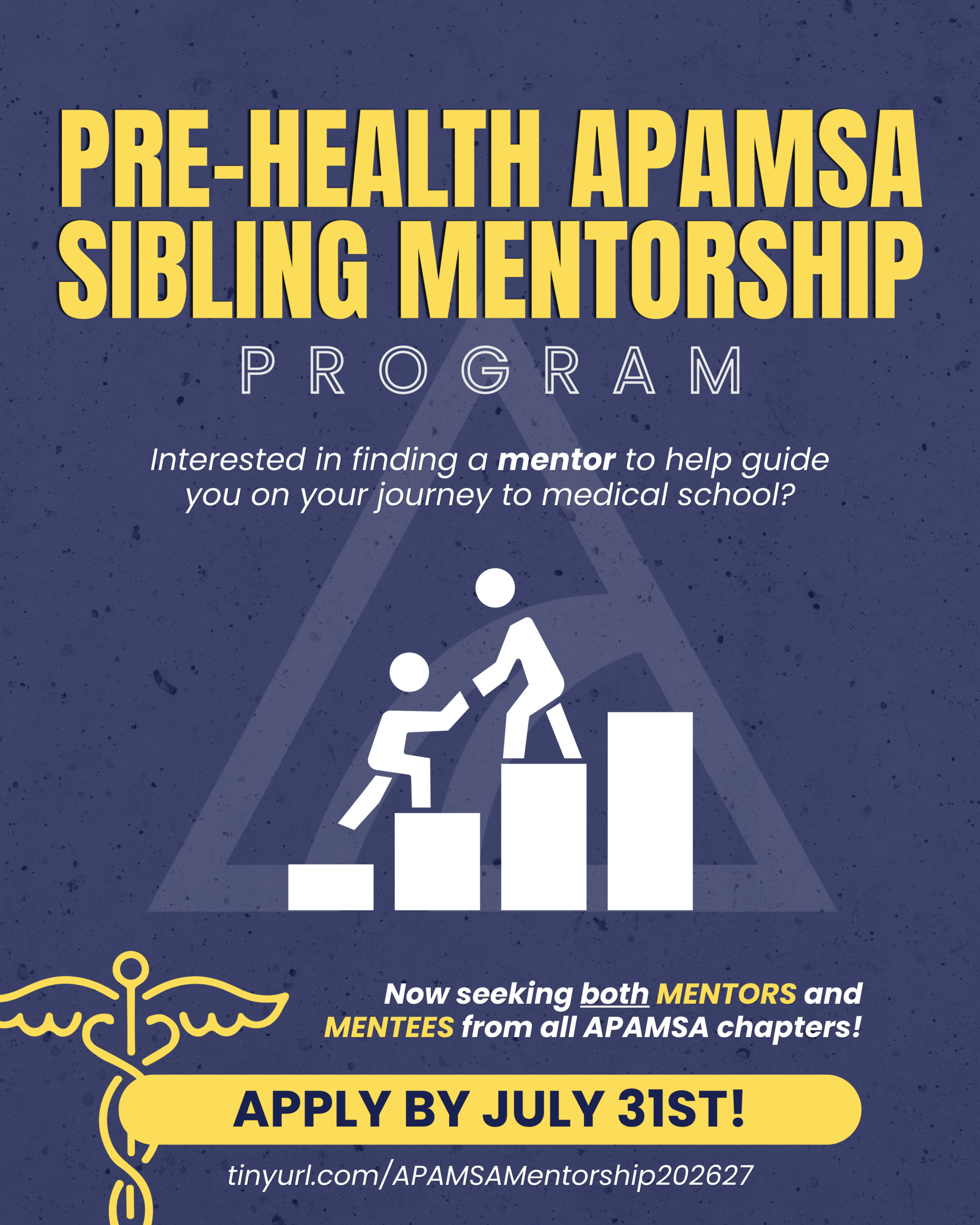
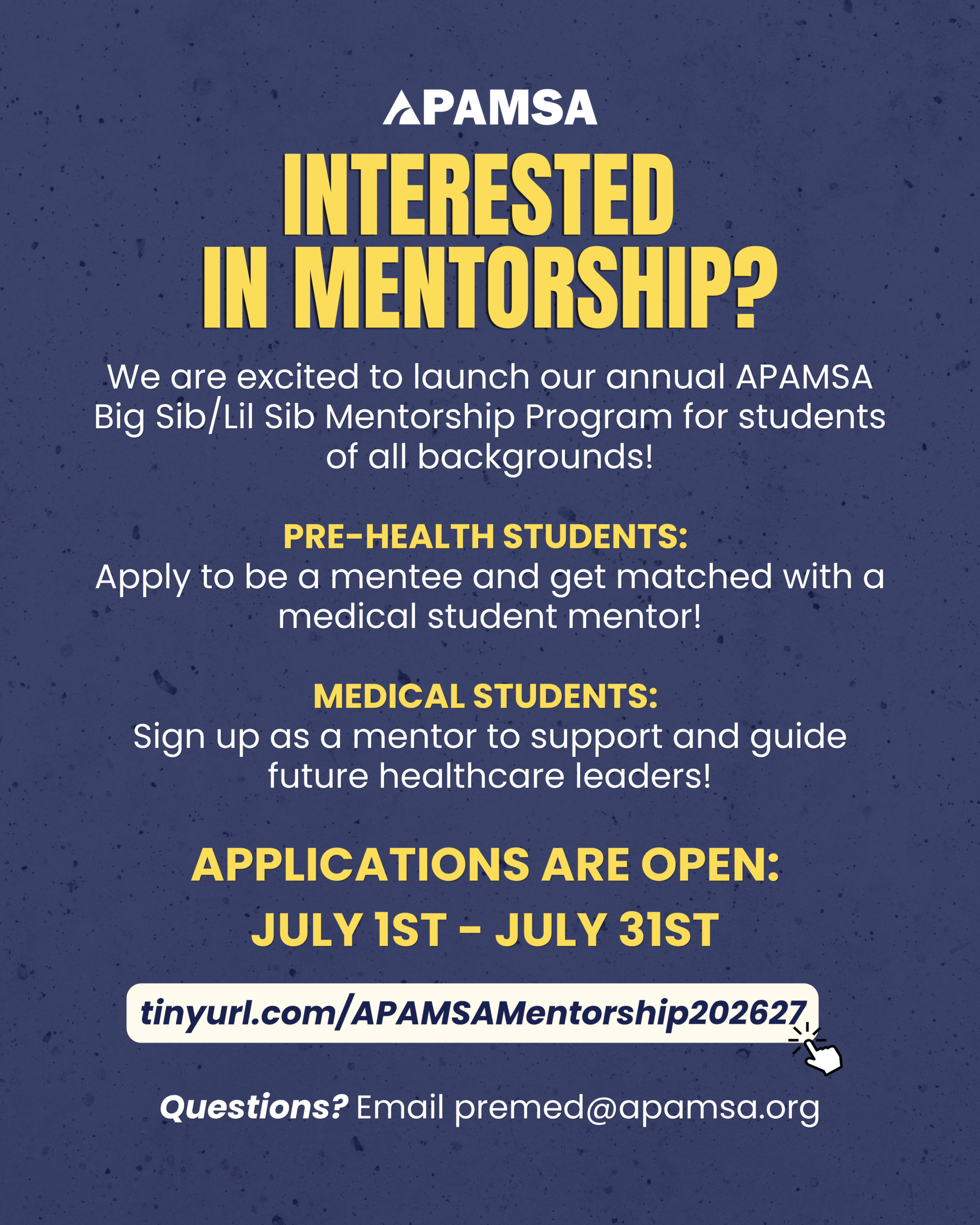
Looking for guidance on the pre-health journey? APAMSA’s Big Sib/Little Sib Mentorship Program is here to connect undergraduate pre-health students with current medical students for meaningful mentorship, support, and community.
Little Sibs can receive one-on-one guidance on course planning, personal statements, medical school applications, specialty exploration, and more. Big Sibs will have the opportunity to give back, build mentorship experience, and support the next generation of physicians.
NEW THIS YEAR: Little Sibs will get *exclusive access* to APAMSA’s list of Campus Ambassadors! The Ambassadors are current medical students who have generously volunteered to answer questions from pre-health students about their schools to faciliate the process of deciding which schools to apply to and attend.
This program is open for the 2026–2027 academic year, with quarterly check-ins and opportunities to connect at regional and national conferences.
Applications Closed
July 7, 2026
Are you looking for ways to get involved outside the classroom? Unsure which extracurriculars align with your interests and goals as a future healthcare professional?
Join APAMSA’s Pre-Health Month for our Extracurricular Fair, where medical students will share their experiences with research, clinical opportunities, volunteering, leadership, and other meaningful activities and reflect on how their extracurricular experiences enhanced their medical school applications. Discover new opportunities, ask questions, and learn how different extracurricular paths can help you grow personally and professionally while preparing for a career in medicine.
Date: July 7, 2026
Time: 6 PM PT | 9 PM ET
July 21, 2026
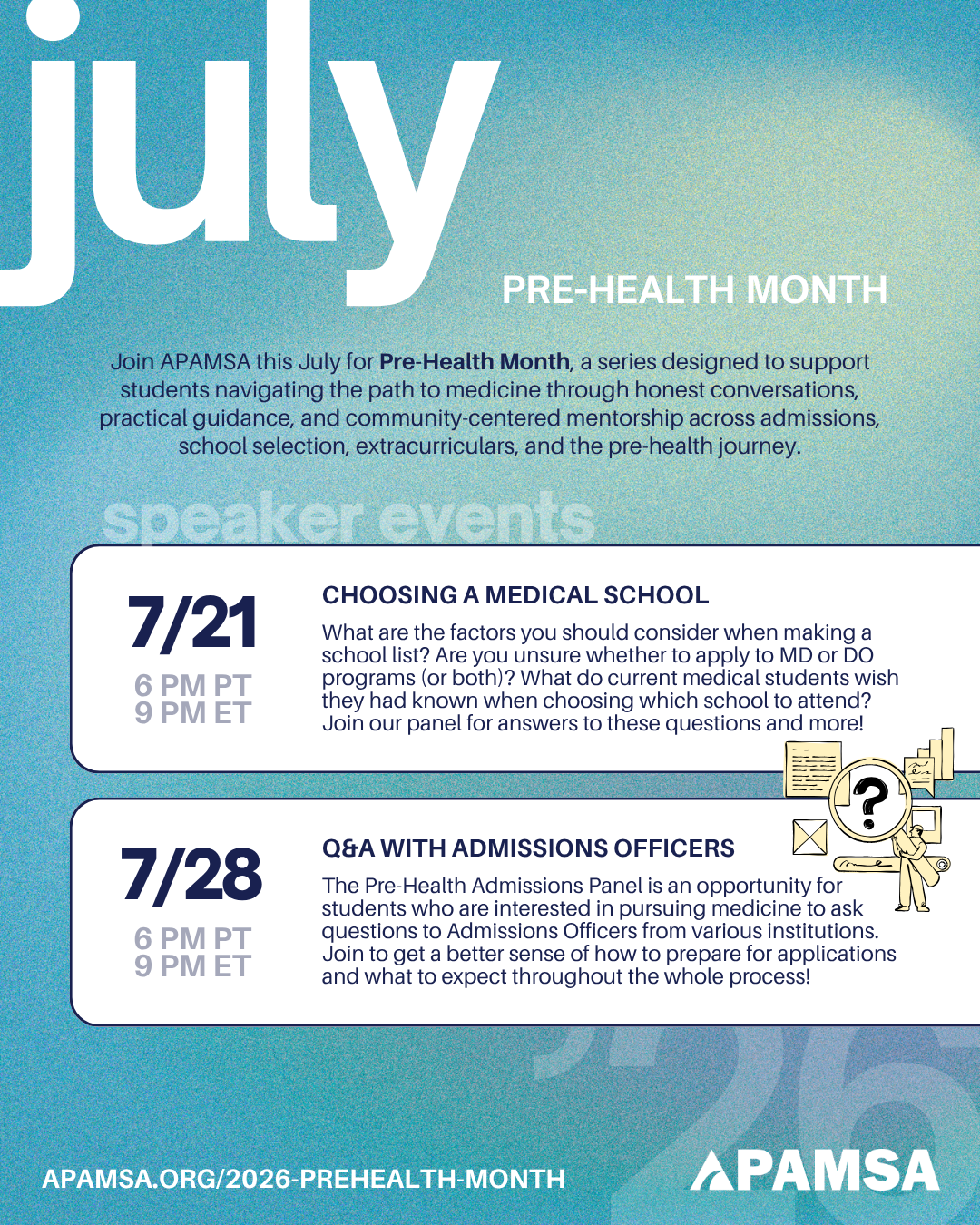
Are you stuck deciding between an MD or DO program? Are you unsure of what the difference between the two is? Join us for APAMSA’s Pre-Health Month as we explore the similarities, differences, and misconceptions between allopathic and osteopathic medicine. We’ll discuss differences in curriculum, licensing, philosophy of care, and residency competitiveness to help inform you of which path may be a better fit for you!
Date: July 21, 2026
Time: 6 PM PT | 9 PM ET
July 28, 2026
The Pre-Health Admissions Panel is an opportunity for students who are interested in pursuing medicine to ask questions to Admissions Officers from various institutions. Join to get a better sense of how to prepare for applications and what to expect throughout the whole process!
Date: July 28, 2026
Time: 6 PM PT | 9 PM ET
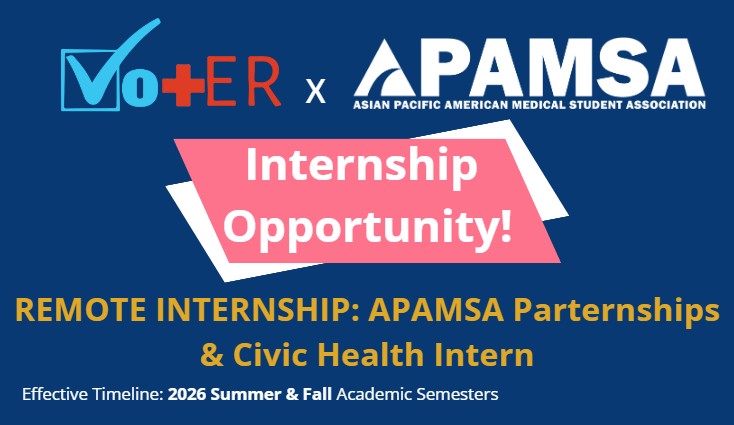
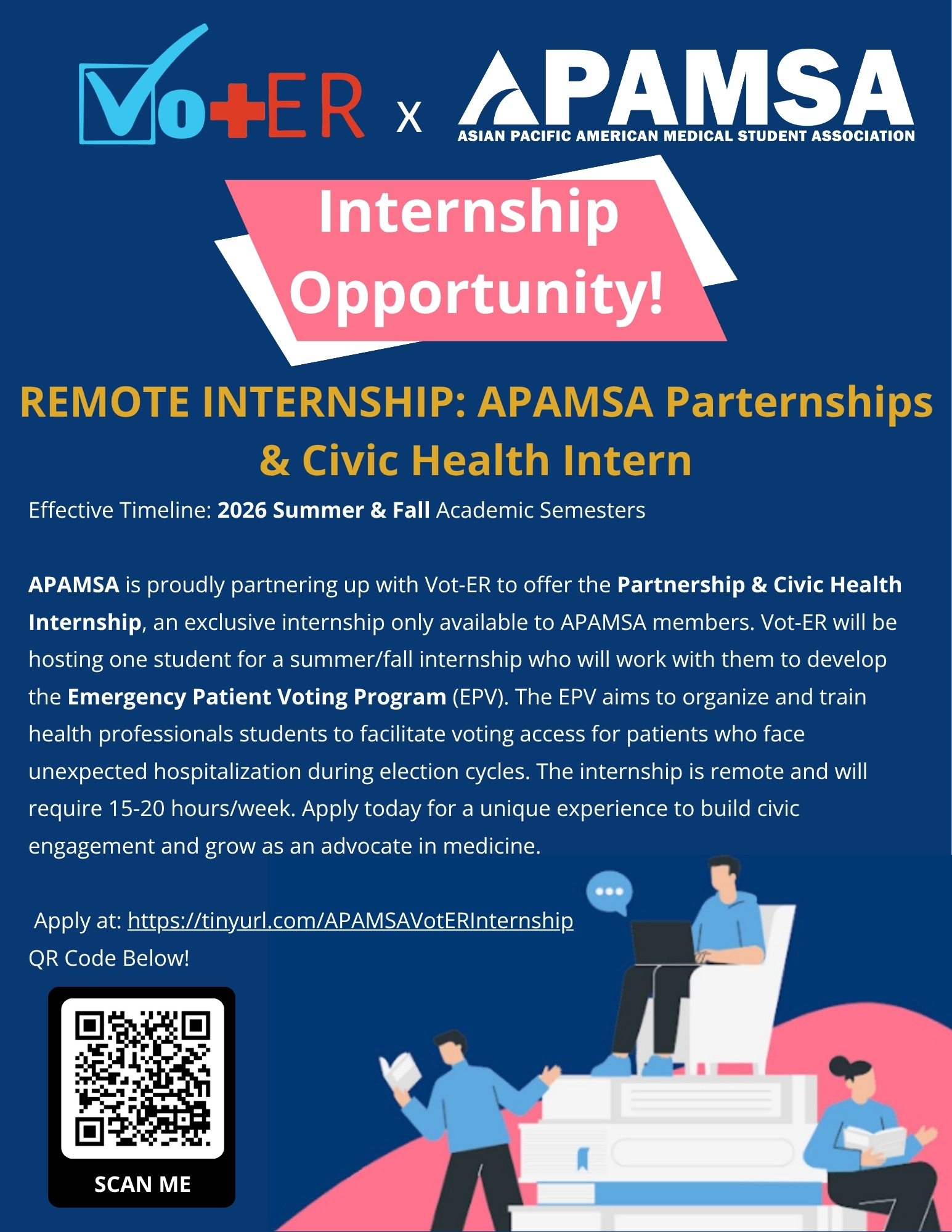
APAMSA x Vot-ER Partnerships Internship
Job Title: APAMSA Partnerships & Civic Health Intern
Effective Date: 2026 Summer & Fall Academic Semesters
Compensation: Academic Credit
Weekly Hourly Expectation: 15-20 hours/week
Note: This internship is only available to current members of Asian Pacific American Medical Student Association (APAMSA).
Job Summary: The Partnerships & Civic Health Intern will serve as a critical link between the Asian Pacific American Medical Student Association and Vot-ER, supporting Vot-ER as we continue to grow and deepen relationships with health institutions across the country. This role is designed for a proactive, detail-oriented student leader who is passionate about the intersection of health and democracy. You will be responsible for deepening current organizational ties, onboarding new partners, and spearheading a specialized initiative focused on the Emergency Patient Voting (EPV) Program.
Key Responsibilities:
1) Relationship Management: Support the Deputy Director of Partnerships in maintaining high-touch communication with existing partners to increase engagement.
2) Expansion: Actively identify and “bring into the fold” new health-related organizations to expand our national footprint beyond current partners.
3) Civic Holiday Orchestration: Prepare and execute mobilization strategies and communications assets for Civic Holidays (e.g., National Voter Registration Day, National Voter Education Week, Vote Early Day).
If you have any questions, feel free to contact advocacy@apamsa.org.
See the job posting and submit an application at: tinyurl.com/APAMSAVotERInternship
June 2026: Pride Month
June 2026: Pride Month
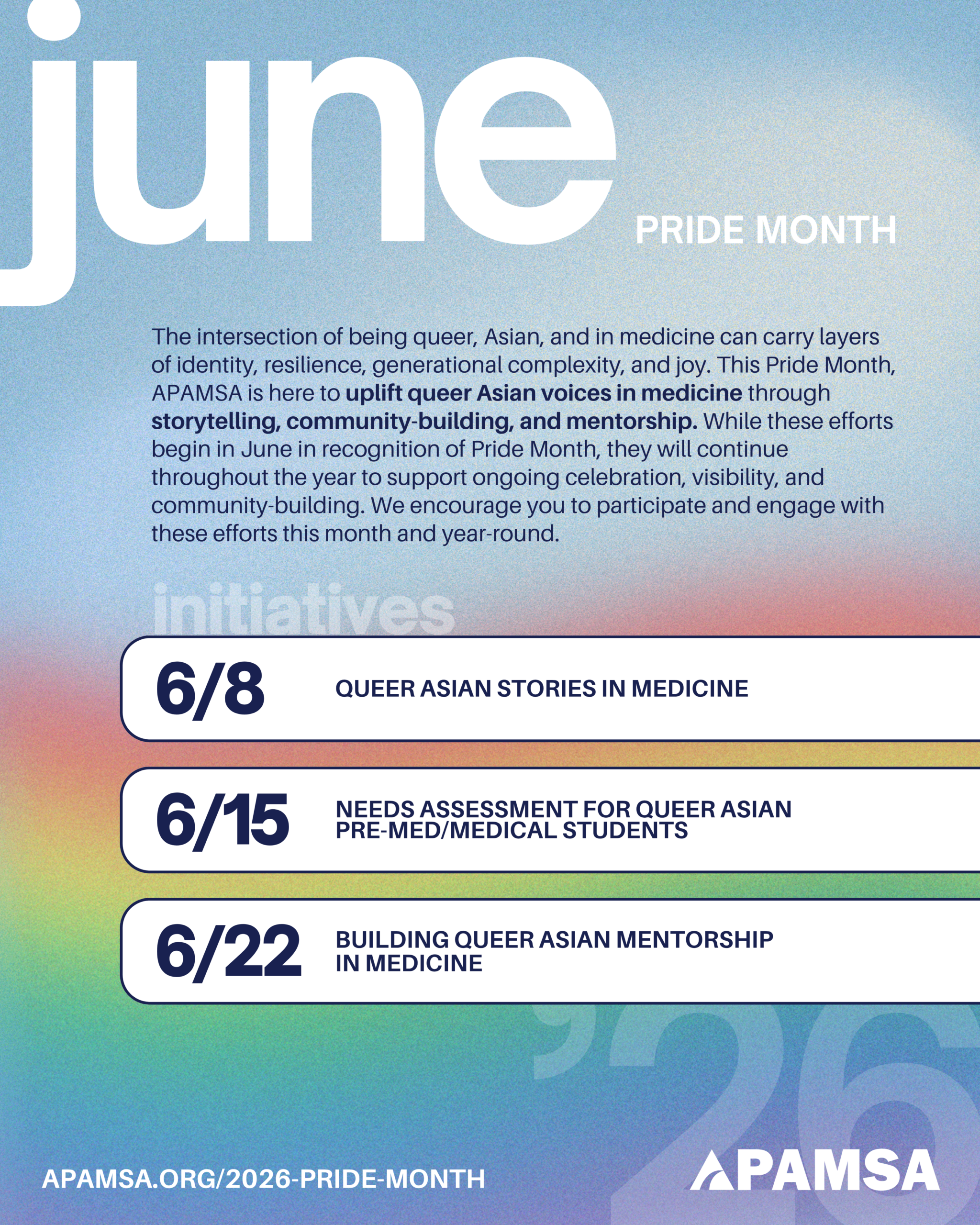
The intersection of being queer, Asian, and in medicine can carry layers of identity, resilience, generational complexity, and joy. This Pride Month, APAMSA is here to uplift queer Asian voices in medicine through storytelling, community-building, and mentorship. While these efforts begin in June in recognition of Pride Month, they will continue throughout the year to support ongoing celebration, visibility, and community-building. We encourage you to participate and engage with these efforts this month and year-round.
June 3, 2026
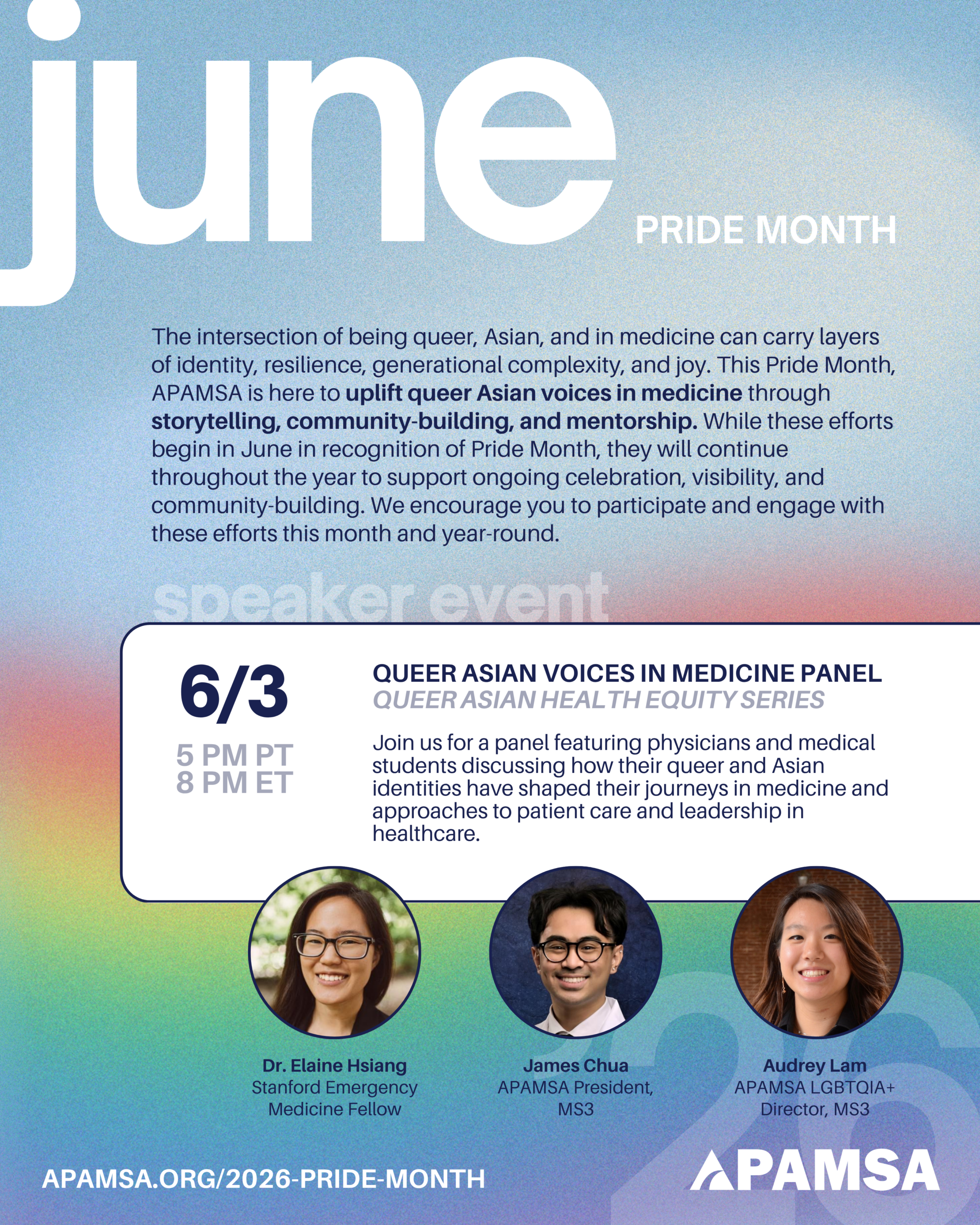
We are launching the Queer Asian Health Equity Series, a programming series that will be held throughout the year dedicated to exploring the intersections of queer Asian identity and health equity in medicine.
Our first event in the series is the Queer Asian Voices in Medicine panel, featuring physicians and medical students discussing how their queer and Asian identities have shaped their journeys in medicine and approaches to patient care and leadership in healthcare. Participants will also have the opportunity to connect with other queer Asians in medicine and engage in meaningful conversation and community-building.
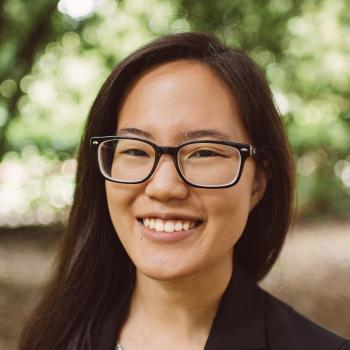
Dr. Elaine Hsiang
Stanford
Emergency Medicine Fellow
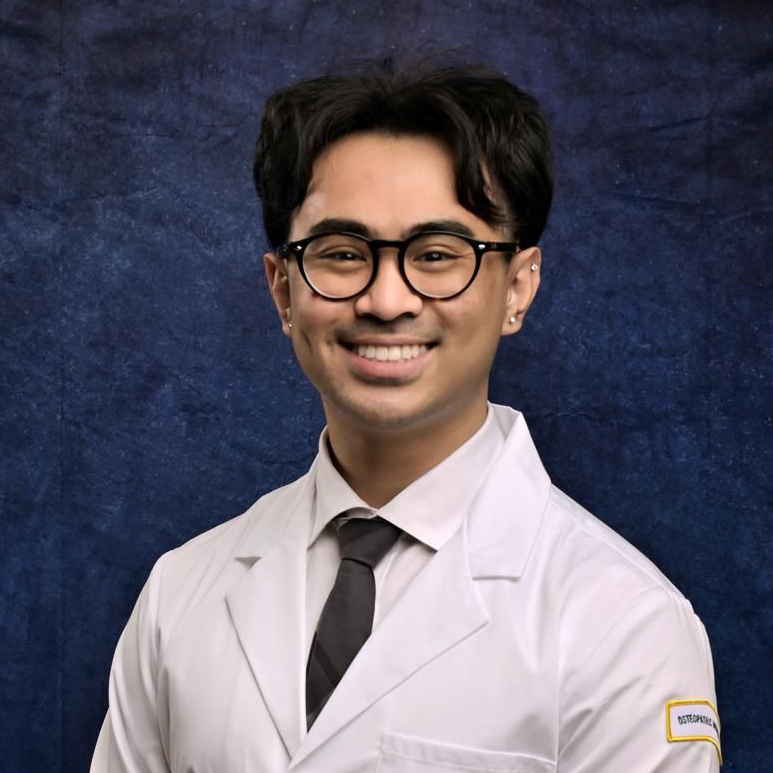
James Chua
APAMSA President
MS3
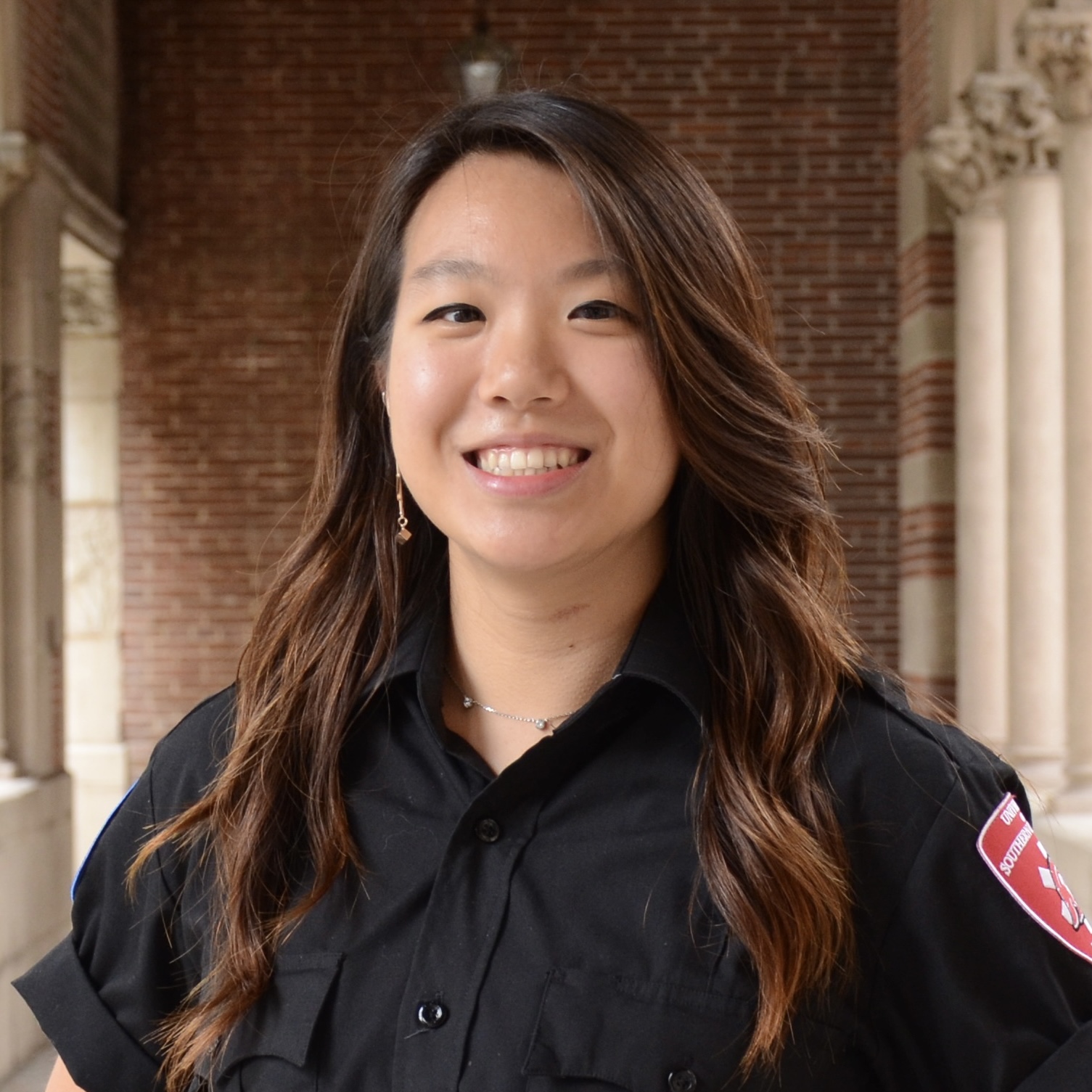
Audrey Lam
APAMSA LGBTQIA+ Director
MS3
Date: Wednesday, June 3, 2026
Time: 5 PM PT | 8 PM ET
June 8, 2026
This Pride Month, National APAMSA’s LGBTQIA+ Committee is highlighting Queer Asian Voices in Medicine, a year-long initiative inviting queer Asians in medicine and healthcare to share their stories and experiences.
We want to hear from you! Visit the link below to submit your story. The form will remain open year-round, but please submit by June 22nd to be featured during Pride Month.
June 15, 2026
National APAMSA’s LGBTQIA+ Committee is conducting this needs assessment to better understand the experiences, needs, interests, and priorities of queer Asian pre-medical and medical students. The goal of this survey is to guide future programming, educational content, advocacy efforts, mentorship opportunities, and community-building initiatives that are meaningful, inclusive, and representative of our members.
We want to hear from you! Visit the link below to complete the survey. Responses will be reviewed on a rolling monthly basis, but we encourage early submissions. Your responses are anonymous unless you choose to provide contact information.
Estimated completion time: 5-10 minutes
June 22, 2026
This Pride Month, National APAMSA’s LGBTQIA+ Committee is launching a Queer Asian Physician Mentorship Project to help queer Asian pre-health and medical students connect with physicians and trainees across specialties.
This directory is designed to support conversations around medicine, identity, career development, and community. Visit the link below to view the mentor list.
2026 Founders' Scholarship Award Winner
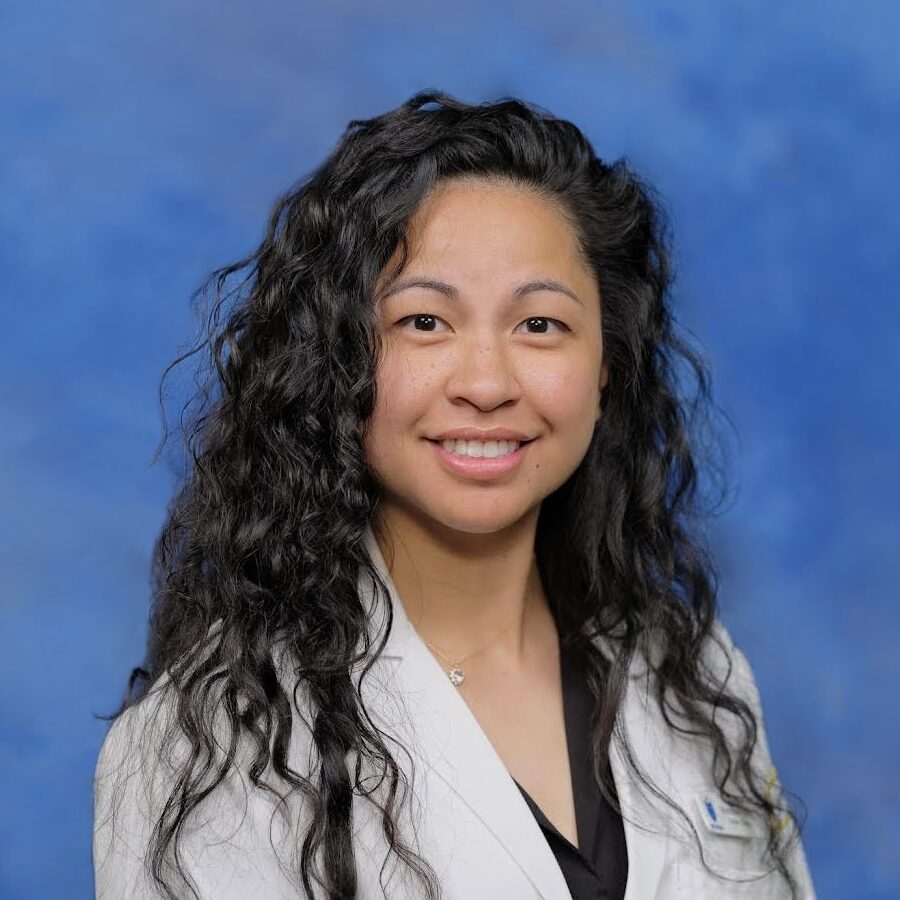
Momilani TupuTouro University Nevada
Momilani Tupu is a third-year medical student at Touro University Nevada with a focus on health equity and policy advocacy. She serves as a Student Representative on the American College of Osteopathic Internists (ACOI) Committee on Ethnically and Racially Underrepresented Populations in Medicine, where she works to address academic and career pipeline barriers for AANHPI students and physicians. At the local level, Momilani is an active member of the Ninth Island Aunties, coordinating food and hygiene assistance for underserved communities in the Las Vegas Valley. Her current research examines healthcare access among Native Hawaiians and Pacific Islanders in Nevada, aiming to fill a critical data gap for the growing diaspora. Additionally, through the Clark County Medical Society, Momilani advocates for legislative efforts to disaggregate AANHPI data within medical systems. This work is centered on ensuring that health resources and government programs accurately reflect and serve the specific needs of diverse AANHPI populations.
May 2026: AANHPI Heritage Month
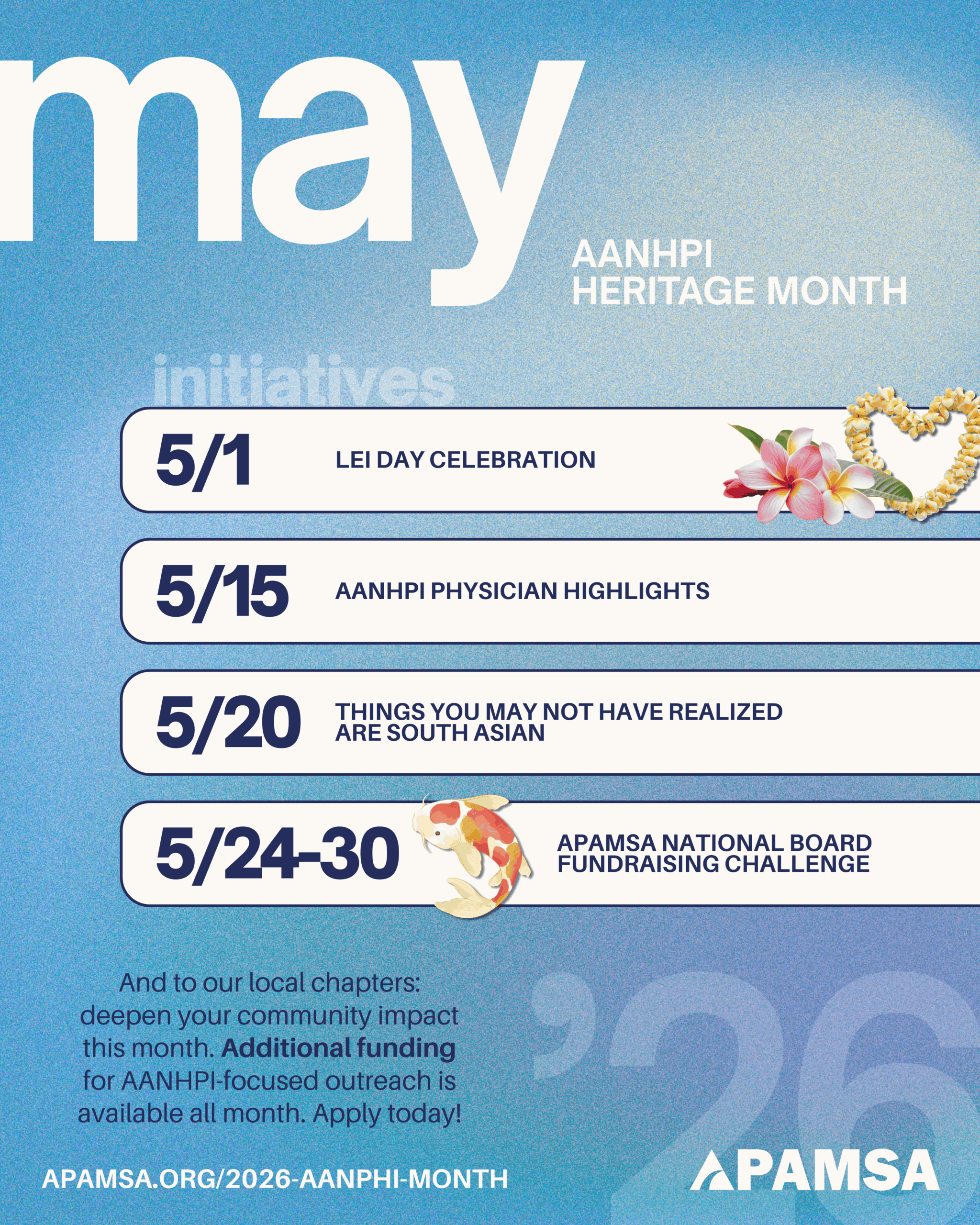
May 2026: AANHPI Heritage Month
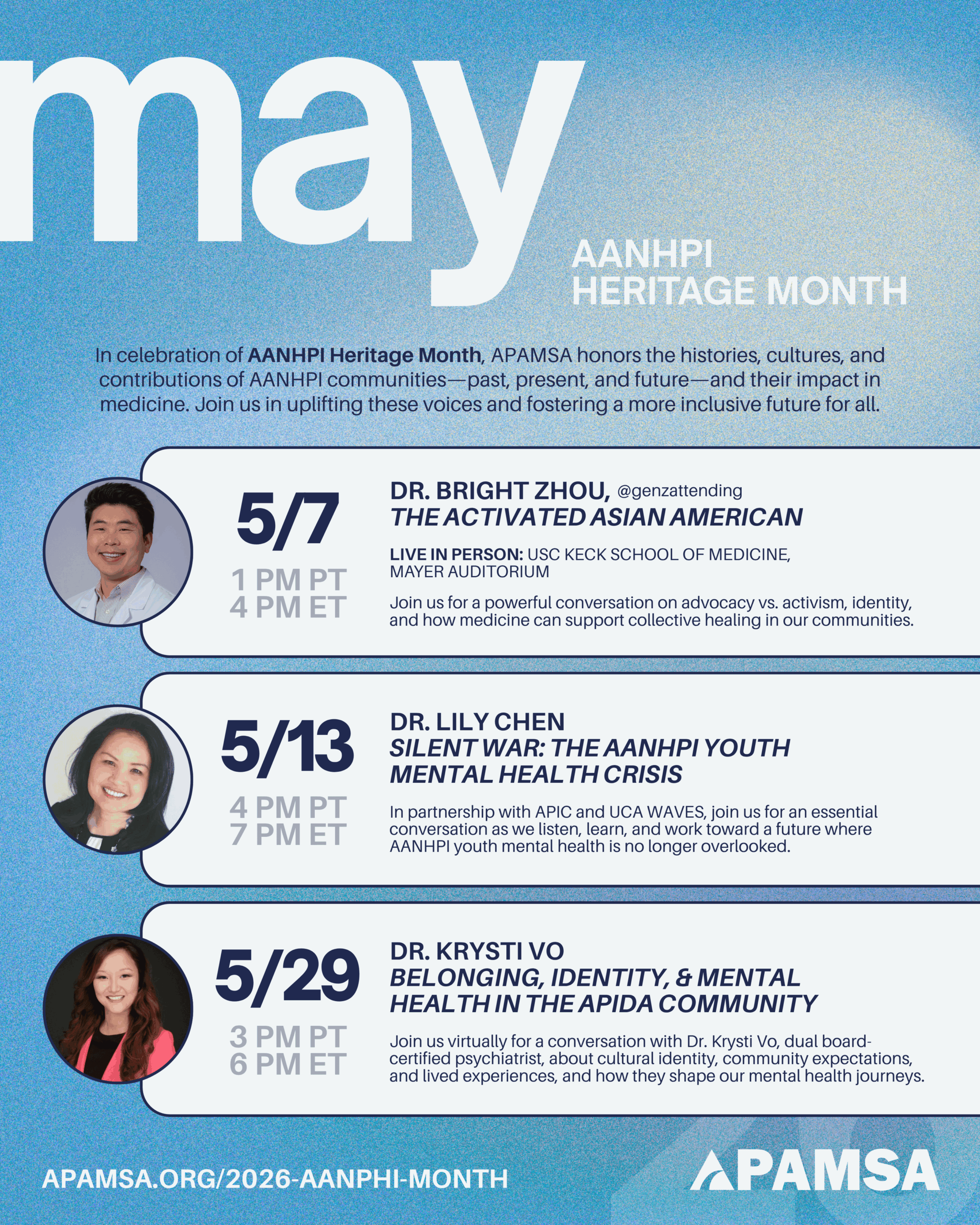
In celebration of AANHPI Heritage Month, APAMSA honors the histories, cultures, and contributions of AANHPI communities—past, present, and future—and their impact in medicine. Join us as we celebrate the past, present, and future of AANHPI culture and its intersections with health and medicine.
To our local chapters: we encourage you to deepen your community impact this month! Additional funding for AANHPI-focused outreach is available all month.
May 1, 2026
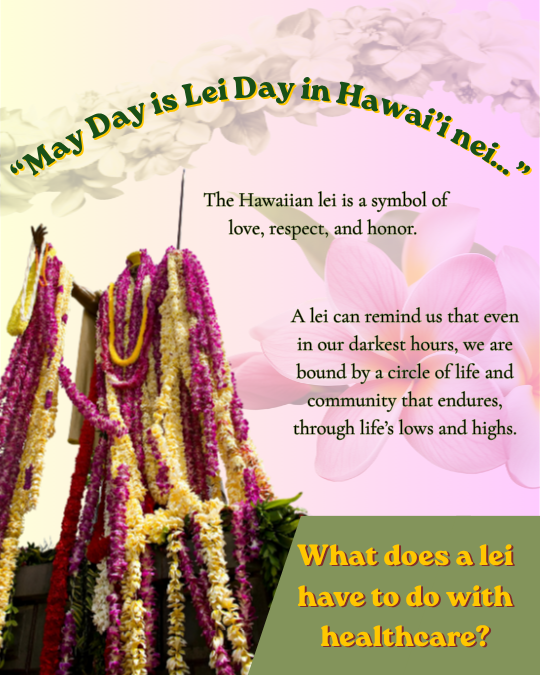
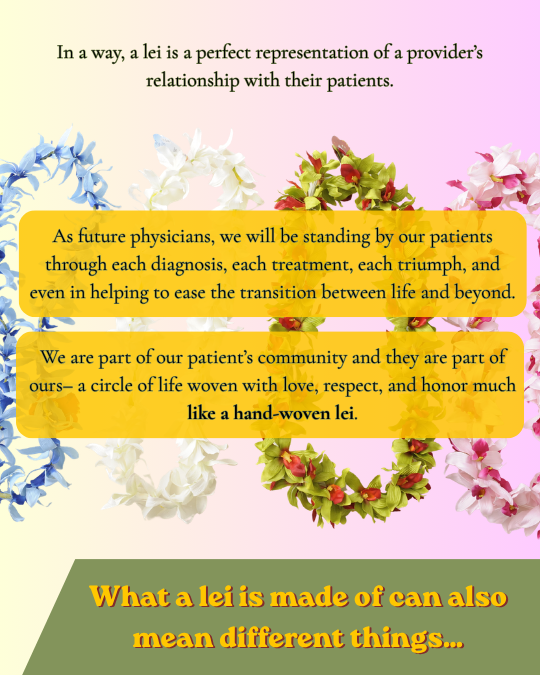
Rooted in Hawaiʻi’s rich cultural history, Lei Day began in 1928 as a celebration of aloha, a day to honor connection, kindness, and community through the giving of lei. What started as a simple idea grew into a lasting tradition that reflects the beauty of relationships woven with intention and care. Celebrate the spirit of Lei Day with us by reflecting on the connections that shape your journey in medicine and beyond. From our APAMSA ʻohana to yours, we wish you a joyful and meaningful Lei Day!

May 7, 2026
Dr. Bright Zhou’s talk, “The Activated Asian American,” is a timely conversation on advocacy vs. activism, identity, and how medicine can support collective healing in our communities. Dr. Zhou is an attending at USC FMR, whose journey into medicine began in archaeology, excavating ancient sites around the world. Today, they bring that same curiosity to patient care: centering storytelling, advancing culturally reflective medicine, and advocating for linguistically and culturally inclusive healthcare.
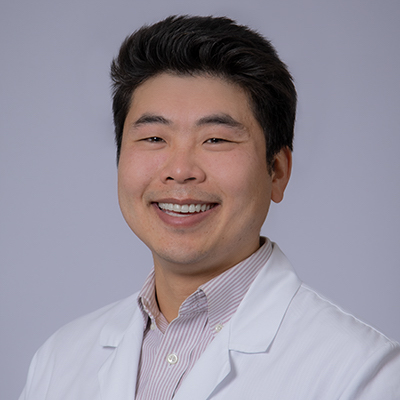
Dr. Bright Zhou, MD, MS
Family Medicine, USC
Day: Thursday, May 7, 2026
Time: 1 PM PT | 4 PM ET
In-person: USC Keck School of Medicine, Mayer Auditorium
Virtual option available
May 13, 2026
Asian Americans experience some of the highest rates of mental distress, yet they remain among the least likely to seek support. Stigma, cultural taboos, and the model minority myth continue to create systemic barriers that prevent many from accessing the care they need. It is time to break the silence and confront this crisis directly. Please join APAMSA for a virtual program hosted through the Asian and Pacific Islander Caucus for Public Health, in partnership with the United Chinese Association WAVES (Wellness, Advocacy, Voices, Education, Support). We are honored to welcome Dr. Lily Chen, who will lead an important discussion on “Silent War: The AAPI Youth Mental Health Crisis.” Join us for an essential conversation as we listen, learn, and work toward a future where AANHPI youth mental health is no longer overlooked.
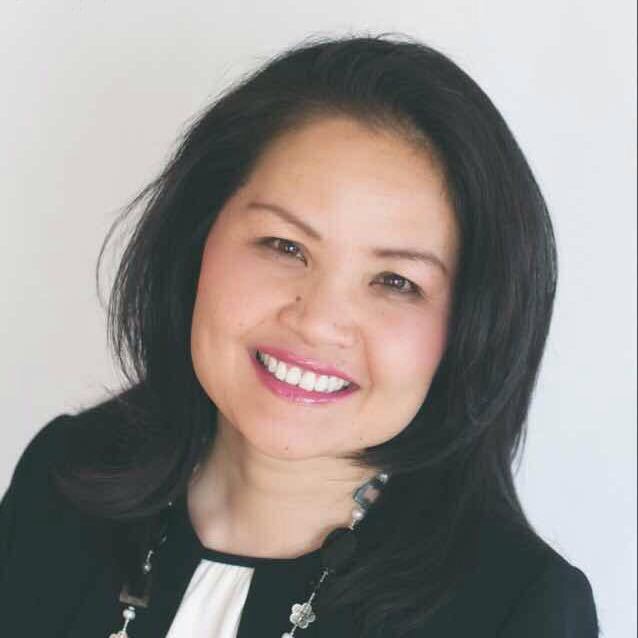
Dr. Lily Chen
Founder & Executive Director of UCA WAVES
Day: Wednesday, May 13, 2026
Time: 4 PM PT | 7 PM ET
May 15, 2026
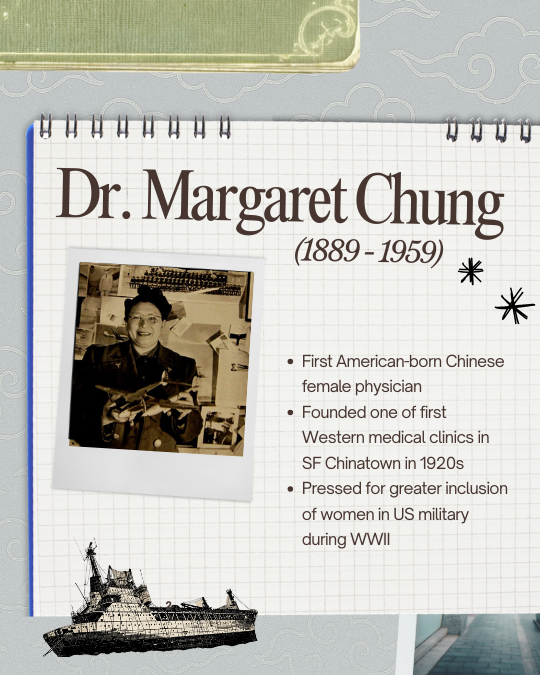
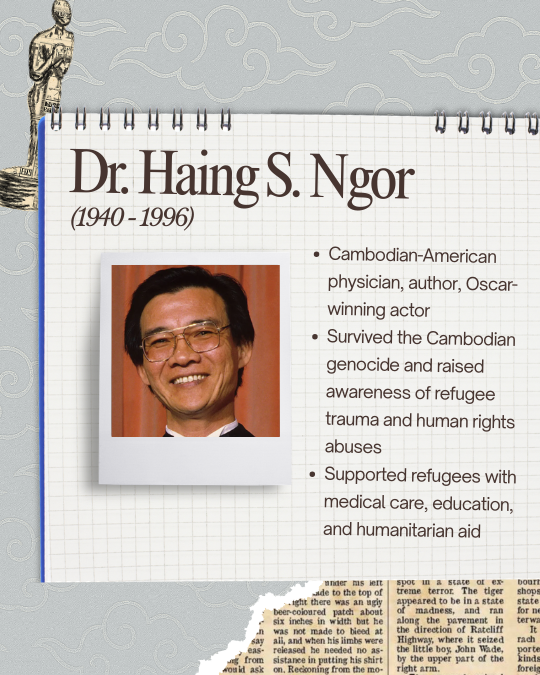
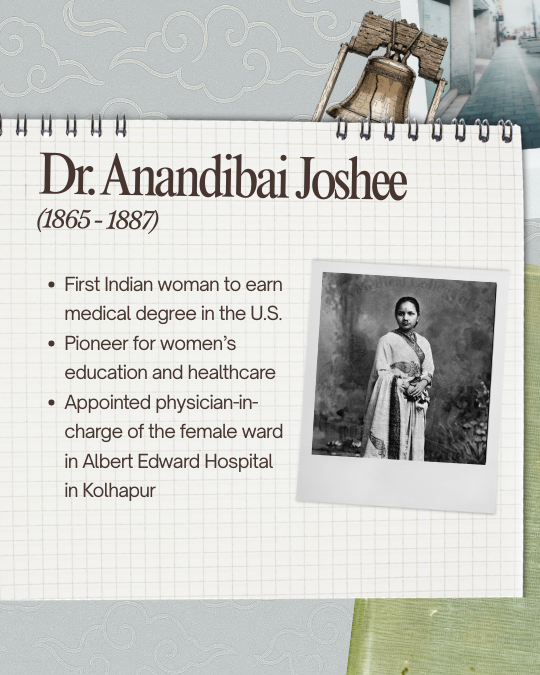
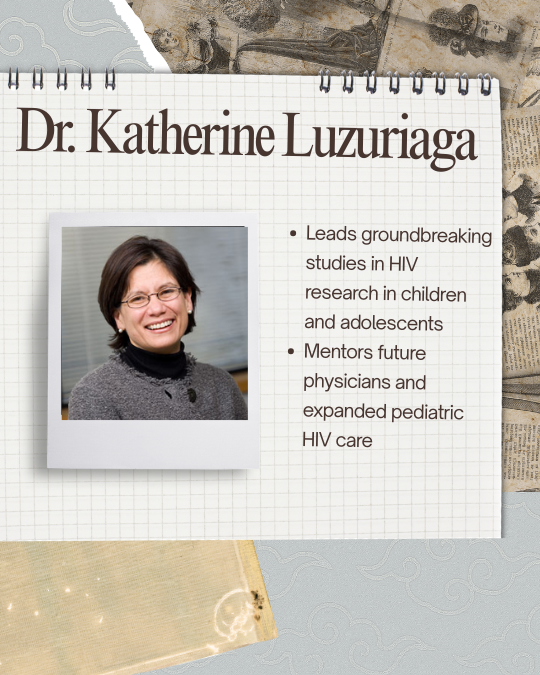
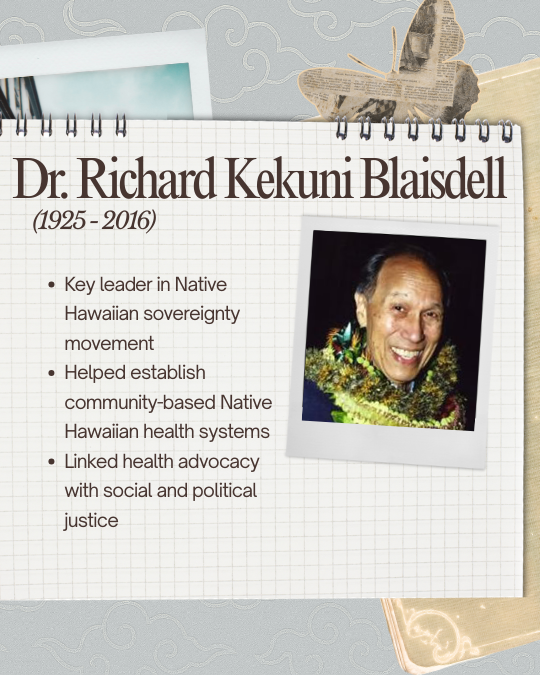
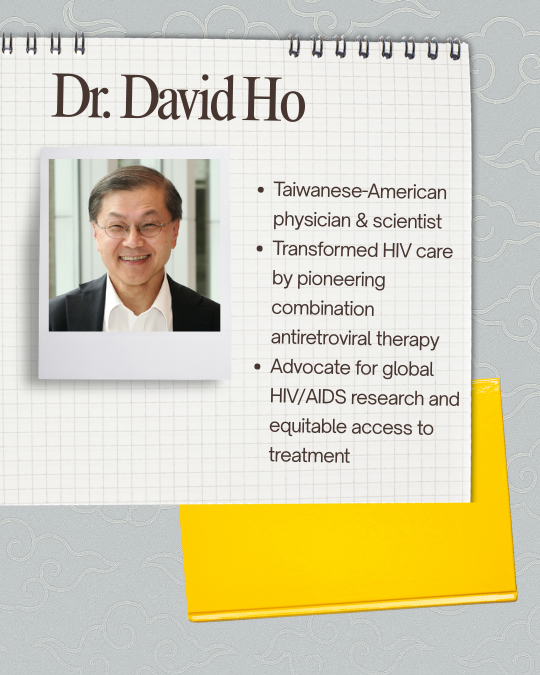
National APAMSA honors the legacy of AANHPI physician advocates who have shaped medicine, challenged inequities, and uplifted communities, often against the odds. From breaking barriers in training to leading movements for health equity, their work reminds us that representation isn’t just about presence, it’s also about impact.
Their voices have advanced culturally responsive care, expanded access for underserved populations, and redefined what it means to be a physician-leader. Because of them, future generations don’t just enter medicine, they belong in it.
As we celebrate their contributions, we also recognize the responsibility we carry forward: to advocate, to serve, and to continue building a more equitable healthcare system for all.
May 20, 2026
See our post on Instagram!
May 29, 2026
APAMSA is proud to collaborate with Dr. Krysti Vo, dual board-certified psychiatrist, for a meaningful conversation exploring identity, belonging, and mental health within the AANHPI community and medical training spaces. Together, we’ll discuss how cultural identity, community expectations, and lived experiences shape mental health journeys for students and future physicians, while highlighting the importance of advocacy, representation, and culturally informed support systems. Join us for an engaging dialogue centered on healing, connection, and empowering the next generation of AANHPI healthcare leaders.
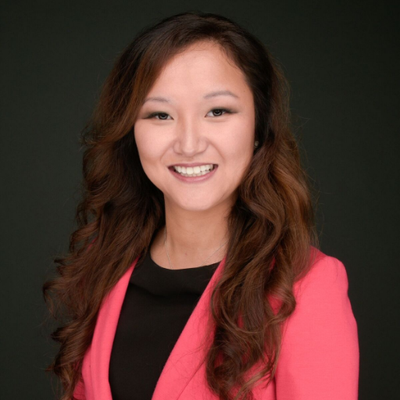
Dr. Krysti Vo
Dual Board-Certified Psychiatrist
Day: Friday, May 29, 2026
Time: 3 PM PT | 6 PM ET
May 24-30, 2026
Close out AANHPI Heritage Month with APAMSA’s nationwide Fundraising Week, taking place May 24–May 30. Follow along on Instagram as our National Board members lead fundraising efforts through their stories, highlighting the impact of our work and the communities we serve. Every donation directly supports student-led community health initiatives, expands outreach, and empowers future physicians to address critical health disparities.
April 2026: Bootcamp Series
April 2026: Bootcamp Series
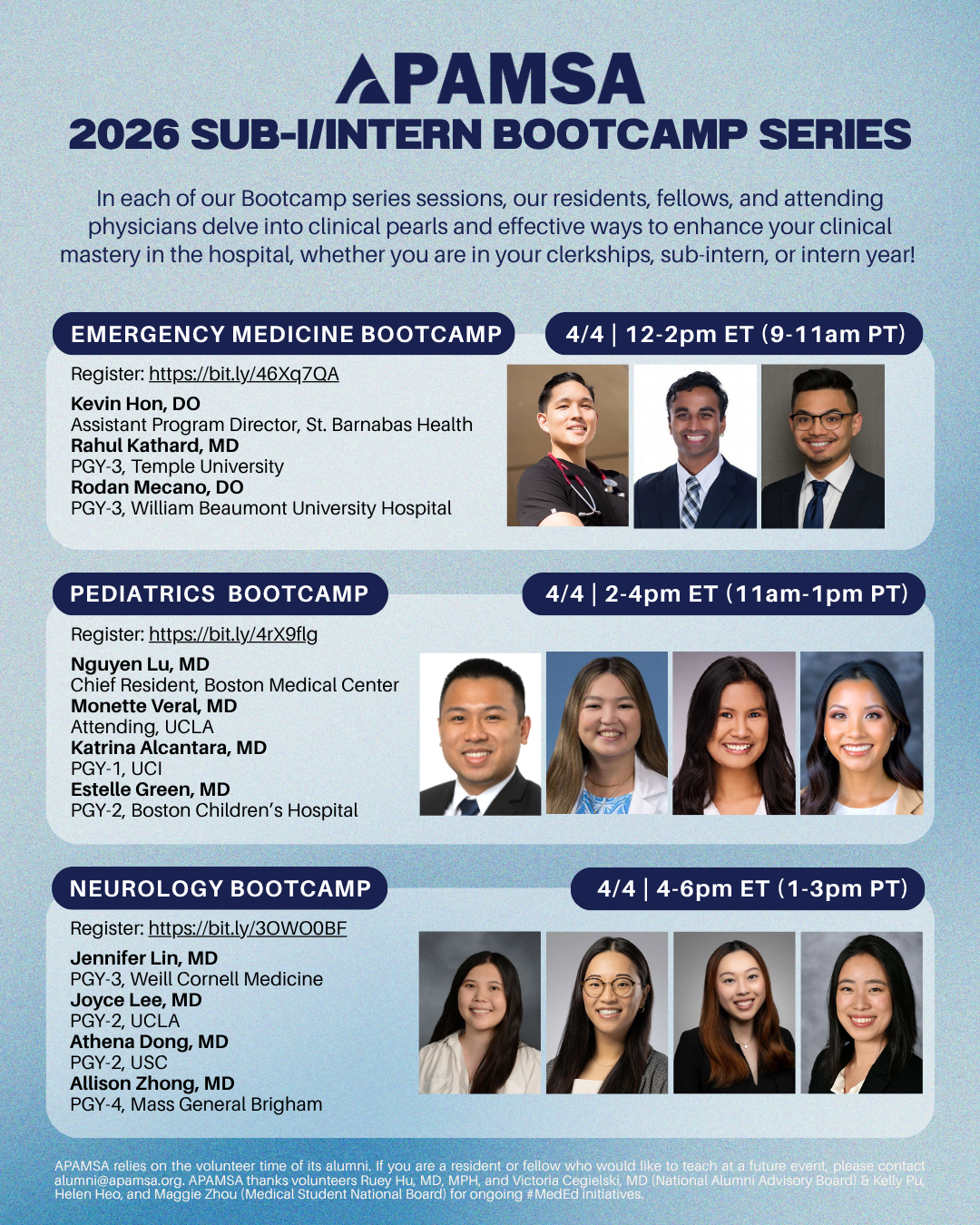
Each bootcamp is a two-hour workshop led by residents and early-career attendings offering high-yield information to help with preparations for sub-internships and intern year. Many high-yield topics are also relevant to third-year medical students preparing for clerkships, making our Bootcamp Series valuable for a broad range of learners across the country (and even internationally).
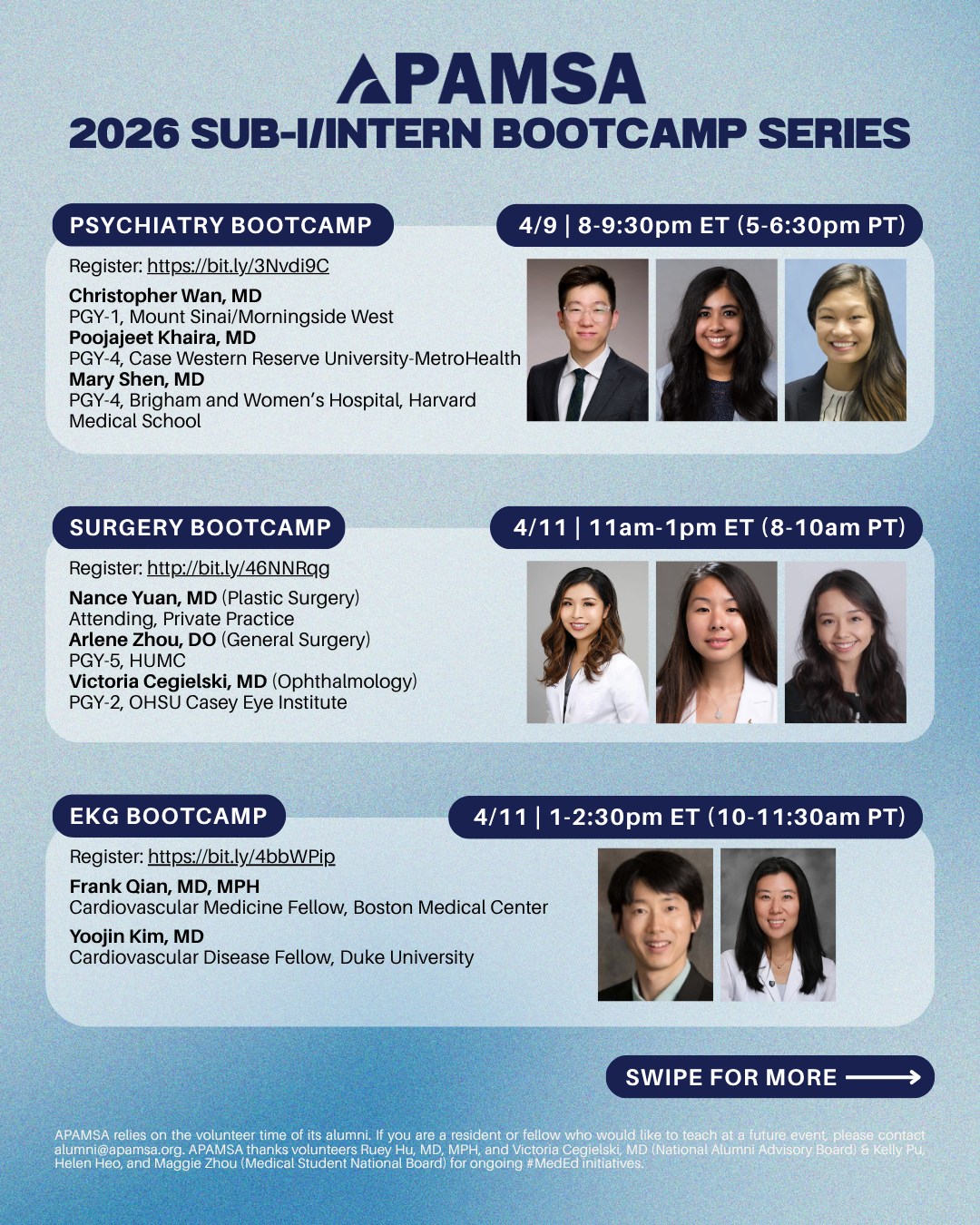
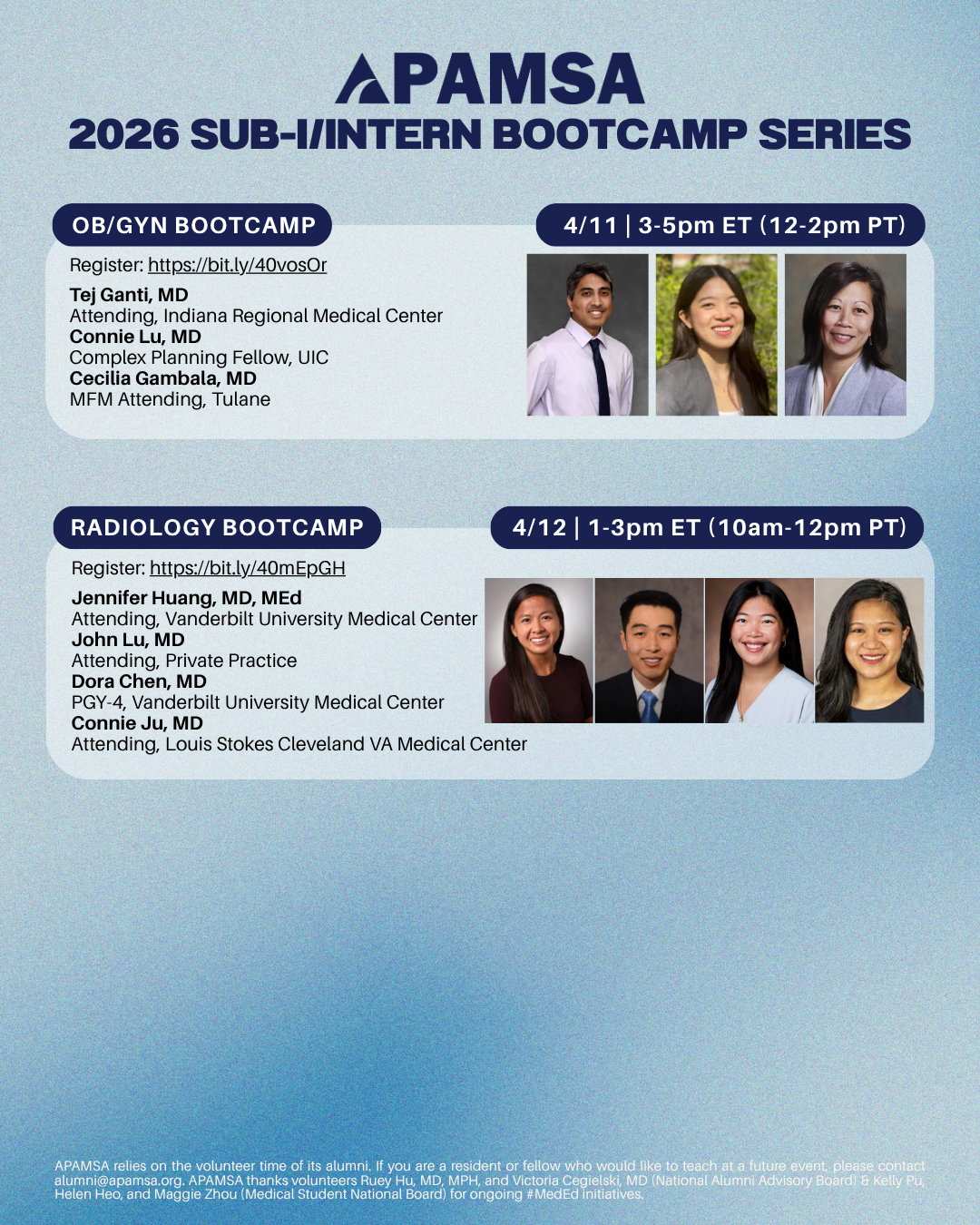
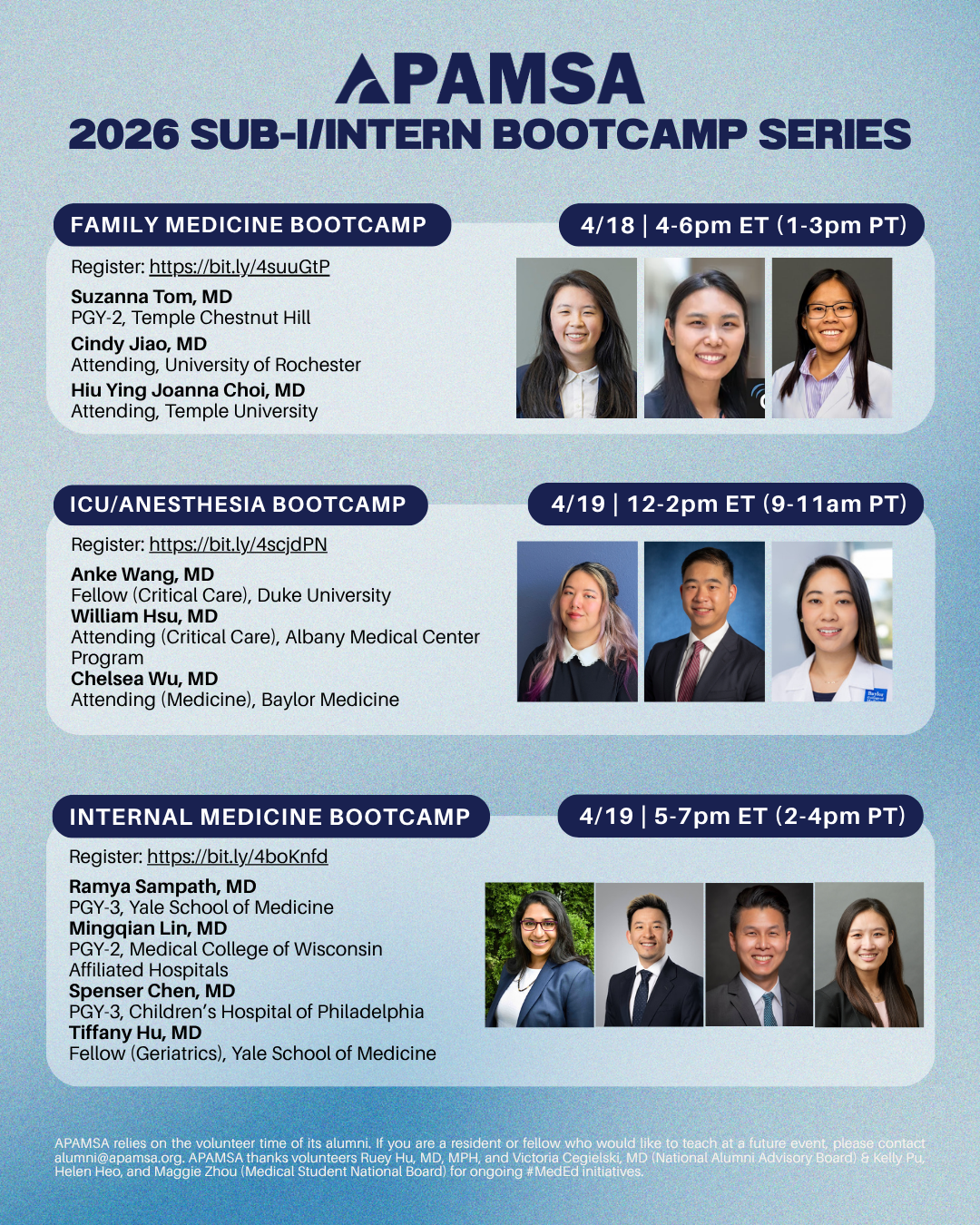
April 4th, 2026
Kevin Hon, DO
Assistant Program Director
St. Barnabas Health
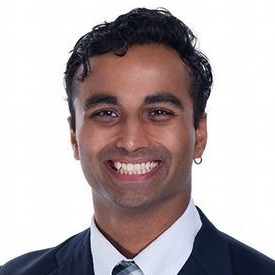
Rahul Kathard, MD
PGY-3
Temple University
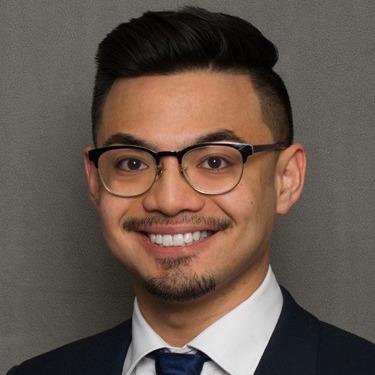
Rodan Mecano, DO
PGY-3
William Beaumont University Hospital
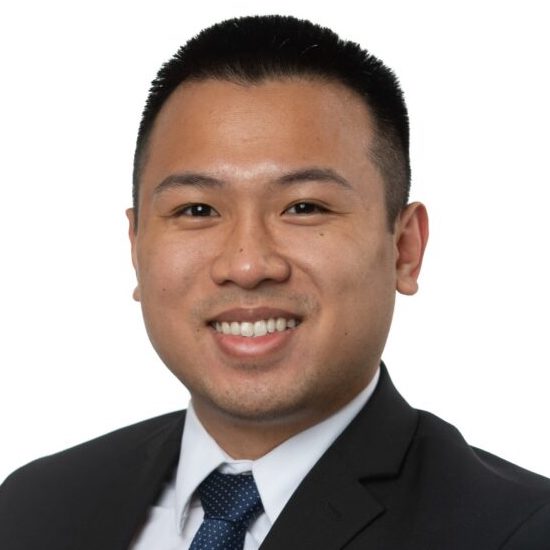
Nguyen Lu, MD
Chief Resident
Boston Medical Center
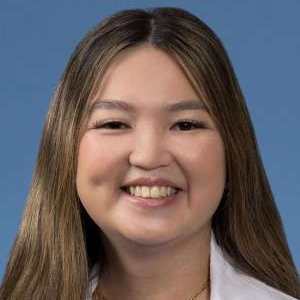
Monette Veral, MD
Attending
UCLA
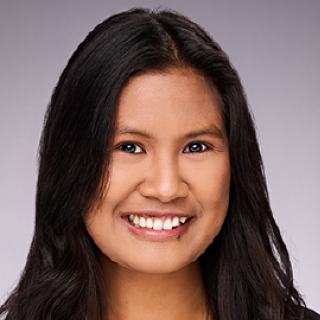
Katrina Alcantara, MD
PGY-1
UCI
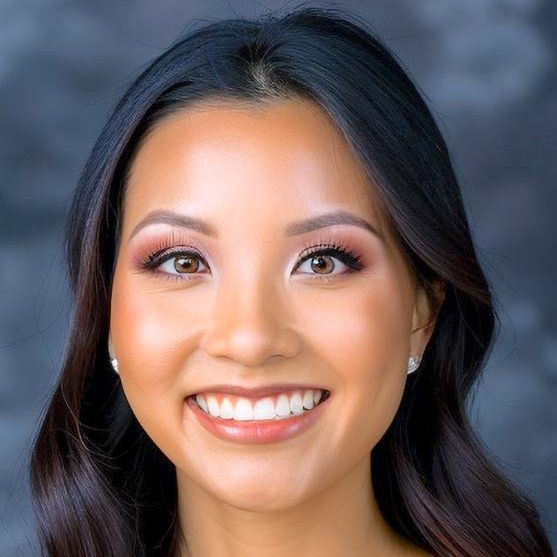
Estelle Green, MD
PGY-2
Boston Children's Hospital
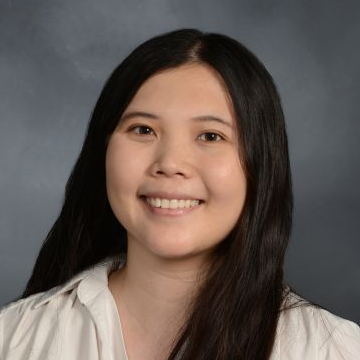
Jennifer Lin, MD
PGY-3
Weill Cornell Medicine
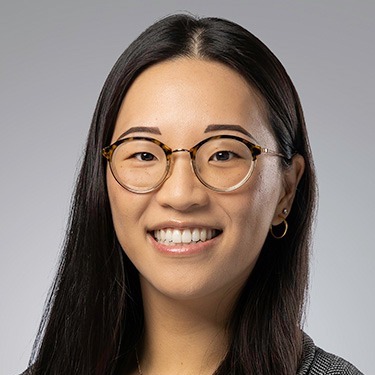
Joyce Lee, MD
PGY-2
UCLA
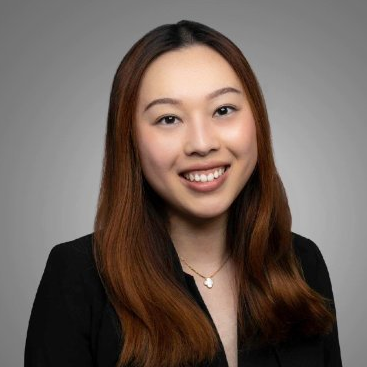
Athena Dong, MD
PGY-2
USC
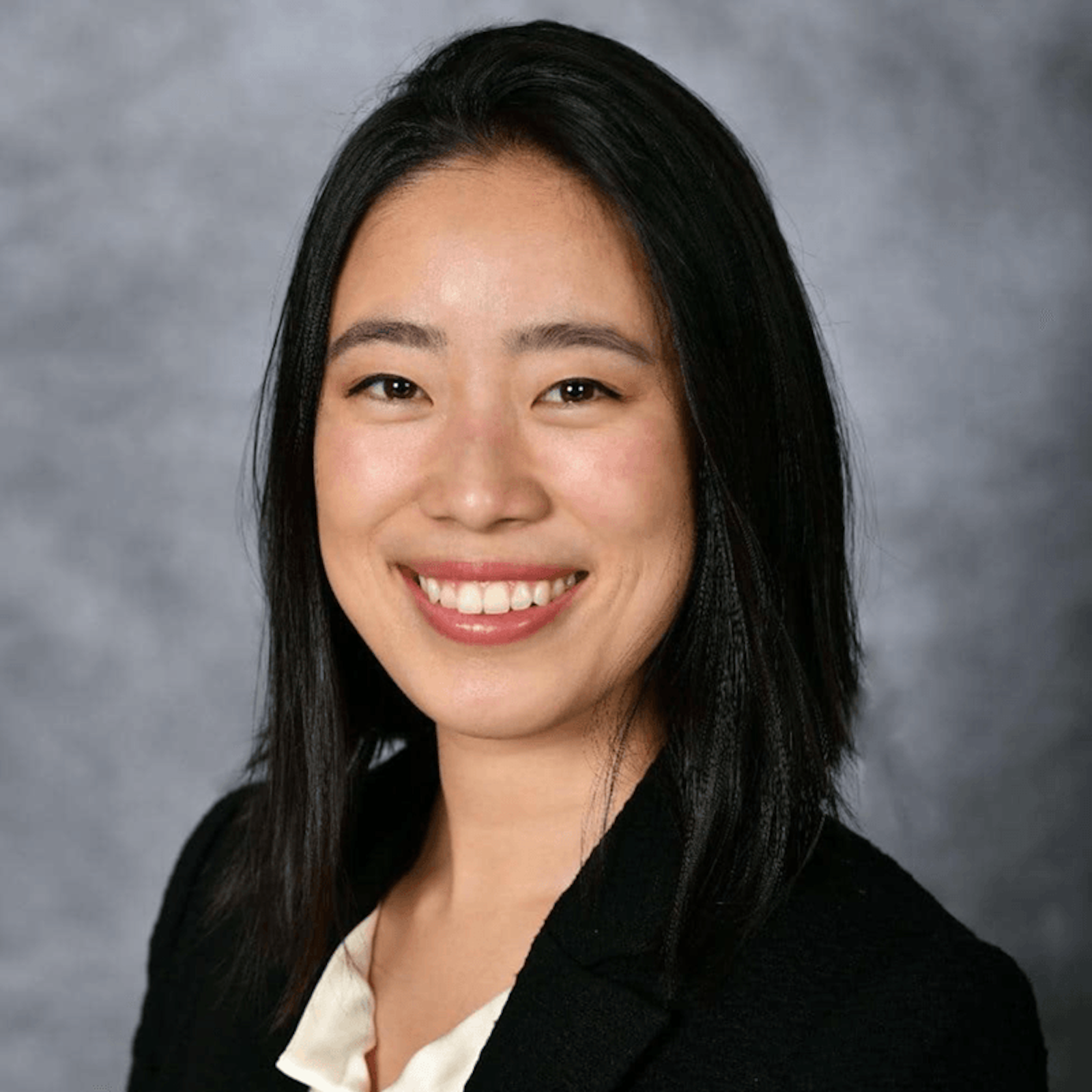
Allison Zhong, MD
PGY-4
Mass General Brigham
April 9th, 2026
Christopher Wan, MD
PGY-1
Mount Sinai/ Morningside West
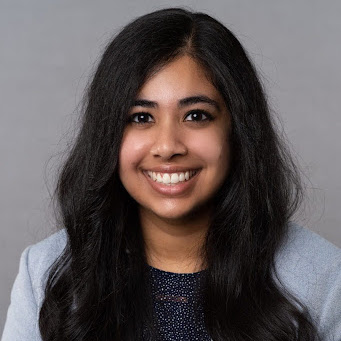
Poojajeet Khaira, MD
PGY-4
Case Western Reserve University-MetroHealth
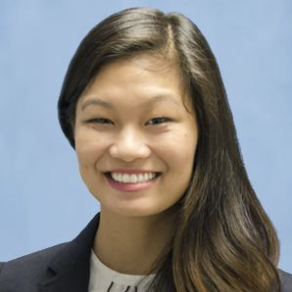
Mary Shen, MD
PGY-4
Brigham and Women's Hospital, Harvard Medical School
April 11th, 2026
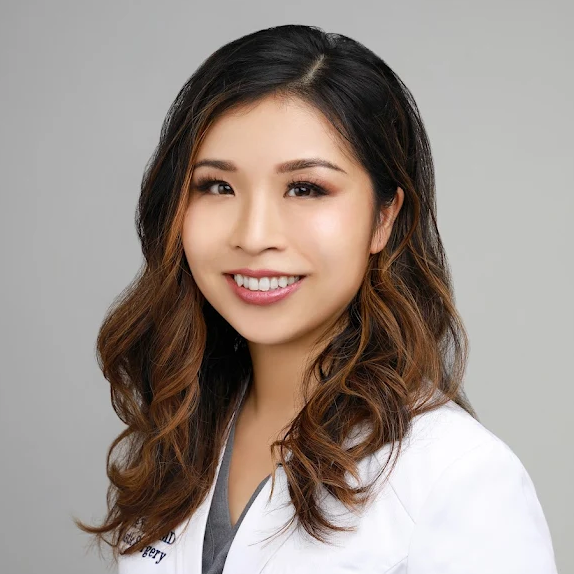
Nance Yuan, MD
Plastic Surgery
Attending
Private Practice
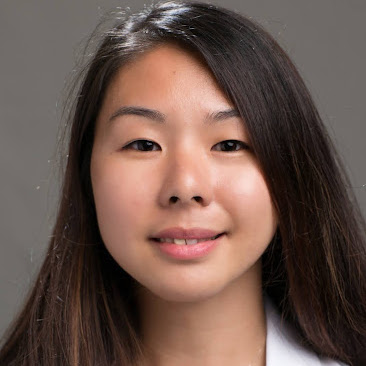
Arlene Zhou, DO
General Surgery
PGY-5
HUMC

Victoria Cegielski, MD
Ophthalmology
PGY-2
OHSU Casey Eye Institute
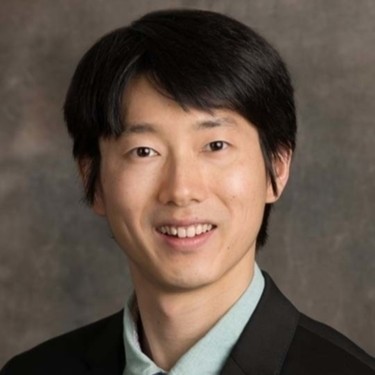
Frank Qian, MD, MPH
Cardiovascular Medicine Fellow
Boston Medical Center
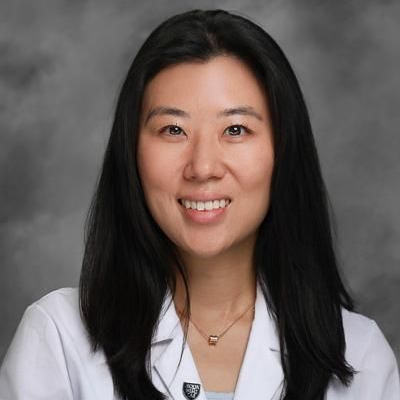
Yoojin Kim, MD
Cardiovascular Disease Fellow
Duke University
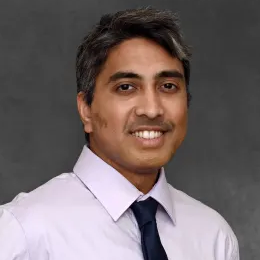
Tej Ganti, MD
Attending
Indiana Regional Medical Center

Connie Lu, MD
Complex Planning Fellow
UIC
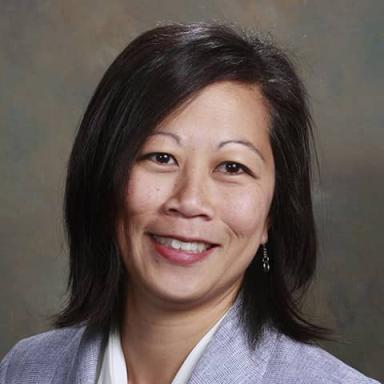
Cecilia Gambala, MD
MFM Attending
Tulane
April 12th, 2026
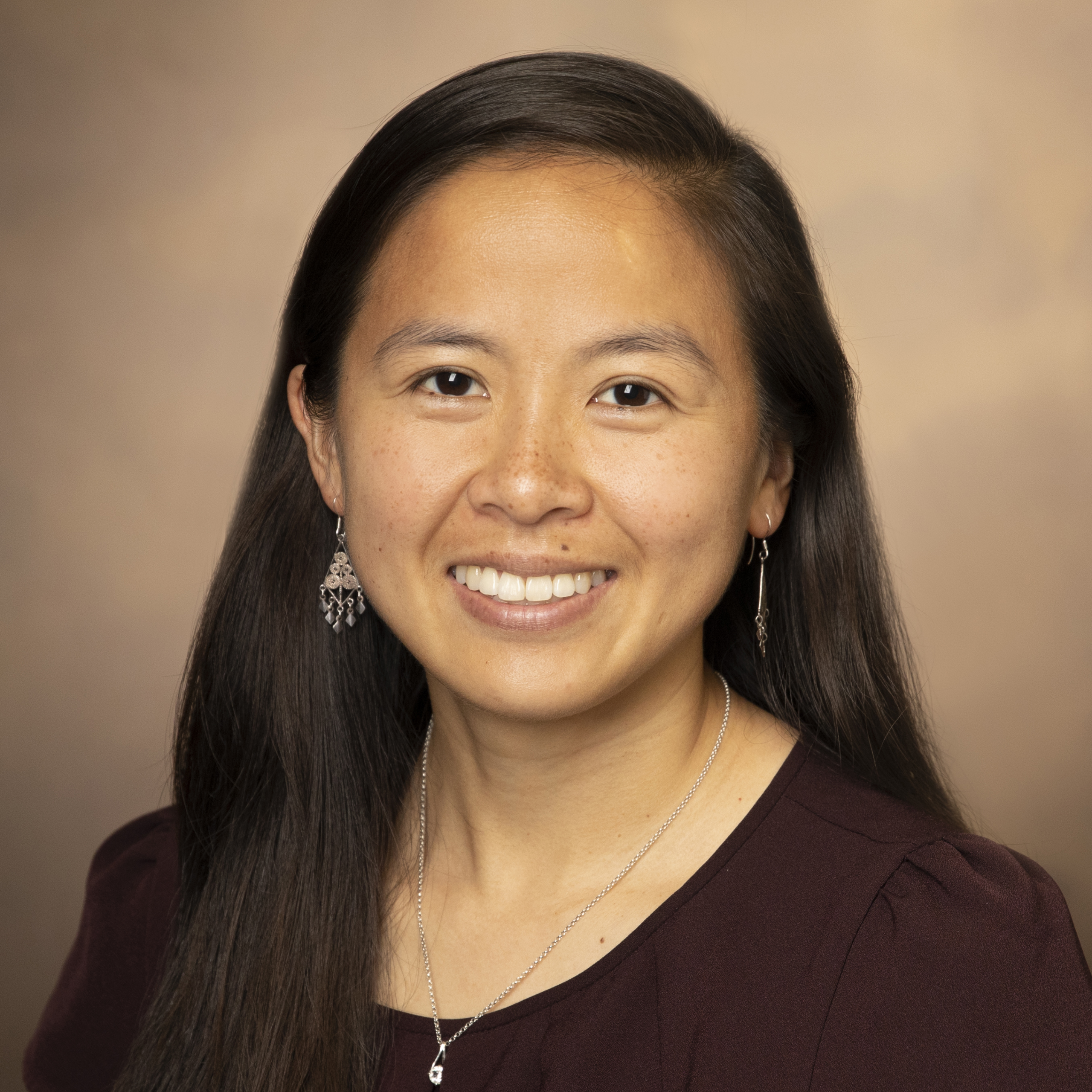
Jennifer Huang, MD, MEd
Attending
Vanderbilt University Medical Center
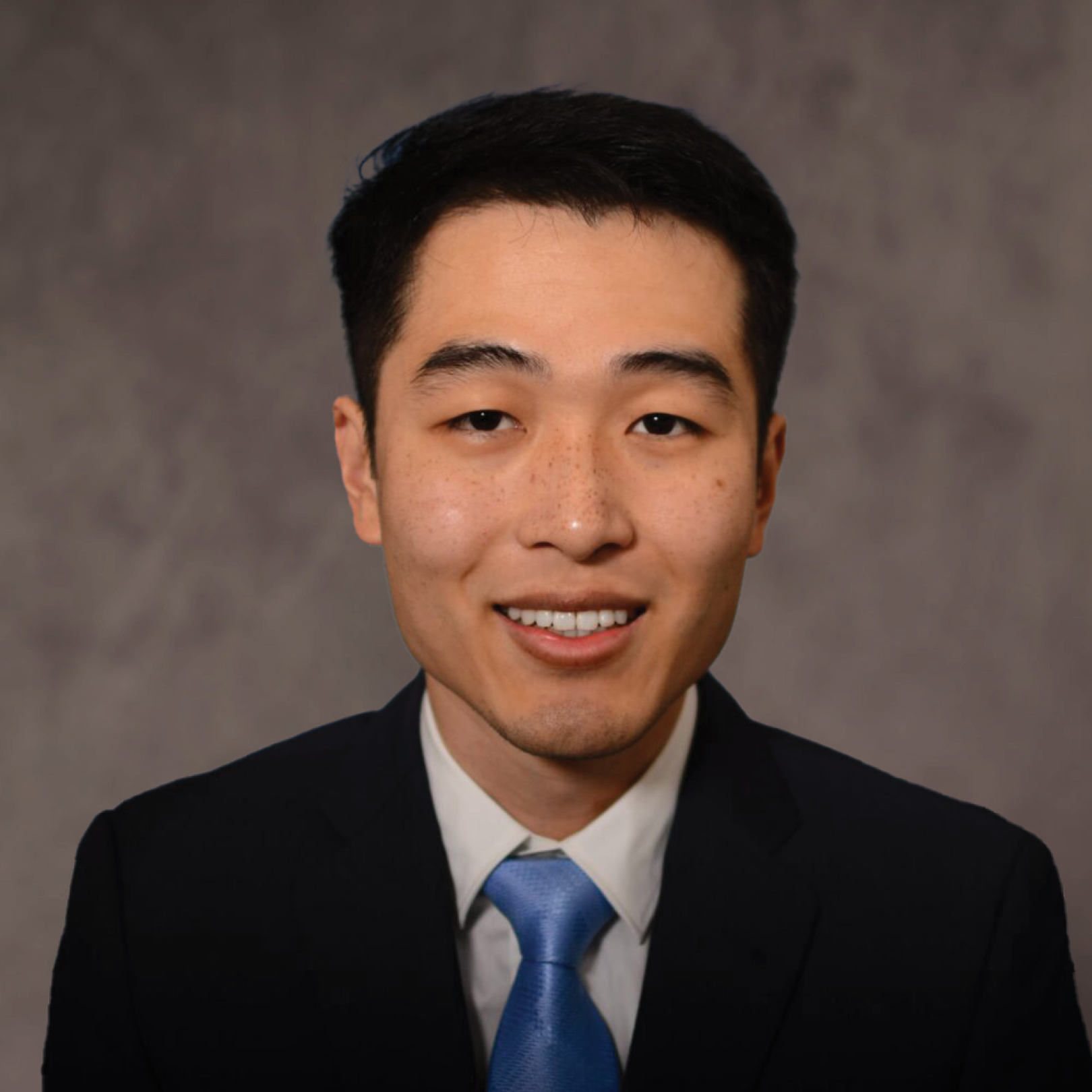
John Lu, MD
Attending
Private Practice
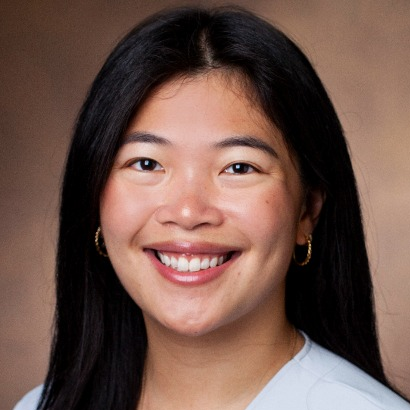
Dora Chen, MD
PGY-4
Vanderbilt University Medical Center
Connie Ju, MD
Attending
Louis Stokes Cleveland VA Medical Center
April 18th, 2026
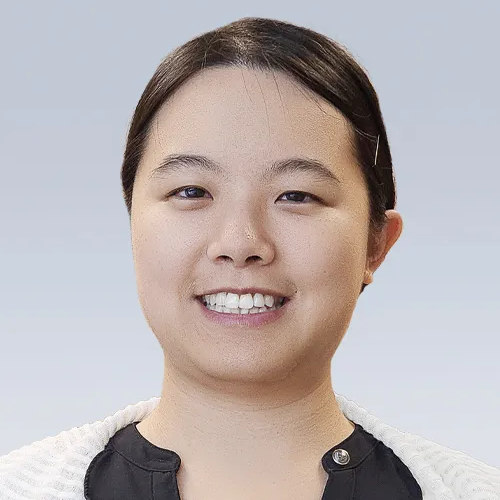
Suzanna Tom, MD
PGY-2
Temple Chestnut Hill
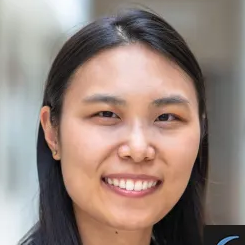
Cindy Jiao, MD
Attending
University of Rochester
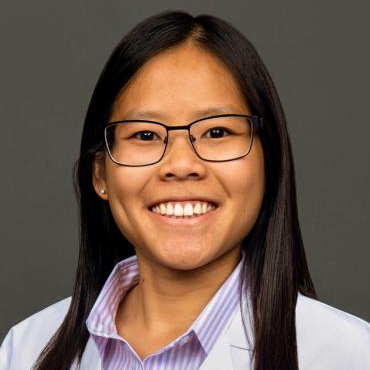
Hiu Ying Joanna Choi, MD
Attending
Temple University
April 19th, 2026
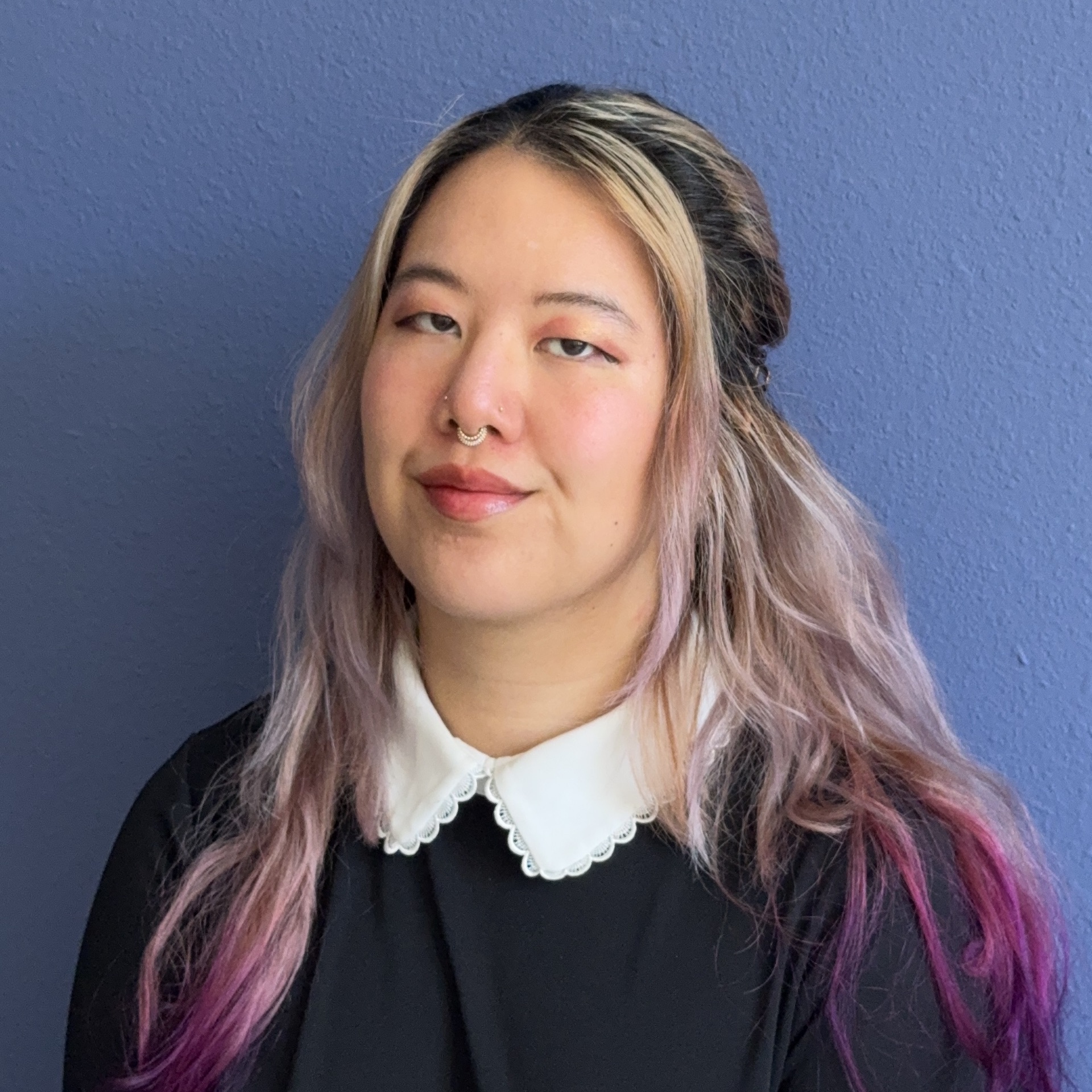
Anke Wang, MD
Critical Care Fellow
Duke University
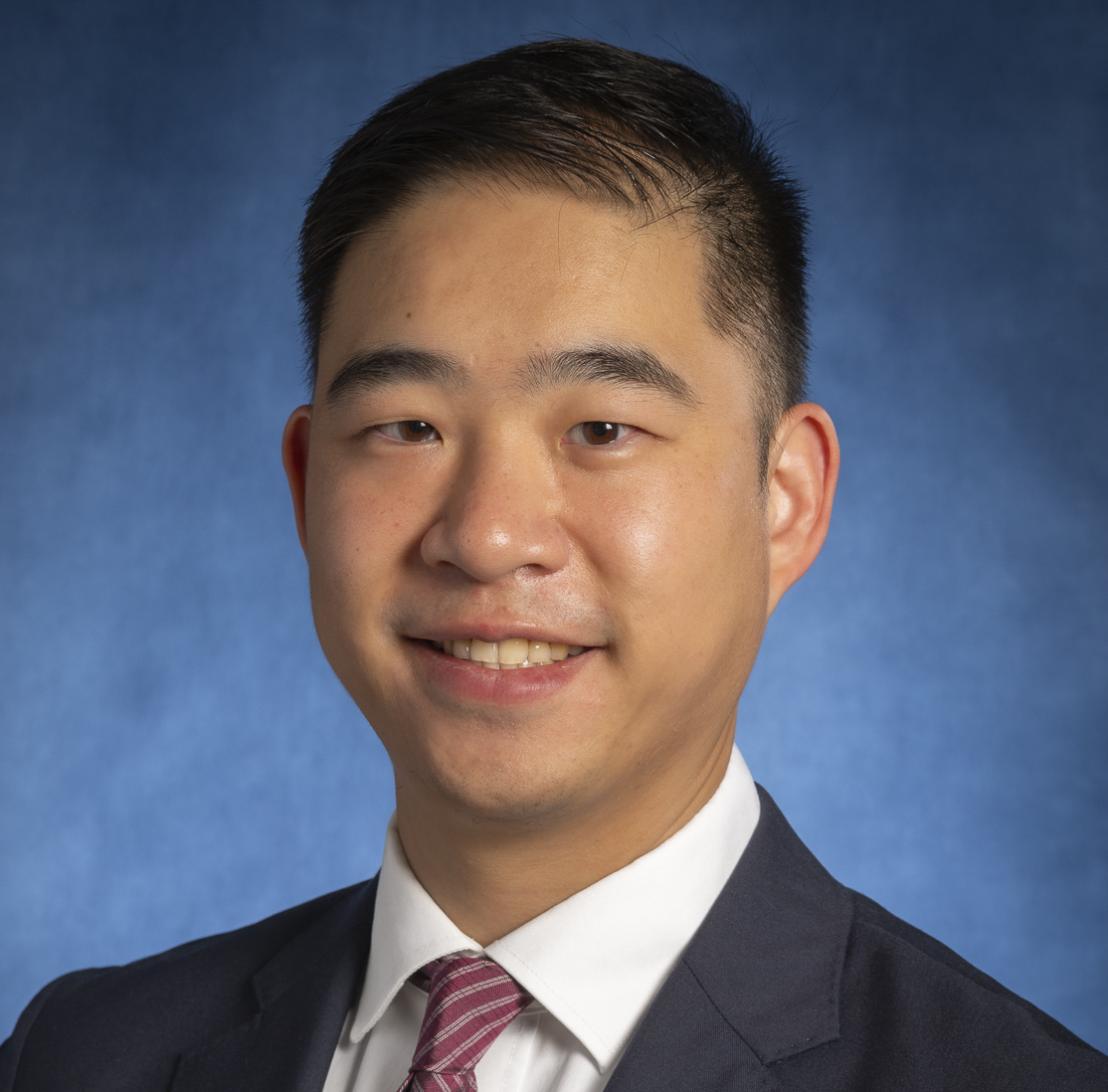
William Hsu, MD
Critical Care Attending
Albany Medical Center
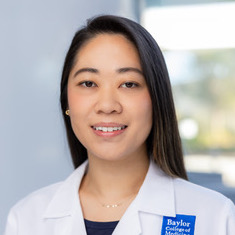
Chelsea Wu, MD
Medicine Attending
Baylor Medicine
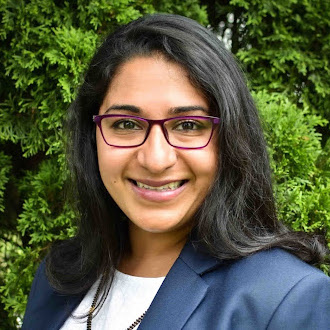
Ramya Sampath, MD
PGY-3
Yale School of Medicine
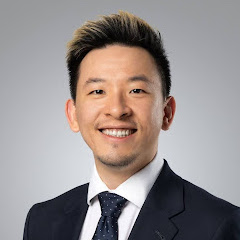
Mingqian Lin, MD
PGY-2
Medical College of Wisconsin Affiliated Hospitals
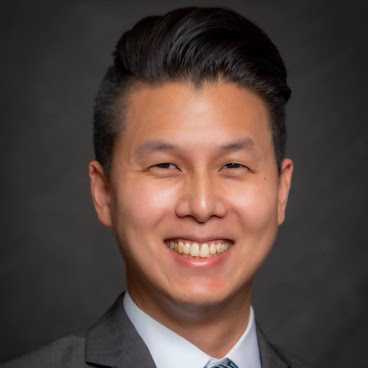
Spenser Chen, MD
PGY-3
Children's Hospital of Philadelphia
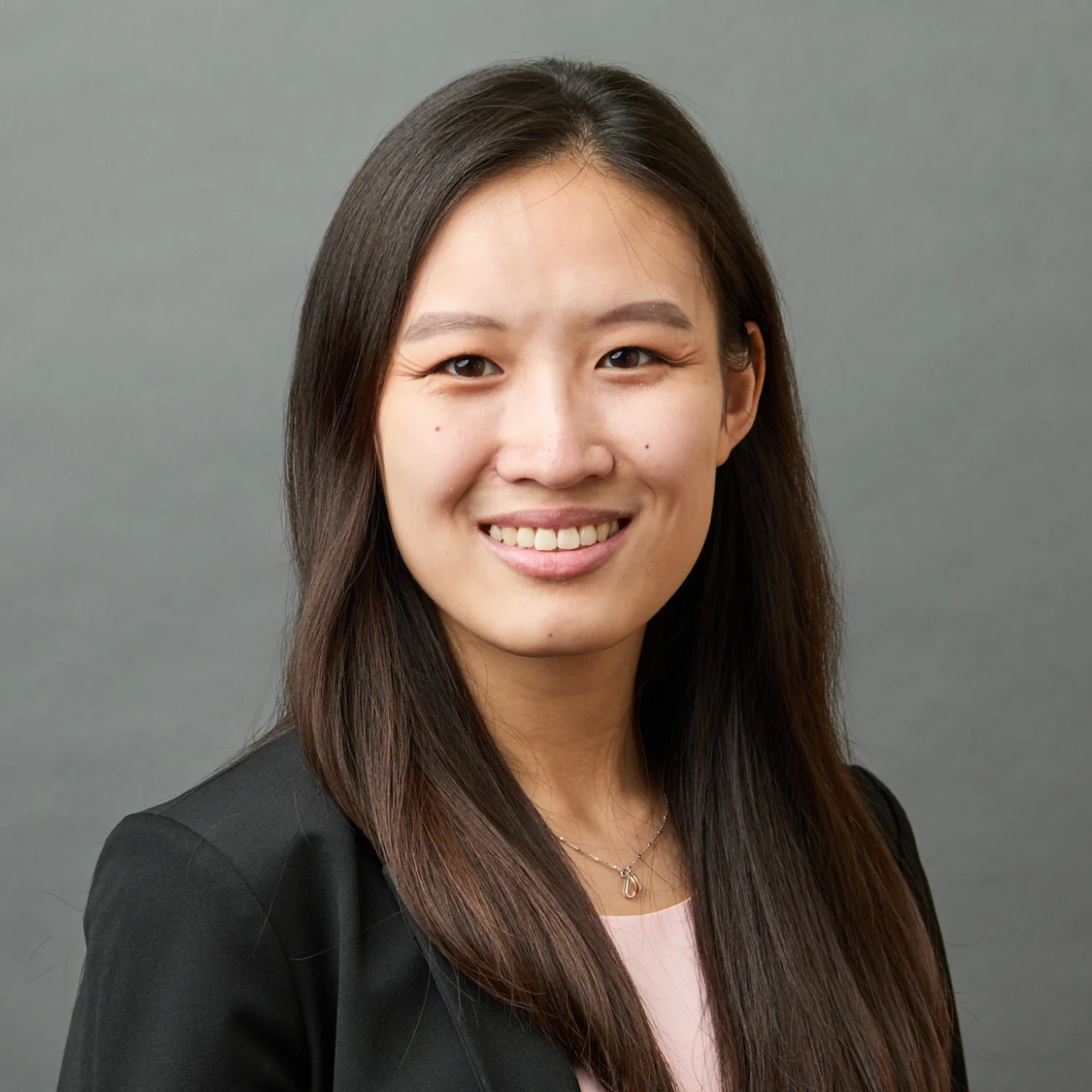
Tiffany Hu, MD
Geriatrics Fellow
Yale School of Medicine
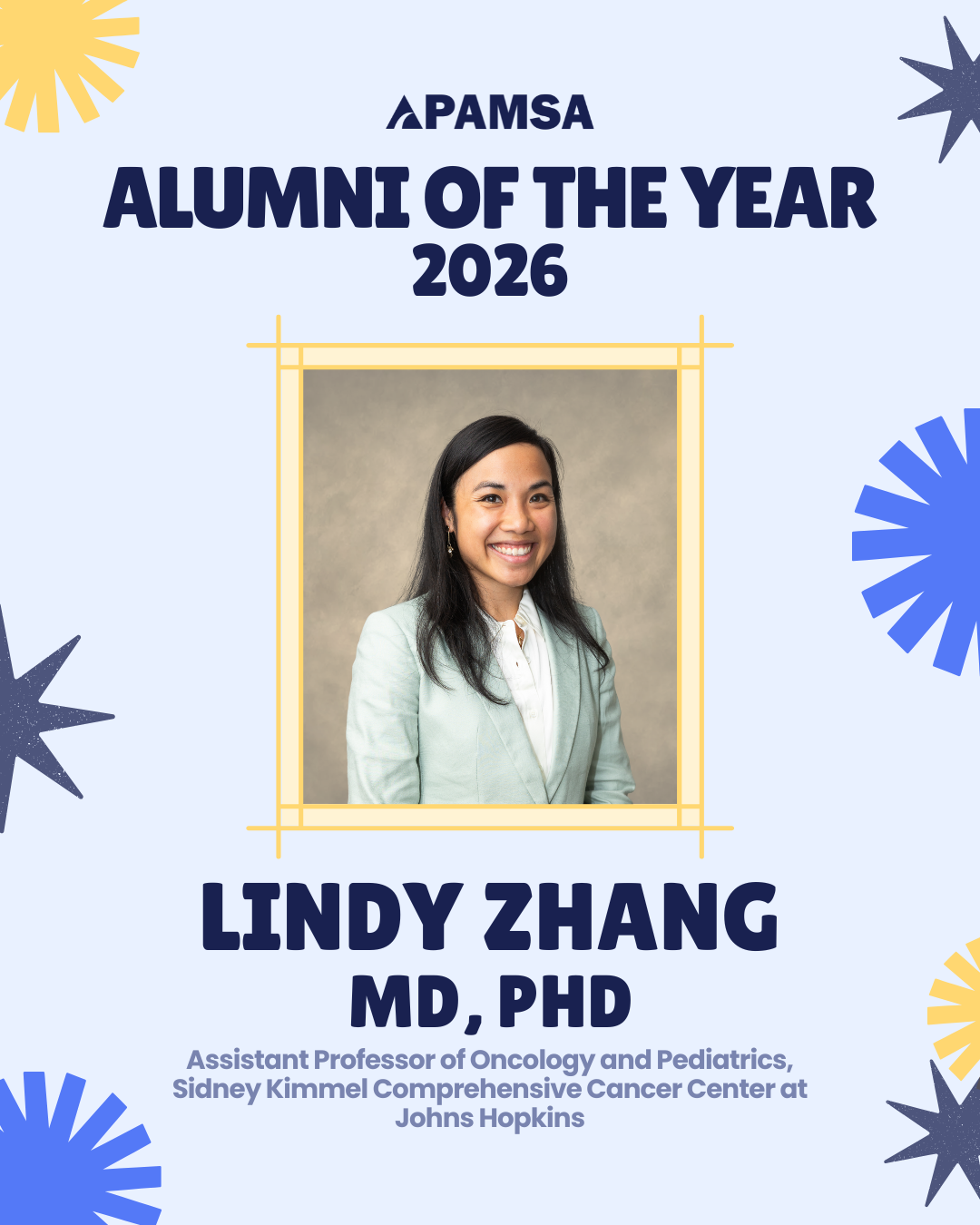
Alumni of the Year Award 2026
This award honors her enthusiastic participation in the APAMSA Alumni Advisory Board, commitment to AANHPI research, and dedication to mentoring APAMSA students.
Lindy Zhang, M.D., Ph.D. is Assistant Professor of Oncology and Pediatrics in the Division of Pediatric Oncology at the Sidney Kimmel Comprehensive Cancer Center at Johns Hopkins. She is a child of immigrants and the first in her family to pursue a post-bachelor’s degree. Dr. Zhang completed her medical degree at the Albert Einstein College of Medicine with distinction in clinical research and her pediatrics residency at the Johns Hopkins Children’s Center. She then pursued a pediatric hematology-oncology fellowship at the combined Johns Hopkins-National Cancer Institute program. During her fellowship, she received additional translational research training by completing a PhD in Cellular and Molecular Medicine at the Johns Hopkins University School of Medicine. Her research focuses on NF1-associated tumors and the application of molecularly targeted therapies. Her academic interest is to define the interactions between molecularly targeted agents and the tumor immune microenvironment in malignant peripheral nerve sheath tumors (MPNST) and establish the potential role of immune-based therapies in novel therapeutic combinations. In addition, Dr. Zhang is passionate about diversity and inclusion in academic medicine. Her medical education research focuses on Asian American representation and experiences of microaggression and discrimination in medical school.
To read more about the APAMSA Alumni of the Year Award, click here.
Questions? Please reach out to strategy@apamsa.org.