


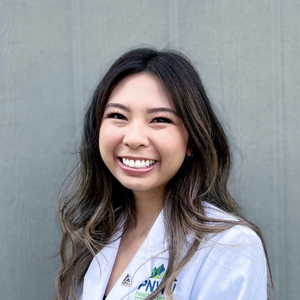
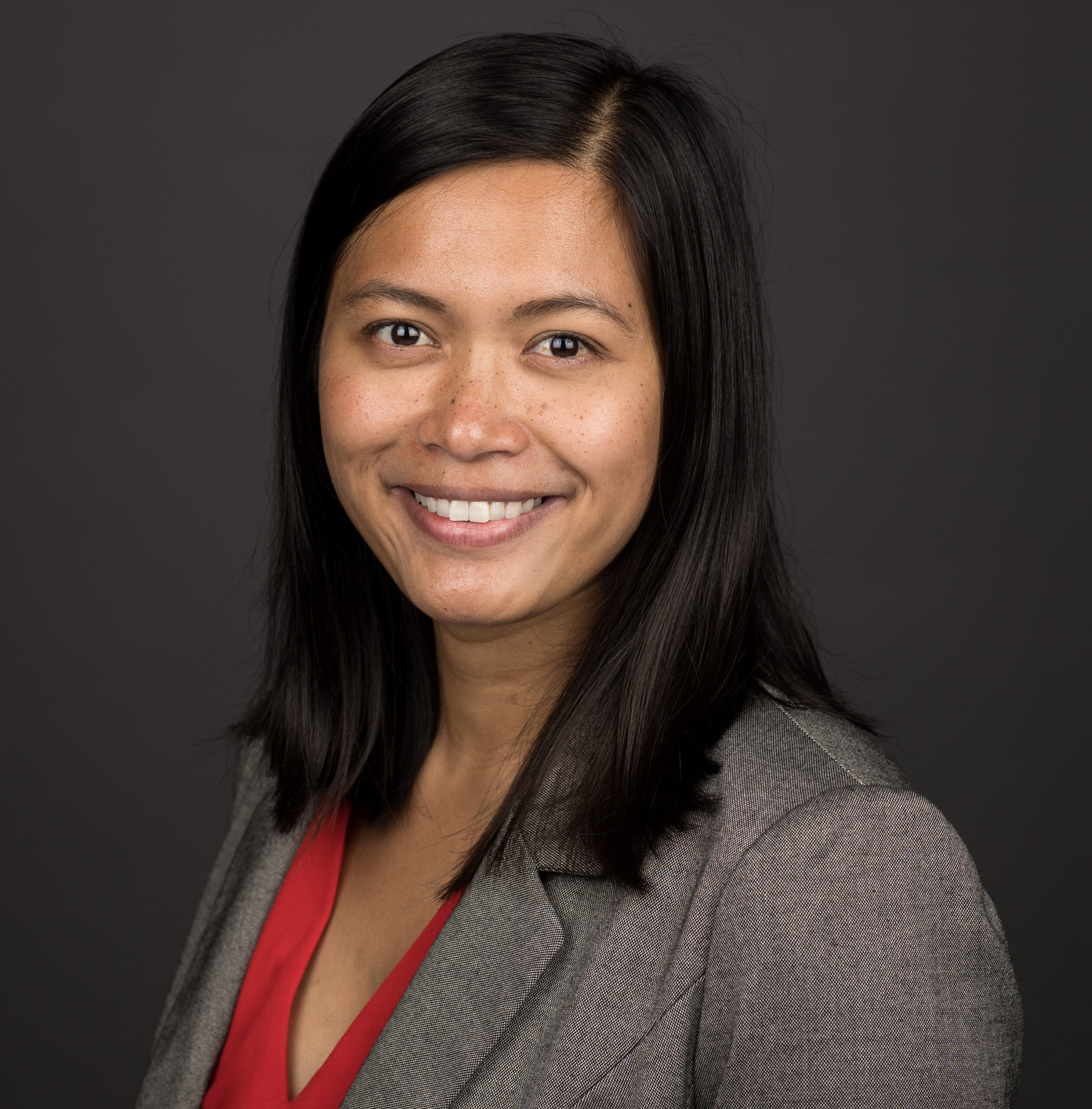
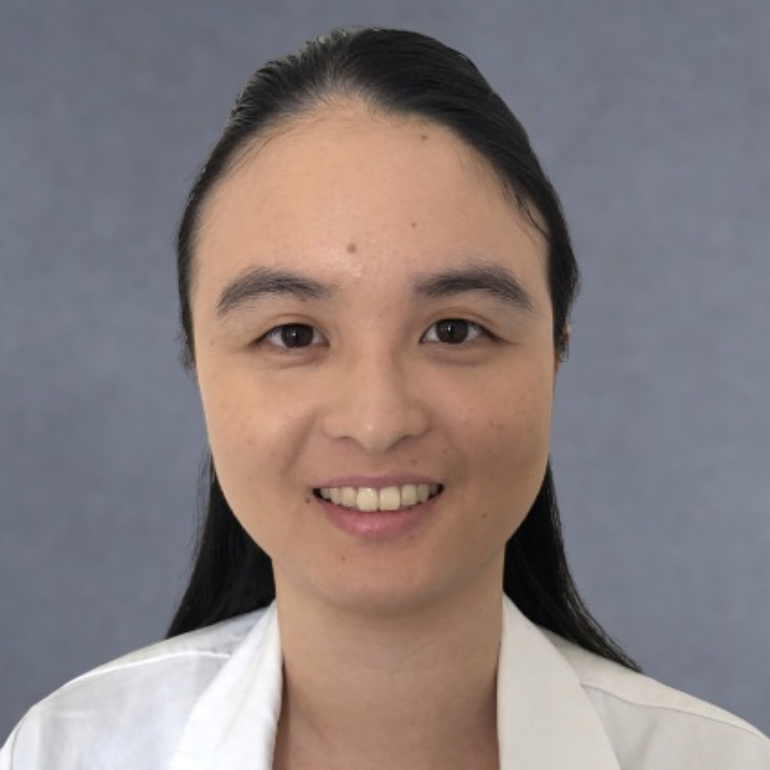
Ashley Tam, MD
Network Director
Ashley Tam completed her undergraduate degree at Cornell University and medical degree at Oregon Health & Science University. She served on the board of her local APAMSA chapter and started her service on APAMSA’s national board as the National Conference Communications Director for the 2023 National Conference hosted at OHSU. She went on to also hold the roles of Social Media Director and Communications Vice President for National APAMSA. She is currently a Pathology resident at Stanford Health Care. When not at the hospital, Ashley likes to explore new restaurants on her never-ending list, play gacha games, and spend time with her husband and shiba inu.

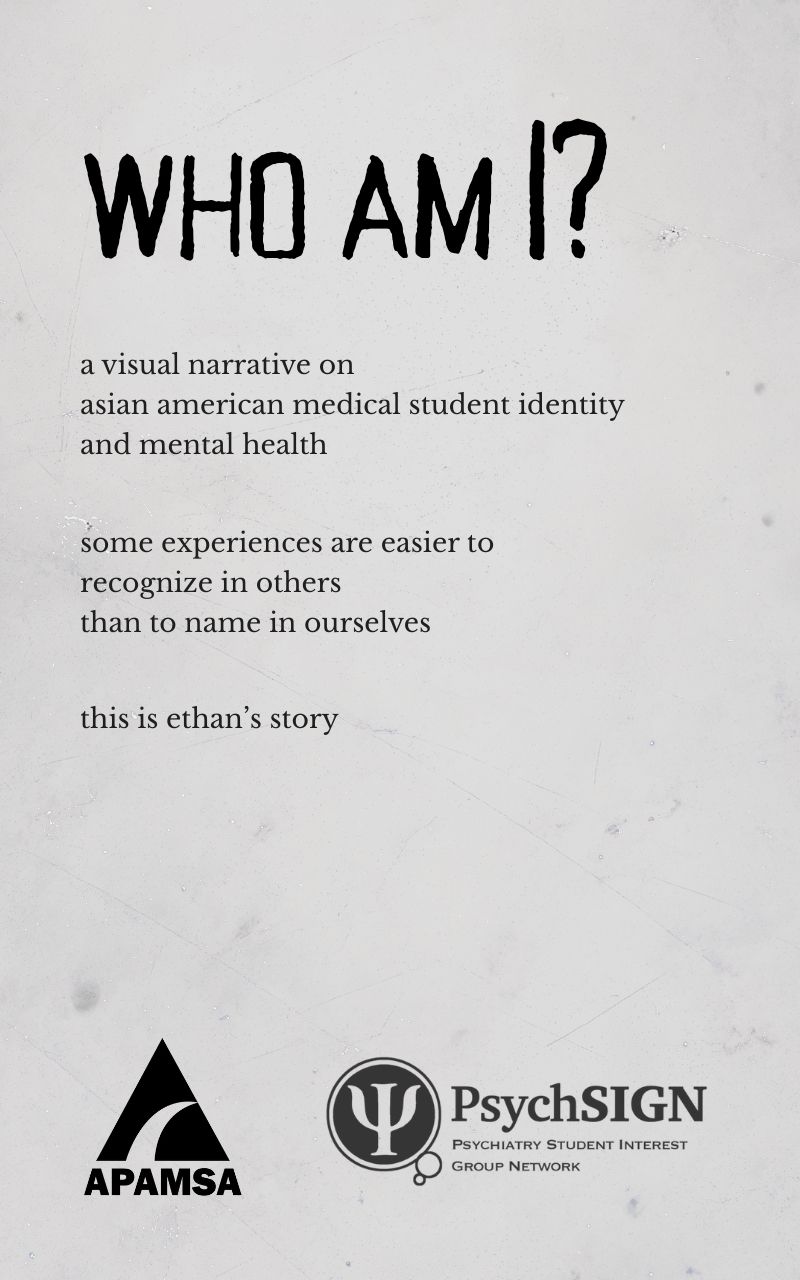
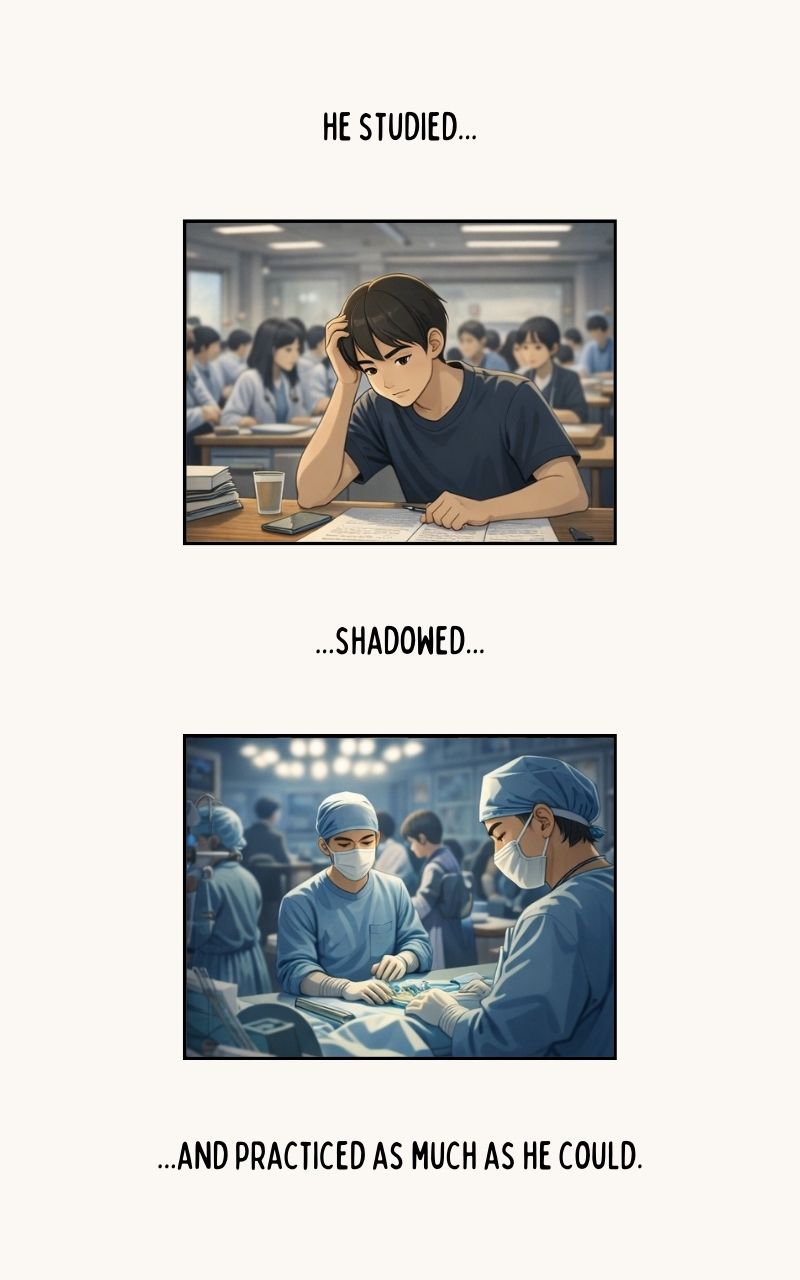
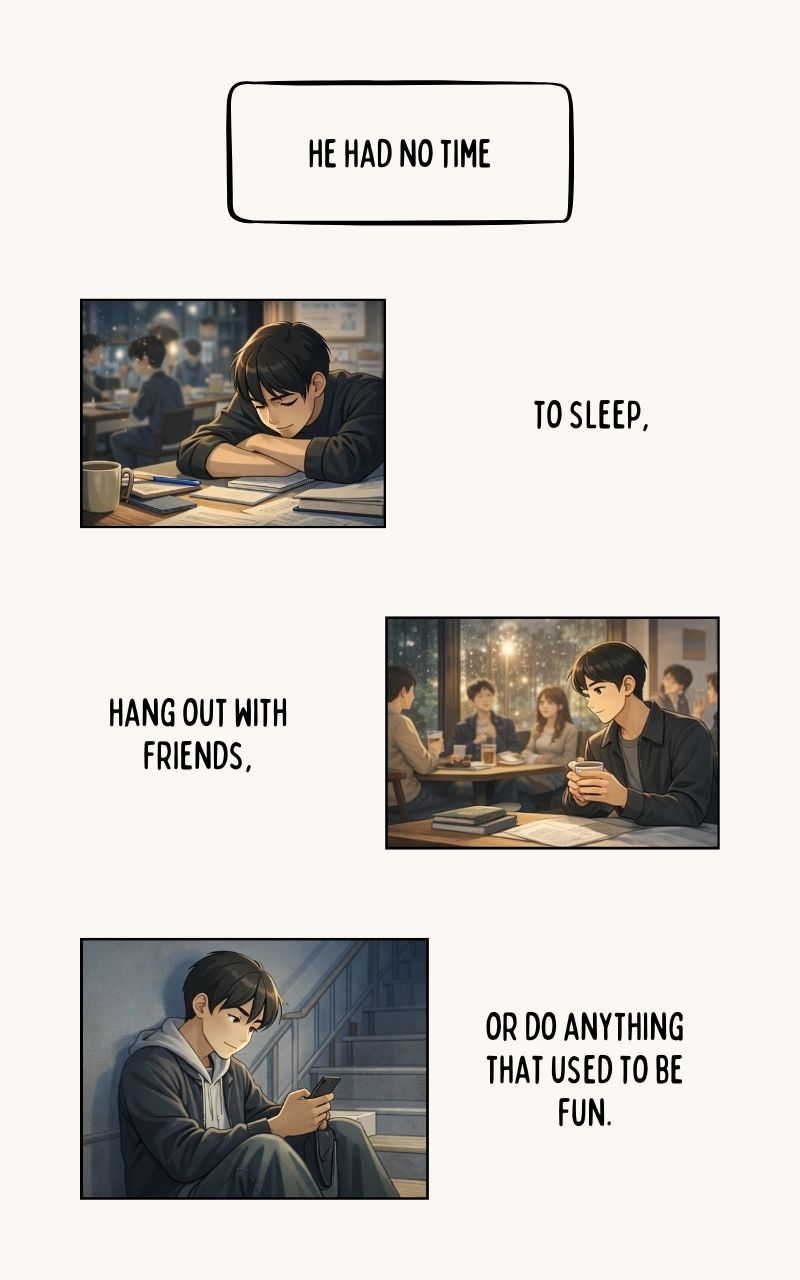
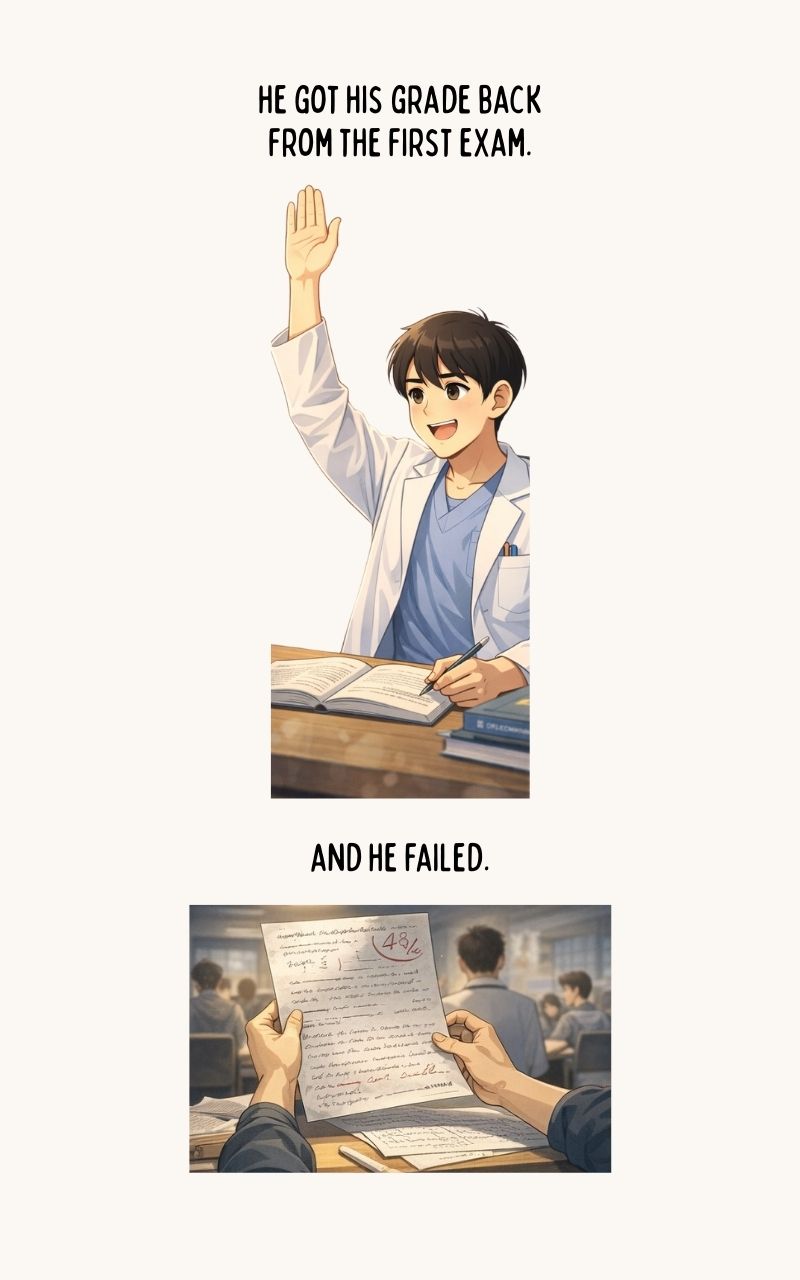
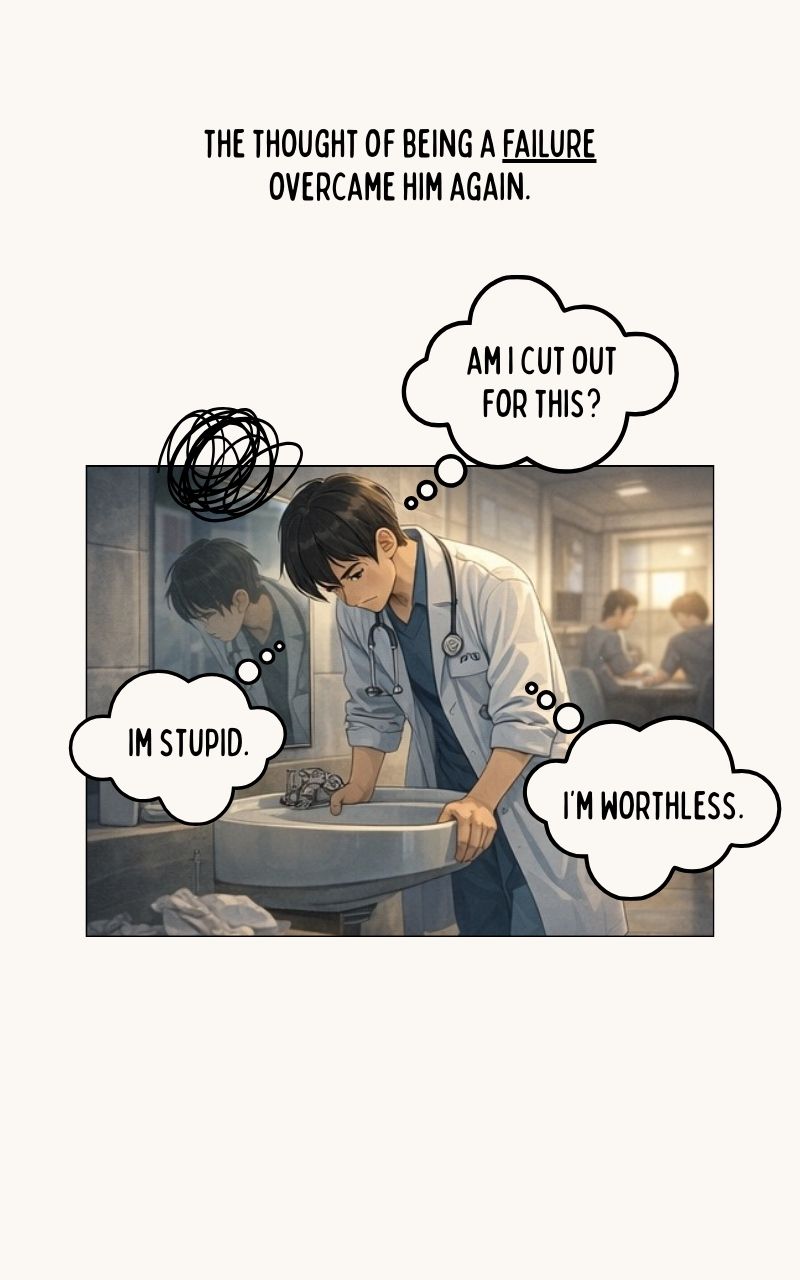
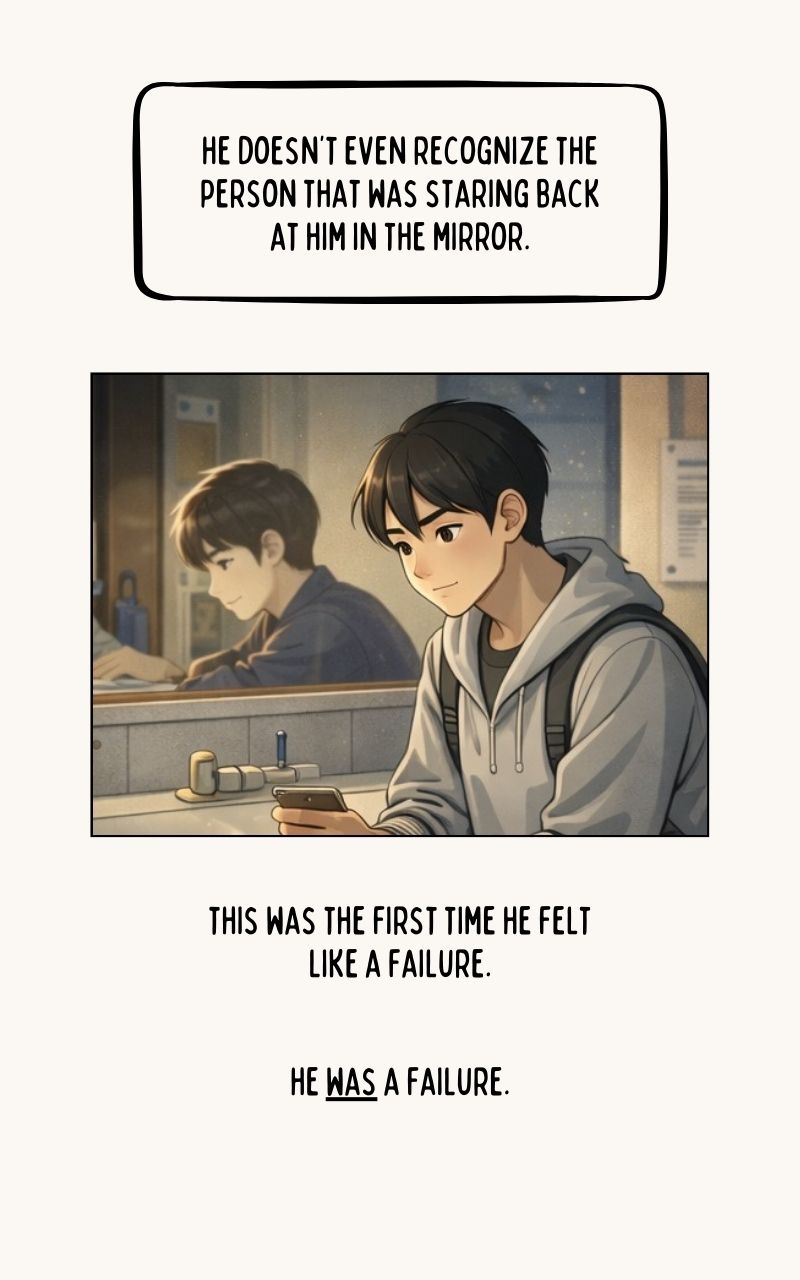
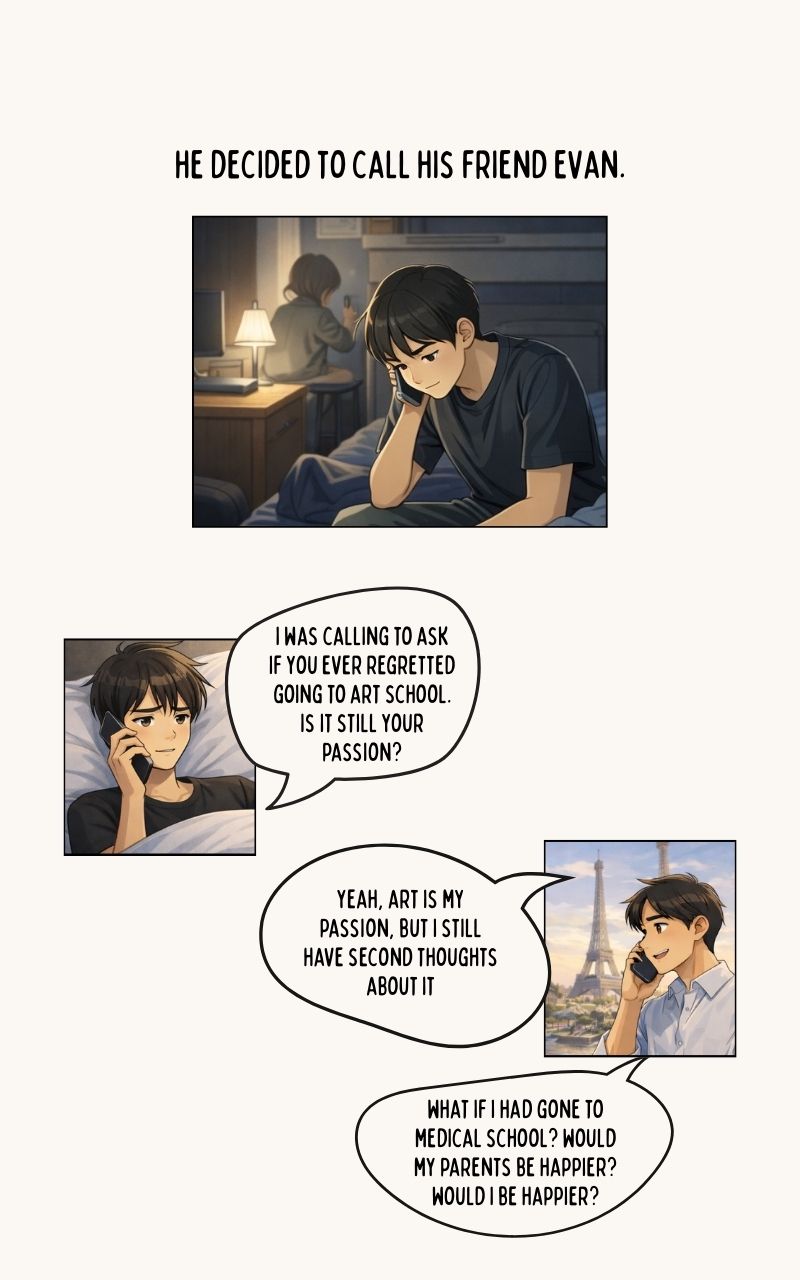
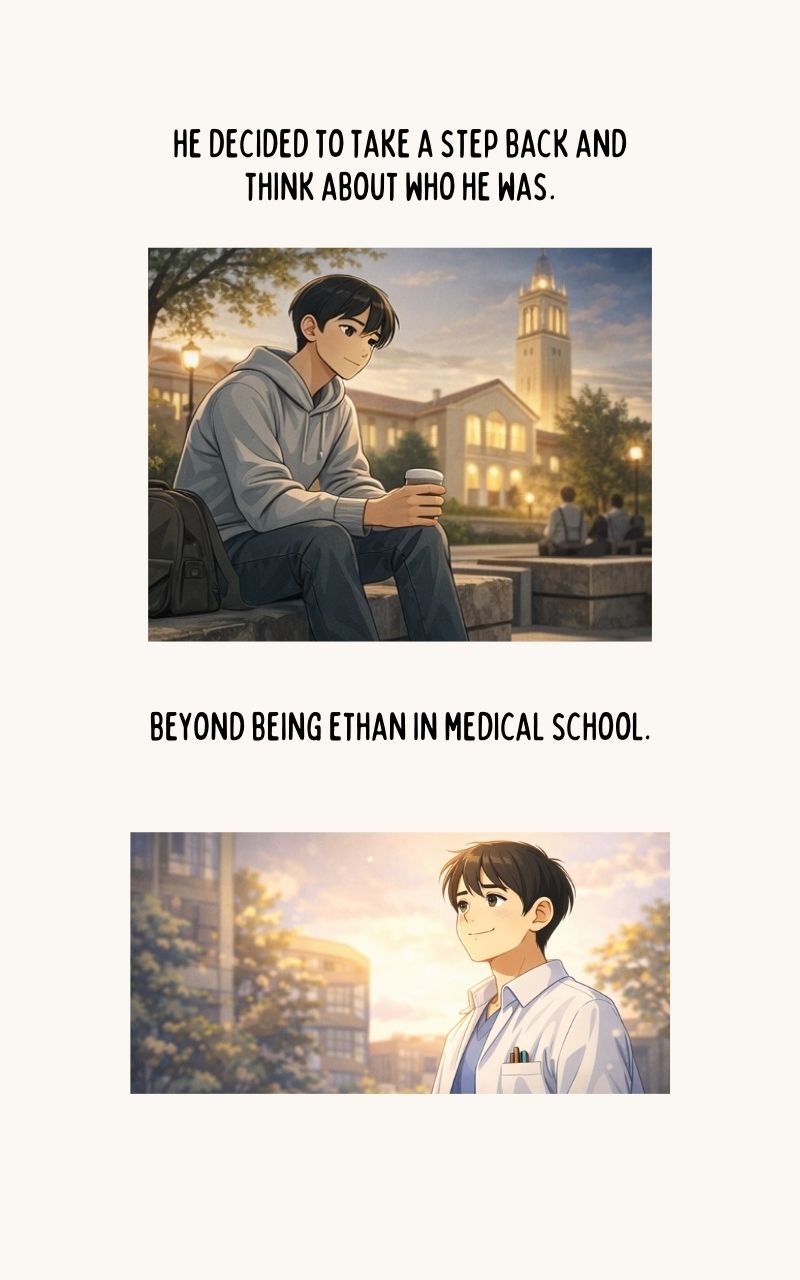
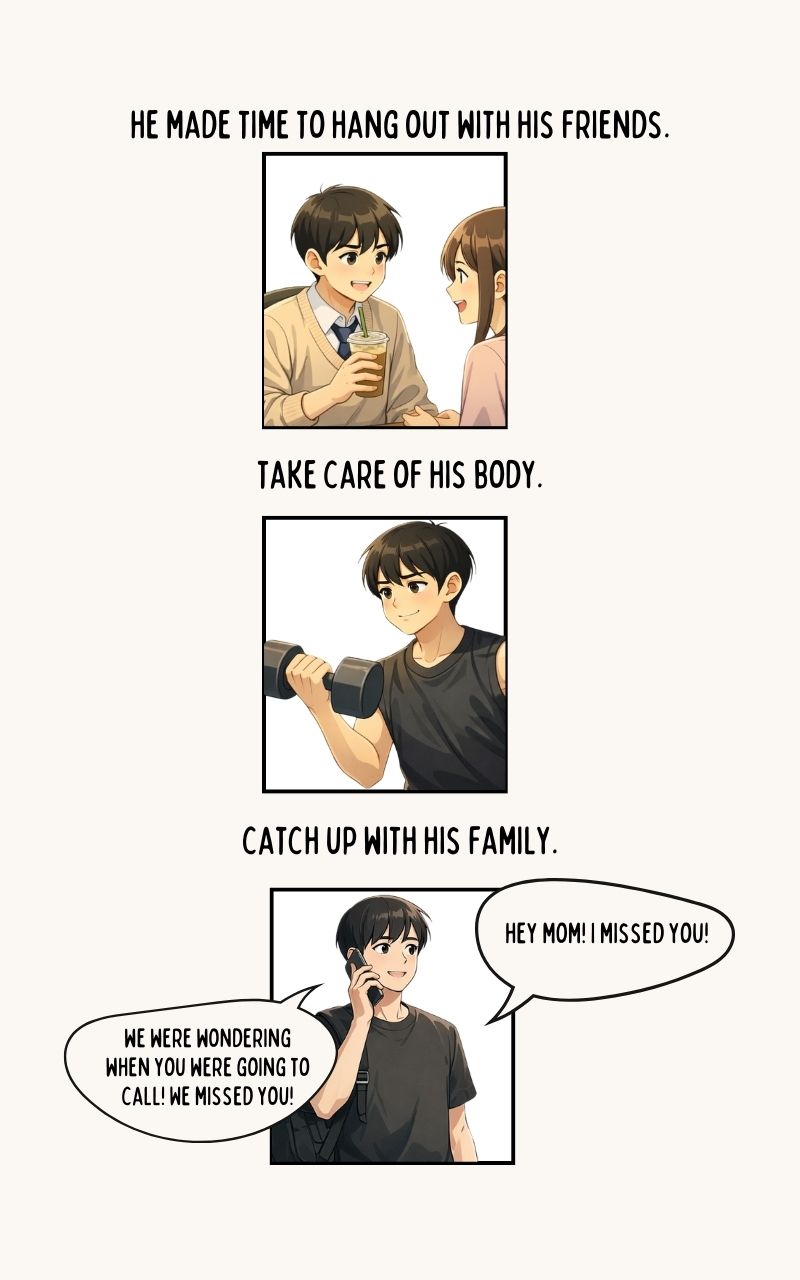
AANHPI Medical Student Identity Beyond Outcomes
Who are you when you’re not performing?
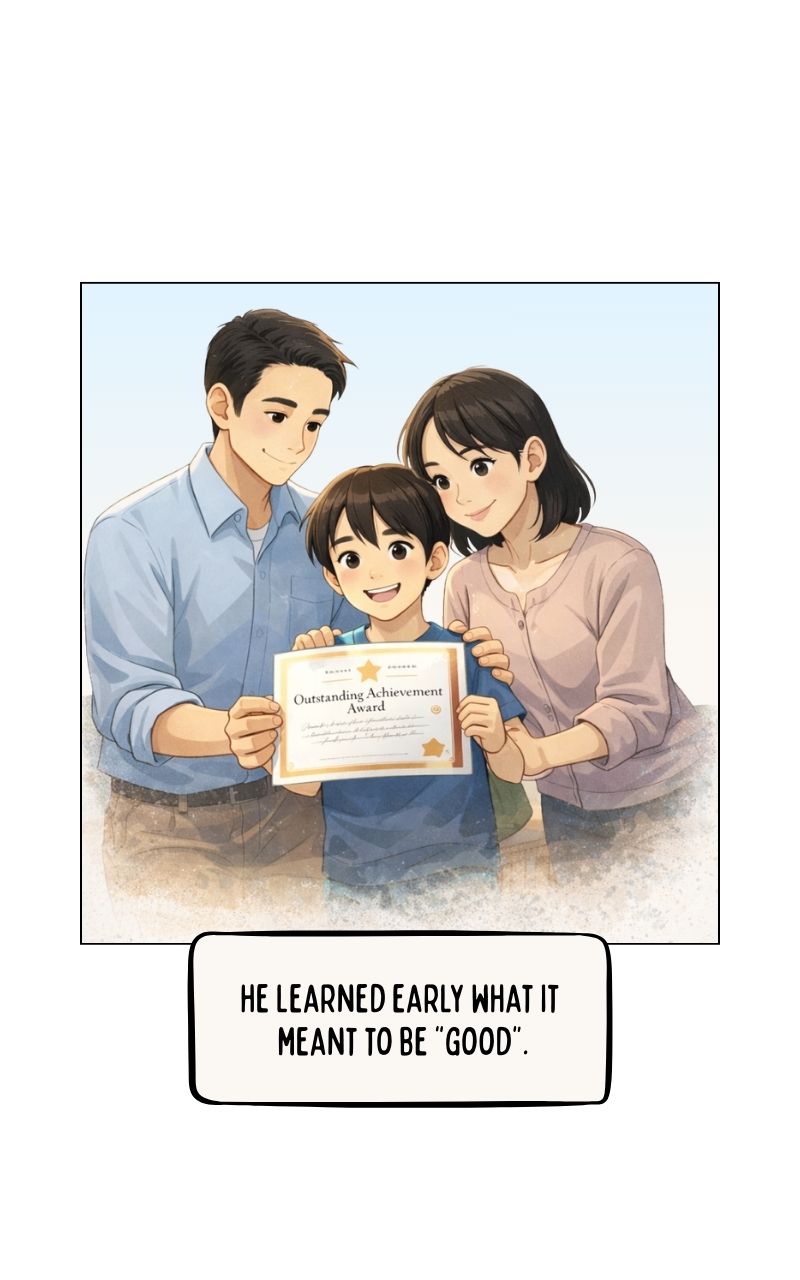
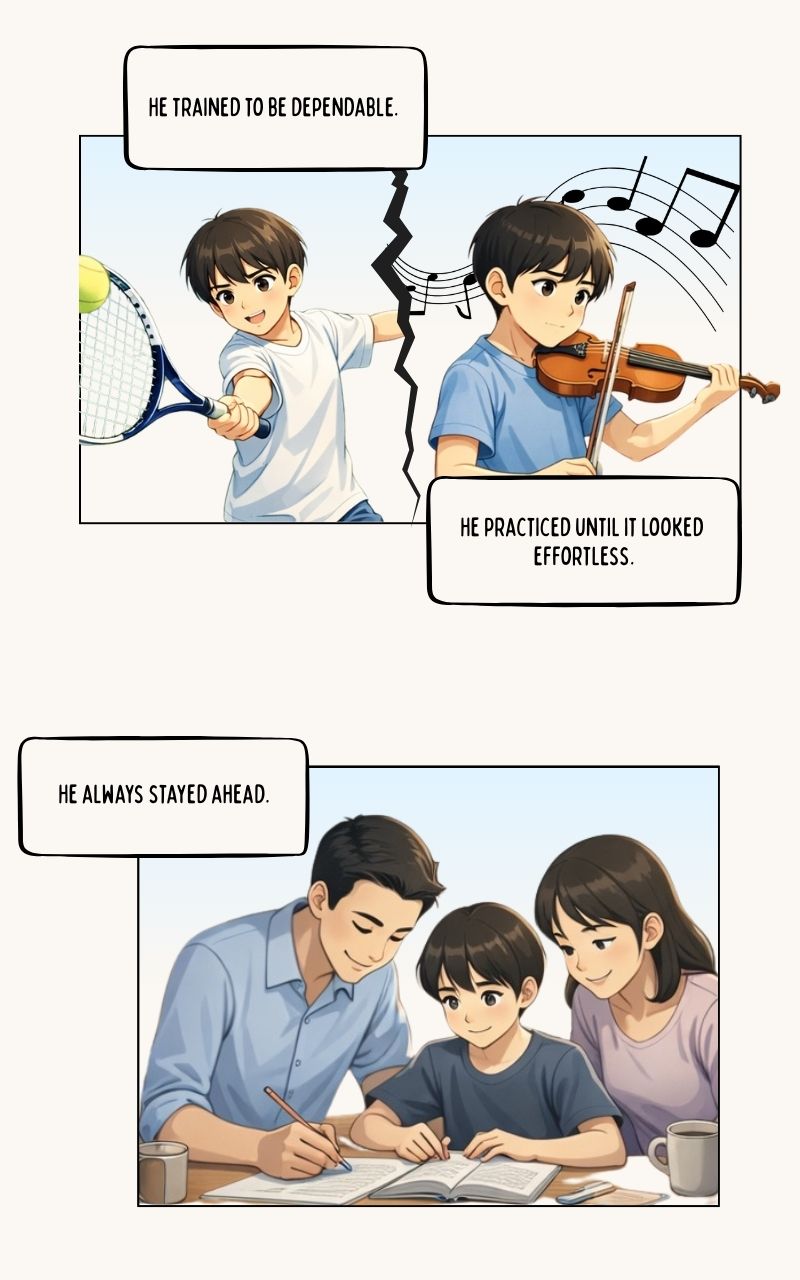
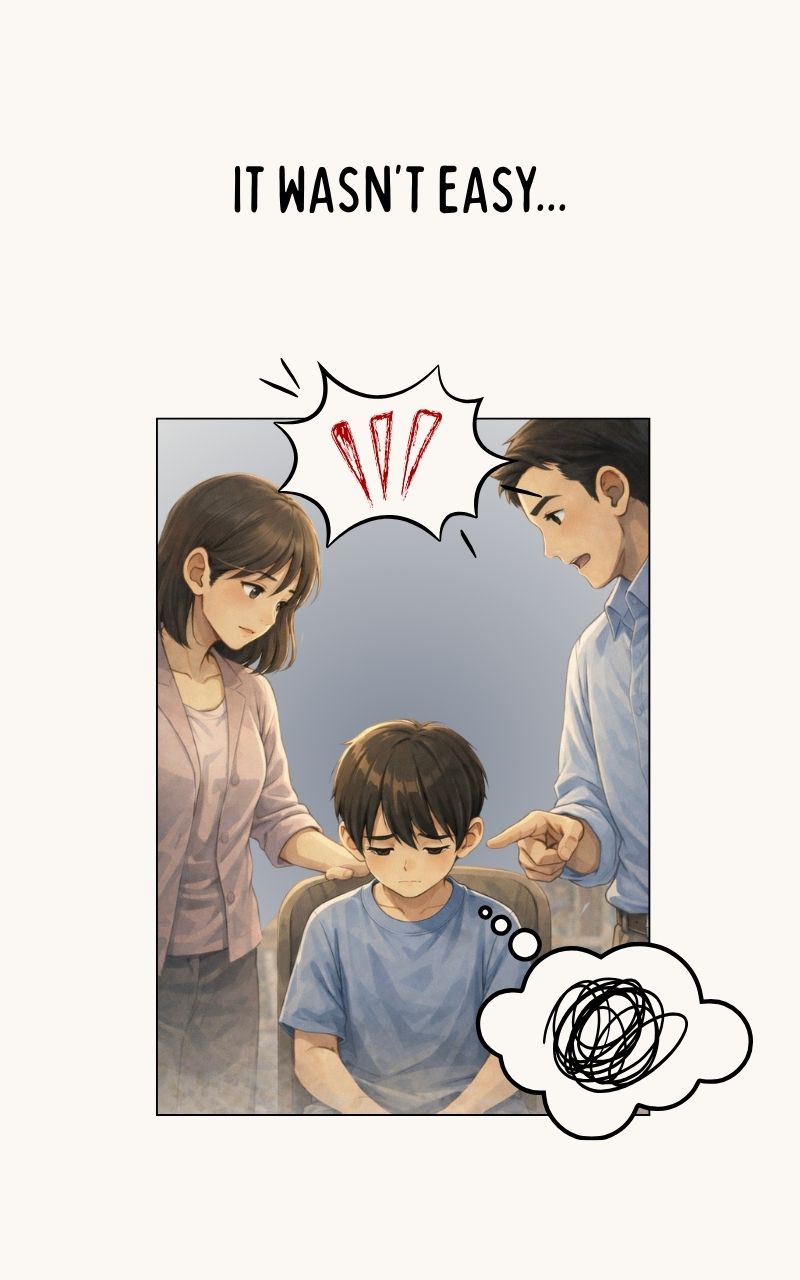
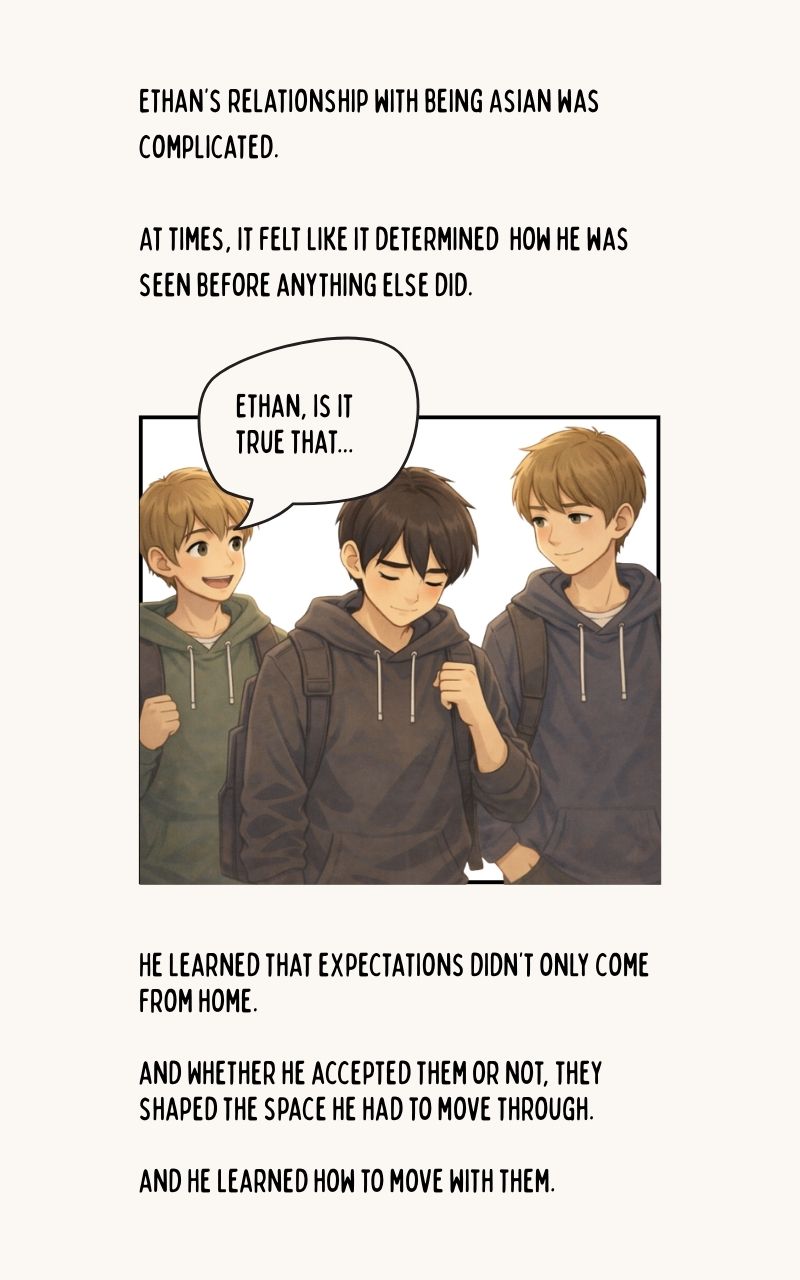
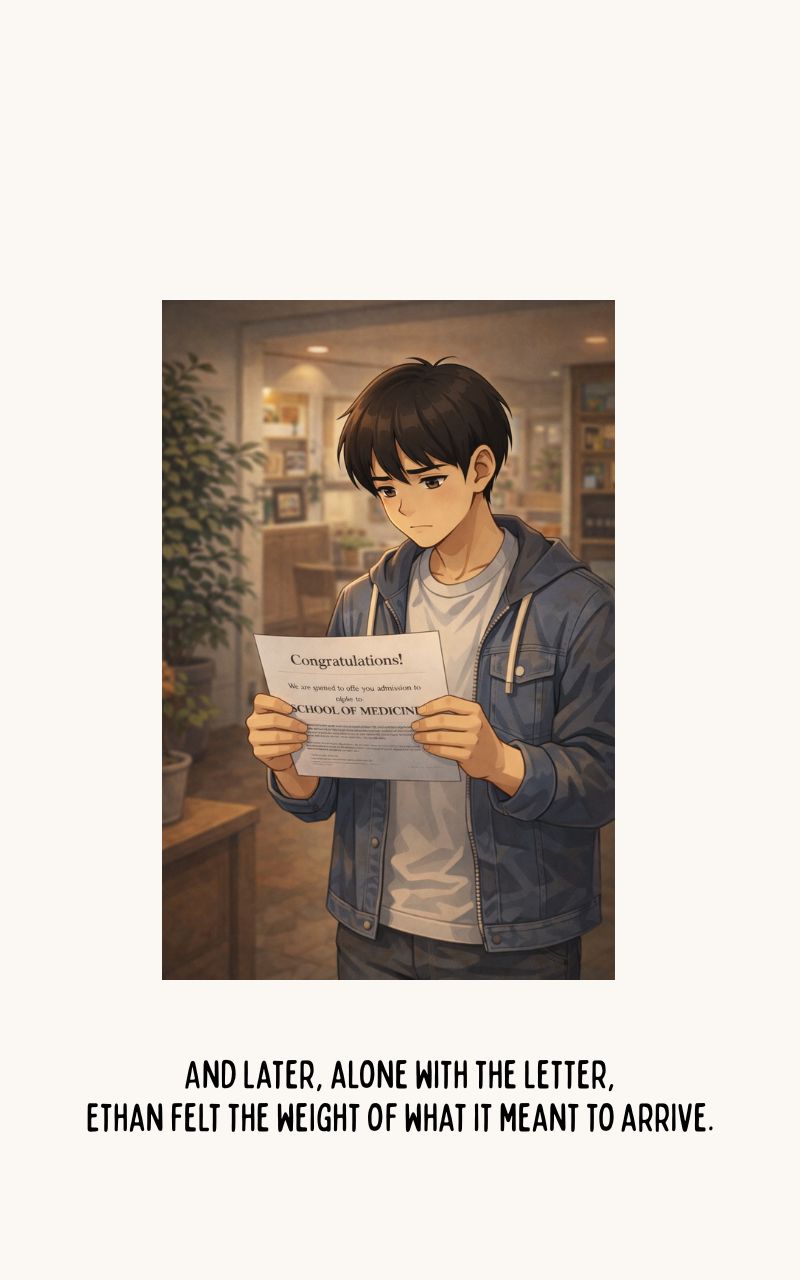
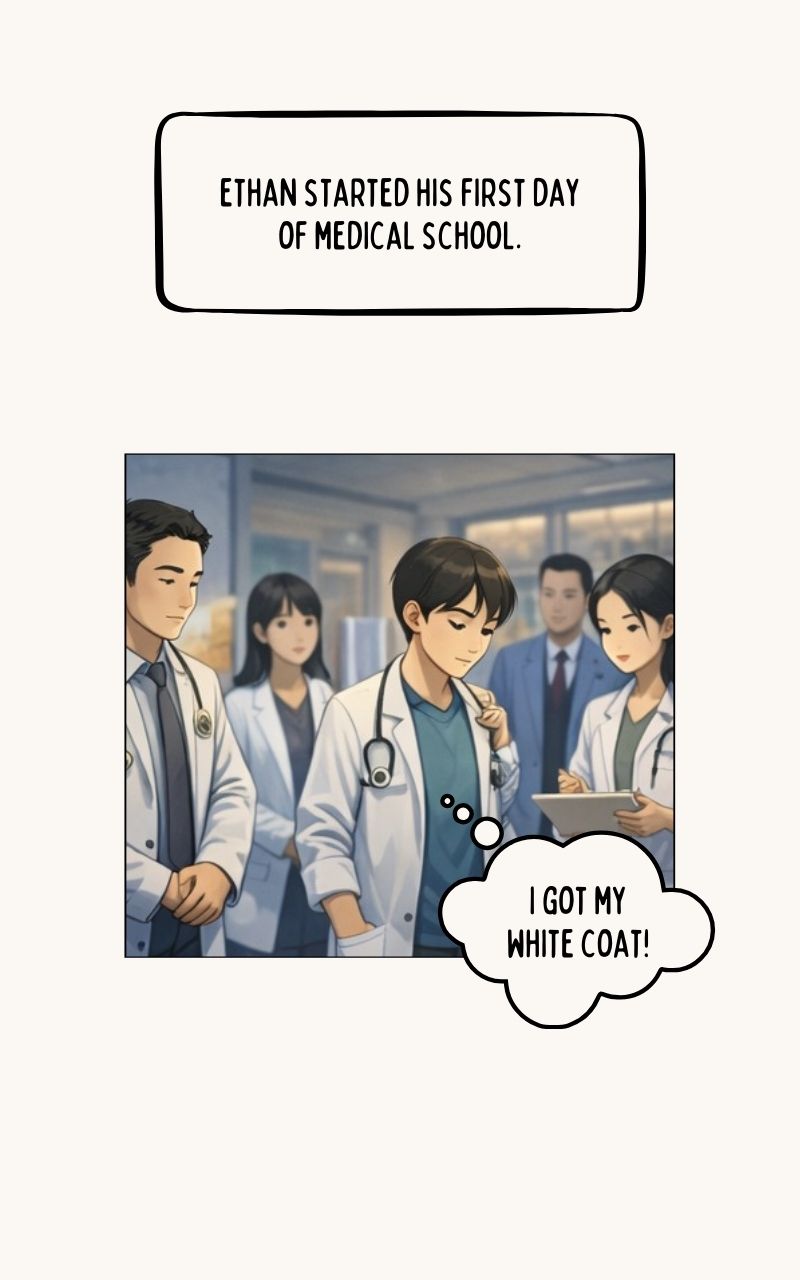
“Who Am I?” is a visual story about Asian American medical student identity and the tension between achievement and selfhood.























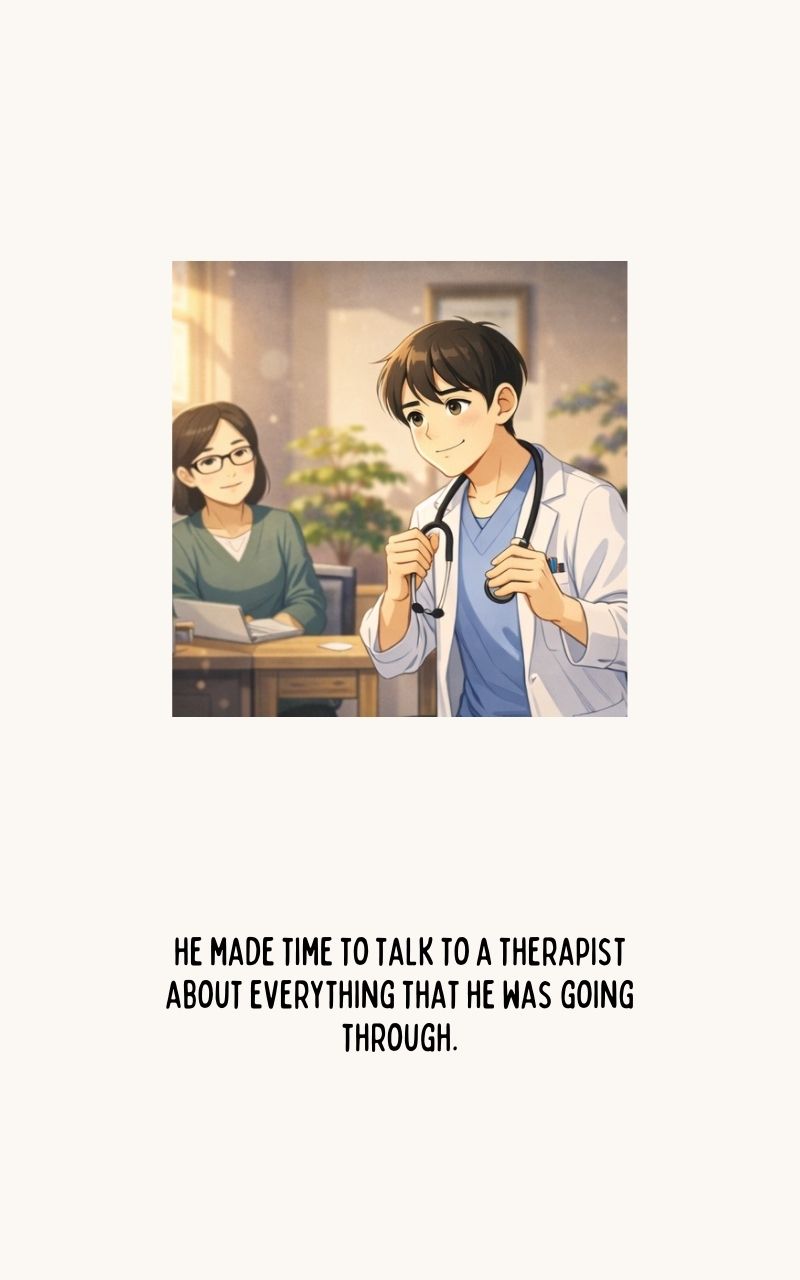

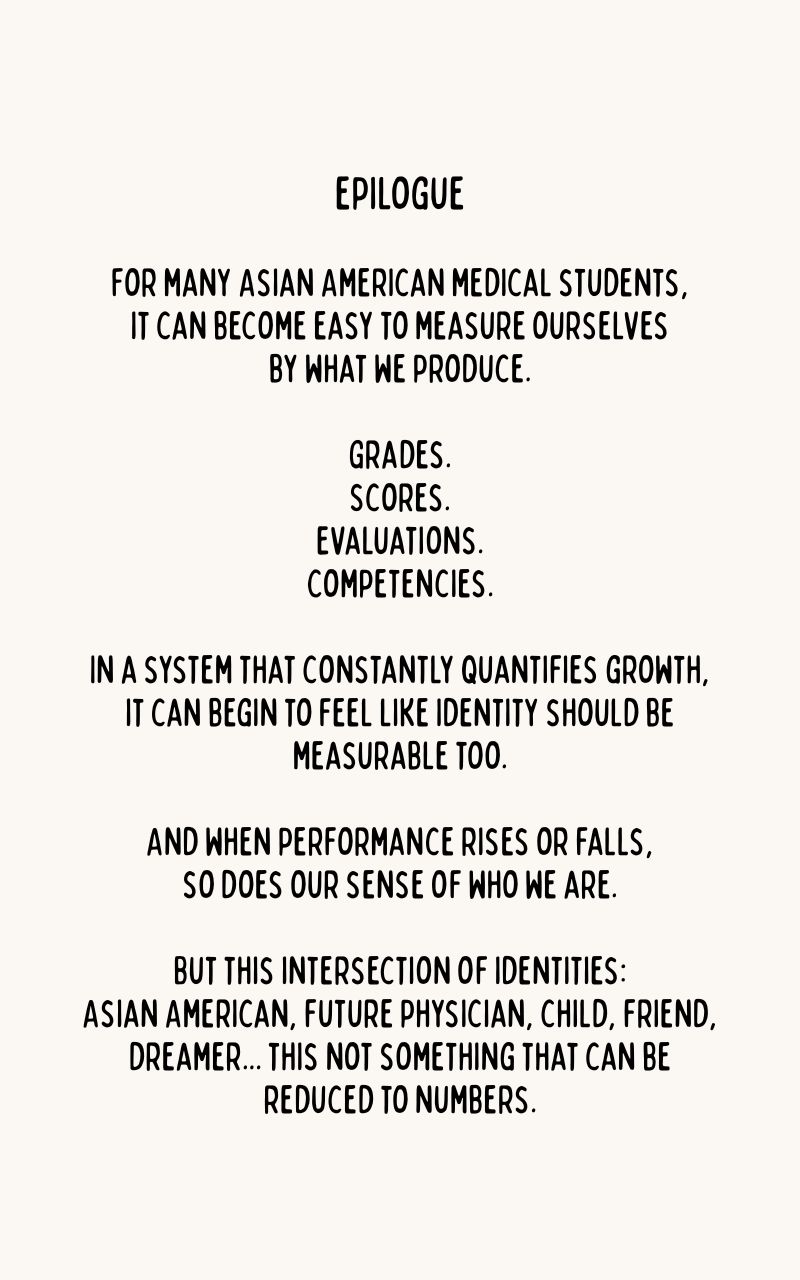
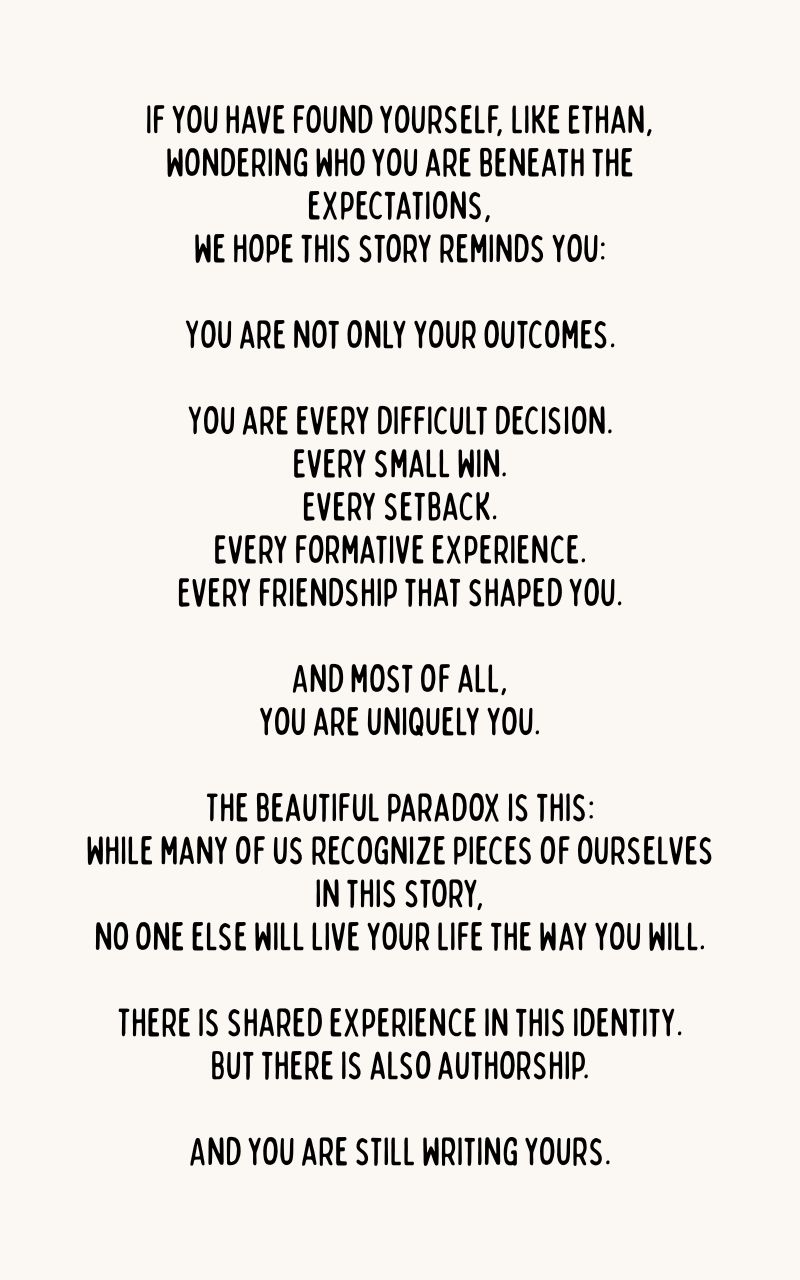
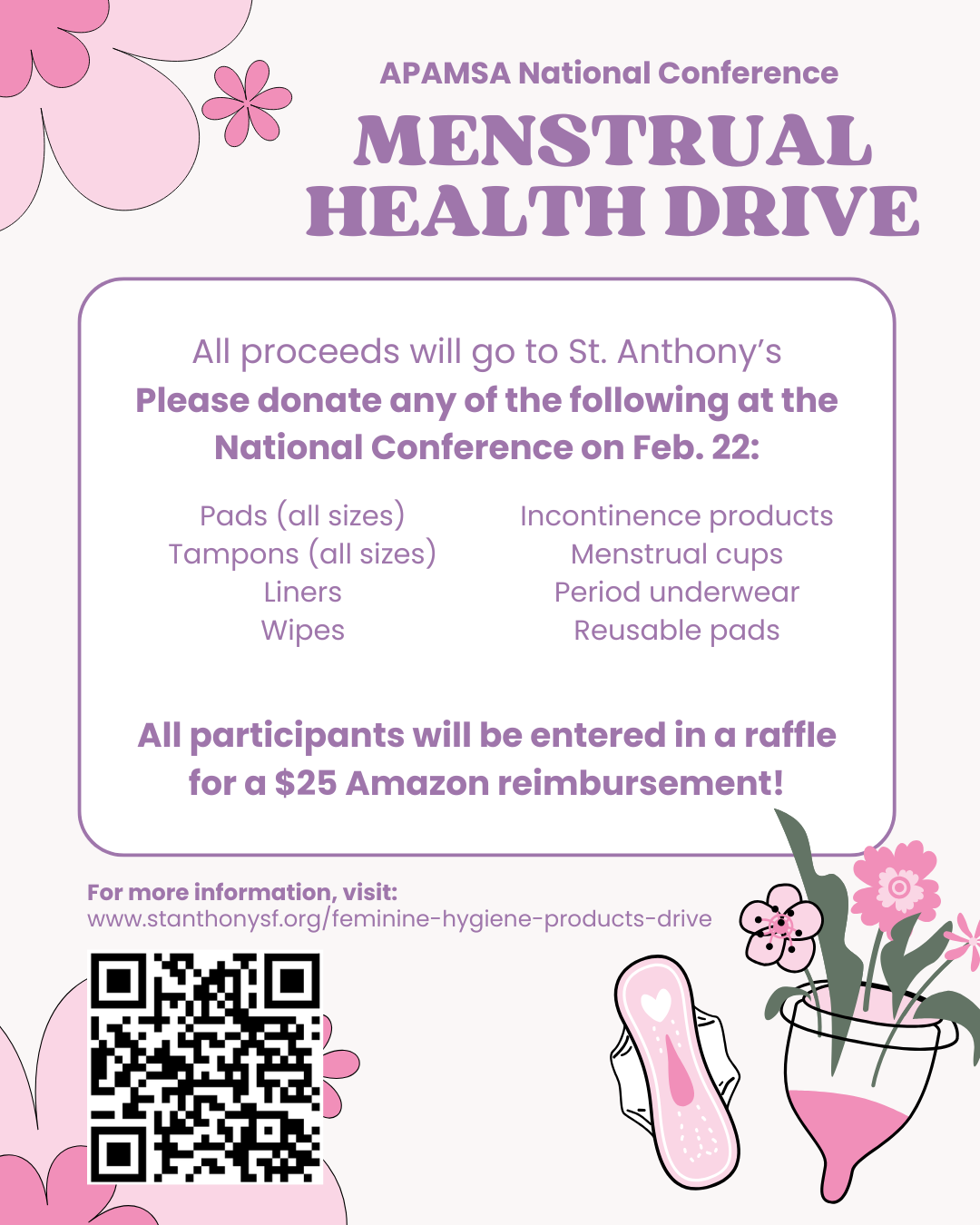
National Conference Menstrual Health Drive
Questions? Please reach out to women@apamsa.org.
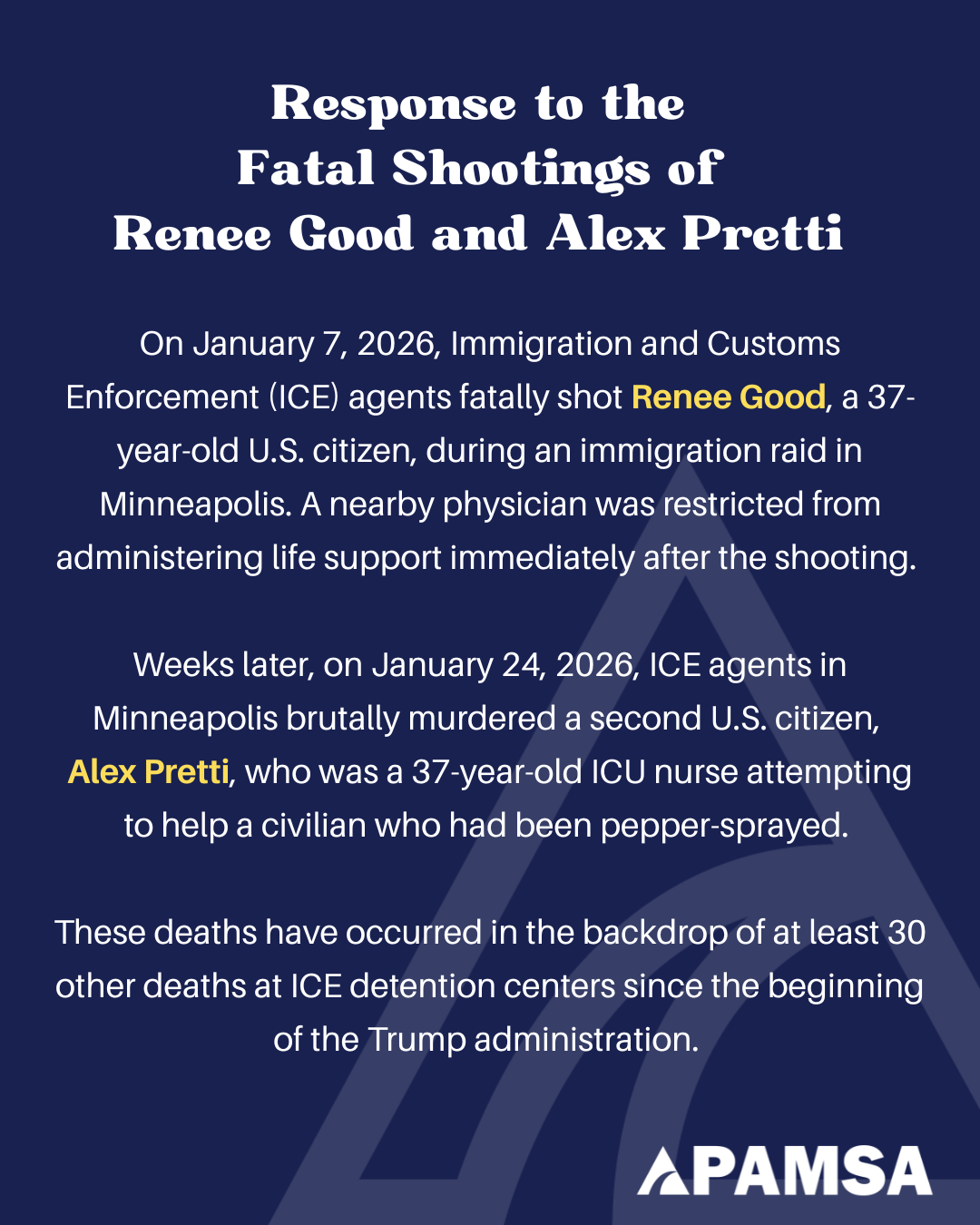
Response to the Fatal Shootings of Renee Good and Alex Pretti
On January 7, 2026, Immigration and Customs Enforcement (ICE) agents fatally shot Renee Good, a 37-year-old U.S. citizen, during an immigration raid in Minneapolis. A nearby physician was restricted from administering life support immediately after the shooting. Weeks later, on January 24, 2026, ICE agents in Minneapolis brutally murdered a second U.S. citizen, Alex Pretti, who was a 37-year-old ICU nurse attempting to help a civilian who had been pepper-sprayed. These deaths have occurred in the backdrop of at least 30 other deaths at ICE detention centers since the beginning of the Trump administration.
As students in the healthcare profession, we are frustrated by the blatant disregard for life in these encounters, as medical professionals are barred from providing emergency care for the communities they serve. Unrelenting immigration raids have prompted a public health emergency, as many immigrants have become too fearful to step outside their homes to seek medical care at hospitals that were once protected spaces.
Immigration enforcement raids have rattled the nation with indiscriminate investigations, deportations, and detention, often relying on racial profiling to target communities of color. A recent Supreme Court order (Noem v. Vasquez Perdomo) will condone investigations based on subjective assessments, such as skin tone or accented speech, allowing the U.S. Government to continue race-based searches if they meet “reasonable suspicion.”
National APAMSA strongly condemns the tragic killing of both Renee Good and Alex Pretti by ICE and is deeply concerned about federal officials’ lethal weaponization of immigration enforcement. APAMSA stands firmly against any form of violence and reaffirms its commitment to protect human lives, regardless of immigration status or background. We mourn the loss of Renee Good and Alex Pretti and extend our condolences to their family, friends, and community members affected by these tragedies.
We call for increased scrutiny of federal immigrant official deployment and practices and a full, unbiased investigation into these shootings. Furthermore, we urge comprehensive training for all law enforcement agents to de-escalate encounters and prevent the loss of innocent lives.
For questions regarding this statement, please contact the Rapid Response Director, Brian Leung at rapidresponse@apamsa.org

APAMSA x NCAPIP: Joint Statement on New Childhood Immunization Schedule
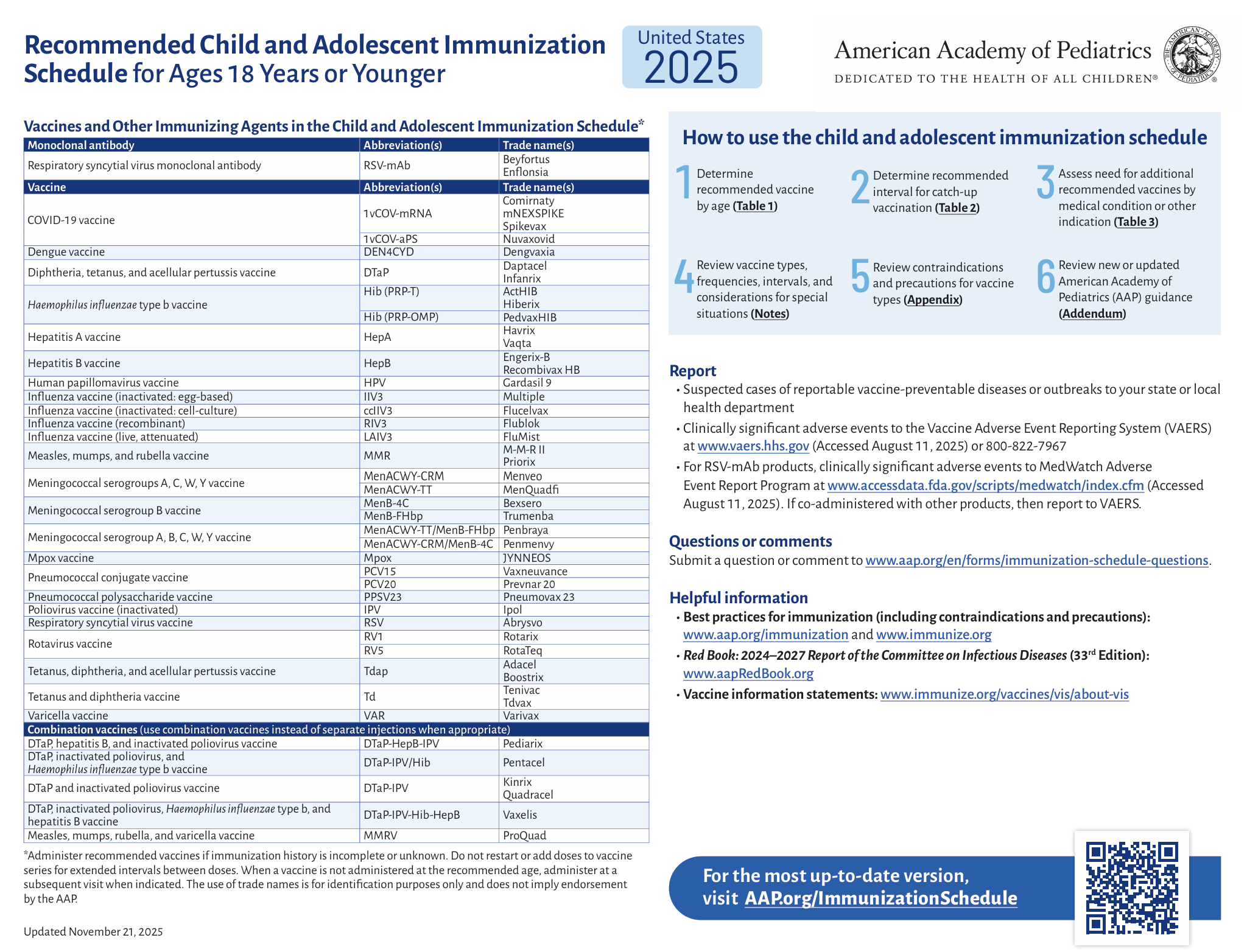
On January 5, 2026, the Centers for Disease Control and Prevention (CDC) unveiled a new childhood immunization schedule that has now curtailed the number of recommended vaccinations for children from 17 diseases to 11 diseases. Exactly one month after a presidential memorandum was issued to reexamine childhood immunization schedules, the CDC no longer recommends routine immunization with Hepatitis A, Hepatitis B, Influenza, Respiratory Syncytial Virus (RSV), Rotavirus, Meningococcal, and COVID-19. Instead, these vaccinations will be based on “Shared Clinical Decision-making” between parents and physicians, despite long-standing evidence of their benefits in protecting children’s lives. Hepatitis B, which affects a disproportionate portion of the AANHPI population, will no longer be universally recommended at birth according to new CDC guidelines.
APAMSA and NCAPIP are deeply concerned about the abrupt changes in the CDC’s childhood immunization schedule, made without public input or a rigorous scientific examination of the risks and benefits. These decisions may further erode trust in public health agencies and increase vaccination hesitancy. Recent research has already shown a decline in childhood vaccinations such as Mumps-Measles-Rubella, leading to outbreaks of measles across the nation.
As mentioned in a previous statement and in our policy compendium, we remain committed to advocating for universal Hepatitis B vaccinations and other necessary childhood immunizations. We urge policymakers at public health institutions to reconsider these changes and focus on evidence-based guidelines that match the United States population and its risks, rather than mirroring other countries’ individualized vaccination schedules.
Resources:
The American Academy of Pediatrics now maintains its own immunization schedule following the replacement of all members on the Advisory Committee on Immunization Practice (ACIP) by the US Secretary of Health and Human Services, Robert F. Kennedy Jr., last year.
For questions regarding this statement, please contact the Rapid Response Director, Brian Leung at rapidresponse@apamsa.org

More Op-Eds Coming Soon!
The APAMSA Op-Ed Series provides members with an accessible platform to share perspectives on medicine, advocacy, identity, and health equity. This initiative is designed to lower barriers to publication by offering clear submission guidelines, editorial support, and opportunities for mentorship throughout the writing process.
Op-eds may be written by national board members or general APAMSA members and are intended to amplify diverse voices while producing a polished, publishable piece. Selected submissions may be featured on the APAMSA website and shared through organizational channels, allowing contributors to engage meaningfully with APAMSA while gaining a tangible scholarly and advocacy-related product for their CVs.
Stay tuned for new op-ed pieces coming soon!
Leadership and Membership Transition
CHAPTER LEADERSHIP AND MEMBERSHIP UPDATE
Please complete this Google form to update your local chapter leadership! Then, email your respective regional directors at region#@apamsa.org (insert your region number for #) and membership@apamsa.org.
Don’t know your region #? Check out the APAMSA regional map HERE (scroll to the bottom)!
Have questions? Contact your respective regional director (region#@apamsa.org) and/or membership@apamsa.org.
We are no longer asking local chapters to complete an Excel sheet to update membership. Instead, we will be replacing it with a new membership process.
We highly encourage ALL local chapter officers/members to SIGN UP NOW for our official membership through JoinIt as a paying member! Please join in order to continue receiving exclusive newsletters about national and regional APAMSA events. For more information, including membership benefits and general FAQs, check out our updated website HERE.
To sign up for ONLY general newsletters without membership benefits (non-paying), click HERE.
ABOUT:
APAMSA is a national organization of health professional students and pre-health students committed to addressing the unique health challenges of Asian American, Native Hawaiian, & Pacific Islander (AANHPI) communities. With an organized membership system, we are able to support APAMSA, our chapters, and our mission. All membership fees go back to chapter funding and will support scholarships for the communities we serve.
If you have any questions, please email membership@apamsa.org.
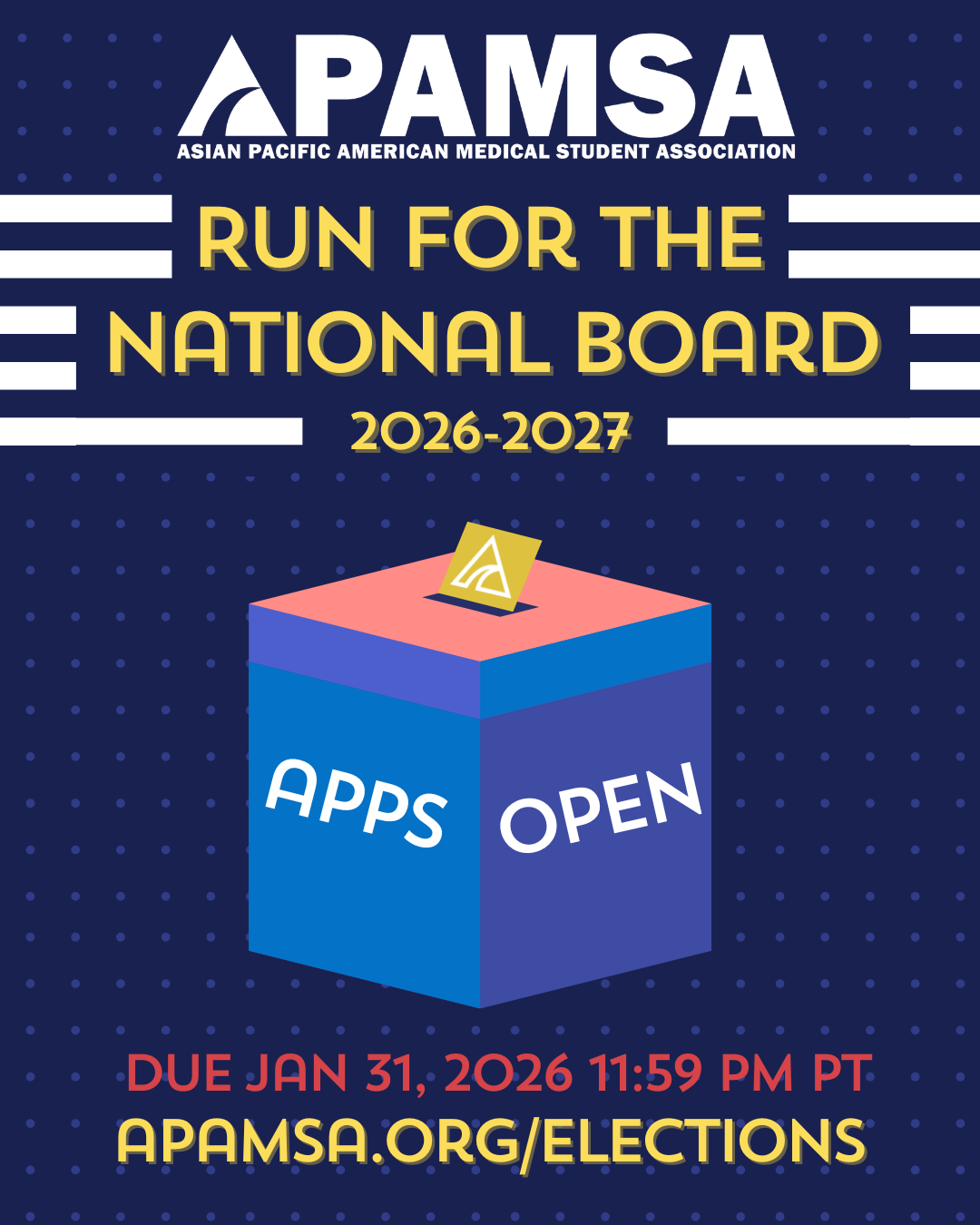
2026-2027 APAMSA National Board Elections Launch
The deadline for interested candidates to apply is Saturday, January 31st, 2026 at 11:59pm PST. Please see below for instructions on how to apply.
1. Join APAMSA: In order to run for a position on National Board, you MUST be an official paying APAMSA member. If you have not yet joined, you can join before applying.
2. Read Instructions: For complete instructions, general rules, FAQ, detailed descriptions of National Board structure, and available positions, please refer to our 2026-27 Election Pamphlet.
3. Join Our Open House: Attend one open house event (for new national board applicants or returning applicants appealing a strike) or an Executive Board (EB) meeting (for new EB applicants). See full details on website.
4. Submit Form: All campaign materials should be uploaded and submitted through our Google Form. Your application will be reviewed by the 2026-27 Elections Committee before it is published.
Questions? Please reach out to elections@apamsa.org.
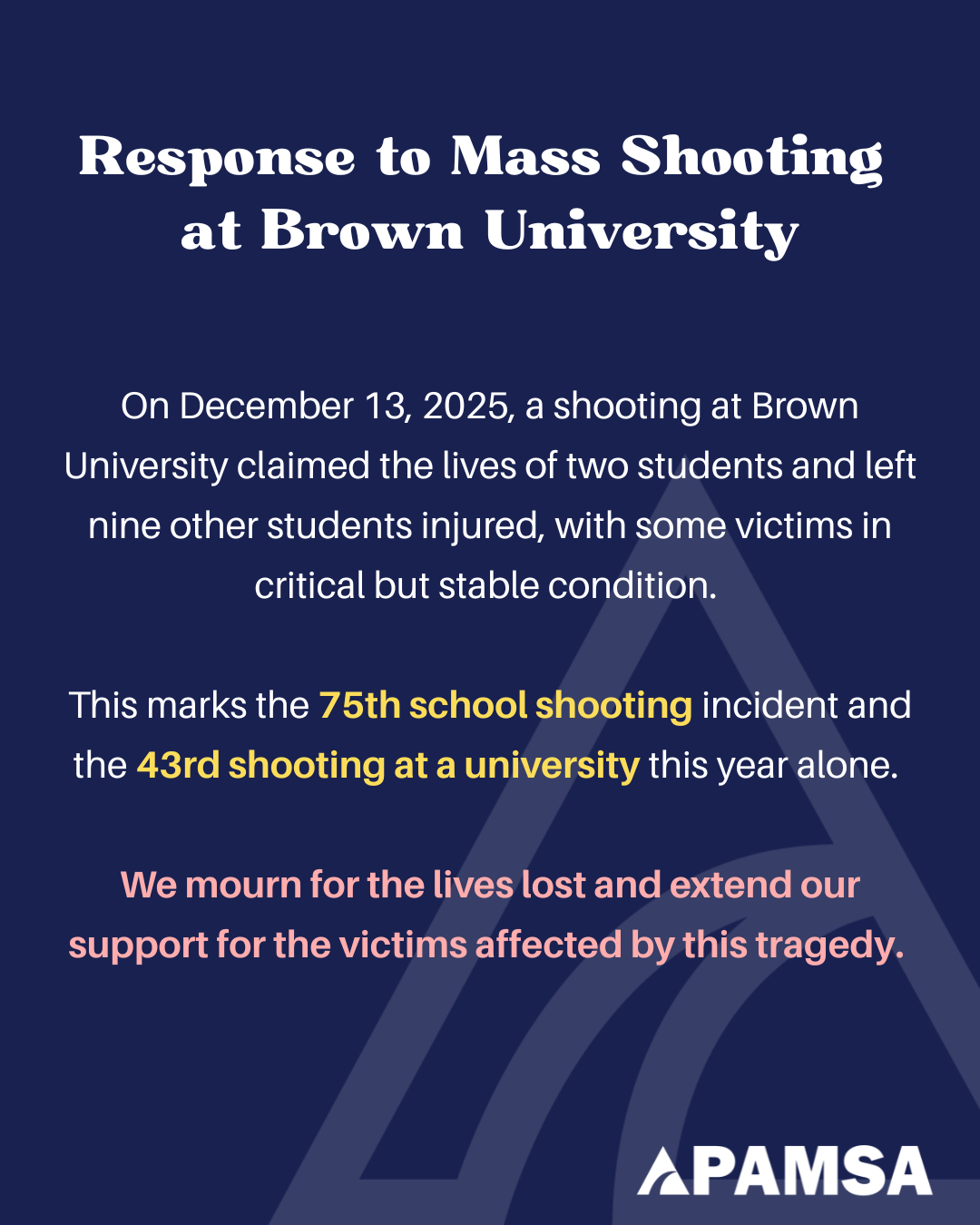
Response to Mass Shooting at Brown University
On December 13, 2025, a shooting at Brown University claimed the lives of two students and left nine other students injured, with some victims in critical but stable condition. This marks the 75th school shooting incident and the 43rd shooting at a university this year alone. We mourn for the lives lost and extend our support to the victims affected by this tragedy.
National APAMSA strongly denounces all gun violence and remains steadfast in our commitment and desire for comprehensive federal, state, and municipal gun control policies as mentioned in our previous statements and in our policy compendium. We, at APAMSA, recognize gun violence as a preventable health crisis and urge legislators to institute stricter gun control measures.
Measures such as standardizing and closing loopholes in background checks for firearms and increasing funding for mental health programs can be implemented to address root causes of gun violence. Although the 2023 Bipartisan Safer Communities Act has stipulated over $1 billion for improving student mental health, recent administration changes have greatly reduced how that money gets dispersed, denying much-needed mental health professional development grants for colleges and universities. Like disease management, we urge policymakers to focus on evidence-based approaches that have been shown to reduce deaths from gun violence.
In the wake of this recent act of violence, many students may be experiencing fear, grief, numbness, or distress. These reactions are normal, and you do not have to navigate them alone. Support is available both on campus and through culturally affirming, confidential resources listed below.
For Brown University Students:
Brown University Emergency Services
- Mental Health Crisis Stabilization Services: 401-863-3476
- Public Safety Management: 401-863-4111
- Administrator On Call (AOC): 401-863-3322
Brown University Student Services
- Counseling And Psychological Services (CAPS): 401-863-3476
- Free virtual care services for all currently enrolled students
- BWell (Brown Wellness): Online appointment here
- A confidential campus resource for students offering wellness check-ins, trauma-informed support, and help navigating care options after distressing events.
- TimelyCare: More information here
- Brown has partnered with TimelyCare to provide free therapy services to actively enrolled students
- Free access up to 12 teletherapy sessions per year & unlimited access to a library of wellness videos
- Chaplain & Spiritual Support: More information here
- Office of the Chaplains and Religious Life (OCRL) aims to make available pastoral care and advice for students, staff, faculty, and alumni
- Bereavement Group
- When: Mondays @ 7:30PM
- Where: Room 411 of Page-Robinson
- Student Support Services (SSS): More information here
- Contact for either oneself or one’s peers to access collaborative assistance between University staff and the community to provide thoughtful individualized support during complex factors contributing to a student’s distress.
- Contact for either oneself or one’s peers to access collaborative assistance between University staff and the community to provide thoughtful individualized support during complex factors contributing to a student’s distress.
City of Providence Resources
- The Providence Center’s Center for Child and Adolescent Services:
- Open from 8:00AM – 4:30PM (Monday-Friday)
- Family Service RI Crisis Line: 401-854-6678
- Offers counseling and support services for anyone in the community.
- Available for home visits or virtual counseling
- United Way of Rhode Island 2-1-1: Call 2-1-1
- Free and confidential information on mental and physical healthcare, housing, food, and emergency services available in the area
- Open 24/7/365
24/7 Emergency Hotlines
Key reminder: If someone is in immediate danger or talking about harming themselves or others, call 911 or go to the nearest emergency room.
- National Suicide & Crisis Lifeline (U.S.): Call or text 988 for trained crisis counselors
- Disaster Distress Helpline: 1-800-985-5990 or text “TalkWithUs” to 66746
- Immediate emotional support after trauma/violent events
- Asian LifeNet Hotline: 1-877-990-8585
- A free, 24/7 hotline for those in distress. Cantonese, Mandarin, Korean, Japanese, Fujianese offered
- Trevor LifeLine: 1-866-488-7386
- Confidential crisis intervention and suicide prevention aimed for LGBTQ+
Counseling & Support Services
General AANHPI Mental Health Counseling Resources
- Physician Support Line: 1-888-409-0141 (7 days/week, 8am-1am EST)
- Free confidential support for medical students and physicians from 600+ volunteer psychiatrists. No appointment necessary
- Asian Mental Health Collective
- Region-based therapist directory focused on AAPI mental health
- Asians for Mental Health Directory
- Mental health provider directory for AANHPI community (for all 50 states and Washington D.C.)
- National Asian American Pacific Islander Mental Health Association
- Resource list, mental health and behavioral services directory, and blog for AANHPI folks
- South Asian Public Health Association – Mental Health Resources
- Resources for South Asian mental health (organizations, peer support, and provider directories)
AANHPI X LGBTQ+ Mental Health Resources
- The Trevor Project
- Support and crisis services for LGBTQ+ folks in need of mental health support
- Desi LGBTQ+ Helpline for South Asians
- Free and confidential support for South Asian LGBTQ+ individuals
- National Queer Asian Pacific Islander Alliance (NQAPIA) – Healer Network and Therapy Resources List
- API therapists and healers for LGBTQ+ individuals
- National Queer and Trans Therapists of Color Network (NQTTCN)
- Healing justice resources for QTPOC
Self-Care Resources
- SAMHSA – Coping After Traumatic Events
- Evidence-based strategies for emotional regulation after trauma
- NIMH – Taking Care of Your Mental Health After a Traumatic Event
- Self-Care Assessment Worksheet and Plan
For a more extensive list, please visit https://www.apamsa.org/mental-health-initiative/ and look under Mental Health Resources.
Please feel free to reach out to mentalhealth@apamsa.org if you would like to talk and we will work together on how APAMSA can best support you and your chapter.
Authors: David Kim, Mia Park, Brian Leung
Signed: Region I Director, Brian Vu and Warren Alpert Medical School of Brown University APAMSA Chapter Co-Presidents, Jerome Dovan and Sophia Dutton
For questions regarding this statement, please reach out to Brian Leung at rapidresponse@apamsa.org.
For local support, please contact the Region I Directors, Brian Vu and Stephanie Lam, at region1@apamsa.org.
2024-2025 National Board
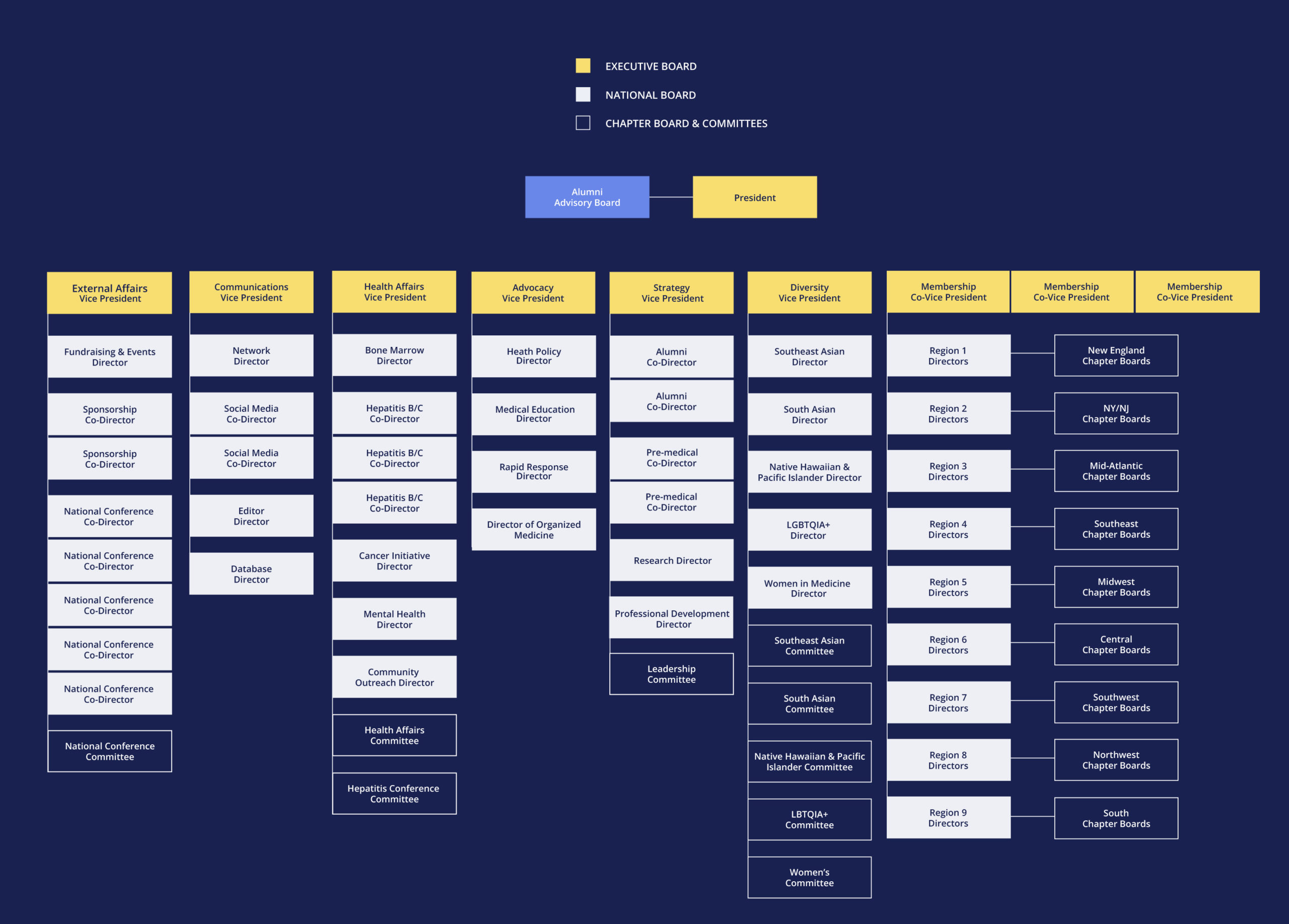
Executive Board



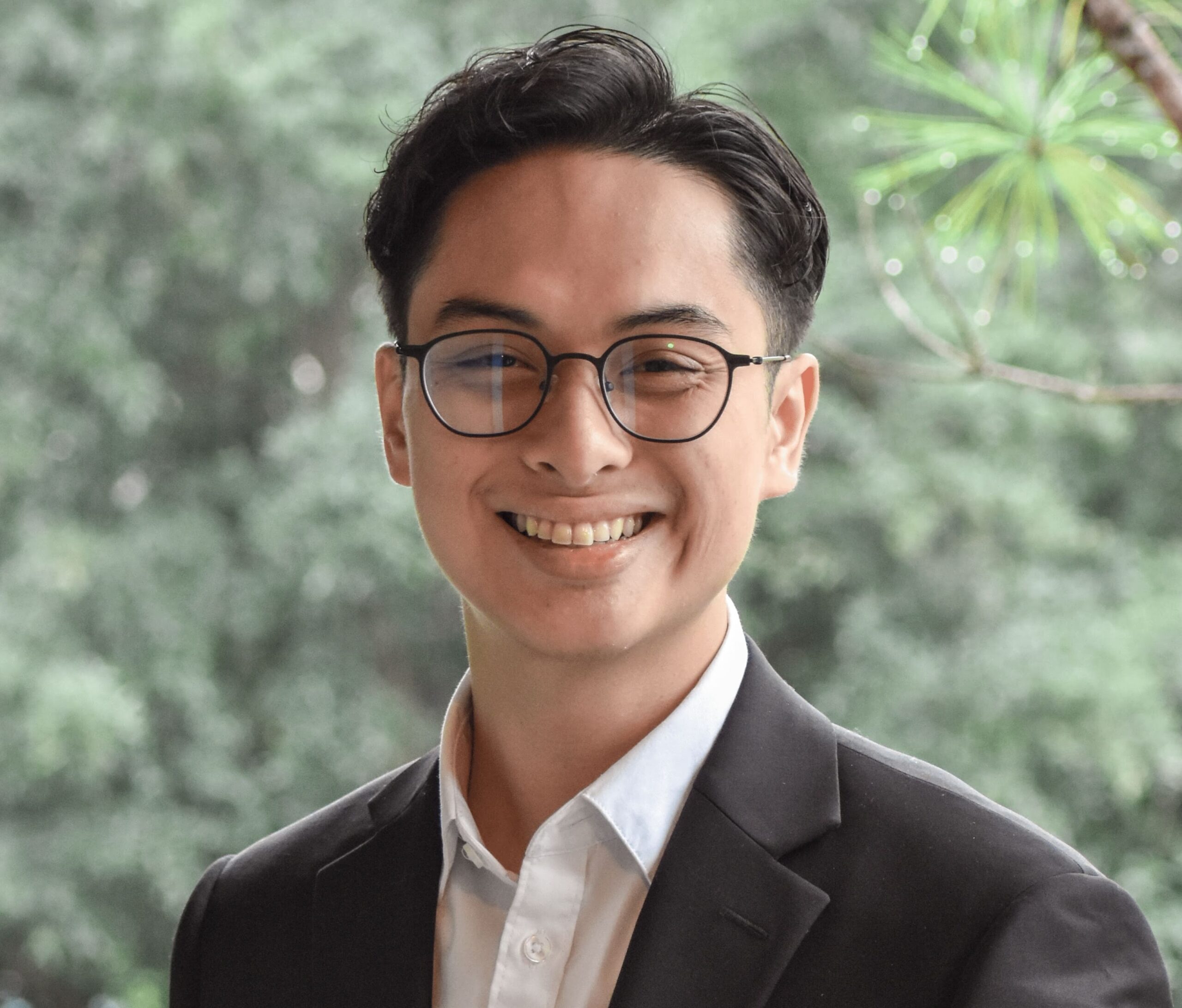
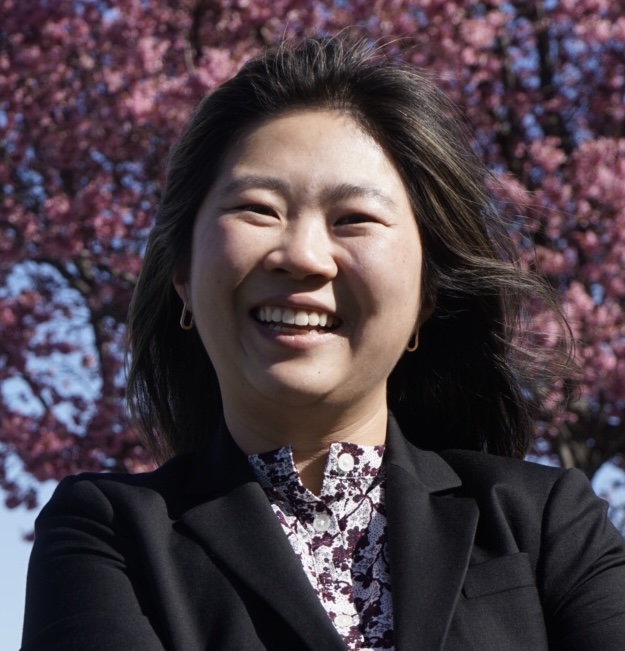
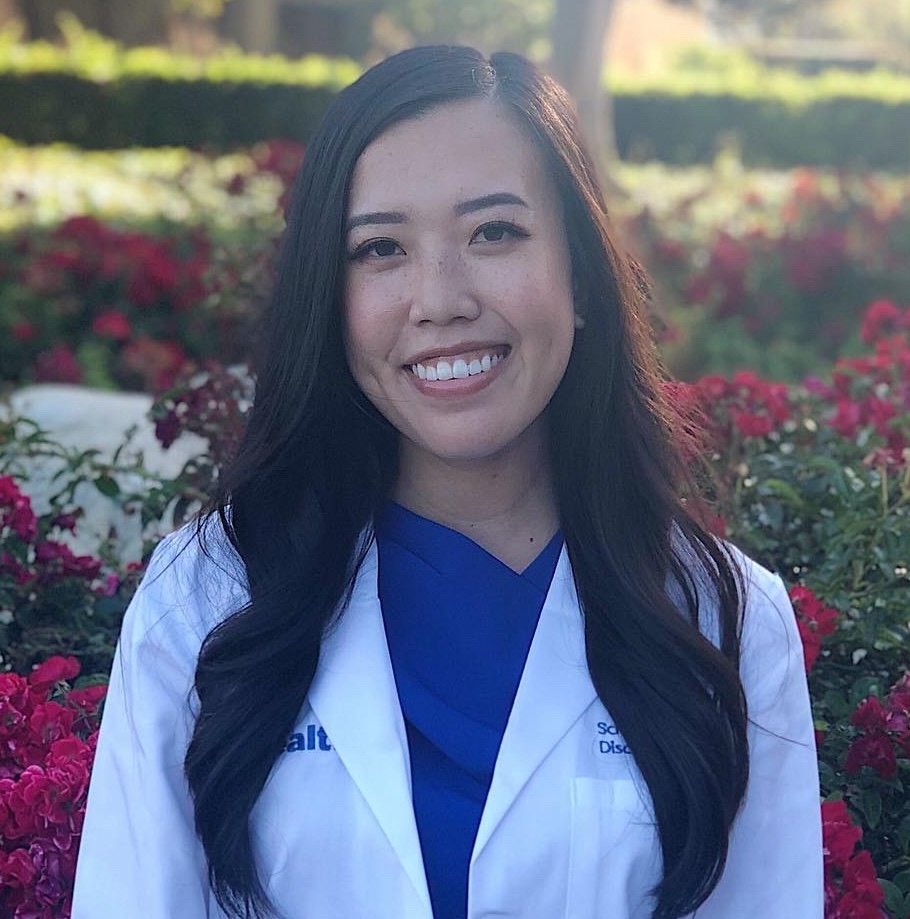

Branch Directors

Medical Education
Director
Megan Jiao
She/Her/Hers
McGovern Medical School, University of Texas Health Science Center at Houston



Editor Director

Xueying Zheng
She/Her/Hers
University of Nevada,
Reno School of Medicine
Nothing found.
Native Hawaiian &
Pacific Islander Director
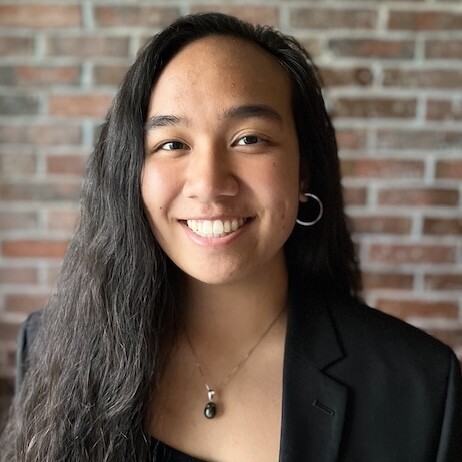
Kanoe Evile
She/Her/Hers
Columbia University Vagelos College of Physicians & Surgeons
South Asian
Director
.
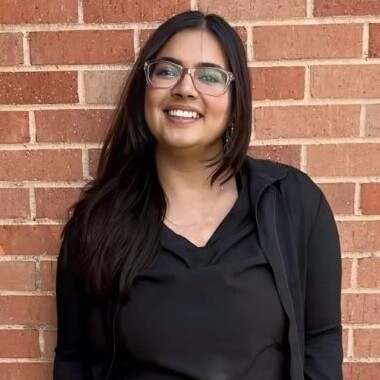
Aliza Ali
She/Her/Hers
University of the Incarnate Word School of Osteopathic Medicine
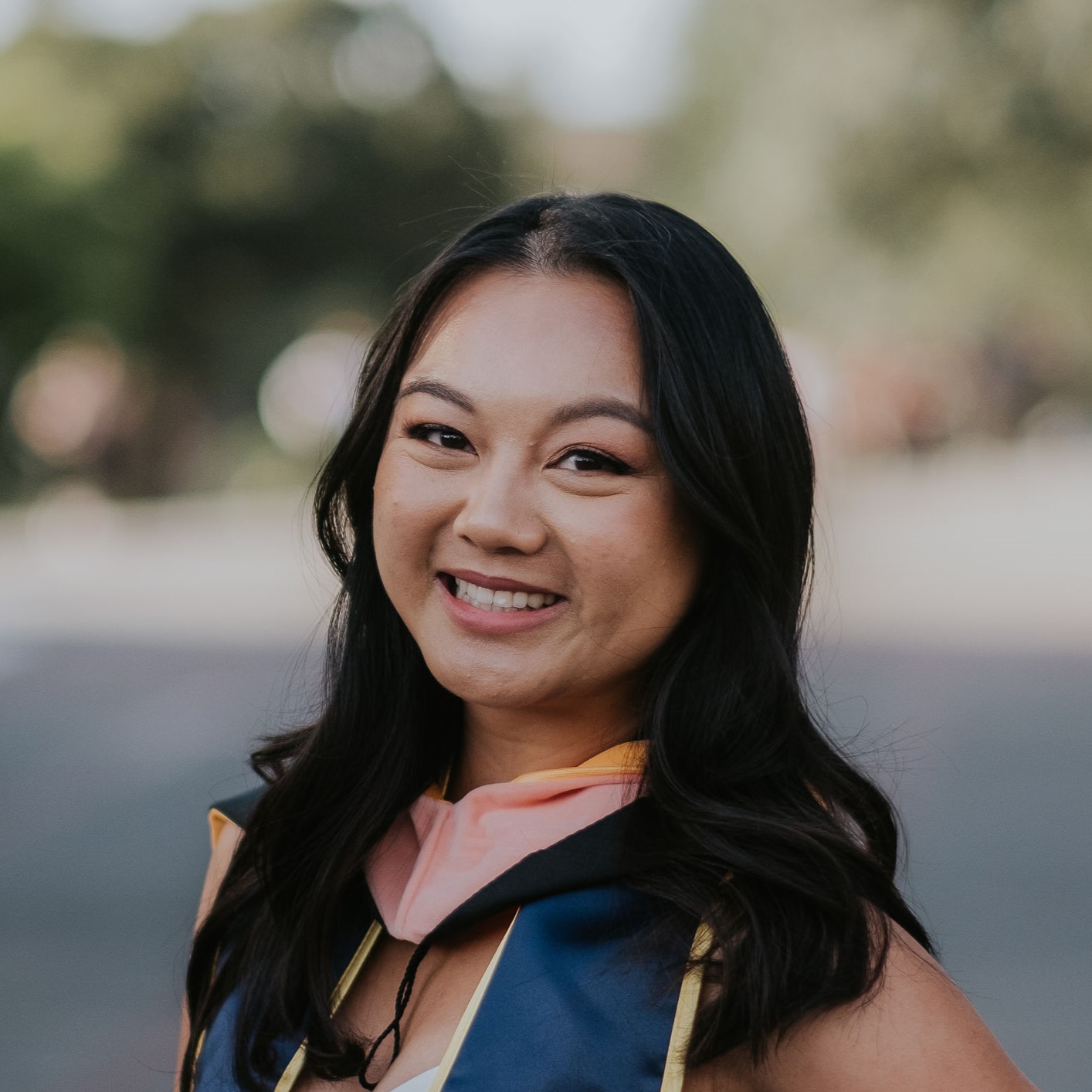
LGBTQIA+
Director
.
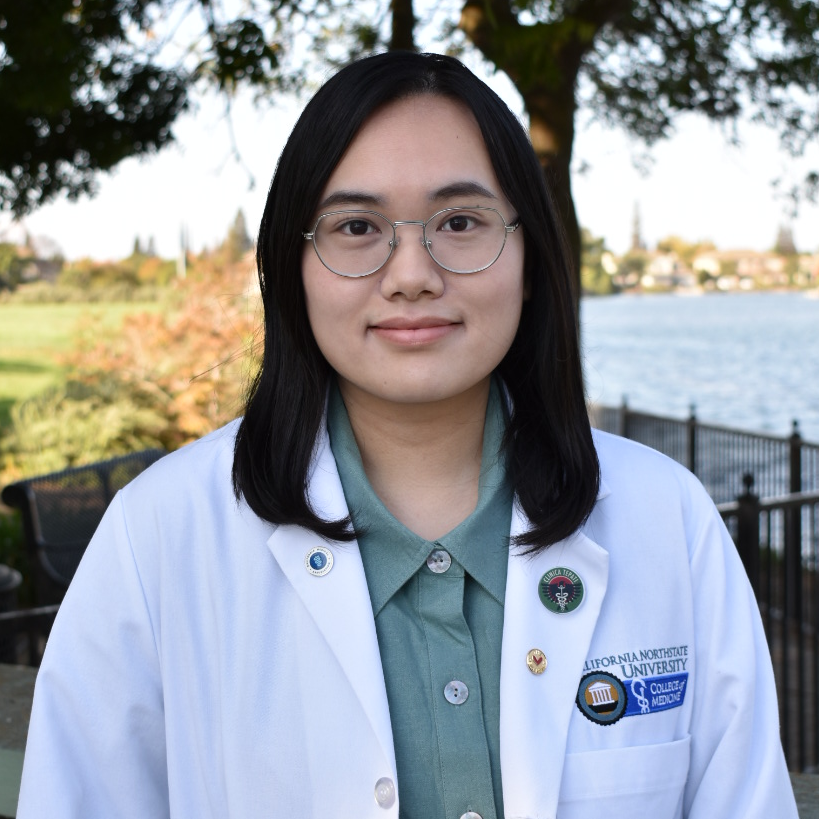
Natasha Arief
They/Them/Theirs
California Northstate University College of Medicine
.

Sponsorship
Co-Director
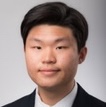
Brandon Park
He/Him/His
University of Missouri-Kansas City School of Medicine
Fundraising &
Events Director
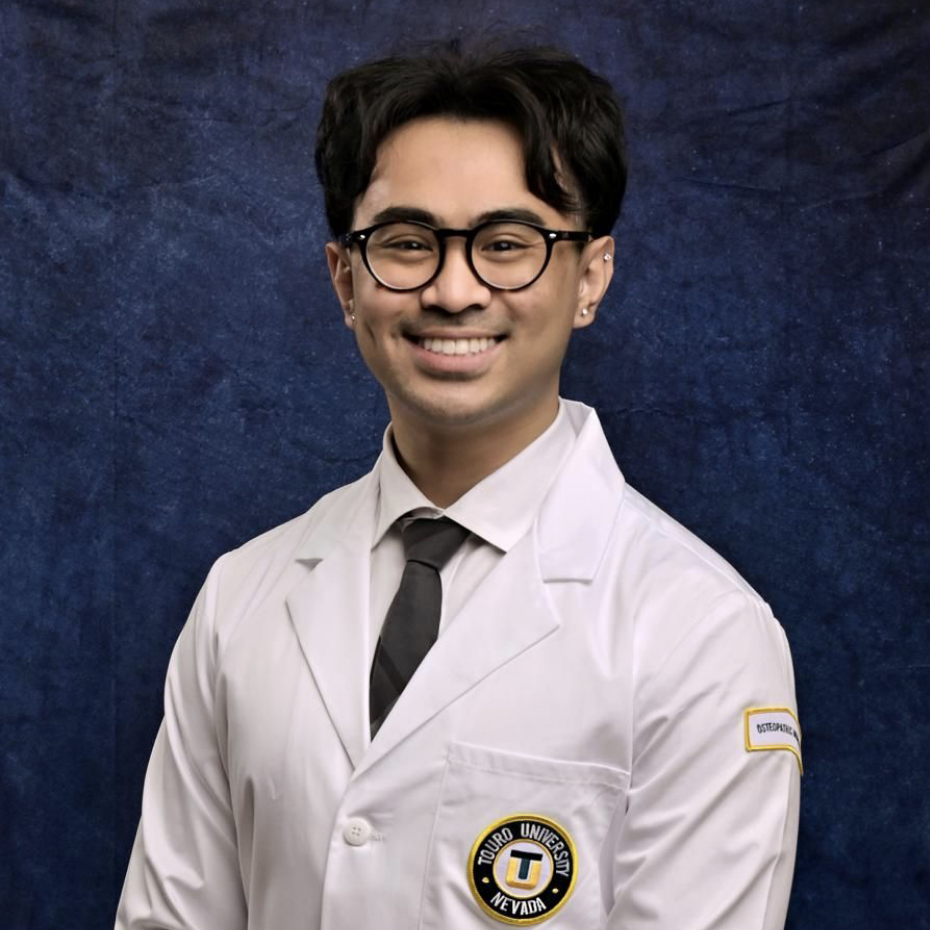
James Chua
He/Him/His
Touro University Nevada,
College of Osteopathic Medicine

Mental Health
Director
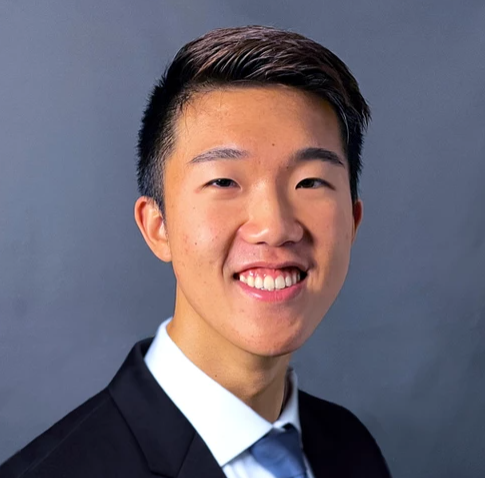
Julie Kim
She/Her/Hers
Nova Southeastern University Dr. Kiran C. Patel College of Allopathic Medicine
Hepatitis B & C
Co-Director
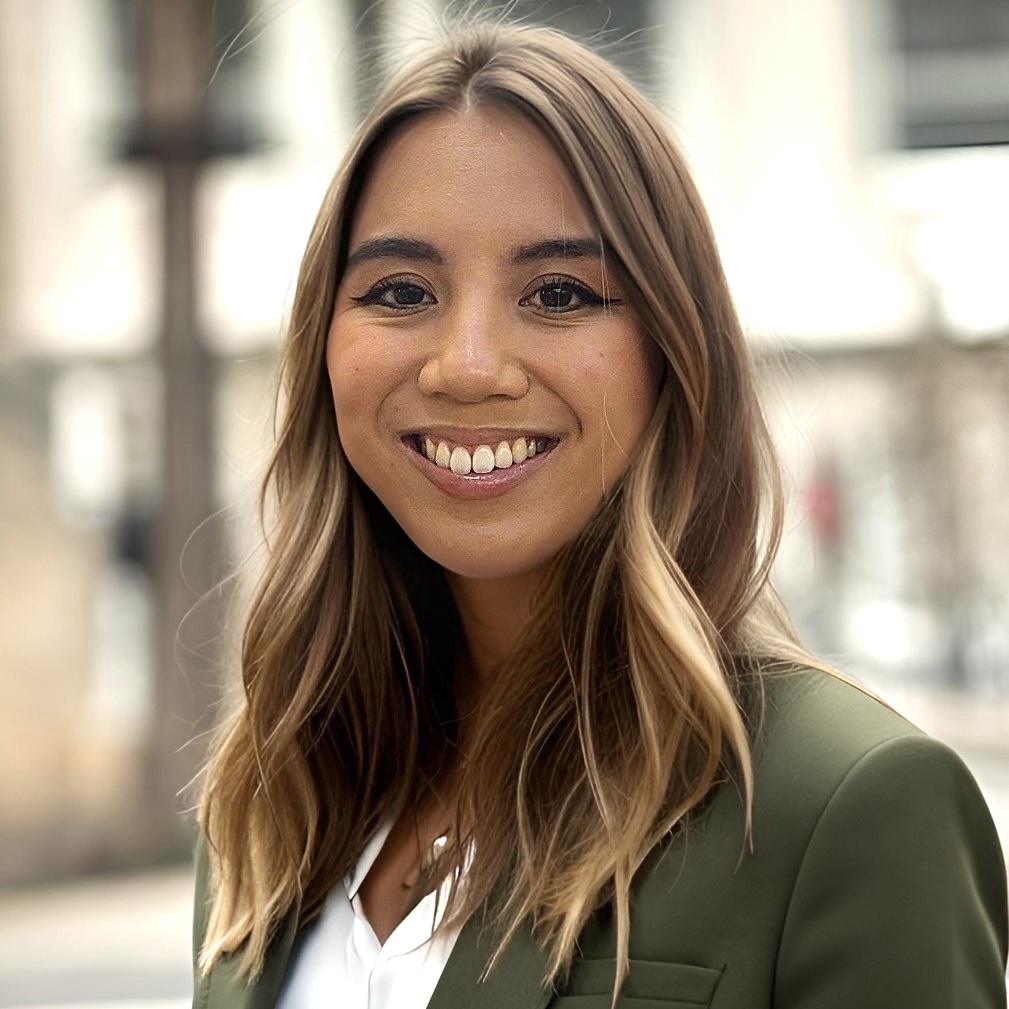
Alicia Bui
She/Her/Hers
Oakland University William Beaumont School of Medicine
hepatitis@apamsa.org
Hepatitis B & C
Co-Director
Christopher Huy Doan
He/Him/His
John Sealy School of Medicine at
the University of Texas Medical Branch
Nothing found.
Diabetes and Cardiovascular Diseases Director
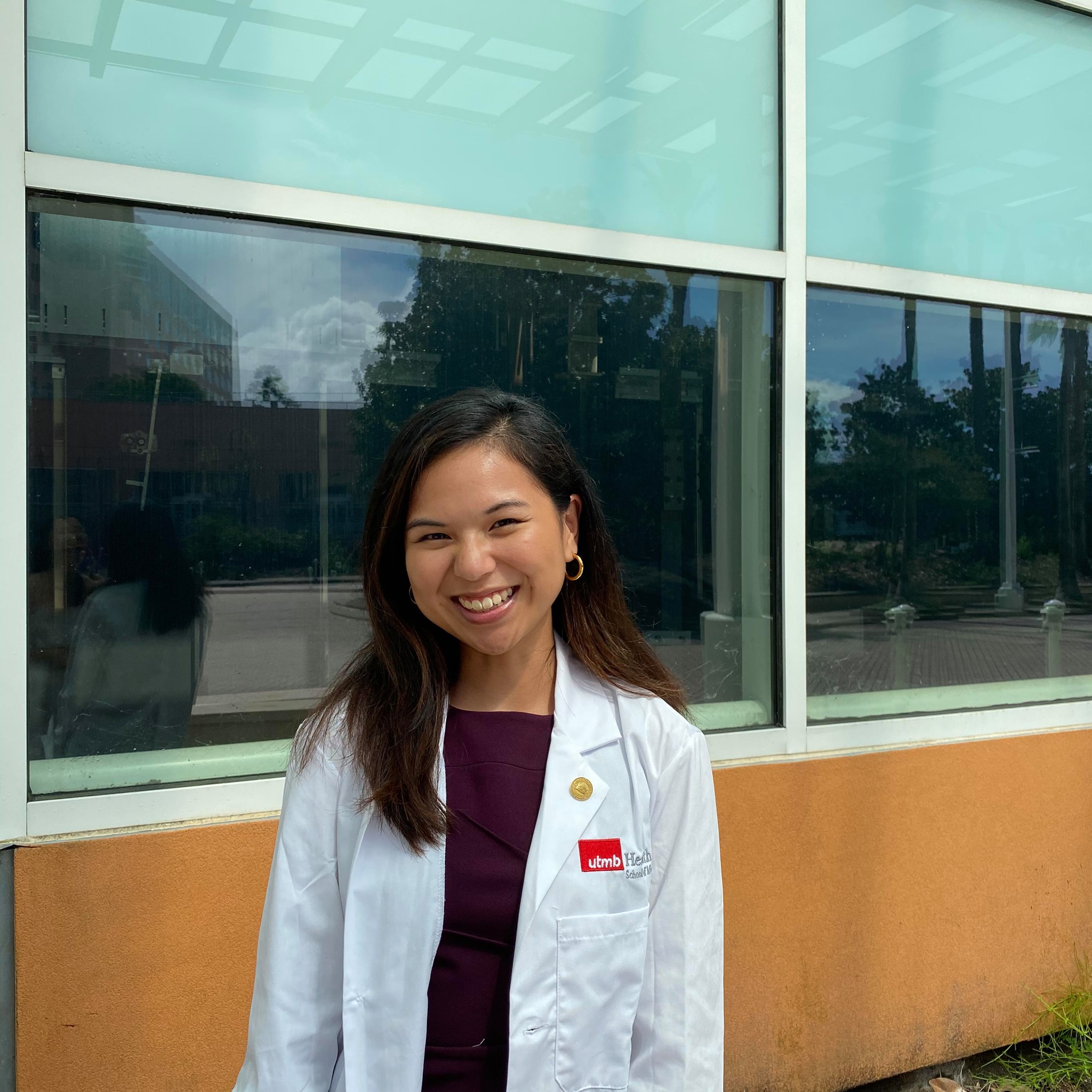
Jessica Ngo
She/Her/Hers
The University of Texas Medical Branch
diabetescvd@apamsa.org
Alumni Co-Director
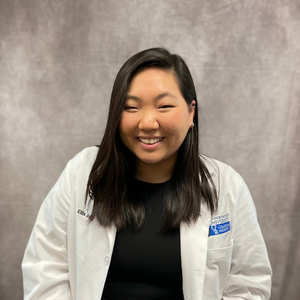
Ellis Jang
She/Her/Hers
California Northstate University College of Medicine
Premed Co-Director
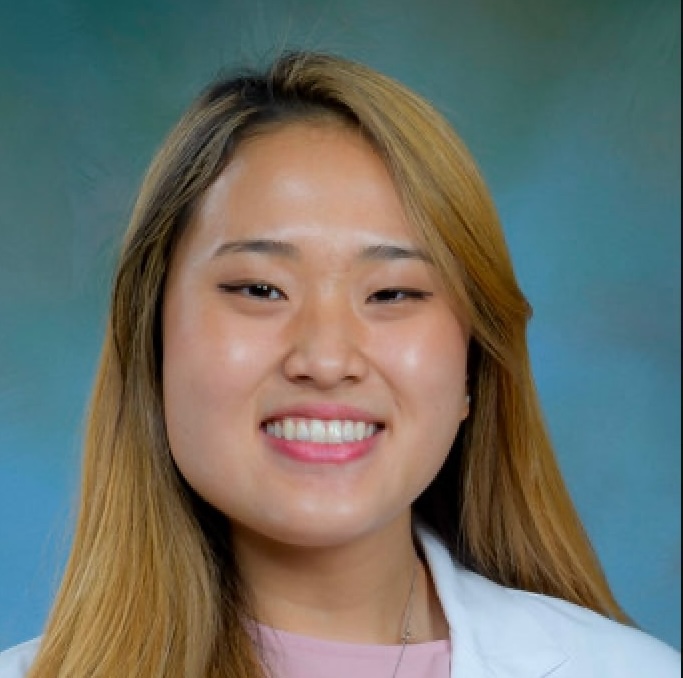
Stephanie Kim
She/Her/Hers
University of Texas Medical Branch at Galveston
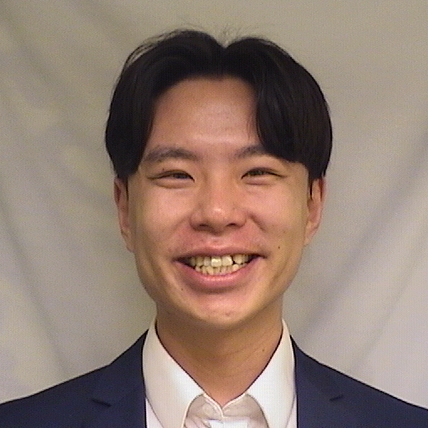
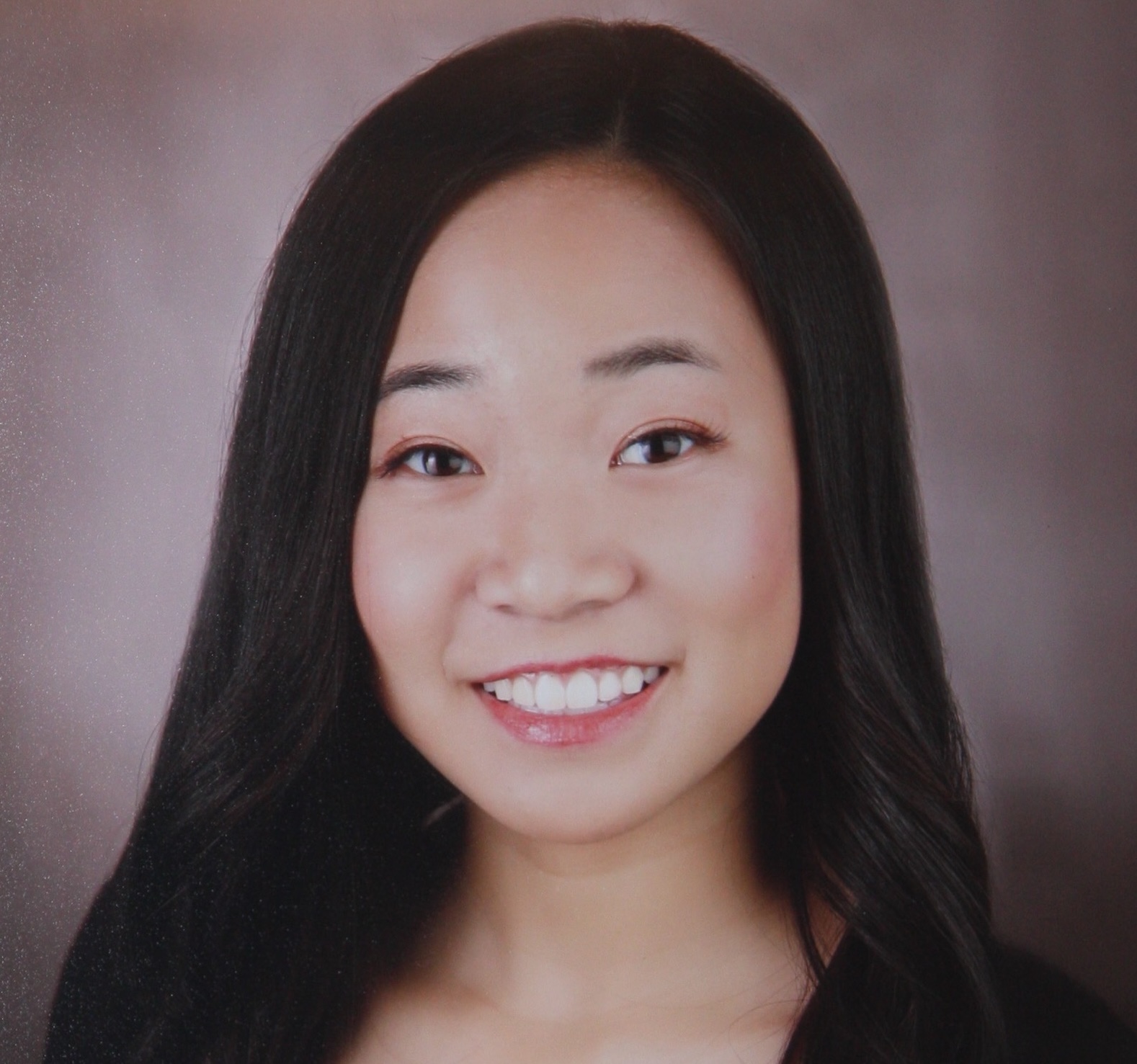
Membership Regional Directors
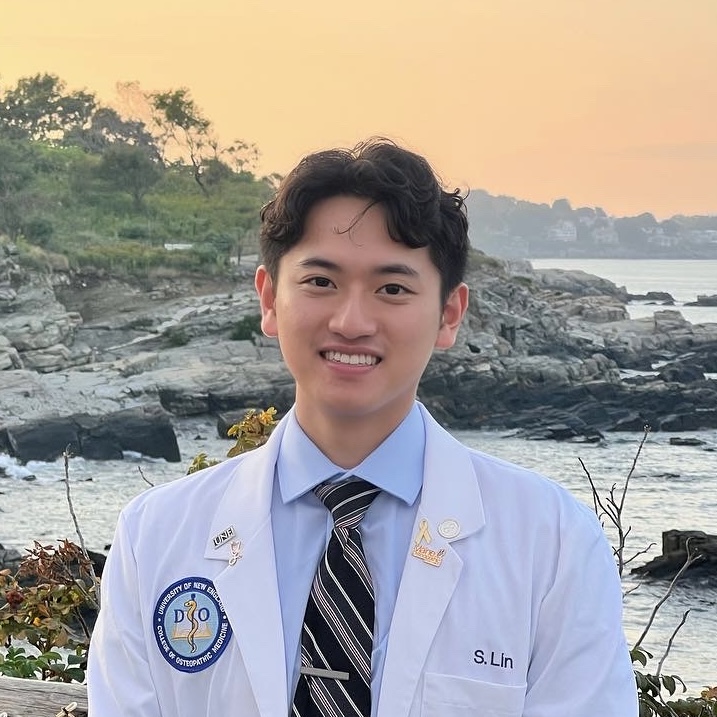







Committee Members
Bayley Brennan
She/Her/Hers
University of Arizona College of Medicine – Phoenix
Makoa Mau
He/Him/His
John A. Burns School of Medicine at University of Hawaii
Peggy Su
She/Her/Hers
John A. Burns School of Medicine at University of Hawaii
Gautami Galpalli
She/Her/Hers
Southern Illinois University

Shivani Sundaram
She/Her/Hers
Keck School of Medicine of USC
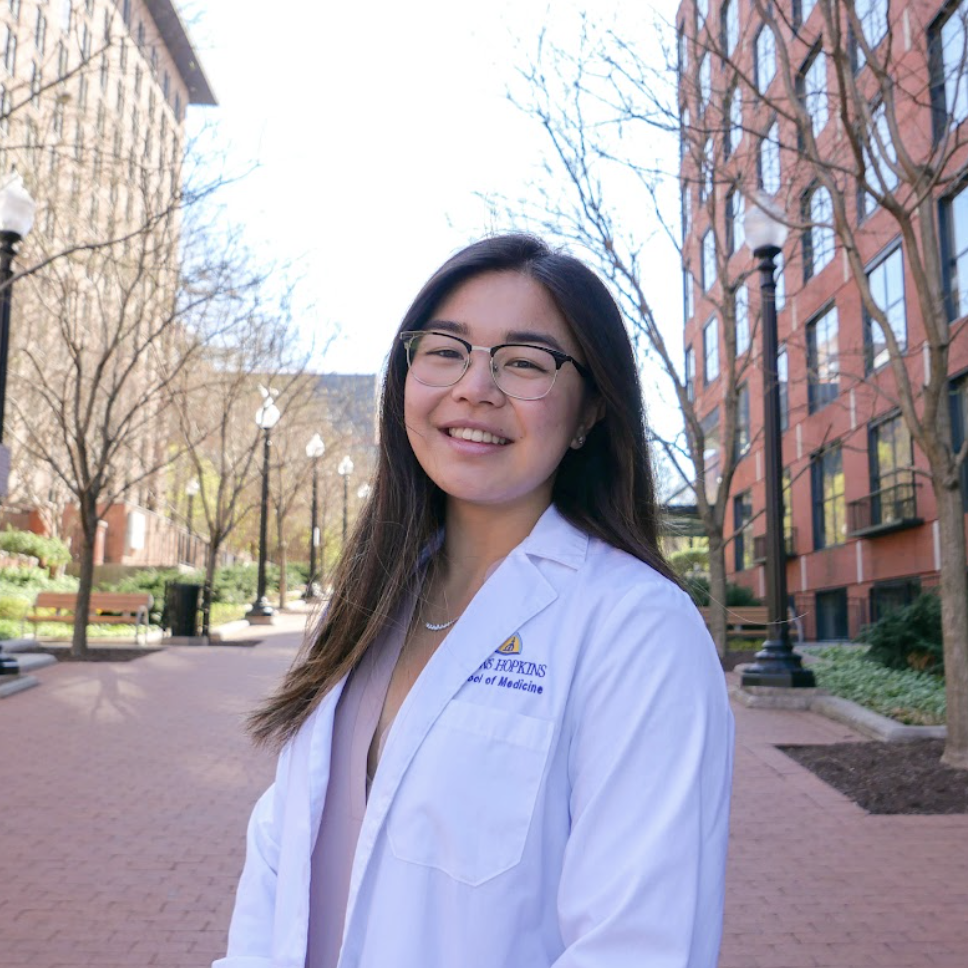
Sandra Kong
She/Her/Hers
Johns Hopkins School of Medicine
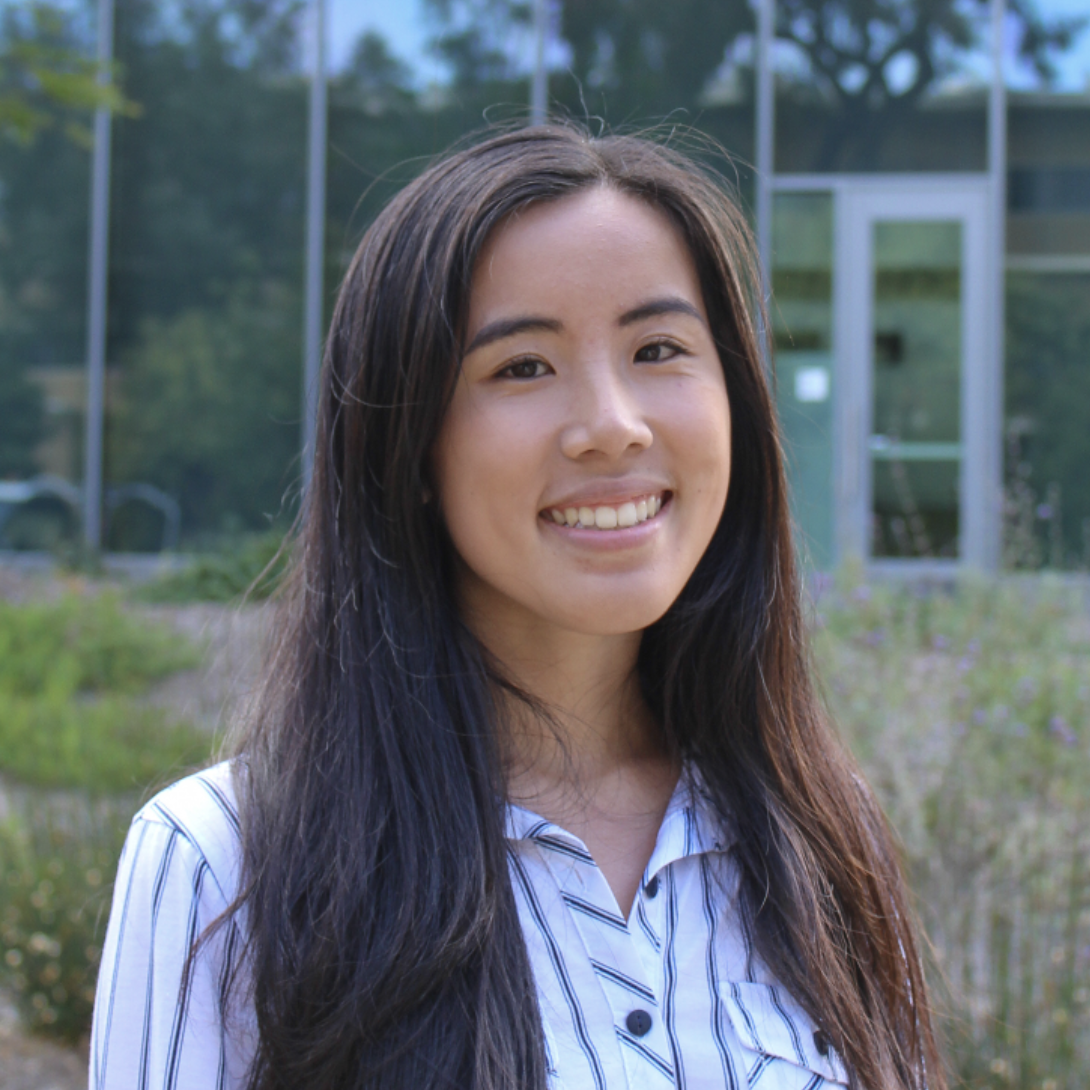
Tiffany Chu
She/Her/Hers
Creighton University School of Medicine
Kimsa Nguyen
She/Her/Hers
California Health Sciences University

Edmund Pacleb
He/Him/His
A. T. Still University School of Osteopathic Medicine in Arizona
Anne Nguyen
She/Her/Hers
New York Medical College
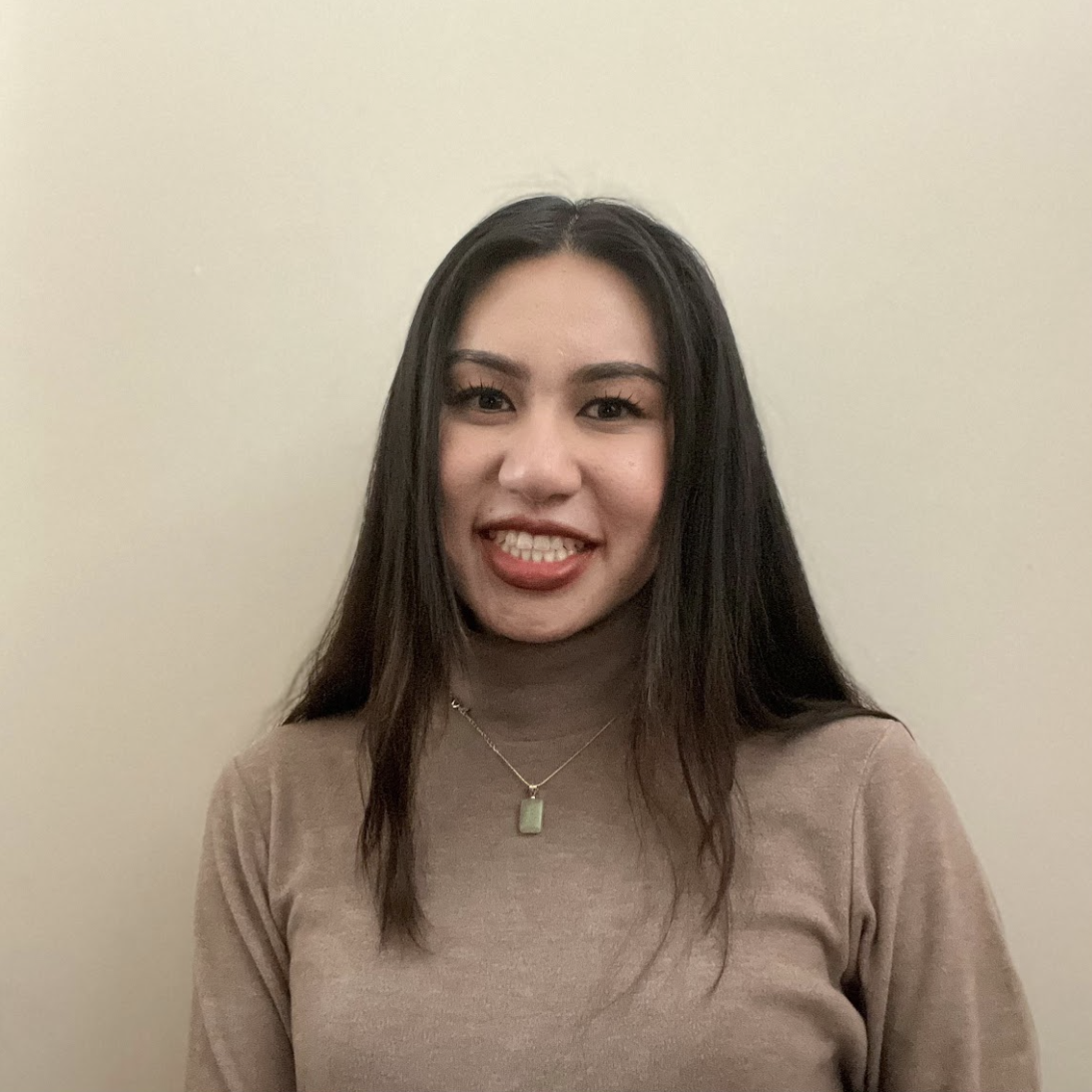
Zezhou (Zach) Zhao
He/Him/His
Harvard Medical School
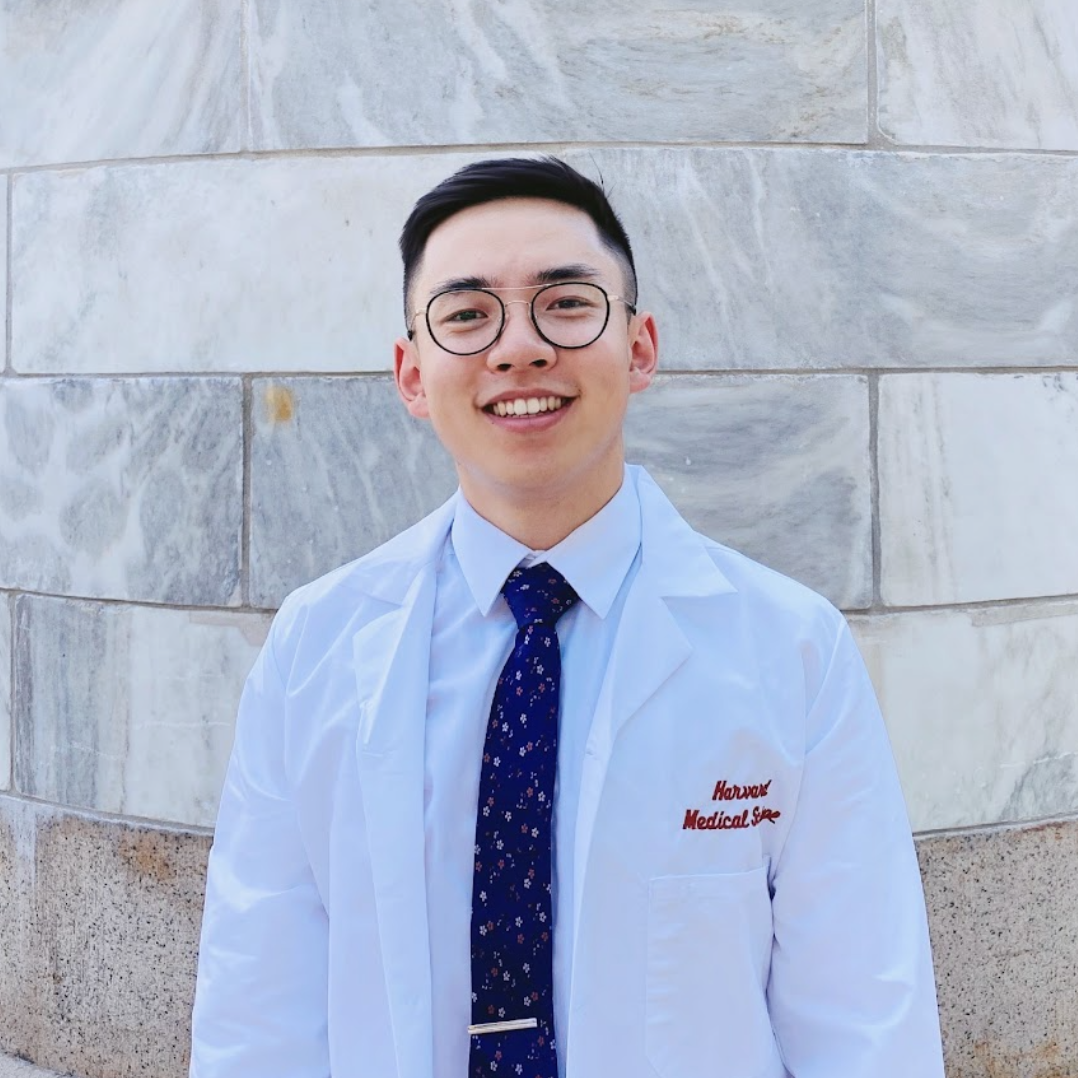
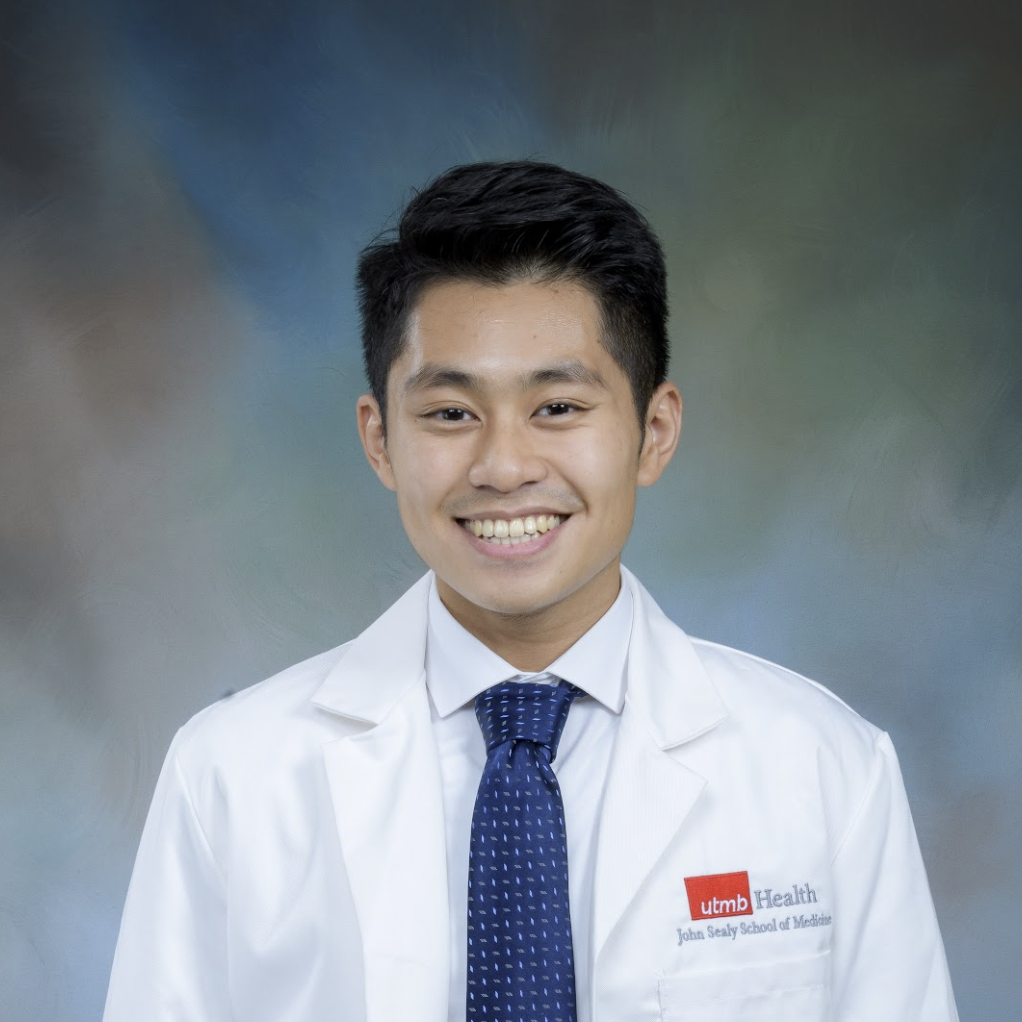
Johnny Dang
He/Him/His
UTMB John Sealy School of Medicine
Kevin Ku
He/Him/His
Texas Christian University
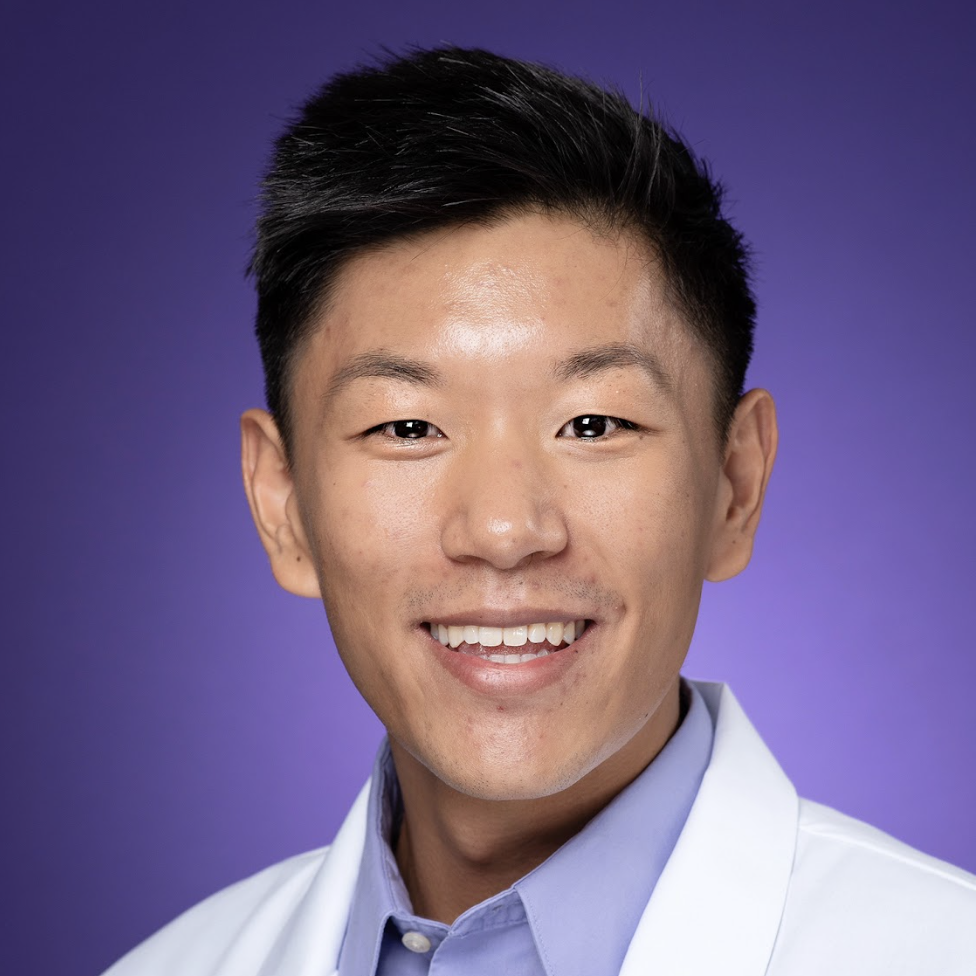
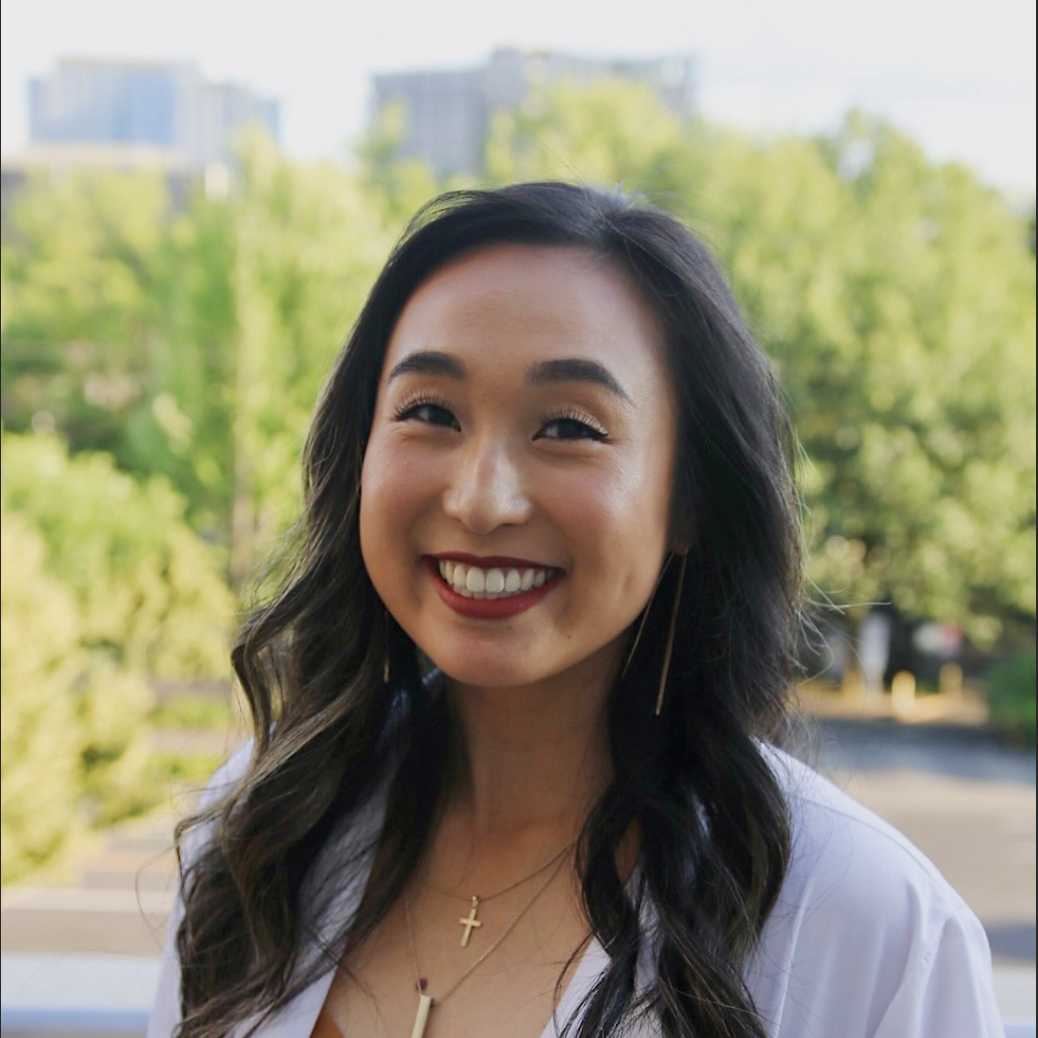
Lisa Kumasaka
She/Her/Hers
Oregon Health & Science University
Jennifer Du
She/Her/Hers
Vanderbilt University School of Medicine
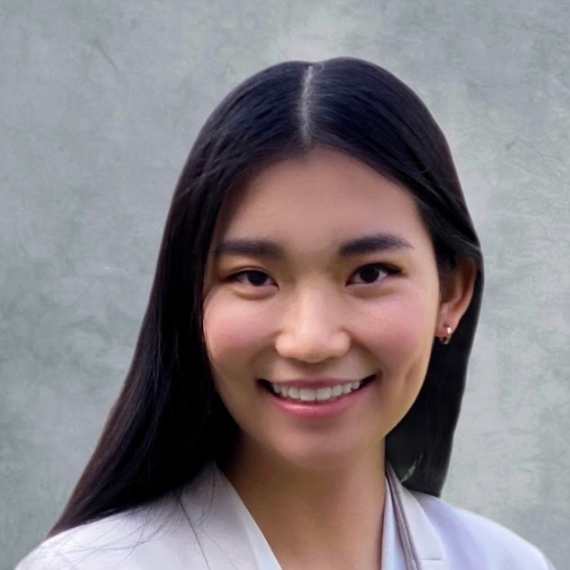
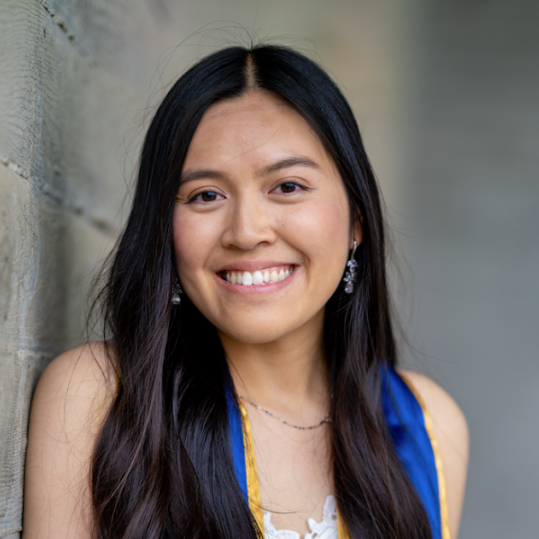
Thao Le
She/Her/Hers
Michigan State University, College of Human Medicine
Judy Le
She/Her/Hers
University of Wisconsin School of Medicine and Public Health
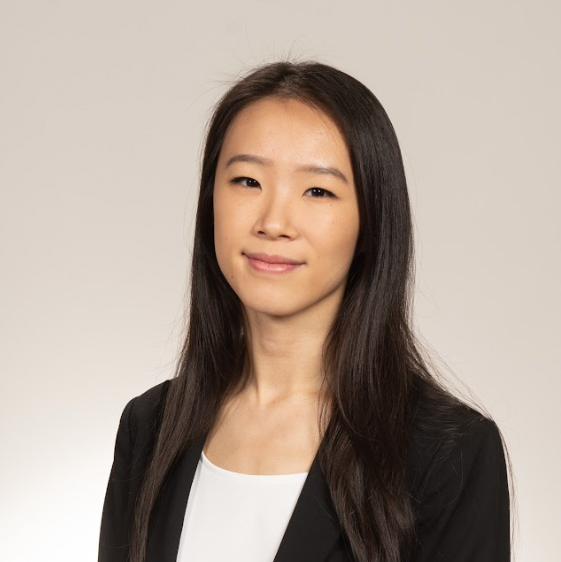
Teresa (Si Ja) Liu
She/Her/Hers
Philadelphia College of Osteopathic Medicine
Barbara Nguyen
She/Her/Hers
Western University of Health Sciences – Pomona
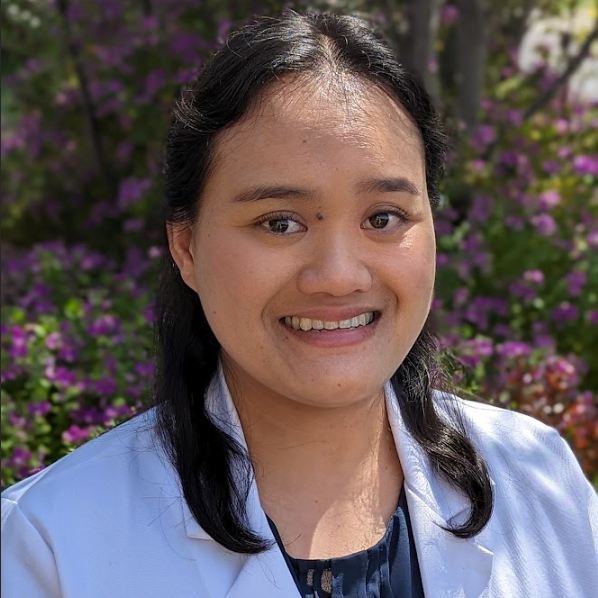
Jess Qu
She/Her/Hers
Mayo Clinic Alix School of Medicine
Genichiro Fujioka
He/Him/His
Texas A&M School of Medicine
Annie Nguyen
She/Her/Hers
Stanford University


Mia Park
She/Her/Hers
MSU College of Human Medicine
Brandon Park
He/Him/His
University of Missouri-Kansas City (UMKC) School of Medicine
Roland Yu
He/Him/His
John Sealy School of Medicine at the University of Texas Medical Branch
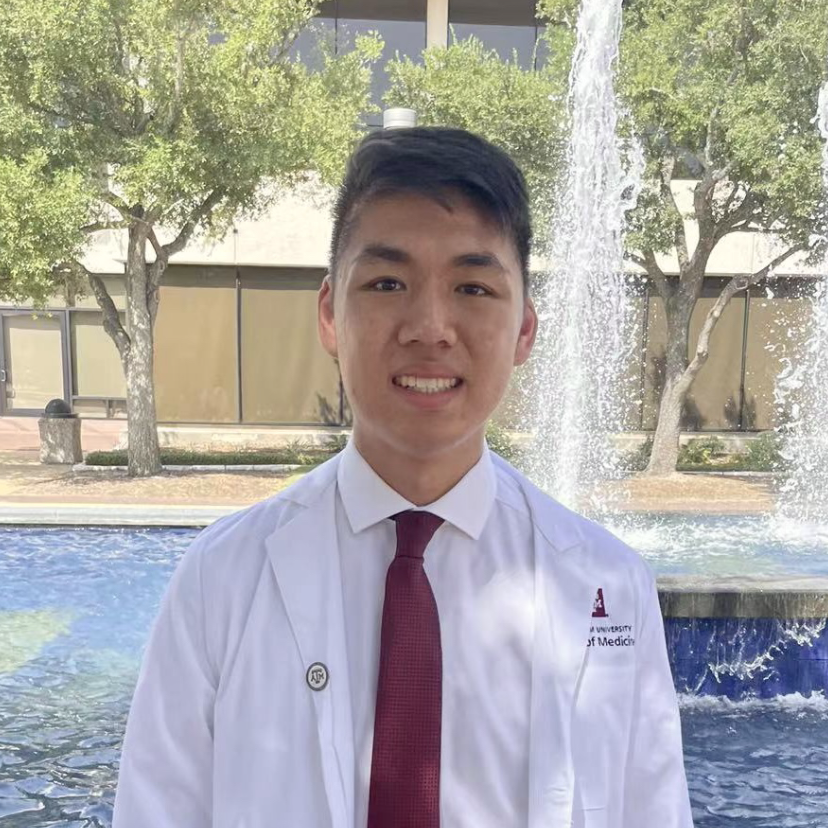
Jerry Liu
He/Him/His
Texas A&M School of Medicine
Sana Suhail
She/Her/Hers
University of Texas Health Science Center, San Antonio

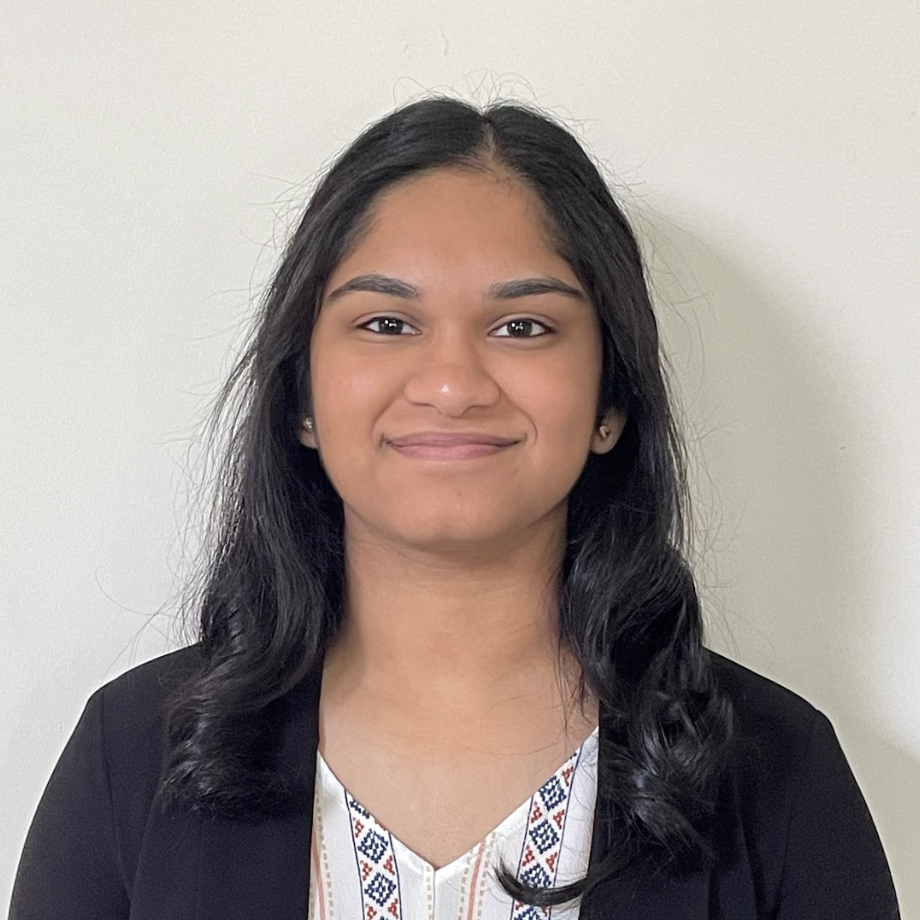
Neha Potta
She/Her/Hers
University of Missouri Kansas City
Samantha Xing
She/Her/Hers
Columbia VP&S
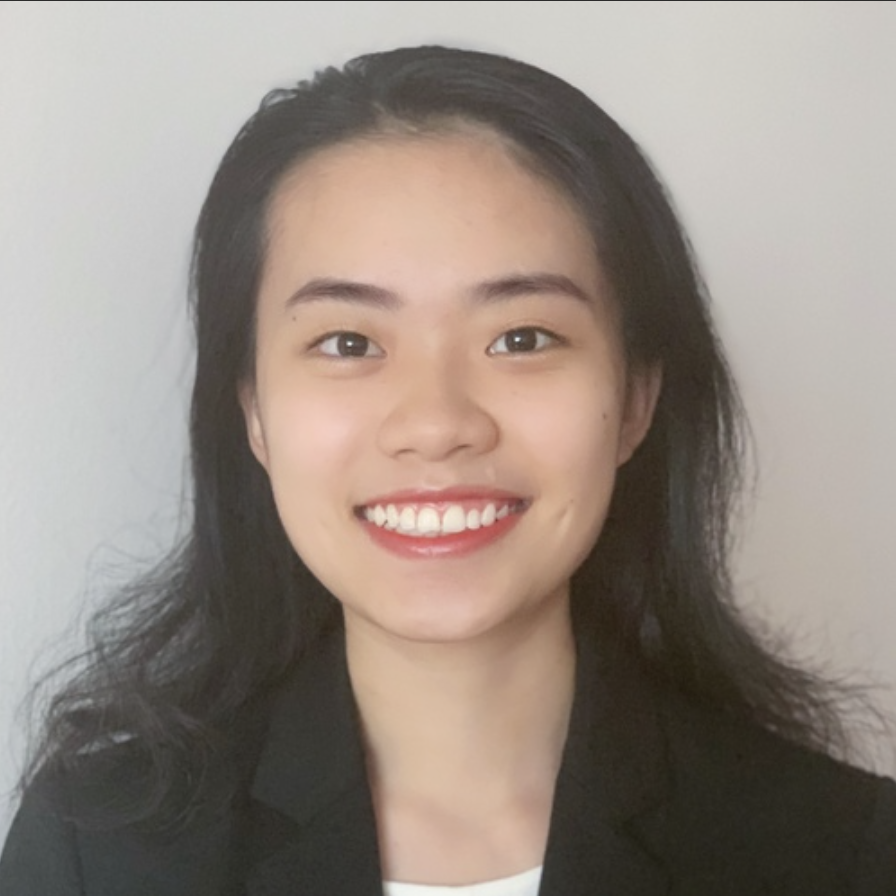
Jane Tian
She/Her/Hers
St. George’s University School of Medicine
Vicky Lam
She/Her/Hers
California University of Science and Medicine
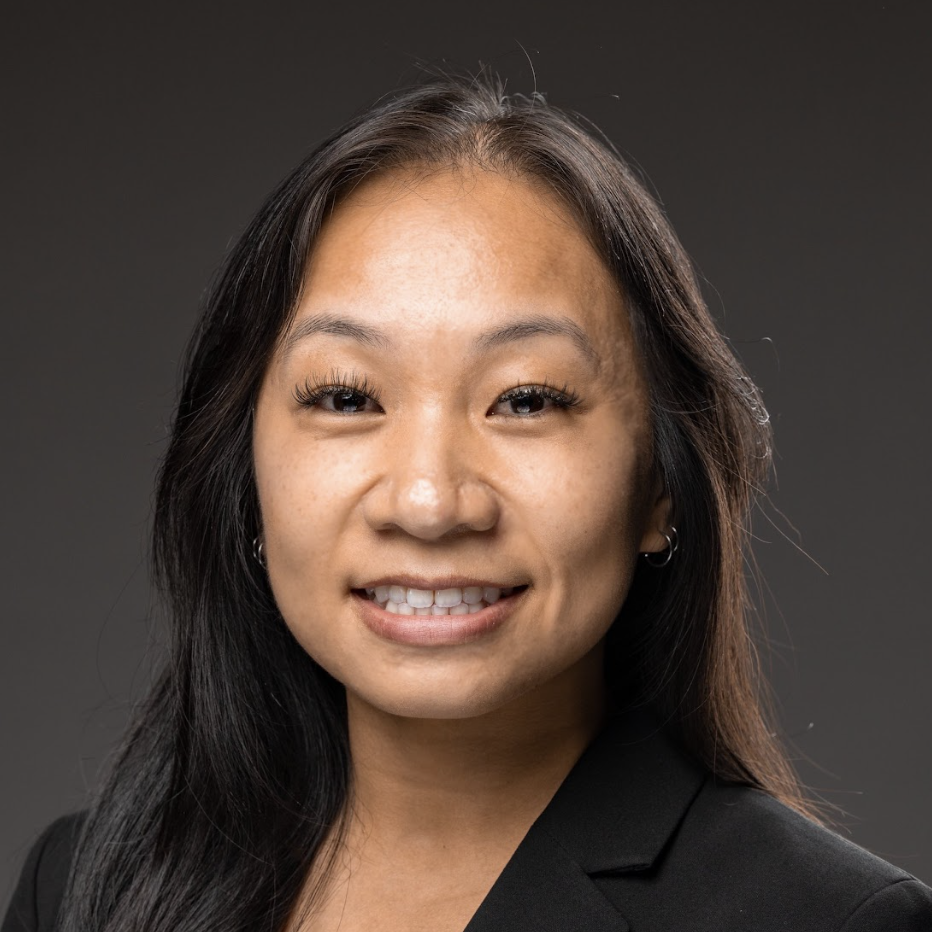
Megan Jiao
She/Her/Hers
McGovern Medical School

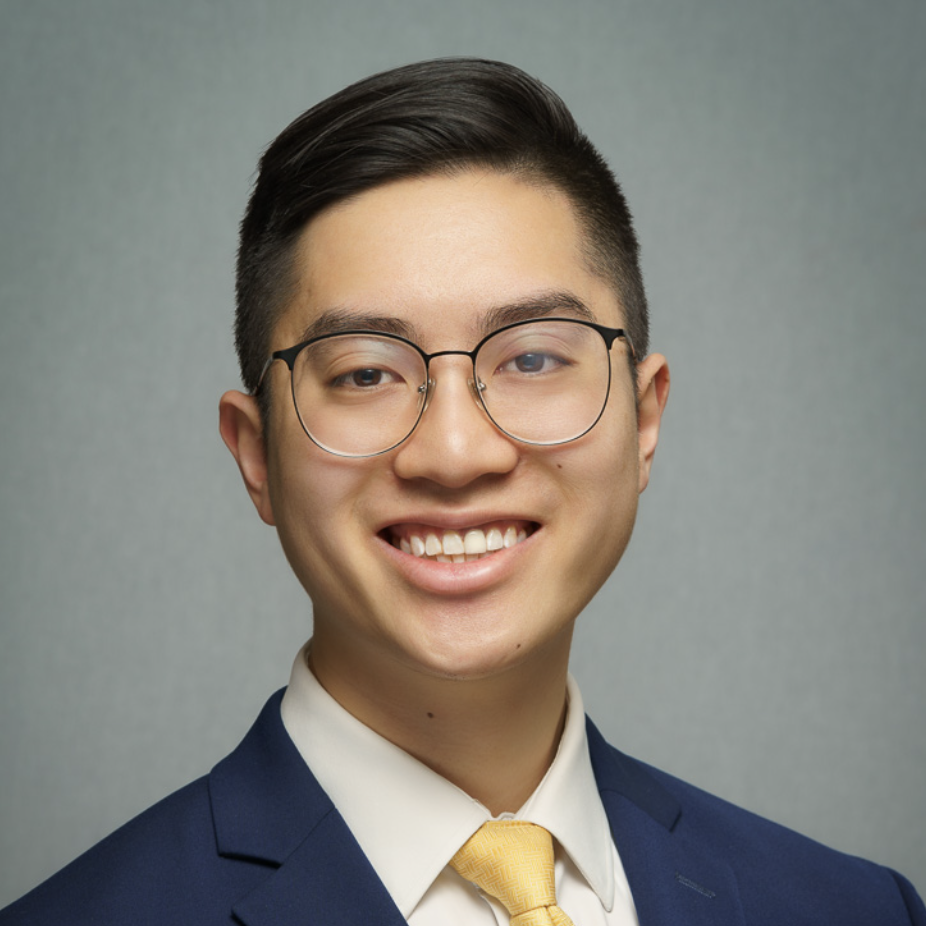
Anthony Nguyen
He/Him/His
University of California, San Francisco
Erin Kim
She/Her/Hers
Chicago Medical School at Rosalind Franklin University
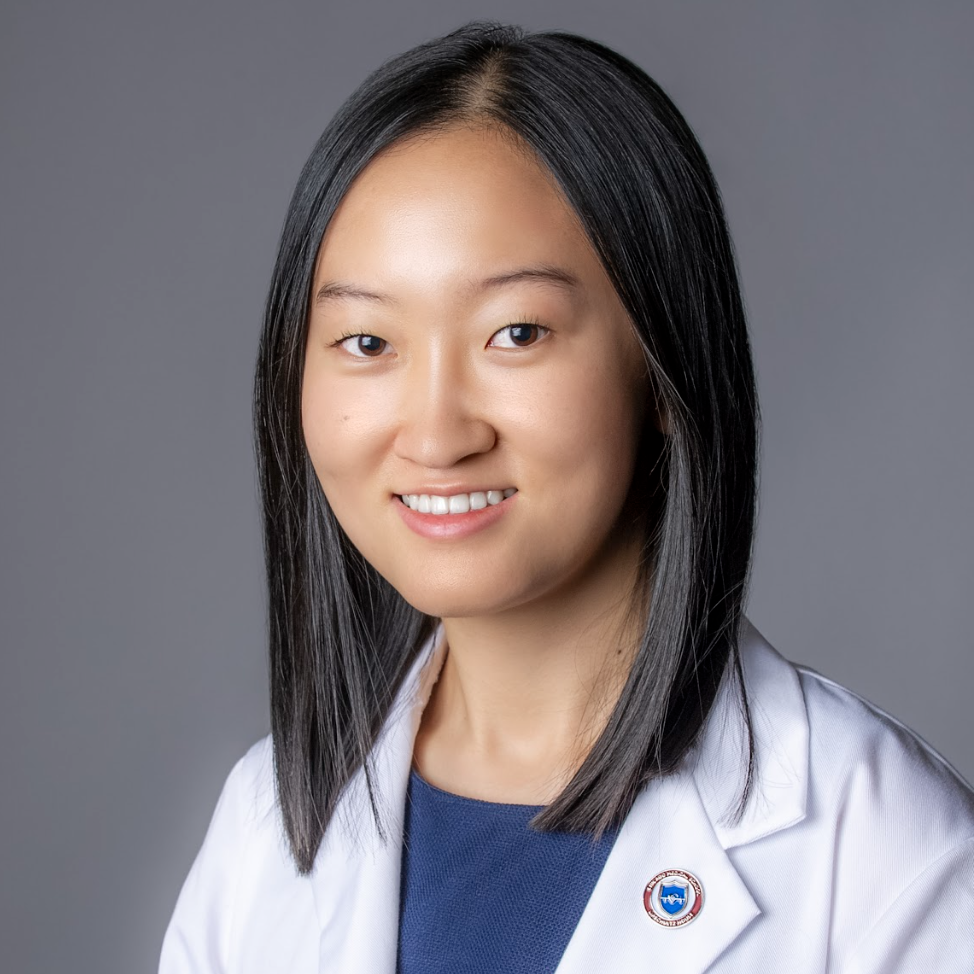
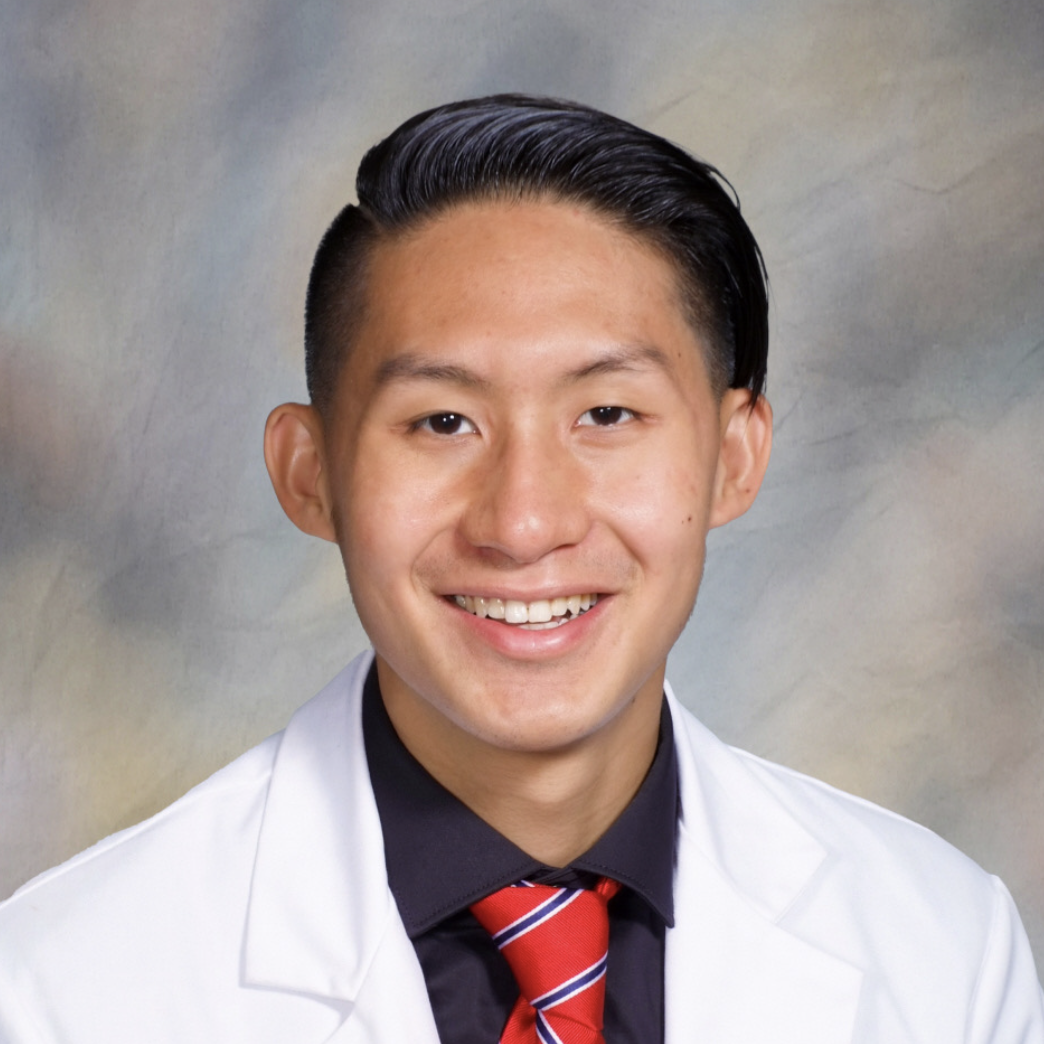
Austin Yang
He/Him/His
Renaissance School of Medicine at Stony Brook University
Lauren S. Kang
She/Her/Hers
The University of Chicago Pritzker School of Medicine
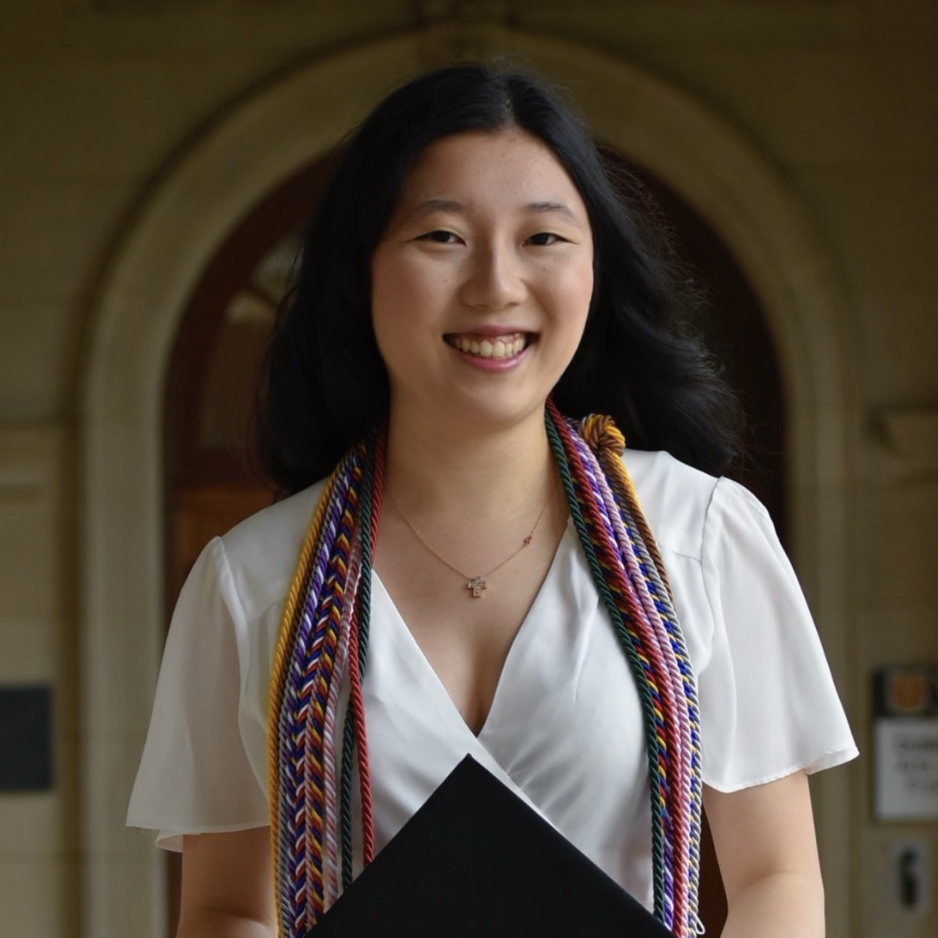
Jasmine Haraburda
She/Her/Hers
The University of Cincinnati College of Medicine

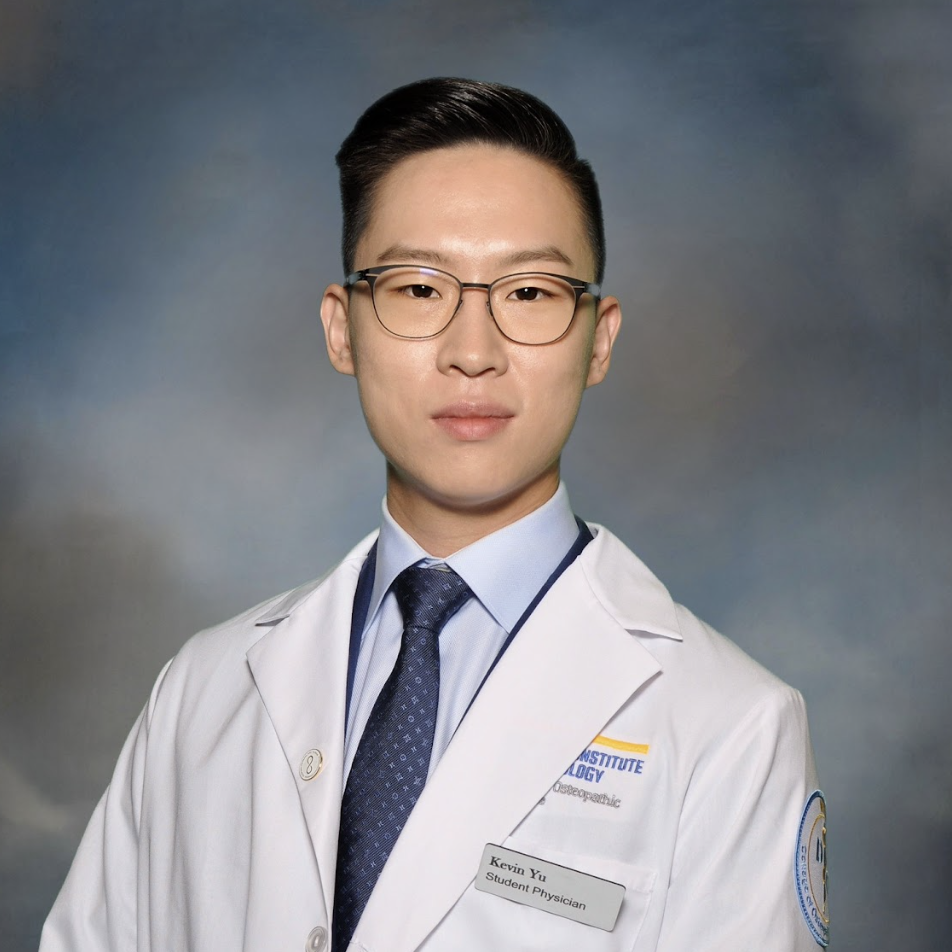
Kevin Yu
He/Him/His
NYITCOM
Jamyang Choedon
She/Her/Hers
Touro COM Harlem
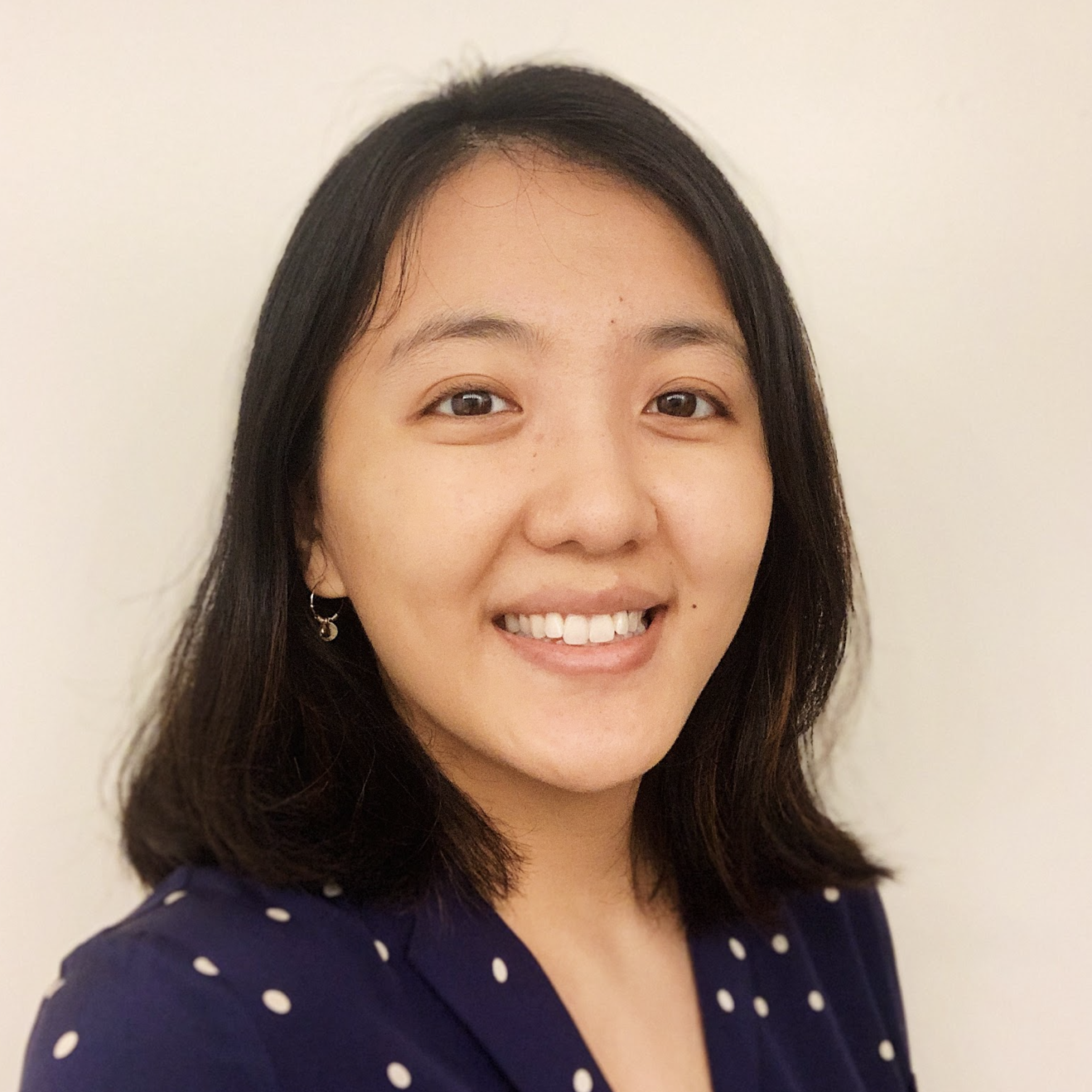

Danny Domingo
He/Him/His
Western University of Health Sciences
Bunnarin Theng
He/Him/His
University of Texas Medical Branch at Galveston
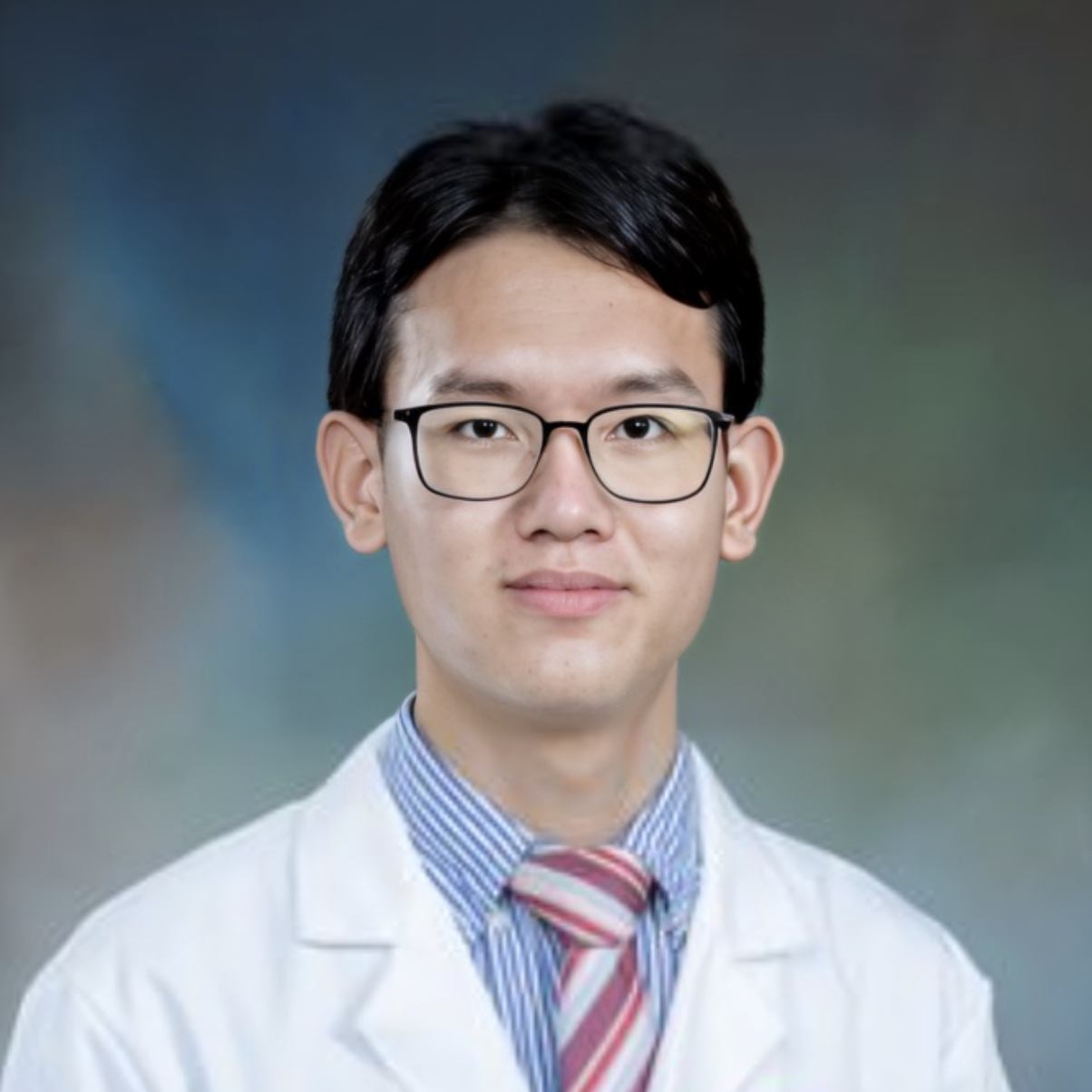
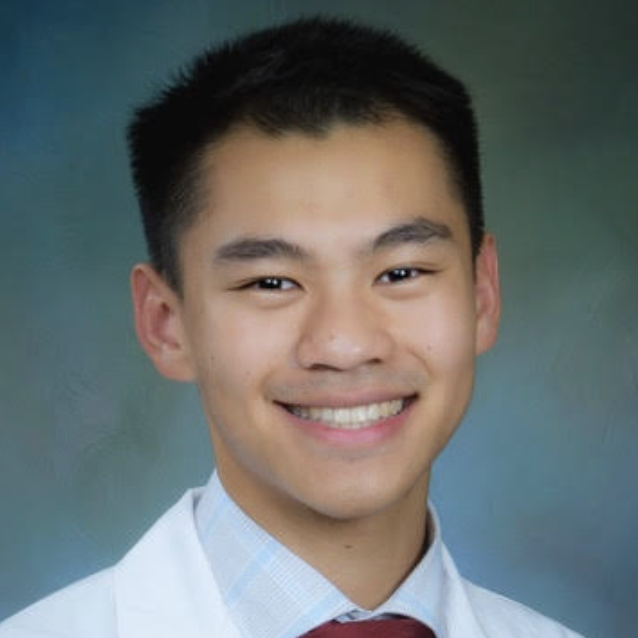
David Wang
He/Him/His
University of Texas Medical Branch at Galveston
Robert Hu
He/Him/His
Creighton University School of Medicine
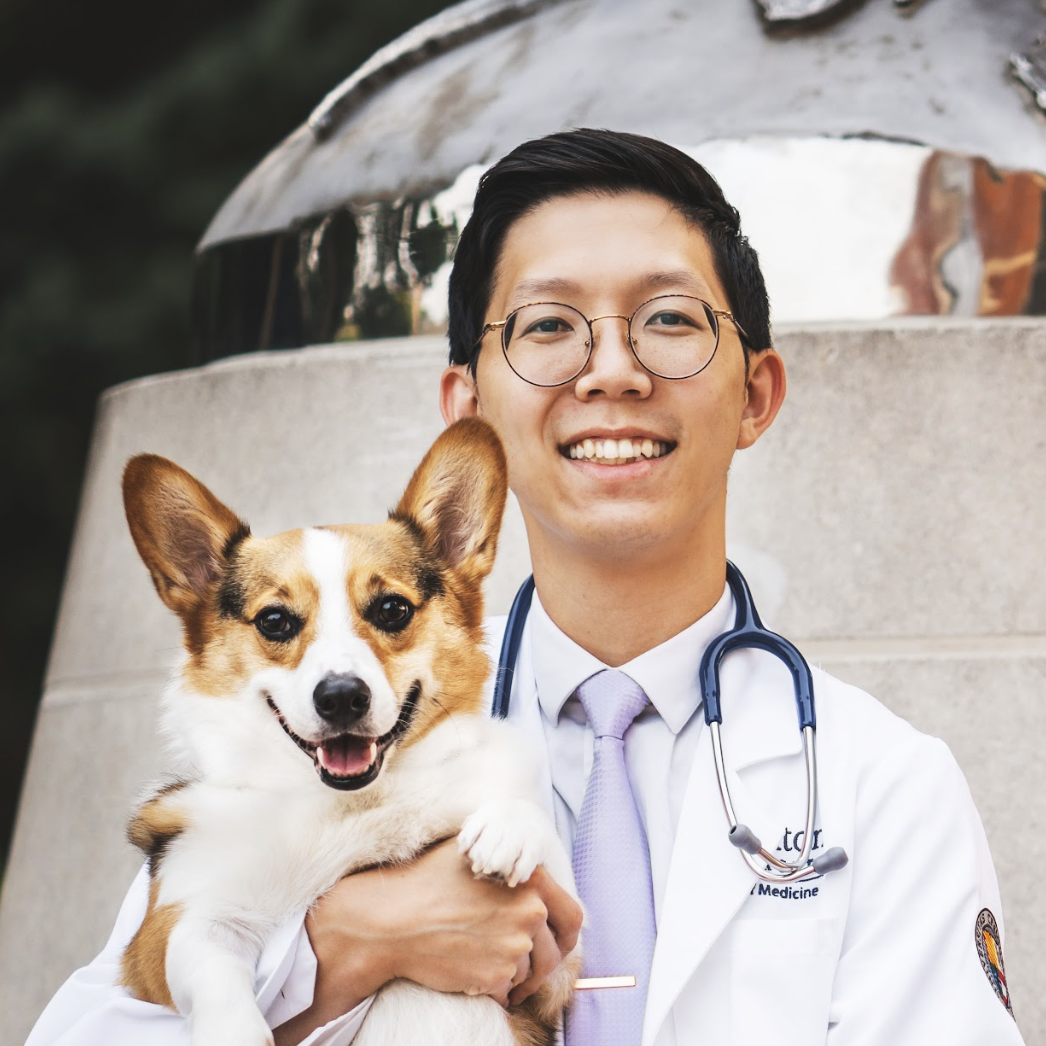
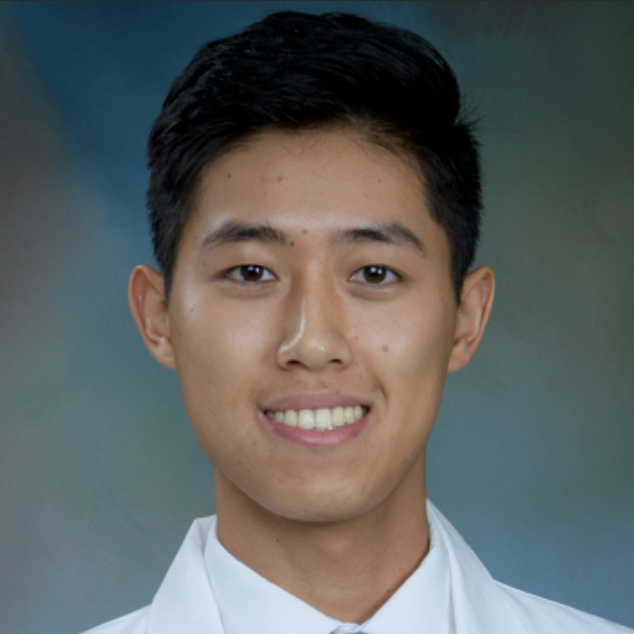
Peter Wang
He/Him/His
University of Texas Medical Branch
Justin Yun
He/Him/His
University of Texas Medical Branch
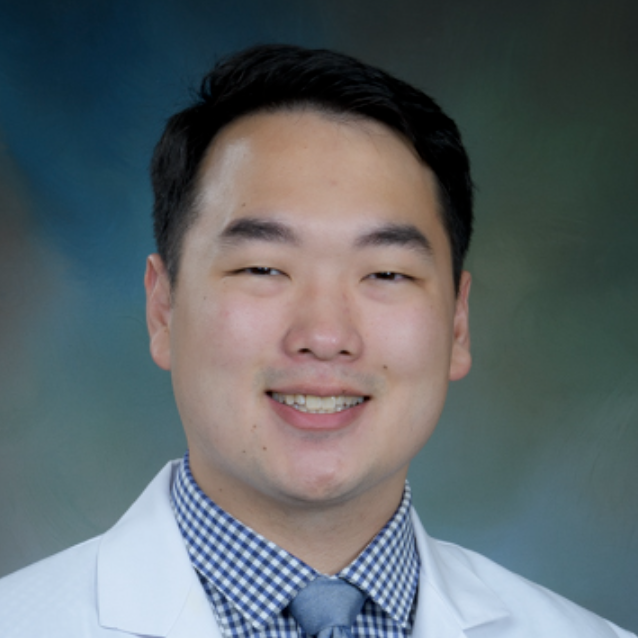
Yanxin Chen
She/Her/Hers
UTHSC
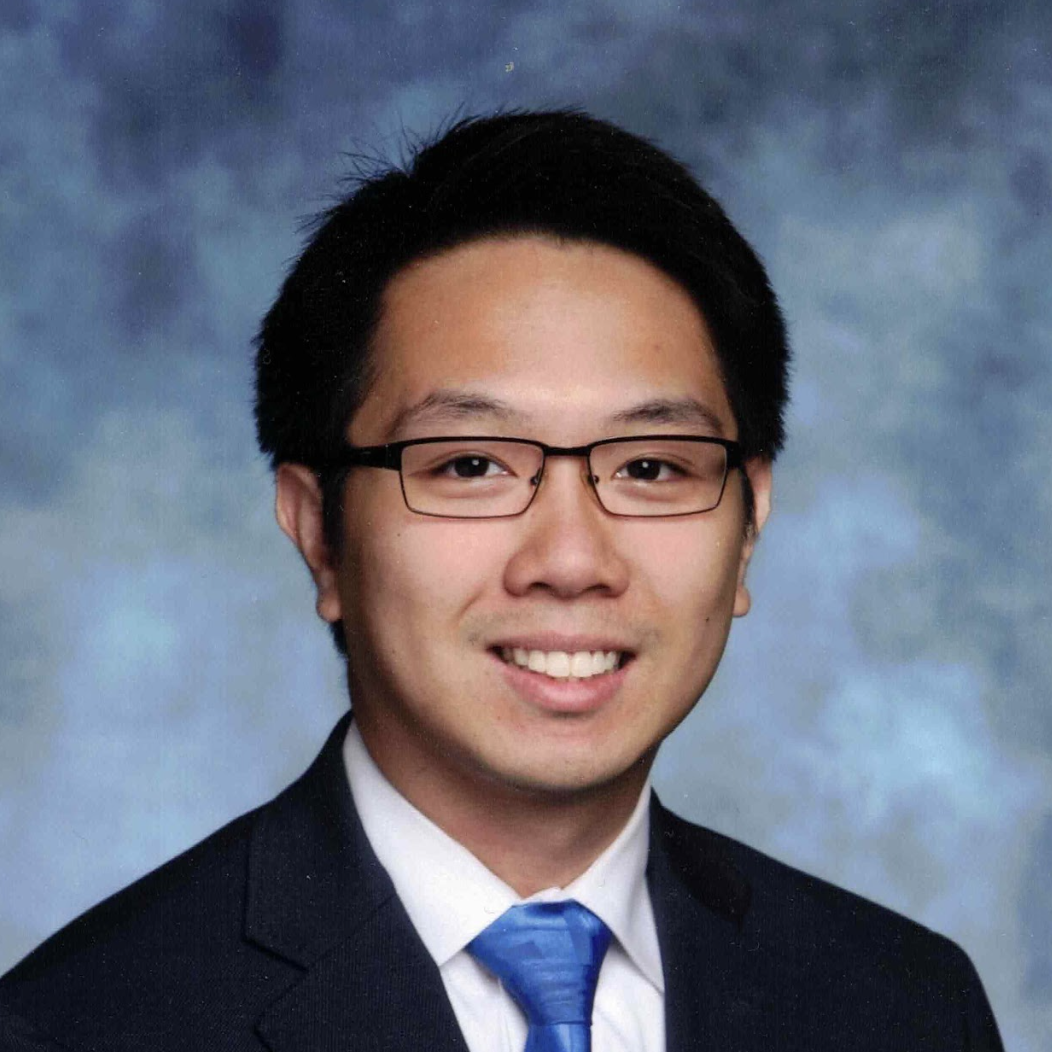
Davis Tran
He/Him/His
University of Virginia School of Medicine
Carina Tse
She/Her/Hers
Philadelphia College of Osteopathic Medicine

Kathy Li
She/Her/Hers
Medical College of Georgia
Chairs:
Speaker Relations – Avery Zhou and Michelle Zhu
Logistics – Nataliyah Tahir and Eric Chio
Finance – Kenny Do
Communications – Tiffany Chen
Speaker Relations
- Liasion – Leah Yim
- Liasion – Kim Inciong
Communications
- Website – Celica Cosme
- Swag – Claire Ong
- Design – Allen Zhang
Logistics
- Registration – Michelle Zhang
- Volunteer – Charissa Alo
Finance
- Sponsorship – Mira Dani
- Food – Gemma Lagasca