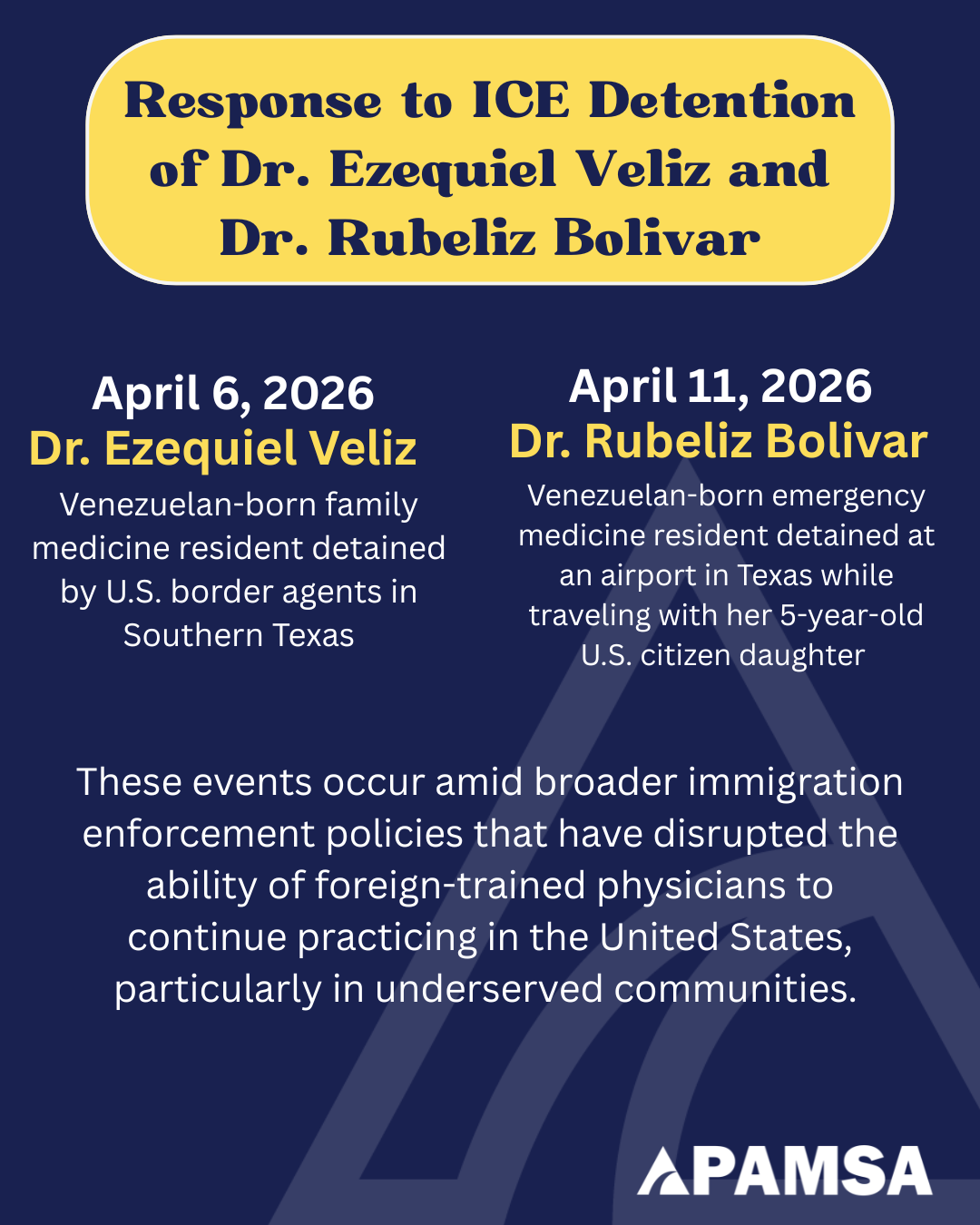
Response to ICE Detention of Dr. Rubilez Bolivar and Dr. Ezequiel Veliz
On April 6, 2026, Dr. Ezequiel Veliz, a family medicine physician serving in the Rio Grande Valley, was detained by U.S. Border Patrol agents at a checkpoint in South Texas. Days later, on April 11, 2026, Dr. Rubeliz Bolivar, an emergency medicine resident in a federally designated medically underserved area, was detained at an airport in McAllen, Texas while traveling with her 5-year-old U.S.-citizen daughter to attend a scheduled asylum interview. These events occur amid broader immigration enforcement policies that have disrupted the ability of foreign-trained physicians to continue practicing in the United States, particularly in underserved communities.
Immigration enforcement actions have increasingly targeted immigrants and pose a significant threat to healthcare access at both local and national levels. International medical graduates represent one in four physicians in the U.S. medical workforce and disproportionately serve medically underserved communities. In medically underserved regions, the removal of even a single physician can disrupt care delivery and strain already-limited resources. More broadly, such actions risk creating a chilling effect across the medical workforce by discouraging physicians from training or practicing in high-need areas. Recent increases in H-1B visa filing fees and stricter immigration policies have already contributed to this effect, with some residency programs no longer accepting H-1B applicants due to new fees that increase sponsorship costs for foreign-trained physicians by up to 4900%. Despite recent exemptions for some applications submitted by immigrant physicians, ongoing enforcement practices continue to contribute to fear and instability among immigrant healthcare workers. These barriers threaten the ability of immigrant physicians to continue filling critical shortages seen in underserved communities.
Immigration enforcement actions also contribute to a growing climate of fear among immigrant communities, discouraging individuals from seeking medical attention even in urgent situations. A recent survey found that nearly half of likely undocumented immigrant adults and 14% of immigrant adults overall reported avoiding medical care due to immigration-related concerns. When patients fear detention, healthcare settings cease to function as safe spaces, creating significant barriers to essential care.
National APAMSA strongly condemns the detention of Dr. Rubeliz Bolivar and Dr. Ezequiel Veliz in addition to broad, indiscriminate immigration enforcement practices that have resulted in the detention of law-abiding individuals. These actions directly conflict with established APAMSA policies, which oppose the presence of immigration enforcement in healthcare settings and recognize fear of detention as a major barrier to care. APAMSA further supports expanding healthcare access regardless of immigration status and advocates for the health and safety of migrant populations. We express deep concern over enforcement practices that disrupt patient care and threaten public health, and call for increased transparency, accountability, and policy reform to protect both patients and healthcare professionals.
For questions regarding this statement, please contact the Rapid Response Director, Pehr Williamson at rapidresponse@apamsa.org

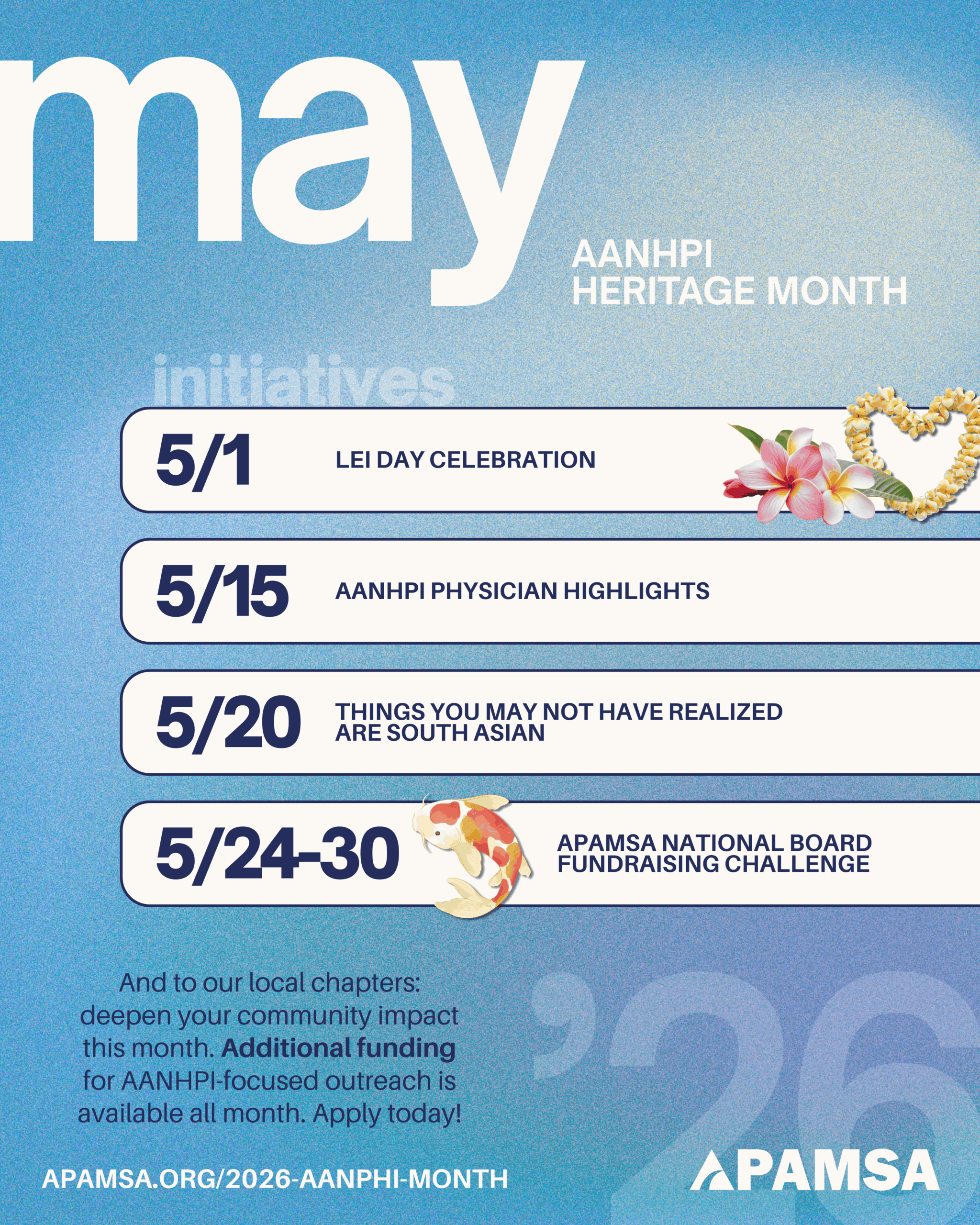
May 2026: AANHPI Heritage Month
May 2026: AANHPI Heritage Month
In celebration of AANHPI Heritage Month, APAMSA honors the histories, cultures, and contributions of AANHPI communities—past, present, and future—and their impact in medicine. Join us as we celebrate the past, present, and future of AANHPI culture and its intersections with health and medicine.
To our local chapters: we encourage you to deepen your community impact this month! Additional funding for AANHPI-focused outreach is available all month.
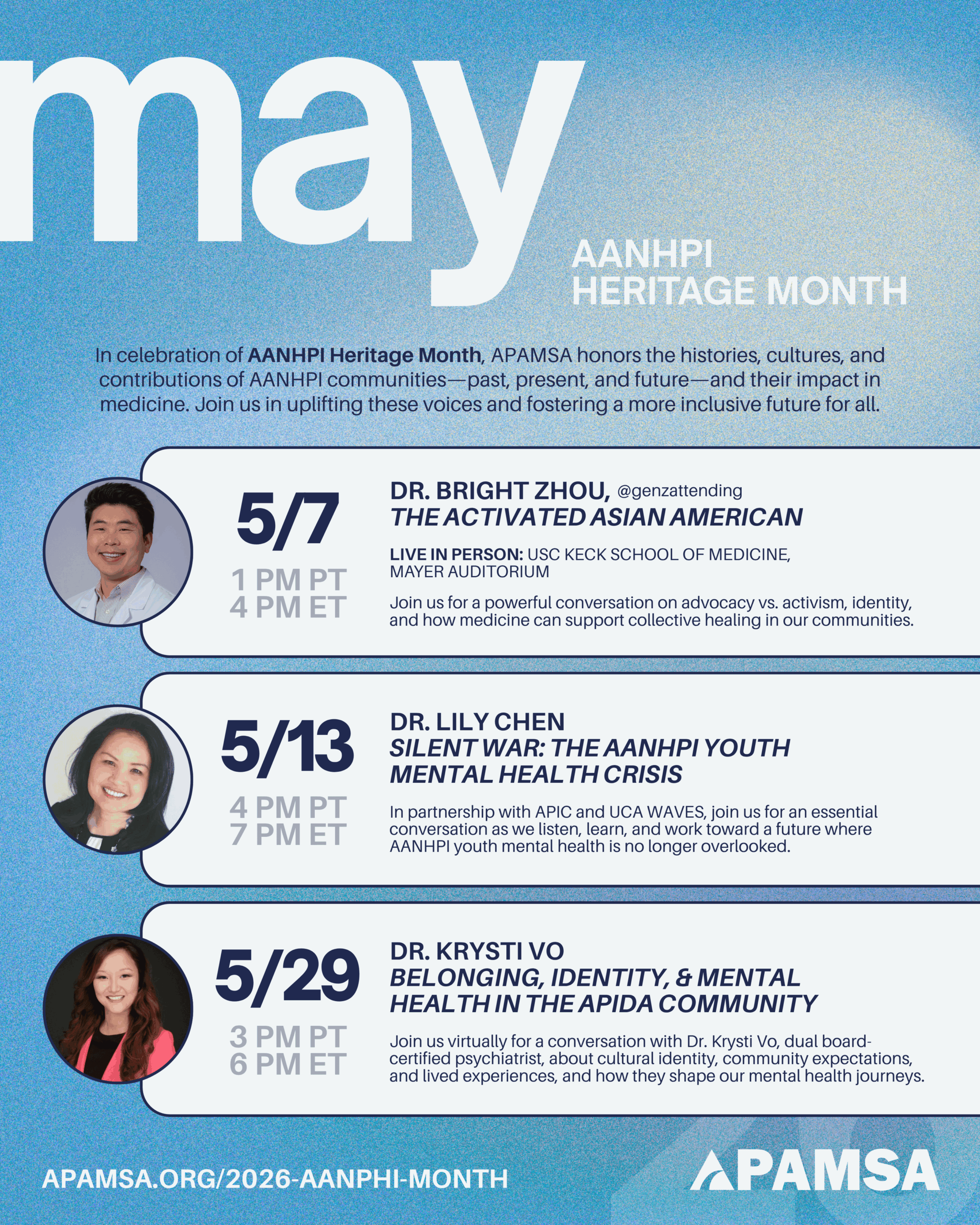
May 1, 2026
Rooted in Hawaiʻi’s rich cultural history, Lei Day began in 1928 as a celebration of aloha, a day to honor connection, kindness, and community through the giving of lei. What started as a simple idea grew into a lasting tradition that reflects the beauty of relationships woven with intention and care. Celebrate the spirit of Lei Day with us by reflecting on the connections that shape your journey in medicine and beyond. From our APAMSA ʻohana to yours, we wish you a joyful and meaningful Lei Day!

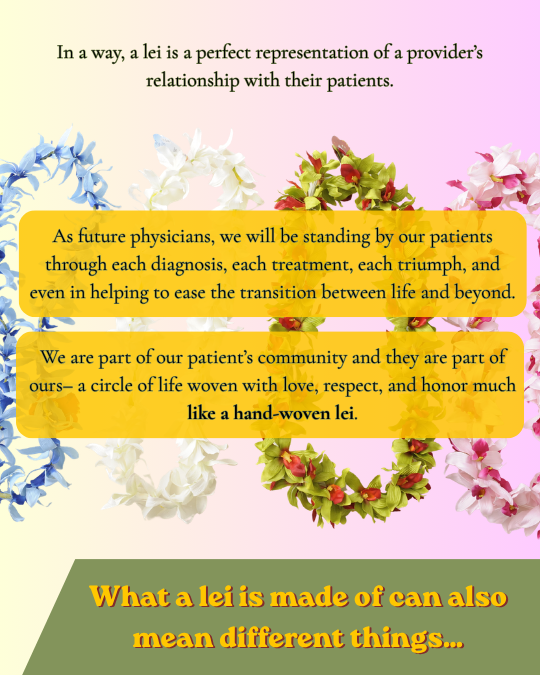

May 7, 2026
Dr. Bright Zhou’s talk, “The Activated Asian American,” is a timely conversation on advocacy vs. activism, identity, and how medicine can support collective healing in our communities. Dr. Zhou is an attending at USC FMR, whose journey into medicine began in archaeology, excavating ancient sites around the world. Today, they bring that same curiosity to patient care: centering storytelling, advancing culturally reflective medicine, and advocating for linguistically and culturally inclusive healthcare.
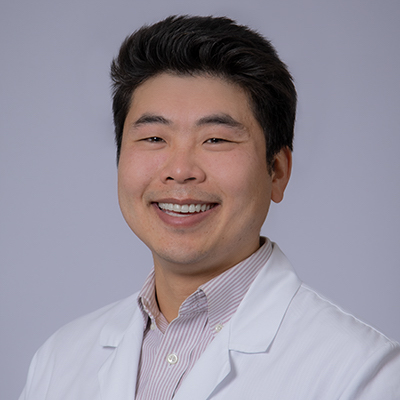
Dr. Bright Zhou, MD, MS
Family Medicine, USC
Day: Thursday, May 7, 2026
Time: 1 PM PT | 4 PM ET
In-person: USC Keck School of Medicine, Mayer Auditorium
Virtual option available
May 13, 2026
Asian Americans experience some of the highest rates of mental distress, yet they remain among the least likely to seek support. Stigma, cultural taboos, and the model minority myth continue to create systemic barriers that prevent many from accessing the care they need. It is time to break the silence and confront this crisis directly. Please join APAMSA for a virtual program hosted through the Asian and Pacific Islander Caucus for Public Health, in partnership with the United Chinese Association WAVES (Wellness, Advocacy, Voices, Education, Support). We are honored to welcome Dr. Lily Chen, who will lead an important discussion on “Silent War: The AAPI Youth Mental Health Crisis.” Join us for an essential conversation as we listen, learn, and work toward a future where AANHPI youth mental health is no longer overlooked.
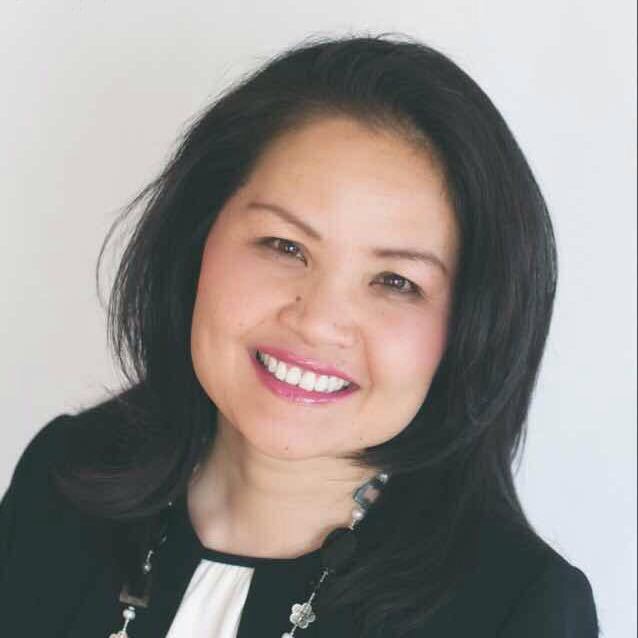
Dr. Lily Chen
Founder & Executive Director of UCA WAVES
Day: Wednesday, May 13, 2026
Time: 4 PM PT | 7 PM ET
May 15, 2026
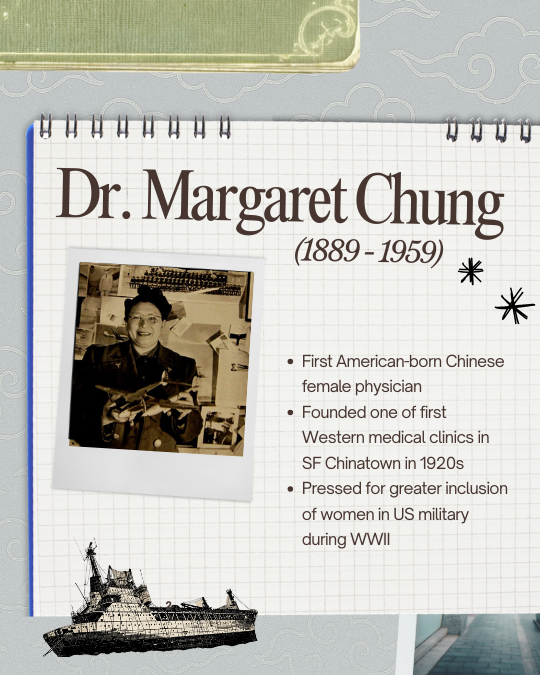
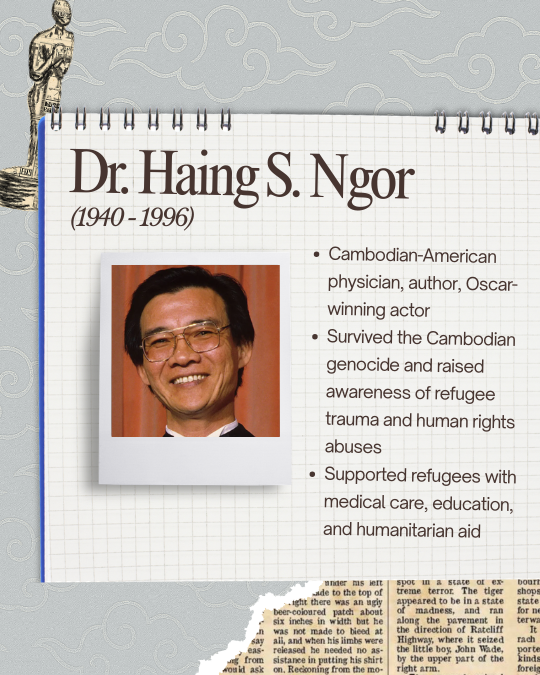
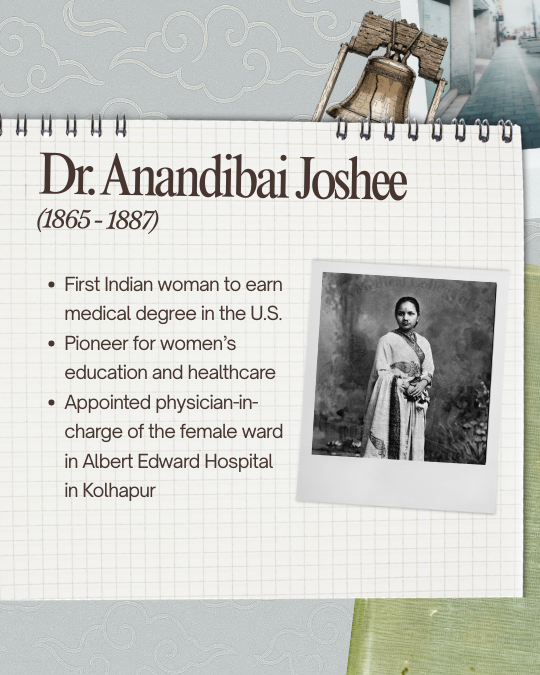
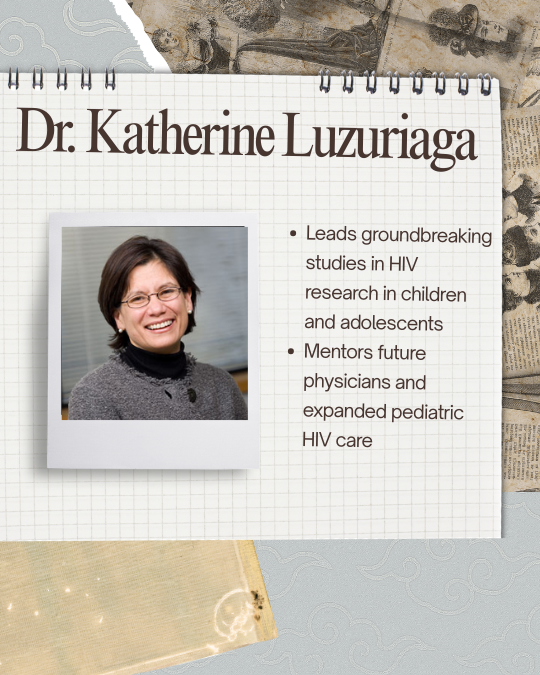
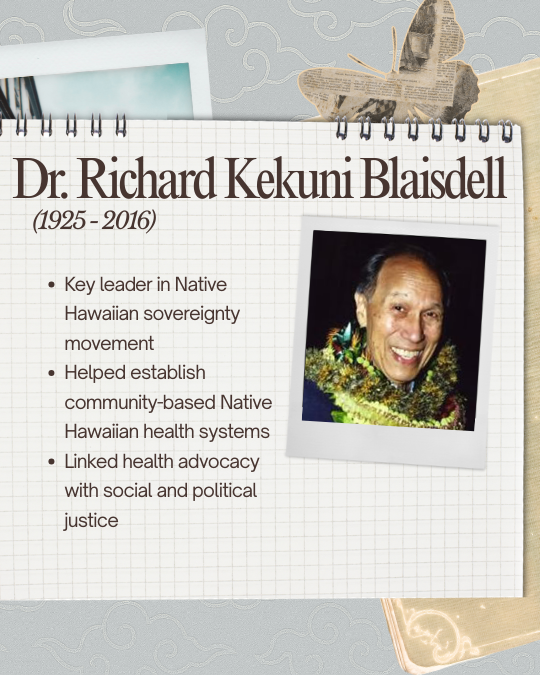
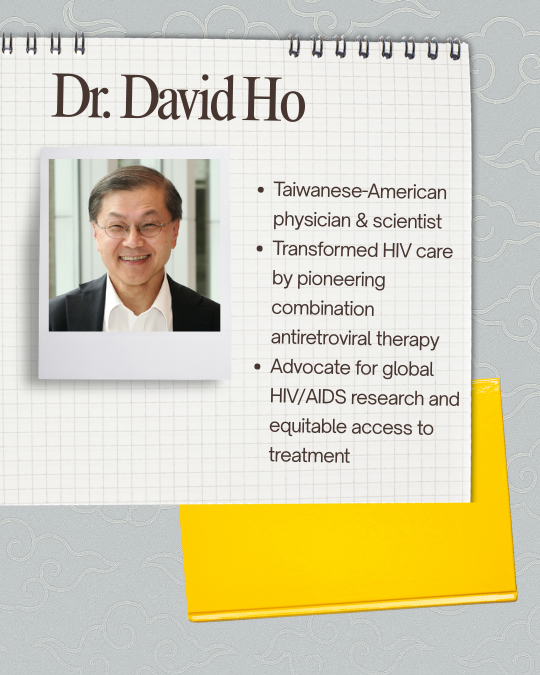
National APAMSA honors the legacy of AANHPI physician advocates who have shaped medicine, challenged inequities, and uplifted communities, often against the odds. From breaking barriers in training to leading movements for health equity, their work reminds us that representation isn’t just about presence, it’s also about impact.
Their voices have advanced culturally responsive care, expanded access for underserved populations, and redefined what it means to be a physician-leader. Because of them, future generations don’t just enter medicine, they belong in it.
As we celebrate their contributions, we also recognize the responsibility we carry forward: to advocate, to serve, and to continue building a more equitable healthcare system for all.
May 20, 2026
See our post on Instagram!
May 29, 2026
APAMSA is proud to collaborate with Dr. Krysti Vo, dual board-certified psychiatrist, for a meaningful conversation exploring identity, belonging, and mental health within the AANHPI community and medical training spaces. Together, we’ll discuss how cultural identity, community expectations, and lived experiences shape mental health journeys for students and future physicians, while highlighting the importance of advocacy, representation, and culturally informed support systems. Join us for an engaging dialogue centered on healing, connection, and empowering the next generation of AANHPI healthcare leaders.
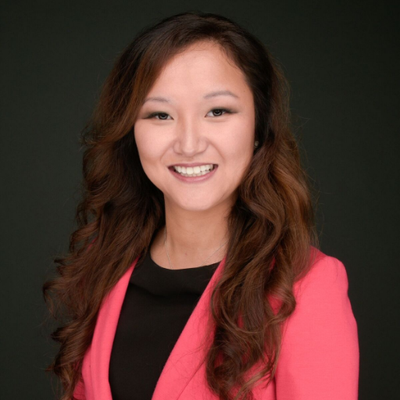
Dr. Krysti Vo
Dual Board-Certified Psychiatrist
Day: Friday, May 29, 2026
Time: 3 PM PT | 6 PM ET
May 24-30, 2026
Close out AANHPI Heritage Month with APAMSA’s nationwide Fundraising Week, taking place May 24–May 30. Follow along on Instagram as our National Board members lead fundraising efforts through their stories, highlighting the impact of our work and the communities we serve. Every donation directly supports student-led community health initiatives, expands outreach, and empowers future physicians to address critical health disparities.
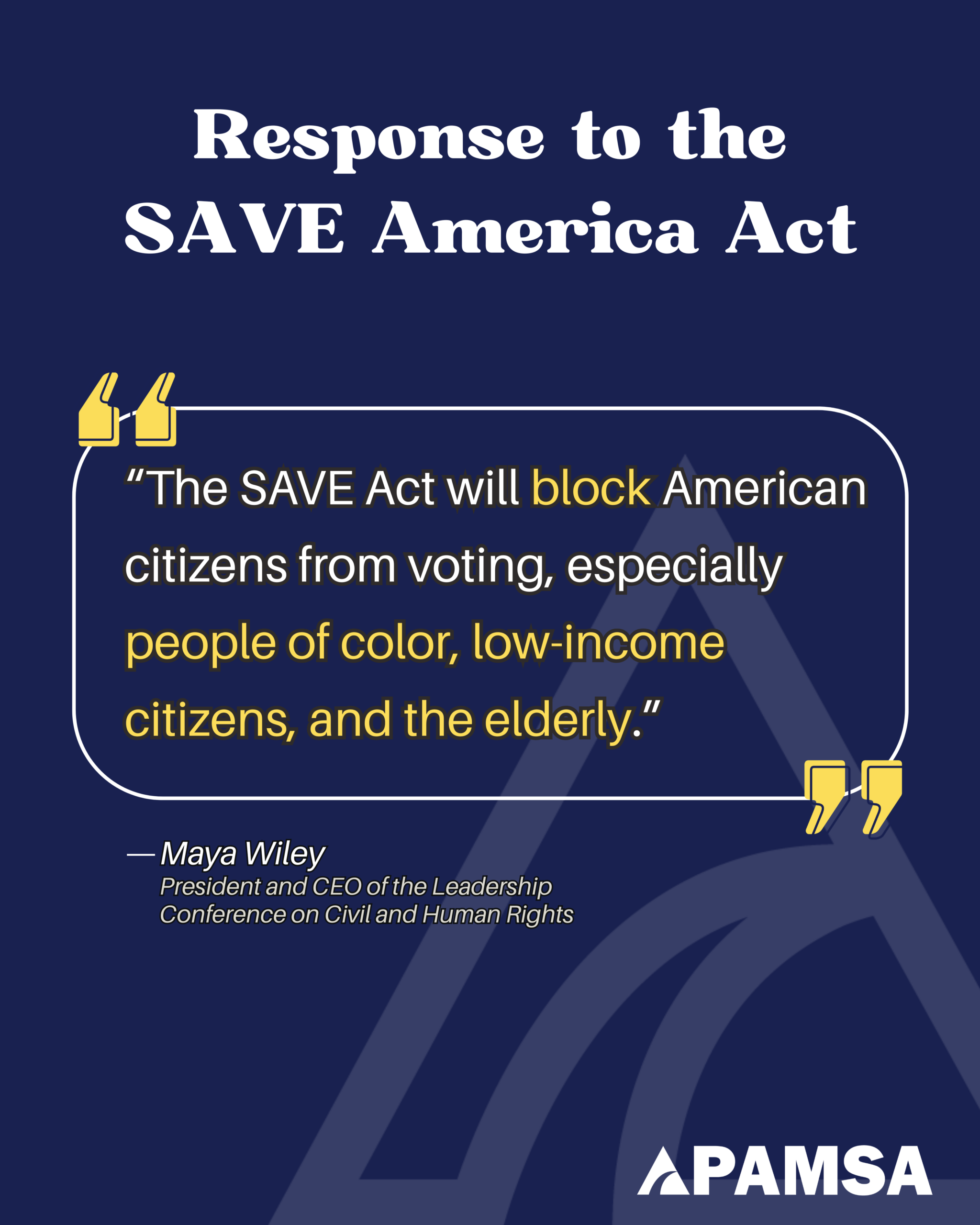
Statement on the Safeguard American Voter Eligibility (SAVE) Act
On March 17, 2026, the U.S. Senate began discussions on the Safeguard American Voter Eligibility (SAVE) Act, which aims to address allegations of widespread voter fraud and election integrity by introducing more stringent requirements for personal identification and proof of citizenship. However, this may impose additional barriers by shifting the burden of proving eligibility to the individual voter, potentially reducing civic participation.
What changes are proposed?
The SAVE Act requires:
- Proof of U.S. citizenship using a birth certificate, passport, or naturalization certificate for voter registration
- A government-issued photo identification for requesting and submitting mail-in ballots
- States to verify voter eligibility through federal databases in coordination with the Department of Homeland Security
How could this affect you?
- Roughly half of U.S. citizens do not have a passport, meaning they may need to rely on a birth certificate for voter registration
- REAL IDs in many states do not indicate citizenship, making them insufficient for verification without additional proof of citizenship
- About 80% of women in heterosexual marriages take their partner’s last name, complicating their ability to register without proof of legal name change
- Stricter registration requirements could reduce the accessibility of voter registration through online and in-person voter registration drives
- Potential changes in status (e.g., name changes, naturalization, moving to other states) could lead to ballots being flagged during federal verification, and in some cases, not counted
- The financial burden to acquire the documents necessary to register to vote may create barriers for those facing financial strain
- To vote by mail, voters may need to send a copy of their ID to request a ballot, and another copy when they submit their ballot
Why does this matter?
National APAMSA strongly condemns this bill due to its potential to create barriers to civic participation and equitable access to voting. These changes may disproportionately impact communities with limited access to documentation, including naturalized citizens and historically marginalized populations. In alignment with our policy compendium and as mentioned in previous statements, National APAMSA recognizes that access to voting is a critical social determinant of health, with direct implications for both individual and community well-being.
What can you do?
We urge you to contact your local senator to express your opposition to the SAVE Act. Resources such as 5 Calls and When We All Vote can help you find and reach your elected officials.
For questions regarding this statement, please contact the Rapid Response Director, Pehr Williamson at rapidresponse@apamsa.org
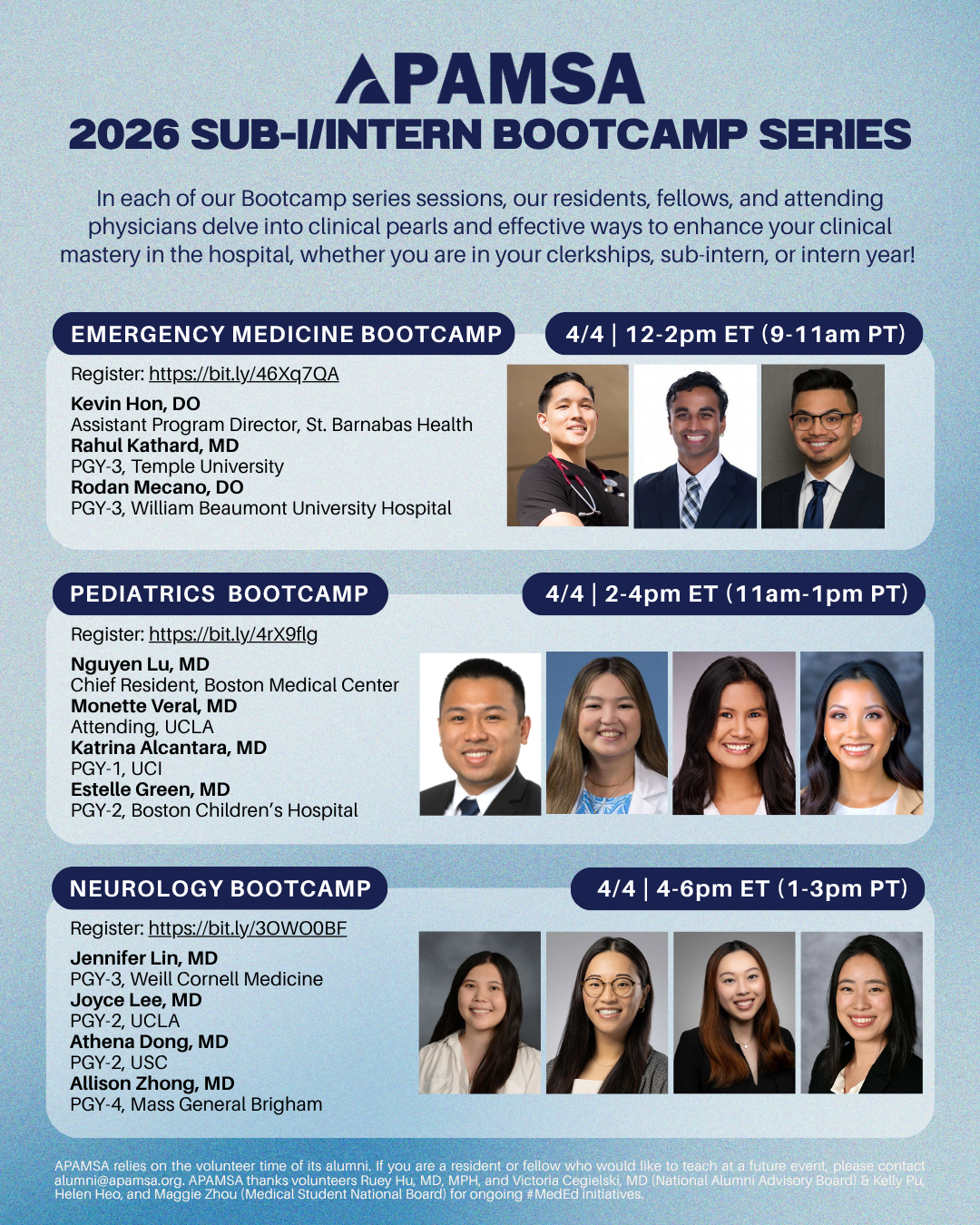
April 2026: Bootcamp Series
April 2026: Bootcamp Series
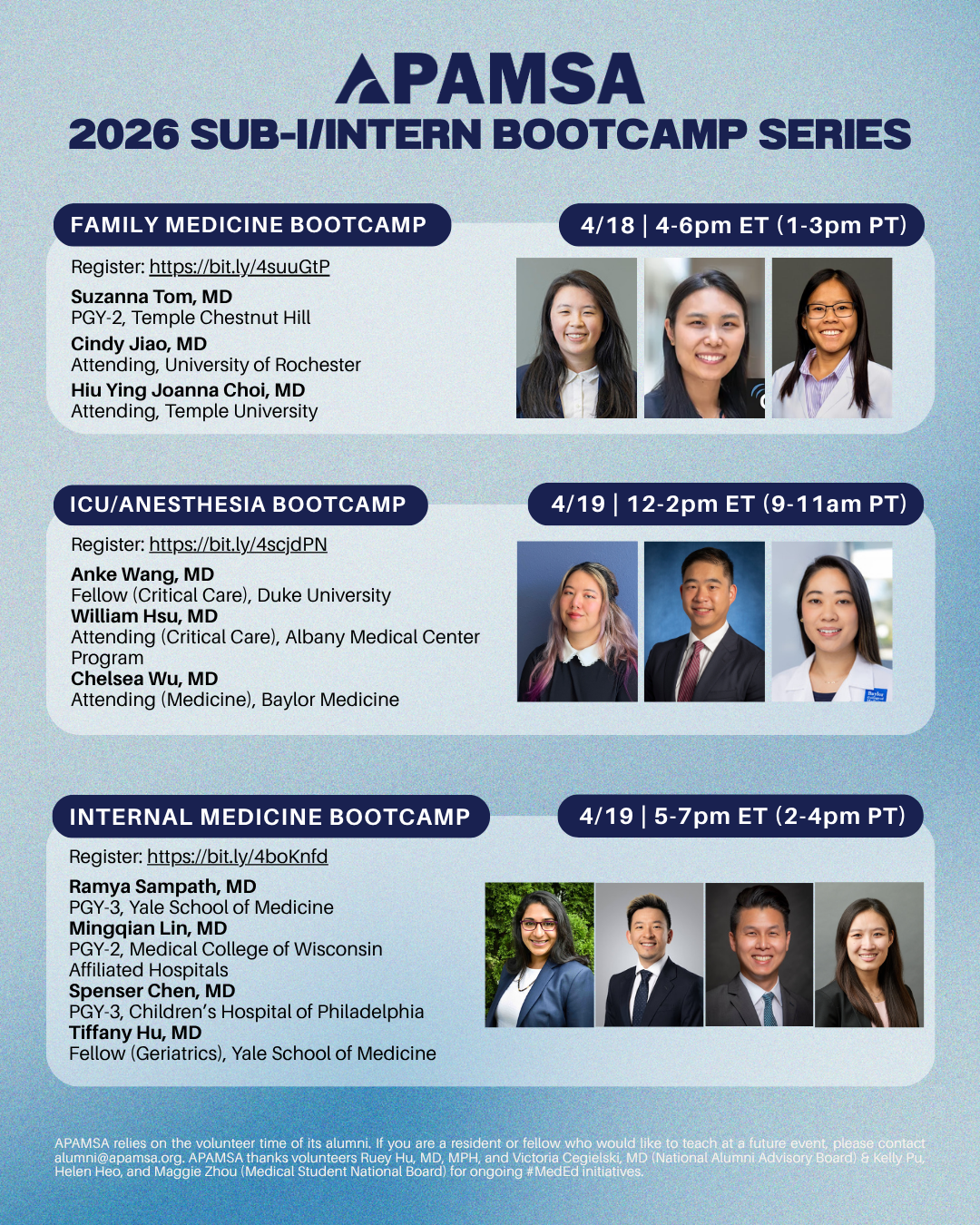
Each bootcamp is a two-hour workshop led by residents and early-career attendings offering high-yield information to help with preparations for sub-internships and intern year. Many high-yield topics are also relevant to third-year medical students preparing for clerkships, making our Bootcamp Series valuable for a broad range of learners across the country (and even internationally).
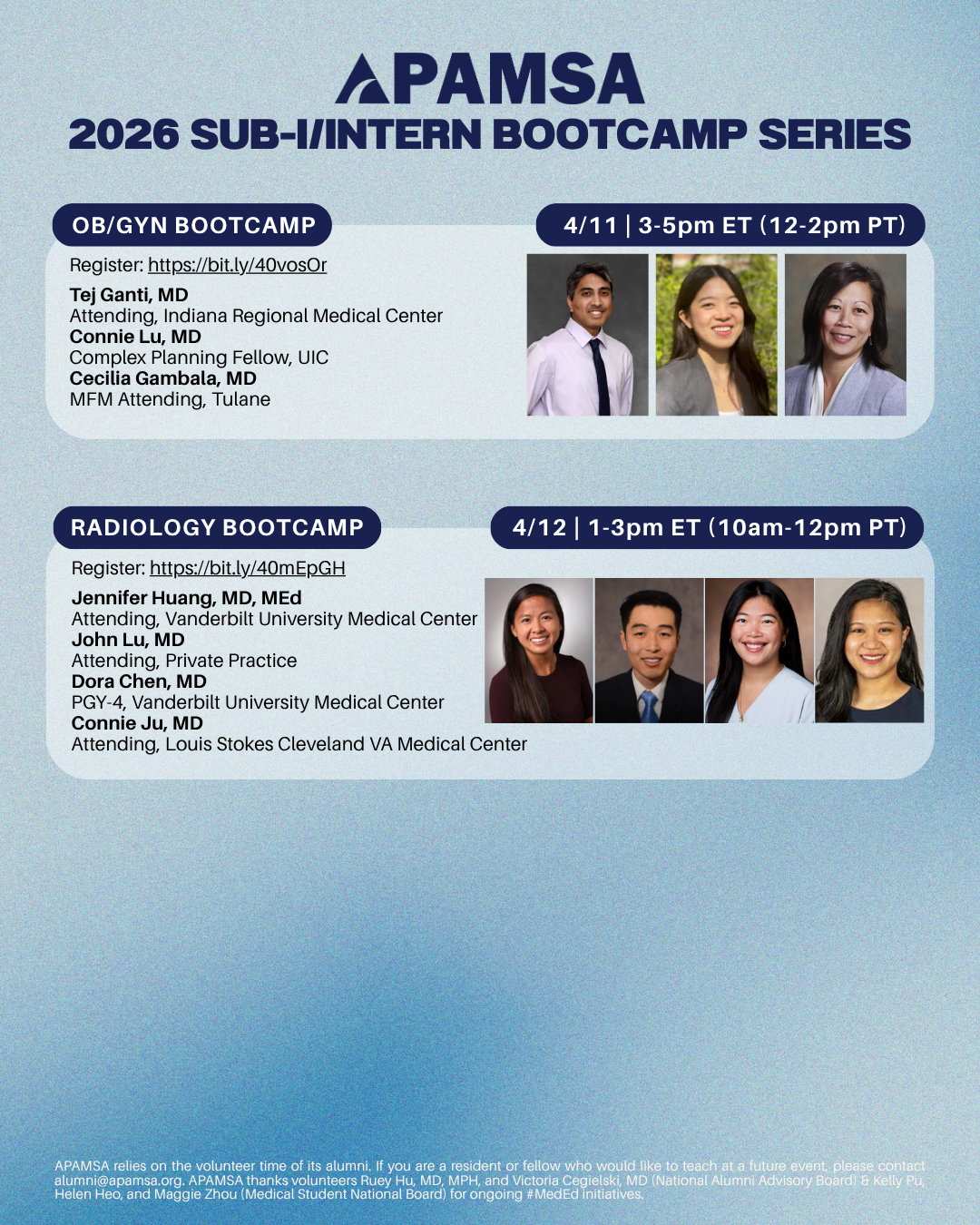
April 4th, 2026
Kevin Hon, DO
Assistant Program Director
St. Barnabas Health
Rahul Kathard, MD
PGY-3
Temple University
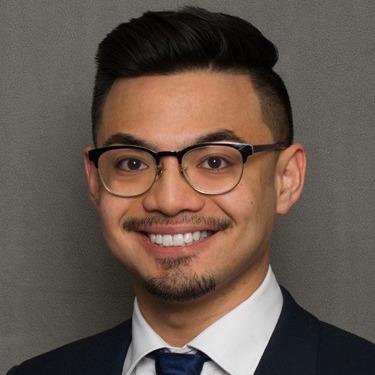
Rodan Mecano, DO
PGY-3
William Beaumont University Hospital
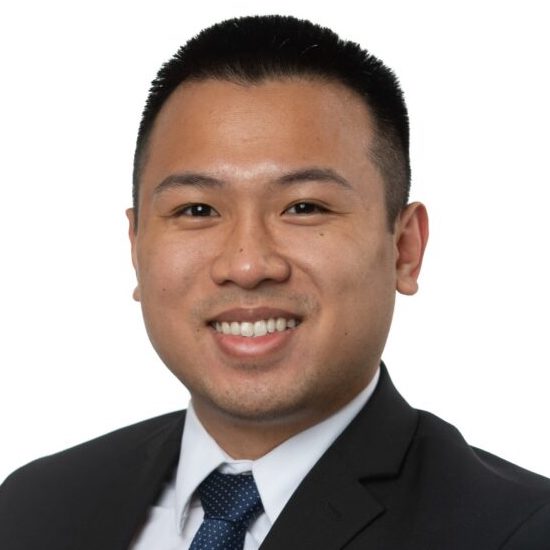
Nguyen Lu, MD
Chief Resident
Boston Medical Center
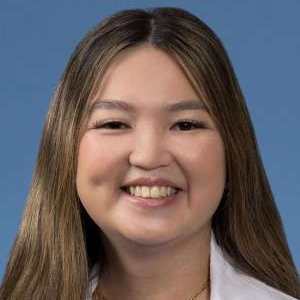
Monette Veral, MD
Attending
UCLA

Katrina Alcantara, MD
PGY-1
UCI
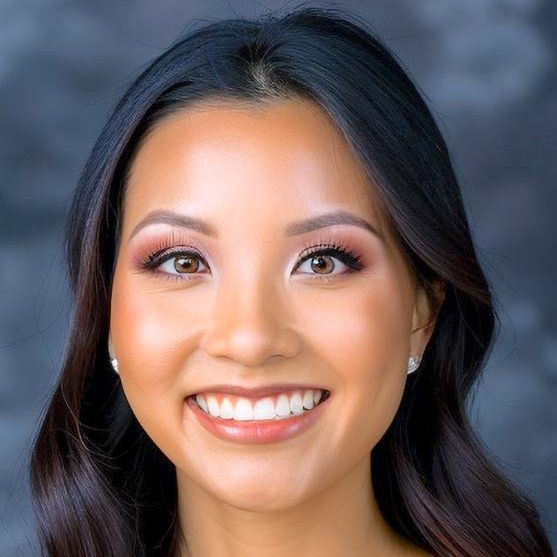
Estelle Green, MD
PGY-2
Boston Children's Hospital
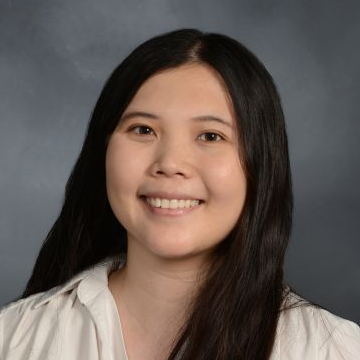
Jennifer Lin, MD
PGY-3
Weill Cornell Medicine
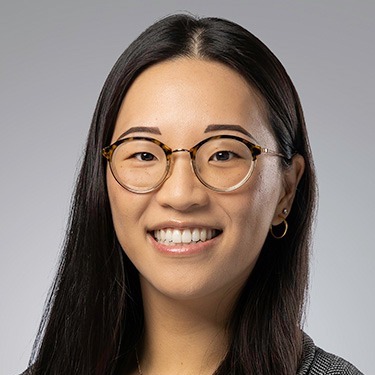
Joyce Lee, MD
PGY-2
UCLA
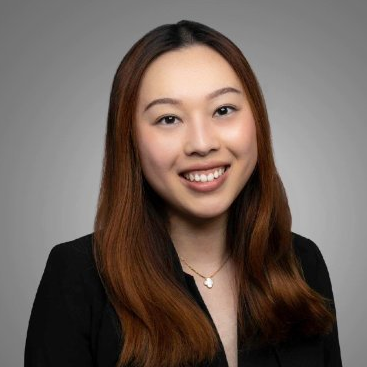
Athena Dong, MD
PGY-2
USC
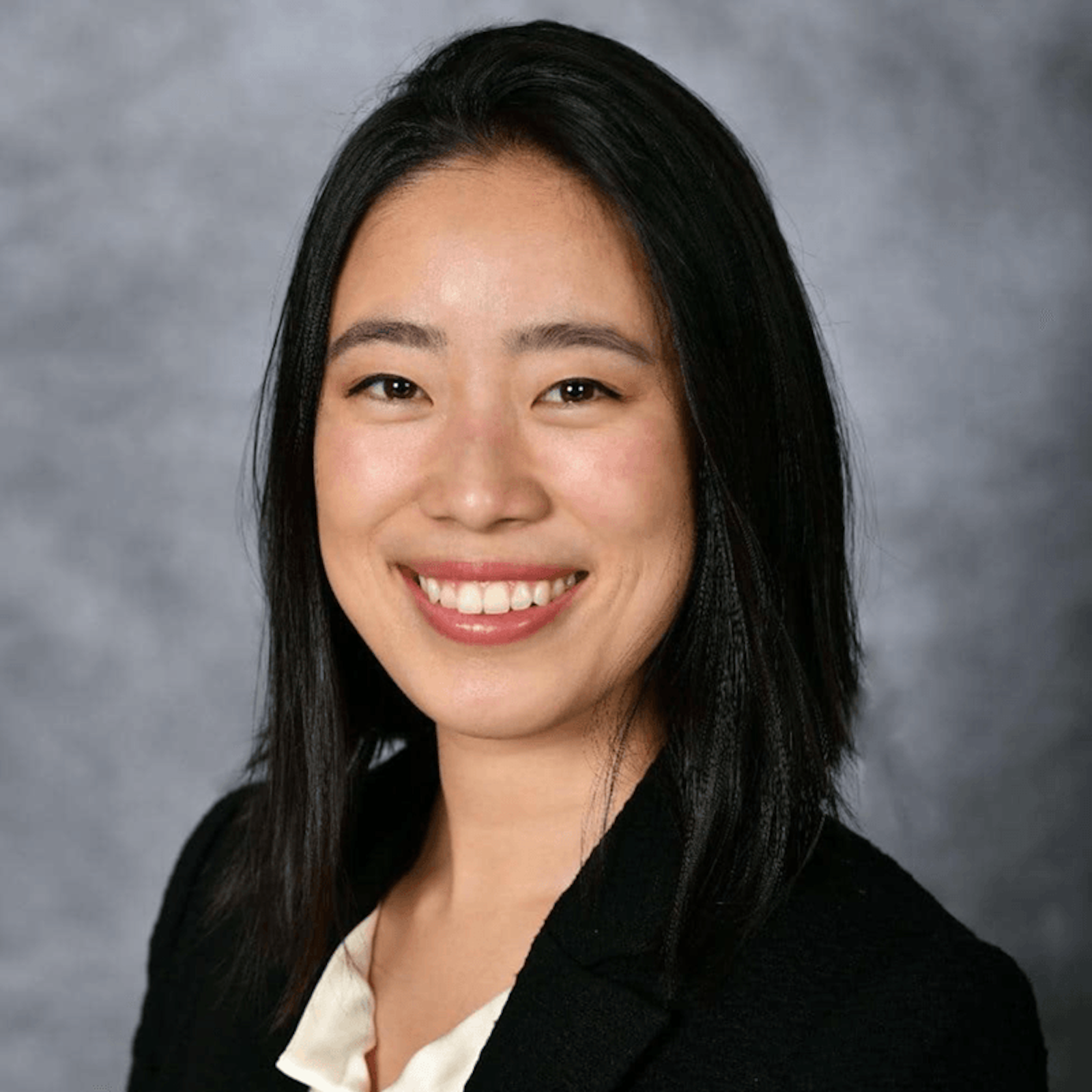
Allison Zhong, MD
PGY-4
Mass General Brigham
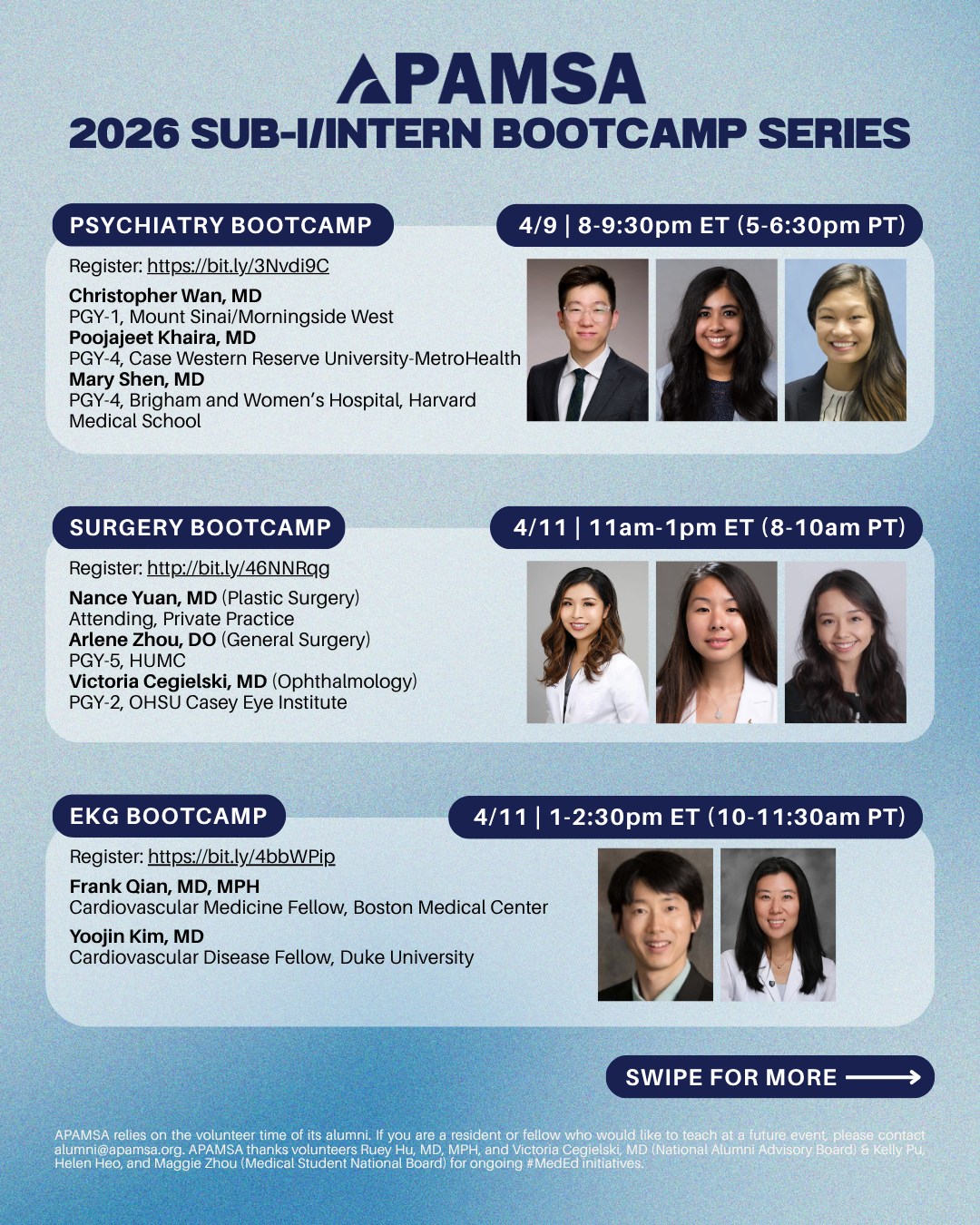
April 9th, 2026
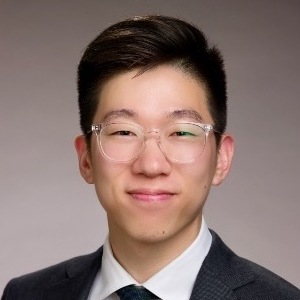
Christopher Wan, MD
PGY-1
Mount Sinai/ Morningside West
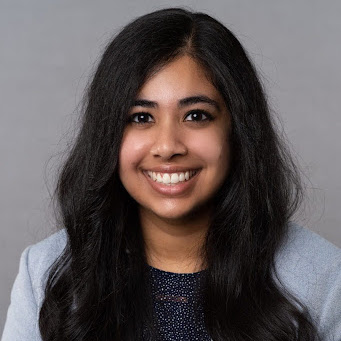
Poojajeet Khaira, MD
PGY-4
Case Western Reserve University-MetroHealth
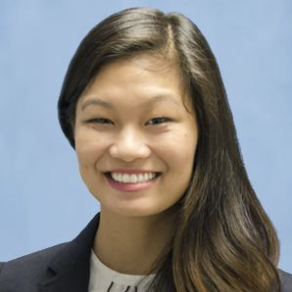
Mary Shen, MD
PGY-4
Brigham and Women's Hospital, Harvard Medical School
April 11th, 2026
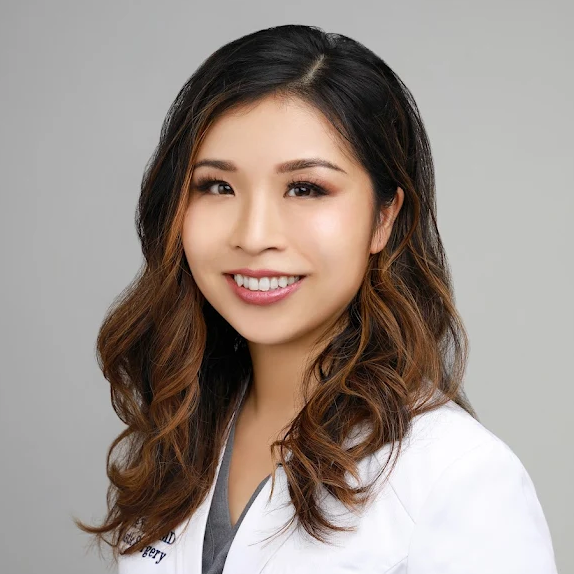
Nance Yuan, MD
Plastic Surgery
Attending
Private Practice
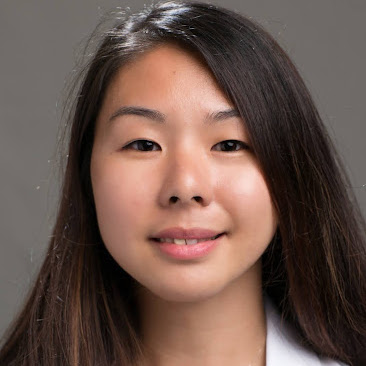
Arlene Zhou, DO
General Surgery
PGY-5
HUMC

Victoria Cegielski, MD
Ophthalmology
PGY-2
OHSU Casey Eye Institute
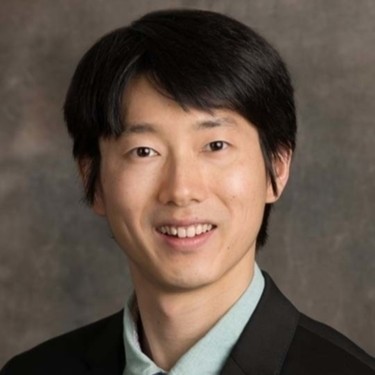
Frank Qian, MD, MPH
Cardiovascular Medicine Fellow
Boston Medical Center
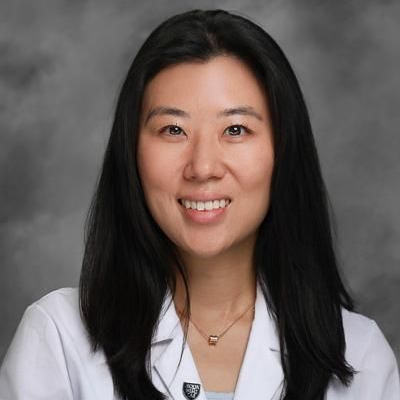
Yoojin Kim, MD
Cardiovascular Disease Fellow
Duke University
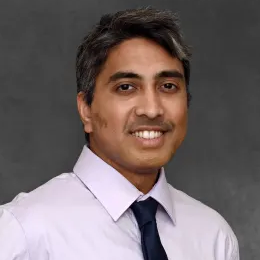
Tej Ganti, MD
Attending
Indiana Regional Medical Center

Connie Lu, MD
Complex Planning Fellow
UIC
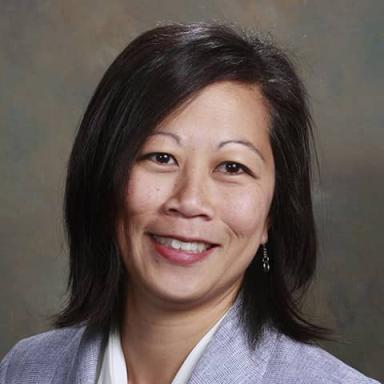
Cecilia Gambala, MD
MFM Attending
Tulane
April 12th, 2026
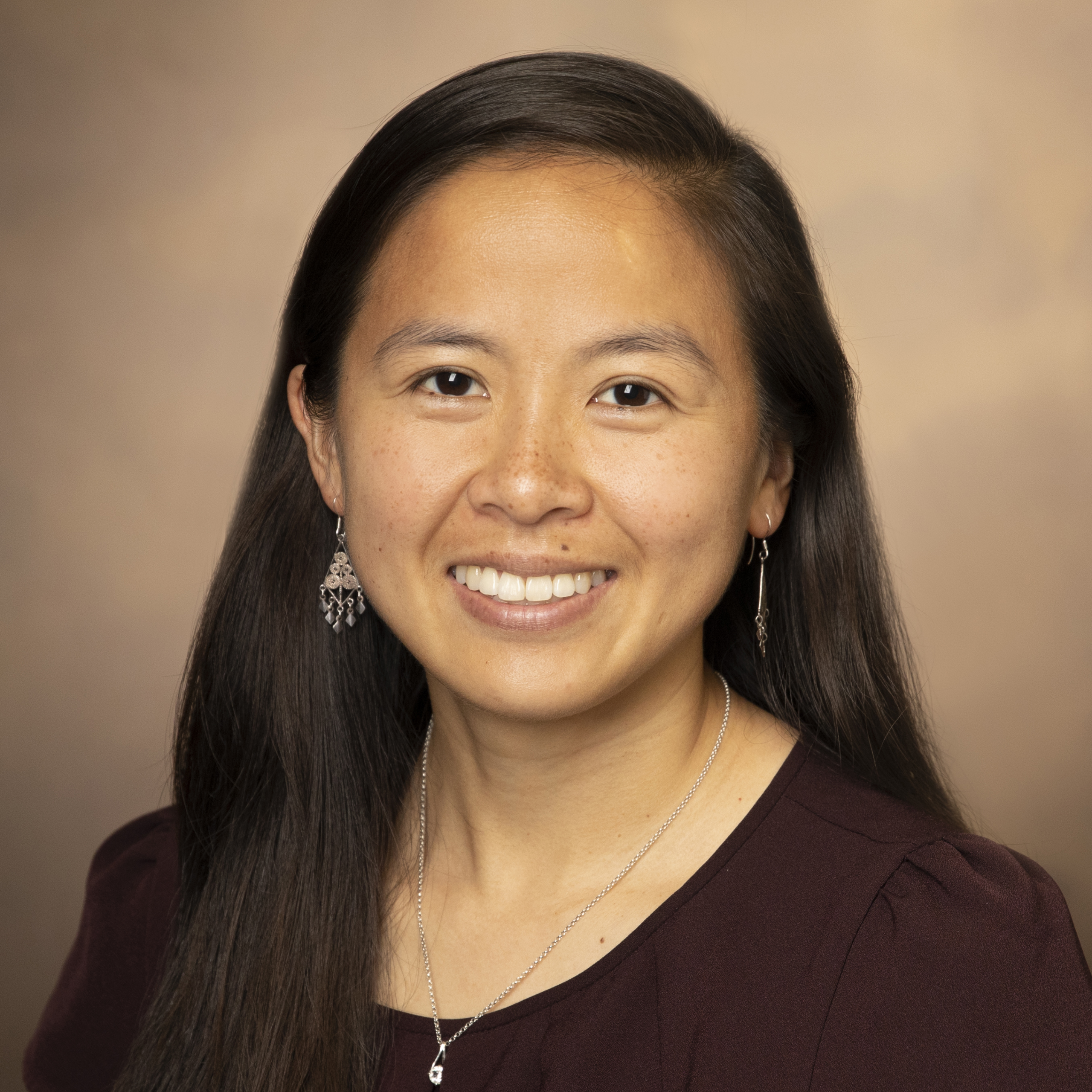
Jennifer Huang, MD, MEd
Attending
Vanderbilt University Medical Center
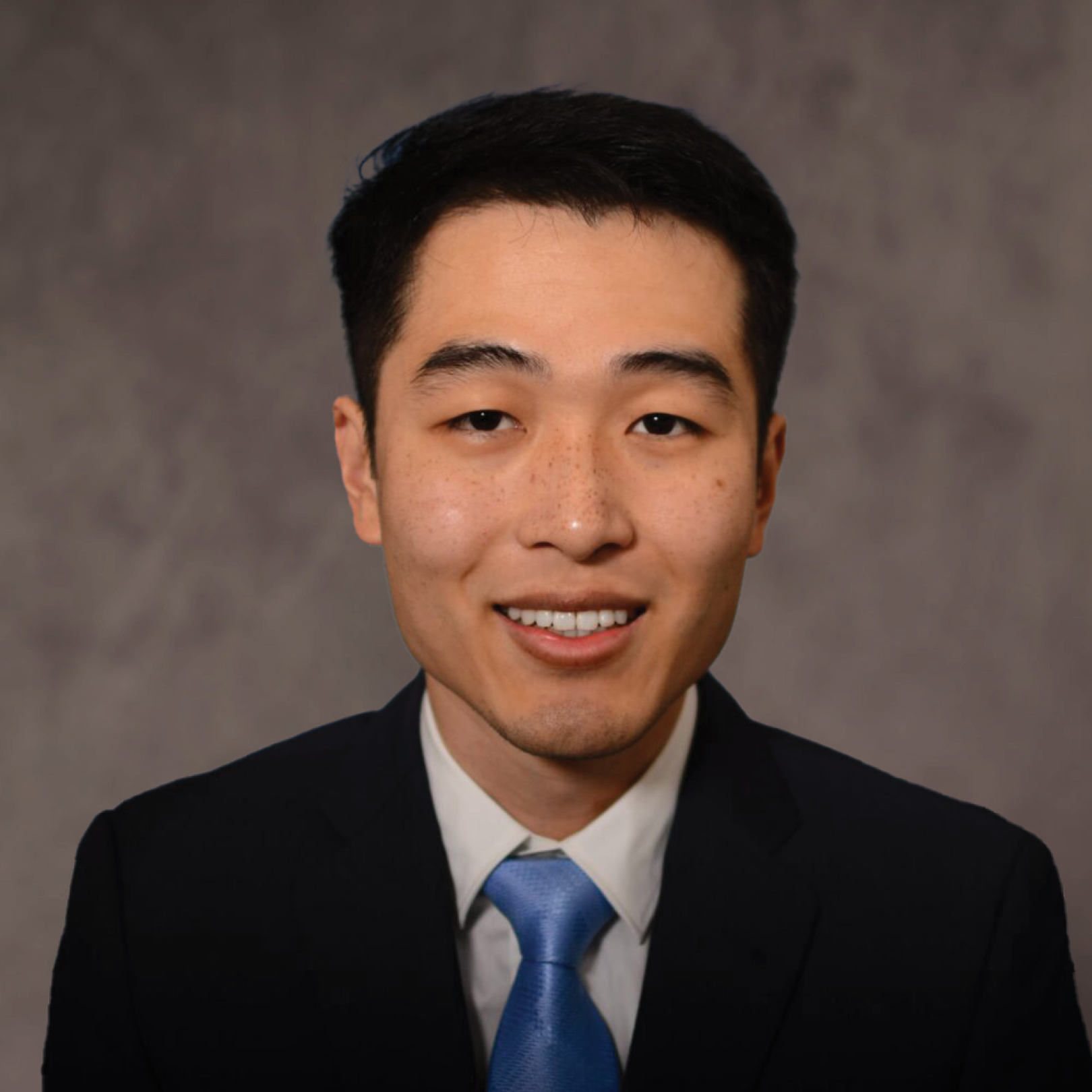
John Lu, MD
Attending
Private Practice
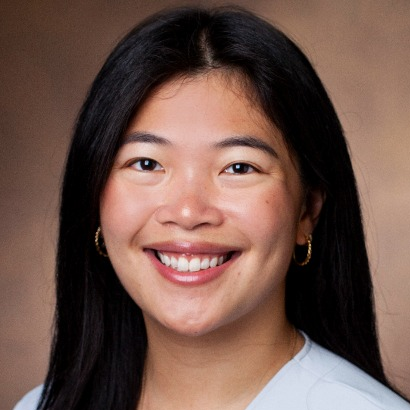
Dora Chen, MD
PGY-4
Vanderbilt University Medical Center
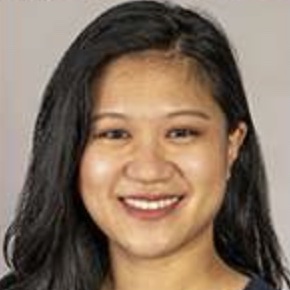
Connie Ju, MD
Attending
Louis Stokes Cleveland VA Medical Center
April 18th, 2026

Suzanna Tom, MD
PGY-2
Temple Chestnut Hill

Cindy Jiao, MD
Attending
University of Rochester
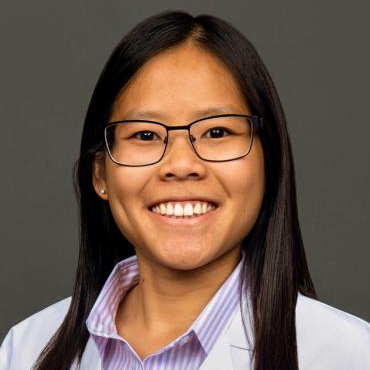
Hiu Ying Joanna Choi, MD
Attending
Temple University
April 19th, 2026
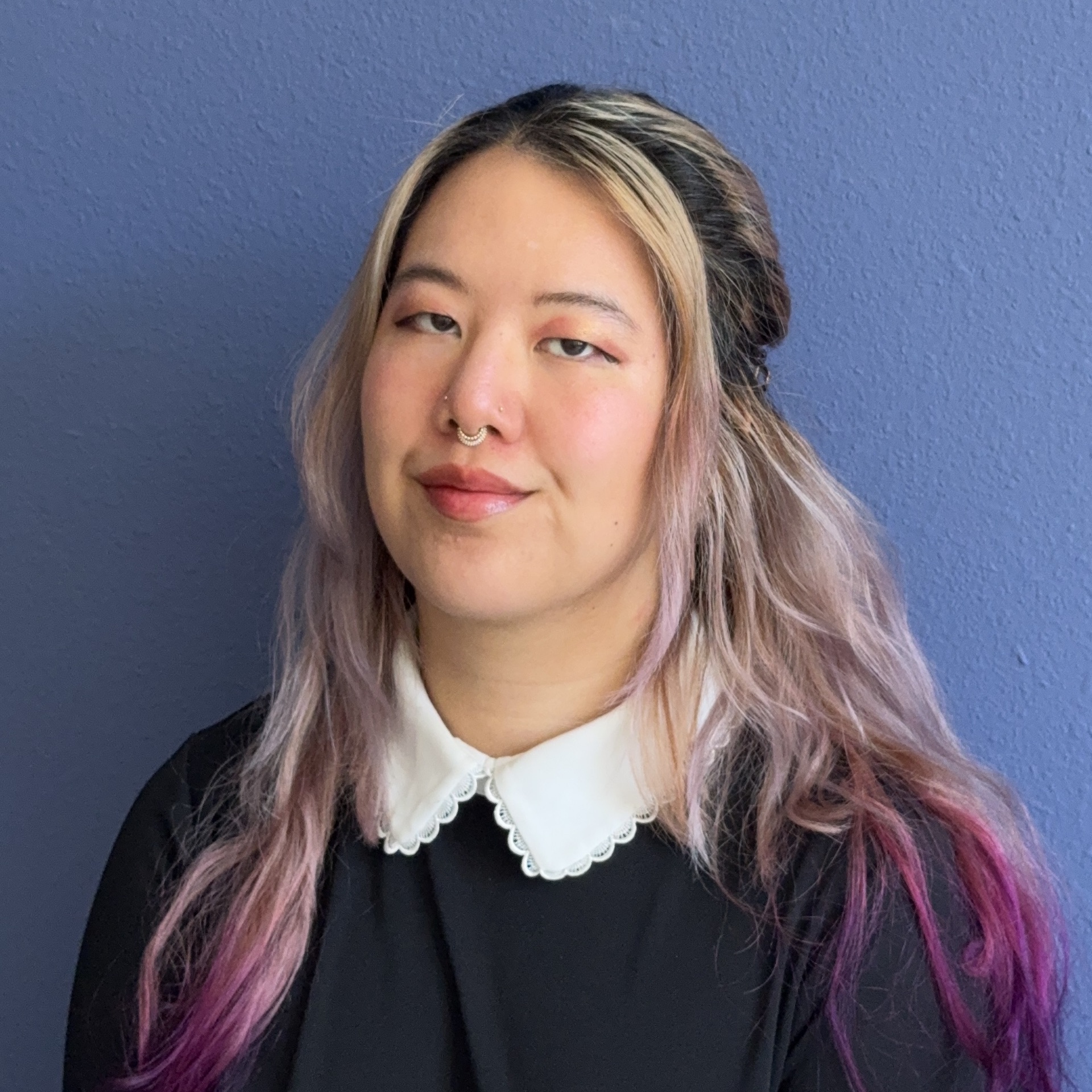
Anke Wang, MD
Critical Care Fellow
Duke University
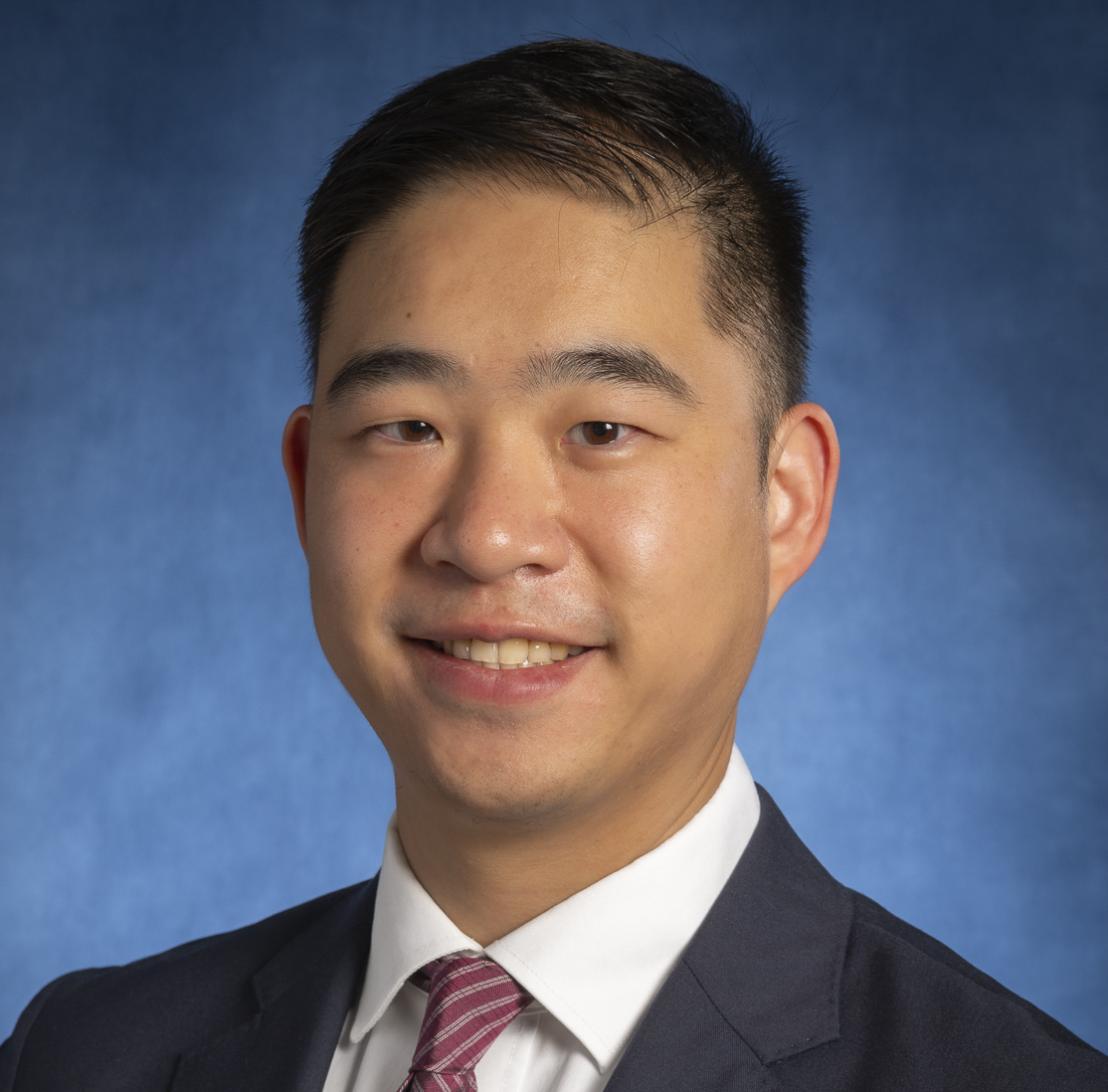
William Hsu, MD
Critical Care Attending
Albany Medical Center
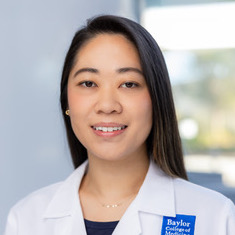
Chelsea Wu, MD
Medicine Attending
Baylor Medicine
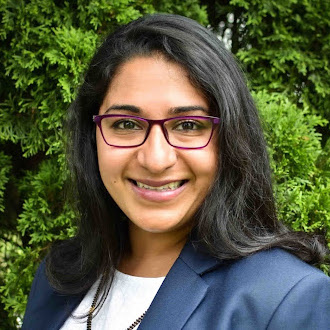
Ramya Sampath, MD
PGY-3
Yale School of Medicine
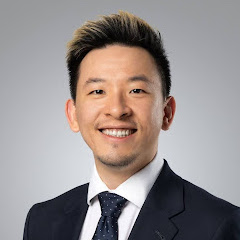
Mingqian Lin, MD
PGY-2
Medical College of Wisconsin Affiliated Hospitals
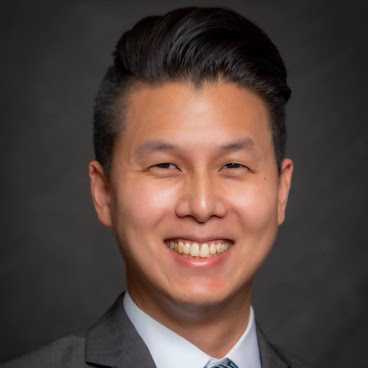
Spenser Chen, MD
PGY-3
Children's Hospital of Philadelphia
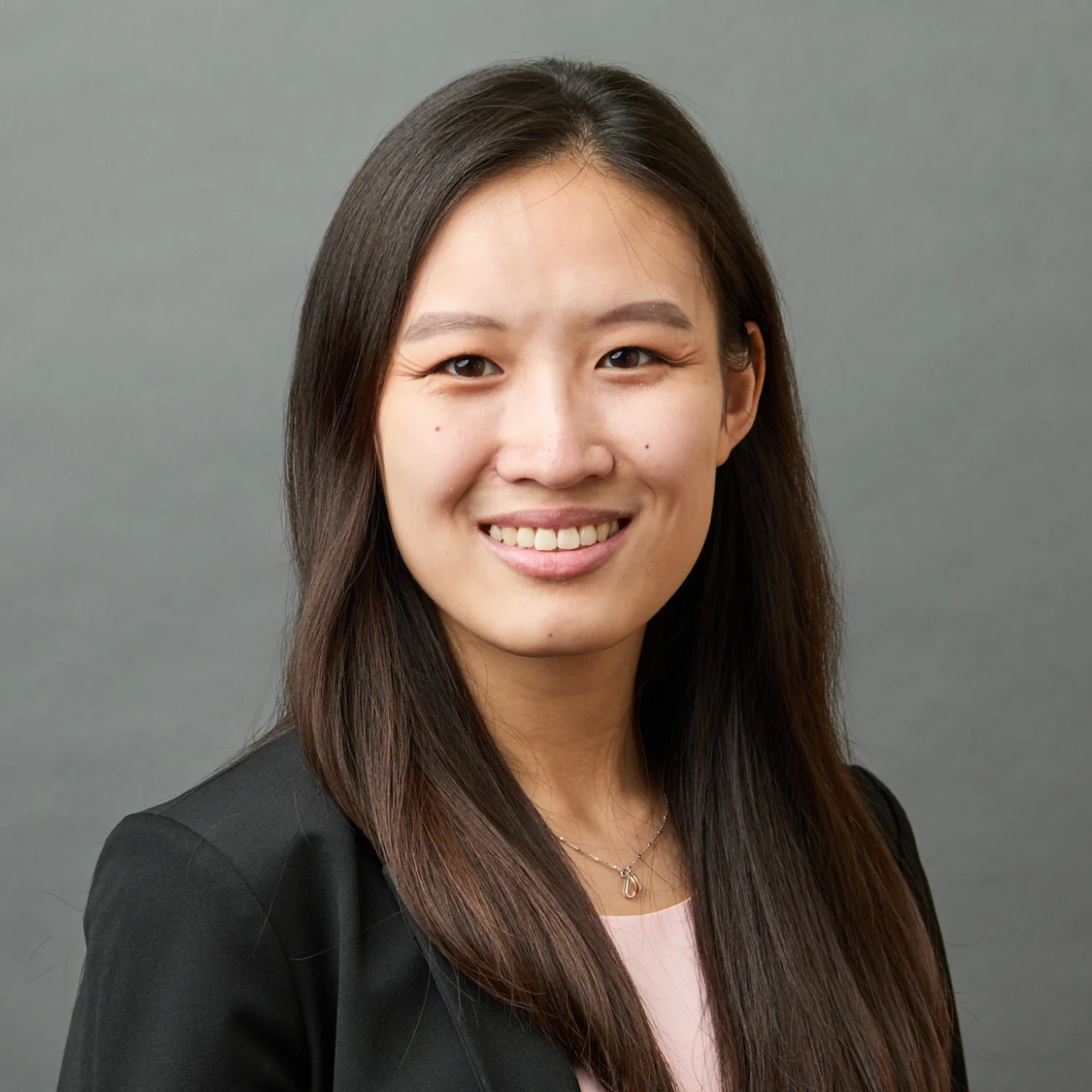
Tiffany Hu, MD
Geriatrics Fellow
Yale School of Medicine
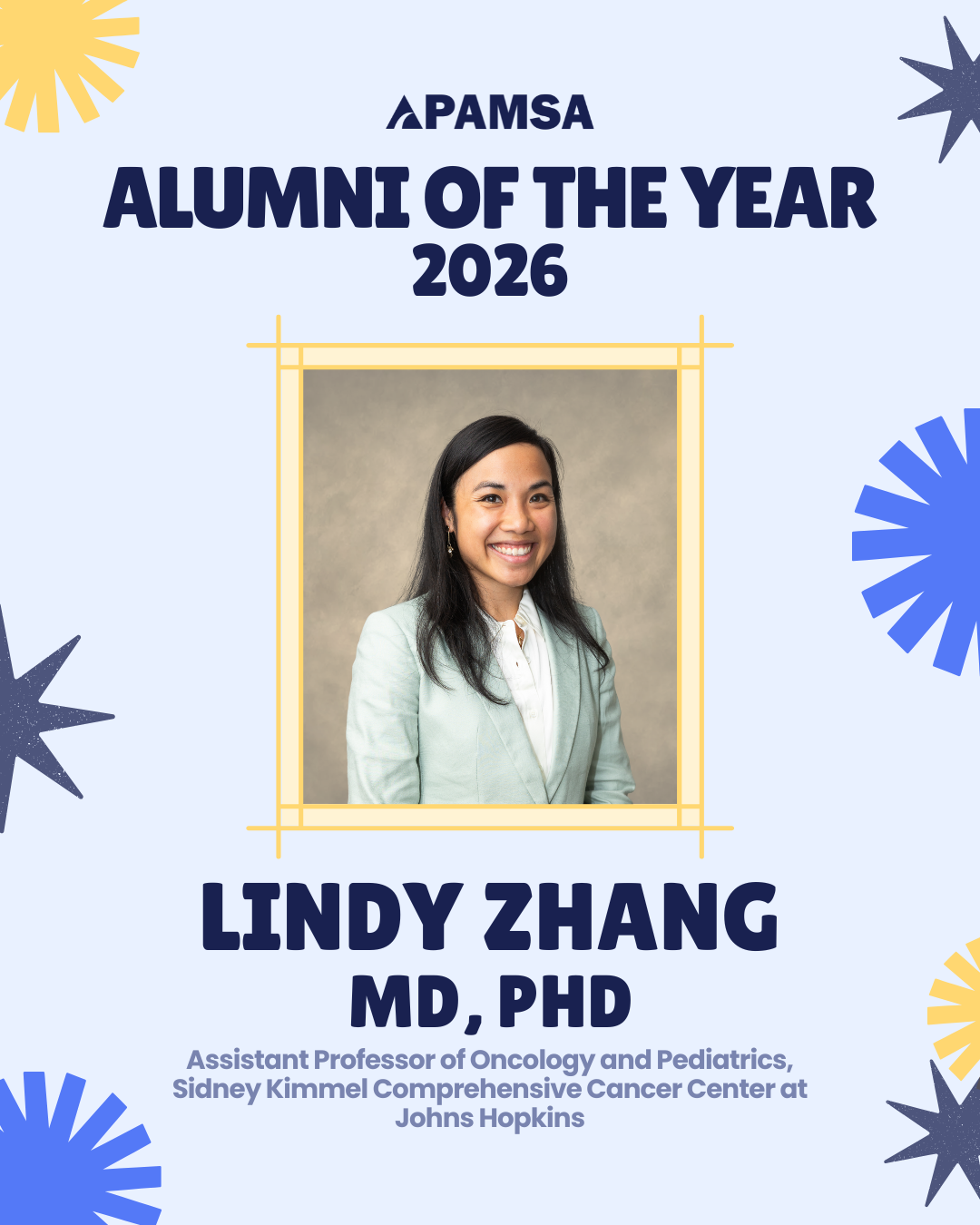
Alumni of the Year Award 2026
This award honors her enthusiastic participation in the APAMSA Alumni Advisory Board, commitment to AANHPI research, and dedication to mentoring APAMSA students.
Lindy Zhang, M.D., Ph.D. is Assistant Professor of Oncology and Pediatrics in the Division of Pediatric Oncology at the Sidney Kimmel Comprehensive Cancer Center at Johns Hopkins. She is a child of immigrants and the first in her family to pursue a post-bachelor’s degree. Dr. Zhang completed her medical degree at the Albert Einstein College of Medicine with distinction in clinical research and her pediatrics residency at the Johns Hopkins Children’s Center. She then pursued a pediatric hematology-oncology fellowship at the combined Johns Hopkins-National Cancer Institute program. During her fellowship, she received additional translational research training by completing a PhD in Cellular and Molecular Medicine at the Johns Hopkins University School of Medicine. Her research focuses on NF1-associated tumors and the application of molecularly targeted therapies. Her academic interest is to define the interactions between molecularly targeted agents and the tumor immune microenvironment in malignant peripheral nerve sheath tumors (MPNST) and establish the potential role of immune-based therapies in novel therapeutic combinations. In addition, Dr. Zhang is passionate about diversity and inclusion in academic medicine. Her medical education research focuses on Asian American representation and experiences of microaggression and discrimination in medical school.
To read more about the APAMSA Alumni of the Year Award, click here.
Questions? Please reach out to strategy@apamsa.org.