

Response to Police Assault of Lich Vu
On October 27, 2024, 71-year-old Lich Vu was brutally assaulted by police during an arrest in Oklahoma City, which resulted in severe injuries requiring hospitalization. Body camera footage released by the Oklahoma City Police Department reveals a language barrier between the officer and Vu, who is Vietnamese and speaks English as a second language. The incident brings to light dual issues of police brutality and increased violence against Asian American, Native Hawaiian, and Pacific Islander (AANHPI) communities in the wake of COVID-19.
National APAMSA strongly condemns the assault on Lich Vu and reaffirms our stance against police brutality and violence against AANHPI communities, as discussed in previous statements. Police violence is not only a criminal justice issue, it is also a public health crisis. The immediate physical harm inflicted in such incidents is accompanied by long-term psychological and emotional consequences, not only for the individuals directly affected but also for their families and communities. For elderly individuals like Vu, these effects are compounded by the vulnerability that comes with age and the challenges many immigrants face in navigating systems that often fail to protect them.
The health of our communities is deeply intertwined with how institutions like law enforcement uphold—or undermine—public safety and trust. Yet, these harms are preventable, and addressing them requires systemic change. Accountability must be pursued at every level to ensure justice and to prevent similar incidents in the future.
Our thoughts are with Lich Vu and his loved ones as they recover from this traumatic event. We continue to urge community leaders, policymakers, and law enforcement agencies to take decisive action to ensure accountability and enact reforms that prioritize the safety and dignity of all individuals, especially the most vulnerable among us.
Written by Hugo Zhou and Nataliyah Tahir.
For questions or concerns, please reach out to Nataliyah Tahir at rapidresponse@apamsa.org

Open Positions for 2025-2026 APAMSA National Board
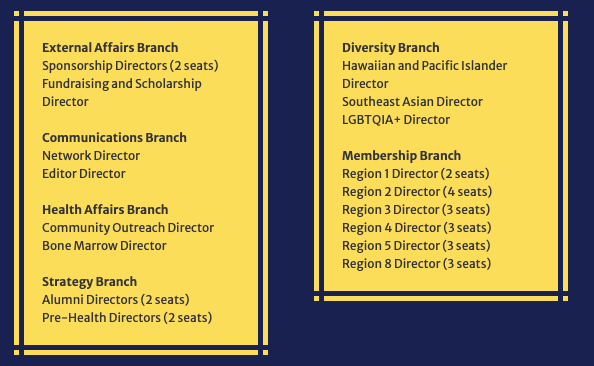
CALLING FOR CANDIDATES to run for the 2025-2026 National Board!! We have a few Round 2 positions that are available for you to run for:
External Affairs Branch:
Sponsorship Directors
Fundraising and Scholarship Director
Communications Branch:
Network Director
Editor Director
Health Affairs Branch:
Community Outreach Director
Bone Marrow Director
Strategy Branch:
Alumni Directors
Pre-Health Directors
Diversity Branch:
Hawaiian and Pacific Islander Director
Southeast Asian Director
LGBTQIA+ Director
Membership Branch:
Region 1, 2, 3, 4, 5, and 8 Directors
Link to apply: https://forms.gle/8jiZVWCGSJiEFEem9
For full details, visit our website at apamsa.org/elections.
Navigating the Intersectional Bamboo and Glass Ceilings: Empowering Asian American Women in Medical Leadership
Leadership is crucial in medicine, yet it often takes a backseat to technical and academic training. For underrepresented groups in medicine, additional challenges including historical discrimination and stereotypes hinder leadership development even further. Asian Americans in medical leadership are impacted by the phenomenon called the “bamboo ceiling,” which refers to the multifaceted challenges (ranging from cultural differences, systemic bias, ingrained stereotypes, and lack of role models) that prevent Asian Americans from achieving leadership positions. More specifically, Asian American women in particular are challenged by a double ceiling effect by having to overcome both the bamboo ceiling and the glass ceiling (social barrier that prevents women from workforce advancement).
Initially, we wrote these five tips to help Asian American women at any stage of their career to navigate the challenges in developing leadership skills and promoting inclusivity in medical leadership. However, we believe these tips are helpful for all individuals, especially those underrepresented in medicine, looking to advance their leadership skills and enhance allyship in medicine.
Tip 1 – Practice public speaking
Every time I am about to present my patient, no matter how effectively I have pre-charted, my heart rate rises and my hands get clammy. After speaking to some of my residents, I realized the fear of public speaking is nearly universal. And while TEDx speakers seem calm and collected, I have learned that hours of practice and coaching produce those talks we enjoy watching.
Public speaking is a skill that takes time to develop. Take advantage of everyday opportunities, like teaching medical students or presenting at noon conferences or journal clubs, to become more comfortable in front of an audience. Raising the volume of your voice and straightening your posture can also project an air of confidence. Ultimately, what helps calm me down the most is imagining myself having a conversation with a friend and telling a story – about a patient, physiological processes, research – and it becomes more manageable.
Tip 2 – Identify mentors, build relationships, and network with others
Becoming a leader does not only involve yourself; the process humbly involves a team of people who invest in and support your endeavors. Finding your team may seem daunting with various clinical environments, hierarchies in medicine, or perhaps feeling shy or burdensome when approaching potential mentors. However, one such skill to build your network is through learning how to engage in conversations with people from all walks of life. To start, ask about others’ interests and backgrounds to explore commonalities unveiled through conversation. We also find it easy to stimulate discussions with questions such as, “What is an exciting project you are working on?” or “What are your thoughts on [blank] event?”. We also recommend preparing a short 30-second elevator pitch of yourself (your educational background, interests, and goals) to use in the appropriate settings. These conversations may not seem natural at first. However, by practicing with each social opportunity you may have, you will feel more comfortable to humbly approach others and form new relationships.
One fortuitous experience I had was going to a medical conference across the country initially not knowing anyone. I remember grabbing a bagel from the breakfast station and saw another woman sitting nearby and eating alone. I decided to strike up a conversation in hopes of building a connection and friendship. We became friends and, to this day (although living many miles apart), have continued to support one another while working on projects and holding leadership roles in the same Asian American organization.
Tip 3 – Resolve conflicts when necessary
When it comes to conflict resolution, many individuals may struggle with the internal monologue, “Do I speak up? Or, do I keep my head down and stay quiet?” On one hand, many – especially Asian American women – have grown up with the virtue of humility, to “not rock the boat” and take a back seat. However, learning the art of conflict resolution is important and necessary to not only pave the wave for smooth relationships but also can influence team dynamics in the future. Here are some steps that I take to ease my stress before I manage conflict:
- Address the issue early
- Find the right place and right time to converse honestly with the other party
- Use AEIOU (Acknowledge, Express, Identify, Outcome, Understanding)
- I find it helpful to use “I feel/think…” statements to clarify how I feel I have been impacted. Use non-defensive phrases like “I would like…” instead of “I want…”.
- Overall, I try to keep a calm mind and separate the person from the problem.
Tip 4 – Ask for what you deserve and be aware that negotiation is a process
While negotiating a salary may seem more relevant after residency, try to consistently check in with yourself on your short-term and long-term career goals to see if the trajectory you are on will meet them. Also, understand that business is not always a meritocracy. You may be a diligent and hard worker, but you may be selling yourself short by not asking for the compensation or promotions you deserve.
Some actionable items that you can consider doing are recognizing the skills you bring to a team and the deliverables you have produced. Do research on the current job market to know the ballpark range you should be negotiating within. And be patient, as negotiation is a dance between two parties and takes time. Bottom line: Ask or you don’t get, and do not sign the first contract you see!
Tip 5 – Find your work style and that of your colleagues
Understanding you and your colleagues’ work styles can help improve synergy between one another. While there are multiple personality assessment tools, I like to use the “Five-Factor model of personality”, which helps ascertain how you score on each of the Big Five (OCEAN: Openness, Conscientiousness, Extroversion, Agreeableness, Neuroticism) personality traits. Finding your work style is important for self-reflection. It can be invaluable in knowing your boundaries, especially when it comes to learning when to say “yes” and how to say “no.” And, personality tests can be used as a team-building exercise. As a peer, knowing your colleagues’ work styles can be essential to learn how to collaborate effectively with one another. As a leader, learning your colleagues’ work styles can help assign team roles, set expectations, leverage strengths, and cater to individual work styles.
Conclusion
To the AAWM and individuals reading these tips, we hope that these tips and references provide great resources to help you succeed in your medical career and develop your personal leadership style. Ultimately, we hope that the medical community can come together to break through systemic barriers and cultivate diverse, equitable leadership that enhances patient care and drives positive healthcare outcomes.
Written by APAMSA National Board Members: Sonia K. Scallon, MD; Ellis Jang, BS; Victoria V. Nguyen, BS; Sunny S. Park, MD, MPH; Cynthia X. Pan, MD
A prescription from the next generation of doctors: Vote early
As future medical professionals, we see the real-life consequences of political decisions in emergency rooms, hospitals, and clinics. Despite a growing recognition that voting is directly linked to better health outcomes, however, health professionals are voting at lower rates than the national average. It’s time that we make a change this election.
We see patients denied essential services due to bureaucratic hurdles, such as insurance coverage gaps for life-saving medications or underfunded social and mental health service programs. As medical students and leaders of health in our communities, we have a responsibility to vote—not just for ourselves but for the people we serve.
The American Medical Association (AMA) recognizes voting as a social determinant of health. Communities with higher voter turnout often experience better health outcomes, yet many health care providers, including medical students, face challenges in turning out to vote. Busy schedules, unexpected emergencies, and the demands of our profession can create real barriers. We must break this cycle, and the remedy is early voting. By casting our ballots ahead of time, we can ensure that our voices are heard to better the health of our communities and patients.
Many of us have celebrated our family members finally gaining citizenship, only to see them struggle within a health care system full of obstacles. These are not isolated incidents; they reflect the broader experiences of disinvested communities whose voice at the ballot box can have a meaningful impact. The Asian American, Native Hawaiian, and Pacific Islander (AANHPI) communities face the brunt of harmful anti-immigrant narratives, echoing xenophobic sentiments that have long afflicted our communities that contribute to social isolation and negative health outcomes.
Yet, AANHPI advocacy has a rich history in the United States—from Japanese American activist Yuri Kochiyama, who fought for civil rights alongside Black leaders, to Native Hawaiian scholar Haunani-Kay Trask, who advocated for Indigenous sovereignty. In honoring their legacies, we recognize that voting is one of the most powerful tools we have to shape healthier communities and, in turn, a healthier democracy.
At the Asian Pacific American Medical Student Association (APAMSA), the largest student organization of AANHPI medical students and pre-medical students, we’ve made civic engagement a priority this year. Partnering with the non-partisan, non-profit organization Vot-ER we’ve implemented training among our over 4,000 members and participated in programs to help medical professionals get ready to vote and help their patients to vote. Today, we are calling on medical students and professionals, particularly within the AANHPI community and beyond, to close our voter turnout gap by voting early.
Health is always on the ballot, and this election provides a critical opportunity to create a health care system that works for everyone. By voting early, we take an essential first step toward realizing that vision of healthier and more equitable communities. Our role as future physicians extends beyond the clinic walls. During this election season, we must show up—not just for ourselves, but also for our patients and communities. Let’s ensure that our voices are heard by voting early in this and every election.
Make your early voting plan today.
Alexander Le, Annie Yao, and Victoria Shi are medical students.
Find the original posted OpEd here.
2024 Hepatitis Conference
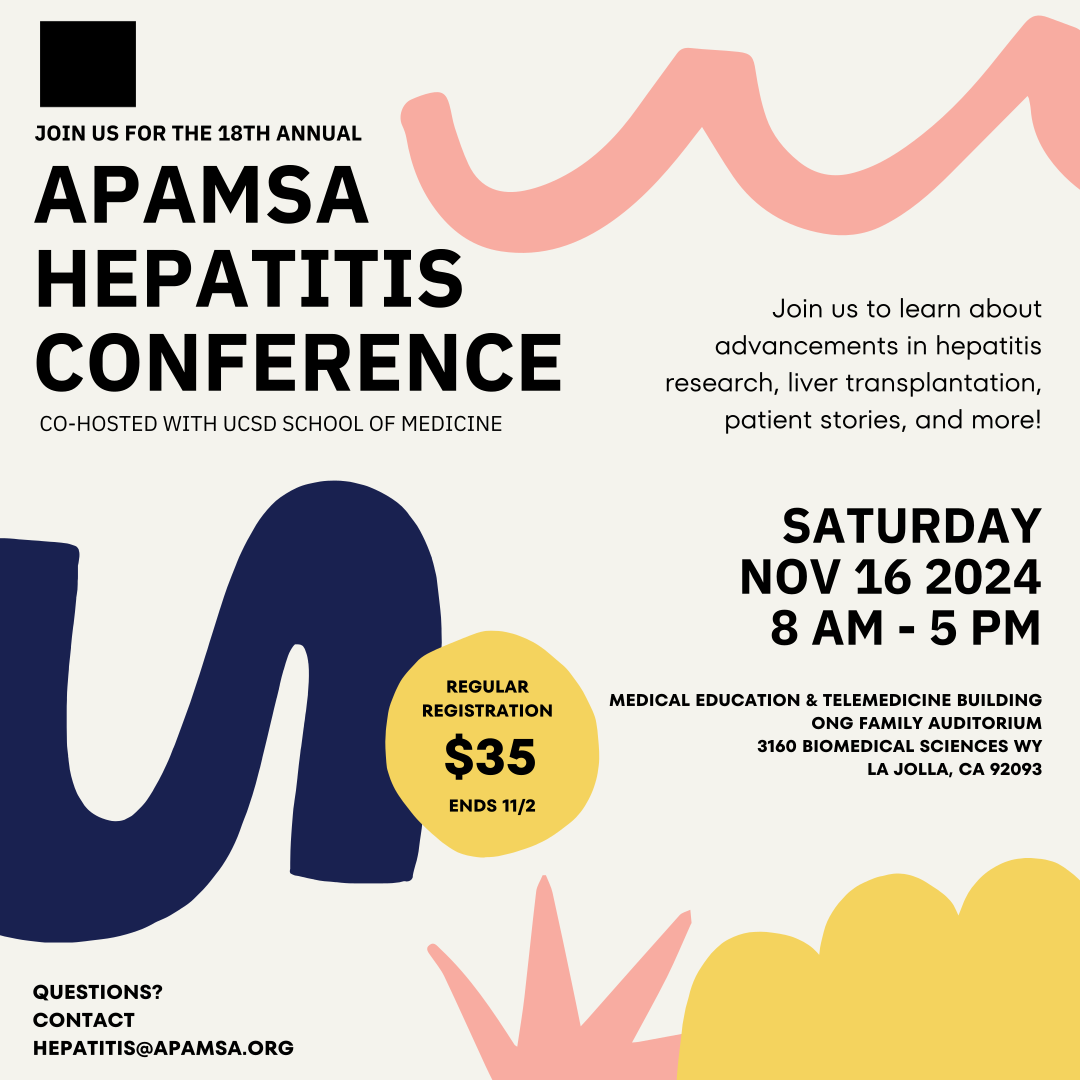
WELCOME TO THE 18TH ANNUAL APAMSA HEPATITIS CONFERENCE!
We are happy to announce the 18th Annual Hepatitis B/C Conference will take place on Saturday, November 16, 2024 from 8 AM to 5 PM PST in San Diego, CA! The UC San Diego School of Medicine APAMSA Chapter has graciously partnered with us to put together the best conference yet! APAMSA members and non-members are all welcome to register and attend.
Each year, we strive to collectively engage in the global fight against liver diseases, including hepatitis B and C, and to raise awareness about health disparities and their impact within the Asian American, Native Hawaiian, and Pacific Islander (AANHPI) population.
The objectives of the conference are to raise awareness about the impact of liver diseases on the AANHPI community, to encourage future health care providers to advocate for policy changes to address the current health disparities that the AANHPI community face, to provide opportunities for current health profession students to network with prominent leaders in hepatology and to provide a venue for students to present their research on topics related to GI/hepatology.
Medical Education & Telemedicine Building
Ong Family Auditorium
3160 Biomedical Sciences Wy
La Jolla, CA 92093
SCHEDULE
8:00 – 8:50 AM Registration and Breakfast
9:00 – 9:10 AM Introduction & Opening Remarks by Dr. Araneta, UCSD Associate Dean of Diversity and Community Partnerships
9:10 – 10:00 AM Saira Khaderi, M.D., M.P.H.
10:10 – 11:00 AM Robert Wong, M.D., M.S., FACG, FAASLD
11:10 – 12:00 PM Wendy Lo
12:00 – 1:00 PM Lunch
1:00 – 2:00 PM Research Poster Session & Oral Presentation
2:10 – 3:00 PM Breakout Sessions
3:10 – 4:00 PM Robert Gish, M.D., FAASLD
4:00 – 4:30 PM Closing Remarks
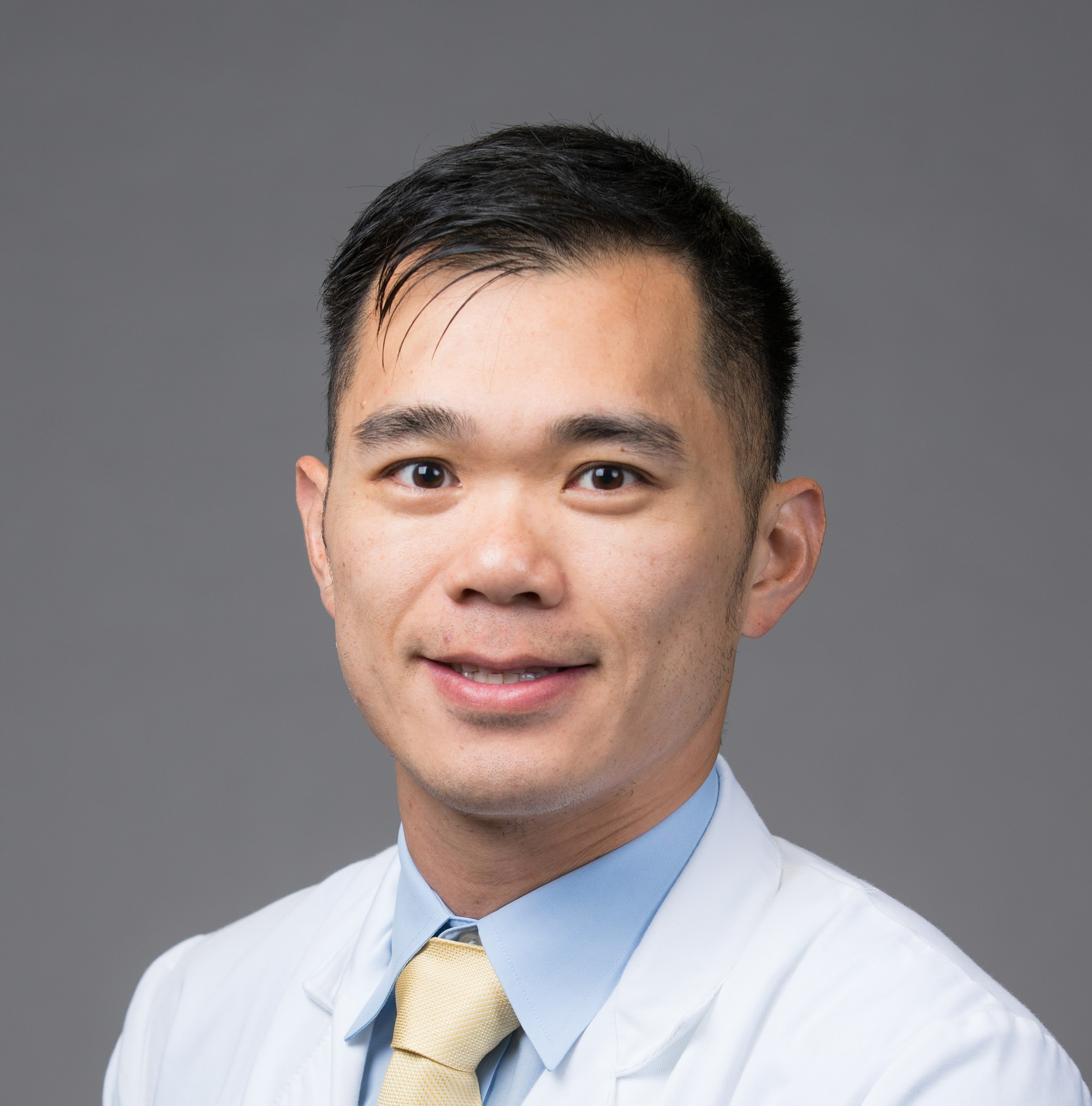
Tzu-Hao (Howard) Lee, M.D.Assistant Professor, Baylor College of Medicine
Dr. Howard T. Lee is a gastroenterologist and transplant hepatologist at Baylor College of Medicine, Houston, Texas. He completed his medicine, gastroenterology and hepatology training at Duke. Dr. Lee’s academic and clinical interests include viral hepatitis, liver transplant and health disparities, with a special focus on the LGBTQ+ population.
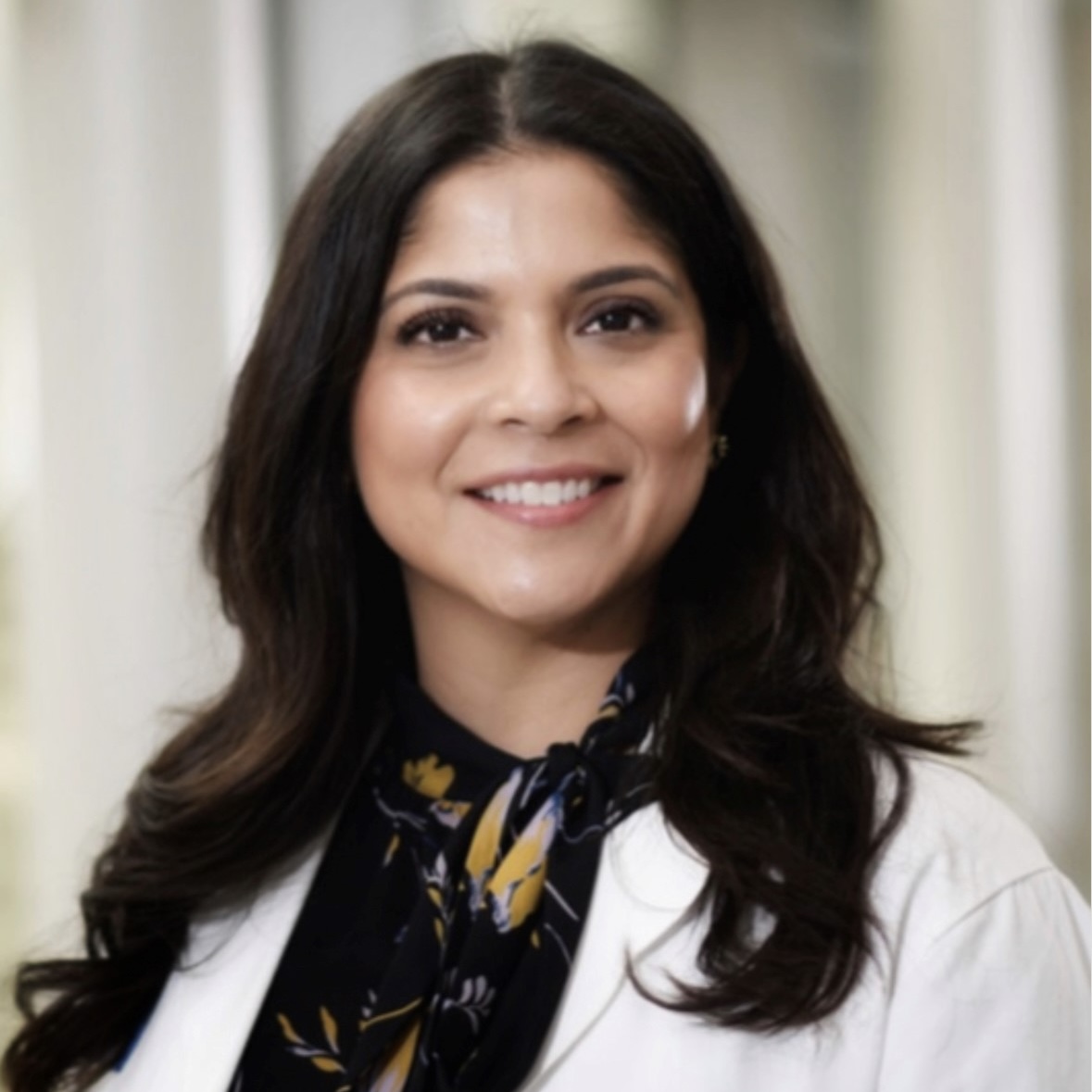
Saira Khaderi, M.D., M.P.H.
Assistant Professor, Transplant Hepatology Medical Director, Baylor College of Medicine
Dr. Khaderi is a transplant hepatologist at Baylor College of Medicine in Houston, Texas and has a special interest in viral hepatitis elimination and hepatocellular carcinoma. She is the Medical Director for Project ECHO (Extension for Community Healthcare Outcomes) at Baylor St. Luke’s Medical Center (BSLMC). Project ECHO uses video conferencing to develop expert health care networks to manage complex liver diseases in underserved areas. In the past 10 years, ECHO BSLMC has treated over 2,800 patients for HCV/HBV across the United States (most of whom are uninsured). She is also on the Steering Committee for Hepatitis C Elimination in Texas, AASLD Hepatitis C SIG, and the AASLD’s Women’s Initiative Committee.
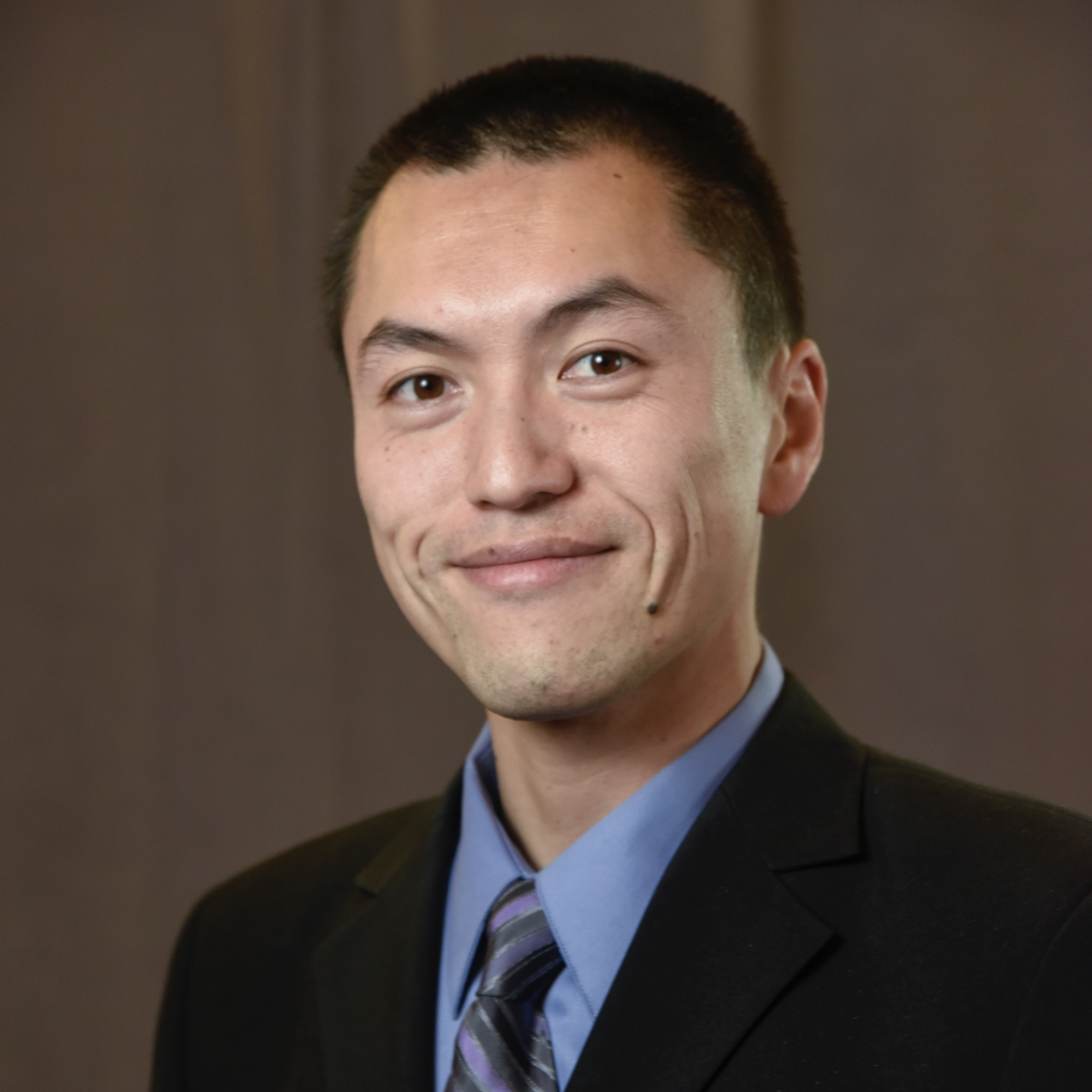
Robert J. Wong, M.D., M.S., FACG, FAASLD
Clinical Associate Professor, Stanford University School of Medicine
Robert J. Wong, MD, MS, FACG, FAASLD is a Clinical Associate Professor of Medicine in the Division of Gastroenterology and Hepatology, Stanford University School of Medicine, and staff physician at the Veterans Affairs Palo Alto Healthcare System. He is a passionate advocate and clinician-scientist whose work has focused on highlighting and addressing healthcare disparities and inequities among individuals with viral hepatitis and chronic liver diseases. Dr. Wong’s current research continues to focus on epidemiology, outcomes, and health services research in liver diseases, with particular emphasis on healthcare disparities among under-served, vulnerable, and ethnic minority populations with HBV and HDV, steatotic liver disease, and hepatocellular carcinoma. His work has been supported by the National Institute on Minority Health and Health Disparities, the National Institute on Alcohol Abuse and Alcoholism, the American Association for the Study of Liver Diseases, the American College of Gastroenterology, and others. He has authored over 250 publications and work has been published in high impact journals including, JAMA, Hepatology, Gastroenterology, Journal of Hepatology, Clinical Gastroenterology and Hepatology, and American Journal of Gastroenterology. Dr. Wong’s collaborative research, advocacy, and educational projects span broadly and includes working with AASLD, ACG, Hepatitis B Foundation, American Liver Foundation, Global Liver Institute, Chronic Liver Disease Foundation, and others. His current work in the field of HBV focuses on improving disease awareness and reducing stigma, improving implementation of universal HBV screening, expanding and simplifying HBV treatment criteria, and continuing to address existing gaps in timely linkage to care and treatment particularly among vulnerable populations.

Wendy Lo, B.A.
Advocate, Speaker, Consultant, Wendy Co Consulting, LLC
Wendy Lo is a patient advocate, speaker and consultant for liver health, patient inclusion and hepatitis elimination. After being diagnosed and living with chronic hepatitis B for nearly three decades, Wendy broke her silence by sharing her personal story openly. From patient turned advocate, she is on a mission to raise awareness, promote understanding, tackle stigma, influence policy and advance clinical research to fight the hepatitis epidemic. Her advocacy spans speaking appearances, consulting on patient engagement, community outreach, and activism for public health and policy changes.
Wendy is also a health seeker turned health coach, mindfulness practitioner and personal fitness trainer. Her previous career in the software industry spans 20+ years with roles in global education services, go-to-market strategy & execution, and information technology (IT) consulting. Visit wendylo.com for more information.
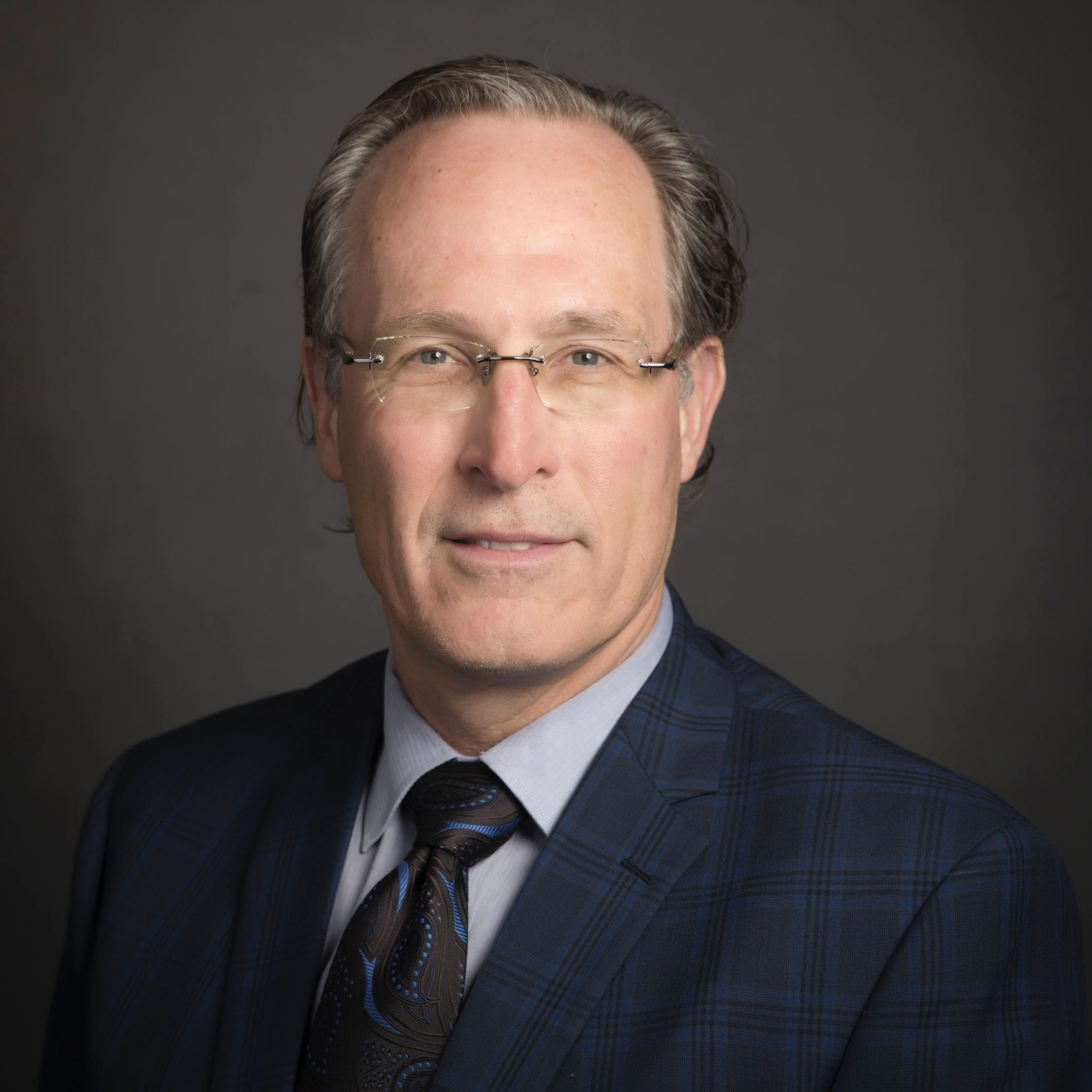
Robert Gish, M.D., FAASLD
Medical Director, Hepatitis B Foundation
Principal, Robert G. Gish Consultants, LLC
Dr. Gish is a fellow of the American Association for the Study of Liver Disease, the American Society of Transplantation and American College of Physicians.
He has served on the editorial boards of American Journal of Gastroenterology, Hepatology, Journal of Hepatology, Digestive Diseases and Sciences, and Gastroenterology, among many others. He co-authored a public health policy for liver health in Vietnam focusing on HBV and is also assisting with the development of viral hepatitis health care policies in Georgia, Armenia, and the Philippines. He was a major early contributor to decipher methods for the detection of hepatitis B and C virus and characterizing their epidemiology and clinical presentation in humans. He was involved in studies that led to the genotypic classification strategies and methods now in use worldwide. He has published more than 700 original articles, abstracts, and book chapters.
Robert G. Gish, MD, is currently the Medical Director of the Hepatitis B Foundation in Doylestown, Pennsylvania. He is an Adjunct Professor of Medicine at the University of Nevada Schools of Medicine in Las Vegas and in Reno. He serves as an Adjunct Professor of Pharmacy at Skaggs School of Pharmacy and Pharmaceutical Sciences at UCSD, a Clinical Professor of Medicine at Loma Linda University. In addition, he is the Medical Director of the American Pacific Health Foundation in San Diego, CA. Dr. Gish is currently seeing patients, both in-person and via telemedicine, at various clinics in San Diego, Folsom (El Dorado Hills), Santa Rosa, and Valley Springs. He is a staff physician at La Maestra, a federally qualified health center in San Diego. Dr. Gish also serves as a Board Member of the Viet Nam Viral Hepatitis Alliance (VVHA).
Abstract submissions for the 18th Annual APAMSA Hepatitis Conference are now open!
EXTENDED DEADLINE: November 2, 2024 at 11:59 PM PST
Thank you for your interest in submitting your research for consideration for presentation at the 18th Annual National APAMSA Hepatitis Conference. We look forward to evaluating your hard work. We prefer research to cover GI/Hepatology topics but also accept research related to AANHPI communities.
The poster session is tentatively scheduled for 1 PM to 2 PM. At least one author is required to give a presentation during this time. Poster awards will be given by our judges.
Please contact us at hepatitis@apamsa.org if you have any questions.

REGISTRATION:
To register, please fill out and pay through the registration form. Both steps must be completed in order for you to be fully registered. Below are our registration deadlines:
- Early Bird Registration: $30, Ends October 5, 2024
- Regular Registration: $35, Ends November 2, 2024
- Late Registration: $40, Ends November 9, 2024
TRAVEL SUBSIDY:
We are providing the first 30 chapters a $100 subsidy towards their travel and other conference expenses. To receive financial aid to attend the Hepatitis Conference, please fill out the travel subsidy application.
HOUSING INFORMATION:
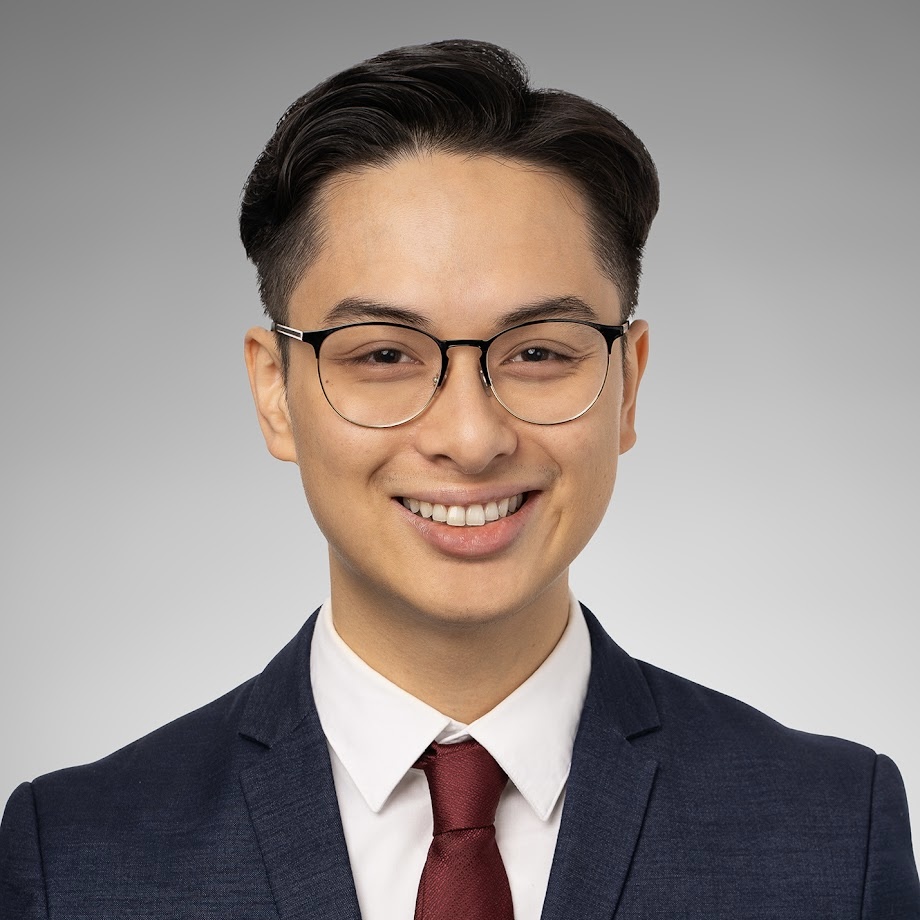
Alex Le
Health Affairs Vice President
Texas A&M College of Medicine
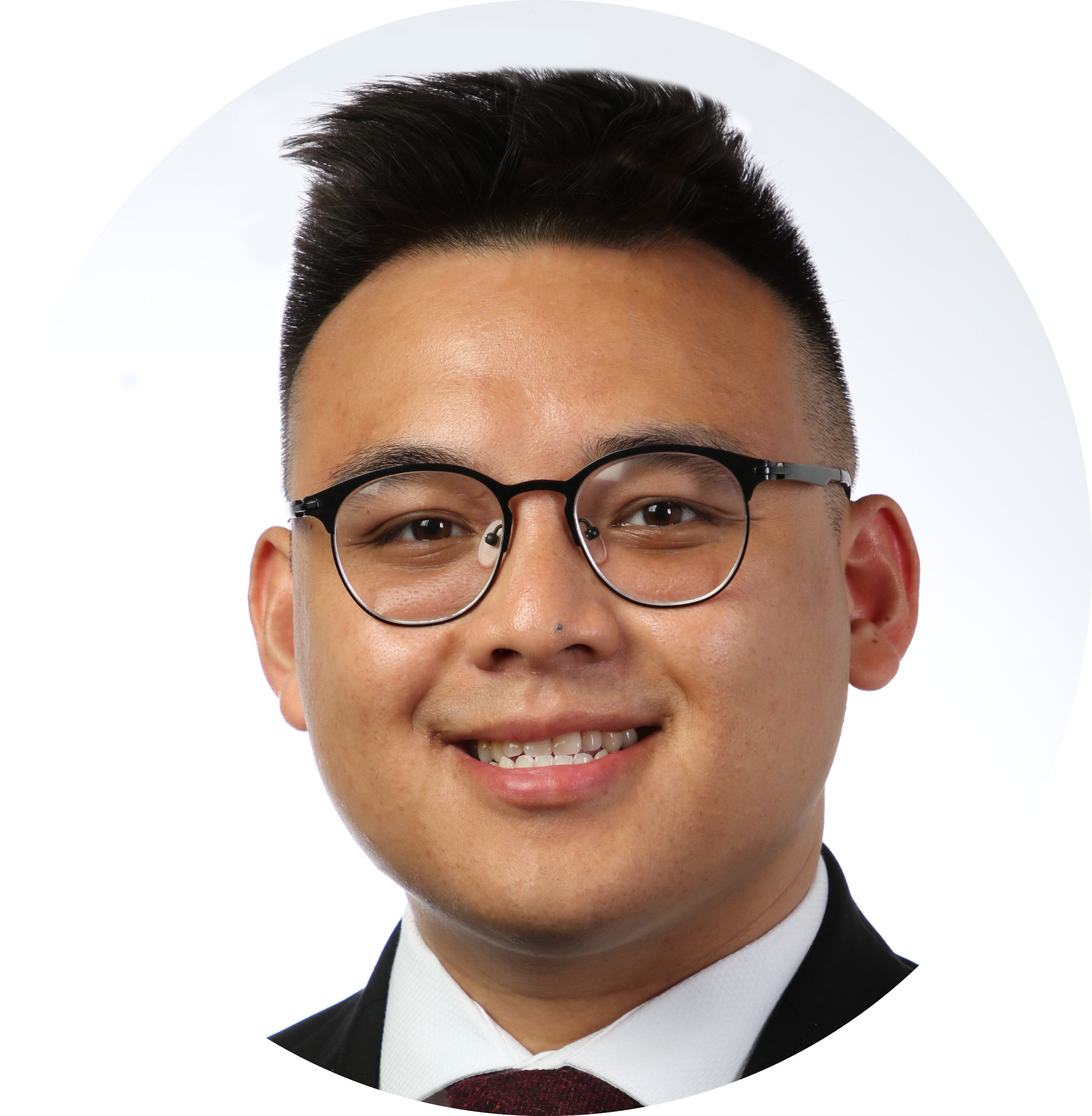
Christopher Huy Doan
Hepatitis Director
John Sealy School of Medicine at UTMB Galveston
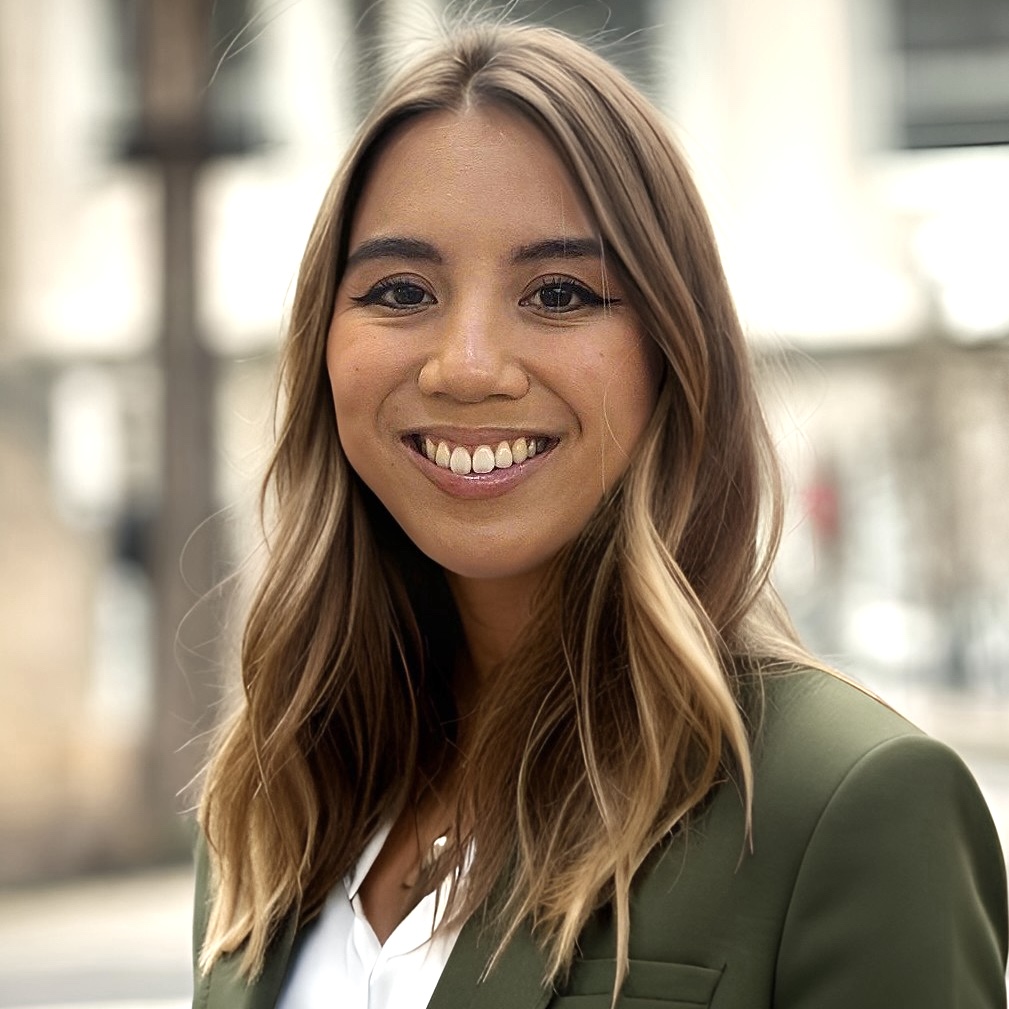
Alicia Bui
Hepatitis Director
Oakland University William Beaumont School of Medicine
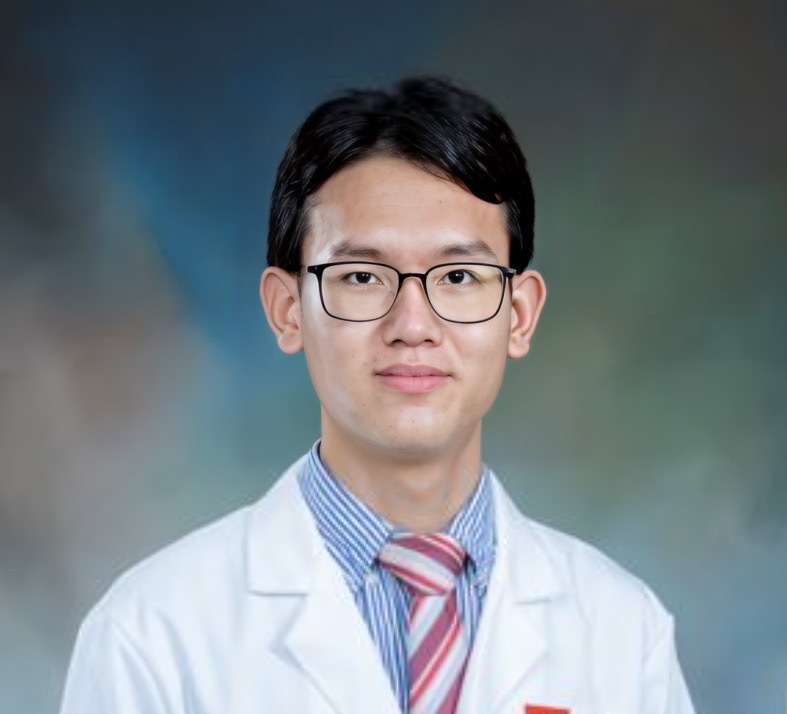
Bunnarin Theng
Hepatitis Director
John Sealy School of Medicine at UTMB Galveston
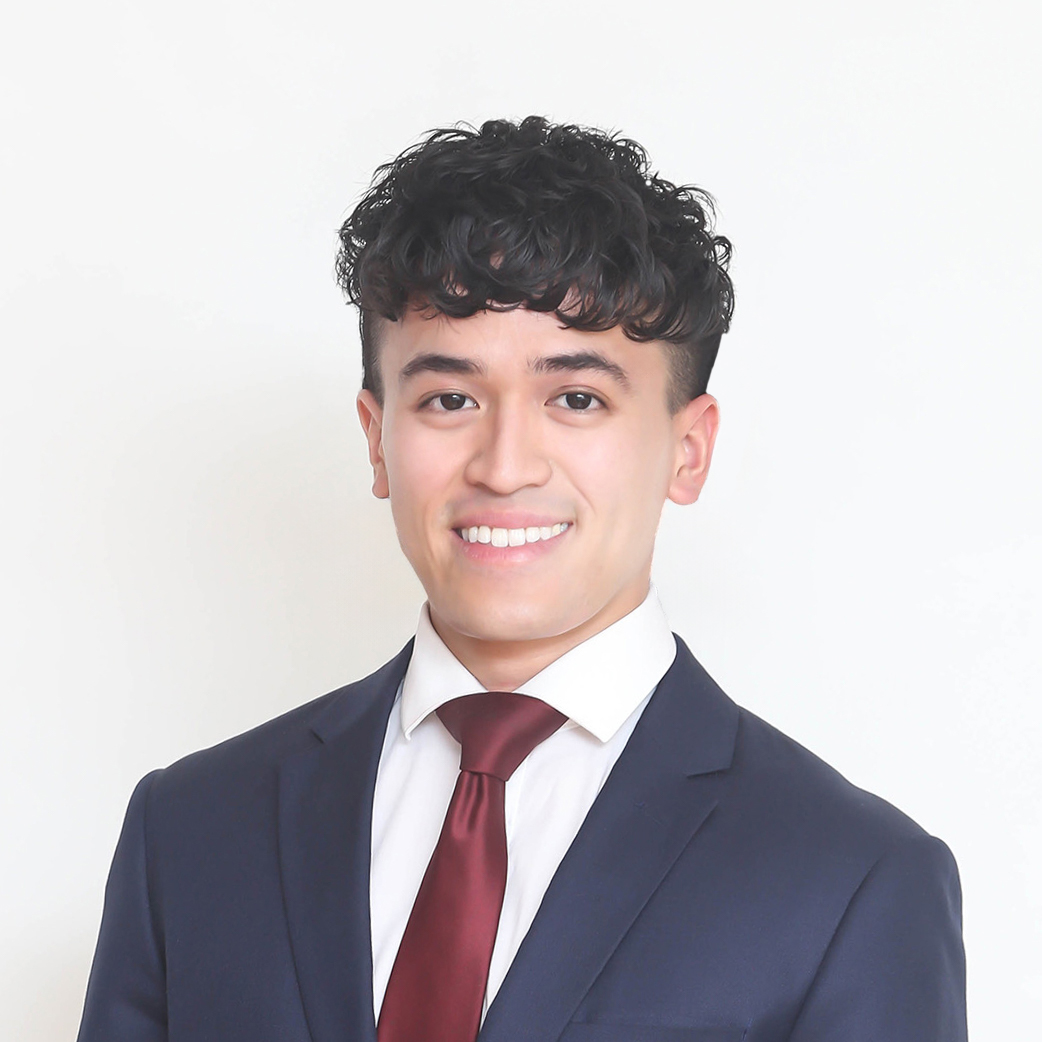
Hoang-Viet Tran
Hepatitis Graphics Committee
George Washington School of Medicine
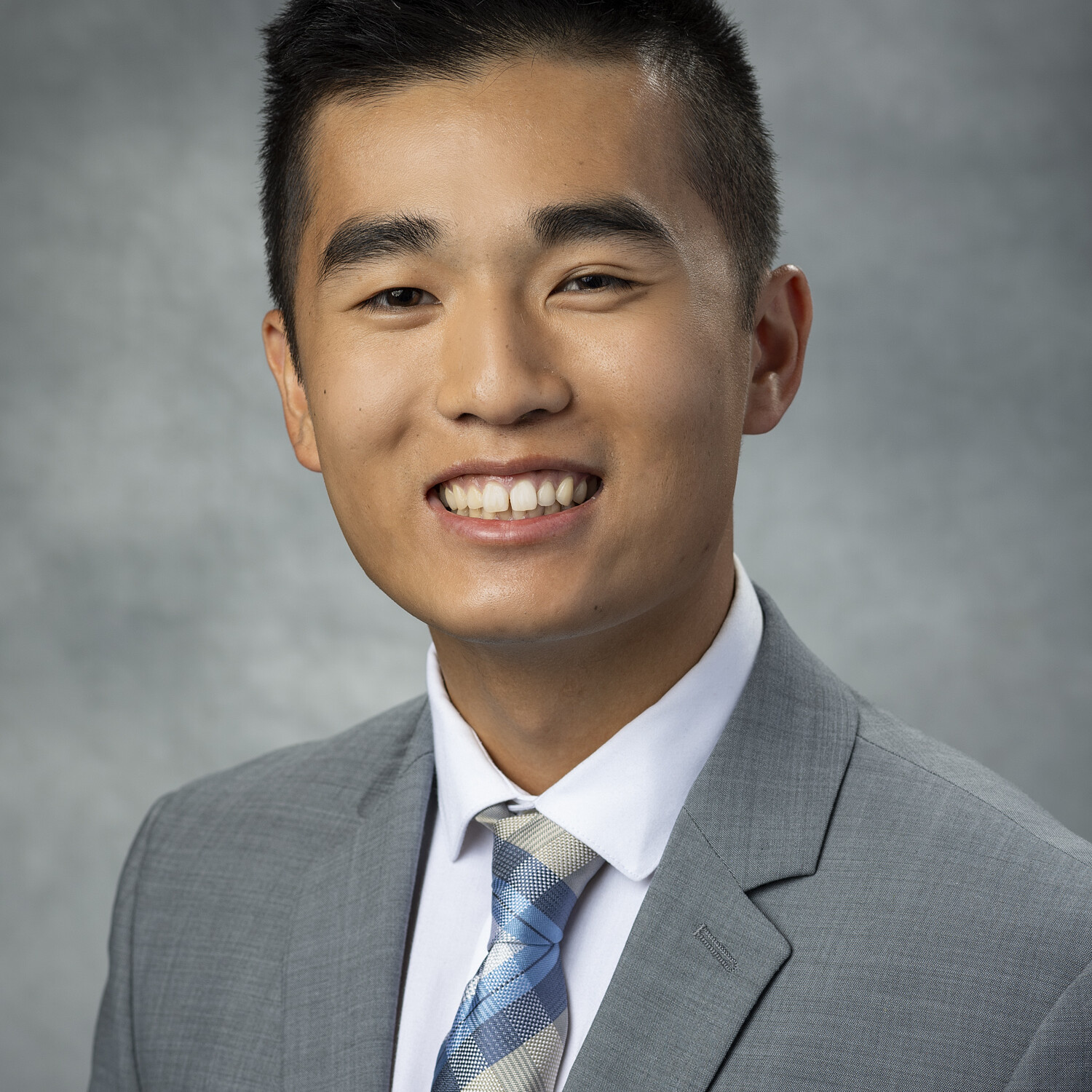
Nick Sze
Hepatitis Graphics Committee
Wright State University Boonshoft School of Medicine
David Wang
Hepatitis Graphics Committee
John Sealy School of Medicine at UTMB Galveston
Sophia Choi
Hepatitis Speakers Committee
John Sealy School of Medicine at UTMB Galveston
Madeline Pan
Hepatitis Logistics Committee
John Sealy School of Medicine at UTMB Galveston

Roland Yu
Hepatitis Speakers Committee
John Sealy School of Medicine at UTMB Galveston
Luke Sequeira
Hepatitis Speakers Committee
Brown University
Leah Katz
Hepatitis Logistics Committee
Touro College of Osteopathic Medicine – Middletown
Louis Zhang
Hepatitis Logistics Committee
UT Health San Antonio Long School of Medicine
Contact Us
Questions? Email us at hepatitis@apamsa.org.
.

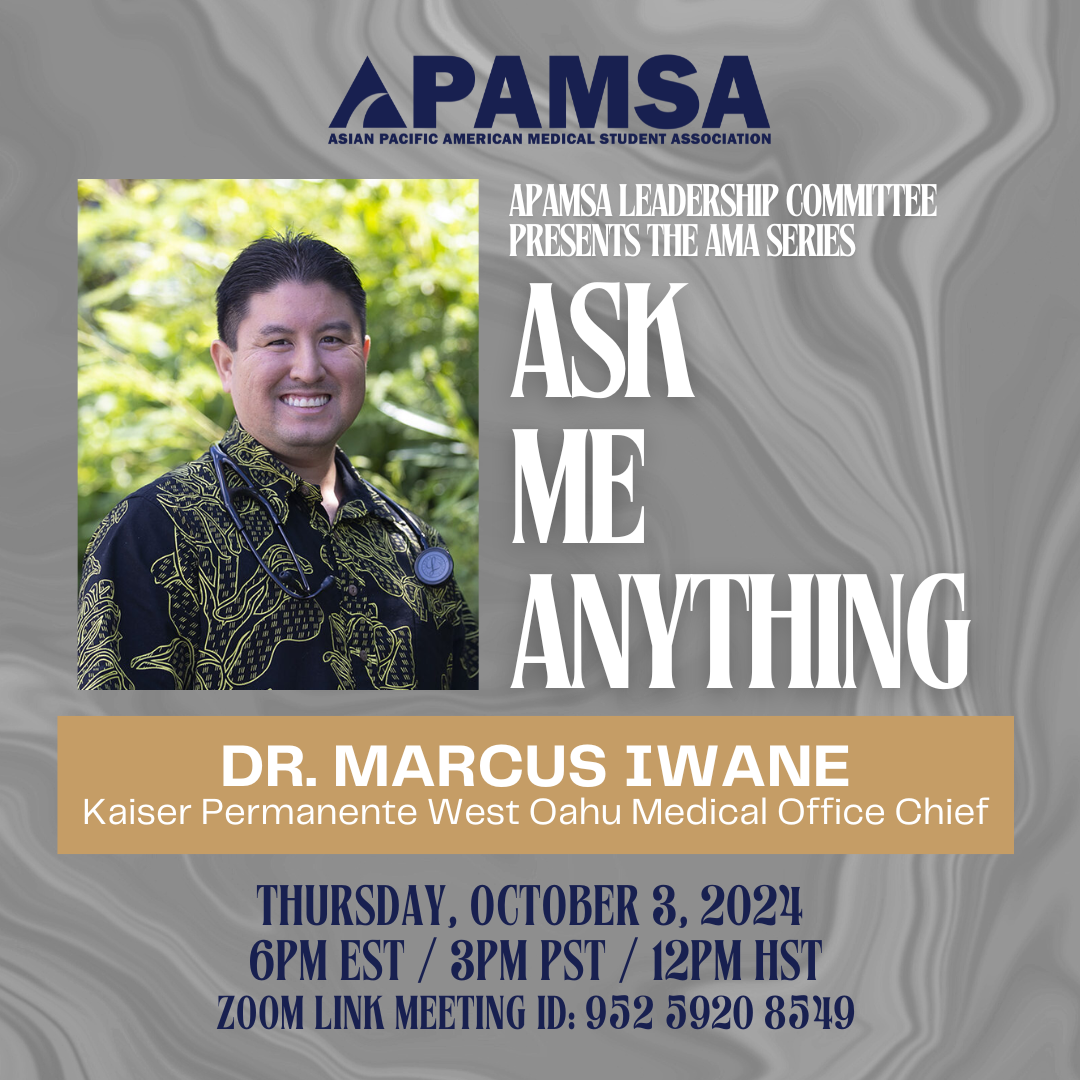
Ask Internal Medicine Physician Dr. Marcus Iwane
The Leadership Committee proudly presents Dr. Marcus Iwane, an internal medicine physician dedicated to cultural health and Hawaiian communities. With a deep understanding of the intersection between medicine and heritage, Dr. Iwane is dedicated to ensuring that future generations continue to thrive while honoring their roots. His other passions include fishing, farming, and traveling!
Join us October 3rd for an exclusive Ask Me Anything session where Dr. Iwane will share his insights on health, culture, and the importance of community care. Don’t miss it!
Zoom Meeting ID: 952 5920 8549
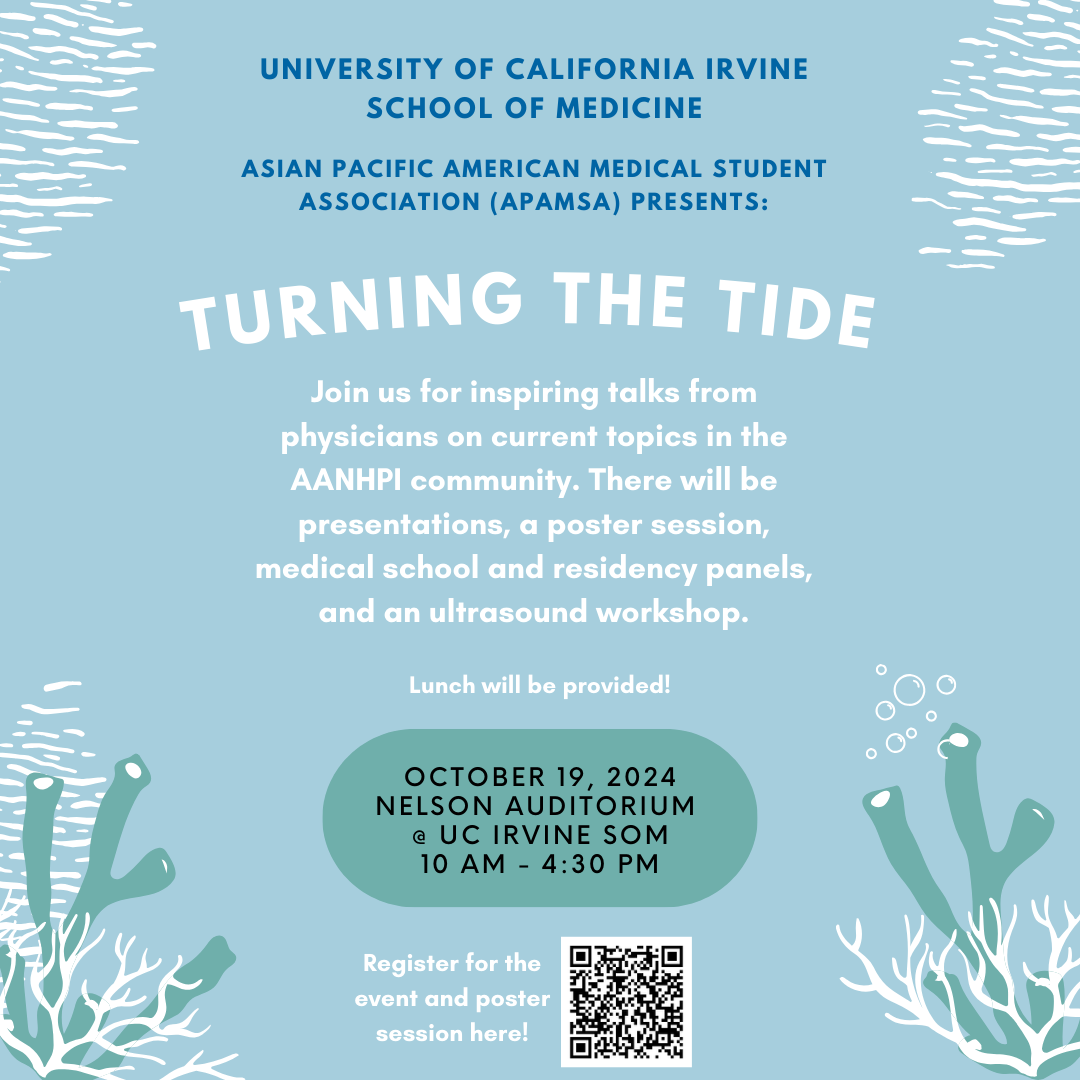
Region VIII Conference
APAMSA Region VIII and the UCI APAMSA chapter are ecstatic to invite you to the annual Region VIII Conference hosted at the University of California, Irvine in Irvine. We are excited to host this event, celebrate all backgrounds, and uplift AANHPI communities through our conference “Turning the Tide.” Our theme highlights the shift in narrative towards unity, commemorating diverse backgrounds and perspectives, and acceptance of all. Through this conference, we hope to uphold this goal by hosting influential speakers in the AANHPI sphere, facilitating pre-medical and resident/attending panels, and featuring the research contributions of APAMSA members.
Statement on the Apalachee High School Shooting
On Wednesday, September 4th, 2024, those at Apalachee High School in Winder, Georgia, witnessed a shooting that took the lives of four individuals and injured nine more. This is the 385th mass shooting and the 45th school shooting of the year in the country.
APAMSA remains staunchly opposed to gun violence (Resolution 40.006) and demands stricter gun control, and yet again emphatically states that there is a need for gun reform and control to prevent such acts from occurring. Underaged individuals, especially those with a history of threatening a mass shooting, should not be able to obtain assault weapons. We urge legislators to keep this pressing issue in mind as the 2024 election draws closer, to prioritize their commitment to such reform, and to listen to the voices of their grieving constituents.
We mourn with the nation for the lives lost and interrupted by this tragedy. We offer our support to those affected and we encourage you to reach out if there are specific ways in which we can assist you.
For local support, please contact the Region 4 directors at region4@apamsa.org.
For questions or concerns, please reach out to Nataliyah Tahir at rapidresponse@apamsa.org
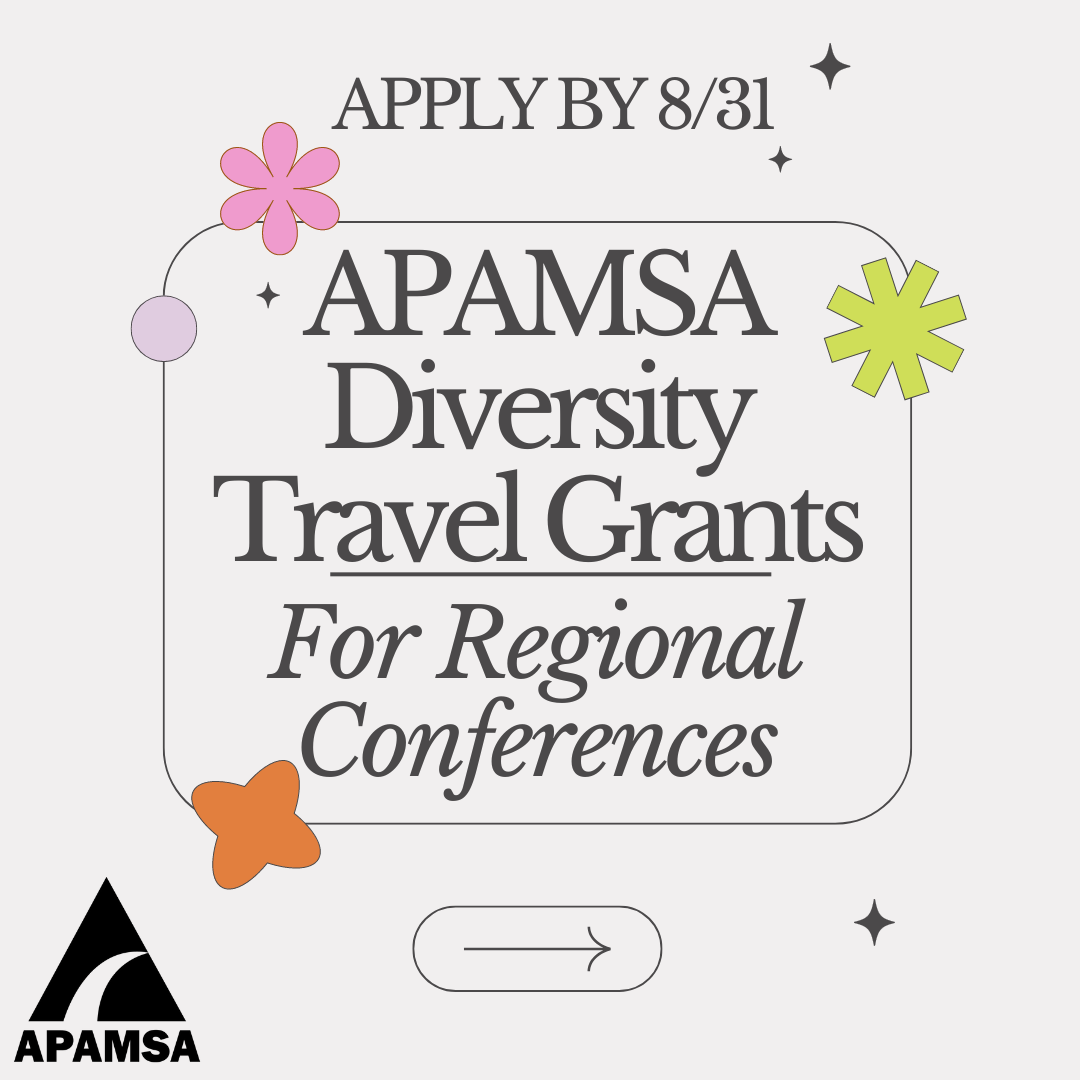
2024 APAMSA Regional Conference Diversity Travel Grant
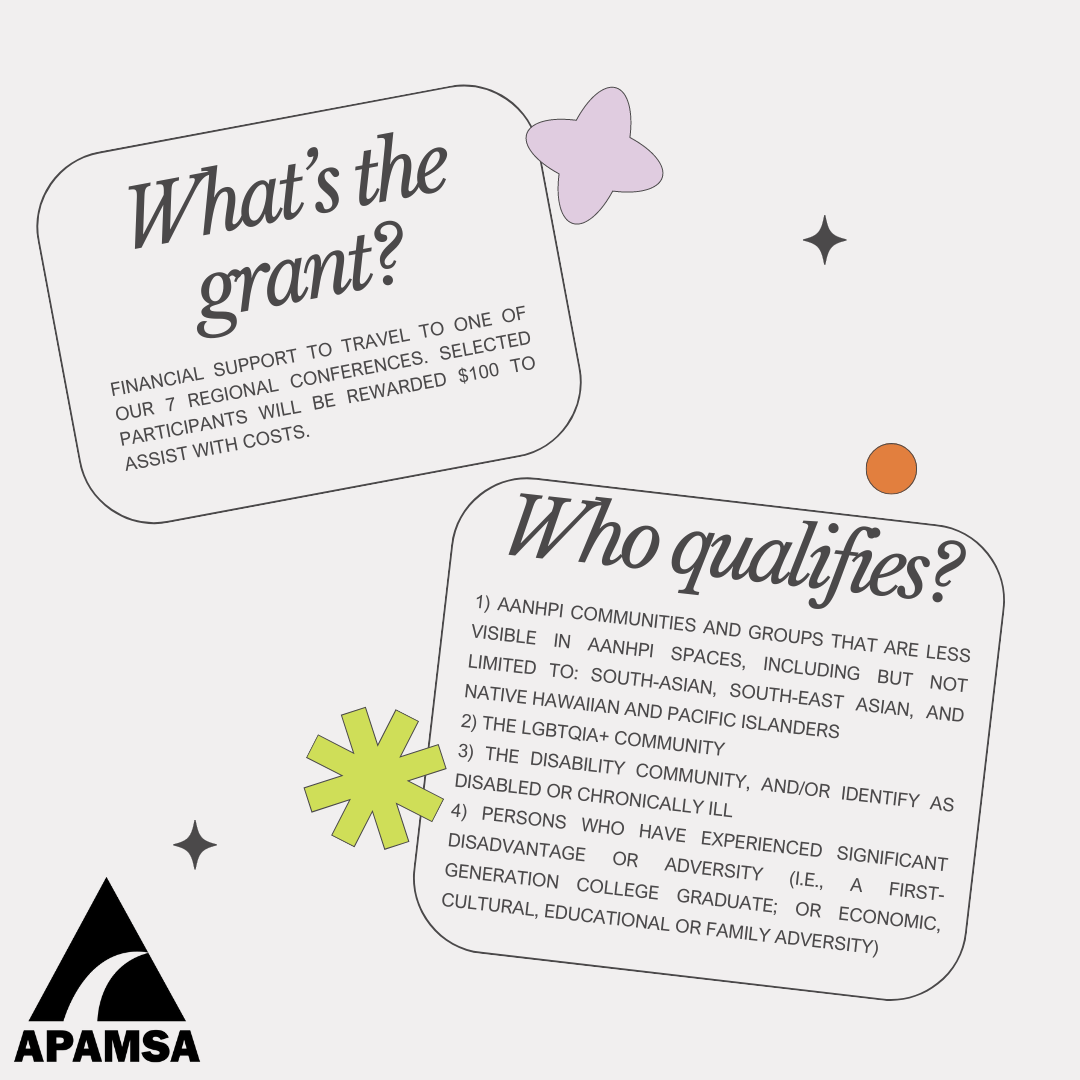
National APAMSA is offering a limited number of travel grants to increase participation in the APAMSA National Conference by medical students who are underrepresented and often invisible in the AANHPI narrative in the United States. We currently expect to award 12 individual grants of approximately $100.
More information in the application here and hyperlinked below: tinyurl.com/2024-rc-grant
Apply now!

2024 APAMSA Regional Conferences
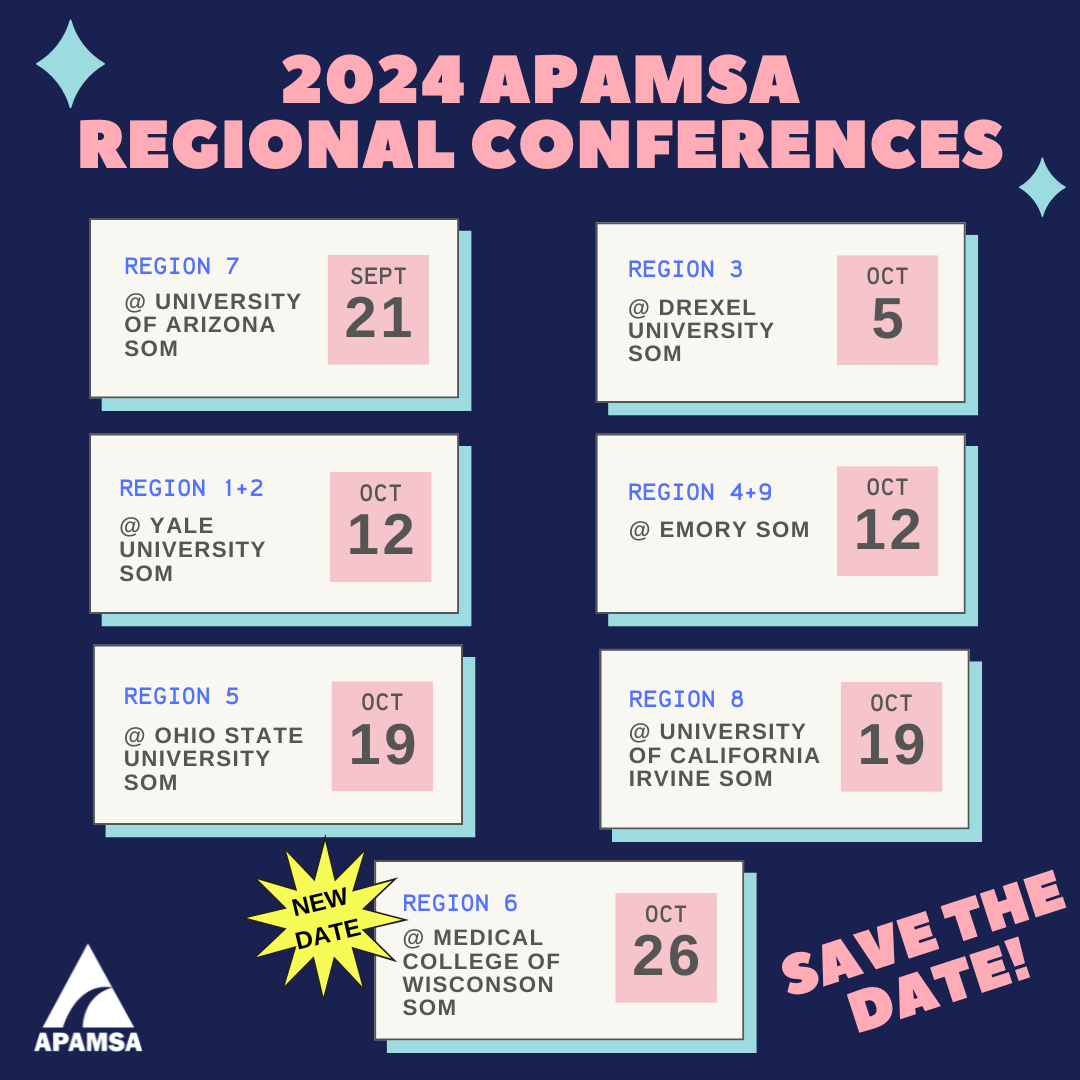
We are excited to announce the dates and host schools for the 2024 APAMSA Regional Conferences! We have 7 conferences from August to October with exciting opportunities to learn from speakers, network, and meet other APAMSA members! Keep an eye out for more information for each specific conference. Please reach out to membership@apamsa.org with any questions!