


New Merchandise Collection
Questions? Please reach out to our Fundraising Director, Yuming Wu, at fundraising@apamsa.org.


Response to Elimination of Vaccine Mandates in Florida
On September 3, 2025, Dr. Joseph A. Ladapo, Florida’s surgeon general, announced plans to end all vaccine mandates in the state of Florida, including vaccination requirements set for schoolchildren. While earlier efforts in Florida have focused on banning COVID-19 vaccinations for children, this new effort will be the first in the country to stop requiring vaccinations for children enrolling and attending school. This decision follows a recent drop in Florida’s kindergarten vaccination rates to 88.7% in 2025, a 4.8% decrease from 93.5% in 2020.
The Proposed Changes
Current guidelines in Florida for school and daycare require 7 vaccinations: Diphtheria-tetanus-acellular pertussis (DTaP), Inactivated polio vaccine (IPV), Measles-mumps-rubella (MMR), Varicella (chickenpox), Haemophilus influenzae type b (Hib), Pneumococcal conjugate (PCV15/20), and Hepatitis B (Hep B). The Florida’s Department of Health aims to first eliminate mandates for Varicella, Hib, Hep B, and pneumococcal vaccinations with plans to seek legislative approval to end vaccine mandates for polio, MMR, and DTaP.
The Role of Vaccines
Vaccinations have long provided protection for communities worldwide, accounting for over 150 million lives saved in the past 50 years according to recent research published in the Lancet. As a cornerstone in maintaining herd immunity, vaccinations are crucial in protecting vulnerable populations such as the elderly, immunocompromised, pregnant individuals, and children. By vaccinating a large portion of the population, diseases are less likely to spread to subsets of the population who may not be able to get vaccinated themselves.
Potential Public Health Risks
Rolling back several decades of strong immunization policies could lead to a resurgence of preventable infections such as pneumonia, hepatitis B, and measles in patients of all ages. Elimination of these mandates poses undue risk of infection for common, but deadly diseases, especially in a state where one in five adults are over the age of 65. For example, Texas has seen measles infections in unvaccinated communities where over 750 people became infected. This policy change will also inject uncertainty for parents entrusting their children to schools and for future insurance coverage for vaccinations. In response to recent national policy changes at the Centers for Disease Control and Prevention aimed at weakening immunization recommendations, some states have formed alliances to issue evidence-based, public health guidance aligned with national medical associations.
Call for Action
National APAMSA strongly condemns any attempt to undo decades of evidence-based vaccination mandates. As mentioned in our policy compendium, APAMSA remains focused on promoting vaccinations as a safe and effective way to prevent disease. We urge health care professionals including physicians and medical students, policymakers, parents, and other stakeholders to remain steadfast in protecting vaccine mandates through education and advocacy.
For questions about this statement, please reach out to Brian Leung at rapidresponse@apamsa.org. For local support, please contact your regional director.

1st Annual HEAL Summit 2025
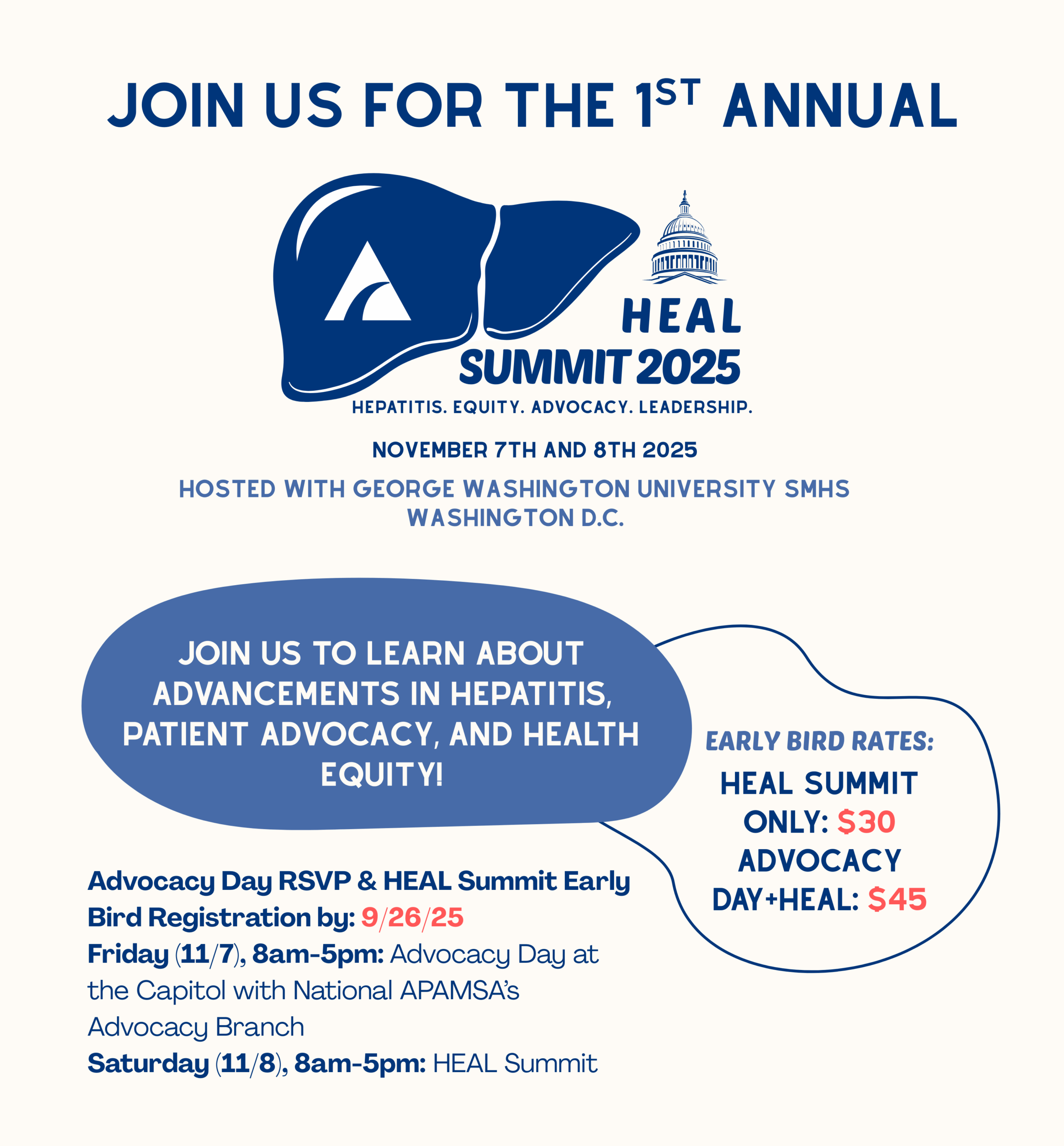
We are happy to announce the 1st Annual Hepatitis, Equity, Advocacy, and Leadership “HEAL” Summit (previously known as the Annual Hepatitis Conference)!
The conference will take place on Friday, November 7, 2025 from 8 AM to 5 PM and Saturday, November 8, 2025 from 8 AM to 5 PM EST in Washington D.C.!
The George Washington School of Medicine and Health Sciences has graciously partnered with us to put together the best conference yet! APAMSA members and non-members are all welcome to register and attend.
Welcome to the 1st Annual APAMSA Heal Summit!
This year, we will be hosting an Advocacy Day on November 7th where APAMSA members can engage in conversations with legislators in advocating for AANHPI health topics, medical educations, and more. We will also be taking a tour around the Capitol building!
Each year, we strive to collectively engage in the global fight against liver diseases, including hepatitis B and C, and to raise awareness about health disparities and their impact within the Asian American, Native Hawaiian, and Pacific Islander (AANHPI) population.
The objectives of the conference are to raise awareness about the impact of liver diseases on the AANHPI community, to encourage future health care providers to advocate for policy changes to address the current health disparities that the AANHPI community face, to provide opportunities for current health profession students to network with prominent leaders in AANHPI healthcare and to provide a venue for students to present their research on topics related to GI/hepatology, oncology, mental health, and more!
Saturday, November 8th, 2025
MORNING
8:20-8:30: Welcome and Introduction by Alicia Bui, Hoang-Viet Tran, and Sophia Choi
8:30-9:00: Opening Remarks by Dr. Emmeline Ha
9:10-10:00: Hepatitis Panel with Dr. Samuel So (Keynote 1)
10:10-11:00: Health Equity with Dr. Arnab Mukherjea (Keynote 2)
11:10-12:00: Outreach with Meredith Wilson
AFTERNOON
12:00-1:00: Lunch
1:00-2:00: Research Presentations
2:10-3:00: Breakout Sessions
- Shave Biopsy Workshop with Cancer Initiatives Committee
- Alcohol Flush with Dr. Eric Gross
- Mental Health Fireside Chat with Dr. Pooja Khaira, Dr. Somin Lim, and Mia Park (Moderator)
3:10-4:00: Residency Panel
4:00-4:30: Closing Remarks and Award Presentation
Organization Booths (12:00-2:00 pm)
- Dr. Eric Gross
- NMDP
- AMA
- APIAHF

Dr. Eric R. Gross
The Health Risks of Alcohol Flush
Dr. Eric Gross (he/him) is an anesthesiologist at the Stanford School of Medicine, where his research laboratory focuses on the impact of genetic variants on perioperative organ injury. Taking a translational approach, the lab primarily investigates cardiovascular injury, with a current emphasis on aldehydes and the genetic variant responsible for inefficient aldehyde metabolism. One common phenomenon related to this research is alcohol-induced facial flushing, where individuals experience redness and an increased heart rate after drinking. This flushing is linked to a genetic variant that leads to the accumulation of acetaldehyde, a harmful intermediate from alcohol metabolism. Traced back to the Han Chinese in Central China, this variant heightens health risks, including certain cancers, especially among those who smoke or drink. Additionally, it diminishes the effectiveness of nitroglycerin, a medication used during heart attacks. Dr. Gross will discuss the genetic basis of alcohol flushing, its associated health risks, and the urgent need for greater education among medical professionals and the public. His research centers on aldehydes and their metabolism by the enzyme aldehyde dehydrogenase 2 (ALDH2), affecting nearly 540 million people worldwide. The significance of this work is evident in publications in prestigious journals such as Science Translational Medicine, Pain, BJA, Journal of Clinical Investigation, Redox Biology, and Physiological Reviews.
Eric R. Gross MD, PhD, FASA (@ericrgross.bsky.social, @ericrgross) is a physician-scientist and practicing anesthesiologist within the Department of Anesthesiology, Perioperative, and Pain Medicine at Stanford University. He runs a NIH-funded research laboratory studying how alcohol metabolism impacts anesthesiology and in general human health.
He is a member of the Stanford Cardiovascular Institute, Neuroscience Institute, and Center for Asian Research and Education (CARE). Dr. Gross is also the section editor for basic science for the journal Anesthesia & Analgesia and the editorial fellowship director for the Journal of Pharmacology and Experimental Therapeutics. Today, Dr. Gross will discuss the health implications of alcohol flushing.
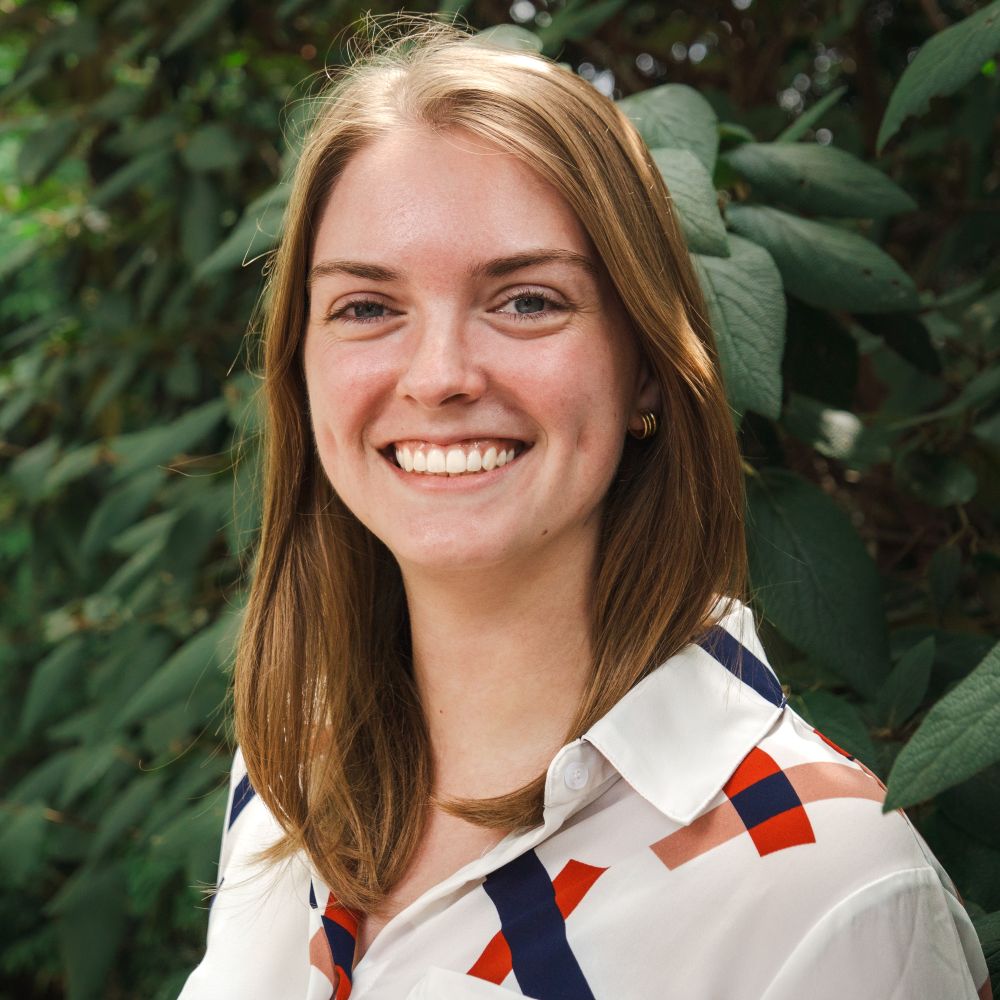
Ms. Meredith Wilson
NIH All of Us Research Program
This talk will provide an overview of the NIH All of Us Research Program, including the Researcher Workbench. The All of Us Research Program is a historic effort to collect and study data from one million or more people living in the United States. The goal of the program is better health for all of us. All of Us’ one-of-a-kind dataset is stored on the Researcher Workbench, a secure, cloud-based platform. Registered researchers can access data from surveys, genomic analyses, electronic health records, physical measurements, and wearables to study the full range of factors that influence health and disease.
Meredith Wilson is an experienced health policy analyst and project manager. Ms. Wilson has significant experience working with stakeholders at Clinovations Government + Health managing multiple projects like the Health IT Maternal Health Initiative with the Assistant Secretary for Technology Policy (ASTP) and the technical assistance program for eHealthDC. Prior to joining the Clinovations team, Ms. Wilson served in a project management role at Pyxis Partners to support work with the National Institutes of Health’s (NIH) All of Us Research Program, with a particular focus on researcher engagement. Ms. Wilson also has experience working with private sector clients, like The Kennedy Forum, to conduct policy research and write white papers on behavioral health, substance use, and mental health. Ms. Wilson has developed numerous health policy briefs and serves as a technical writer for multiple federal contracts.
Ms. Wilson received her Master’s in Public Policy and a Graduate Certificate in Biodefense from George Mason University and a Bachelor of Science in Neuroscience from Virginia Tech.
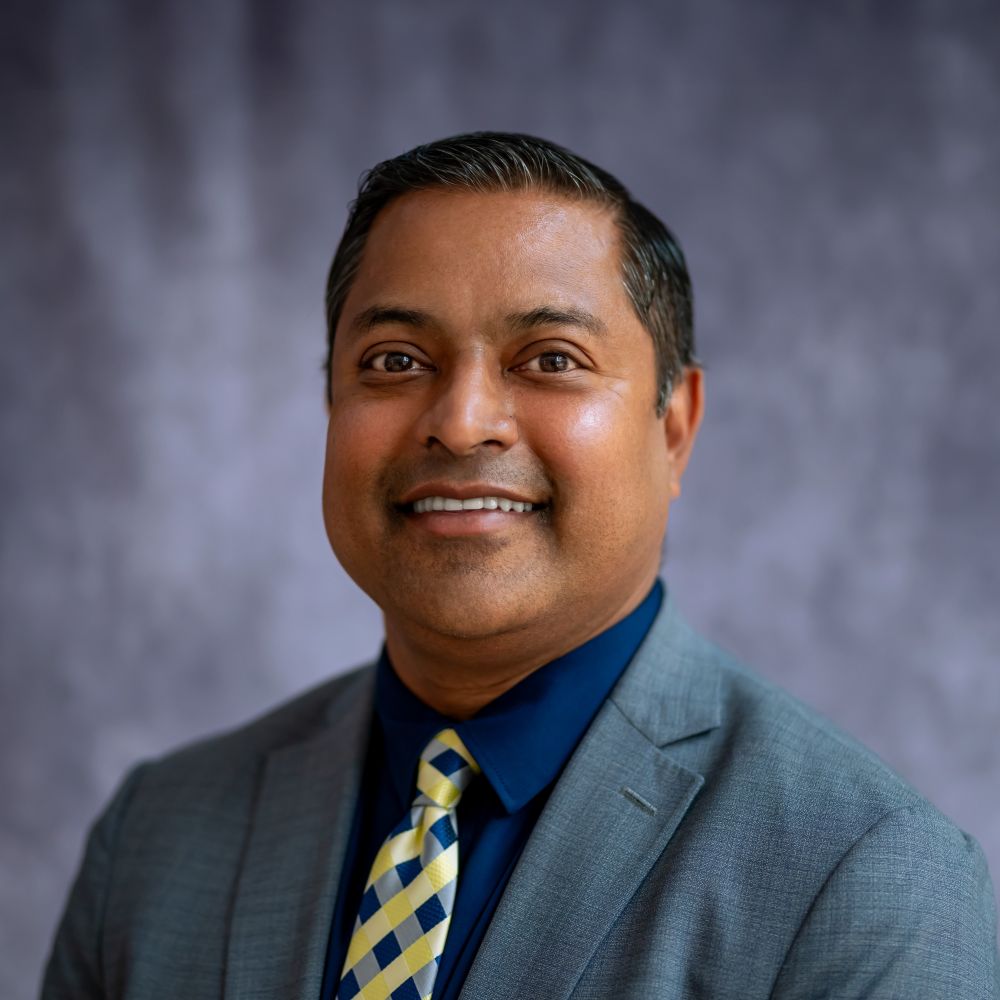
Dr. Arnab Mukherjea
The Importance of Community Representation and Advocacy in the health Professions
There has arguably never been a more challenging time in public health and medicine. Navigating these dynamic and unpredictable social and political environments requires resolve and conviction to advance a health agenda that affords equal opportunities for all communities to achieve optimal health and well-being. Especially for Asian Americans, Native Hawaiians, and Pacific Islanders (AANHPIs), social determinants of preventable health disparities have often been ignored or minimized. This talk will highlight historical influences on the presence and growth of AANHPIs and how the perception of this invisible yet mythically model minority continues to suffer from existing and emerging health disparities, with key differences by subgroup. It will end with a call to action for physicians and other health professions to reach beyond their comfort zones to ensure equity in opportunities for prevention of disease and promotion of health.
Dr. Arnab Mukherjea is a Professor of Public Health at California State University (CSU), East Bay, and serves as the Faculty Director for the Health Professions in the CSU Office of the Chancellor; he is also the Inaugural Director of the Asian American, Native Hawaiian, and Pacific Islander (AANHPI) Middle Leadership Academy, a joint effort of the CSU AANHPI Student Achievement Program (CSU ASAP) and the CSU Student Success Network.
Arnab completed his undergraduate (BA in Molecular & Cell Biology with a minor in Education) and graduate (MPH in Health & Social Behavior with specialization in Multicultural Health; DrPH in Applied Health Disparities Research) degrees at the University of California (UC), Berkeley and postdoctoral training (Tobacco Control and Chronic Disease Prevention) at UC San Francisco and UC Davis.
Arnab’s applied research interests broadly revolve around using community-engaged methods to understand and address health disparities among understudied Asian American, Native Hawaiian & Pacific Islander (AANHPI) subgroups, with a particular focus on contextual and culturally-framed risk factors. His research has been funded by the National Institutes for Health, Centers for Disease Control & Prevention, Office of Minority Health, and the state of California’s Tobacco-Related Disease Research Program and has been published in numerous peer-reviewed journals. He maintains membership in the Asian American Research Center for Health (ARCH) and is a Steering Committee Member of the California AANHPI Health Equity Coalition. Arnab firmly believes that community participation is essential for affected groups to understand, address, and ultimately take ownership of their own individual and collective health prospects.
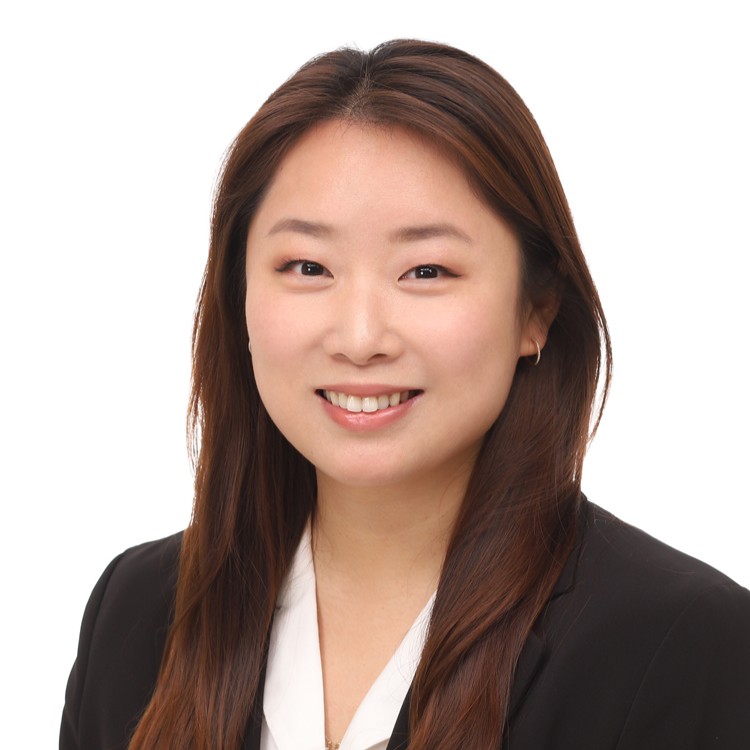
Dr. Somin Lim
AAPI Youth Suicide Prevention & Residency Panel
Dr. Somin Lim (she/her) grew up in Seoul, South Korea before immigrating to Southern California as a 1.5-generation immigrant. She is currently a Child and Adolescent Psychiatry Fellow at UC Irvine and serves as the APA Assembly’s Area 6 Resident Fellow Member Representative.
With a lifelong background in both music and medicine, Dr. Lim seeks to integrate creative modalities into psychiatric care to inspire and deepen therapeutic impact. Interests include advocacy, cross-cultural psychiatry, LGBTQI health, eating disorders, and psychotherapy.
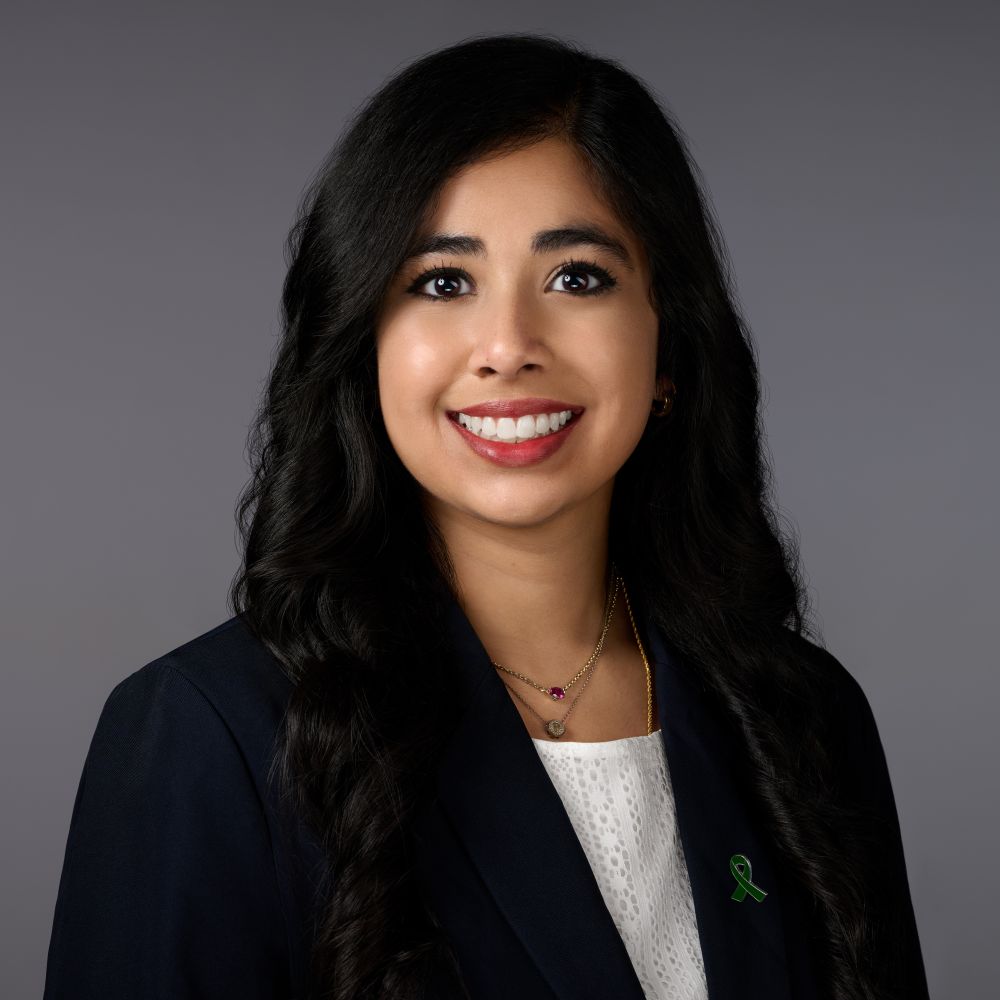
Dr. Poojajeet Khaira
AAPI Youth Suicide Prevention & Residency Panel
Poojajeet Khaira, MD is the Academic Chief Resident at MetroHealth Hospital – Case Western Reserve University and a University Hospitals Public and Community Psychiatry Fellow. She serves as Chair of the American Psychiatric Association (APA) Assembly Committee of Resident-Fellow Members, Vice Chair of the APA/APAF Leadership Fellowship, and Co-Chair of the APA Resident-Fellow Member Caucus. She also chairs the Ohio Psychiatric Physicians Association’s (OPPA) Resident-Fellow Member and Social Media Committees. Additionally, she is co-founder of the Sikh Mental Health Summit.
Dr. Khaira has received multiple honors, including the 2025 Association of Academic Psychiatry Resident Psychiatric Educator Award, 2025 APA William Sorum Assembly Resident-Fellow Member Award, the 2025 OPPA President’s Award, and the 2022 U.S. Public Health Service Excellence in Public Health Award.
Her work focuses on workplace violence prevention, medical education, advocacy, and cultural psychiatry, and she has authored multiple action papers passed by the APA Assembly.

Abstract submissions for the 1st Annual APAMSA HEAL Summit are now open!
Thank you for your interest in submitting your research for consideration for presentation at the 1st Annual APAMSA HEAL Summit. We look forward to evaluating your hard work. We prefer research to cover GI/Hepatology/Health Equity topics but also accept research related to AANHPI communities.
The poster session is tentatively scheduled for 1 PM to 2 PM. At least one author is required to give a presentation during this time. Poster awards will be given by our judges.
Deadline for Abstract Submission – October 6th, 2025 @ 11:59 pm CST
Final Abstract Decision Notification – October 20th, 2025 @ 11:59 pm CST
Poster Submission Deadline – October 30th, 2025 @ 11:59 pm CST
Please contact us at hepatitis@apamsa.org if you have any questions.
Both steps must be completed in order for you to be fully registered.
Below are our registration deadlines:
- Registration for Advocacy Day* will close on 9/26 as time is needed to schedule meetings and finalize event logistics. No late registrations will be accepted.
*Participants who attend Advocacy Day will be entered into a raffle to receive a $100 travel stipend - Early Bird Registration:
- HEAL Summit ONLY: $30, Ends September 26th, 2025
- Advocacy Day + HEAL Summit: $45, Ends September 26th, 2025
- Regular Registration: $35, Ends October 24, 2025
- Late Registration: $40, Ends November 7, 2025
TRAVEL SUBSIDY:
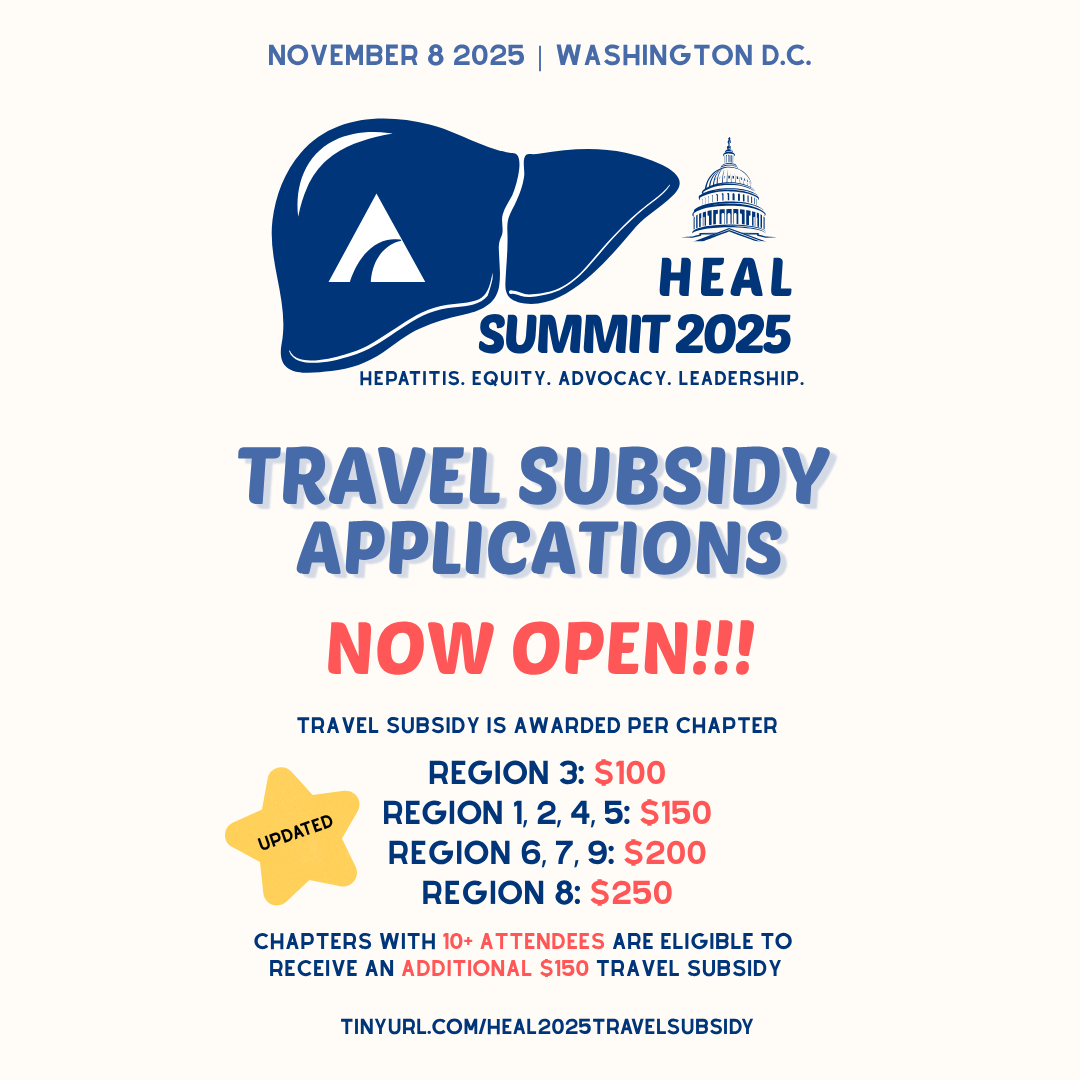
To receive financial aid to attend the Hepatitis Conference, please fill out the travel subsidy application.
Travel subsidies are awarded per chapter by region:
- Region 3: $100
- Region 1, 2, 4, 5: $150
- Region 6, 7, 9: $200
- Region 8: $250
Chapters with 10+ attendees are eligible to receive an additional $150 travel subsidy.
HOUSING INFORMATION:
Click here for the housing form
National APAMSA has secured discounted housing at The River Inn (924 25th St NW, Washington, DC 20037) from Thursday, November 6 to Sunday, November 9, 2025. The River Inn is conveniently located just a 7-minute walk to the conference venue and 18-minute walk to the Georgetown neighborhood! Discounted rooms are available on a first come, first serve basis for the first 60 people who sign up. The deadline to sign up is November 2, 2025 at 11:59 pm EST. Each room accommodates up to 4 guests (2 queen beds or 1 queen and 1 pull-out bed).
Subsidized Night (Friday, November 7)
- APAMSA will subsidize the cost of the hotel stay for Friday night only, bringing the rate down to $30 per person
- Payments must be made through this payable form before the conference
Additional Nights (Thursday, November 6 and Saturday, November 8)
- Participants who wish to stay additional nights may do so at our discounted rate of $171 + tax per night ($198 total per night)
- These nights must be paid directly to the hotel by your group
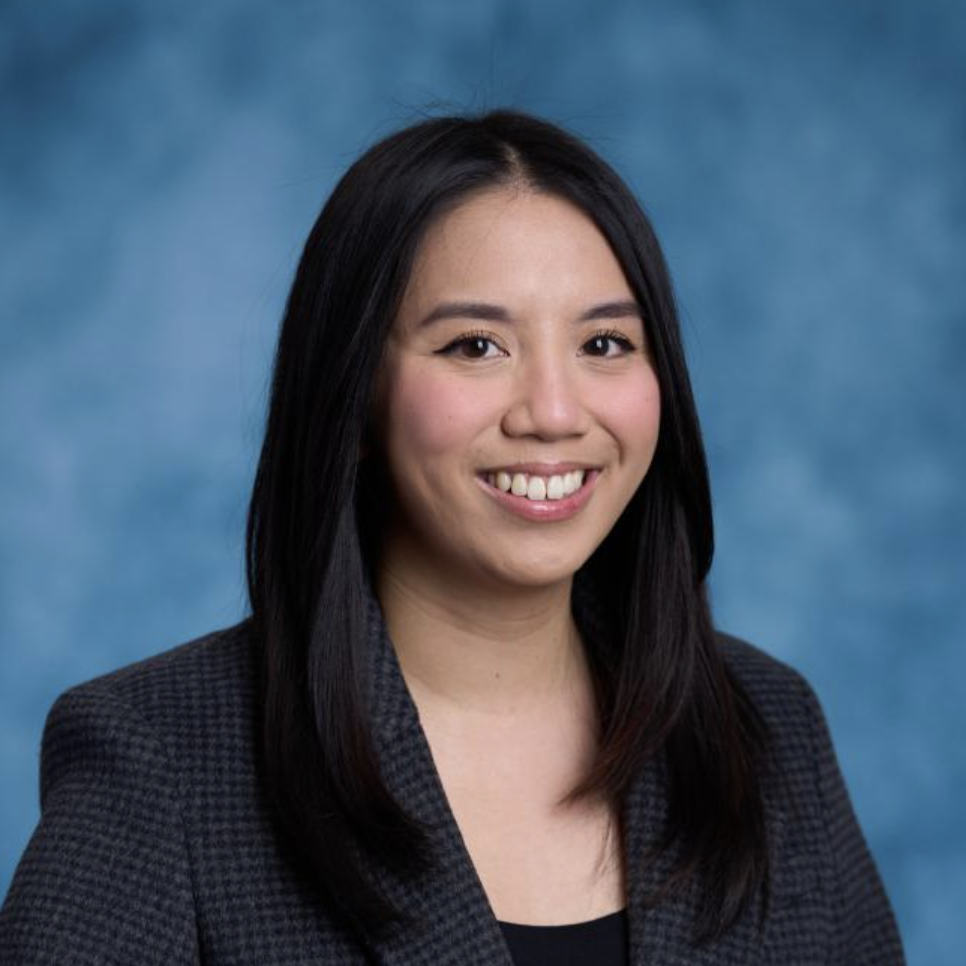
Alicia Bui
Health Affairs Vice President
Oakland University William Beaumont School of Medicine
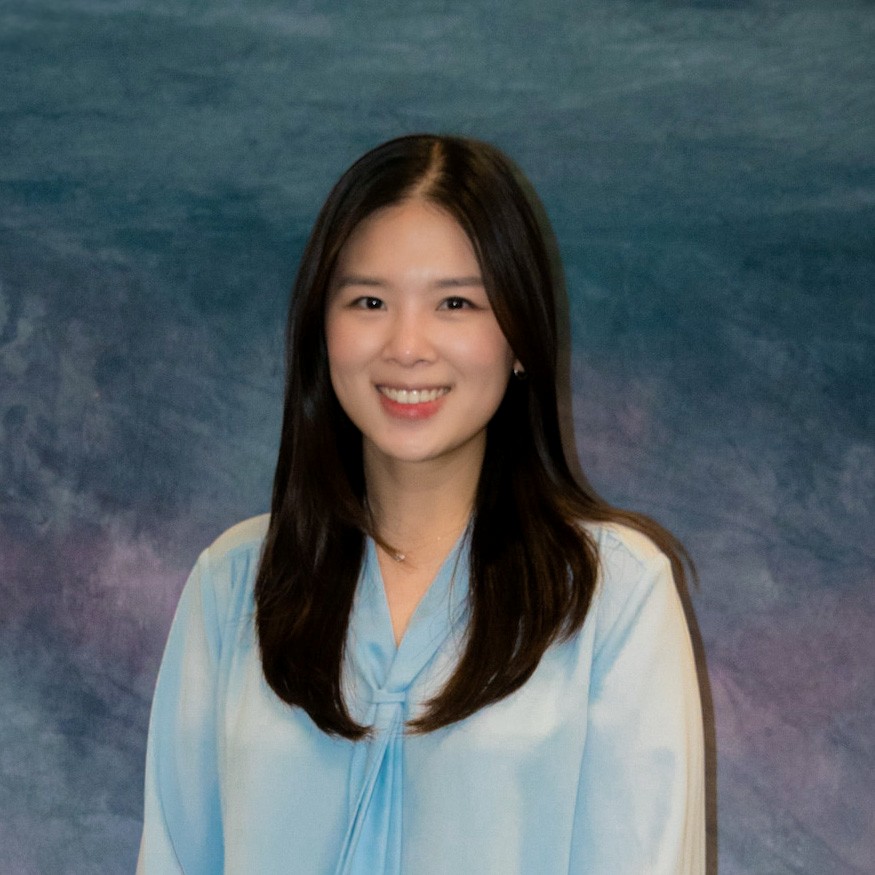
Sophia Choi
Hepatitis Director
John Sealy School of Medicine at UTMB Galveston
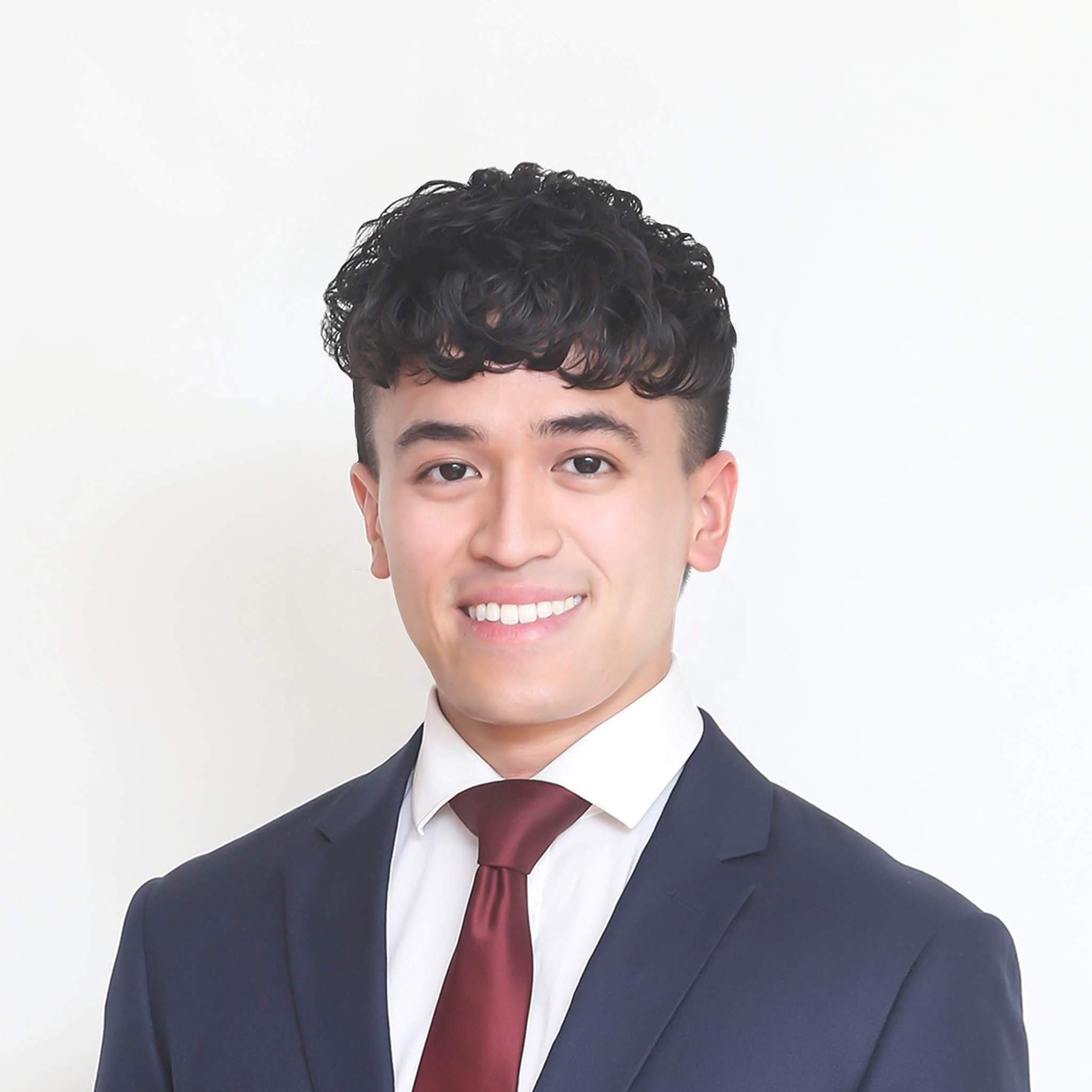
Hoang-Viet Tran
Hepatitis Director
George Washington School of Medicine

Alexandra Rizaldi
Graphics Committee
Johns Hopkins School of Medicine
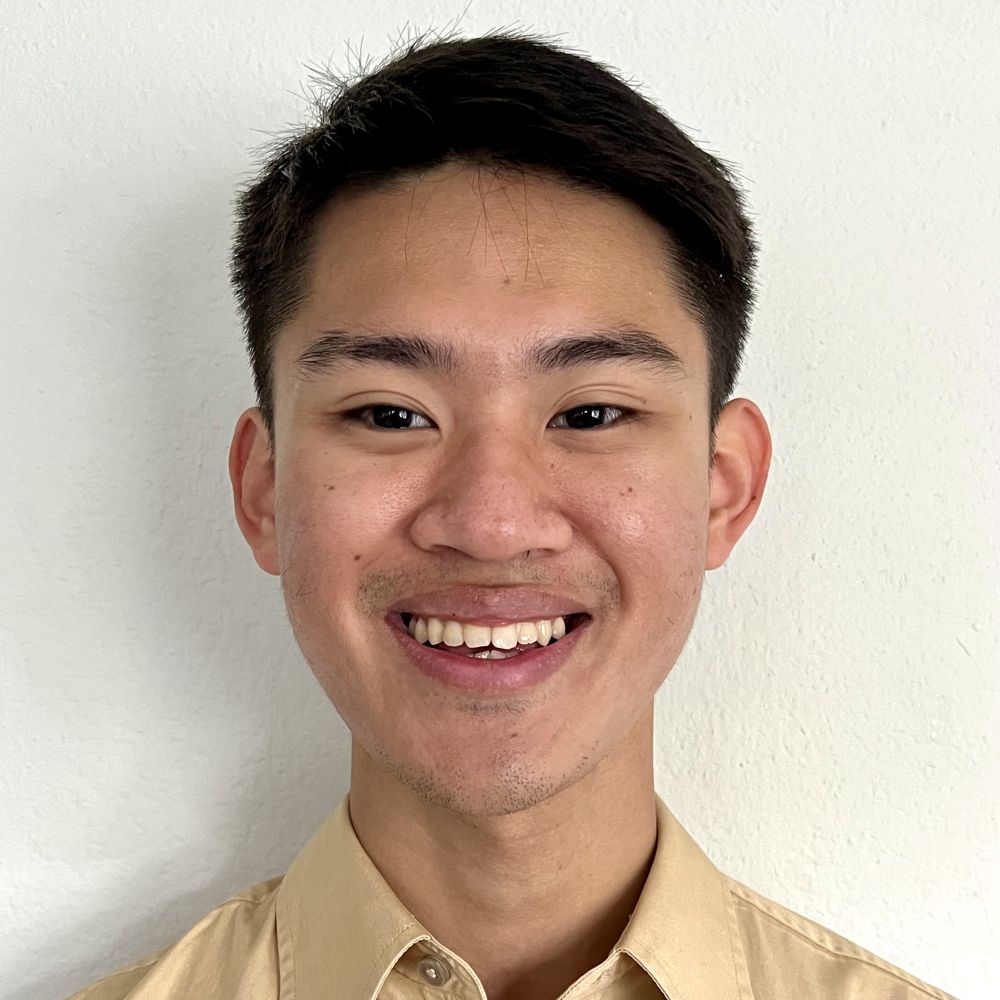
Kevin Shi
Graphics Committee
McGovern Medical School
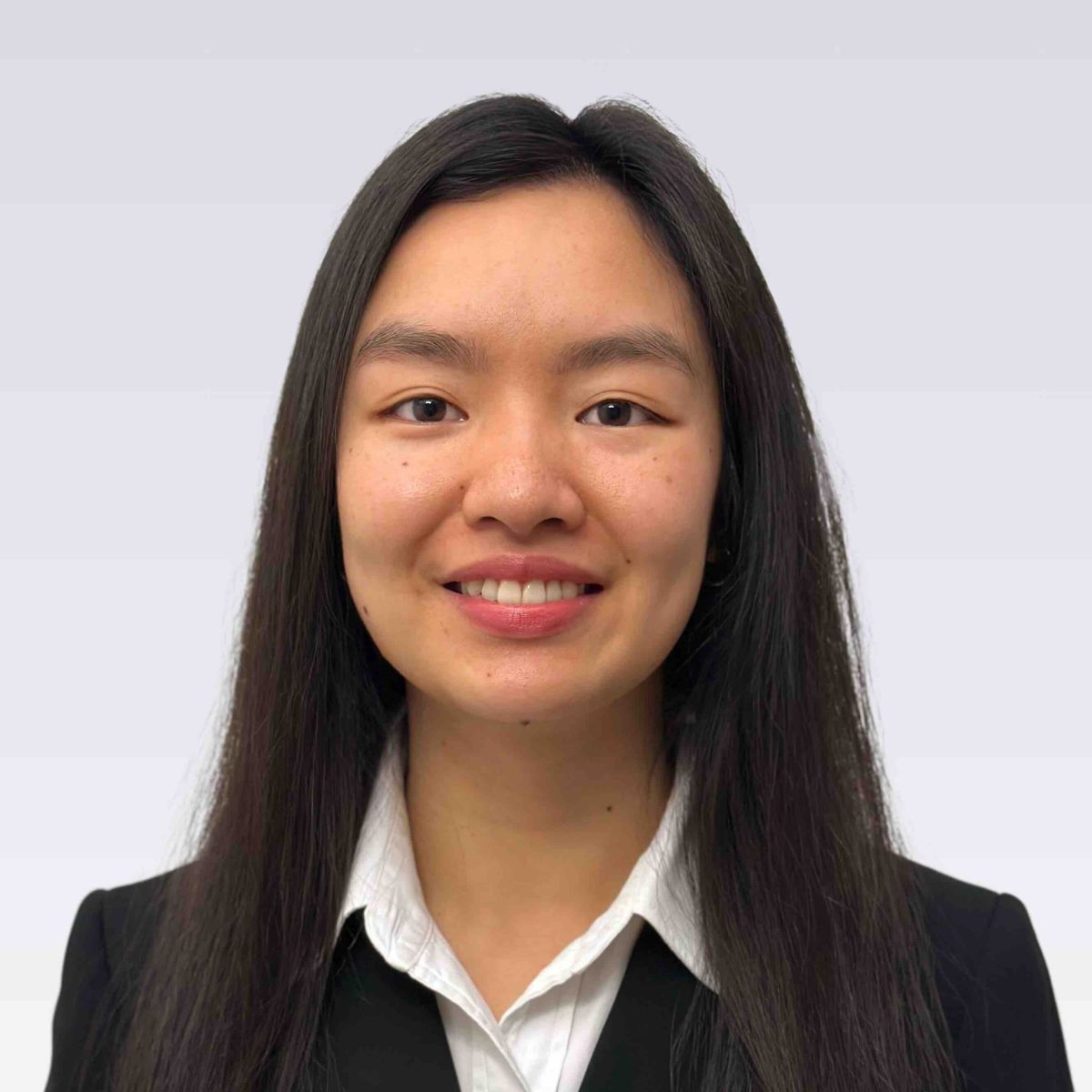
Jennifer Huynh
Speakers Committee
McGovern Medical School

Kevin Lim
Speakers Committee
Drexel University COM
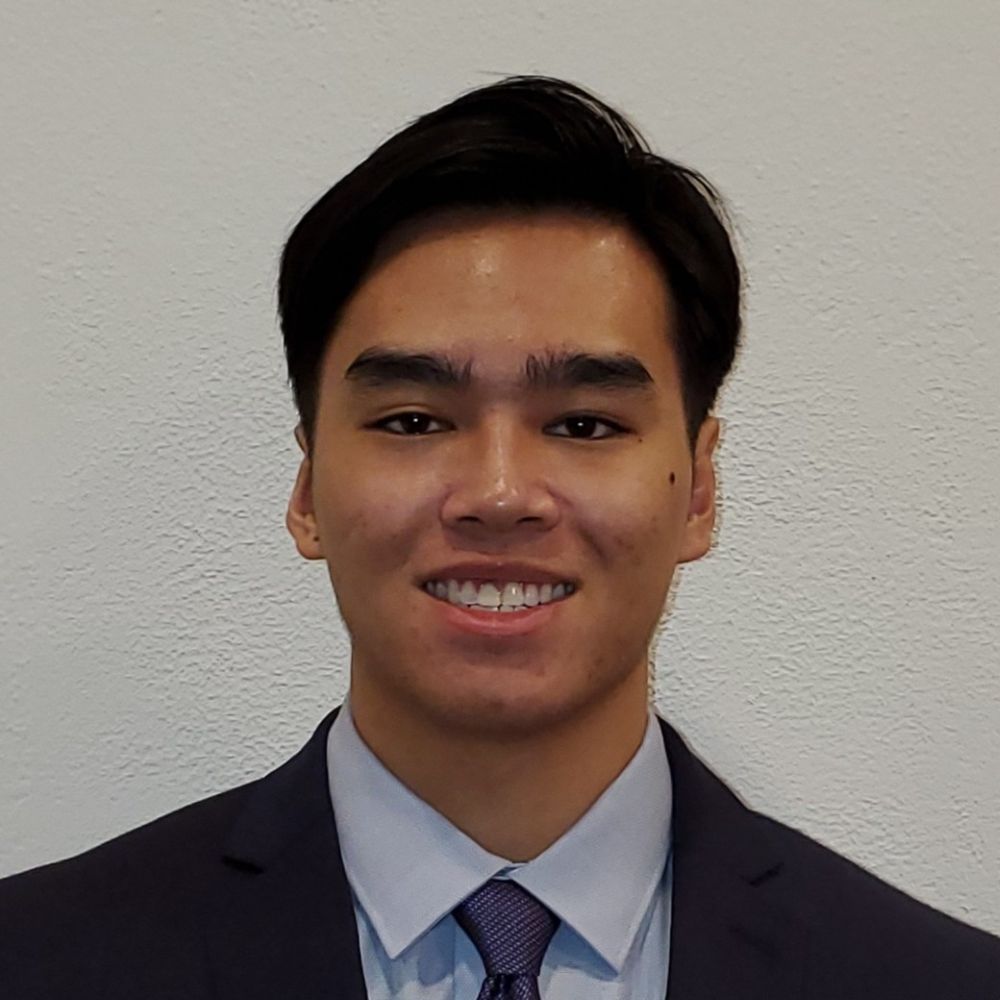
Anh Le
Logistics Committee
George Washington School of Medicine
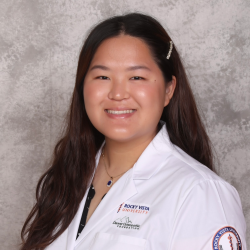
Karen Jiang
Logistics Committee
Rocky Vista University College of Osteopathic Medicine Colorado
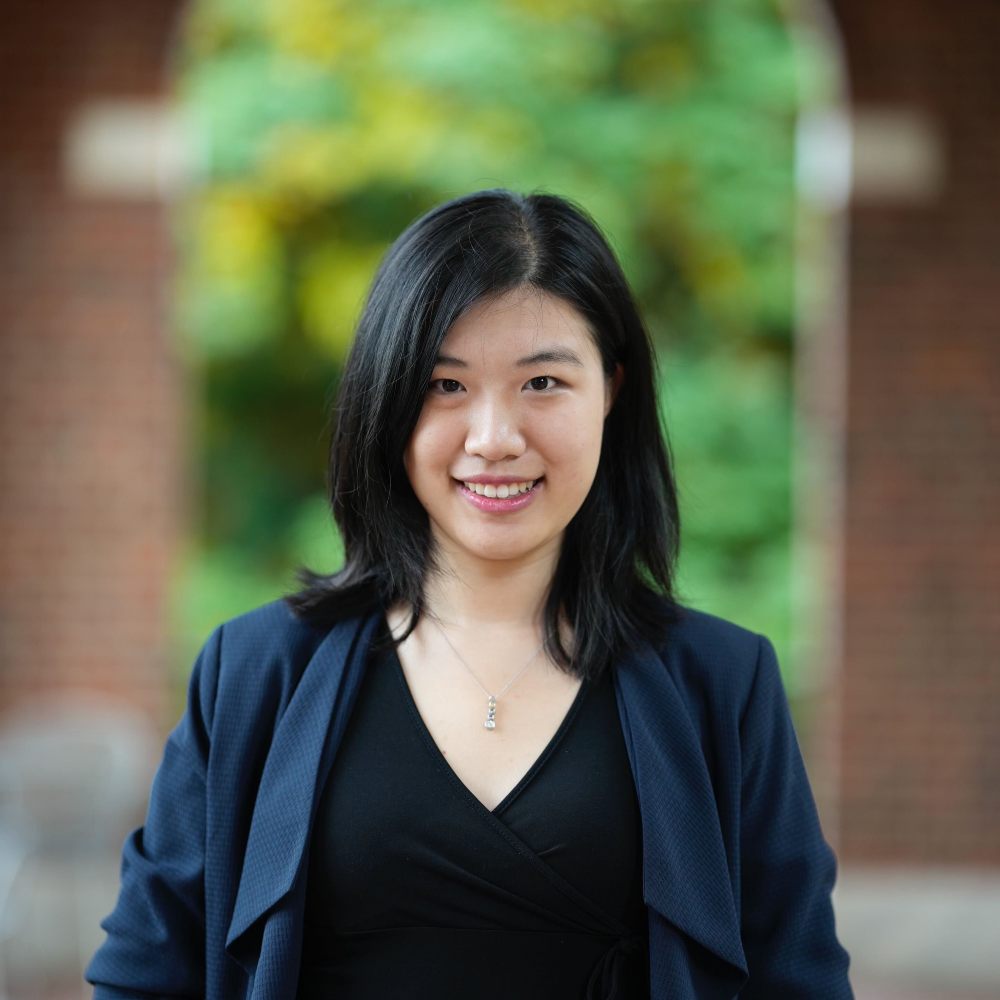
Jingyi (Jeni) Zhang
Hosting Committee
George Washington School of Medicine
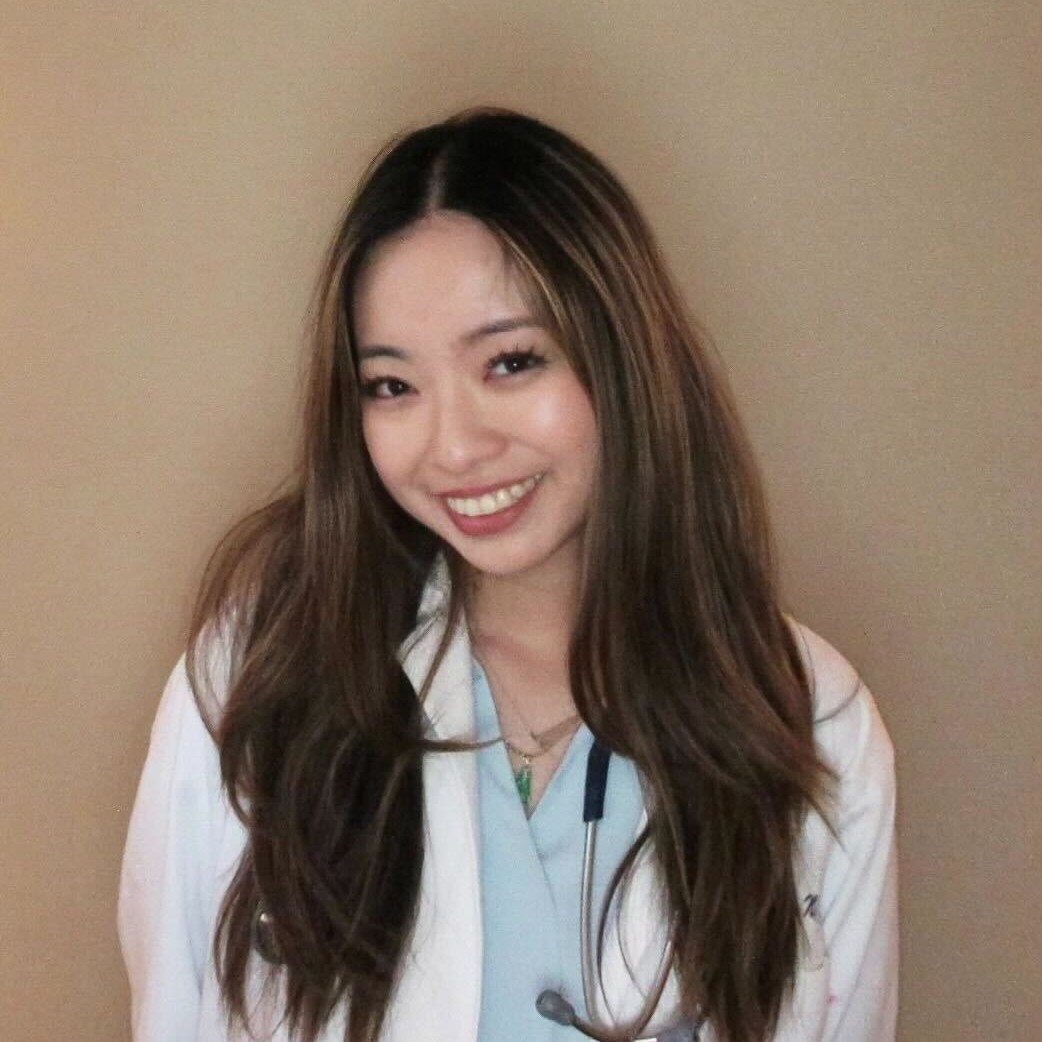
Quynh-May Nguyen
Hosting Committee
Georgetown University School of Medicine
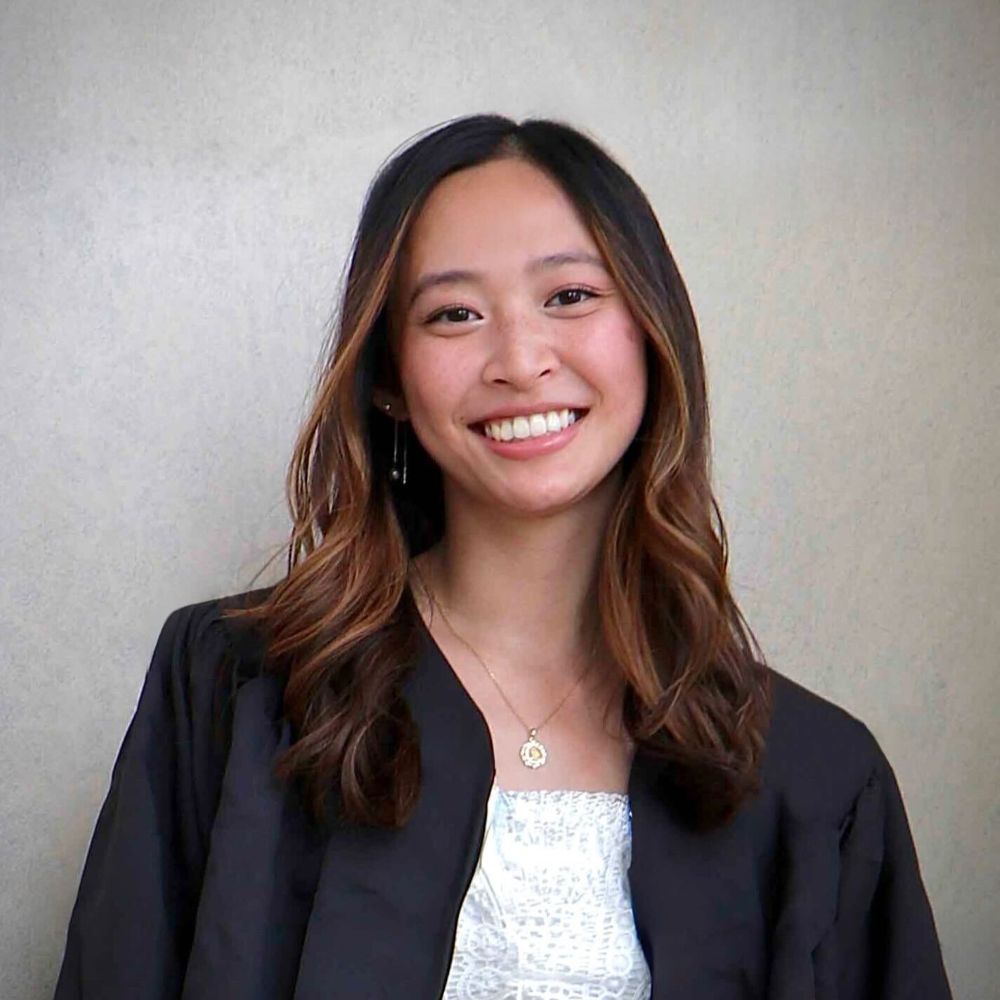
Lauren Ho
Hosting Committee
Georgetown University School of Medicine
Join our Discord server and check out the #heal-summit channel for announcements, live event updates, connecting with attendees, and addressing questions related to the conference!
Contact Us
Questions? Email us at hepatitis@apamsa.org.
.

A Conversation with James Chua
James “Jameson” Chua is APAMSA’s 2025-2026 National President and a third-year medical student. In this episode, James shares his vision and highlights serving APAMSA, insight into his premedical/medical journey, and overall life experiences that led him to his current goals, values, and passion for psychiatry.
Listen here:
YouTube
Spotify
Apple Podcasts
This episode was produced by Xueying (Ying) Zheng and Grace Kim, hosted by Xueying (Ying) Zheng, and graphic by Callista Wu.
00:00 Introduction
02:42 How James got involved in APAMSA
08:47 James’s vision for APAMSA
12:47 James’s mother’s story
21:08 Why psychiatry
25:40 James’s identity
31:06 APAMSA highlights and challenges
34:42 Get to know James!
40:20 Keroppi obsession
43:39 Pros and cons of cities James has lived in
45:55 Rapid fire this or that
53:49 Closing
00:00 Introduction
Ying: Welcome everyone to the White Coats and Rice: an APAMSA podcast! From round table discussions of current health topics to recaps of our panels with distinguished leaders in the healthcare field to even meeting current student leaders within the organization. This is White Coats and Rice.
My name is Xueying Zheng or Ying, and I’m a rising fourth year student at the University of Nevada, Reno School of Medicine, and the current Communications Vice President here at APAMSA, and I’ll be your host today.
I’m excited to introduce our guest James or Jameson Chua. He is a third year medical student at Touro University, Nevada College of Osteopathic Medicine, interested in Psychiatry. Born and raised in San Diego, California to Chinese, Filipino immigrant parents, James grew up immersed in the city’s vibrant hip hop dancing.
He later attended the University of San Diego, earning a Bachelor of Arts in biology, while actively engaging with student life through Sigma Pi Fraternity and the Filipino American student organization, as well as the LGBTQIA+ group, PRIDE. After graduating, James worked in an infectious disease research at the Scripps Research Institute. Motivated by his long standing dream of becoming a physician, he went on to complete a Master of Science in Biomedical Sciences at Drexel University, College of Medicine in Philadelphia.
James began his medical journey at Tour University, Nevada. He quickly became active in the student community. He is involved with his local APAMSA Chapter, culinary medicine club, volleyball club, and outside of school, James enjoys cooking, is an avid escape room enthusiast, and watching Ru Paul’s drag race with his shiba inu beagle mix.
James, most recently served as the national Fundraising Director for APAMSA, where he raised 1000s of dollars through creative initiatives and helped unite over 40 chapters during community impact week. As the incoming national president, he is committed to strengthening the connection between national APAMSA and its local chapters, fostering collaboration, cultural pride, and advocacy for the AANHPI community.
Thank you for joining me today, James, how are you doing?
James: I’m doing well. Ying, thank you for that very lovely introduction. I have a lot to live up to with how colorful that all was. When I’m just, you know, your average third year medical student, but how are you doing?
02:42 How James got involved in APAMSA
Ying: I’m doing really great. Thank you for asking. And James, you’re in no way the average student. You’ve done so much for APAMSA, so already, and I’m really excited to talk about everything you’ve done, and kind of the motivations behind all that. With that, can I get into my first question: How and why did you first get involved with APAMSA?
James: Yeah, of course. I feel like this is a tale shared by so many members within the national board or local chapters — you’re looking. I was personally looking for a space where I felt welcomed, where I felt seen, where I felt visible, you know, and that was very evident right away.
I remember growing up, you know, in San Diego, California — that is a very diverse space. But despite that, I remember in elementary school I was one of maybe three Asian kids, the literal only Filipino in my class, right? And that was in San Diego, you know?
And then I remember going into high school. Coincidentally, I was placed in like, I guess this is the story of every medical student, but I was in all honors courses, right, or AP courses. And so in that space, a lot of the students there were Asian, and so suddenly my, like, immersion into my own cultural identity, uh, began to manifest, right?
And then now we’re finally into the college era where I knew my Asian identity really mattered. Because, you know, like, I went to the University of San Diego. And for those of you who aren’t familiar with that particular undergraduate University, it’s not UC San Diego, which is the Tritons, which has the amazing research but like research facilities in the building that kind of looks upside down, kind of like a triangle. And it’s not San Diego State, which is commonly regarded as the party school. No, it’s neither of those. It’s the private Catholic school, the one on the Hill that is known for its campus.
With that being said, though I remember being at that school since it was a private institution, a lot of the student body there is predominantly affluent, or to get straight to the point, a lot of them were white, you know, and so being the only Asian amongst, you know, 1000s of students, not only Asian, but being a part of a minority, it didn’t really click with me until I once had one of my friends from high school come to visit me.
And she was like, Yo, I can’t wait to meet all your friends and see how you’re doing, and blah, blah, blah. And then I remember we were like, all out, and then we were having a good time doing what college students do. And then I had, like, a private time with my best friend from high school, and she was reflecting, and she was noticing how, like, she was like, James, it’s interesting, like, your friend group. And I’m like, Oh, why? And then she was like, they’re all, like, so tall and so pretty. And in the back of my head, I’m like, oh, so I fit in right? Like, I’m six foot, I imagine.
But then she followed up with and they’re so white, and then it made me think about, like, the tokenization of my existence, of my identity and how I fit in, and so forth. And then that’s when I realized, like, it really does matter to me being around like other people who share, like, cultural experiences and such.
And so that’s why, when you’re talking about my, you know, college experiences and what I was involved with, that’s why I was so active in the Filipino org or the queer org, you know, USD pride organization. And so that was just a very long winded way of saying that when I wanted to be in medical school and eventually, you know, be a leader, one of the things that did mad matter to me is my cultural identity.
And so more specifically, I remember at Tour University Nevada, immediately seeing the local chapter of APAMSA and wanting to be involved in it, you know. And I was hearing, I was attending all the events and stuff, and I immediately joined, like, the local chapter leadership.
And one of the first events that was hosted was a sort of like a residency panel, sort of situation, like speak to current physicians how to be successful in medical school type of panel. And at that space was Dr Kevin Riutzel, the National President of APAMSA, I believe, from 2013 to 2016 and a former Touro alum. And he was talking about his time about on national APAMSA and the importance of, just like, being in tune with your cultural identity and how that really shapes your outlook on your patient community, and just like overall experience within medicine.
And that’s what prompted me from going from the local chapter to the national organization, you know, and so that’s ultimately why it’s to be in touch with my roots as much as possible, because, you know, I remember I was once a part of, I was once a medical scribe somewhere in that long history lesson, I was also a medical scribe, right?
And being able to serve in a clinic as a medical scribe for a community that was predominantly all, you know, marginalized communities or minority communities, seeing the way that, you know, the physician I was scribing for the way he interacted with these people, coming from that sense of cultural competency, you know, that is what inspired me. And like that is what I want to continue to foster within myself and challenge myself to grow, you know, and I feel like there’s no other space within medical school that will, like, really allow you to do this, other than an affinity based org.
And if you’re trying to, you know, improve your cultural competency about, you know, the AANHPI experience. There’s no better org than APAMSA.
Ying: Thank you, James, that was really insightful to not only your background, but some of the motivations that I’m sure a lot of our audience members share, that sense of wanting to belong in a bigger whole and to, you know, increase our overall cultural competency, as well as do something more for our community, and that kind of leads into our next question.
08:47 James’s vision for APAMSA
Ying: So you started first as a member, and now you’re the National President, and for our listeners, traditionally, the National President role is filled by someone with more Executive Board involvement. As the national Fundraising Director last year, James was a part of the National Board instead of the Executive Board.
But of course, he had a vision. He wanted to implement certain things within APAMSA, and that really drove him to become National President. So James, can you highlight what your vision was for APAMSA when stepping into this new role?
James: Yeah, absolutely, I think so. Yeah, jumping from fundraising director straight into the national presidency was like essentially unprecedented, other than Kevin Riutzel, right? And from what he told of me for his personal experience, it was that it was only directors running for the National presidency role at that time.
But for me, like what drove my particular vision for what I want to do with the organization, or what we can all do together, is all predicated within my work as a fundraising director. I remember thinking like I came in with such like guns a blazing, essentially. Like I remember hosting a Valorant tournament right away, working with comms to launch all of these social media posts. You know, I remember working with membership and Health Affairs to launch Community Impact Week. And then it made me really understand the full capacity of what an individual director can do.
And so that’s why I wanted so desperately to become the national president, because I wanted to empower our directors to recognize, like, all of the power that they have. You know, just as a medical student, and what they can do to inspire other students of a similar caliber. You know, all it takes is just that, like, one bout of inspiration to completely change your outlook on medicine, your outlook on advocacy, and all of the like. You know, like, that’s exactly what Kevin Riutzel did for me when he was at that panel.
And so that’s what I really wanted to push for as the national president: to keep inspiring our medical students, our AANHPI medical students, and just medical students in general, to want to make a difference, especially as it pertains to health equity.
And for me, more specifically, like one of the sort of main goals as a national president, is to really foster a sense of collaboration, a sense of solidarity, not just within the national board, but also outside peer organizations. Because if the mission of APAMSA is to, one, start off with AANHPI health and improve AANHPI health outcomes, you know, and AANHPI cultural competency, right? But ultimately it’s under the banner of we are fighting for health equity.
And so with that being said, collaboration is at its core of what we are all hoping to do at APAMSA. And so that means partnering with other organizations that share that similar mission. For example, LMSA, SNMA, MSP, just a bunch of other organizations that I highly encourage our listeners to learn more about, you know.
But in essence, these are all examples of peer organizations that share the mission of health equity. Because when we really get down to the root of what is health equity, it doesn’t just stop with us as Asian Americans or AANHPI individuals. Health equity will not be achieved until we advocate for all communities. And that’s why I really want to push our organization to work with others so we can all uplift one another in this like wild world.
12:47 James’s mother’s story
Ying: Thank you so much. James, I wanted to follow up regarding after you were freshly elected as National President, all of our presidents are have to give a essentially an acceptance speech, and yours was particularly memorable at that time, you brought up your mom. Can you share about that story a little bit and how she has inspired you towards your medical journey?
James: Yeah, absolutely. So I remember I was very worried at the national conference about creating an acceptance speech. So I essentially did not, but I let my heart sort of guide the way.
And I thought about what really inspired me to want to become the national president. What inspired me to want to become a medical student or physician in general? And that was my mom.
You know, like for so many children of immigrants, you have that very — it’s essentially that tough love sort of experience, you know, where like you probably won’t hear, “Oh, I’m so proud of you,” but you will get a plate of cut-up fruit or something, you know, as you’re studying.
For me, that was sort of my experience. Very tough love from my mother. But she was always so, so supportive of me throughout my entire journey. And I remember I may not have ever heard, you know, like, “Hey, I’m proud of you,” or “Good job,” but I did eventually hear how proud of me she was.
And that stemmed from — you know, it was around my second year of college, during my premed experience, arguably one of the most critical times of a budding physician’s journey, right?
With that being said, my mom, she passed away due to lung cancer, you know, which was a really — as you can imagine — very challenging time, as a medical student or as a premed student, as a college student for me. I remember thinking, do I take a leave of absence? Do I ask to postpone all of my tests, all of my finals?
And I remember there was something very particular about this whole experience, aside from the very traumatic experience that is losing your mother. I remember we found out what was happening around the beginning of December. It was essentially like a complete 180 — like she wasn’t able to speak, she wasn’t able to do anything. And we weren’t sure why, and we immediately took her to the emergency room.
And that’s when they told us the prognosis and how they were like, “Your mom probably only has like six months to a year to live.” And I was like, “Okay, that’s kind of wild.”
And I remember wanting to help so badly, you know, like there was something — I wish I could do anything as a premed. And I remember my first thought was like, after she was just situated and she had to be admitted into the hospital, I went back to school because I was living on campus at the time. And I didn’t know anywhere else to go but my research lab, because I know nobody else was gonna be there at like 7 p.m. at night.
And so I went into my research lab and oddly enough, there was someone in there and it so happened to be my PI, right? Dr. Valerie Holman, an immunologist, a parasitic immunologist specifically. And she was shocked to see me there — but more so, I was shocked to see her there. Because what is a PI doing there that late at night? Regardless, she was asking me, “What’s up?” because she was surprised to see me there, and so forth.
And I was telling her what happened. And then she was like, “They told you six months or like a year?” And I’m like, “Yeah.” And then she was like, “I know you’re not asking, but I’m just gonna be honest with you. I would be surprised if she made it to the start of the next semester.”
And the next semester was going to be the end of January, right? And this was the beginning of December.
And that honesty really shaped the way I saw medicine, right?
It’s about being authentic to the patient’s loved ones — not giving them a sense of false hope.
And she was right, because my mom ended up passing away less than about two to three weeks later, on Christmas specifically. And ever since then, I’ve always wanted to fight to do something more to help her.
You know, I remember after graduating, I was contemplating still going into medicine. Like, that was always innate in me, but I was like, maybe I should pursue research first and do a PhD. Go somewhere in that route — study more about cancer.
So I ended up not in an oncology lab or anything based like that. It was an infectious disease lab or an immunology lab — so slightly different. And they really inspired me. And they were like, “You are really great at research, but you should really just go back. If you’re worried about not getting into med school, you need to do a postbac or whatever. We’re here to support you.”
But the way your mission — like your personal ethos and your outlook on the world — it’s so rooted in wanting to help people. And that’s why you should become a doctor.
Eventually it really clicked with me. Because at first I was like, “Oh my god, I love research so much, I guess I’m becoming a doctor.” I had two options: I could become like an MD/PhD, or I could become a pathologist who’s definitely just in a lab space the whole time.
But then I realized I want to really cater my skills toward what could have helped my mom and what could have helped so many people like her. And so when I think about specifically lung cancer — yes, I could become an oncologist. But more specifically, why wait to get to that stage?
We can talk about preventative measures, you know, and talk about how nicotine addiction is so rampant within the AANHPI community, especially with people of our age, like the Gen Z/millennial age. And that ultimately leads into potentially addiction-based medicine or the psychiatry of it all. And that’s what made me really want to go into psychiatry — to help that particular audience amongst many other things.
But ultimately, if I look back — going back to the core of it all — my mom and wanting to help her. If there was some sort of intervention like that, you know — and you and I are medical students, and I’m also in the middle of dedicated, so we know all about the different modalities to prevent, like, to ameliorate addiction in that way — that could have helped her be here with us today.
But there are so many layers to this experience that are so complex. And so it requires interventions from all fronts. But ultimately, with my skill set, with the way I look at things, it ultimately led me down this particular path that we’re here today.
You know, so — medical student, future physician, hopefully future psychiatrist, but also current national president of APAMSA — it’s all connected.
Ying: It is, it is definitely all connected.And I just want to give you some praise about your storytelling. You managed to sum up such a big and challenging chapter of your life and really showed how it drove you to where you are today. And it’s such a personal and inspirational story. So I thank you for that.
21:08 Why psychiatry
Ying: That kind of leads to our next question of “Why psychiatry?” But more specifically, I wanted to know — now that you are a medical student and you’ve kind of dived deeper into what psychiatry is — what are your thoughts so far?
And has what you initially expected or your initial feelings of it kind of changed or grown?
James: Yeah, I was — okay. So like I said, I was interested in pathology. After I realized that I was going to a DO school and MD/PhD was completely off the table, I was leaning toward pathology and psychiatry. And with the particular way my institution teaches pathology — you know, histology, all of that — I realized like, yes, I do really love this stuff, but it wasn’t for me.
But then eventually I had my psychiatry professor, and I have never felt more inspired by a professor and his approach to medicine — his philosophy of medicine. That is what really pushed me in that direction and how you can help people through the lens of psychiatry.
You know, I remember — like, to be honest, medical school is — like, I’m sure our listeners will know firsthand how hard medical school is. But for me, first-year medical school, for my particular institution, it’s all systems-based, but it’s the physiology of it first. And then in our second year, that’s when we learn the clinical application.
So the entire first year there was no psychiatry. But the second year, when we finally did have psychiatry in the clinical application of it, that sort of was the light bulb moment for me in medical school. And it really made me think like, wow, I really do understand things. And everything from that point on was smooth sailing. And that really just stems from having a professor who just was so inspirational, you know?
And so that’s why I’m still going down this route — because of that bout of inspiration. And so it essentially just solidified what I wanted to do.
And I remember one of the special things at my medical school is the way we approach in-person learning or TBLs — like team-based learning. For this particular block for psychiatry, what we did was he would record a simulated patient — like a psychiatry appointment visit. And he was able to pick up all of the little cues — from appearance, from speech — all of those things that would be part of the MSE. Is he able to pick up on those nuances?
That made me realize like, oh, I have a real knack for this. Because ultimately — like, you may not be able to tell, our listeners may not be able to tell — but I’m a particularly shy person. So that is why I hosted the podcast last year — because I could just let our interviewees yap, and I could be like, “Great topic, great idea,” blah blah blah.
And so similarly, in the nature of psychiatry, you can only be as successful as you can allow the patient to open up and to divulge their inner secrets. And that stems from having the ability to create a safe space where somebody feels comfortable enough to do that. You know, maybe not even a safe space — I would rather describe it as a vulnerable space.
Because you’re going to be allowing yourself to explore trauma, and that’s not really safe.
You know, it’s heartbreaking. But ultimately that allows for true healing — being able to recognize those things and move forward. And it’s all of these things that I really got a good grasp from just learning about it in my psychiatry didactic block.
Ying: Okay. Yeah, that makes a lot of sense. And I’ve told you before that I commend anyone that is interested or wanting to pursue psychiatry due to just the amount of patience one has to have, and also the amount of care to be able to help someone in those vulnerable mental health states and to possibly improve those outcomes.
25:40 James’s identity
Ying: I also wanted to talk about kind of our identity. And particularly for you — you identify as a Chinese, Filipino, and LGBTQIA+ medical student. Can you talk about how this has shaped your approach to medicine and possibly your pursuit in psychiatry in the future?
James: Yeah, absolutely. When I think about the intersectionality of being both queer and AANHPI, it wasn’t enough to just be one marginalized identity — I had to be two.
But ultimately, when it comes down to it, it’s my sort of love for my own identity and being able to recognize that there are probably so many other individuals like myself who share those same lived experiences — that need essentially one, somebody to go to, or some sort of role model, or some sort of visibility.
You know, like anecdotally — going back — I remember these two intersecting identities. That is sort of why — this is I guess super tangential, but there’s a point in my life — and for our listeners who may not just be listeners but maybe watching the video component — they can tell that I have a really nice setup on the video screen.
And that is because I was once a streamer on Twitch. And I wanted to create a space for people to feel welcome, for people to feel at home — especially queer-identifying folk or AANHPI folk. That was rooted in my entire personality.
And similarly, that is what drove me to want to shift the culture of APAMSA — to be more welcoming for all different identities and how they may intersect, and so forth. And now that sort of leads to psychiatry.
As we’re aware, especially for AANHPI folk — and we can just start with AANHPI folk, especially children of immigrants — the discussion of mental health is completely swept under the rug. If you were to say like, “Oh, I’m sad, I’m depressed,” or whatever — it’s just like, “Oh, just don’t.” That’s the kind of response you may get from your immigrant parent.
But that’s what I want to particularly tackle — the destigmatization of mental health.
Because imagine what a difference I could make for even our parents, who may not recognize the importance of mental health.
And even more so alarming — the disproportionately high rates of mental health issues for the queer community.
And that’s especially another very vulnerable group that I would love to serve.
And so being able to figure out how I can best serve both of them — that would be my dream as a psychiatrist. To open up some sort of dedicated helpline, some sort of clinic that caters to both of these identities. That’s what I would particularly love to do one day.
And I think about — like, there was one person that I was friends with in college. They are both queer and Asian, but they’re also trans. And that experience — hearing firsthand from them, all of their experiences with just their whole lived experience — like, I can’t even sum it up into words.
But if there was anything I could do to help them, because of how much they struggled with their own identity — how much we could help them just integrate better. But that all stems from — I don’t know how we can help them. But those are the things I want to learn how to do.
And why I’m constantly pushing our LGBTQIA+ director to do really cool events — because I’m going to be the first one to check in or be there. Because I still have so much learning to do. You know, I’m only a rising third year — quite frankly, I don’t even know if I’m allowed to call myself a third year if I haven’t passed boards yet. But the point is that I want to learn.
And I think that’s the beauty of psychiatry — it’s constantly growing. And as we learn more things about all of these different mental health issues, it’s just so amazing that we’re continuously learning how to serve people in new ways and just making people feel safe, making people feel seen. And that’s all I want to do in psychiatry.
Ying: Yeah, and in APAMSA, we have those avenues for our audience and listeners to explore more. We have a Mental Health and LGBTQIA+ Director. Recently, we had June Pride Month, during which we held a lot of activities and events to really just promote representation and increase our cultural knowledge regarding these marginalized communities.
So all really, really important work.
31:06 APAMSA highlights and challenges
Ying: What have been some highlights for you regarding APAMSA thus far, or challenges you’ve encountered with the National Board?
James: Yeah, I mean, like — the whole thing has just been a dream. Regardless of any challenges I may face — like someone texting me in the middle of the night to do something — I am never not grateful for every single day. Because one, this is what I wanted. And two, this is exactly what I dreamed of. So I welcome all of our directors to reach out to me whenever. If there’s anything I can do to help them or empower them or whatever — that is the dream.
However, I do think ultimately one of the challenges that we’re all experiencing is definitely the funding aspect of national APAMSA — the operational costs. And so that’s something always looming in the back of my mind: How can we ensure APAMSA remains sustainable?
However, on the flip side of that — the highlights of the leadership experience so far, I mean truly — I’m not going to lie — it was our Executive Board Retreat over the weekend, which was hosted in Dallas, Texas. And being able to come together as an executive board — that was arguably the highlight so far.
I constantly text — I actually text a lot of you guys on a regular basis — but the person I do text on a daily basis is Steven Lin, our Membership Vice President.
And I think since the Executive Board Retreat, which was only about three days ago, he has since texted me every single day, “Wow, I really miss everybody.”
And I’m like, “I do too.”
But ultimately, being able to come together as the leaders of the leaders of APAMSA to figure out how we can grow this organization, advance it, carry it to new heights — that is what is inspiring to me.
Having your guys’ trust and faith, and me being able to give it directly back to you guys to help inspire all of your directors — that is the leadership experience I wasn’t sure if I was going to have. Especially jumping from Fundraising Director straight into the national presidency, there was a lot of imposter syndrome — something that we all have experienced, right?
But being able to really come together and focus on: What are the needs of APAMSA? What are our goals? And being able to take everybody’s branch goals and incorporate them as the Executive Board for all of national APAMSA — that was the dream.
And so as we progress through the rest of the year, all of the goals that we are hoping to accomplish — that’s what I’ll be fighting for, for all of you guys.
And that will be the ultimate challenge: ensuring all of your dreams, all of the legacies that you want to be left behind, are fulfilled.
Ying: What great highlights and reflections. And as someone who was part of that Executive Board Retreat, I can absolutely say that that was such a productive yet fun and fulfilling experience. And I also grew much closer to several of the people that were able to make it — particularly, like you said, Steven Lin is the one I also now text every day too. So shout out to Steven if you’re listening.
34:42 Get to know James!
Ying: And now I just wanted to do a little bit more of a “get to know you” for the next few questions. So something really interesting about James is that he’s done over 100 escape rooms. That’s such an interesting accomplishment. I just wanted to ask: What keeps you coming back? And do you have a favorite one?
James: Oh, okay. So I think — sort of lens to my whole Twitch streamer experience — I love video games. And the thing about an escape room is that they’re like a video game, but in real life. It requires so much critical thinking, so much pattern recognition, etc., etc. I think that’s why — ultimately a real-life video game — something I truly crave.
I think if you were to ask me what my favorite escape room is — it’s not about the room itself or the puzzles. It’s about the experience I had in there. There was one — oh gosh, I’m going to have to Google it. I don’t even know if they exist anymore, but I think the company — I’m sorry for the keyboard ASMR — but there was an escape room where I’m from, which is San Diego. The company was called Steal and Escape. Not to completely just give them free sponsorship, but hey, if they end up listening — we would love to get a free room, right? But they have a room called “The Lost Expedition.” And for most escape room experiences, it’s a very linear experience. Point A leads to point B, leads to point C. That’s typical. And then usually it’s all lock and key. That’s a very Gen 1 experience for escape rooms. But “The Lost Expedition” — one of the things that makes it particularly special is that all of the people in the room get assigned a role — sort of like national APAMSA.
Everybody has their own job.
With that being said, this experience was particularly memorable for me — easily in the top three escape rooms for me — because this was one of the last escape rooms I did on a single-day five-escape-room marathon before I moved from San Diego to Philly.
Separate from my family, separate from my friends — my first real big move.
And so we did all these escape rooms and I was with all of my loved ones, right? And there was this one part of the room where we realized we were all split up into separate sections. But on the other section, they were like, “Yo, we need gasoline to start this engine to turn on the lights.” I was like, “Gasoline? What?”
And then I was on the other side with one of my best friends from high school. And we were looking around the room, feeling for everything, looking for everything, and we saw a gasoline canister, right? And we picked it up and it was really heavy and shaking — like we could feel the liquid inside. And we were like, “Huh. Is this what they’re looking for?”
Then we found a hole in the wall, and then we found a tube. And we were looking at the tube, looking at the gas canister. And I was asking — we were like, “Oh, is it a metaphorical thing?” So we pretended to pour it in. And then suddenly we hear the voice in the sky — the game master.They were like, “It’s not metaphorical. You actually need to pour the liquid.”
And then me and my partner in the room — my best friend — we were like, “Oh my god.”
We could not — like, she and I — we could not stop laughing for a solid three minutes.
And then our friends on the other side of the room were like, “Why are you and your best friend laughing so much? We need to move on!”
And so that was one of my favorite experiences. And that is why I keep going back to escape rooms — to find that sense of wonder, man, I guess, that I truly have not found anywhere else.
That’s sort of the reason why I was so insistent on the Executive Board doing an escape room together — to build that sense of teamwork, to build that sense of camaraderie. And I got to witness all of your leadership styles come out.
Special shoutout to Katrina, our Strategy Vice President. She really shone. She really was one of the standouts for me because I remember during the room, toward the end — we were running out of time and we were all getting so stressed, right? But I saw her — I saw her like, “Let’s get down to business” POV. And I was like, “Wow, this is like a real medical student taking charge — not wanting to fail.”
And so I really hope that in the near future we can continue to do more escape rooms together.
I think — spoiler alert — that’s one of the things we have planned for the National Board Retreat. And we can definitely all come together again in the future — potentially for National Conference when the Executive Board is all in the same place.
But love escape rooms. Real-life video game.
Ying: That’s such a fun story. Thank you for sharing that. And not to advertise, but we are making a video to kind of show our audience what the EB Retreat was like. So that will be releasing — or maybe has already been released — on YouTube by the time this podcast episode comes out. So if you’re interested in seeing us all scramble our heads during the Executive Board Retreat and try the escape room, please check out our YouTube video.
40:20 Keroppi obsession?
Ying: And another question — for the people who are watching and seeing your room, you have some Kuropis. Is that how it’s pronounced? Can you tell me a little bit more about it?
Is it an obsession? Is it just something you like to collect? Tell me more about it.
James: Yeah, it’s just like one of those quirky things. I think it’s just nice to have an identifiable thing. I remember growing up, all of my friends were such huge Sanrio fans, and Kuropi is one of those mascot characters from the brand, right? And with that being said, I remember — I talked so much about my mom earlier — but my mom was a huge fan of Kuropi. My big brother was also a huge fan of Kuropi. I don’t know why, but ultimately it sort of just trickled its way down to me. So it’s just one of those feel-good characters.
And also, I guess, really quirky fun fact — and shows what a Kuropi stan I am — is that his dad canonically is also a doctor. I don’t know, I just think that’s really cute. I don’t think any other Sanrio character has any physician in their lineage. So that especially lends to why I’m a big fan of this little frog guy.
But ultimately there’s nothing deeper to it. It’s just also sort of nice — like whenever I do see one, it’s like, “Oh, I should add that to the collection.” Unfortunately, I can’t move my camera right now, but I have a whole pile of them in my room. It’s a little bit scary because they all have these big eyes and they’re all staring at me, but it’s very cute.
Ying: Yeah, if you had to estimate, how many do you have?
It’s not that many. When we really analyze it, it’s not that many. It’s about, like, maybe 20.
Which sounds like a lot. But I think — also, let me be clear — I’m a huge fan of stuffed animals.
For those of you watching the video component — this thing right here — for any of you that may have been to the arcade Round One, I’m a huge claw machine aficionado.
Like, you guys have no idea — I used to go after every single test in medical school.
After every single test when I was in my postbac in Philly, I’d just drive or walk to Round One and spend like an hour or two just playing claw machines as a self-care activity. And so I’ve just amassed a collection of plushies that I usually give away. Especially because claw machines are very rigged.
But the point is that if I ever see some family and a little kid who’s wasting all their parents’ money, I’ll always give them my collection of plushies that I have on my person.
Because usually when I walk out, I’m walking out with like four or five of them at a time. And it is quite embarrassing being this old, but it is just a hobby. I just love a good arcade game — love video games of any shape or form. But yeah.
Ying: I love arcades too, and I can definitely resonate with that feeling or the high of being able to even get a claw machine item.
Those are very difficult, so if you’re good at them — and it sounds like you are — that is amazing.
43:39 Pros and cons of cities James has lived in
Ying: And then a little bit back to your background — you’ve lived in San Diego, Philadelphia, and now you’re in Nevada — Las Vegas, Nevada. What are your favorite and least favorite things about each of these places?
James: Okay, really quickly.
San Diego — perfect weather. Hate driving. Philly — love being in a walkable city. I crave that so much. On the flip side, I hate the summers. I can’t stand the humidity. I’m not built for that.
I remember there was this one summer when I was in Philly for my postbac — I remember just hanging out outside, and then when I came home, the next day I was just covered in mosquito bites. And I had no idea. But that’s just one of the trials and tribulations of being out and about in such a humid environment, I guess.
And then as for Vegas — I can tell you what I don’t like, and that’s the summer heat.
But what I do like is how it’s being developed. It reminds me of SoCal a lot, with its very ever-growing Asian community. And most recently, they just laid the official groundwork to establish a Filipino Town — which means a lot to me. Yeah, I don’t know what I particularly love about Las Vegas, but it is just a really cool vibe. And I think ultimately, since it is growing so rapidly — developing so rapidly — I can definitely see myself laying roots here.
And if a program director is listening for psychiatry, I would love to stay in Vegas — or anywhere. Happy to go anywhere — hopefully a big city. But yeah.
Ying: And if a program director is listening — we all, as APAMSA, vouch for James.
He’s a great, great person and going to be a great resident. So we hope you can achieve your ultimate goal, James.
45:55 Rapid fire this or that
Ying: And so next round, we’re going to do some rapid-fire questions — some more “get to know you” — and feel free to offer a quick elaboration, or if not, we’ll just move on to the next question, okay?
James: Okay.
Ying: Coffee or tea?
James: Tea. I was the one — again for context for listeners — I was the person who developed the framework of the one-on-one, like the conversation with the intro, the middle section, and the rapid-fire questions. So I recognize we are supposed to be quick about it, but the reason why I don’t drink coffee is because when I was preparing for the MCAT, I would drink like, let’s say, a shot of espresso or two to chug through the day. And then as I kept getting closer to my exams, I was like, “Okay, maybe three shots of espresso.” And then when it got to the day of the actual exam, I went to Starbucks and I got like a quad in my drink, and I chugged it right before my exam and I had such intense palpitations and nausea that I had to cancel my exam. So now I try my best to not drink coffee — hence, tea.
Ying: Okay, that makes sense. And we also recommend not forcing lots of espresso in your coffee — that’s a lot. Morning or night?
James: Morning. I was going to say I like morning. I get up about 3:00 a.m. every day, so morning.
Ying: Okay, can you tell us more about the 3:00 a.m. routine?
James: Yeah. No, I just like the quietness and peacefulness of the morning. I like the dawn, essentially. I like being able to — I get up that early so I can go to the gym and it’s especially quiet. And then I really enjoy as soon as I step out of the gym, I can see the sun rising on the horizon. And I think that’s a really beautiful, peaceful time where the day isn’t started yet.
And by that point it’s like 5:30 or so, right? And I can get my day started super early, which means I can also end super early. So I’m usually done studying from 6 to 3, which is about nine hours of productivity — which is more than I should be doing. So that’s usually my everyday schedule, and the rest of the afternoon I can work on APAMSA stuff or personal stuff.
Ying: What is your favorite comfort food?
James: Oh… I think like a good grilled cheese. I don’t really know. Comfort food implies ease of access or a really rapid thing. So for me, it’s really easy to always make a grilled cheese.
If you’ve never made a grilled cheese — or if you have — I highly recommend using mayonnaise instead of butter to toast each side. The mayonnaise will change the game. But I think, for accessibility and whenever I’m sick, tomato soup and a grilled cheese always sound great. Yeah, that would be my answer. The other answer I had in mind was mac and cheese. Either way, I’m severely lactose intolerant.
Ying: Both very cheesy answer choices. And I’ll have to try the mayonnaise hack. What is your dream vacation destination?
James: They always joke that when you get to our age — gang, we don’t need to age ourselves — but the point is that when you get to our age, whenever you go on Instagram or social media, all you see are your friends probably going to one of two places: it’s probably Italy or Japan.
I went to Japan, and I think there was a period — I just went in January — my point being is that I literally think about Japan almost every single day. Most recently, it’s like every other day, but I’ll always be texting somebody like, “Man, I miss Japan.”
Ying: I would miss Japan too if I got a chance. Who is your favorite RuPaul’s Drag Race queen?
James: Okay, easy answer: the winner of Season 5 and — I guess spoiler — All Stars 7, but that was like three seasons ago. Her name is Jinkx Monsoon. She’s from Seattle. She’s described as more of a campy queen — for those of you who may be familiar with that term. Now that I think about it, I don’t even know how to define camp aside from the original — I think her name is Susan Sontag. Yes — she’s an American writer. But camp is described as a failed seriousness in her essay “Notes on Camp,” which inspired the Met Gala theme of 2019. I could be wrong about that as well — let me double check that — “Camp: Notes on Fashion.” Yeah, 2019.
With that being said, Jinkx Monsoon is such an advocate in the queer community. And that’s what I look for in a queen. You know, especially all of our identities — as marginalized communities, as physicians, whatever it may be — it is so inherently political. And drag itself is such a beautiful art form. And art inherently should be political — it should have meaning. And that’s what I like — that she applies that lens to all of her performances.
Ying: Favorite quote or mantra that you live by?
James: This is one of those questions I wish I had the prompt for. I think for me, the mantra I usually live by is — gosh, I’m going to butcher this — but it’s like: “Leave the world in a better place than you found it.” That’s how you should be living life. And that’s what I hope to do as a physician. That’s what I hope to do as national president of APAMSA — to just make it a better space for everybody, to help it grow, you know?
Ying: And just as a kind of left-field question — what is your favorite branch of APAMSA?
James: Oh, that is a hard question… I should say the executive branch. No, but genuinely — that’s like trying to pick a favorite kid. The point being is that there are so many directors in every single branch that I get so inspired by. It’s hard for me to just pick one because everybody’s work is so, so important.
Like, when you think about a cog machine — if you take out one singular cog, the machine will no longer function. So that’s why I don’t have a particular favorite branch of APAMSA. Everybody’s work is so well integrated with one another that we need each other to succeed. And that’s what I really want to continue fostering within APAMSA.
So whenever you have a singular idea, it’s so much better when we can come together and collaborate with one another. Just like the theme of the Executive Board Retreat — it was all about working with one another. And that’s what I want to leave behind when it comes to the legacy we’ve all built — just fostering a better sense of family, a better sense of collaboration within the National Board. You know — something like home. So yeah — no favorite. Haha.
Ying: That makes sense — given that if you did choose a favorite and it was not Communications Branch, I absolutely — haha — just kidding.
53:49 Closing
Ying: Thank you so much, James, for sharing your journey, your vision, and your energy with us today. It’s been an absolute joy to really get to know the person behind the National President leadership title. And we really can’t wait to see what is ahead for you and for APAMSA under your presidency. With that, any last final notes or thoughts for our audience?
James: I just — thank you so much, Ying.
Well first, thank you Ying for inviting me to the pod. It is so nice to see it continue to grow.
As for our listeners, I will say — we have so many things planned for you guys on the horizon.
Whether it’s all of the regional conferences, the new hepatitis conference being transformed into the HEAL Summit — if you want to learn more, contact the Health Affairs Vice President.
And then finally, our National Conference, which — I’ll give you a little preview — it will be toward the end of February. The date is sensitive, but the location is not — and that is UCSF, University of California San Francisco School of Medicine.
And ultimately, I hope you guys will all be there so I can personally greet you and meet you — because I love meeting the folks of APAMSA — the leadership, the members, everyone.
And yeah — just thank you for continuing to support APAMSA, and I hope we can all grow and learn together.
Ying: Thank you to all our listeners for tuning in to Whitecoats and Rice.
Be sure to follow us on social media @NationalAPAMSA and stay connected with APAMSA for more episodes, updates, and community stories.
Until next time — take care.

APAMSA Region 4 and 9 Conference
For more information and to register, please see our conference page. Early bird registration is $15 and ends on September 12th. Ticket registration includes breakfast, lunch, snacks, and an incredible day of talks and sessions courtesy of Baylor College of Medicine APAMSA Conference Team and our sponsors!

APAMSA x CVS Partnership for Vaccine Clinics
National APAMSA is excited to offer a new opportunity in partnership with CVS to provide free vaccine clinics to your community! If your chapter is interested in participating, please fill out this form. APAMSA will follow up with the contract code and an in-depth guide on how to set up the clinic.
If you have any questions, don’t hesitate to reach out to Elizabeth Nguyen, our Community Outreach Director at outreach@apamsa.org!

APAMSA Student Subspecialty Sections (APAMSA-SSS)
We’re thrilled to officially launch APAMSA’s Student Specialty Sections (APAMSA-SSS), a new initiative designed to create dedicated spaces for mentorship, community, and career development through an AANHPI lens.
We’re now accepting applications for Student Representatives to help lead these specialty sections during the 2025-2026 term! As a Student Representative, you’ll play a key role in shaping the vision and structure of your specialty’s national programming, while gaining leadership experience and contributing meaningfully to the future of AANHPI health.
📝 Apply here: APAMSA Student Representative Application
⏰ Deadline: Sunday, September 7, at 8:59 PM PST / 11:59 PM EST
If you have any questions, don’t hesitate to reach out to Katrina Hon at strategy@apamsa.org or James Chua at president@apamsa.org.
We look forward to reading your applications and working with you to launch this exciting new chapter of APAMSA!

Response to Enactment of One Big Beautiful Bill
On July 3, 2025, the House of Representatives passed H.R. 1 One Big Beautiful Bill (OBBB) along mostly party lines following the Senate’s amendments earlier this week. President Donald Trump signed the bill into law on July 4, 2025. Over the next decade, the bill will extend $2.9 trillion for tax breaks for the wealthy at the expense and detriment of children, families, and hard-working Americans. Billions of dollars will be funneled toward federal agencies for detaining immigrants, constructing walls along the southern border, and military weapons manufacturing.
Rather than reducing barriers in accessing healthcare and ensuring food security for Americans, this bill will require Medicaid patients to pay up to $35 copays for medical services and institute additional work requirements to qualify for Supplemental Nutrition Assistance Program (SNAP) benefits while simultaneously cutting funding for the SNAP by over $300 billion over the next decade. Rural communities and communities of color will be deeply affected by these cuts, severely limiting access to affordable care.
How will some of these changes affect you as medical students and physicians?
| Medicaid |
|
| Medicare |
|
| Affordable Care Act (ACA) |
|
| Student loans |
|
| Abortion |
|
National APAMSA strongly condemns the signing of this cruel bill that primarily benefits the wealthy while leaving millions of Americans without healthcare or food on the table. As expressed in our previous Joint Statement with SNMA, LMSA, AMSA, SOMA, and MSDCI, we are deeply disappointed by these decisions that will harm patients and exacerbate the physician shortage. OBBB will have lasting repercussions on American health and well-being, further deepening inequities in healthcare and socioeconomic success. These provisions represent a stark disconnect between national leaders and public interests despite polls that indicate almost two-third of Americans view this bill unfavorably. We urge policymakers to rectify and reverse these changes and work with constituents to produce new legislation that will strengthen our nation and alleviate health disparities.
Take action:
- Register to Vote: Exercise your privilege to vote and shape the future by electing officials that reflect your priorities.
- The Medicaid cuts are not projected to be enacted until after the 2026 Midterms, which makes 2026 a crucial moment for voters to show their elected officials that voting against their constituents’ best interest will have consequences.
- Become civic engagement advocates through Vot-ER’s Healthy Democracy Campaign
- Please contact your members of Congress to express your opposition towards these policies. You can use 5 Calls to quickly locate your representatives’ numbers and be prepared with prompts that can help you discuss this particular bill and other issues at ease.
For questions about this statement, please reach out to our Rapid Response Director, Brian Leung at rapidresponse@apamsa.org.
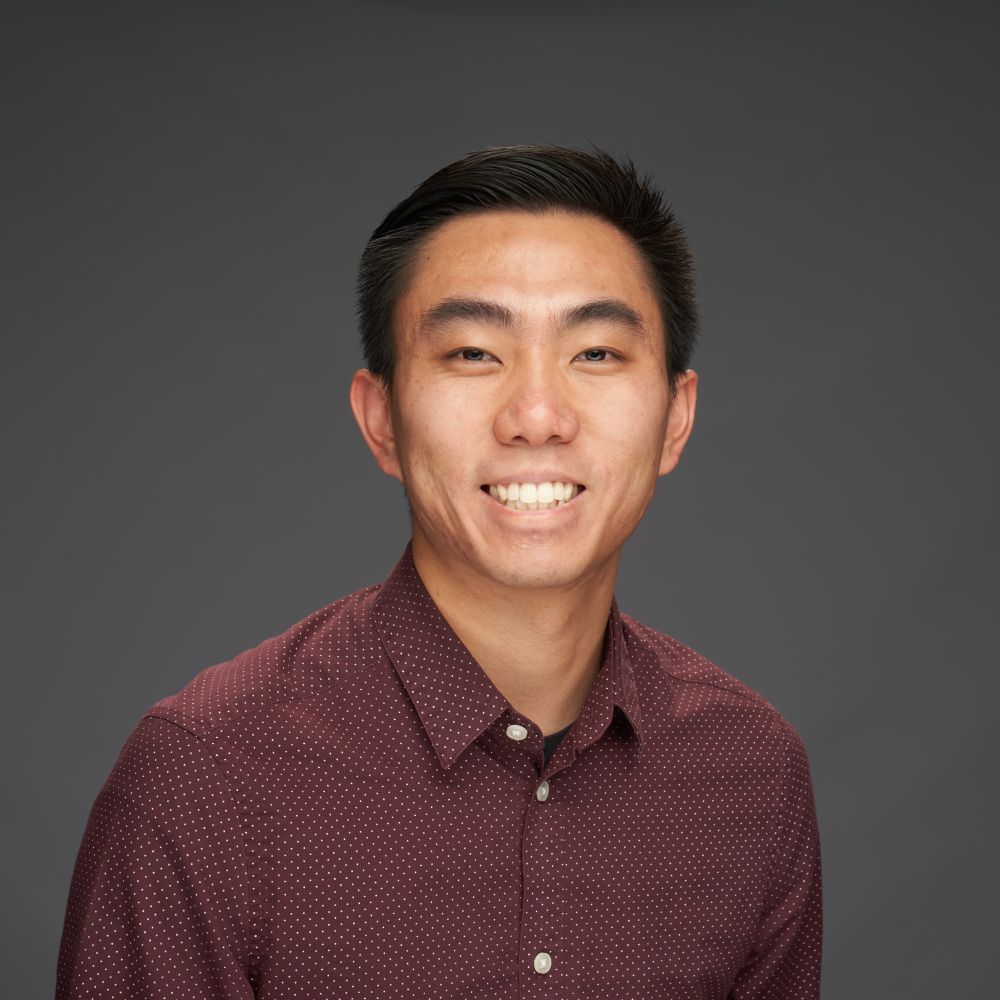
Preston Dang, Advocacy Committee Member
Network Director
Hey y’all! My name is Preston Dang and I am a first-year osteopathic medical student at WesternU-COMP in Pomona, California. I’m originally from Orange County, California, attended UCLA for undergrad, and Tufts University in Boston for my MPH. I am fortunate to have been heavily involved with service and advocacy within local Asian and Pacific Islander American communities throughout my educational journey. I am excited to take the next step in this journey by contributing to advocacy on the national-level as part of Advocacy Committee!
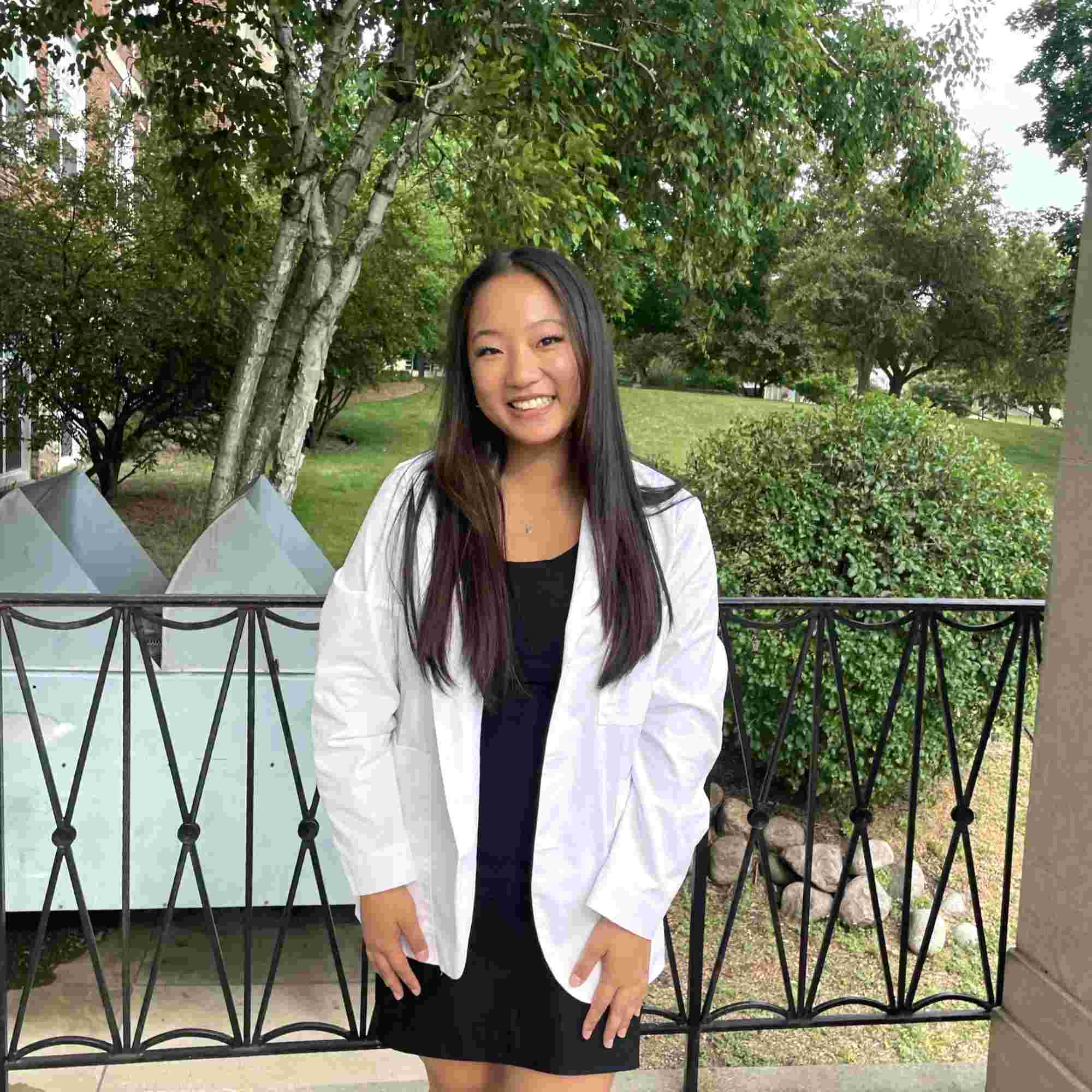
Adileen Sii, Advocacy Committee Member
Network Director
Hi! My name is Adileen, and I’m currently a second-year medical student at the Medical College of Wisconsin. I first got involved with APAMSA as an MS-1 liaison and chapter president, and I’m now thrilled to be serving on the Advocacy Committee. In my free time, I enjoy painting, dancing, and exploring new coffee shops!