

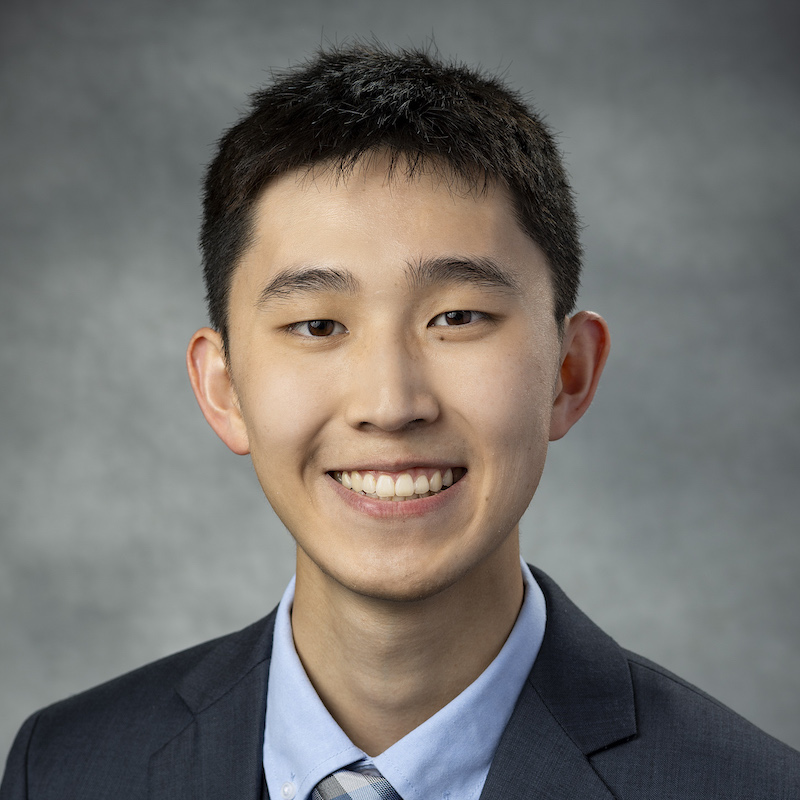
Witty Kwok, Pre-Health Committee Member
Network Director
Witty Kwok is a fourth-year medical student at Wright State University Boonshoft School of Medicine. Witty grew up in Hilliard, Ohio and went to The Ohio State University where he graduated with a major in neuroscience and minor in music. He has been involved with the Asian Pacific American Medical Student Association (APAMSA) since medical school and has served as one of his local chapter’s Mandarin Chairs, where he provided monthly Mandarin lessons to prepare medical students for light conversations with patients and a final Mandarin OSCE. He hopes to stay involved with APAMSA to continue improving accessibility to mentorship and resources, and reduce disparities seen within minority populations. In his free time, he loves to play piano, listen to K-pop, play board games, and watch mystery/horror movies.

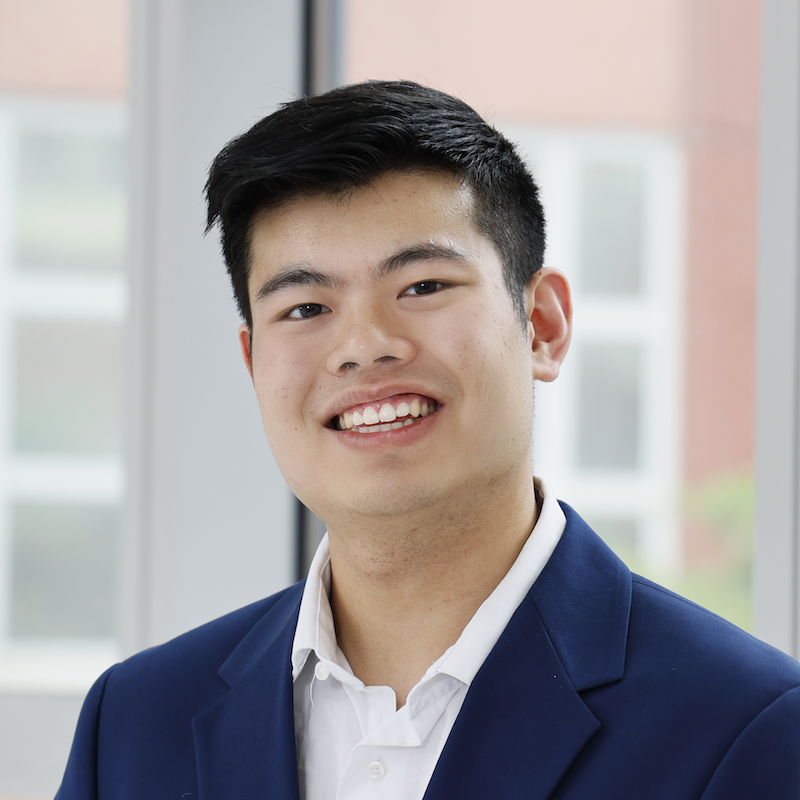
Ethan Hsu, Pre-Health Committee Member
Network Director
Ethan Hsu, BS, is currently a MS candidate at Case Western Reserve University School of Medicine. He was born in Boston, Massachusetts before moving to Ohio. Since then, he has completed his B.S. in Molecular Genetics at The Ohio State University, worked at the NIH and Dana-Farber Cancer Center. Additionally, he has spent over 4 years with the Asian Pacific American Medical Student Association (APAMSA) as OSU’s Pre-Medical APAMSA Mentorship Chair. He enjoys research and medical interpretation hoping to integrate them in advancing healthcare opportunities and improving the lives of minority populations, especially the Asian American, Native Hawaiian, and Pacific Islander populations. Eventually, he hopes to integrate all of these interests into his medical practice in the future. After medical school, he aims to to pursue a career in internal medicine, sub-specializing in pulmonology or GI. Outside of school, Ethan likes cooking, baking, hiking, playing basketball and badminton.
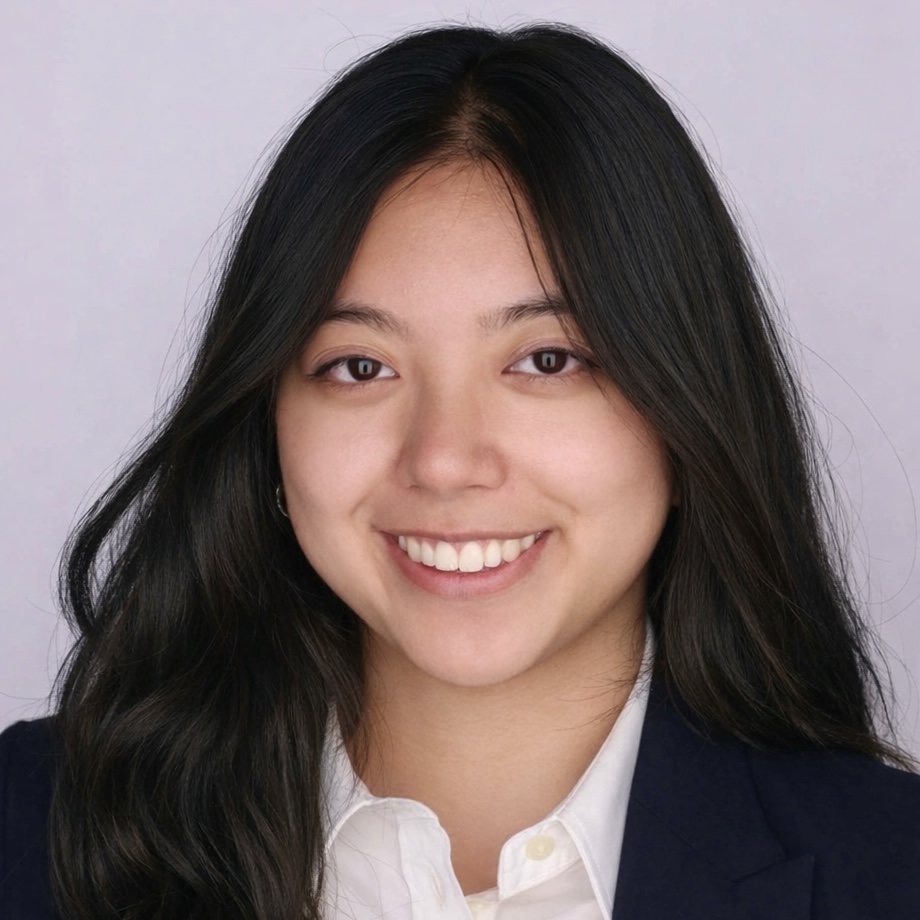
Jessica Te, Women in Medicine Committee Member
Network Director
Jessica S. Te is currently a first-year medical student at Burrell College of Osteopathic Medicine in Las Cruces, New Mexico. She was born and raised in St. George, Utah, a small town with limited access to specialized medical care. She earned her Bachelor of Science in Psychology from the University of Utah and has worked as a Registered Behavior Technician, Research Assistant in Alzheimer’s research, and now serves as Event Coordinator for her local chapter of the Asian Pacific American Medical Student Association (APAMSA).
Her experiences in clinical and research settings have shaped her understanding of how communication and access can influence patient care. Growing up in a small town with limited healthcare resources has especially influenced her interest in advocating for better access to care for underserved communities. Through APAMSA, she is interested in getting more involved in efforts that support health equity and engagement within Asian American and Pacific Islander communities.
In the future, she hopes to contribute to efforts that improve healthcare equity and expand access to care for underserved communities.
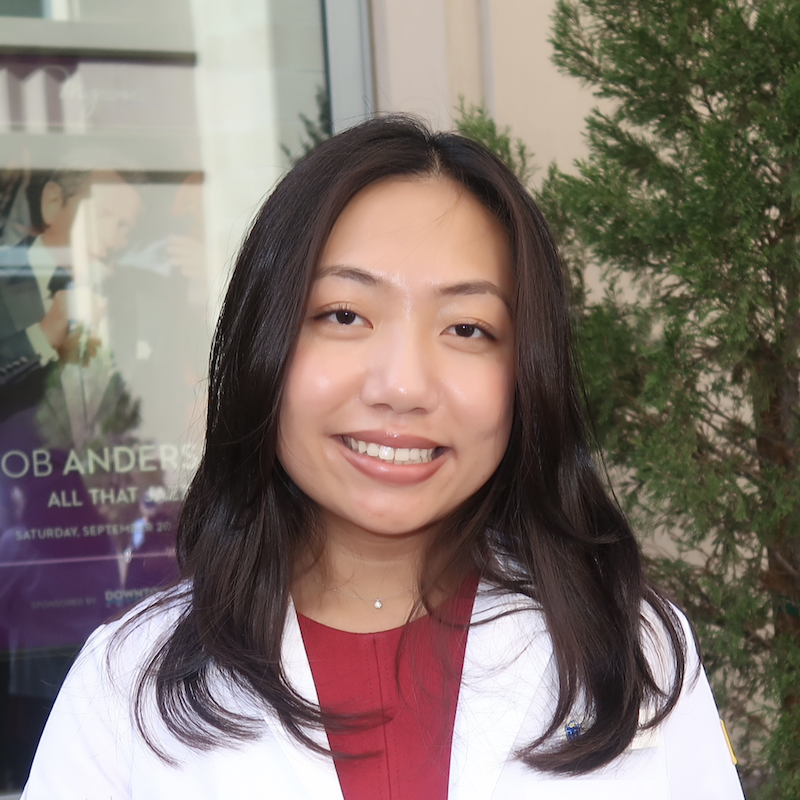
Carolyn Vo, Women in Medicine Committee Member
Network Director
Carolyn Vo is currently a first year medical student at Touro University Nevada College of Osteopathic Medicine. She was born and raised in Las Vegas, Nevada and graduated with a B.S. in Biology and a minor in Public Health at the University of Nevada, Reno. Carolyn is passionate about giving back to her community, advocating for the medically underserved, and women’s health. Her current specialties of interest are OB/GYN and Family Medicine.
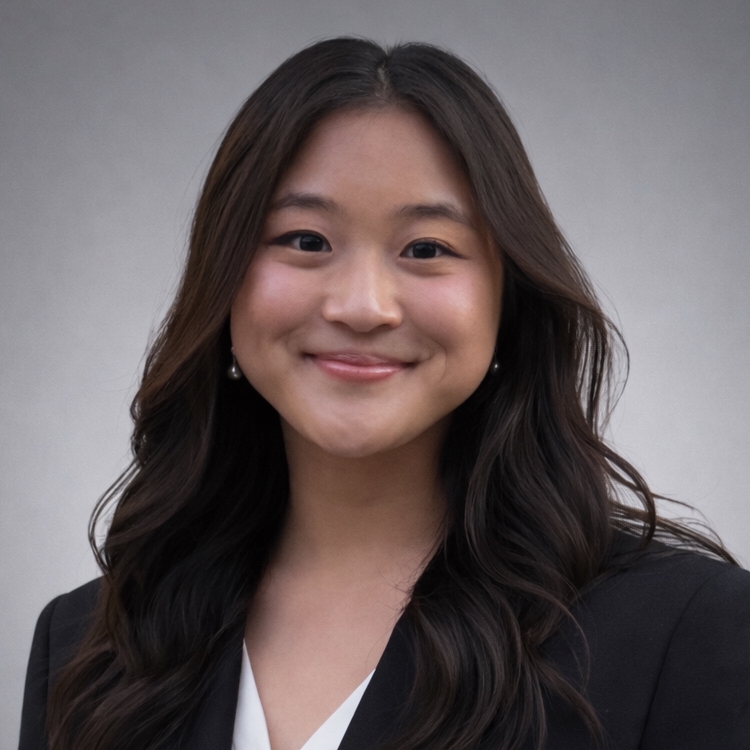
Eujung Park, Women in Medicine Committee Member
Network Director
Eujung Park is a 4th year medical at University of Arizona, College of Medicine – Phoenix who will be applying to orthopedic surgery. She was raised in Baltimore and has lived in New Hampshire, Philadelphia, Los Angeles, and Phoenix. Her hobbies include pickleball, games nights, and hosting potluck dinners. She is the youngest of four in a Korean American family.
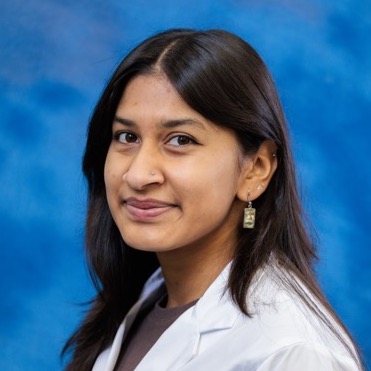
Urmee Das, LGBTQIA+ Committee Member
Network Director
Urmee Das is currently a first-year medical student at Touro University Nevada College of Osteopathic Medicine. Her parents are first generation Indian immigrants. She grew up in Minnesota and completed her B.S. in Biology at the University of Minnesota – Twin Cities in 2024. In her following gap year, she worked in retail and hospital pharmacy, and scribed at multiple emergency departments in the Twin Cities area. She is passionate about the role medical professionals play in LGBTQIA+ disparities and their intersections with ethnicity and culture.
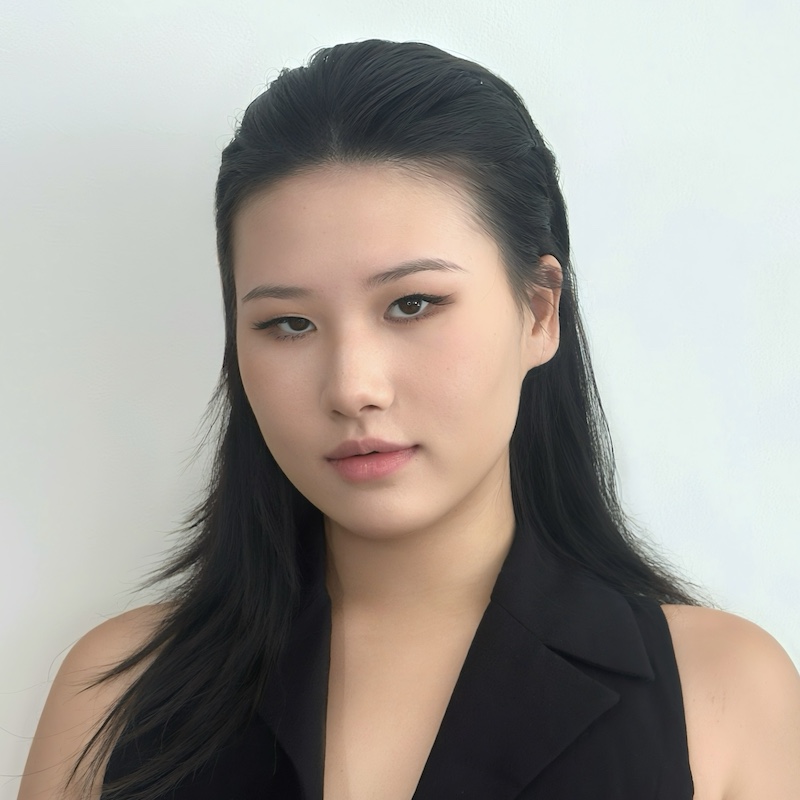
Ruisi Chen, LGBTQIA+ Committee Member
Network Director
Ruisi Chen is pursuing an MS in Media, Medicine, and Health at Harvard Medical School. Born in China and educated across Copenhagen, Berlin, New York, and Boston, Ruisi brings an interdisciplinary perspective on health, technology, and systems. She completed her BBA in Strategic Design and Management at Parsons School of Design.
Her research focuses on how clinical, institutional, and communication infrastructures influence care access, patient-provider experience, and marginalized health needs. Her current work explores barriers to LGBTQIA+ sexual health information access and broader questions of representation in healthcare.
In her free time, Ruisi enjoys skiing, indie films, classical piano, and perfecting her banana bread recipe.
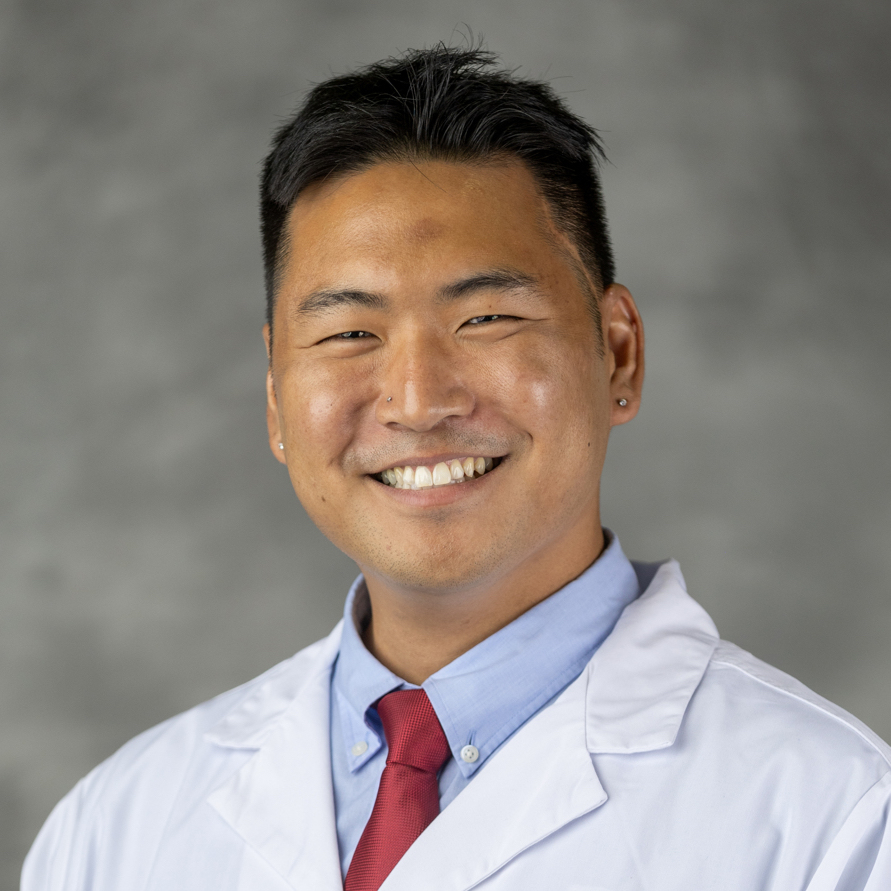
Arnold Kim, LGBTQIA+ Committee Member
Network Director
Arnold Kim is a rising OMS-III at the Touro University California College of Osteopathic Medicine in Vallejo, CA. Born and raised in San Jose, CA, he hopes to remain in the Bay Area for residency in order to give back to his hometown community. His path to medicine was not linear- he spent five years attending community college while working multiple jobs, using that time to explore his passions both within and beyond medicine. Despite this journey, he ultimately realized he could not envision himself pursuing any other career.
Arnold went on to complete his undergraduate studies at San Jose State University, earning degrees in Sociology and Dance, before enrolling in San Francisco State University’s Pre-Health Professions Post-Baccalaureate program. At Touro, he has developed his leadership and professional skills through involvement in national conferences, including AACOM’s Educating Leaders and the AOA House of Delegates, as well as through service on class council and COM Student Government.
As a board member of Touro’s Rainbow Health Coalition, Arnold organized and hosted a gender-affirming care lecture as part of the school’s Cultural Competency series, featuring Dr. John Kowalczyk, DO, who spoke on urologic gender-affirming surgeries. Although he has been a member of APAMSA’s Touro chapter, this marks his first year serving on a national committee.
Arnold is honored to serve in this role and hopes to use this opportunity to increase visibility and representation for queer medical students. He is currently interested in pursuing urology and aspires to become a physician who helps destigmatize and normalize sexual health.
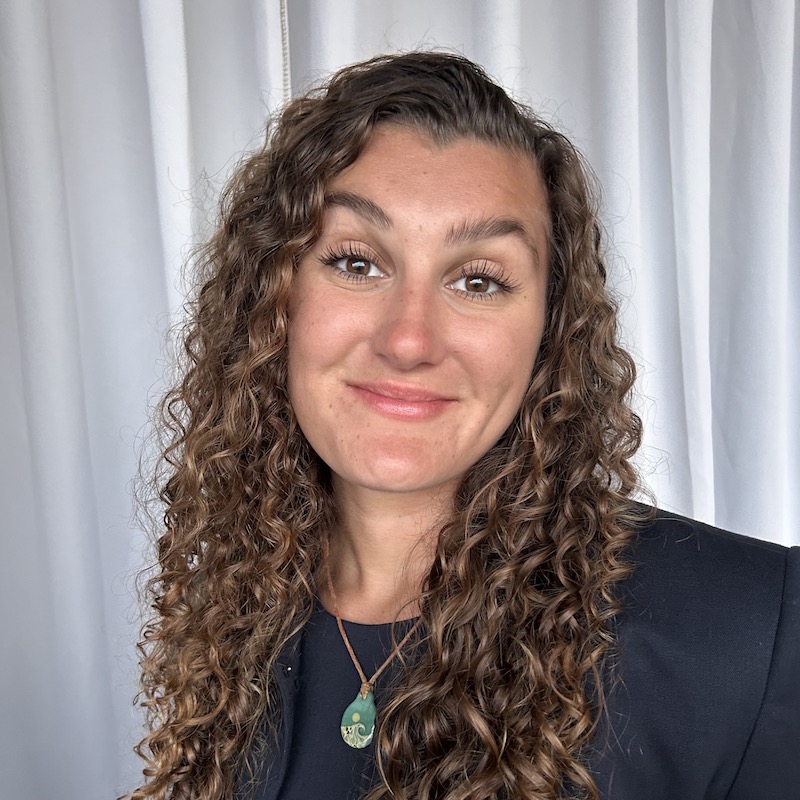
Cassidy Downs, NHPI Committee Member
Network Director
Cassidy Downs is a first-year medical student at the John A. Burns School of Medicine in Honolulu, Hawaii. She attended the University of Hawaii at Manoa as an undergraduate and received a Bachelors of Science in Molecular Cell Biology. She enjoys Native Hawaiian health advocacy, research, and surfing in her free-time. After medical school, she hopes to return to Molokai, Hawaii and serve her community as a physician.
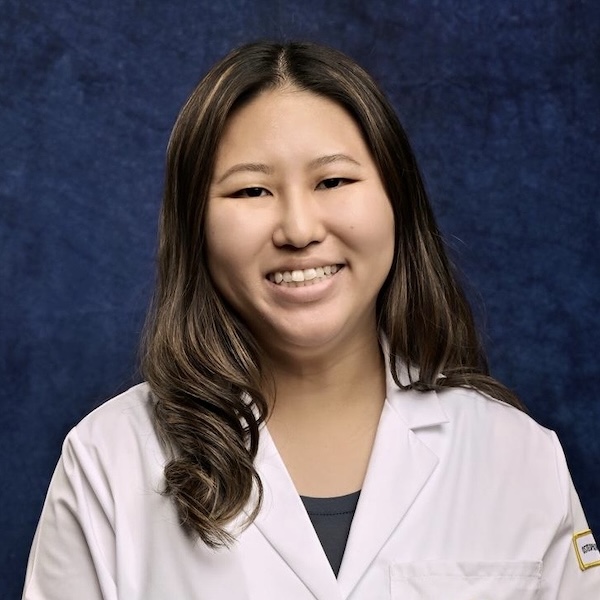
Reina Takaki-Nakagawa, NHPI Committee Member
Network Director
Reina Takaki-Nakagawa is currently a fourth-year medical student at Touro University Nevada, College of Osteopathic Medicine. She was born in Tokyo, Japan, but has lived in Mililani, Hawaiʻi since she was 4 months old. She completed her B.S. in Bioengineering from Oregon State University and furthered her education post-bacc at the University of Hawaiʻi West Oʻahu. Her professional interests include pediatrics and primary care, and she plans to return to Hawaiʻi to serve the local and native populations. In her free time, she enjoys eating and trying new restaurants, attending professional sporting events, and spending time with her husband.