

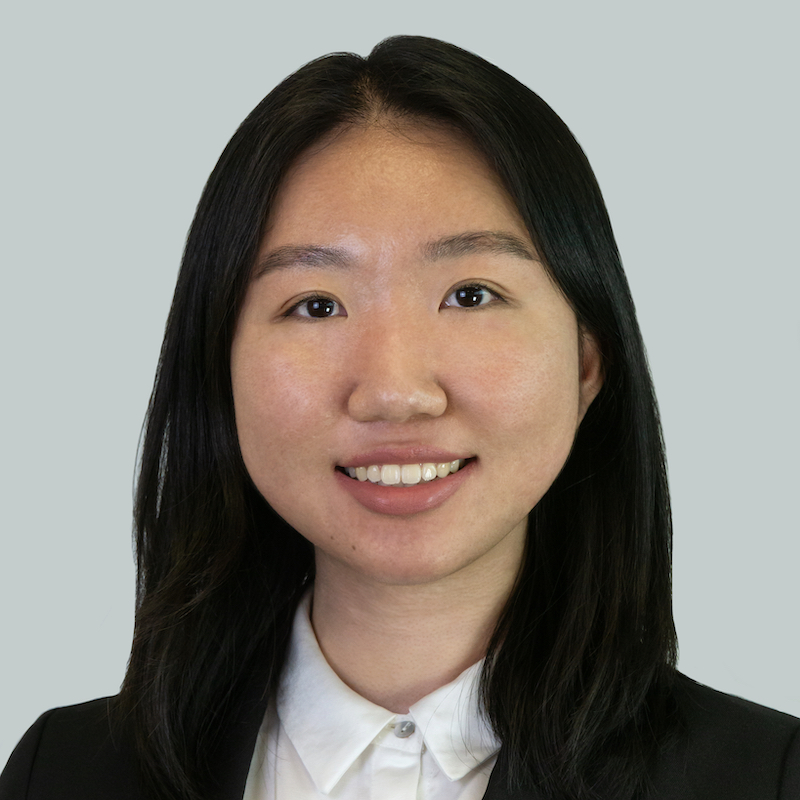
Josephine Kaohi, NHPI Committee Member
Network Director
Josephine Kaohi is a fourth-year medical student at Kansas City University College of Osteopathic Medicine – Kansas City Campus. She received her B.S. in Biology from the University of Hawai‘i at Mānoa and was raised in a multicultural household with Korean, Japanese, Chinese, and Native Hawaiian heritage. Growing up as a military child, she moved frequently between the United States and Korea, which deepened her appreciation for cultural diversity. She is passionate about representing her heritage as a future physician and is committed to promoting culturally competent care in healthcare. In her free time, she enjoys exploring new restaurants, listening to K-Pop, and reading historical fiction novels.

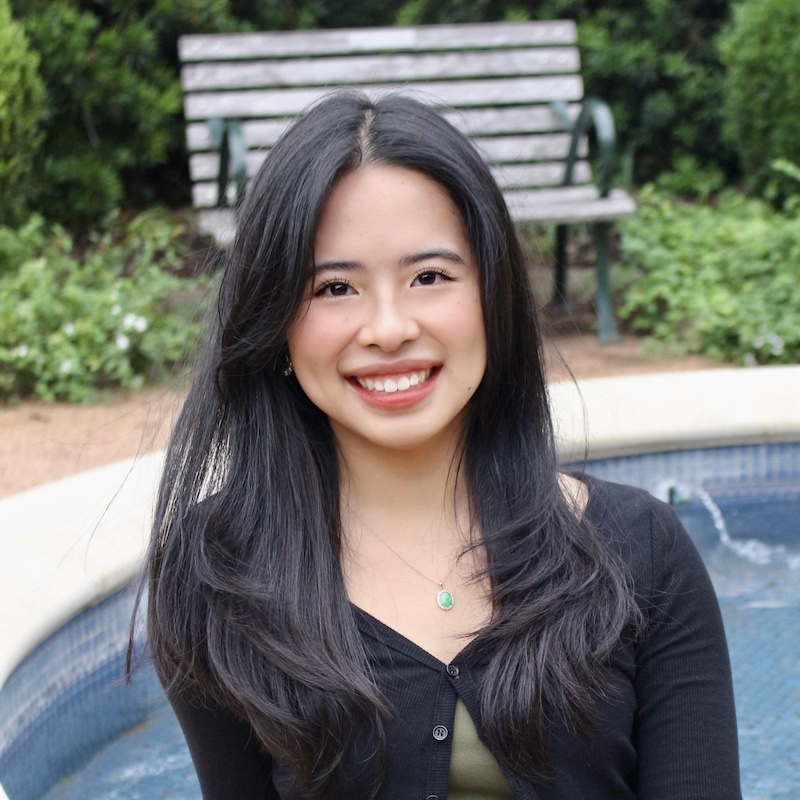
Audrey Nguyen, South East Asian Committee Member
Network Director
Audrey Nguyen is third-year medical student at Baylor College of Medicine in Houston, Texas. She joined APAMSA two years ago and currently serves as her local chapter’s Co-President. Within medicine, Audrey is passionate about quality improvement and healthcare equity. Her work is informed by a deep commitment to cultural competency and implementing system-level practices to promote high-value care. Ultimately, she strives to become a physician who heals with not just her mind, but also her heart. Outside of healthcare, Audrey loves dancing, eating, and Gudetama.
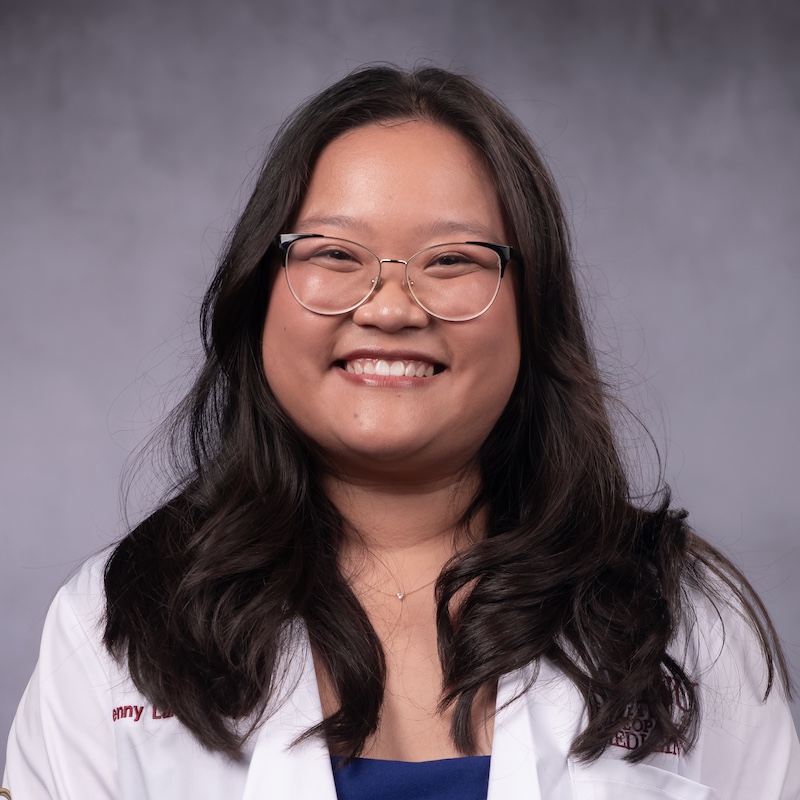
Jenny Chinnapha, South East Asian Committee Member
Network Director
Jenny Lai Chinnapha is a first-year medical student currently attending California Health Sciences University, College of Osteopathic Medicine in Clovis, CA. She immigrated from Bangkok, Thailand to Kauai, Hawaii when she was eight years old. Five years following her family’s immigration, they moved once more to the Central Valley of California where Jenny spent the remainder of her childhood. Since then, she has earned her B.A. from the University of California, Berkeley with double major degrees in both Psychology and Molecular Cellular Biology – Neurobiology. She has also spent time volunteering as an EMT and working as a Medical Fellow at an ophthalmology clinic in the Bay Area.
Jenny has a passion for mentorship, advocacy, and cultivating spaces to support her AANHPI community. During the COVID-19 pandemic, amidst the AAPI-directed hate crimes, Jenny created the Happy Gaea Initiative, which donated all funds generated from selling her and her sister’s digital artwork to organizations that offered public health assistance to communities in need and tangible support for the Stop Asian Hate movement. At UC Berkeley, she founded the Thai American Cultural Association (TACA) and served as the organization’s president to provide students a safe space to explore their cultural identities and learn more about Thai language and culture. She looks forward to continue advocating for her larger community as part of APAMSA’s Southeast Asian Diversity Committee and to integrate this in her future medical practice as a physician. Outside of medicine, Jenny enjoys rock climbing, writing poetry, creating digital art, listening to live music, and sharing food with her friends and family.
Johnny Pham, South East Asian Committee Member
Network Director
Johnny Pham is currently in his gap year after graduating from Binghamton University with a B.S. in Biological Sciences and a B.A. in Spanish Language and Literature. During his time at Binghamton, he founded his local chapter in 2024, served as President, and the following year took on the role of Advisor. He has been actively involved in both the Pre-Health and Southeast Asian committees and is excited to continue into his second year with the SEA committee. During his gap year, Johnny plans to work and travel as he prepares to apply to medical school, where he hopes to pursue Plastic Surgery.
Krishna Sinha, South Asian Committee Member
Network Director
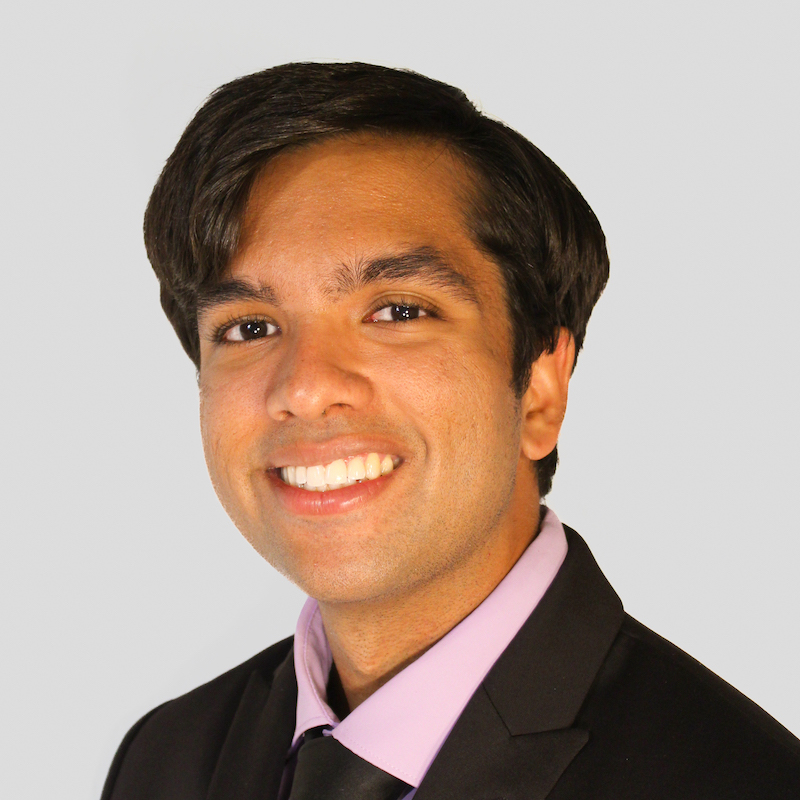
Krishna Sinha is a fourth-year medical student at Mayo Clinic Alix School of Medicine in Phoenix, Arizona. He went to college at Duke University, majoring in Neuroscience. He enjoys traveling, painting, photography, playing music, listening to podcasts, baking, and keeping his Wordle streak.
Jashanpreet Chahal, South Asian Committee Member
Network Director
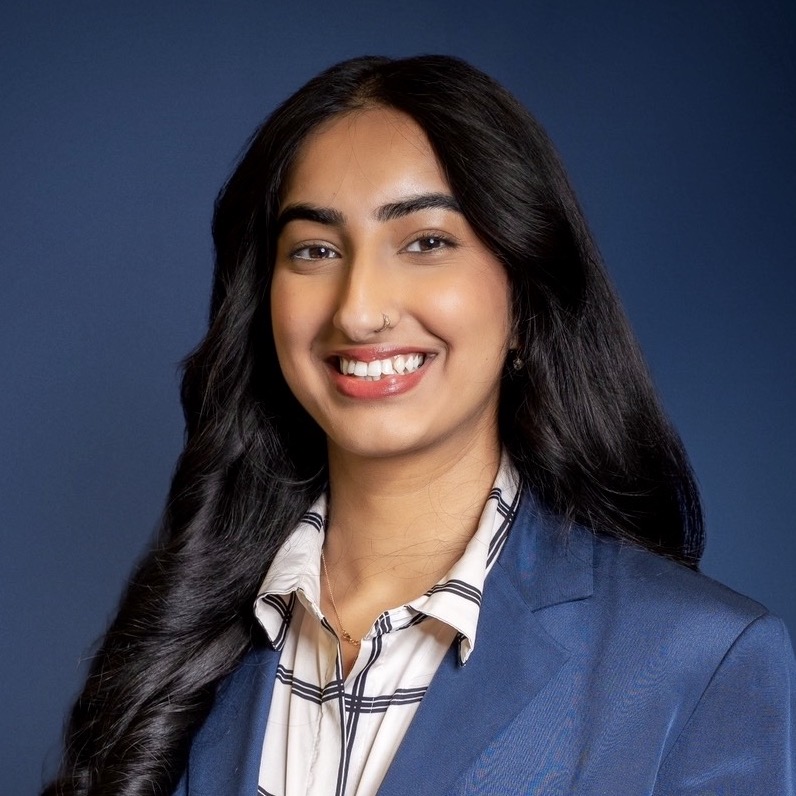
Jashan is a first-year medical student at the Jacobs School of Medicine and Biomedical Sciences at the University at Buffalo. Originally from the village of Fateh Nangal, India, she immigrated to the United States in 2018, earning her Bachelor of Science in Interdisciplinary Biology from SUNY Stony Brook and her Master of Medical Sciences from Boston University, where her thesis research at Massachusetts General Hospital focused on alternative therapies and vaccines for Shigellosis.
Her research interests center on multidrug-resistant infections, with her current work exploring bacteriophage therapy as a promising intervention. Clinically, she has worked as both a Dialysis Patient Care Technician and Ophthalmic Technician, and has held teaching and mentoring roles throughout her training.
Jashan is an active member of APAMSA, currently serving as Community Outreach and Engagement Co-chair and House of Delegates Representative, and contributes to two student-run clinics. She is passionate about developing outreach programs that address social determinants of health within the Asian and South Asian diaspora, and hopes to bridge basic science research with equitable care for underserved communities worldwide. In her free time she enjoys long walks, yoga and cooking new vegetarian recepies.
Indraneel (Neel) Deshpande, South Asian Committee Member
Network Director
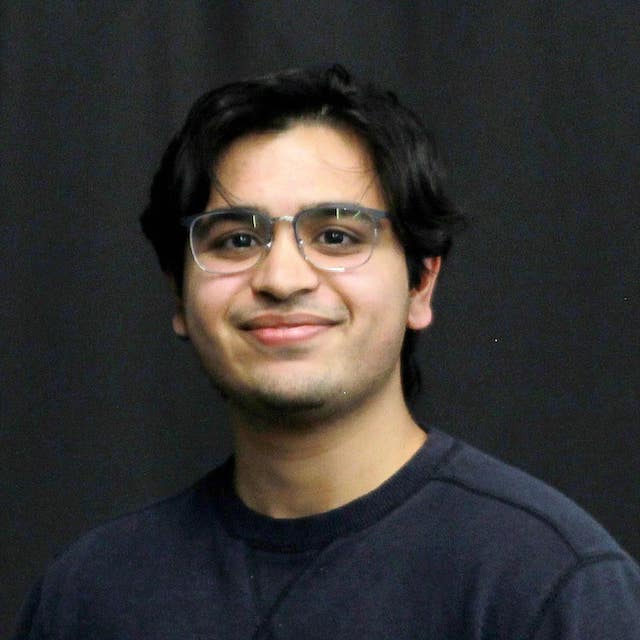
Indraneel Deshpande is a first-year medical student (OM-I) at the Kansas City University College of Osteopathic Medicine in Kansas City. Raised in Olathe, he identifies as Indian American and is passionate about serving diverse and underserved communities. He earned his Bachelor of Science in Microbiology with a minor in Psychology from the University of Kansas.
Indraneel currently serves as an EMT Medic at local soccer complexes in the Kansas City area and previously worked as a Medical Assistant in the Urology Department at the University of Kansas Medical Center. In addition to his clinical work, he participates in independent research projects and remains committed to expanding his understanding of patient care.
As a member of the South Asian Committee, Indraneel is dedicated to improving healthcare accessibility and affordability for minority populations. He hopes to pursue a career in Pain Medicine and Rehabilitation, where he aims to help patients manage acute and chronic pain and improve quality of life for those with neuromuscular conditions.
Samantha Tsang, Advocacy Committee Member
Network Director
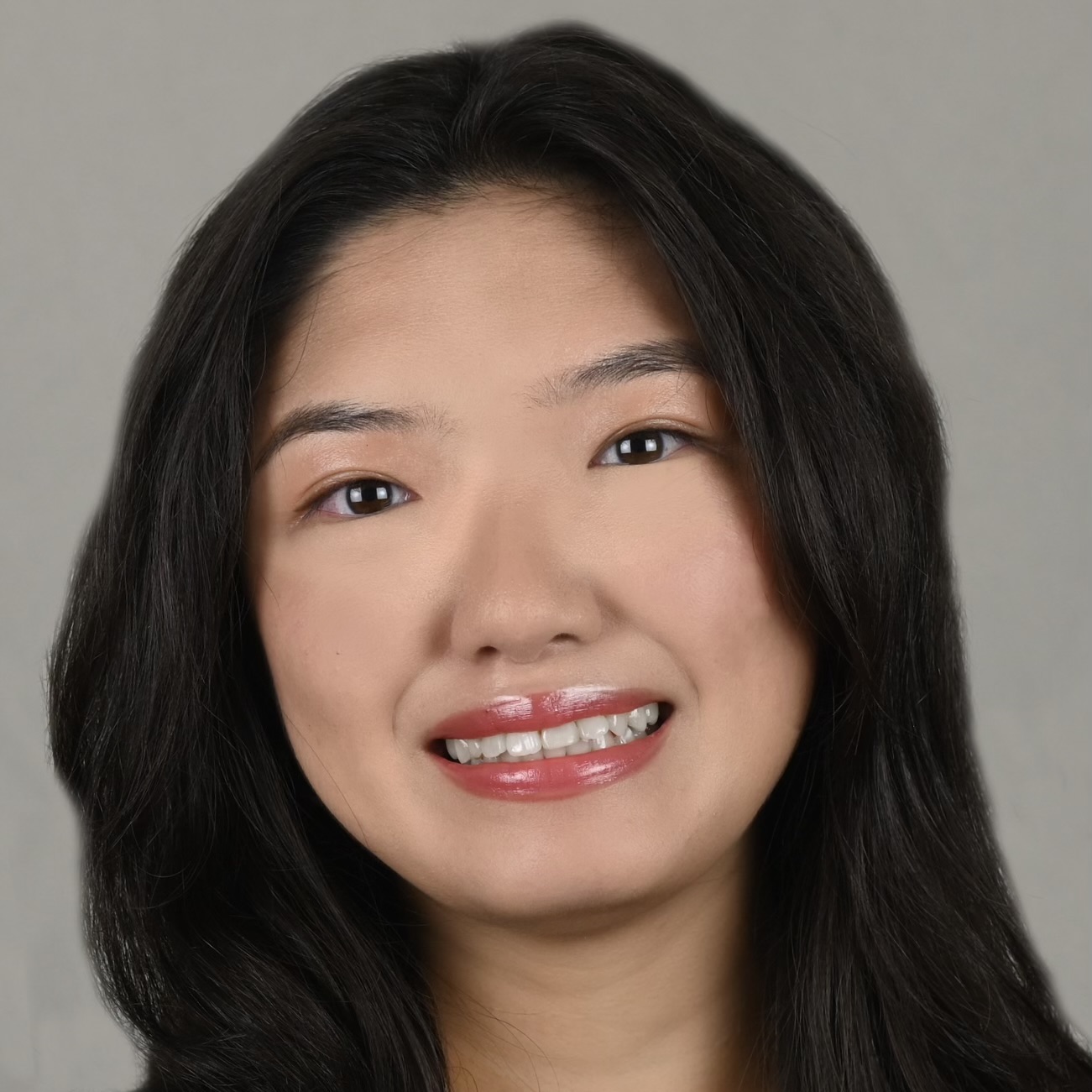
Samantha Tsang is a first year osteopathic medical student at Edward Via College of Osteopathic Medicine (VCOM) in Blacksburg, Virginia. She was born in New York and grew up in Pennsylvania. Her academic journey began with a Bachelor of Science in Neuroscience, followed by a Master’s in Bioethics and Medical Humanities from Case Western Reserve University (CWRU). Prior to medical school, she worked as a Research Associate and Lab Manager at CWRU, where she conducted research on rare pediatric disorders and independent research on pediatric patient advocacy – experiences that solidified her passion for improving outcomes for vulnerable populations. Currently in medical school, she is integrating her background in bioethics and research by conducting a community health study on pediatric health education for parents. She is also co-chair on the Overdose Prevention Task Force at VCOM. She is active in the National Student Bioethics Association (NSBA) as part of the Outreach Committee. She is excited to be a part of the Advocacy Committee of APAMSA and wants to foster connections between local APAMSA chapters and amplify underrepresented voices. Looking ahead, she hopes to pursue a career in pediatrics, with the ultimate goal of advocating for health equity for vulnerable populations. Outside of clinical and academic pursuits, she loves traveling to new places, distance running with friends, cooking new recipes, and playing musical instruments like the viola, piano, ukulele, and guitar!
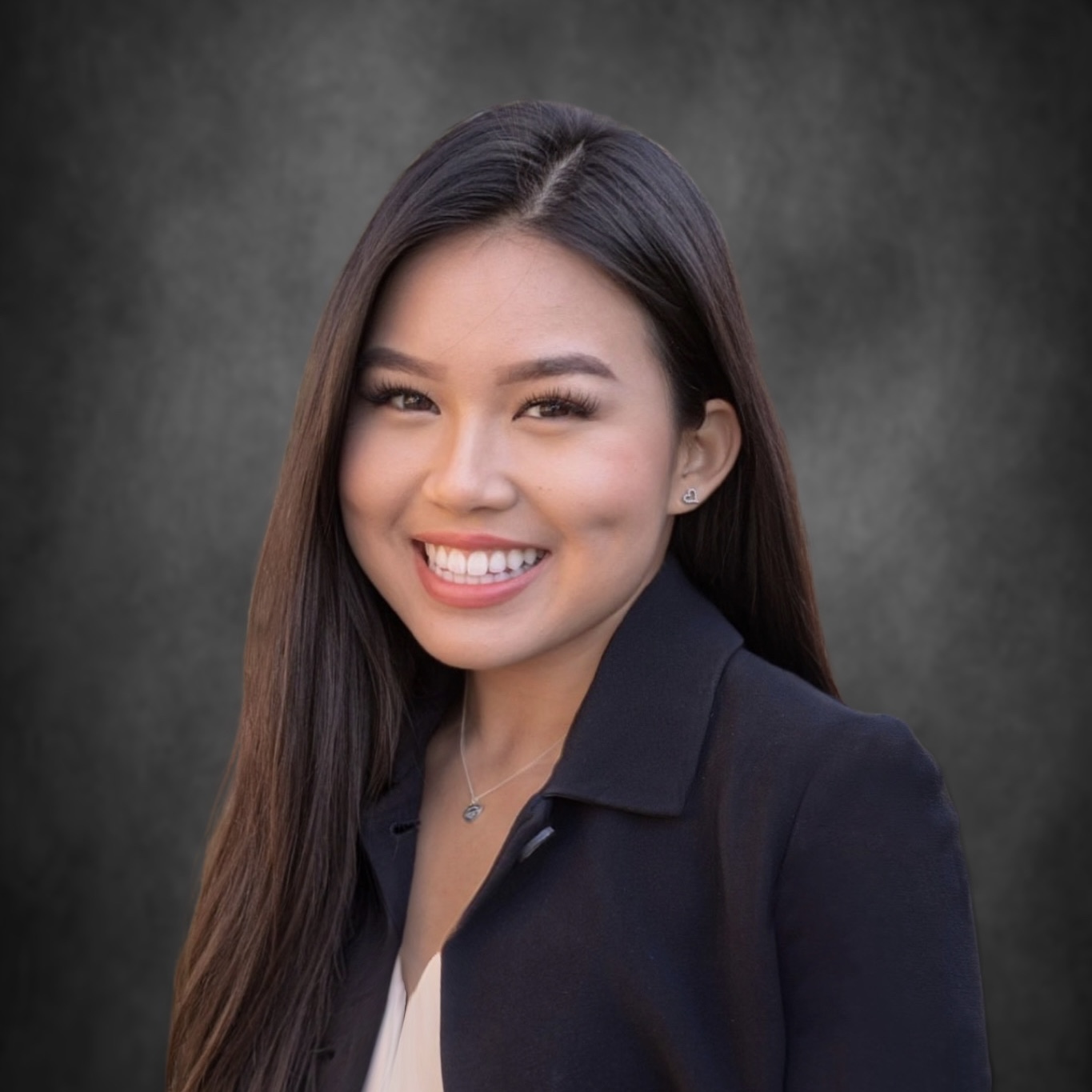
Amanda Duong, Advocacy Committee Member
Network Director
Amanda Duong is a third-year medical student at the Drexel University College of Medicine in Philadelphia, Pennsylvania. Originally from Orange County, California, she completed her B.S. in Human Biology at the University of California, Irvine. She previously served as Co-President of the Drexel APAMSA chapter and is excited to take the next step by contributing to advocacy at the national level. She looks forward to working with the Advocacy Committee to continue and expand the impactful work that APAMSA does. In her free time, she enjoys tennis, ceramics, hiking, photography, and watching F1 races.
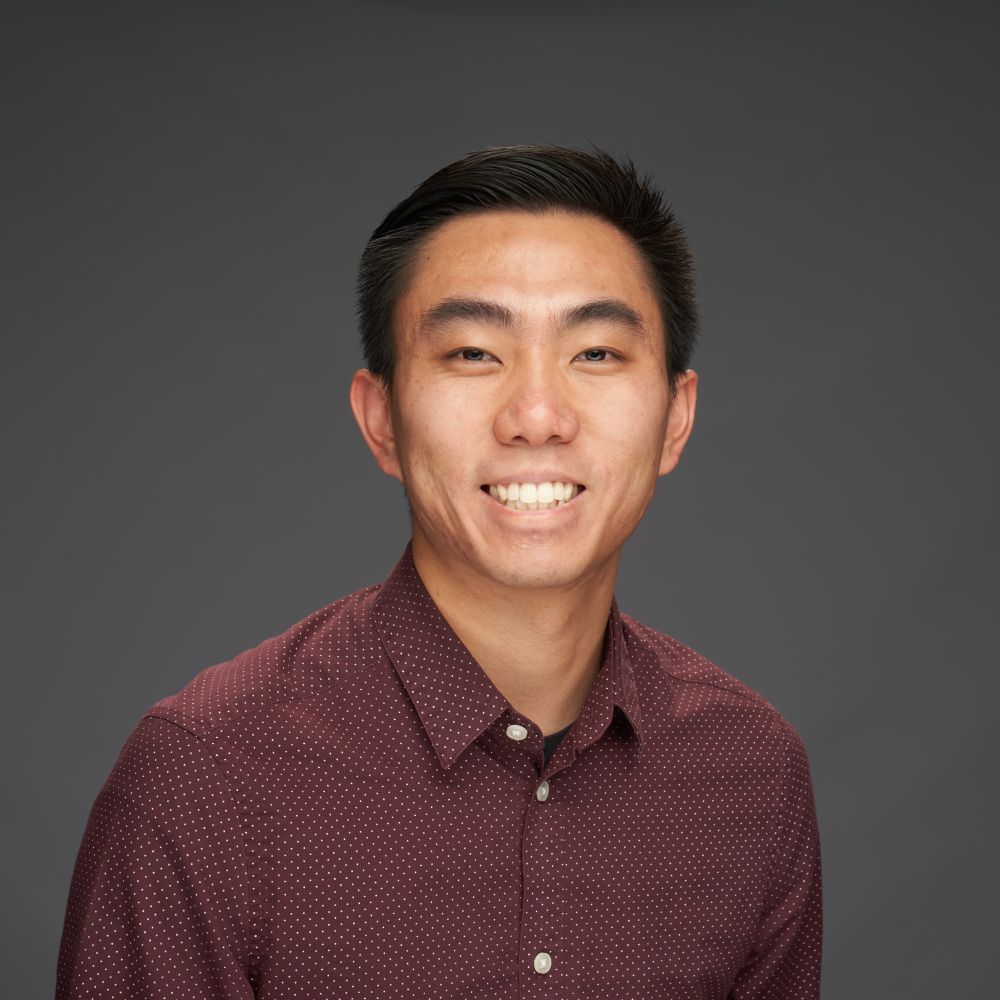
Preston Dang, Advocacy Committee Member
Network Director
Preston Dang is a second-year osteopathic medical student at Western University-College of Osteopathic Medicine of the Pacific in Pomona, California. He is originally from Orange County, California, completed his B.S. in Microbiology, Immunology, and Molecular Genetics at UCLA, and M.P.H. at Tufts University School of Medicine in Boston, Massachusetts. From his college years until now, he has been heavily involved in local outreach within Asian American, Native Hawaiian, and Pacific Islander (AANHPI) communities, volunteering and coordinating free clinics providing health services such as glucose and cholesterol screenings and osteopathic manipulative treatment to the local community, as well as community health research among AANHPI populations. He also participates regularly in state- and national-level advocacy, from serving as a primary delegate to the American Medical Association House of Delegates to direct advocacy as a representative of the Los Angeles County Medical Association during annual legislative days in Sacramento, California, organized by the California Medical Association. Having previously been a member of Advocacy Committee during the prior term, he is excited to continue to contribute to APAMSA’s advocacy initiatives and priorities over his second term on Advocacy Committee. After medical school, he hopes to be able to draw on his previous experiences and to continue participating in advocacy efforts as a family medicine physician.