

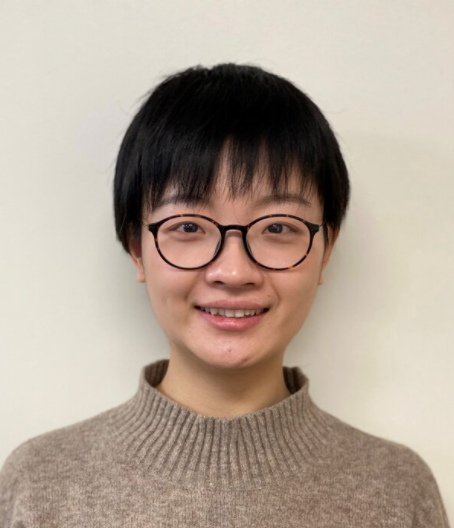
Siya Qi
Siya Qi
Senior Program Manager @ Asian Health Coalition
Key words: Community based organization, AANHPI representation in research, community engagement
I: Welcome everyone to the APAMSA AANHPI Health Issues Interview series, where we’ll be interviewing researchers, policymakers, community-based organizations, and other experts on health-related topics that affect the NHAAPI community. My name is Grant Wen and I’m the health advocacy director at APAMSA National. For this interview, I have the pleasure of welcoming Siya Qi. Siya is the Senior Program Manager for the All of Us research program at the Asian Health Coalition (AHC). She works with Asian engagement and recruitment core partners across the nation to engage and educate Asian Americans, Native Hawaiians, and Pacific Islanders on the All of Us research program.
I work at the Asian Health Coalition and also the Center for Asian Health Equity in the Chicago area. I am an immigrant from China and I moved to the States five years ago. And I got into this field because of my grad school research on senior care and senior living. During that process, I interviewed a lot of Asian immigrants, especially elders, and then I found a lot of health equity issues, not only for seniors, but also for young immigrants too. That’s how I got interested in this, and then after graduation, I was really lucky that I found this program and this organization. I applied for the job and luckily got accepted and it’s been one and a half years now.
The project that I’m working on now is called the All of Us research program. It was actually initiated by the National Institute of Health and hopes to invite at least 1 million individuals living in the US to help build one of the most diverse health databases in history. This program aims to provide diverse databases to researchers with diverse backgrounds, and hopefully, the researchers can use the data in the database to make discoveries to find patterns and discoveries on things like cures to certain diseases like cancer and dementia. By including underrepresented communities, they hope to better address health disparities for future generations especially. So that’s what I’m currently doing.
We are involved in this program as one of the National community engagement partners. We’re working with our 15 partners across the country to engage and educate Asian Americans, Native Hawaiians, and Pacific Islanders. NHAAPI communities have continued to be underrepresented in research, which has really caused a lot of problems. I’m not sure you guys do, but I know friends who take medicine from our home country, just because some medications don’t work for us in the States. And normally, we think that’s normal. And we never think about how we can better address it or how we can solve it and why it’s causing it. It’s really because we are underrepresented. We’re not involved in these types of research. I think the All of Us research program is a really good opportunity for us to gain representation, to be seen, to be heard. And then for the future generations, hopefully our kids or grandkids won’t need to travel back to another country to truly find the medicine that really works for them. That’s the hope, so we’re working with the community to really spread the word and promote this program.
As for the Asian Health Coalition, it is a community based organization located in Chicago. We do have cancer prevention (colorectal cancer screening), Hepatitis B, and a million other programs. We normally do a lot of health education, health literacy, and health promotion in local communities, especially for underrepresented and underserved communities locally in Chicago or Illinois. Not only do we focus on the NHAAPI communities, we also do work with African American, Hispanic, and other communities historically underrepresented and underserved, providing them with health resources and education.
There have definitely been new challenges after COVID. In the past, community work was 90% in-person events, like gatherings at community centers where individuals could share food or celebrate festivals and special holidays together. But due to COVID, people couldn’t gather and don’t feel comfortable doing so. So that was a huge challenge, especially for some of our community members, as the majority of clients we serve are the elderly with limited English proficiency, and really limited knowledge and even access to internet and digital devices.
COVID really changed everything for our organization also. First, we couldn’t work in our office building, so we had to work from home.Second of all, we had to transition events and projects to digital platforms, and to do so, the initial steps we took were to do digital literacy programs for the seniors in the communities that we serve. I know that some of our partners called the seniors individually and gave them instructions on how to use Zoom, how to create an account, etc. And then they went into health education and even social gathering through zoom and other digital platforms. So that was really new to us. But surprisingly, they all adapted to the digital world fairly quickly. The seniors seemed to become very familiar with the platform, and they really enjoyed talking to each other. So that’s really going smoothly for now, but with things slowly transitioning back to reopening, I’m sure there’s going to be new challenges, and we will see how we can adapt to any new situations.
We also have been supporting local businesses since the pandemic. For example, we ordered 1000s of masks from a local Vietnamese shop. That’s one of the ways that we’re supporting the local community. We also collaborated with the local businesses in Chicago, where they helped us distribute the resources that we created, such as handouts with in-language materials and resources for local communities.
Right after the pandemic hit, everyone—-but especially the communities we serve (elders with limited English proficiency)—- had been isolated at home. So we collaborated with APAMSA to create a student ambassador program for students to call seniors who felt isolated to make sure they felt supported enough to meet their physical and mental needs. Especially after the anti-Asian violence, there was a huge increase in mental health needs for the coming from the elders in our communities along with even more hesitancy in going out. We’ve received some good feedback, especially with the program that we’re doing with APAMSA. Seniors across the country appreciated the company and the conversations they had and also the students helping them process COVID information and also the vaccine.
As an organization we responded and had events and ongoing protests, like many other groups across the country. There were also digital platforms where people could sit together to share and process as a group to think about how to move forward. We also did an Asian Profile Series on social media to introduce the diverse culture and uniqueness that each subgroup within the Asian community has. On social media, we also shared some of the great work our partners have been doing. One thing that we don’t want is to really focus on the bad side of things. We want to really create a positive environment, and for everyone to take a minute to appreciate culture and diversity rather than dividing one group from the rest.
In particular, Chinatowns across the country were severely impacted, because you see these videos of seniors getting hurt on the streets, and you feel this sense of danger when you walk on the streets. Even for myself, being an Asian female, I had this sense of vulnerability walking in the streets even before the pandemic. And then after all of this violence, I felt even more insecure in open spaces, and I think that was really common for residents in Chicago. In Chicago locally, we had a lot of protests against AAPI violence. We appreciated all the people who traveled across the country to support this initiative. In the past, Asian communities tended to be quiet, because we did things within our communities, we solved our own problems, we weren’t really vocal, but this time, we really stood together to fight against these crimes as a whole group. That was really inspiring and touching to see. After protests, although things were not back to normal, you feel a bit better. As an organization, we also dedicated one staff meeting to really talk about anti-AAPI violence, in part because unfortunately some of our colleagues had experienced some of that. We also ordered T-shirts with “Stop Asian hate” from a student group in Chicago, so that was one of the many ways that we supported this initiative alongside our local community.
When we were really promoting the “All of Us” research program, we used vaccines as a way to encourage them to join the research program. We said that just because past medications might not have worked, but if NHAAPI individuals are more represented in data, we might be included in future vaccine development initiatives.
When the vaccines actually came out, community members started to ask questions like, “How do you know this vaccine is gonna work for us?” This really required us to put ourselves into the shoes of the committee members. We hadn’t faced such a pandemic and challenge—-for our generation, our mother and father’s generation, or even that for our grandparents.
What our partners ended up doing was a lot of online education on the vaccine—-how it works, how the trials were, how would that impact our Asian communities, and then how the vaccine could help. This was not to push them into getting the vaccine, but just to deliver the information and give them resources to decide on their own. They also were given in-language materials and invited experts to answer questions. I know we have one partner in Boston that serves the elderly population, and they ended up calling every senior resident, telling them about the vaccine and giving them education. Andy from APAMSA actually was part of that conversation, too. He helped explain how the vaccine works, how it would impact your health and that of the community. I think that community ended up having a very high rate of vaccination, so it was a huge success. And we could see those across the country without penalties. From our experience, hesitancy really was a challenge at the beginning. but if you give the community members enough resources and information, they can have their own way of responding and can make their choice.
I think hesitancy really decreased as time went on, but this might be a biased opinion because those who come to our organization are the ones eager to learn more and want resources. The rest of the community members don’t come to us normally, and I can definitely still see some hesitancy there, although I do think it’s getting better gradually. This is partially because with more people getting vaccinated, they can see the reactions and side effects.
I don’t think the government has done great helping communities with limited English proficiency. And this is why the community based organizations are here. I don’t think they don’t want to help, they’re just not equipped with the ability to do that. We know that when communicating with the community members, it’s not only about language, it’s also about cultural things. There are many aspects to take into consideration, from who you speak with, to the channels you’re using. If you’re talking to elders, they probably don’t have social media, so you can’t communicate through Twitter. Using print materials would be much better. It’s also about how you’re presenting this message.Are you using graphs and giving them a research paper? That’s not going to help, and that’s also why we step in as community based organizations. We create materials that are adapted linguistically and culturally for our communities. We have images that really resonate with them, they see similar faces, and we make sure to cover some of the more taboo cultural topics in a way that is digestible.
Honestly speaking, I don’t think the local government did a good job, especially for our community members. This is primarily because they don’t have the flexibility and ability to reach our communities and especially for our native Hawaiian communities, they don’t really trust authority that much, understandably so given their history with the US government. We get that, so we’re taking the information from the government and translating it in ways that the community members are more likely to accept.
One lesson I learned from COVID and from health education and health equity work is the importance of collaboration, such as what we had with APAMSA. For the following months, we’re going to relaunch the student ambassador program, and we’re going to send out another round of applications. This time, we’ll have student ambassadors who are going to do three different things. One may be still involved with wellness, a second role would be doing health education, and the last will be video making and producing. We’re also going to have a separate project that’s focused on student research. We hope to invite several students to join us as student researchers to utilize the “All of Us” database. I think over 300,000 participants’ data is in that database. Please join us, and you can contact me if you’re interested. We really love working with you guys.
I: That sounds like very exciting next steps that you’re taking. And I’m sure that many of the APAMSA members and other medical students will be very interested in all these opportunities.
S:Thank you so much for having me here. It’s always a pleasure to talk to you guys. And look forward to working with you again!

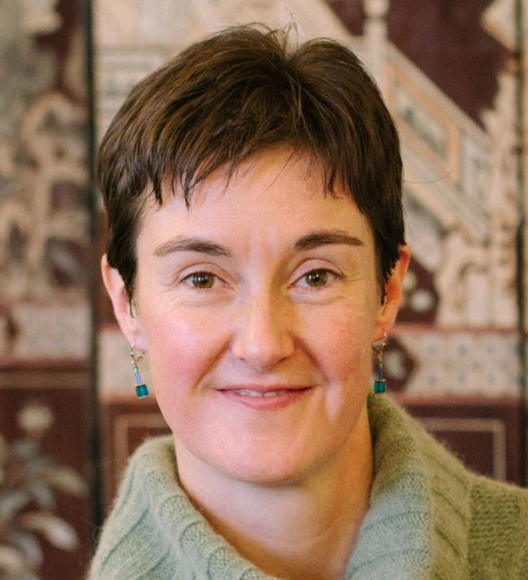
Dr. Nicole Barnes
Dr. Nicole Barnes
Assistant Professor of History @ Duke University
Key words: History of Chinese medicine, History of global health, research, health humanities, academia
I: Welcome everyone to the APAMSA AANHPI Health Issues Interview series, where we’ll be interviewing researchers, policymakers, community-based organizations, and other experts on health-related topics that affect the AANHPI community. My name is Grant Wen and I’m the health advocacy director at APAMSA National.
For our first interview in this series, I would like to welcome our guest Dr. Nicole Barnes. Dr. Barnes is a professor of history at Duke University with co-appointments in the global health department and the program in gender, sexuality, and feminist studies. Dr. Barnes holds a place very near to my heart because she was my thesis advisor back in my undergraduate years, so without further ado, let’s welcome Dr. Barnes.
B: Thank you for that introduction, Grant. So yes, like you said, I’m an assistant professor at Duke. I teach the history of Chinese medicine, history of global health, and general courses in history of China as well as global history of medicine. The history of medicine is my greatest passion, so I’m delighted to bring those insights to bear on the questions of the day.
Yeah, the story really goes back to my childhood. I moved with my family in second grade to Logan, Utah and it was a small town where almost everybody was Mormon but I was not, and so in seeking out the non-Mormon friends, I found the Asian-American community and just from a very early age, became very comfortable with my Asian friends and their grandparents who didn’t speak English and ate different foods. I just kind of fell in love with Asian cultures and gained a sense of comfort in those spaces, something that really helped me later on as a college student, as I pursued deeper interests in foreign languages and cultures. I was actually a French and Spanish major but then I became a dual minor in Chinese language and Asian studies. I spent some time in Guiling, in Guangxi Province in mainland China as well. My Chinese teacher at the time, Chiumi Lei, who is now at Rice University, encouraged me to go into graduate school and wrote stellar letters of recommendations so I got funding, which was really important because I came from a family of low economic means, so that funding to continue my studies was essential for me. That’s something that I try to continue to do as a professor now—-to continue to mentor, sponsor, and assist students to pursue their lifelong passions, even if they don’t have the economic needs to do so personally.
So that’s one aspect. And then the history of medicine just came out of my own interests. That’s also kind of an autobiographical story. My maternal grandmother became a nurse because she was trained by the United States military during World War II and my paternal grandmother lost five of her siblings to disease. From my own family history I see very much the impact of medicine both in terms of loss of dear family members and in terms of the professionalization of women and the granting of new professional opportunities. It just so happens that my first book, which is an open-access free downloadable ePub online, is about the history of women’s place in the medical professions in China during the war with Japan. It’s called Intimate Communities: Wartime Healthcare and the Birth of Modern China. If any readers are interested you can just google “Nicole Barnes” and “intimate communities” and you’ll find your free download.
Currently, I’m starting research on the social, political, and cultural history of the use of night soil as farming fertilizer in China over the course of the late nineteenth and twentieth centuries. This is partly out of an interest in environmental degradation and the ongoing social prejudice against farming peoples and migrant workers in China today—-both of which are dire situations as I’m sure you know—- but also out of respect of the centuries of profound knowledge about how to combine animal husbandry and stewardship of the land to produce a dramatically productive agricultural output from a limited space of arable land. This is what Chinese farmers did for centuries—-they were the envy of farmers around the world for a long long time and the switch from the night soil economy to sewerage and disposal has actually been a source of deep environmental degradation, so I’m interested in the environmental humanities, medical hygiene, and sanitation aspects of that story as well as the social impact in terms of the treatment of rural people in whether we see them as a source of dirt or is a source of illustrious knowledge that has been held in Chinese culture for a long time. So it’s a project that has many strands.
That’s a great question and there’s two main ways I’d like to respond. First, it’s important to learn the specificity of medicalized racism against Asian Americans on U.S. soil, but also specifically Chinese immigrants back in the beginning of the twentieth century during a bubonic plague pandemic that began in southwestern China and made its way to Hong Kong. Because Hong Kong at the time was the primary port out of China due to its status as a British colony, the plague then made its way around the world and came to the Americas in the very late 19th century and led to the ultimate burning of San Francisco and Hawaiian Honolulu Chinatowns, demonstrating the deep prejudice against Chinese in the United States.
So that was like a flashpoint, if you will, the literal use of fire to supposedly purify these neighborhoods, but also an illustration of just how profound the racism against the Chinese has been since their arrival here in the United States. So for those of us who understand the history, when we started hearing about the conversation and the language that previous President Donald Trump was using, the recent spike in violence, and the horrible murders in Atlanta, they were deeply disturbing but not surprising because this anti-Chinese racism is so deep. Anti-Asian racism in general in the United States tends to ebb and flow, but I would argue that it never goes away despite these model minority conversations and the idea of Asians as an exception to U.S. racism. That sentiment is always present. The xenophobia and the average American’s fear / exoticization / obsession / attraction to things Asian and seeing them as exotic, strange, foreign and weird—-that has just always been a really profound part of U.S. culture and there’s a lot of lack of understanding that can come out into the open at times when a major Asian country is no longer the close friend but now is perceived as an enemy.
So you know, it really began not even with COVID, but with Trump’s trade war with China. I frequently traveled to China prior to COVID to do teaching for the Fuqua School of Business here at Duke. I did a trip to China during that time with business students, and the ones living and working in China at the time said as soon as the trade war started, they had a different feeling with their Chinese colleagues, and that the politics between the Xi and Trump administrations immediately entered their interpersonal relationships. I would say over the long-term, Sino-U.S. relations are always on this dime—- this tiny thin dime and it flips from friend to foe back and forth—- and it actually does enter interpersonal relationships in deeply troubling ways, so that thread is always there. So that’s one thing that we can use to respond to the most recent exacerbation of that kind of animosity—- with deeper awareness and knowledge of history.
And of course, early on in Asian American immigration history, there were a lot of Caucasians who would go see Chinese herbalists. That was not only a space of animosity but also of friendship and mutual understanding and respect so that’s another trend and another aspect of that history that bears attention.
What history and the humanities can bring to this event and to the problems of today is more global. It does not have to do with the specificity of the history of medicine, but more with the skills that a historian brings to bear on the world. When you are trying to do your historical analysis and recount histories, you have to do everything in your power to enter into the actual mindset and the way of being of a historical personage in order to understand their world, recreate their reality, and interpret and understand the sources that they leave behind—- the written records of court cases, personal letters, government documents, or newspaper accounts. That ability to practice entering in and stepping into the shoes of another individual is a profound skill that you can use in any other life setting because if you are constantly exercising your ability to think about something not from an egoistic, “me”-centric space, but from a position of trying to understand the other, that will make you much more empathetic, much more able to analyze any given situation from a variety of viewpoints, and therefore more flexible in responding to any kind of challenge. And that’s really what I think history as an academic discipline brings to the world.
Given the very long history of medicalized racism against the Chinese and Asians here in this country, any kind of hesitancy to accept a state-issued vaccine is something that I think should be understandable on the part of Asians in the U.S, even if they are U.S. citizens. Another thing that I think is important to bear in mind is that Chinese medicine and Chinese medical theories and ideas about health and illness in the body are distinct from a biomedical vaccine-centric and technology-centric approach, and we should really preserve respect for Chinese medical ways of being when we consider the issue of vaccine hesitancy.
I’m also just very glad to hear you use that language of hesitancy, because the most important and fundamental thing to keep in mind is that we will not be able to walk someone from vaccine hesitancy to acceptance if we don’t enter those conversations with an open mind and a willingness to listen much more than speak—-to listen and be receptive rather than coming in with a judgemental mindset.
In terms of access, in the field of Asian American history and Asian American studies, most recently in the last 5-10 years, there’s been a shift toward questioning the discourse of the model minority and challenging the ways that this image of Asian-Americans solidifies this idea that all Asian immigrants in the U.S. are upper-middle-class, people of wealth, means, and higher education. It also allows us to rewrite the history and the current realities in more complex ways that give attention to people of lower socioeconomic status, people who immigrated to other parts of the Americas and other parts of the world. After we put all of that into conversation, when we see that in a more complex light, then we can understand that in the Asian American community there are problems of access. Where are the poor and working-class Asian Americans? Where are the ones who have not had access to education to learn more English in order to understand all of the attributes of this foreign government and the public health information that is out there?
Even speaking as a historian of medicine who would self-describe as pro-vaccine and was very willing to get the vaccine, even I have had hesitancy after hearing the news about AstraZeneca, so I can completely understand how someone who is only hearing snippets here and there from some news sources or only hearing through word of mouth about resistance and hesitancy versus any kind of pro-vaccine sentiment.
It’s natural to understand that people would be hesitant. And then do they have a local vaccine center that they can access and can get to outside of their working hours? Or do they have an employer that’s going to give them some time off work to go to the vaccine center? All of these are really important questions. And I’ll just put a footnote there as well, that this is another place where the humanities and social sciences have something very important to offer, because we’re learning right now in a very poignant and powerful way, that it’s not just a matter of having the vaccine available. Being able to do all of that rapid scientific work was unbelievable and really unprecedented in all of human history—-to have multiple vaccines in such a short time period. It is phenomenally amazing and yet it’s still not enough, because if we cannot get the public information out there, if we cannot help convince people to be willing to have this put into their bodies, we are not going to be able to actually put that vaccine to use. So we need a broadband approach, if you will, that includes all kinds of sources of intelligence and ways of dealing with human beings to make this really work.
In traditional Chinese medicine, the core of it is really self care and preventative medicine. It’s making sure that you don’t get sick by keeping your own internal body very strong and your qi (life force) very strong. Qi is really just life force—- it’s that which expires or moves out of your physical body at the point of death and moves into your body at the point of conception. Keeping qi strong and keeping your whole body in balance through a good balanced diet, eating in accordance to the seasons at the right time, keeping your sleep schedule in accordance with the movements of the heavenly bodies like the sun and the moon, and of course sufficient sleep but also at the right time. Times are very important in Chinese medicine—- that’s a whole ‘nother topic that we don’t have time to go into—-but timing of illness onset, symptom presentation, and of self-care according your body to the times of the cosmos, all of that is essential and the core of Chinese medicine.
If you do all of these things, you cultivate your body and care for yourself, then ideally you have a lot of strength and resistance to any kind of pathogens or xie qi (pathogenic qi) that could attack your body. I could easily see some person who adheres very closely to a traditional Chinese medicine approach to health and illness feeling like the COVID virus is a form of xie qi and can attack my body, but if I strengthen my own body’s defenses and take herbal remedies that strengthen my respiratory system, then I am less worried about this virus because I know that I am going out into the world with this protection. Maybe I would also be willing to wear a face mask—-let’s not forget that face mask usage across China, and across Asia in general, is much more common and normalized than here in the United States. People do it for air quality issues, you know, if you’re riding a moped through polluted city streets, if you yourself are ill and you’re trying to prevent viruses and bacteria from invading, or just in response to the SARS epidemic of 2003.
Mask wearing has been normalized, so if people are willing to wear a face mask and they’re taking herbal remedies to strengthen their respiratory system and doing everything else in the suite of things that they know how to do, learned generally from parents, grandparents, and wider culture, to care for their bodies, I could completely understand someone who says “No, I don’t need to take the vaccine.”
There’s also another kind of aspect to this, which is that the vaccine could be conceived as the nuclear arsenal version of responding to this virus, whereas self-care, diet, sleep, and moderating everything about your body and its environment is a more gentle approach. That is often a point of contention between a Chinese medical etiology and a biomedical etiology. The other common way of thinking about that is antibiotics. A Chinese doctor might say, “Stop taking this antibiotic when you feel better because we know that the antibiotic destroys not only the bad bacteria but also the good ones, so we don’t want you to keep destroying yourself with that,” and of course that leads to antibiotic resistance and is an anathema in the biomedical community.
This really just comes from the different understandings of what health is about. In one world, it’s about balance and you don’t want to attack your body too much, and then in the other, it’s about bringing out the biggest arsenal against this danger.
From what I know sitting here in the U.S, I think in general I am very impressed and happy with what the mainland Chinese government has done with COVID to control it. Of course I am aware of and also concerned about the ways in which the Xi administration has used it as a pretext to advance and promote using artificial intelligence to track people’s movements and getting complete biopolitical control of people across the country. That is very much an issue of deep and profound concern.
But I think overall, if we’re going to talk about public health in general, China has done a remarkable job of controlling this pandemic. Yes, of course it did originate from Wuhan and now most recently even the Biden administration gave a nod to this theory that maybe it was something created in a laboratory and deliberately released or deliberately created in the laboratory and accidentally released.
I don’t personally give much credence to that. That, to me currently with the absence of real information, lives in the world of conspiracy theory, but a respiratory illness was bound to get out of a massive city, but I would challenge one to imagine a situation where in the city of such population density, any other country or governmental system would not have been able to control it as well and as efficiently as China did.
There were a lot of ways that they did that very cleverly. The universal enforcement of masking and quarantine, and yes, the tracking of people who tested positive, to ensure that they were observing quarantine and not moving out and infecting others. The use of forehead scanning for temperature, observation on busy street corners and making sure everyone had the face mask on, and now most recently not allowing people who have not received the vaccine to buy train tickets and move about freely. I mean I actually would like it if the U.S. government did some of these things to actually force people to show proof of vaccination, not just say “Ok, the CDC says we can stop wearing facemasks.” So now I, a US citizen, don’t know if the people who are unmasked and moving about have actually gotten the vaccine or if it’s just because they never wanted to wear masks. I think that’s going to lead to a long-term challenge here in the United States, whereas in China they have much deeper control. And then of course, as I previously mentioned, the normalization of face masks, but also other things that are less talked about like the building of large quarantine hospitals. Positive COVID cases in Wuhan early on were put into these hospitals, but they were with other COVID patients, so they were not forced into isolation. In the U.S., it’s all been isolation, stay-at-home, early on they were saying don’t even talk to people in your family. If someone gets sick, you isolate them in one single room. This is when we thought that maybe it could be transmitted by fomites, so anything a sick person touched could be a source of disease. Just having your spouse or your child serve food to you at the door and leave—-that is extreme isolation and that’s not good for a person’s sense of overall health. Again, going back to the Chinese medical idea of health as an overall holistic kind of health.
What I’ve seen reported about these group COVID isolation hospitals, is that the people there were happy to be able to do little activities with each other and not be in complete isolation. Yes, they might have been away from their family members, but they were interacting with other COVID patients and able to live a social life throughout that period as well, which I think is a distinctive Chinese approach to it that makes a lot of sense.
I: Thank you so much again for all your time Dr. Barnes. This has been such a productive conversation. I think that there’s a lot to unpack from what you’ve shared with us today regarding not only what’s been going on here in the States but also what has happened in China with COVID-19. You’ve demonstrated the value of history and the humanistic disciplines in contributing to understanding of the world and how we approach the problems and issues that we face in our modern society and I wanted to thank you again for providing such valuable knowledge and sharing that with all of us.
B: Thank you for having me, it’s my pleasure!
I: Thanks everyone again for tuning in!

Alexander Nicholas
Alexander Nicholas
Steering Committee Member @ PAQ (Philly Asian and Queer)
Key Words: LGBTQIA+ community, community based organization, mental health
I: Welcome everyone to the APAMSA NHAAPI Health Issues Interview series, where we’ll be interviewing researchers, policymakers, community-based organizations, and other experts on health-related topics that affect the NHAAPI community. My name is Grant Wen and I’m the health advocacy director at APAMSA National.
For this interview, I would like to welcome Alexander Nicholas from Philadelphia, Asian and Queer, also known as PAQ. PAQ is a volunteer social organization that strives to engage queer Asian and Pacific Islander folks within the Greater Philadelphia area. Through a range of advocacy, social, and supportive programming, PAQ commits to building and uniting their collective voices as queer AANHPI communities. Alexander Nicholas, pronouns they/them, is a steering committee member of PAQ and currently at a master’s program of social work at Widener University. So without further ado, let’s welcome Alexander.
My name is Alex or Alexander, and I’m a second generation Filipinx, trans masculine, non binary person. I became involved with PAQ two or three years ago. And our organization has a range of programming. I’m mostly involved with our afternoon tea and discussion groups, where we discuss various topics related to the queer NHAAPI community. Before COVID, we also had food tours, where we would all get together and go to various NHAAPI owned restaurants to support them. And currently, in COVID, we’ve moved almost completely to online at this point. We are trying to get back to in person events. We recently had a drag night. And right now we have a Discord server, facebook group, and instagram handle.
I think because of the pandemic, and the hyper visibility that the AANHPI community was suddenly facing, a lot of our topics of discussion shifted to more of dealing with our mental health and how to weather a new surge of racism against us. Because a lot of our community was based on feeling like we didn’t have visibility within the queer community, as Asians and Pacific Islanders. And so now it’s like, okay, well, we can’t really separate these identities. So how are we being affected by racism right now?
In addition, before the pandemic, we as an organization had been talking about trying to put together a queer AANHPI conference. And just something small, where we could have various workshops and speakers, to try to grow the community and connect with other organizations in Philly. But then COVID happened. So those plans were put on hold. But other than that, we also partner with Laneway Community Center and do our fundraising through them. And I think one of our goals j has been to start a queer AAPI Scholarship Fund.
Lastly, for those of you who don’t know, the Laneway Community Center is located in Center City, Philadelphia. And it is, I think, one of the older or oldest queer community centers in the city. I’m not quite sure if they’re open right now, but we also used to hold our afternoon tea and discussions there.
There have definitely been new challenges after COVID. In the past, community work was 90% in-person events, like gatherings at community centers where individuals could share food or celebrate festivals and special holidays together. But due to COVID, people couldn’t gather and don’t feel comfortable doing so. So that was a huge challenge, especially for some of our community members, as the majority of clients we serve are the elderly with limited English proficiency, and really limited knowledge and even access to internet and digital devices.
COVID really changed everything for our organization also. First, we couldn’t work in our office building, so we had to work from home.Second of all, we had to transition events and projects to digital platforms, and to do so, the initial steps we took were to do digital literacy programs for the seniors in the communities that we serve. I know that some of our partners called the seniors individually and gave them instructions on how to use Zoom, how to create an account, etc. And then they went into health education and even social gathering through zoom and other digital platforms. So that was really new to us. But surprisingly, they all adapted to the digital world fairly quickly. The seniors seemed to become very familiar with the platform, and they really enjoyed talking to each other. So that’s really going smoothly for now, but with things slowly transitioning back to reopening, I’m sure there’s going to be new challenges, and we will see how we can adapt to any new situations.
We also have been supporting local businesses since the pandemic. For example, we ordered 1000s of masks from a local Vietnamese shop. That’s one of the ways that we’re supporting the local community. We also collaborated with the local businesses in Chicago, where they helped us distribute the resources that we created, such as handouts with in-language materials and resources for local communities.
Right after the pandemic hit, everyone—-but especially the communities we serve (elders with limited English proficiency)—- had been isolated at home. So we collaborated with APAMSA to create a student ambassador program for students to call seniors who felt isolated to make sure they felt supported enough to meet their physical and mental needs. Especially after the anti-Asian violence, there was a huge increase in mental health needs for the coming from the elders in our communities along with even more hesitancy in going out. We’ve received some good feedback, especially with the program that we’re doing with APAMSA. Seniors across the country appreciated the company and the conversations they had and also the students helping them process COVID information and also the vaccine.
With our community, a lot of the health issues that we were dealing with, via our organization, were mostly related to mental health and finding community and reducing isolation. The queer AANHPI community also still deals with AIDS/HIV, and especially as immigrants, there can be a language barrier to accessing services for that. And a lot of our steering committee members happen to be social workers, so we are personally very involved with trying to help with those disparities.
I would describe PAQ as very grassroots. It involves programming by and for the community. The kind of barrier to entry to becoming a steering committee member is quite low, I think, compared to other organizations, which I really like. And so when we have programming, it was very much a loop of feedback of just like, “Oh, well, I personally need community in this way. Can we work together to try to make that happen? In terms of our members, I think it’s a mix of first and second generation immigrants. Among both steering committee members and members who are not part of our steering committee, we have a wide range of NHAAPI experiences.
There has been a lot of discussion around feeling trapped and paralyzed around how to move through the world when you’re dealing with queer phobia and transphobia, and anti Asian racism. Because of the pandemic, a lot of people also moved back in with their families. Many times, members of the AAPI community will choose not to come out to their families, because it’s more important to maintain the relationship dynamic of the family. But when you’re stuck at home, it becomes harder and harder sometimes to maintain that balance. But if you go outside, you risk anti Asian violence. And a lot of people have just been struggling with that balance and trying to engage with coping skills.
Since I’m mostly involved with our afternoon tea and discussion groups, this topic of discussion has come up really frequently—-of people needing mental health support, or just community support. And being in a space where everybody has some kind of base level of similarity can really help you feel seen, even if you are talking directly about the specific struggles with COVID and anti-Asian violence.
There’s also definitely a shortage of therapists in general. One of the main factors of me choosing to change careers, from animation into social work, was the lack of queer therapists. And we are out there, but everybody’s rosters are always full. And so we can always use more mental health professionals, not just for the queer AANHPI community, but for the general population as well.
Depending on who you talk to, vaccine hesitancy will range within the community. I think there can be a misperception that marginalized communities are monoliths. So I think there can definitely be more work done addressing language barriers and science communication.
Within the community, a lot of people just don’t know the science of it. So I think that’s part of why there is some vaccine hesitancy. I think there is also some form of linguistic barrier. And unless you are connected with the medical community, or kind of in tangent with it, then it’s difficult to feel like the information is for you. But there also is the issue of Asians not being represented very well in data collected for vaccines for vaccination rates.
I think just spread the word. There is more than enough space for more members. And there’s really a lot of monthly opportunities to get involved. We have our Facebook group, a Facebook page, an Instagram page, and our mailing list is very comprehensive and covers our events as well as the communities that might be relevant.
I: Before we end this interview, I was wondering if you had any kind of major takeaways that you wanted listeners to come away with.
A: I think I would like listeners to remember that our mental health is also connected to our physical health. And that having a strong community and network density of your community connections can really help maintain good health.
I: Thank you so much, again for sharing with us! It was a pleasure to talk to you today.
Statement on Anti-LGBTQIA+ Legislation
On February 22, 2022, Governor Greg Abbott defined “gender-affirming care” as “child abuse” under Texas Family Code Sec. 261.001(1)(A)-(D) and issued an order for the Texas Department of Family and Protective Services (DFPS) to investigate these instances of “child abuse.” This order effectively criminalizes any gender-affirming care, preventing families from seeking said care and licensed professionals from providing it. Although the Honorable Judge Amy Clark Meachum issued a temporary injunction to these investigations on March 11, families trying to keep their transgender and nonbinary children safe are already feeling the impact. Many say they have been encouraged to leave the state, but more than half of Americans cannot afford even a $1,000 emergency expense, much less an interstate move. Even if they have the means, parents should never be forced into a situation to decide between their child’s safety and uprooting the family from their community.
Texas is one of several examples of recent anti-trans and anti-queer legislation denying individuals the right to exist in their authentic gender and sexual identity. Similar bills have been passed or are under consideration in Arizona, Indiana, Tennessee, Kansas, Kentucky, Utah, Alaska, Idaho, and New Hampshire. In Florida, the Parental Rights in Education Bill – better known as the “Don’t Say Gay” Bill – seeks to outlaw all discussions on LGBTQIA+ content in kindergarten through third grade and restrict discussions in other grade levels to content deemed “appropriate.” It also requires educators to inform parents about LGBTQIA+ youth’s identities, “outing” the student even without their consent. This bill has passed in the Florida House (February 24) and Senate (March 8) and currently awaiting Governor DeSantis’ signature.
Last year, the Asian Pacific American Medical Students Association (APAMSA) released a statement of solidarity with the trans community and a call to action following anti-trans legislation in Arkansas and other states. Not even one year later, new anti-trans and anti-queer legislation continue to target a vulnerable population. Withholding or delaying gender-affirming care can lead to significant psychosocial distress and is not a neutral option. Nearly 1 in 5 LGBTQ youth and 1 in 3 trans or nonbinary youth attempt suicide in a given year, with discrimination – both individual and political – as a strong risk factor.
In contrast, studies show that gender-affirming care can reduce emotional distress, improve their sense of well-being and reduce the risk of suicide. Numerous professional societies, including the American Medical Association, the American Psychological Association, the American Psychiatric Association, the American Academy of Pediatrics, the American Academy of Child and Adolescent Psychiatry, and the Endocrine Society, espouse the efficacy of gender-affirming care for trans youth and adults.
The effects of anti-trans and anti-queer legislation are also felt keenly in our AANHPI communities. The Trevor Project, a non-profit addressing suicide prevention in LGBTQ youth, alone cared for approximately 9,000 AAPI LGBTQ individuals in 2020. Compounded by cultural and religious stigmas against discussing sex and sexuality, AANHPI youth are significantly less likely to disclose their LGBTQIA+ identity to their parents than the youth of other racial/ethnic backgrounds. They are also much more likely to experience feelings of isolation in predominantly white LGBTQIA+ spaces.
Because anti-trans and anti-queer legislation like those in Texas and Florida particularly harm LGBTQIA+ youth, including those of AANHPI identity, APAMSA stands firmly against these discriminatory bills. We also support in solidarity with the Medical Student Pride Alliance (MSPA) and the broader LGBTQIA+ community.
As part of APAMSA’s mission to promote the health of the AANHPI community, we urge our members to take action in support of our LGBTQIA+ friends, colleagues, and patients. At our institutions, we can advocate for education on gender-affirming care and increased recruitment and retention of trans and gender-diverse students and faculty. In research, we can investigate understudied issues at the intersection of AANHPI and LGBTQIA+ identities. On a policy level, we can push for local, regional, and federal policies that recognize trans rights as human rights. We must also acknowledge that the ongoing injustice and discrimination against trans and nonbinary individuals do not exist in a vacuum; it coincides with numerous attempts to restrict access to abortion care and discussion of race and racism in schools.
APAMSA reaffirms its opposition to discriminatory policies that undermine the health of marginalized individuals in AANHPI communities and beyond.
In solidarity,
Your APAMSA National Board
For further inquiries regarding APAMSA’s commitment to LGBTQIA+ issues, please contact Patrick Munar Ancheta, LGBTQIA+ Director, at lgbtqia@apamsa.org.
For general advocacy inquiries, please contact Daniel Pham, Advocacy Vice-President, at advocacy@apamsa.org.
- https://www.washingtonpost.com/world/2021/08/20/afghanistan-internally-displaced-crisis/
- https://www.who.int/emergencies/situations/afghanistan-crisis
- https://www.reuters.com/world/asia-pacific/un-refugee-agency-says-afghans-risk-have-no-clear-way-out-2021-08-20/
- https://www.nbcnews.com/news/asian-america/vietnamese-american-refugees-witnessed-fall-saigon-urge-us-accept-afgh-rcna1708
- https://www.searac.org/programming/national-state-policy-advocacy/immigration/
Statement on Christina Yuna Lee and Michelle Alyssa Go
In the early hours of February 13th, Christina Yuna Lee, a 35-year-old Korean American woman, was followed into her New York City Chinatown apartment and stabbed to death by a stranger. Last month, Michelle Alyssa Go, a 40-year-old Asian American woman, was pushed to her death while waiting for a southbound R train at Times Square (1). APAMSA grieves these recent tragedies and recognizes them as the latest in a painfully long list of attacks against Asian Americans even as they have not yet been officially charged as hate crimes (2).
Just as we have in our previous statement, APAMSA denounces these horrifying crimes and all such senseless acts of violence, regardless of their legal designations (3). Anti-Asian hate crimes have been on the rise since the start of the COVID-19 pandemic, with New York City alone experiencing a 361% increase over this past year, leaving Asian Americans across the country fearful for their safety (4). APAMSA firmly and unequivocally opposes every racist act, and we call all our allies to stand in solidarity with the AANHPI community.
Comprehensive anti-racist policies that improve upon the reporting and prevention of all racist hate crimes must be implemented. We will continue to demand that our politicians and legislators acknowledge the tragedies of Lee and Go’s deaths, as well as their broader context of the pandemic of anti-Asian hate that persists.
APAMSA offers its support to all of its members during these difficult times. We have listed below several helpful resources for your reference, and we invite you to reach out with any specific ways we can further assist your chapters.
For questions or concerns about this statement, please reach out to Eric rapidresponse@apamsa.org
If you do not yet have access to our Anti-Asian Racism Toolkit, please fill out this form to request access.
If you or your local chapter wants to get more involved with our advocacy efforts and the AANHPI community, please reach out to Brandon healthpolicy@apamsa.org and Kevin AANHPI@apamsa.org
Please reach out to Nathan mentalhealth@apamsa.org if you are interested in exploring additional ways APAMSA can lend our support during these trying times.
- https://www.nbcnews.com/news/asian-america/nowhere-safe-asian-women-reflect-brutal-new-york-city-killings-rcna16173
- https://www.nytimes.com/2021/06/08/us/asian-american-attacks.html
- https://www.apamsa.org/2021/02/15/rapid-response-statement-on-the-recent-violence-against-apia-communities/
- https://thehill.com/blogs/blog-briefing-room/news/585405-anti-asian-hate-crimes-in-nyc-rose-361-percent-police
Statement on White House AANHPI Initiative
APAMSA Applauds Return of White House Initiative on Asian Americans, Native Hawaiians, and Pacific Islanders to Health and Human Services
On December 9th, the Biden-Harris Administration announced the relaunch of the White House Initiative on Asian Americans, Native Hawaiians, and Pacific Islanders (AANHPI), housed within the U.S. Department of Health and Human Services (HHS).
Like other communities of color, AANHPI communities have been disproportionately impacted by the COVID-19 pandemic. In addition to the exacerbation of long-standing health inequities, we have seen a spike in racist rhetoric, xenophobia, and violence. This public health crisis highlights issues our leaders must address: anti-Asian bias and violence, data disaggregation, the model minority myth, language barriers, and health equity.
APAMSA applauds the Initiative’s return to HHS and the expansion of its name to explicitly include Native Hawaiians–a significant step in reinvigorating this historic endeavor. We look forward to seeing how the Biden-Harris Administration will address the vital concerns of everyone in our communities.
For more information on the White House Initiative on Asian Americans, Native Hawaiians, and Pacific Islanders, see www.hhs.gov/whiaanhpi
For questions or concerns, please reach out to rapidresponse@apamsa.org
Statement on Current Events in Afghanistan
Current events in Afghanistan and the impending humanitarian crisis with the likelihood of increased number of displaced people
Facing crisis and emergency levels of needed humanitarian assistance, Afghanistan’s needs have risen sharply because of conflict and COVID-19. Since the end of May 2021, the number of people internally displaced because of conflict and in need of immediate humanitarian aid has increased by 550,000, adding to the already 3.5 million internally displaced people before this year (1).
As future medical professionals, we are deeply concerned about the people of Afghanistan and the threat posed to their rights, safety, and ability to access health care. We support the World Health Organization’s call to ensure access to health care during this turbulent time (2-3).
Many members of the Asian Pacific American Medical Student Association are descendants of refugees that have fled past conflict, famine, and poverty. Southeast Asian refugees represent one of the largest refugee communities to resettle in the United States after being forcefully displaced by war and its aftermath in the 1970s. While there are differences regarding the context of what’s happening in Afghanistan vs. Southeast Asia, the desire to pursue safety and opportunity are shared between both groups regardless of time and place (4-7).
We urge our government to take swift action to ensure the safety of refugees, including but not limited to: keeping borders open to those fleeing from violence and persecution, permitting permanent resettlement in the United States, and ensuring refugees feel safe and supported by ending the ongoing deportations of all undocumented immigrants regardless of country of origin (8-9).
APAMSA has long supported providing culturally and linguistically relevant resources, including but not limited to financial assistance and mental health support. Government and nonprofit entities, especially those involved in healthcare, must commit to Afghanistan refugees for years to come.
Saturday marks the 20th anniversary of the horrific terrorist attacks on the World Trade Center. Nearly 3,000 people lost their lives on that fateful day. Let’s honor their memory by committing to being a country inclusive of diverse backgrounds committed toward building mutual respect and support that can resist hate and divisiveness in all of its forms.
For questions or concerns, please reach out to rapidresponse@apamsa.org.
- https://www.washingtonpost.com/world/2021/08/20/afghanistan-internally-displaced-crisis/
- https://www.who.int/emergencies/situations/afghanistan-crisis
- https://www.reuters.com/world/asia-pacific/un-refugee-agency-says-afghans-risk-have-no-clear-way-out-2021-08-20/
- https://www.nbcnews.com/news/asian-america/vietnamese-american-refugees-witnessed-fall-saigon-urge-us-accept-afgh-rcna1708
- https://www.searac.org/programming/national-state-policy-advocacy/immigration/
Statement on Texas Senate Bill 8
On September 1, Texas law SB8 went into effect, outlawing virtually all abortions 1. By allowing third-party lawsuits against clinicians that provide abortions and restricting access to vital components of reproductive healthcare, SB8 creates a coercive environment for patients and clinicians. Additionally, it would escalate the financial and logistical barriers many abortion patients already have to confront regarding their care 2.
SD8 is an example of a “heartbeat bill 3.” In 2019, APAMSA opposed the passage of “heartbeat bills” in several states 4. We continue to oppose efforts to undermine patients’ ability to access a necessary component of their health care, recognizing that these discussions and decisions ought to remain at the discretion between patients and their health care providers without undue external interference.
SD8 will likely inspire attempts to pass similar restrictions in other states 5. APAMSA encourages its members to stay informed on local state laws, and to use accurate information from verified sources, such as the American College of Obstetricians and Gynecologists, to guide their patients 6.
APAMSA believes clinicians should be permitted to provide comprehensive, patient-centered, and evidence-based care and counsel. This includes the full spectrum of reproductive health care services like pregnancy testing and counseling, contraceptives, and abortions. For questions or concerns, please reach out to rapidresponse@apamsa.org.

Statement on Hurricane Ida
On August 29th, Hurricane Ida made landfall on the Gulf Coast. Its impact was particularly felt in Louisiana, making it the second most intense hurricane to hit the state after Hurricane Katrina of August 2005. More than a million people in Louisiana currently have no power. There have been reports of infrastructural damage and heavy flooding in coastal areas. This is more apparent within healthcare, as local hospitals’ capacities to admit victims of Hurricane Ida are being pushed to near full capacity from the ongoing COVID-19 surge.
As the storm progressed north, devastation has also been felt throughout the East Coast, particularly New Jersey, New York, and Philadelphia. As of September 3rd, about 4.5 million people on the East Coast remain under flood warnings.
National APAMSA has been in contact with the local chapters to offer support to those impacted by the hurricane. In addition, we encourage everyone to support the local organizations in helping those affected.
- Mutual Aid Louisiana https://www.gofundme.com/f/hurricane-ida-mutualaidlouisiana
- Imagine Water Works https://donorbox.org/imagine-water-works
- WC Kitchen https://donate.wck.org/give/355034/#!/donation/checkout?c_src=ida-homepage
- Cajun Navy Relief www.cajunnavyrelief.com
- Hands on New Orleans https://www.handsonneworleans.org/
- New Orleans Musician Clinic https://neworleansmusiciansclinic.org/
- Second Harvest Food Bank https://no-hunger.org/
For support or for more information, please contact your regional director at region1@apamsa.org (New England), region2@apamsa.org (New York/New Jersey), region3@apamsa.org (Mid-Atlantic), or region9@apamsa.org (Southeast). For questions or concerns, please reach out to rapidresponse@apamsa.org.
Statment on Anti-Trans Legislation
On April 6th, 2021, Arkansas overrode a veto from the governor to pass Act 626–which banned gender-affirming treatments for transgender youth. Arkansas was only one of 33 states in 2021 that have altogether introduced over 100 bills intended to interfere with the rights of trans individuals. These bills aim to ban gender-affirming treatment, forbid trans students from participating in sports, require teachers to refer to students using their biological sex, and prohibit discussion of LGBTQ issues at school.
Proponents claim that gender-affirming treatments are dangerous and not evidenced-based. Alan Clark, the state senate sponsor of the Arkansas bill, criticized that puberty blockers and hormone treatments are “at best experimental and at worst a serious threat to a child’s welfare.”
However, medical expert groups and studies say otherwise. Most professional societies—the American Medical Association, the American Psychological Association, the American Psychiatric Association, the American Academy of Pediatrics, the American Academy of Child and Adolescent Psychiatry, and the Endocrine Society—espouse the efficacy of these treatments at improving the wellbeing of trans youth. A National Institute of Health (NIH) prospective study that began in 2015 found that earlier gender-affirming treatment leads to better overall mental health. Given that nearly 1 in 3 trans youth attempt suicide in a given year, this new wave of anti-trans legislation poses an increased threat to an already marginalized community.
Our AAPI communities would also be devastated by these laws. Research from the Trevor Project, a non-profit addressing suicide prevention in LGBTQ youth, demonstrates that AAPI trans and non-binary youth are at 3 times the risk for attempting suicide compared to their cisgender peers. In 2020 alone, the organization served around 9,000 AAPI LGBTQ individuals. Another study reported that 54.7% of AAPI LGBTQ students have experienced harassment or assault due to their gender expression, and 82.3% have heard negative remarks about transgender people at school.
These chilling statistics remind us that there is more work to be done. APAMSA opposes these discriminatory laws that would severely undermine the well-being of trans individuals and their loved ones in AAPI communities and beyond. In medical education, we can advocate to our school leaders for more curricular resources and educational events concerning the foundational importance of gender affirming care. At our various institutions, we can work to establish clear, confidential pathways for transgender individuals to report mistreatment and discrimination. On a policy level, we can fight for local, state, and federal governments to recognize trans rights as human rights. We stand with the trans and nonbinary members of APAMSA and urge all our members and allies to show solidarity and advocate for the trans community in this ongoing fight against injustice and discrimination.
In solidarity,
Your APAMSA National Board